Load-Bearing Equipment: Plate Carriers, Battle Belts and Pouches
Load-Bearing Gear: How to Choose a Gear Carrying System
Load-bearing gear is needed so that magazines, a first-aid kit, a tourniquet, a radio and small items are always within reach, and the weight is spread evenly instead of pressing on your shoulders at a single point. Start by asking what exactly you will carry: armor plates, only ammunition, or a mixed set. The base depends on that: a plate carrier or a battle belt with a harness, and pouches are then chosen to match. Also pay attention to camouflage: multicam, pixel, olive or coyote should match the uniform you work in.
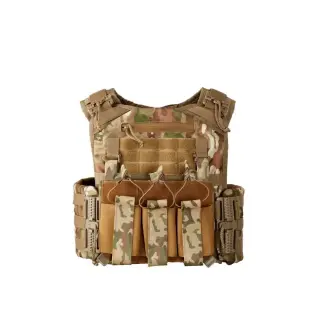
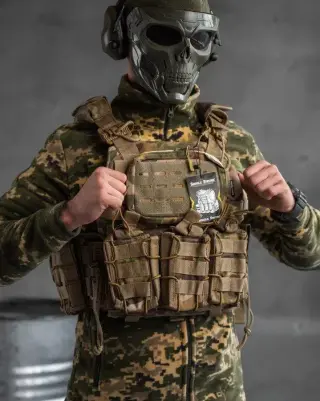
Tactical plate carriers hold ballistic plates, so plates are selected separately to fit the size of the pockets. Tactical load-bearing gear of this type usually has a quick-release system so that in a critical situation you can get out of the vest with one movement. It also has MOLLE panels on the front, back and sides, an evacuation handle and ventilation inserts made of 3D mesh. Some models come with pouches and a groin protector included, while others are empty, for those who build a kit to their own needs. A plate carrier is the right choice when body armor protection is mandatory.
Battle belts and harness systems transfer weight to the belt and hips. A belt-and-harness system is a belt with shoulder straps, including X-shaped ones, which keep the belt from sliding down under load. A battle belt can be worn on its own or together with a plate carrier, moving some of the pouches lower. Some belts have a pocket for a ballistic pack and an anatomical insert that supports the lower back. This option is convenient for long marches, for drivers and for those who find a vest restrictive.
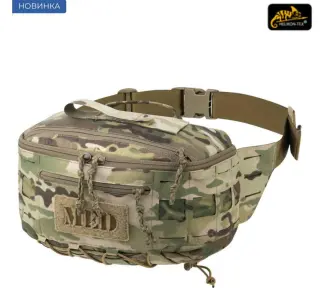
Separate tactical pouches let you complete the base setup. Magazine pouches come open, for fast reloading, and closed with a flap, which protect better against dirt and loss; single, double and triple, with elastic or rigid inserts. Medical pouches are made tear-off so that the first-aid kit can be pulled out with one hand. The tourniquet is placed where either hand can reach it. Utility and admin pouches, radio and grenade pouches, and a dump pouch for empty magazines cover the remaining tasks.
How to Choose
First decide on the base, then place the pouches so that the most necessary items can be reached without looking. Military load-bearing gear should be adjustable in width and height to fit your clothing, and the buckles should unfasten while wearing gloves. Check the compatibility of the attachments: MOLLE pouches fit most carriers, while hook-and-loop models fit only hook-and-loop panels. Before heading out, try on the full kit and make a few active movements: nothing should flap around or press.