Battle Belts and Load-Bearing Harness Systems
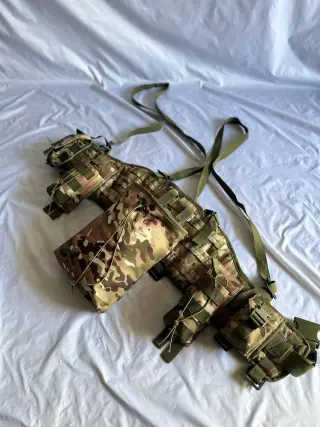
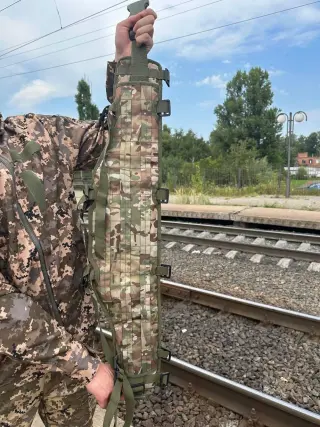
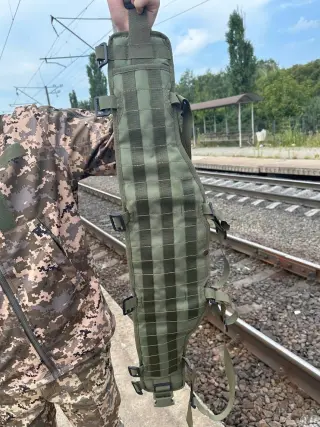
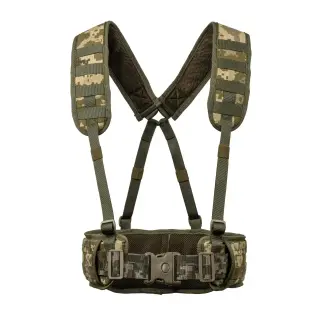
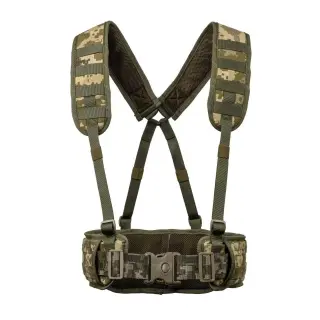
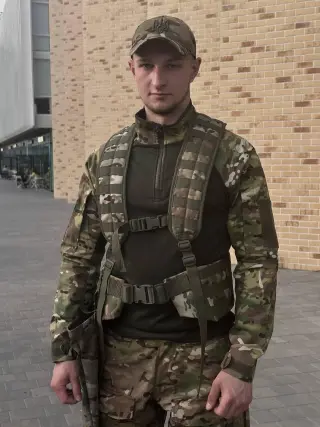
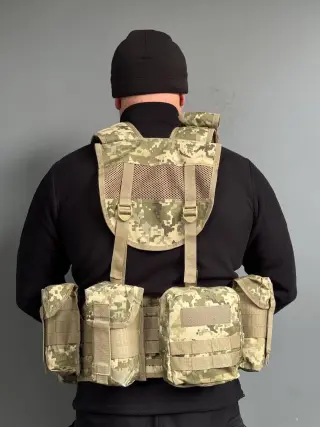
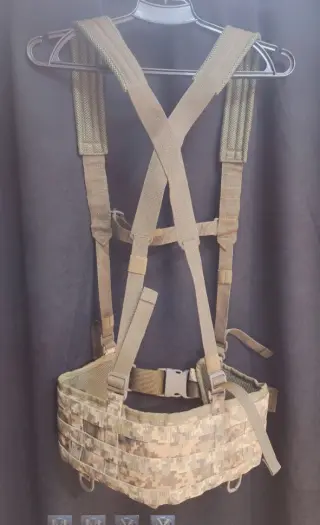




RPS: how to choose a belt-and-shoulder harness system
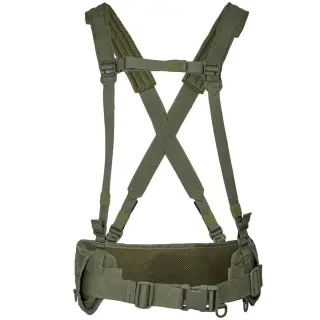
An RPS, or belt-and-shoulder harness system, keeps everything you need within reach on your belt: magazines, a first aid kit, a tourniquet, a flashlight. The weight is carried on the hips, while your arms and chest stay free. Before you buy an RPS, decide on three things: whether you need shoulder straps, what you will wear the system with, and whether you want a ready-made set of pouches or plan to put one together yourself.
RPS or a load-bearing belt without straps
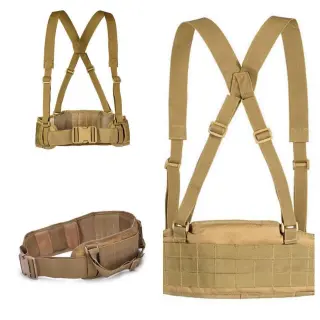
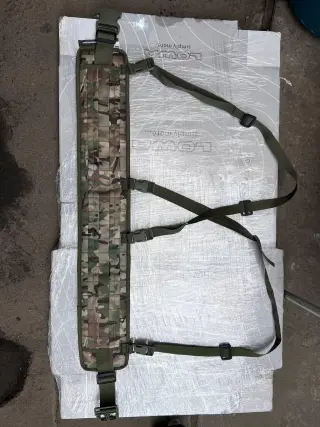
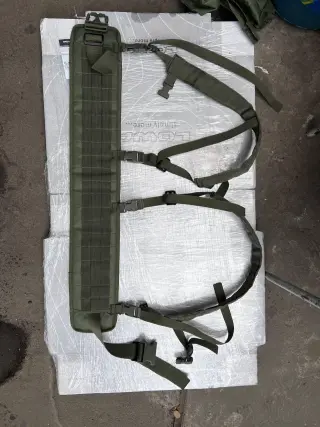
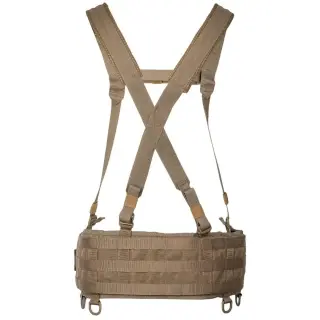
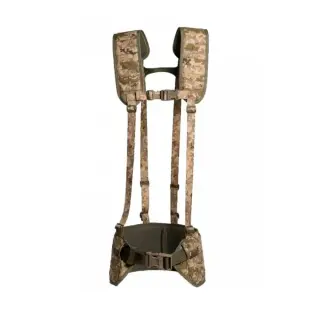
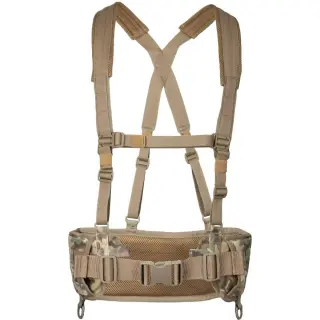
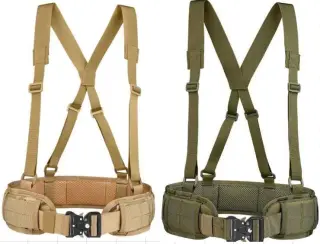
A classic load-bearing system is a belt with straps. The straps keep the belt from sliding down under the weight of the gear and partly transfer the load to the shoulders, so a full set of magazines feels lighter during long movement. According to the seller's description, the coyote RPS with X-shaped straps can be worn together with body armor or a plate carrier. Wide straps with MOLLE provide several more places for small gear.
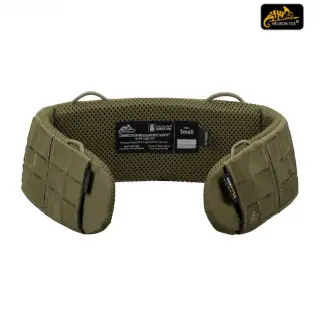
A load-bearing belt without straps is more compact and quicker to take off, and it is convenient to combine with a plate carrier that already has its own straps. According to the seller's description, a belt with an anatomical insert can be turned into an RPS by adding straps — this is an option for those who have not yet decided which setup is more comfortable.
What to look at in the construction
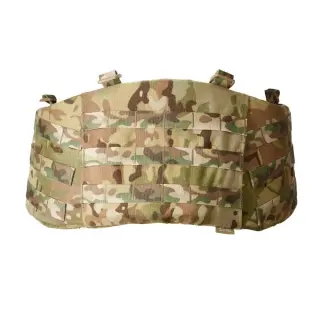
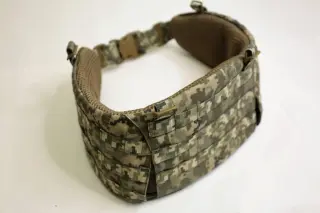
The foundation is a belt with MOLLE loops: it determines whether a pouch from any manufacturer will fit in your chosen spot. A rigid belt holds its shape under full load and does not fold under the weight of the magazines; a softer one is more comfortable in a vehicle and when sitting for a long time. The construction is often two-layer: the inner belt with hook-and-loop fastening stays on the trousers, and the outer combat belt attaches to it, so the system does not twist.
The fabric is usually Cordura or dense polyamide, resistant to abrasion. The fastening is a buckle-type fastex with a lock or a metal buckle: the first can be released quickly with one hand, the second is more reliable under sharp tugs. A mesh with a spacer weave on the inner side wicks away sweat in summer. Some models, such as the ERGO belt, have a pocket for a ballistic pack — check which pack size it is designed for.
RPS with pouches or without
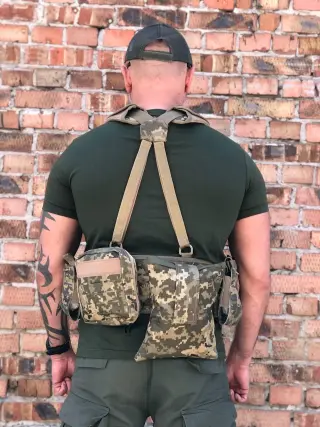
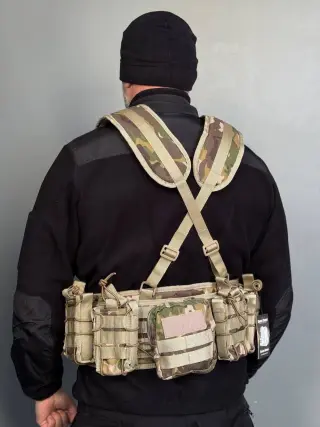
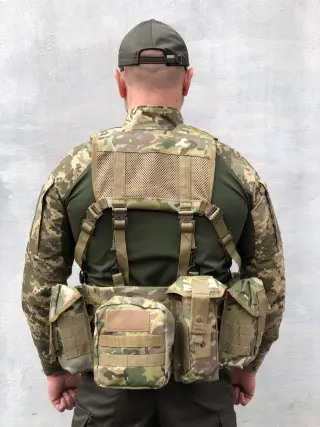
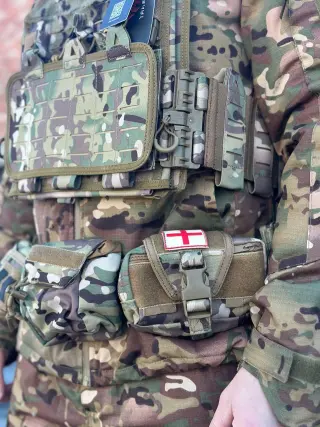
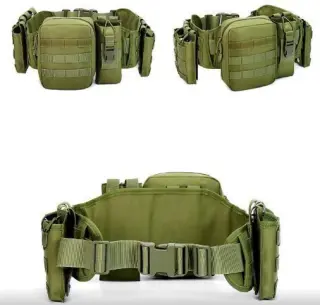
An RPS with pouches is a ready-made solution: the pouches are already matched to the belt. For example, the Single Sword RPS with Multicam pouches consists of 4 magazine pouches, a first aid pouch and a tourniquet pouch, while the YAKEDA belt with pouches comes with pouches for rifle and pistol magazines, a flask and miscellaneous accessories.
A system without pouches is chosen by those who already have their own set or know exactly what layout they need for a specific task. In that case, pouches are selected separately for your caliber, first aid kit and communications.
Size, fit and color
An RPS is adjustable by the height of the straps and the circumference of the belt, but the range of adjustment varies. Some models come in S/M/L and XL/XXL/XXXL size charts, others are one-size-fits-all; the YAKEDA belt with pouches is stated to adjust within 80–125 cm. Try the system on over winter clothing and body armor: a belt fitted over a T-shirt may not close in winter.
Choose the color to match your uniform and terrain. A Multicam RPS goes with most modern kits, MM-14 pixel is the familiar pattern for the Armed Forces of Ukraine RPS, olive suits the forest, and coyote suits the steppe.
Look for other load-carrying gear in the load-bearing gear category.
Frequently asked questions
Can an RPS be worn with body armor?
Yes, but you should choose a model designed for that kind of wear. The belt should sit below the lower edge of the body armor so that the pouches do not press against the plates. The straps should not overlap the body armor's shoulder straps and chafe.
Which pouches should be attached to an RPS first?
First of all, the first aid kit and the tourniquet, then the magazine pouches. The first aid kit is usually mounted at the back or on the side so that it can be reached with both hands. The rest — a flashlight, a dump pouch, a flask — is added later for the specific task.
How do I care for an RPS?
Clean it with a brush and cool water with mild soap, without bleach. Dry it laid out flat, away from radiators and open flame. Periodically clean the hook-and-loop fasteners of threads and dirt so that they keep gripping.
How much does an RPS cost?
Prices start from 840 UAH and go up to 6 030 UAH. The price depends on the design and configuration, so compare models by what is included. We deliver across Ukraine.