Tactical Jackets and Outerwear
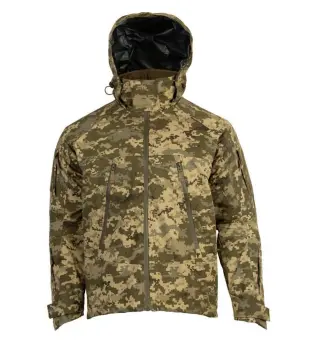
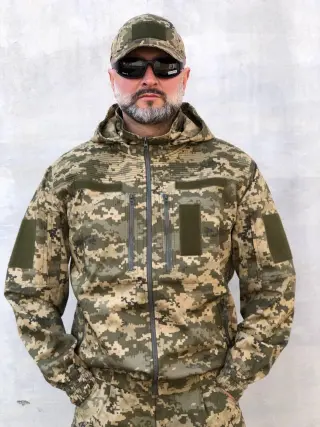
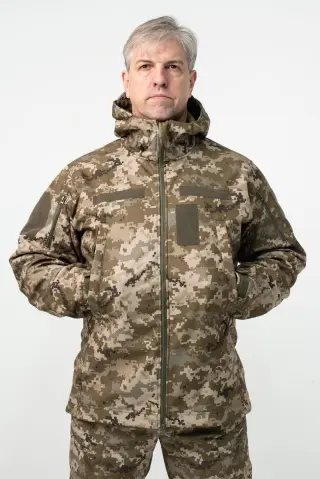
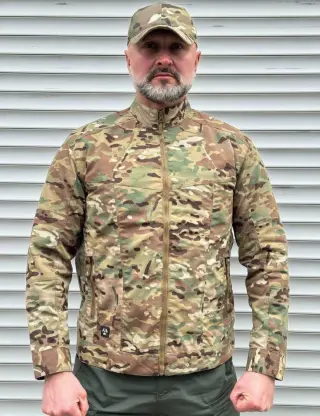
Tactical Jacket: Where to Start Your Choice
A tactical jacket is needed wherever clothing works together with gear: on duty, field trips, training, hunting or long marches. It differs from a civilian model in its cut with extra freedom of movement, pockets you can reach even while wearing a plate carrier, hook-and-loop panels for patches, and adjustable cuffs, hood and hem. Start your choice with the season and the nature of the workload: whether you will mostly be on the move or standing still for long periods. That determines what you need: insulation, a membrane, or just a light windproof shell. Choose the color to suit the terrain and your unit's requirements, and this article will help you figure it out: choosing gear color.
Winter tactical jackets are designed for long exposure to cold: shifts, posts, long waiting. What matters here is not only the insulation (synthetic, eco-down or a lining with a reflective layer), but also protection from wind and wet snow: a high collar, a roomy hood, taped seams, and a wind flap behind the zipper. A straight, roomy cut leaves space for thermal underwear and fleece. This group also includes pea coats and parkas: the longer silhouette covers the lower back better, but slightly restricts movement when you are active.
Between-season jackets are meant for spring, autumn and mild winters, when the weather changes during the day. They come uninsulated, with light insulation or with a fleece lining, often with a membrane or water-repellent coating. This kind of military jacket works as your main outer layer for most of the year: on a colder day you wear a sweater under it, and on a warm one you wear it over just a T-shirt.
Softshell jackets are made from a dense stretch fabric that blocks wind and repels light drops, and on the inside such models usually have fleece. They are quieter than nylon ones and stretch well during movement, which is why they are valued for training and hiking. However, a softshell will not withstand a prolonged downpour: for such weather you will need a rain jacket on top.
Lightweight jackets and windbreakers are a thin, uninsulated layer that protects from wind and light rain. Many of them fold into a pocket or a small pouch and take up almost no space in a backpack, so they are carried as a spare layer in case the weather changes. There are options with a mesh lining for ventilation, as well as bomber jackets with elastic cuffs.
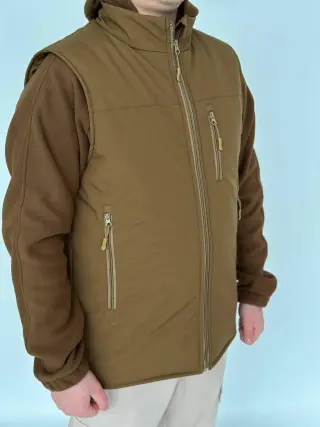
A vest is not a jacket, but it is also an outer layer. Tactical vests come insulated, warming your torso without restricting your arms, and functional, with zippered pockets for documents and small items. An insulated vest is convenient to wear under a jacket as an extra layer or on its own on a cool morning.
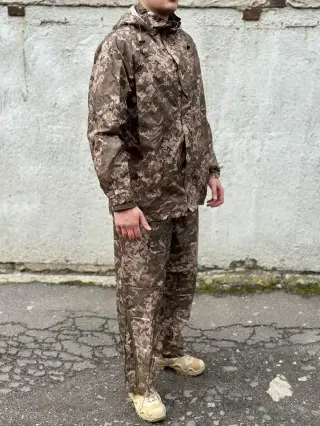
Rain jackets and ponchos come in handy for a real downpour. A poncho is quickly thrown over your gear and backpack, while a rain suit made of a jacket and pants protects your legs better and does not balloon in the wind. Pay attention to the material: PVC does not leak but does not let vapor out, oxford fabric is more resistant to abrasion, and membrane models are more comfortable when moving.
How to Choose for Your Tasks
A Ukrainian army jacket or a model for field trips should fit loosely, so try it on together with a warm sweater. Check whether your arms rise easily, whether the hem rides up, and whether the plate carrier straps press on the zipper. The hood should turn together with your head and not block your view. Tactical jackets usually have a roomy cut, so check your size against the size chart of the specific model, not against your usual civilian clothing size. To learn how to combine a jacket, insulation and rain protection into one kit, read the article about the basic field trip kit.