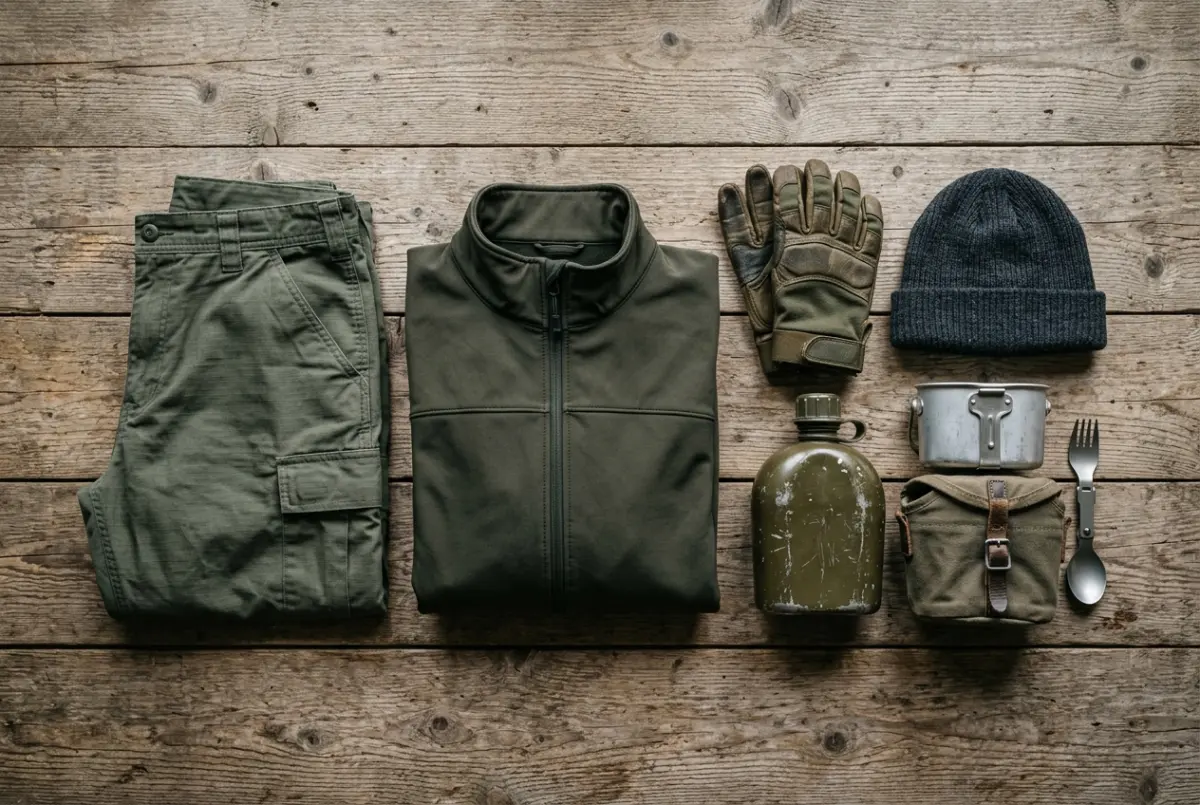
The Layering Principle: Why One Warm Jacket Isn't Enough
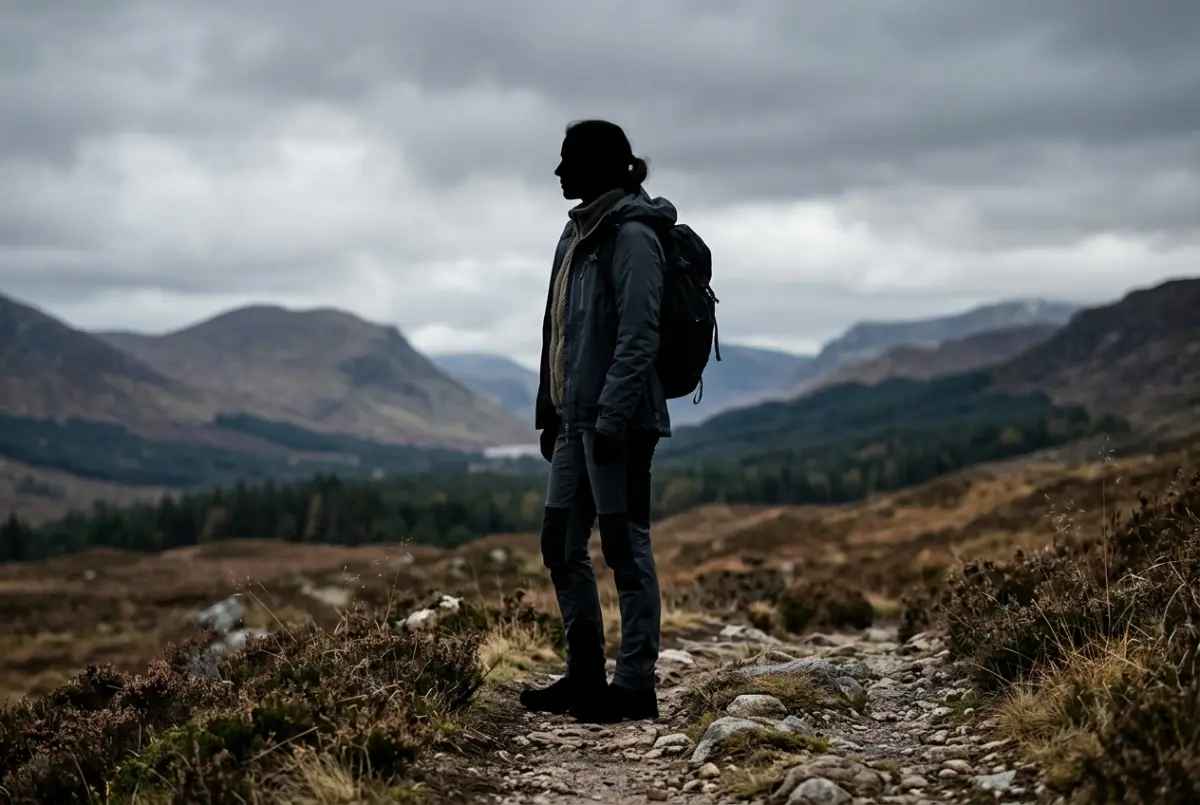
A single thick jacket looks like a solid choice — until you start moving. Your back gets soaked, and there's nothing to take off because you've got nothing underneath. The layering system solves exactly this: you manage heat and moisture by adding or removing pieces based on your activity level and the temperature.
The logic rests on three levels, each with its own role:
- Base layer (next to skin). Its job isn't to keep you warm — it's to move moisture away from your skin. If sweat stays on your body, you'll get cold even in warm clothing.
- Mid layer. Insulation. It traps warm air close to your body and is responsible for heat retention. This is the layer you add or remove most often as your activity level changes.
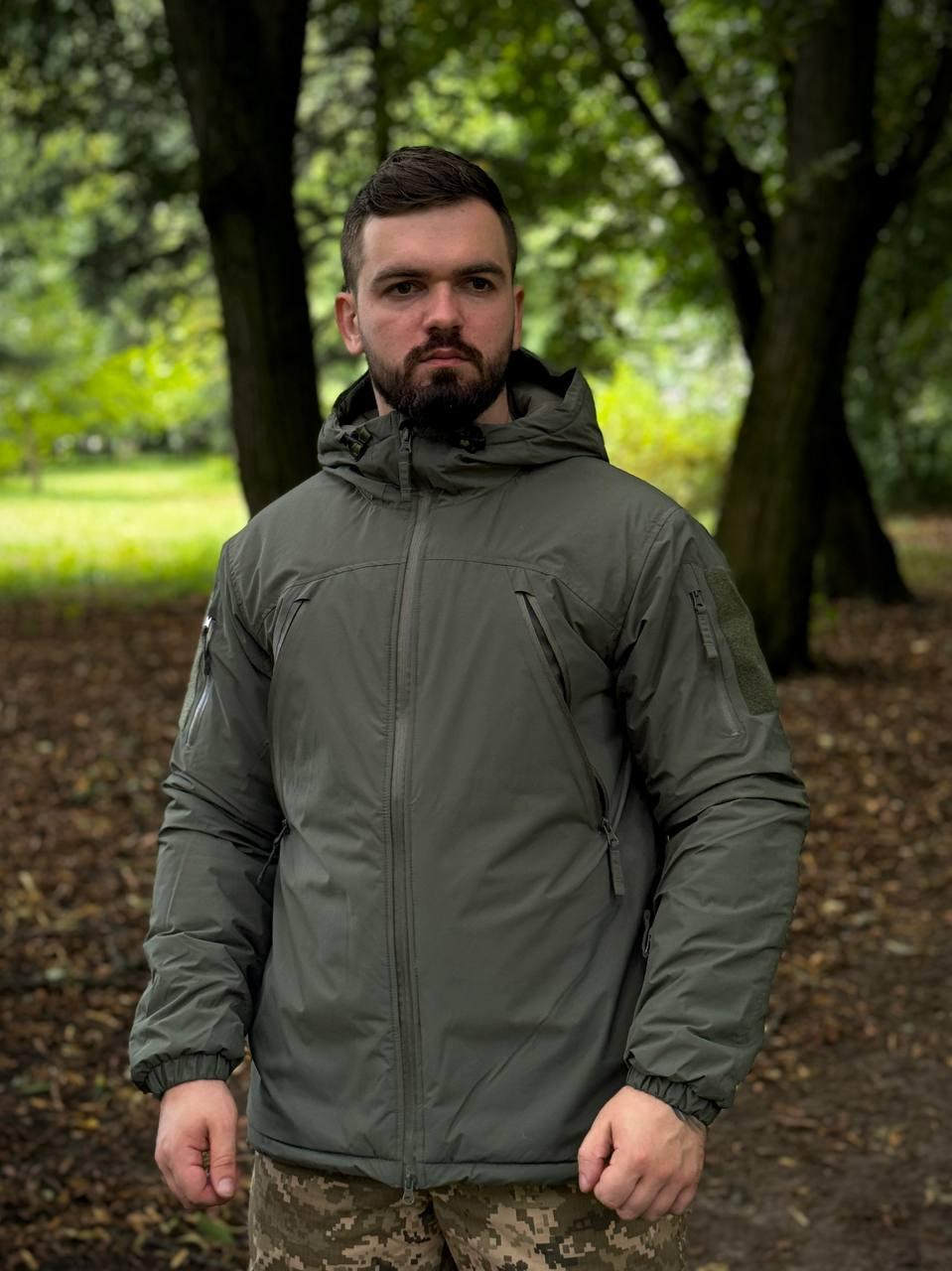
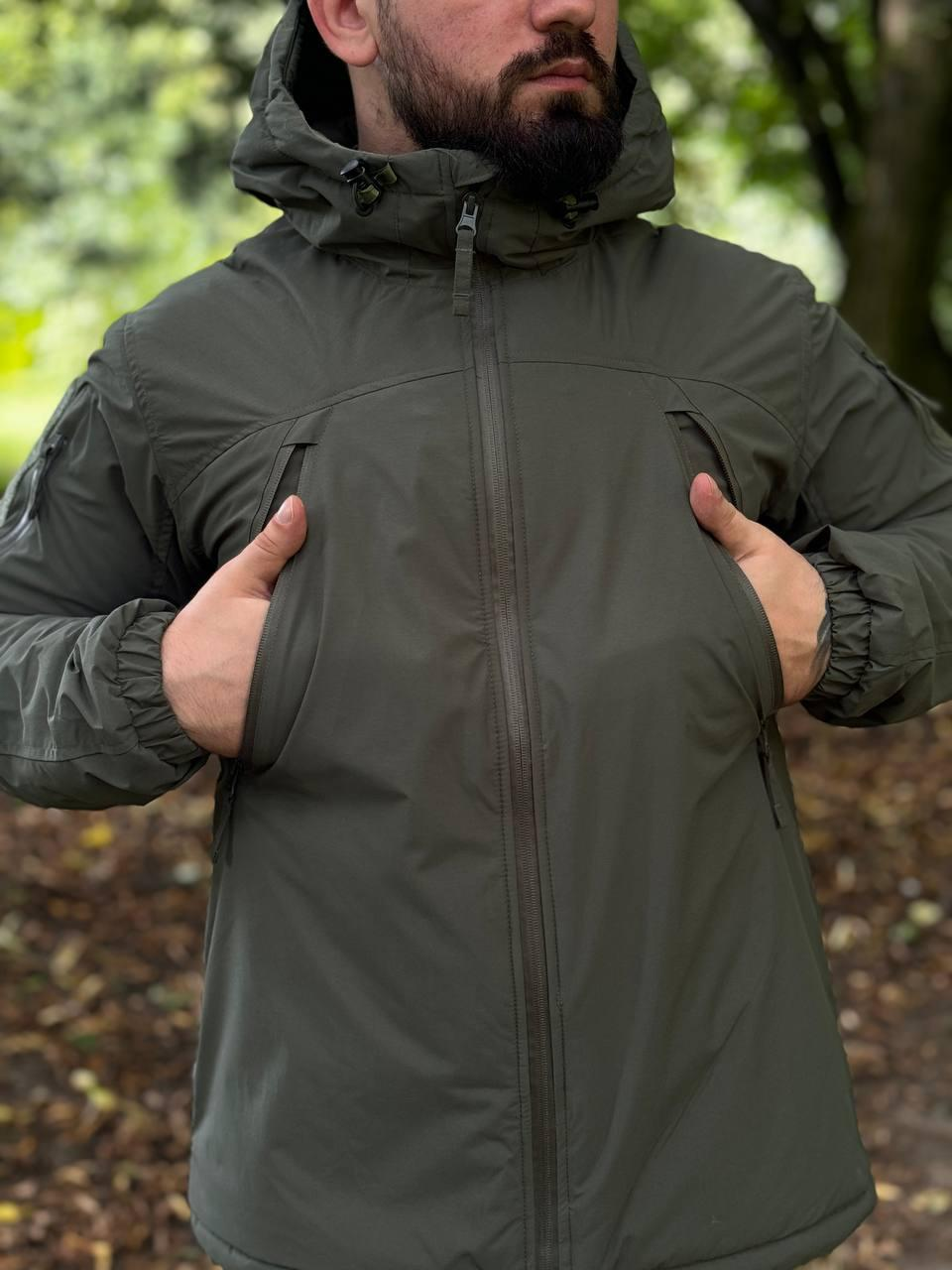
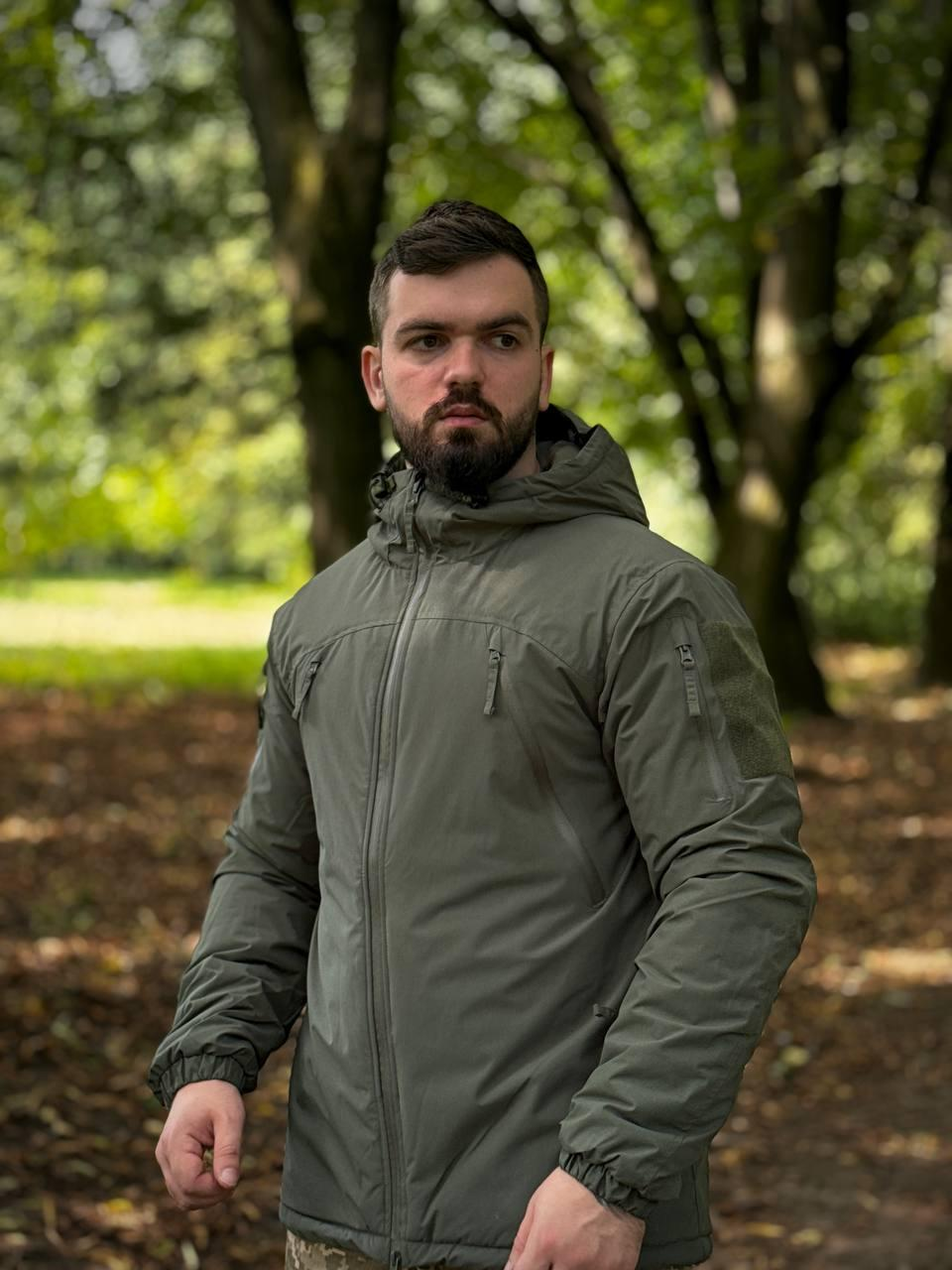
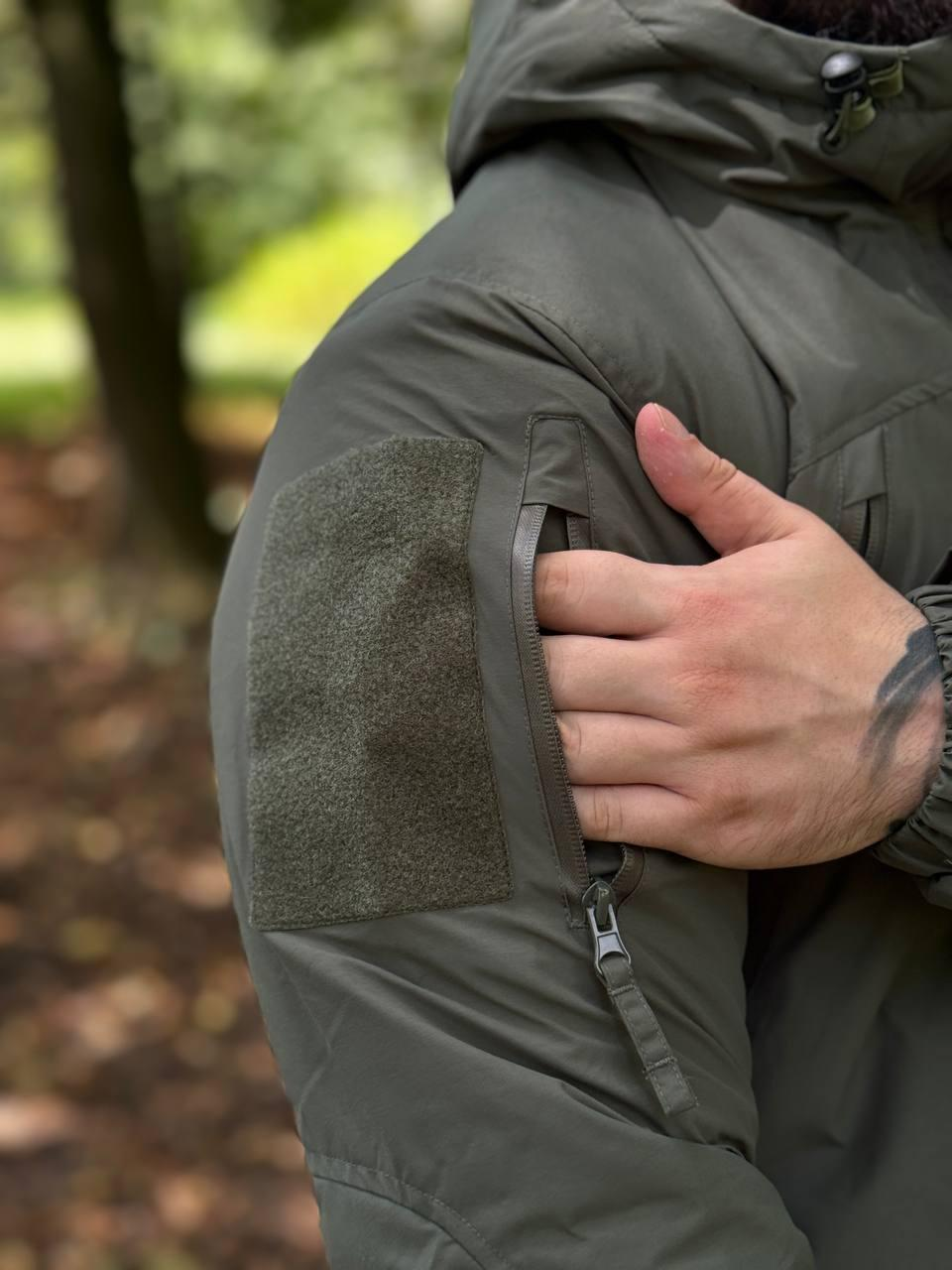
- Outer layer. Protection from wind and precipitation. It takes the brunt of the weather so the rest of the system stays dry and functional.
Why do three pieces beat one jacket? Because your activity level is never constant. You overheat on the move and cool down fast when you stop. With a layered system, you shed the mid layer on the march and put it back on at camp. With a single jacket, your only options are to sweat it out or freeze.
A word on freedom of movement: the layers must not restrict you. If you can't squat freely, reach overhead, or carry your gear — the kit isn't right. A proper system moves with you, not against you.
Below we'll break down each layer individually — with a checklist of what to take and what to look for. We'll start with the base, then cover insulation and the outer layer, and finish with the gear that completes the kit. You can browse individual pieces in the tactical clothing and gear and outerwear sections.
Mid Layer: Softshell and Fleece That Keep You Warm on the Move
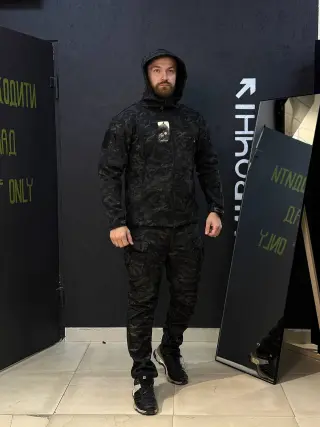
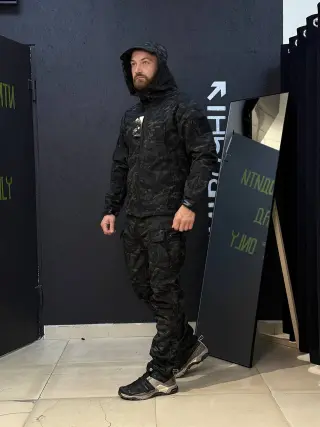
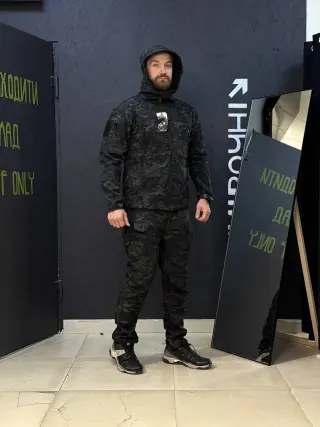
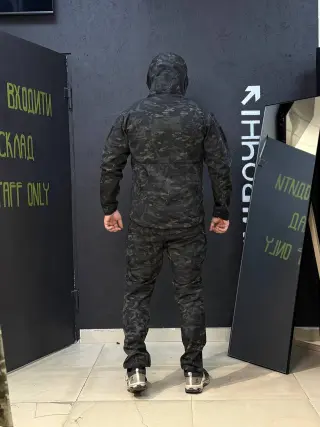
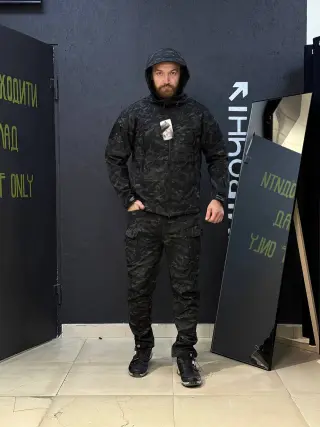
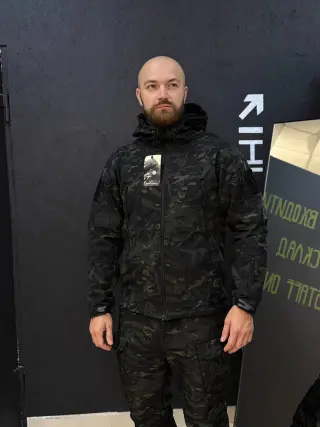
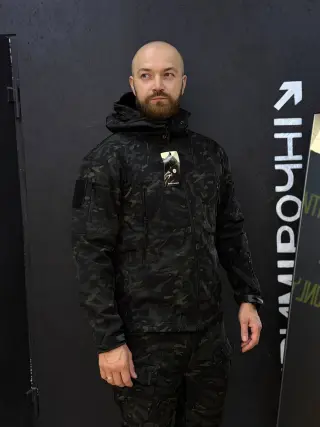
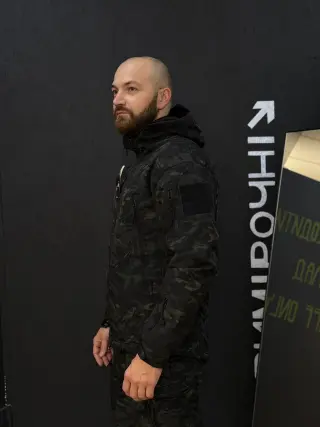
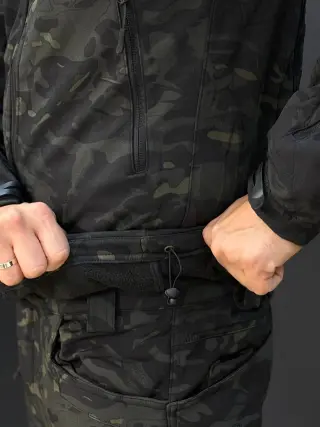
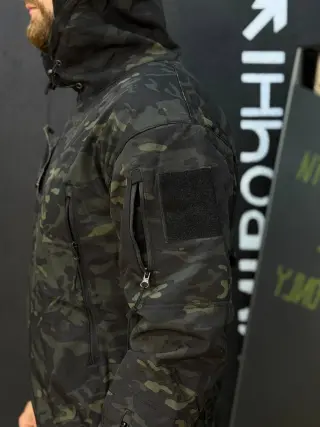
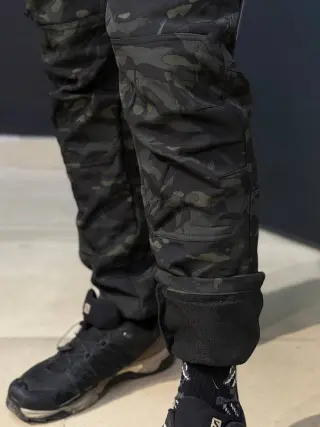
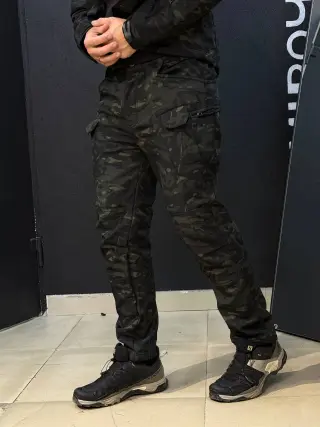
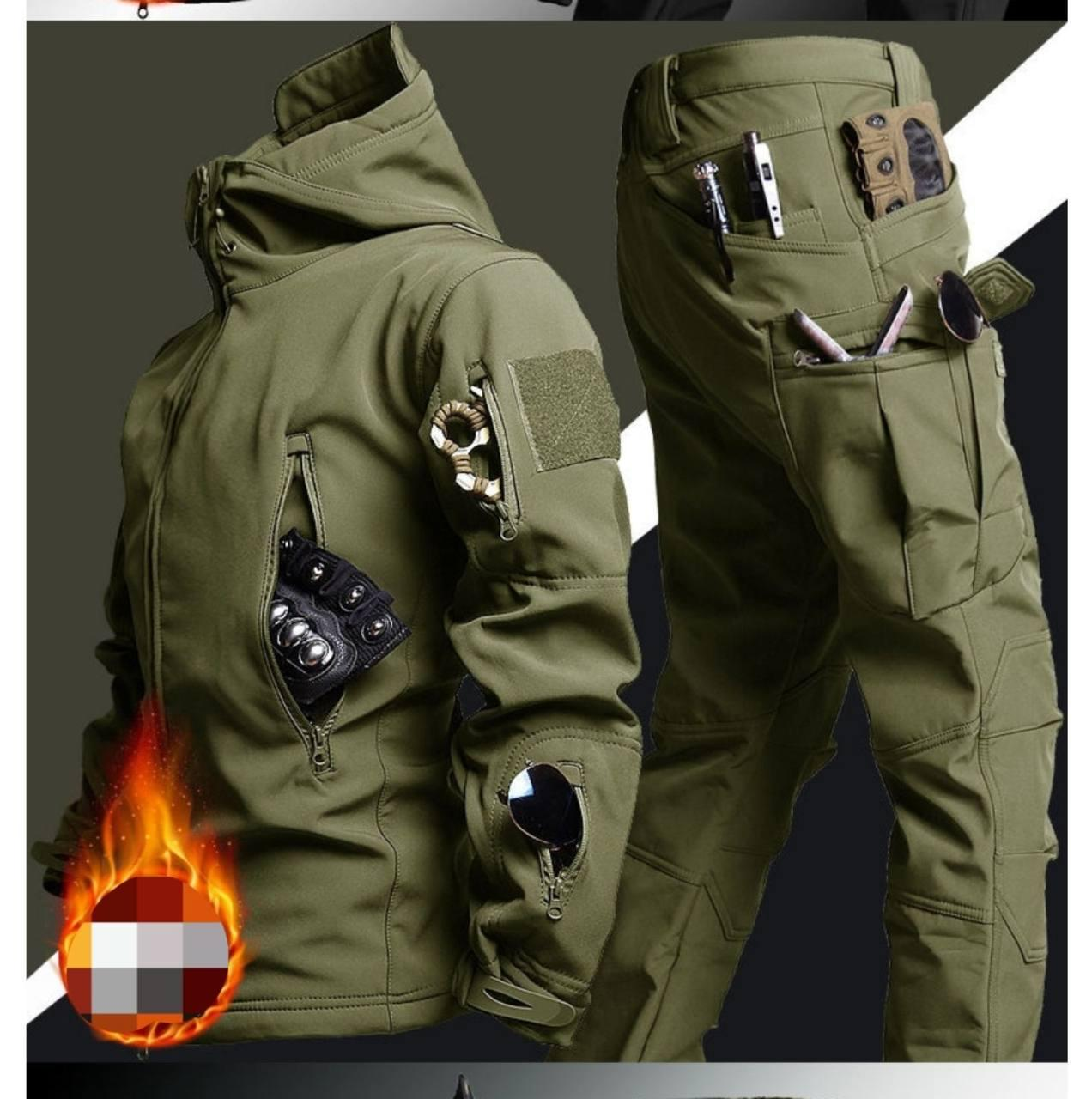
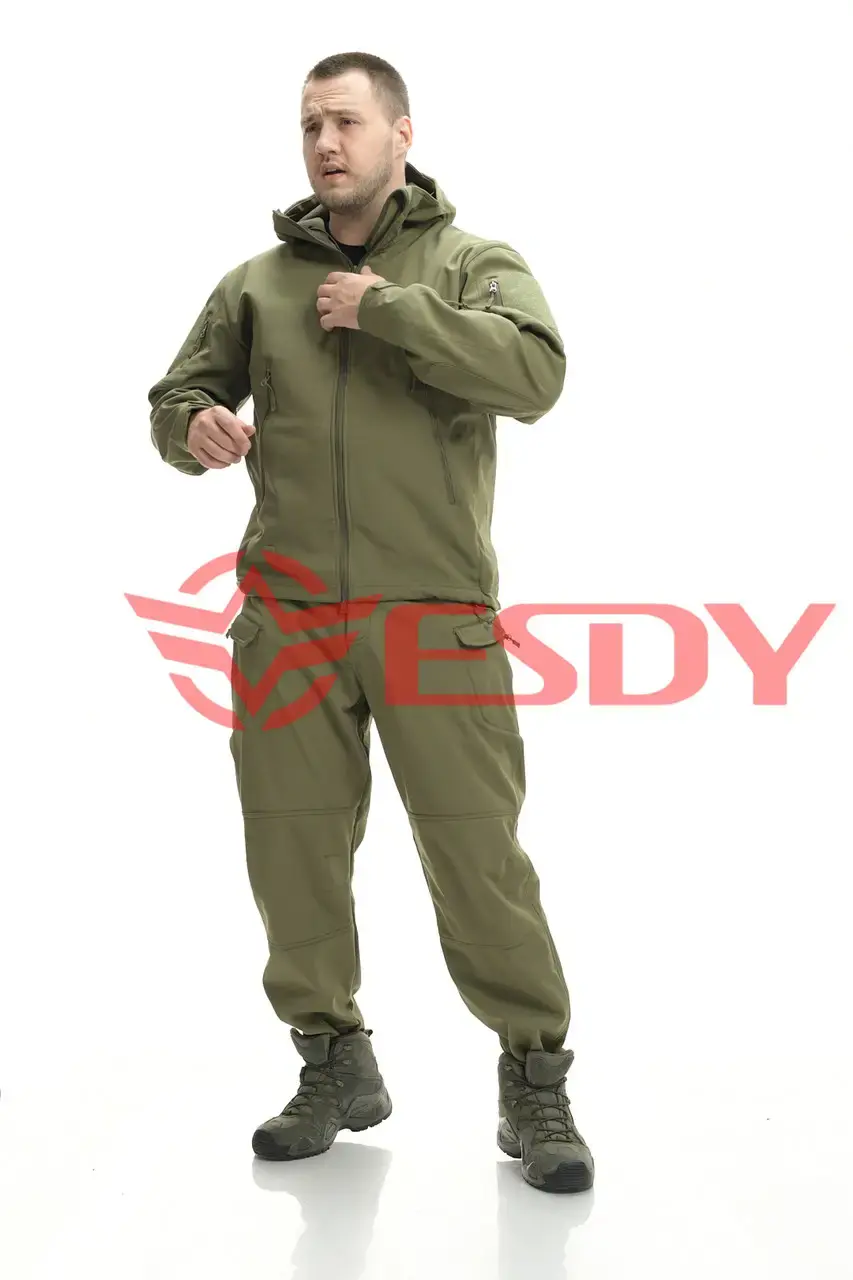
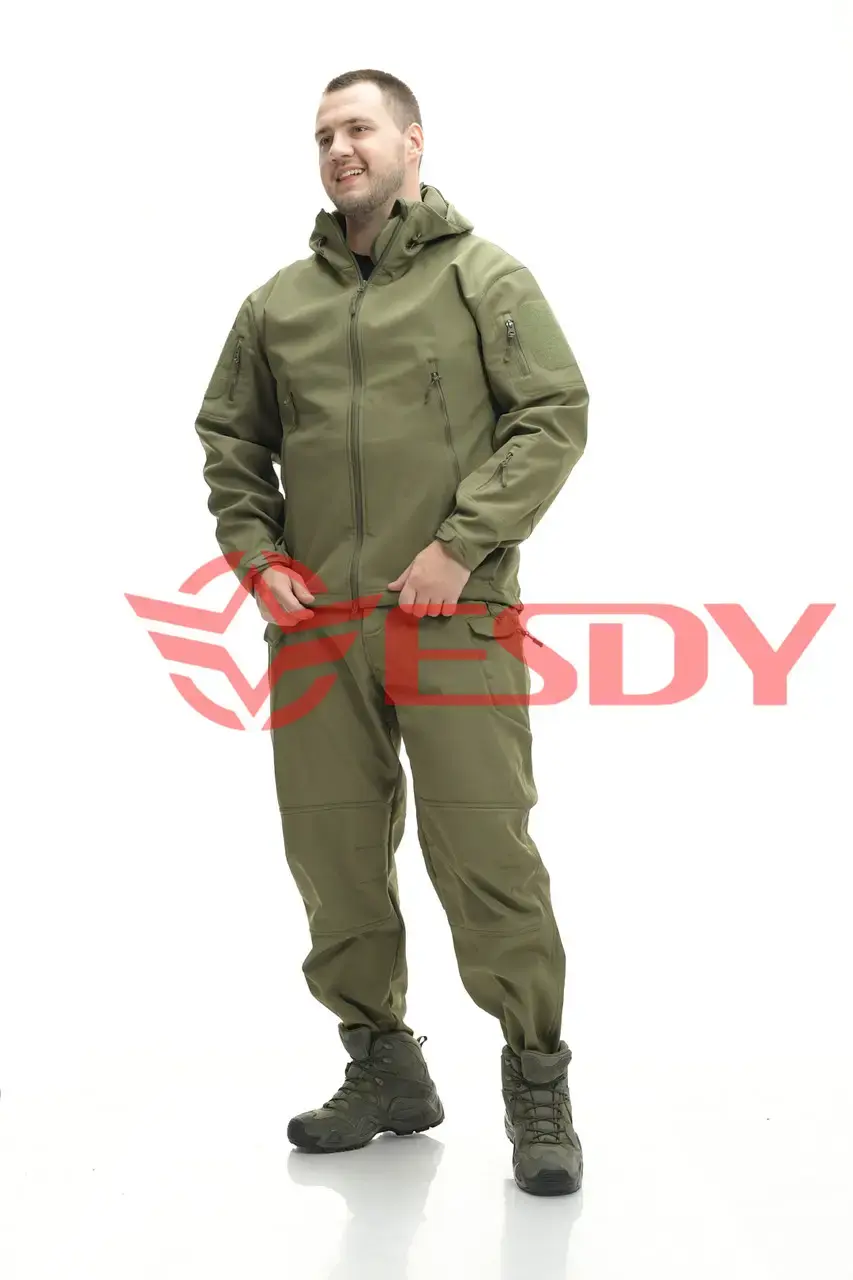
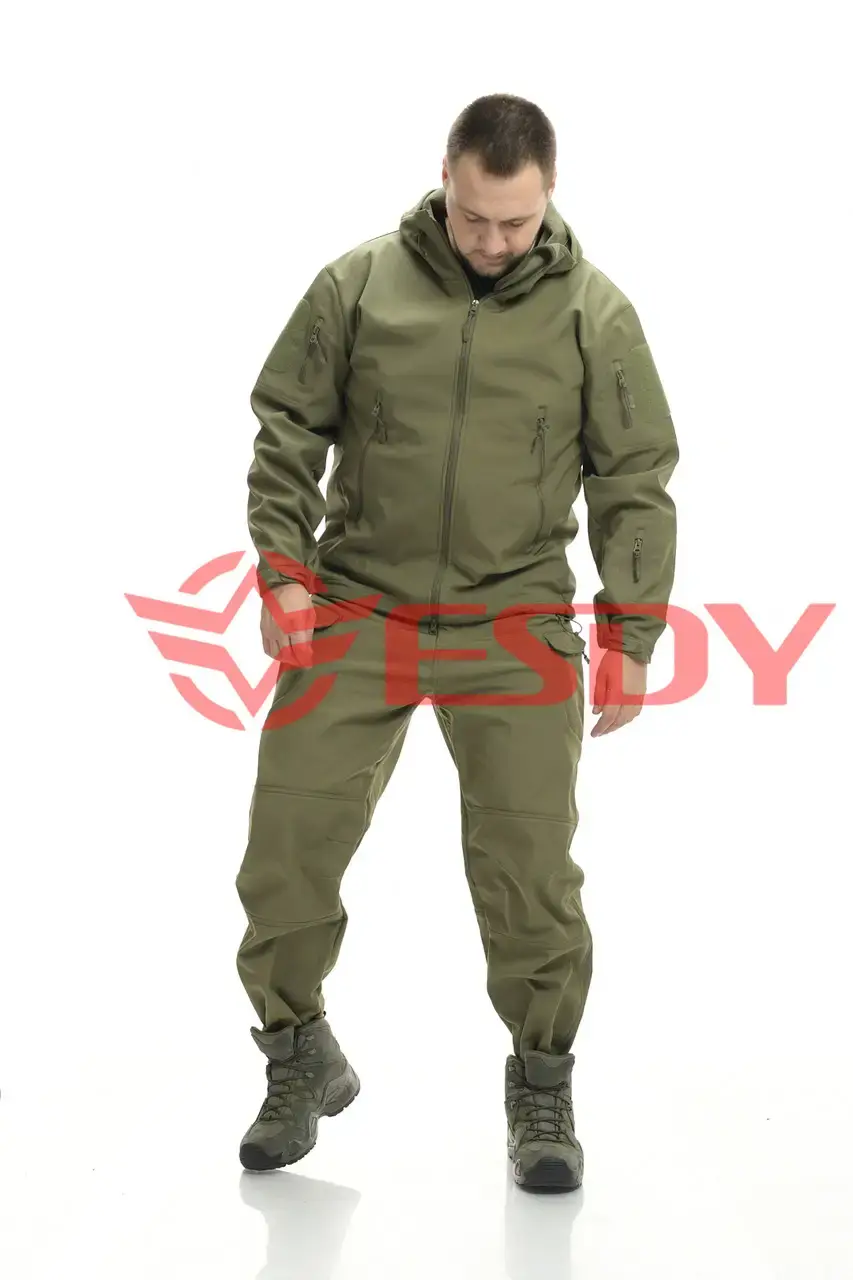
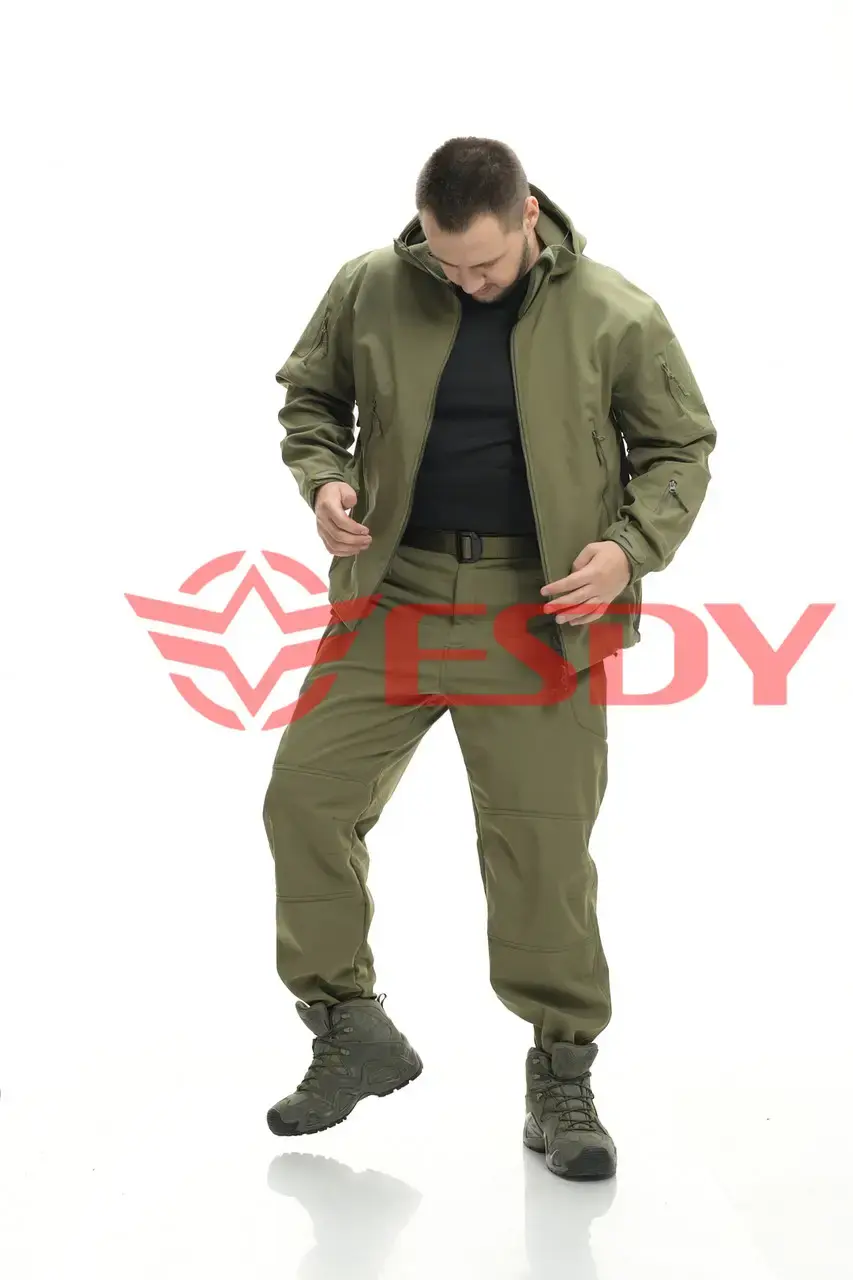
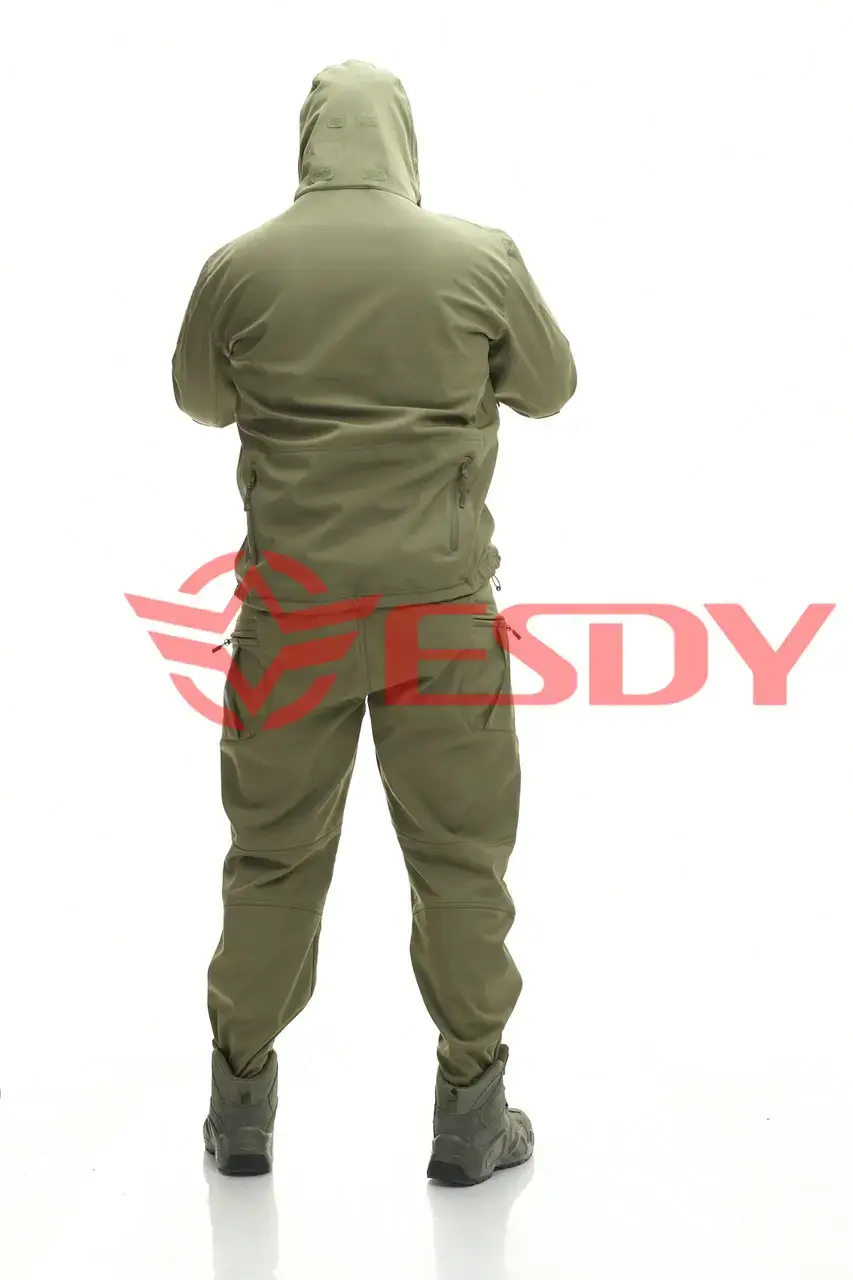
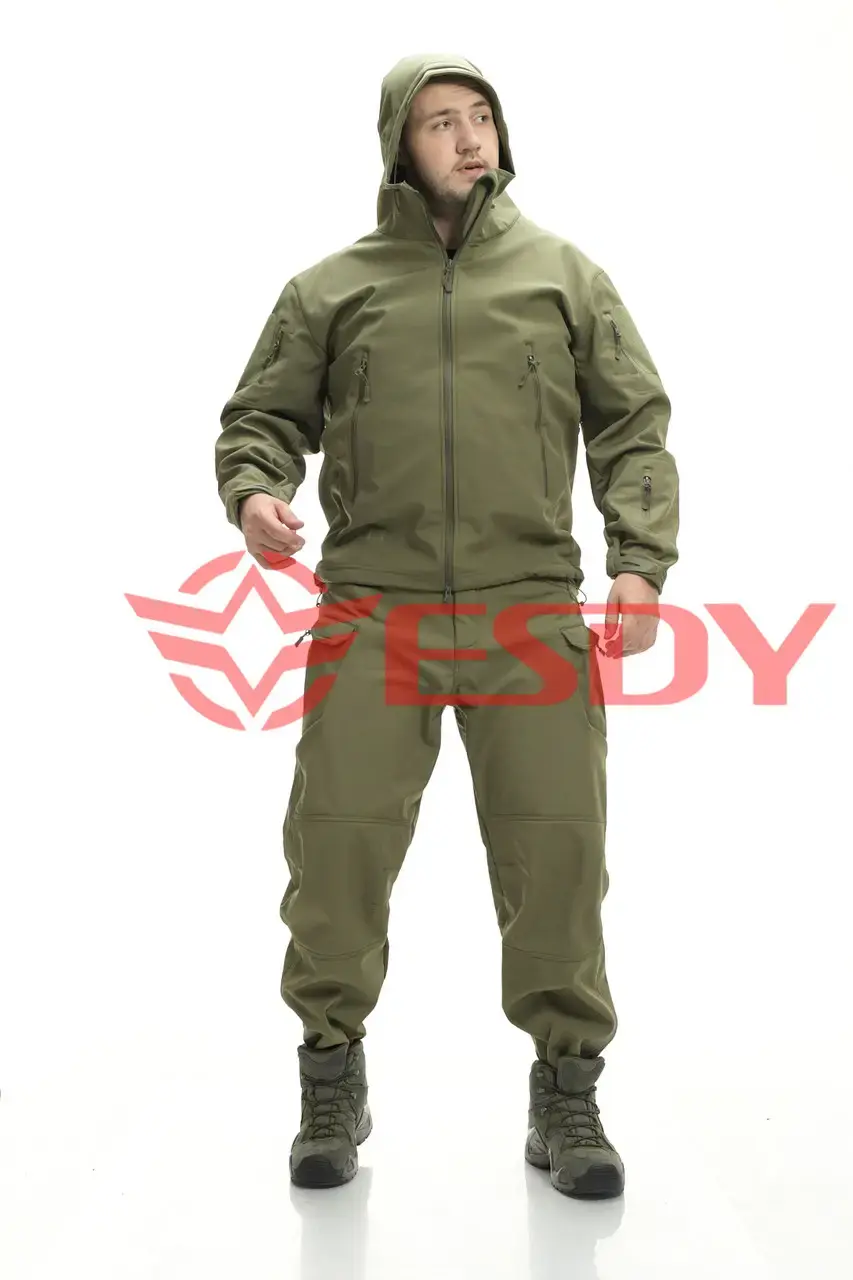
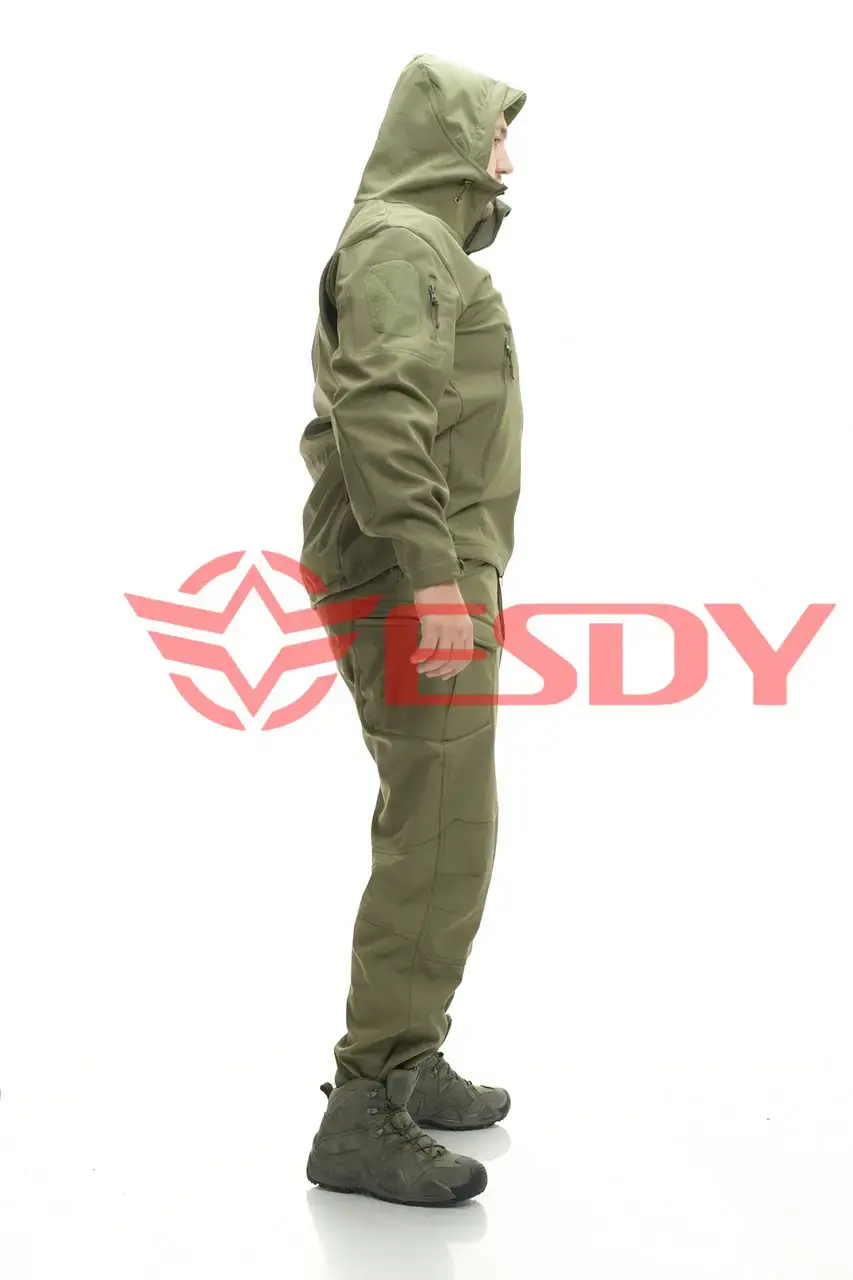
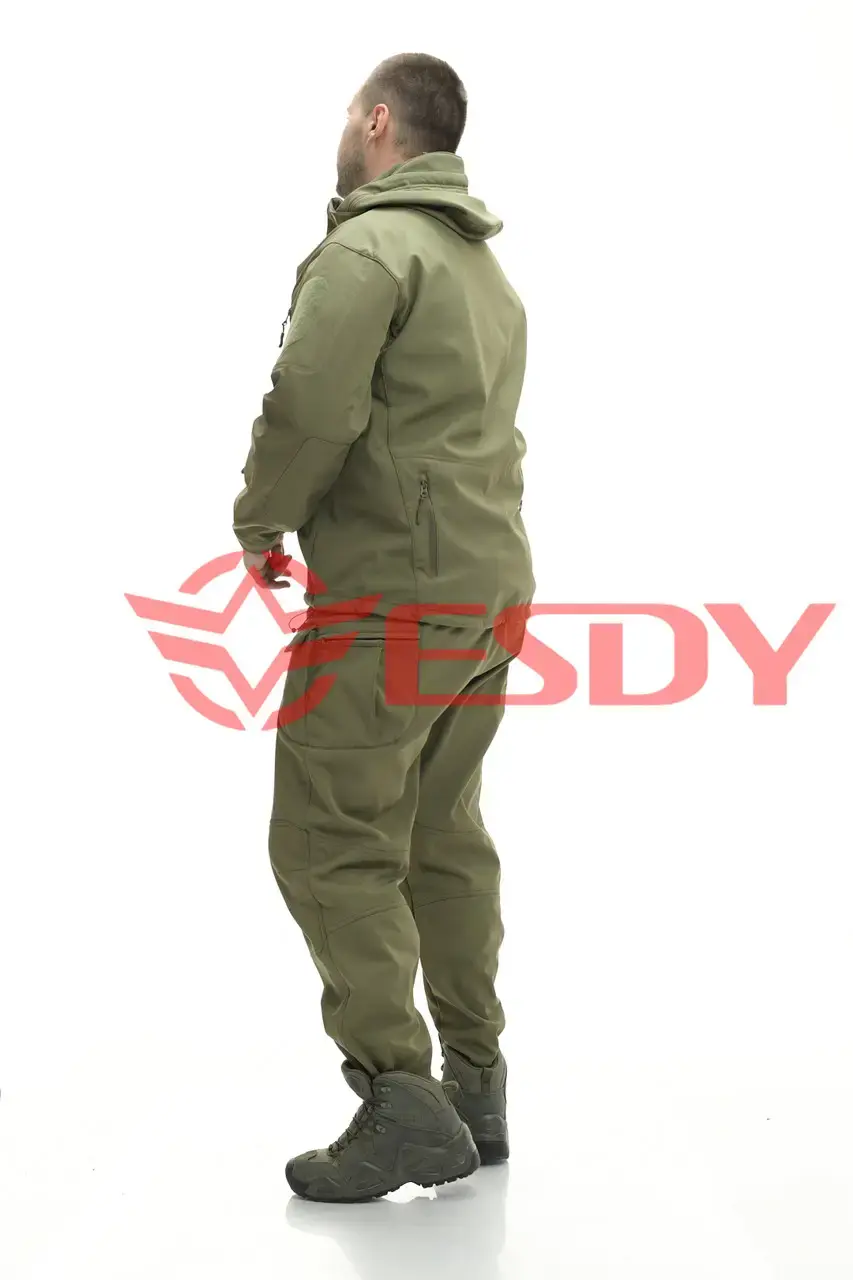
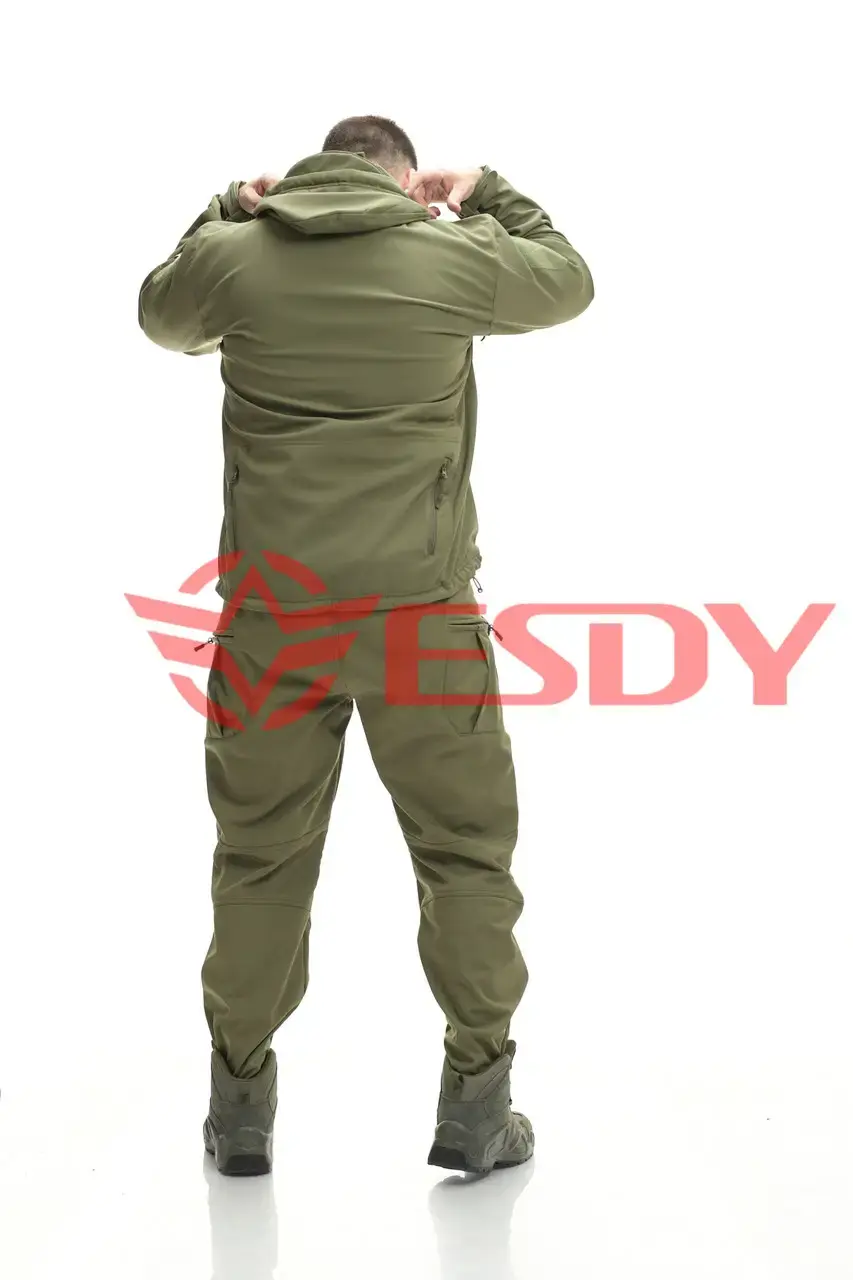
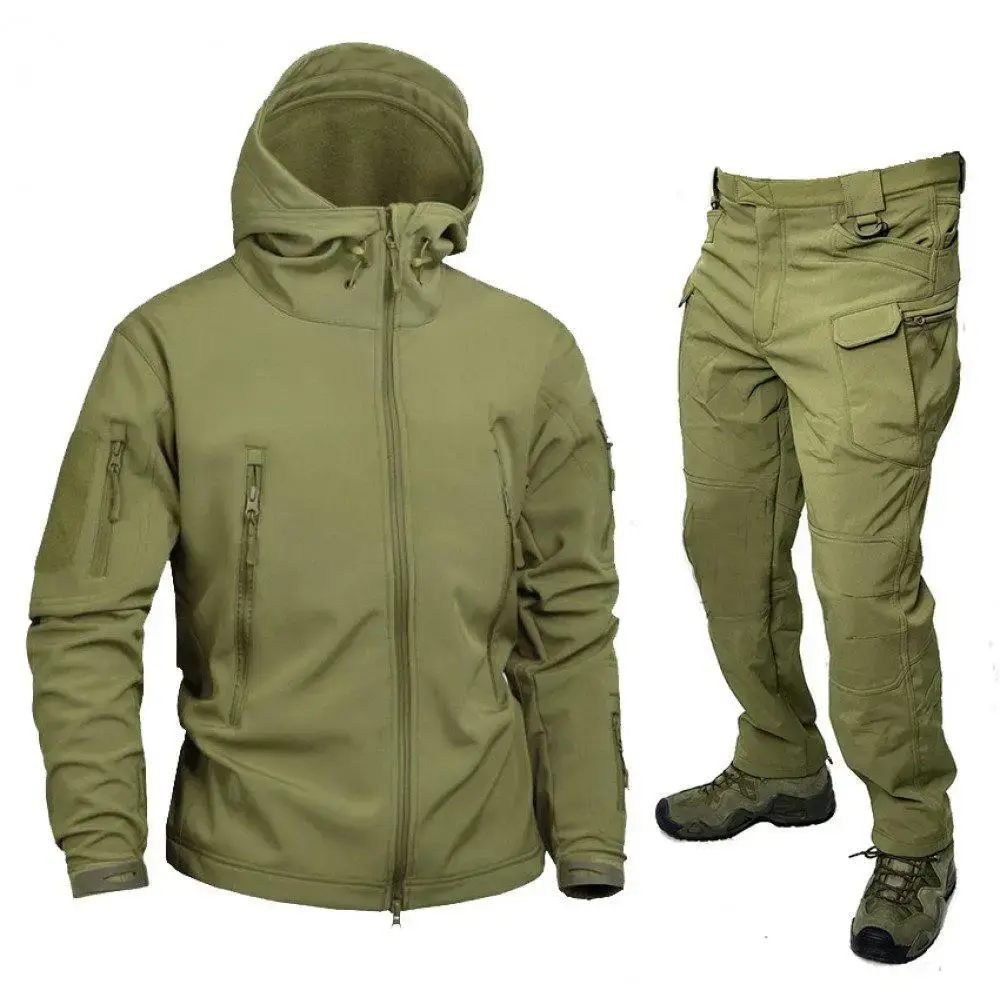
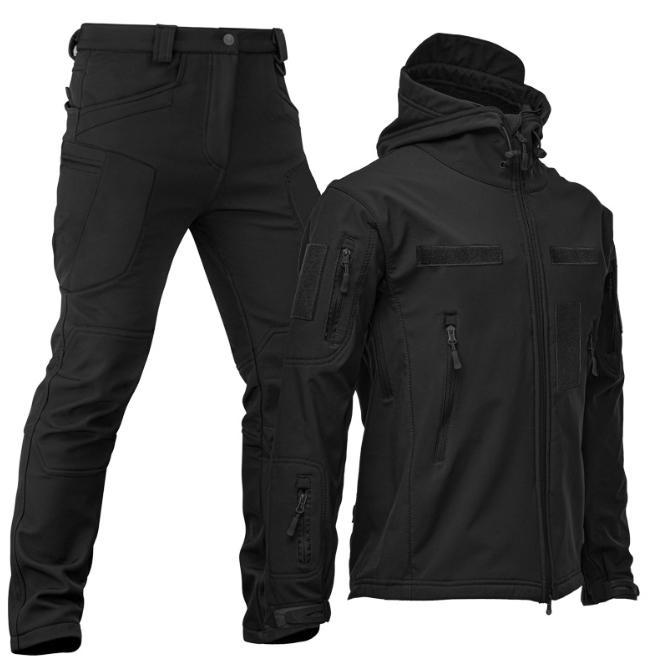
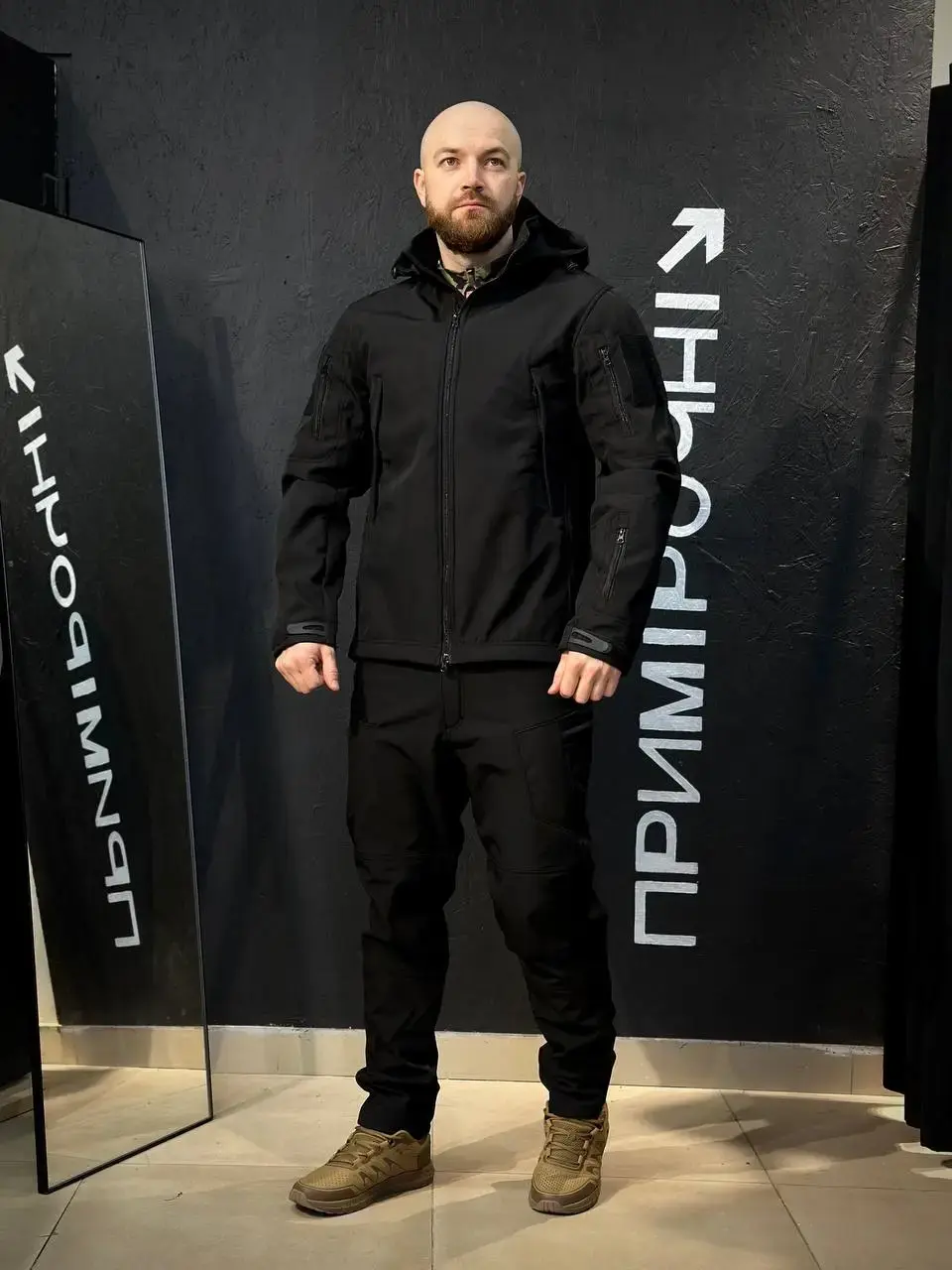
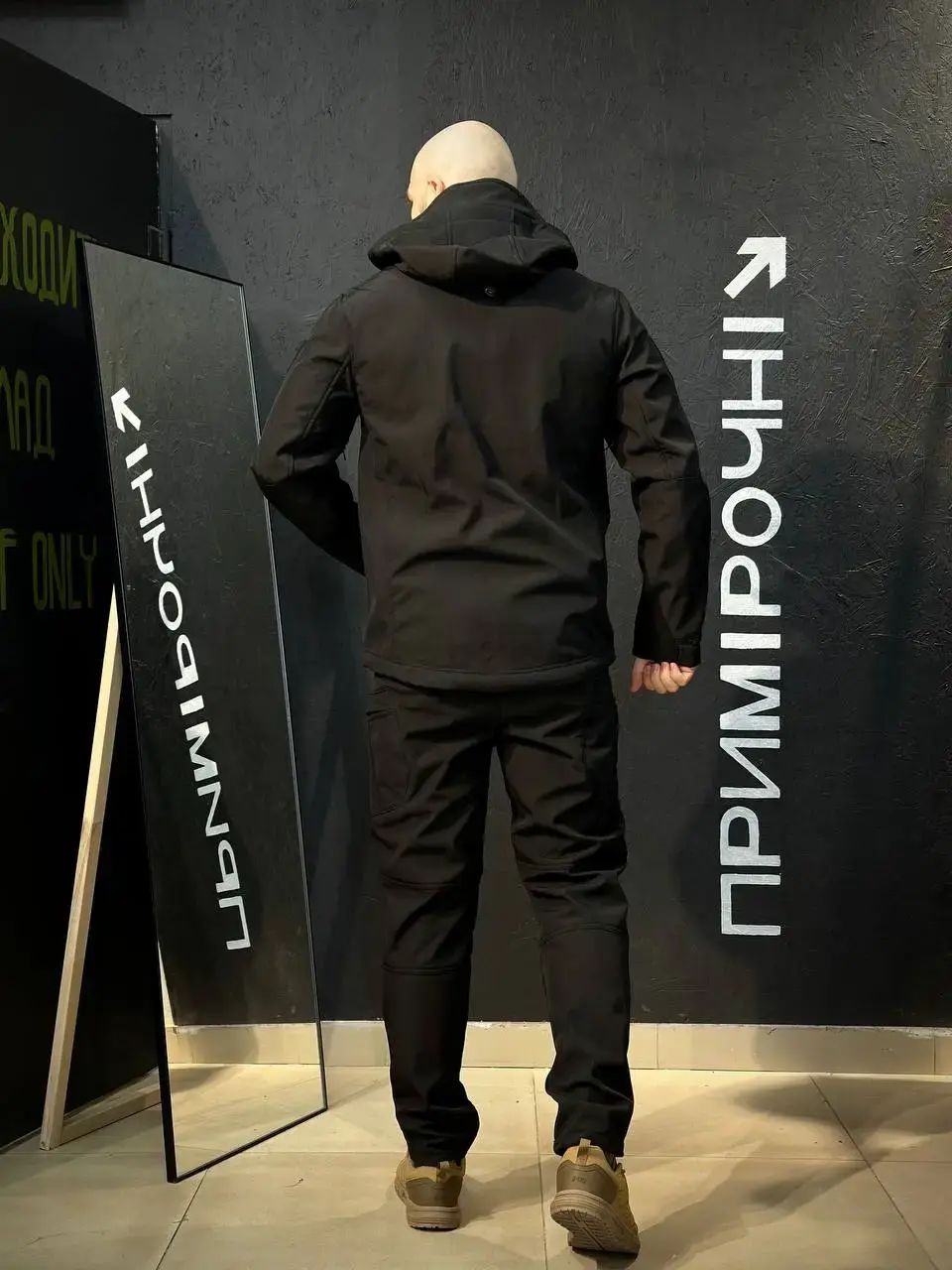
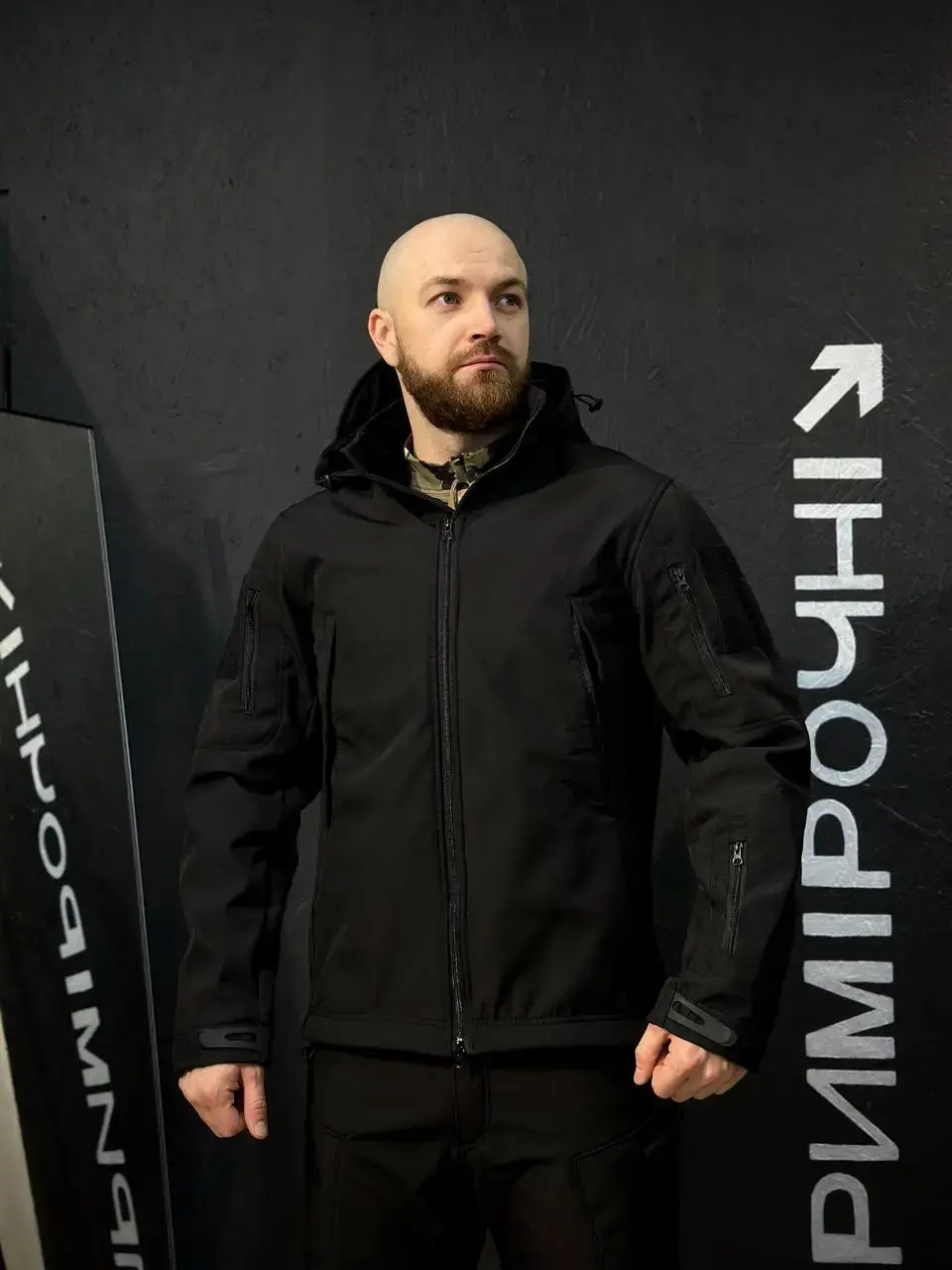
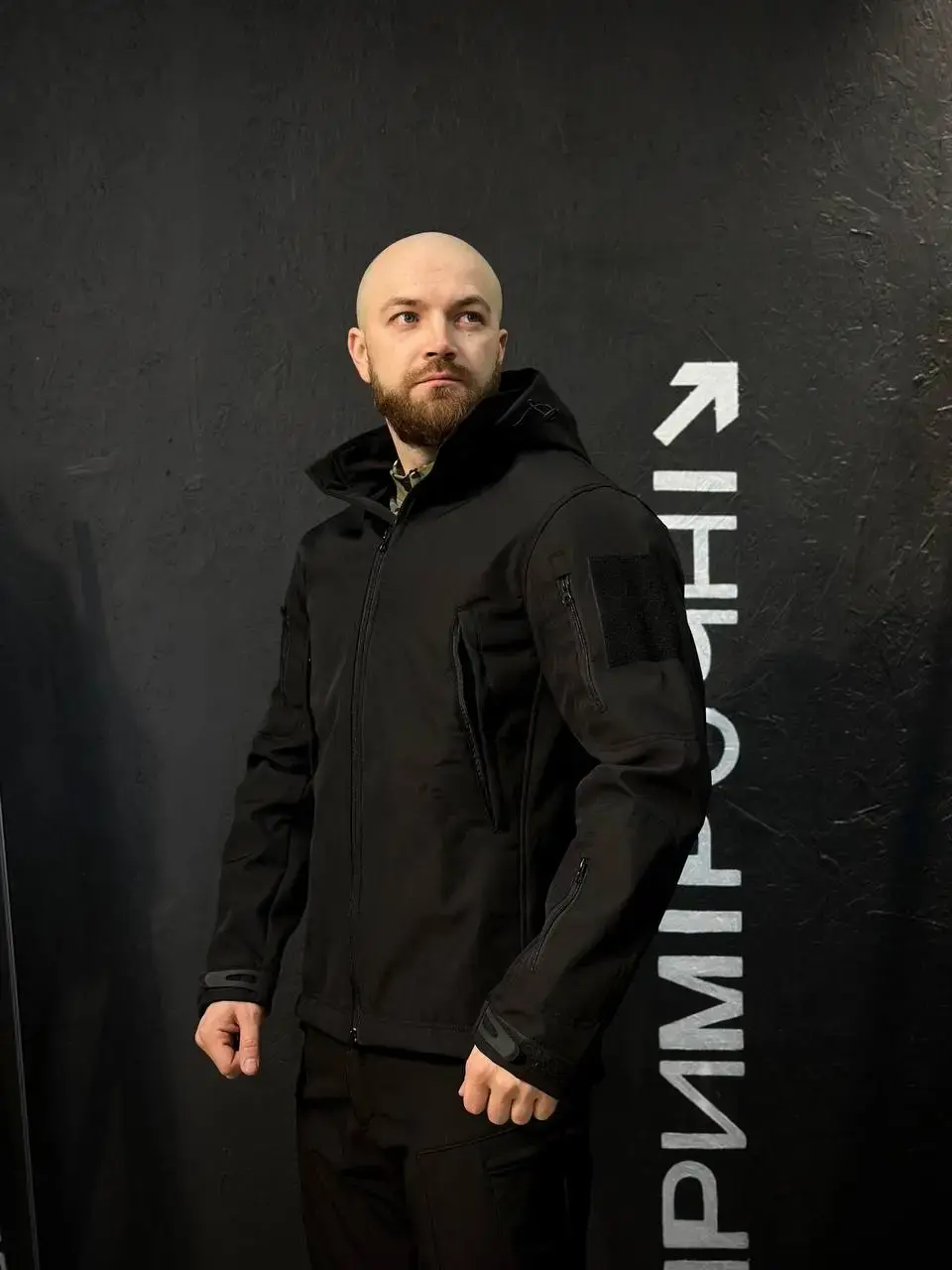
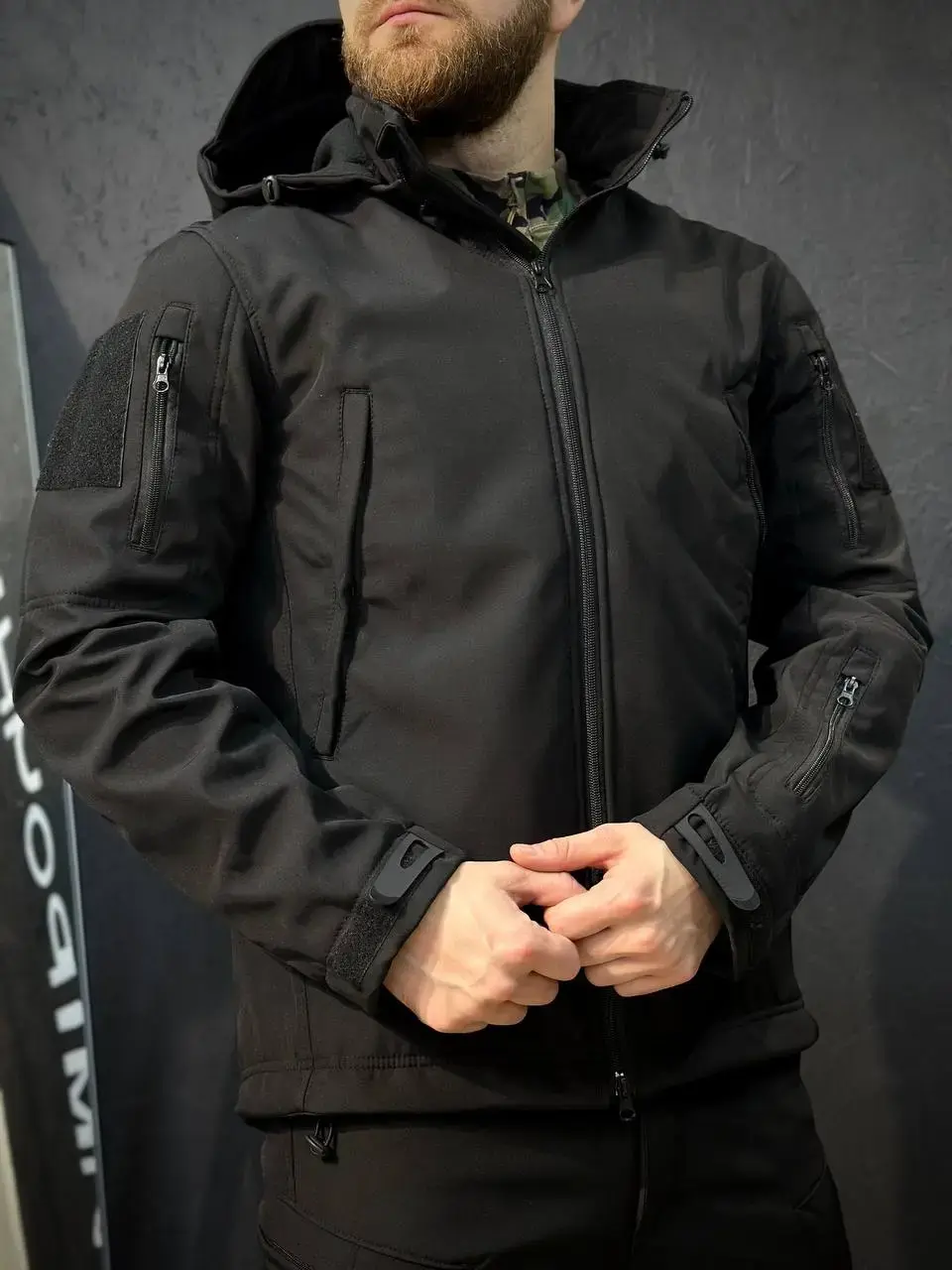
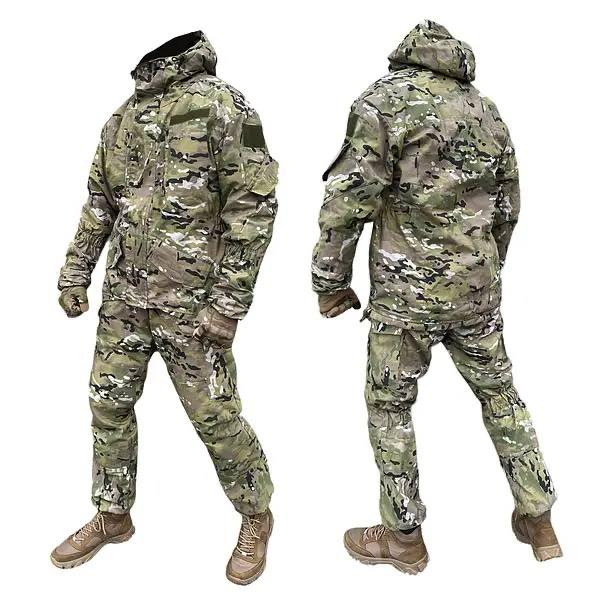
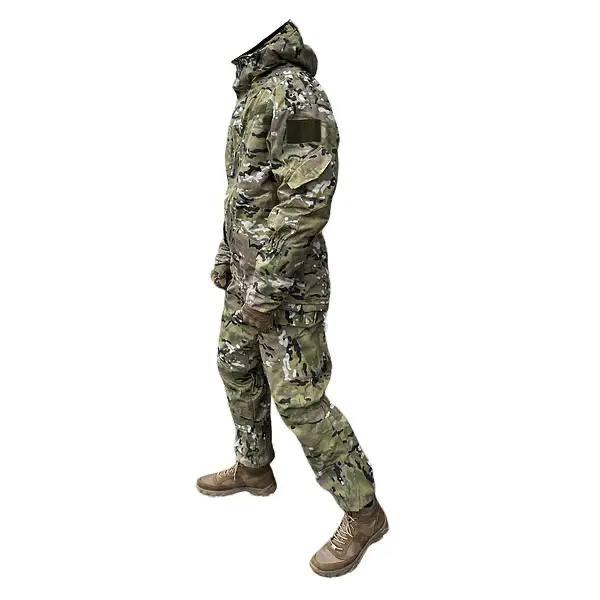
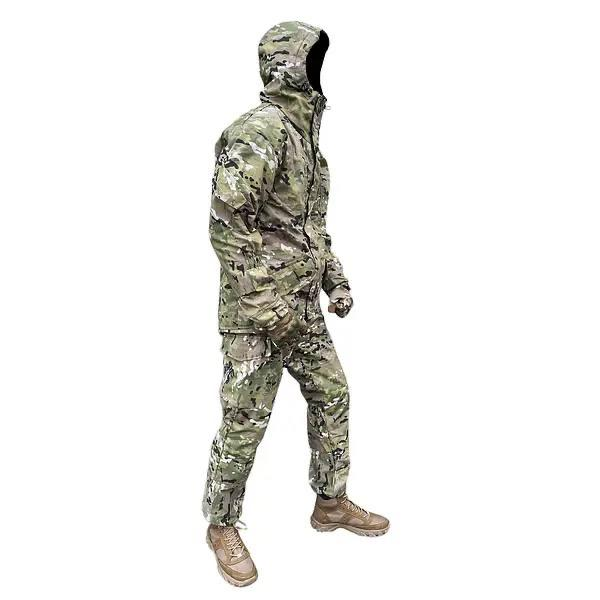
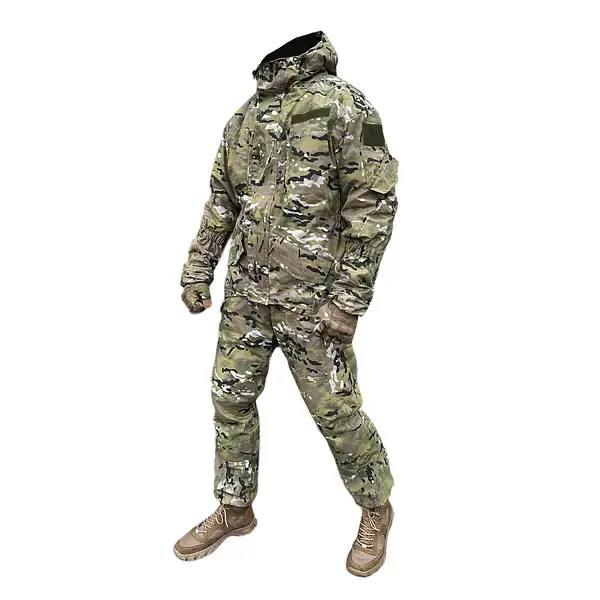
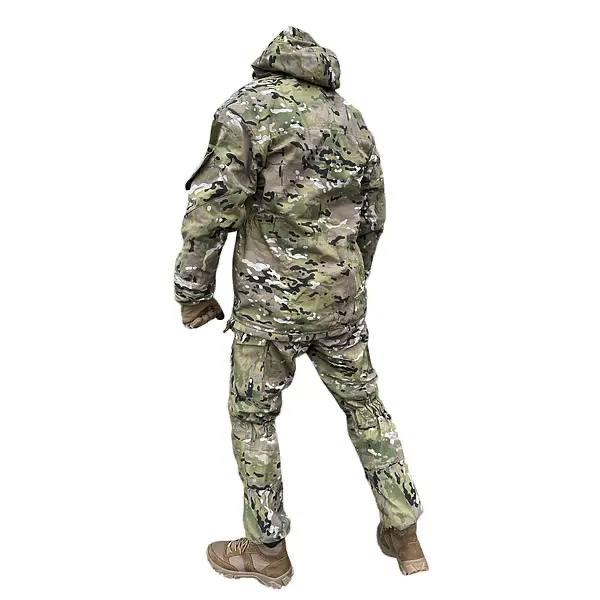
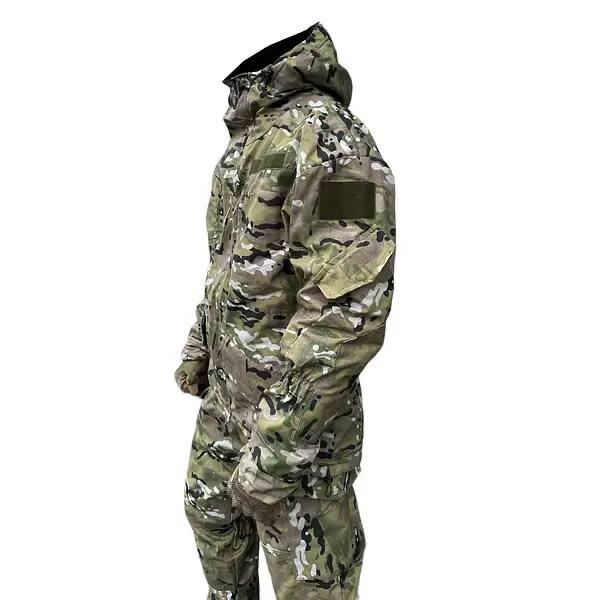
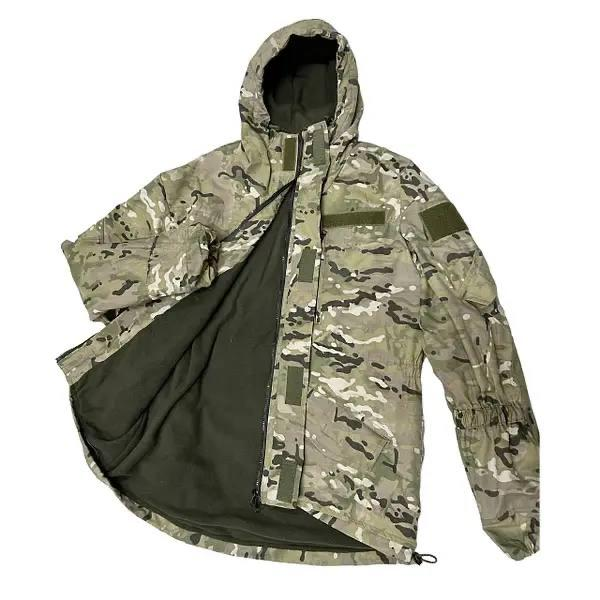
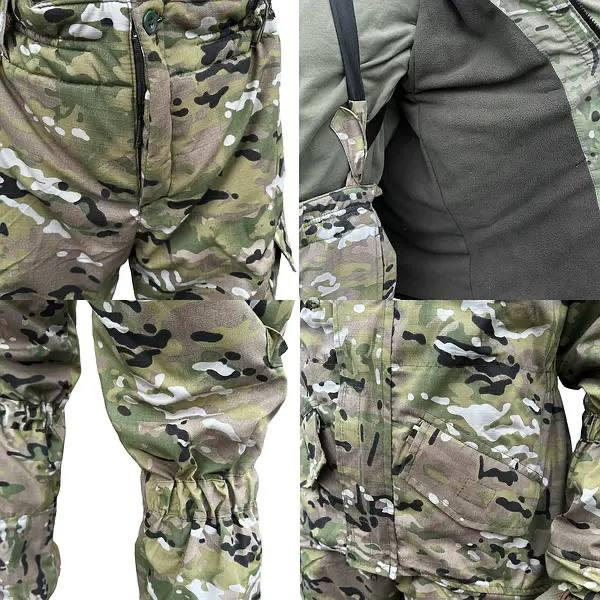
The mid layer is the one you add and remove most throughout the day. Its main job is straightforward: trap warm air close to your body without turning into a sauna the moment you start moving. For moderate cold and active movement, a fleece-lined softshell is the most practical option. The fleece interior keeps you warm, while the outer fabric blocks wind and sheds light rain or wet snow.
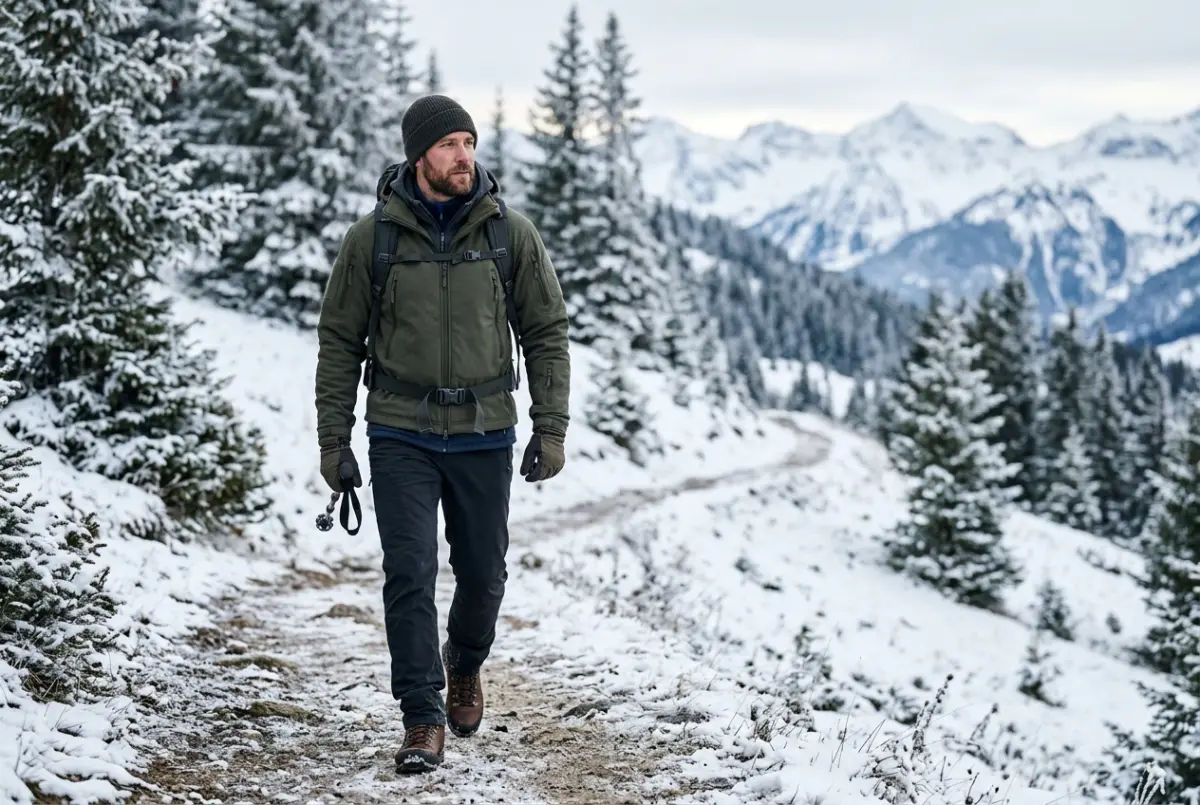
Why does this combination outperform a standalone fleece pullover? A fleece top is great for warmth but lets the wind straight through — you'll freeze in a breeze. Softshell closes that gap: a wind- and water-resistant outer fabric combined with a soft fleece lining gives you warmth without the greenhouse effect. The fit stays relaxed too — you can squat, reach, and jump without the fabric fighting you.
A few options for different conditions:
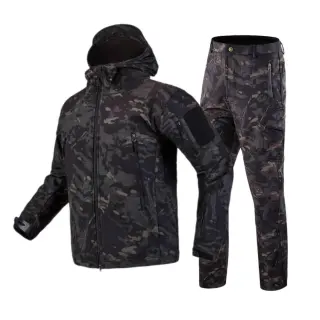
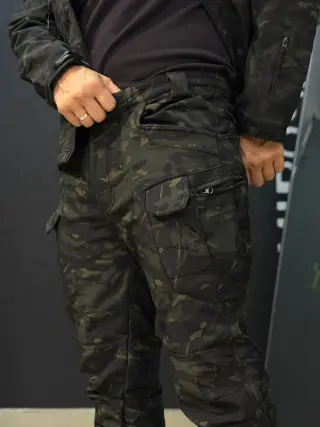
- Gwild Softshell Suit Black Multicam — a versatile fleece-lined option for active outdoor use in cold weather.
- Soft Shell Esdy 5.0 Olive — water-resistant and windproof fabric with soft fleece lining; a low-profile color that doesn't draw attention.
- Energy Suit Black — a mid-season combo designed for optimal comfort during variable activity levels.
- Hirka 5 Multicam Fleece-Lined — relaxed fit with sleeve drawcords, rated for comfort down to -15°C; a solid choice when it gets colder.
Choose your color based on the terrain: olive and multicam blend into natural surroundings, while black is more practical in urban and everyday settings. Browse more insulation options in the Tactical Clothing & Gear section.
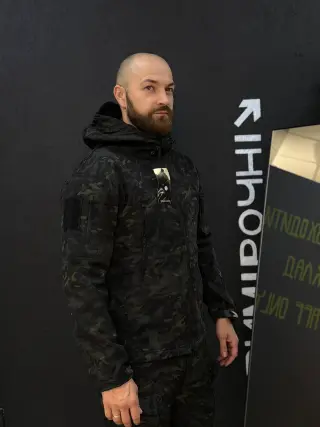
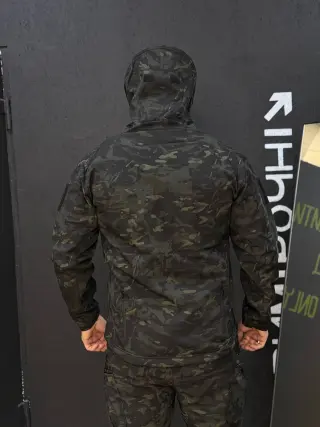
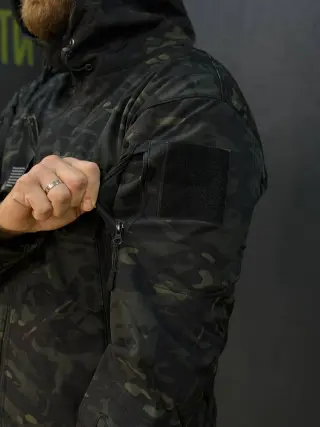
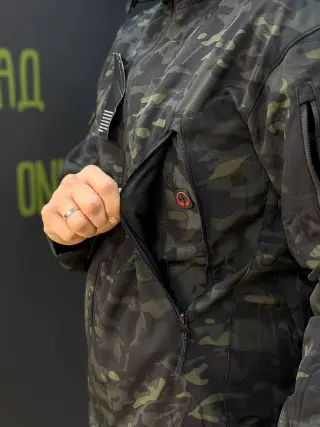

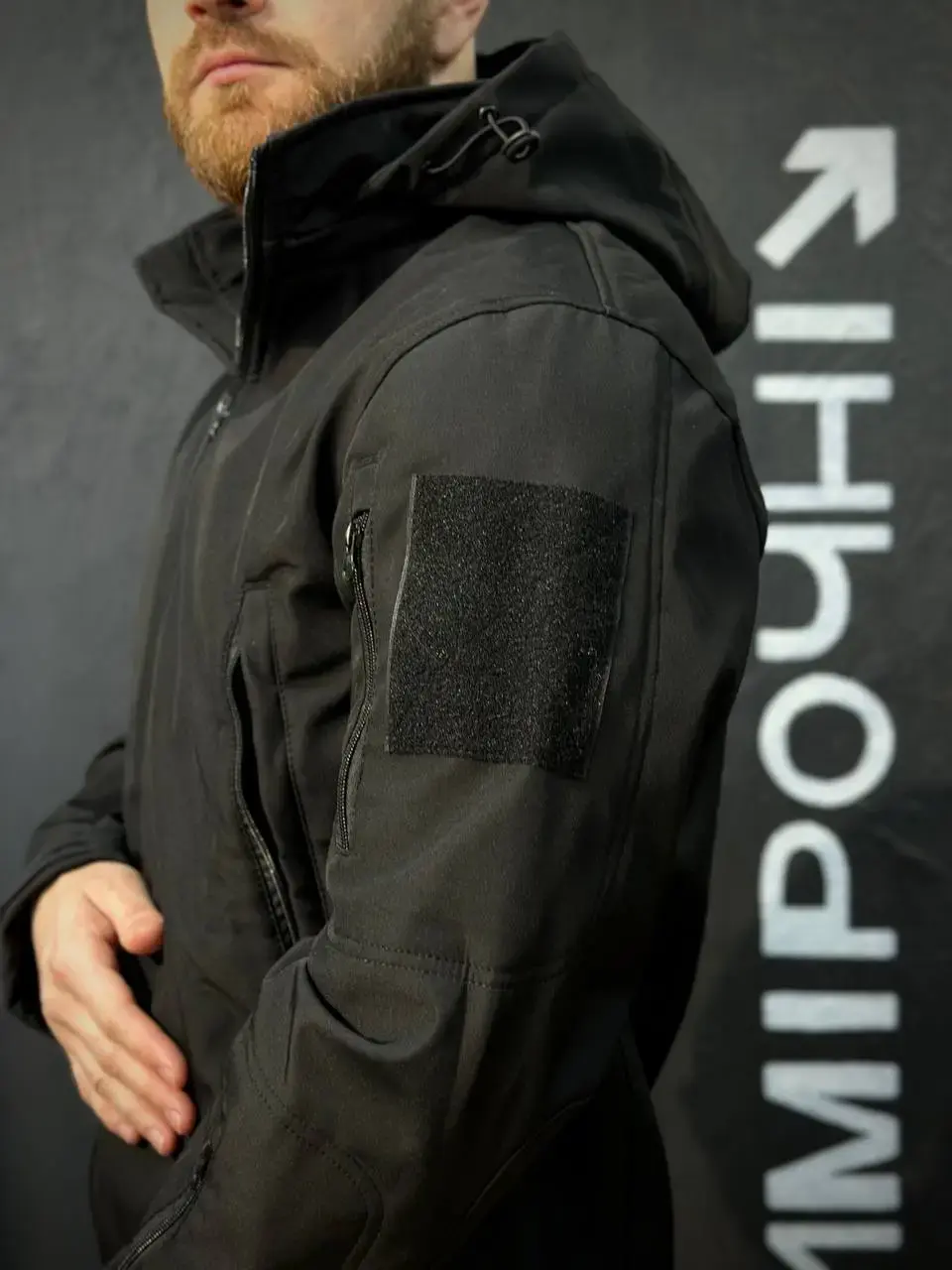
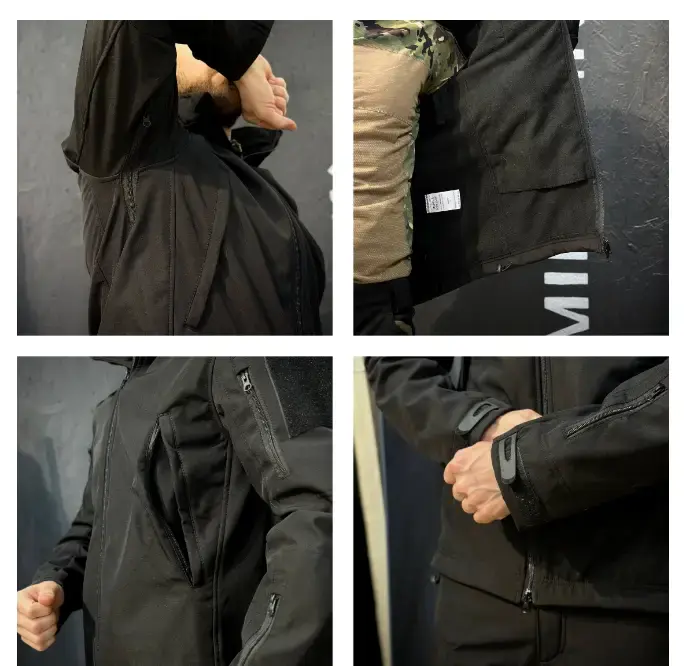
Outer Protection: Jackets for Wind, Rain, and Frost
The outer layer is the one that takes the weather head-on. But "weather" means different things: a cool wind and drizzle on a mid-season outing is one thing — freezing temperatures that call for not just wind blocking but full insulation are another. That's why outer protection falls into two distinct categories, and confusing them is a mistake.
Mid-Season: Lightweight Wind Protection Without Insulation
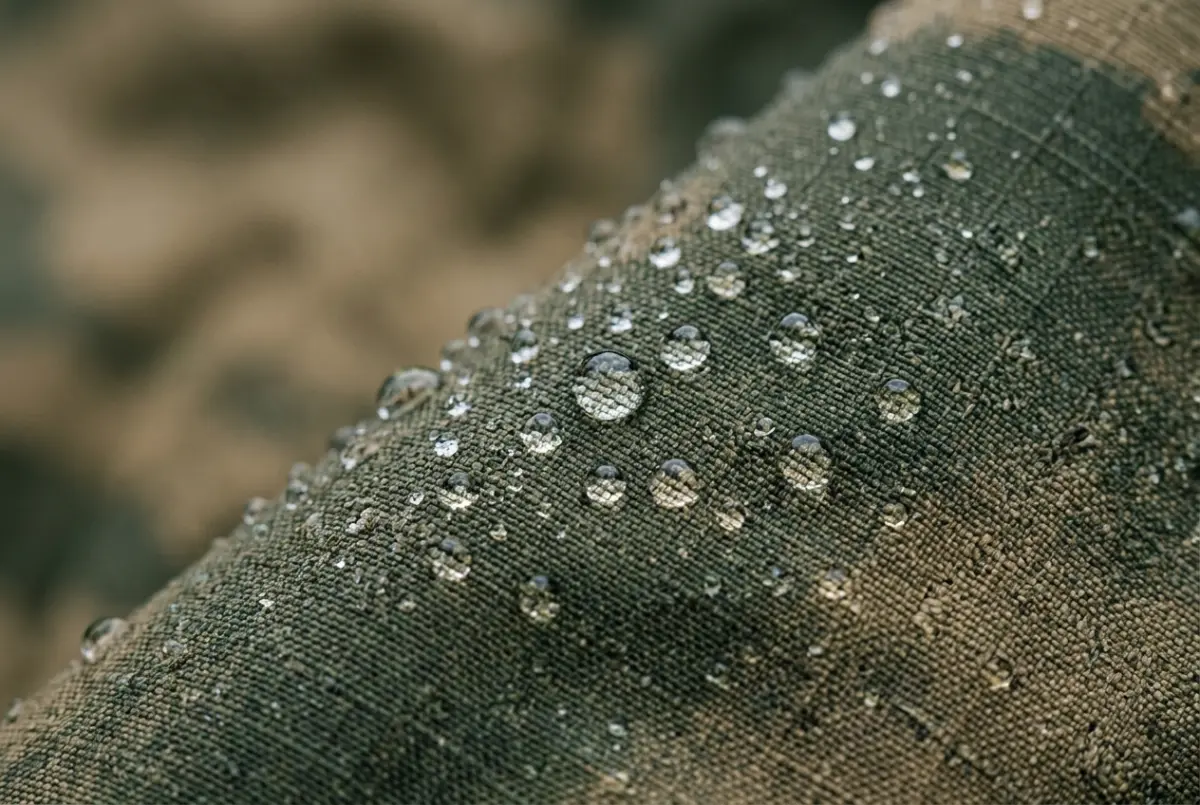
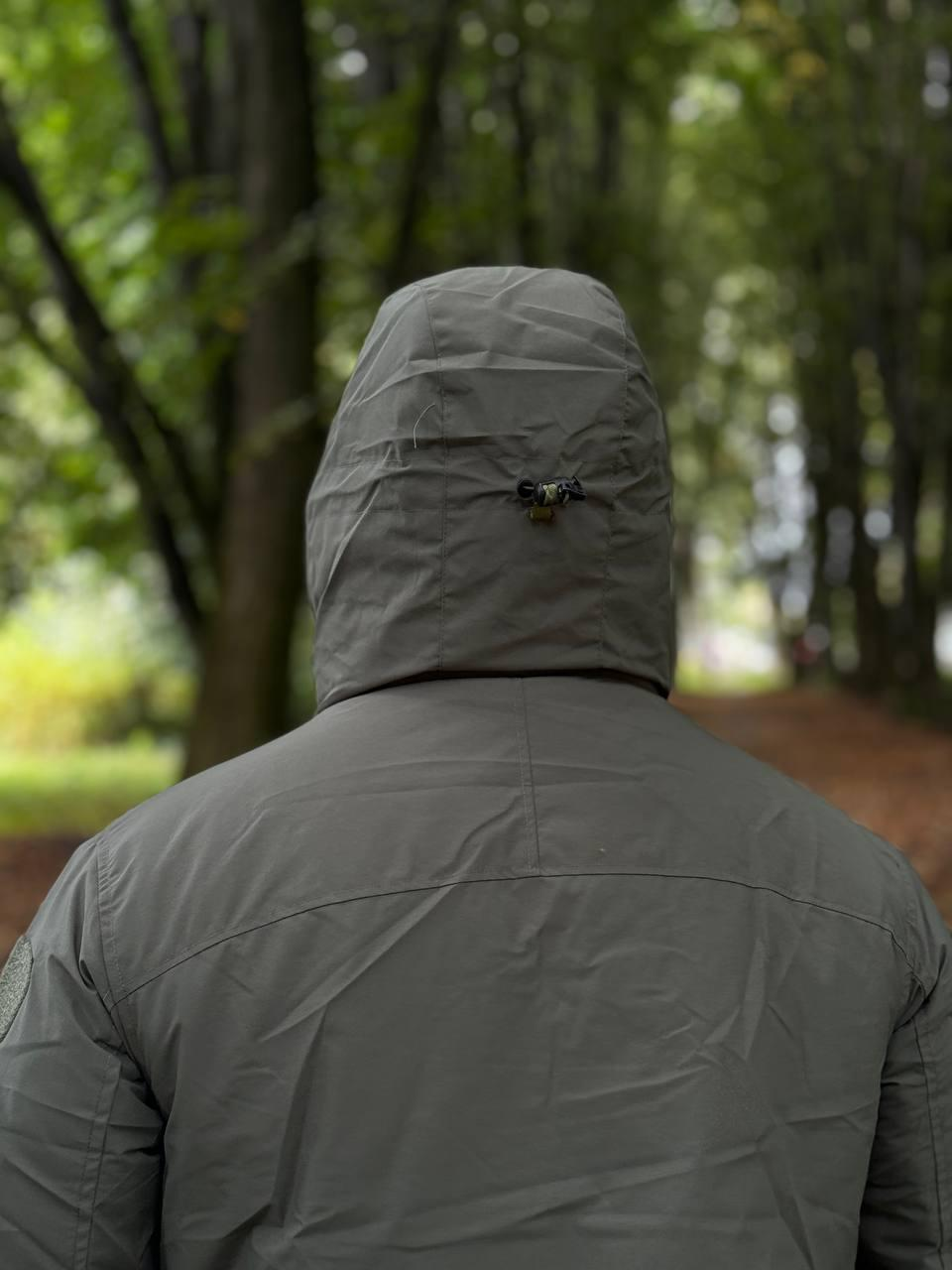
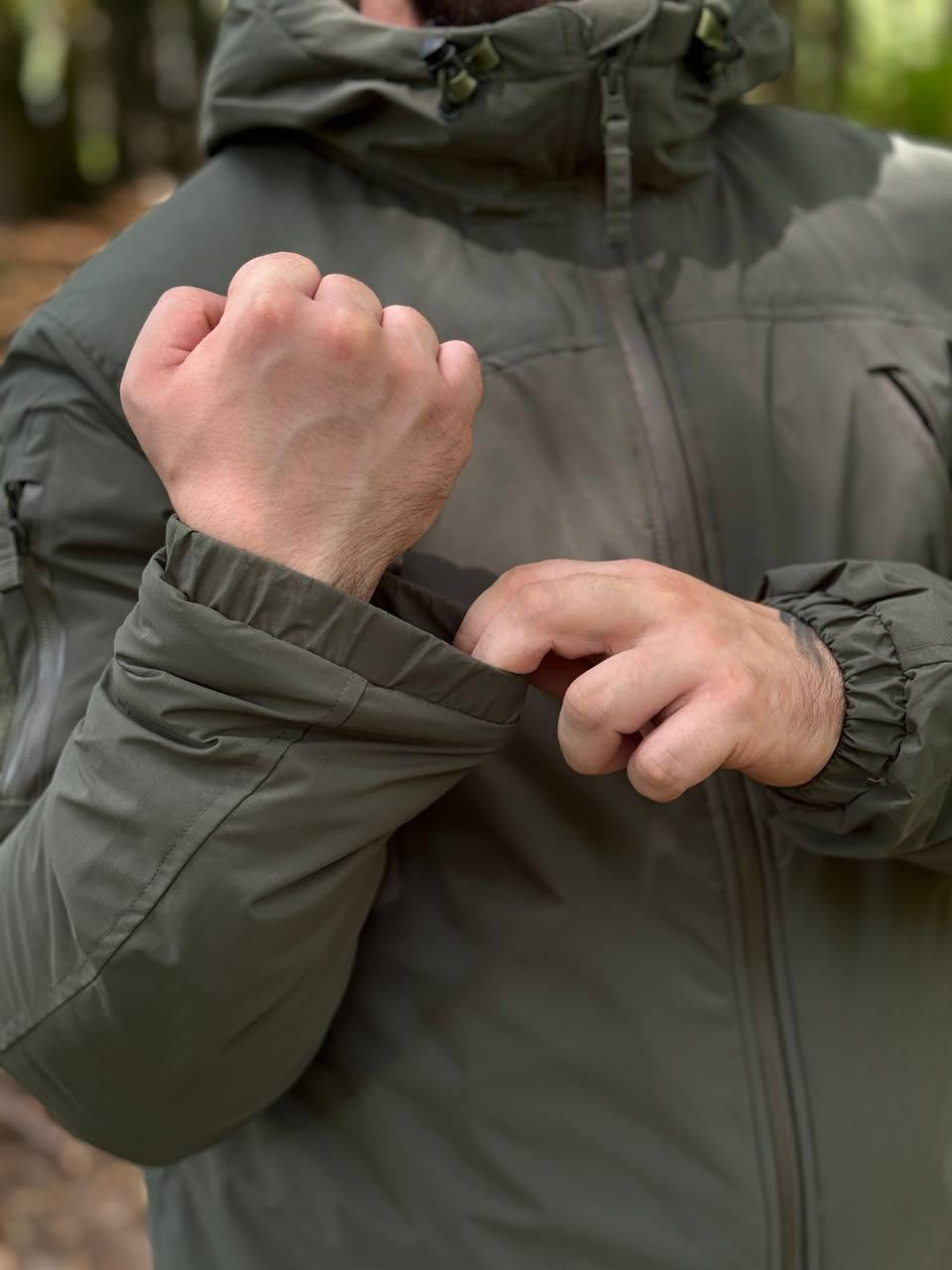
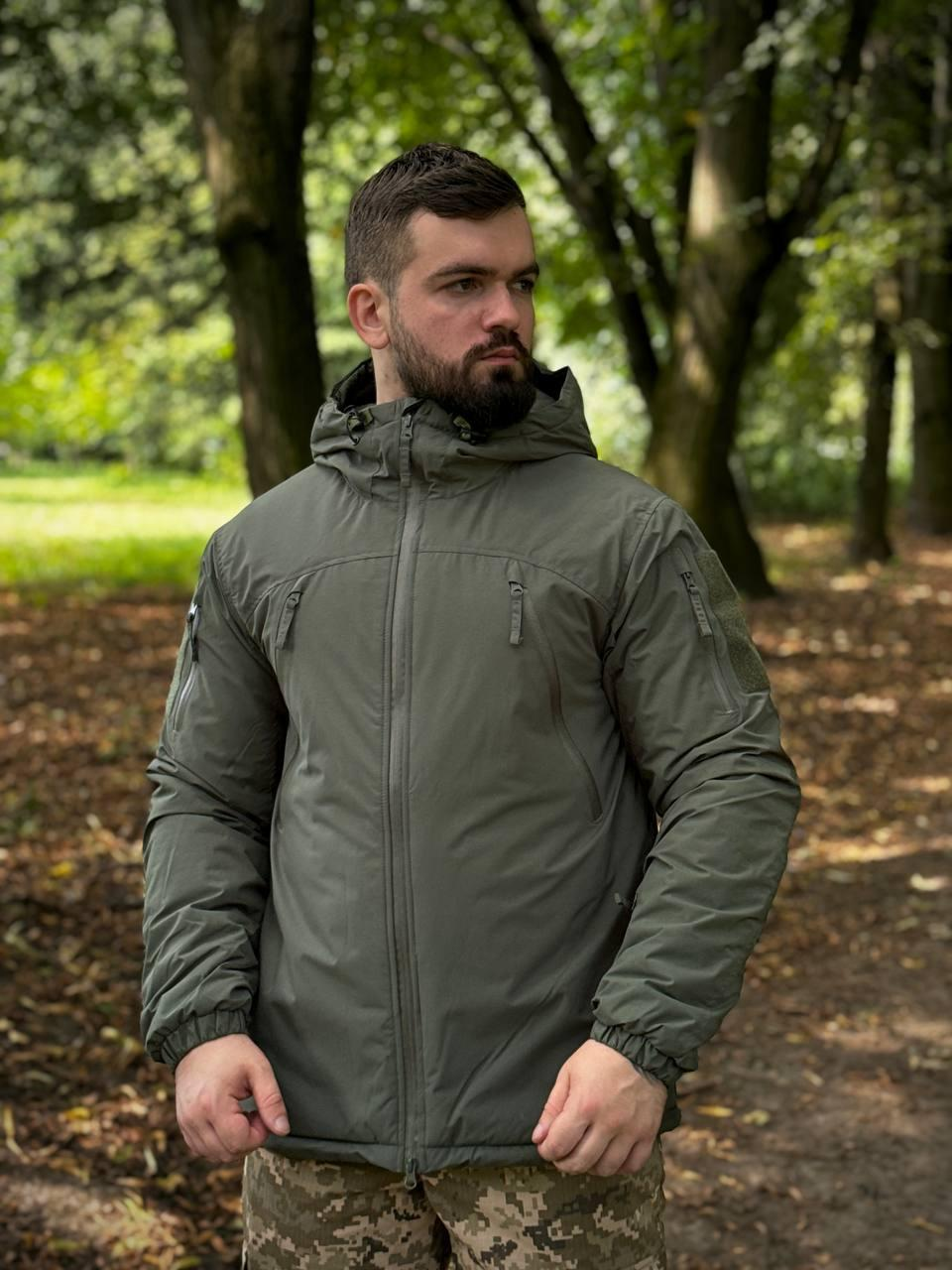
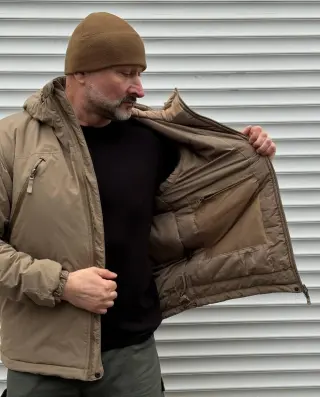
In warm or transitional conditions, the outer layer's job isn't to keep you warm — it's to stop wind and rain while keeping your layered system dry underneath. A good example of mid-season logic is the Call Dragon 2.0: Teflon water-repellent coating handles a sudden downpour, and the fabric doesn't let the wind through. The membrane version in coyote takes it further — a 10,000 mm membrane gives you real margin against prolonged wet weather. These jackets are lightweight, pack down easily in your bag, and go on over your insulation layer the moment conditions turn.
Winter: Insulation and Taped Seams
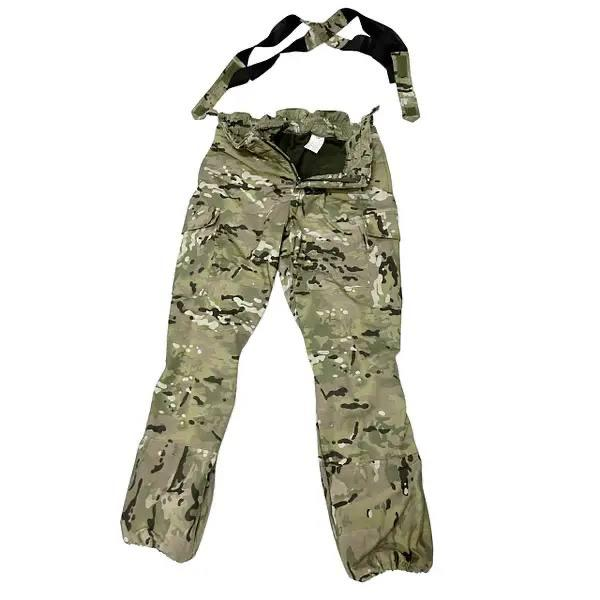
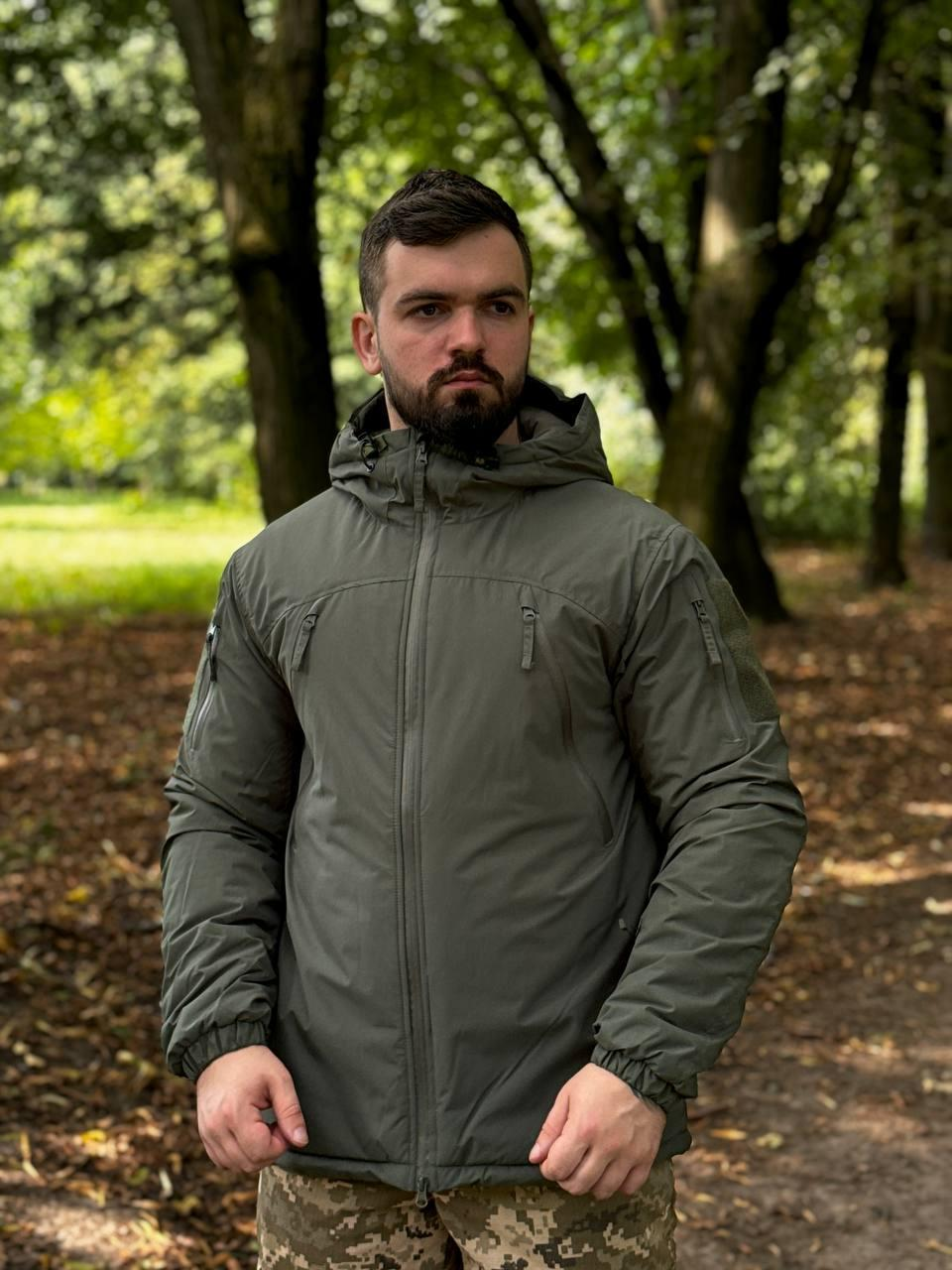
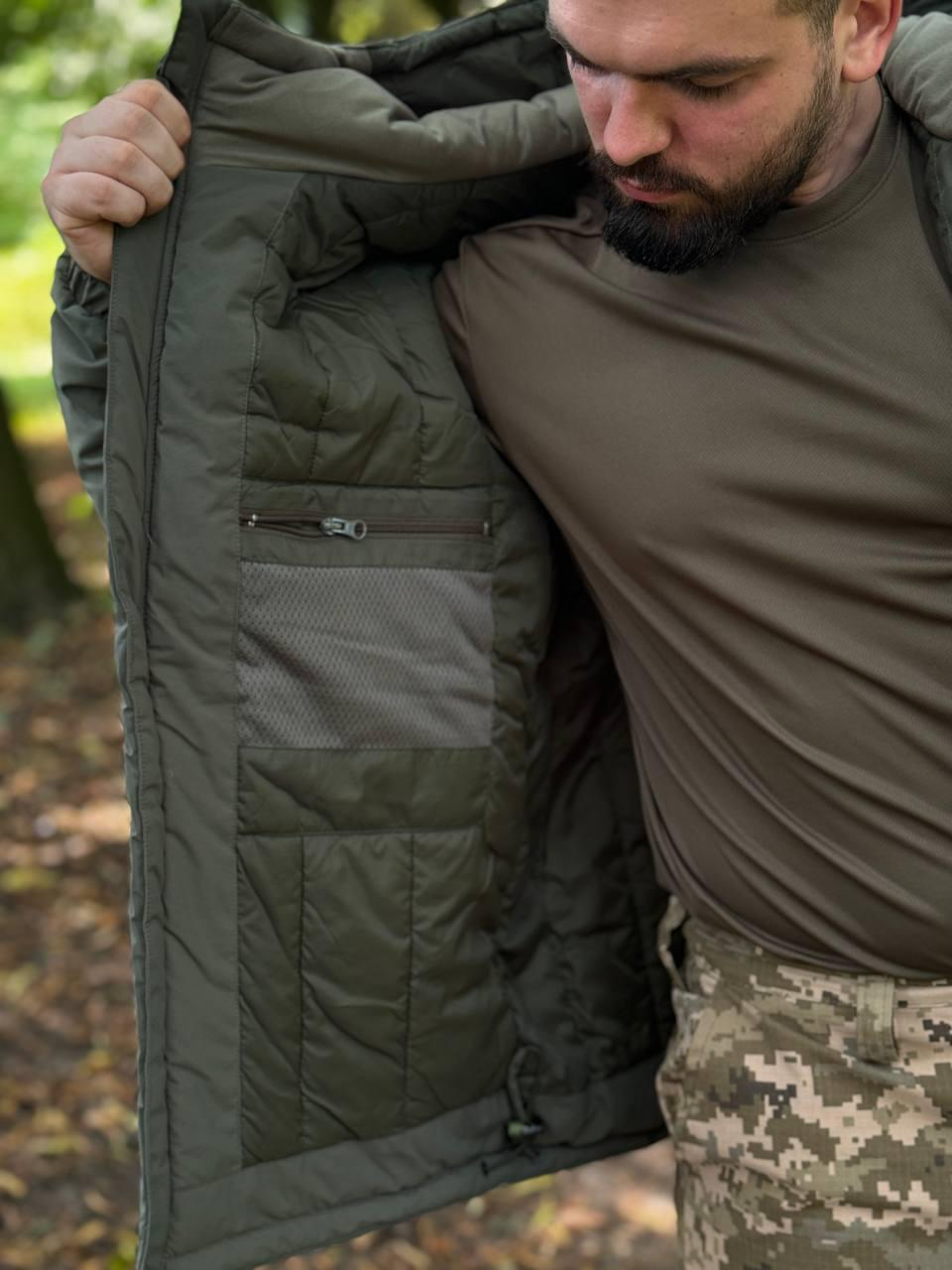
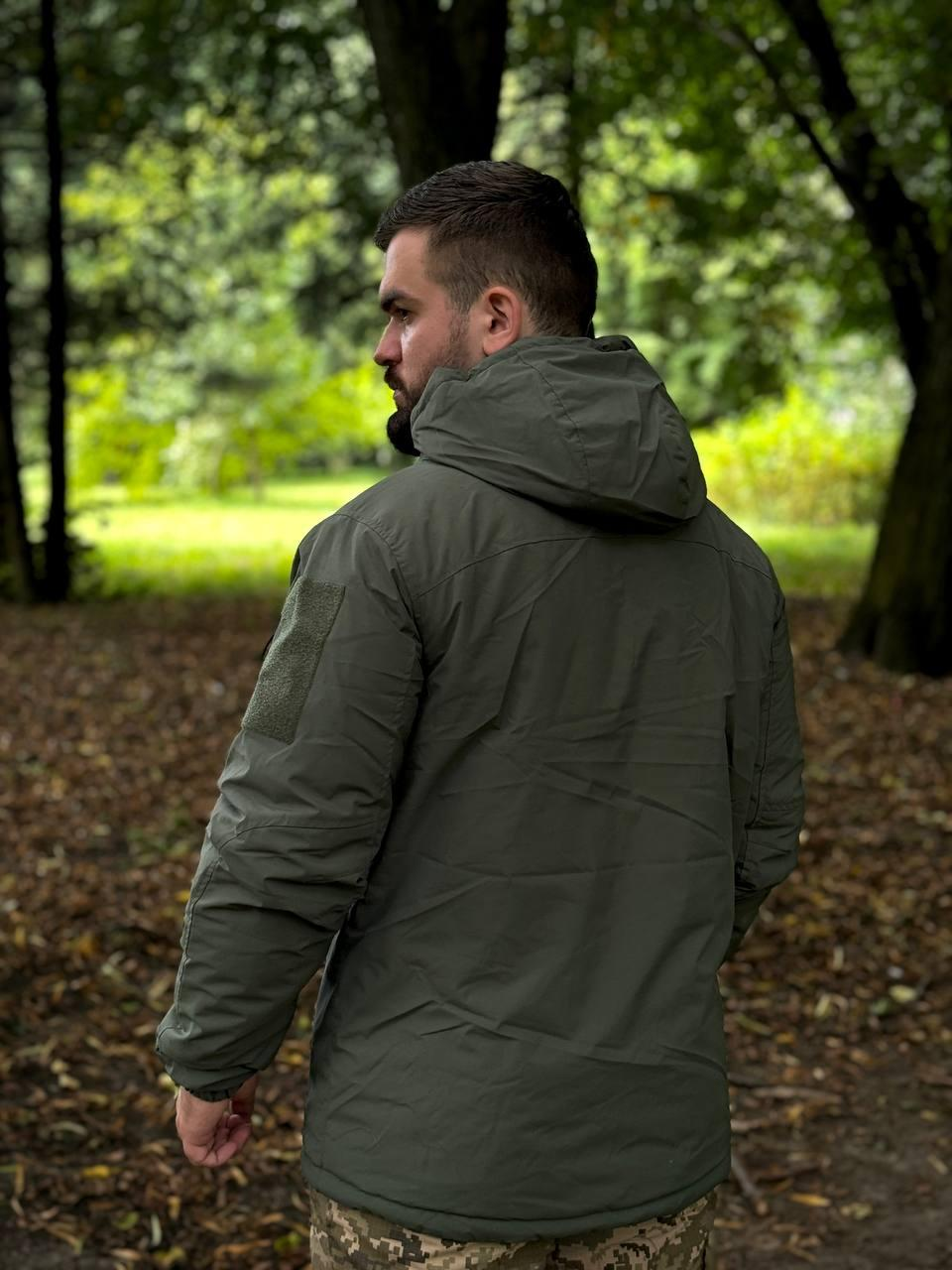
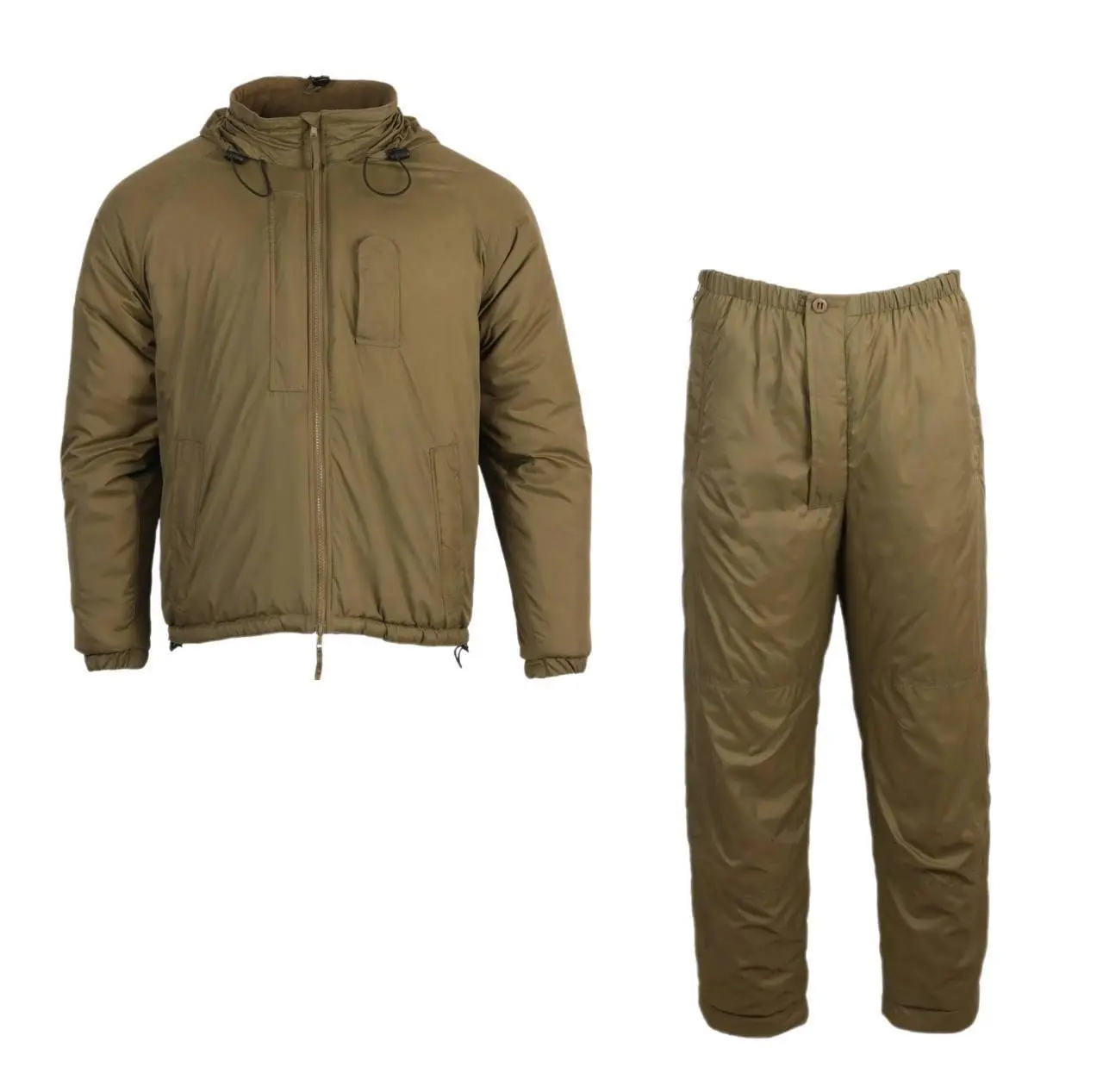
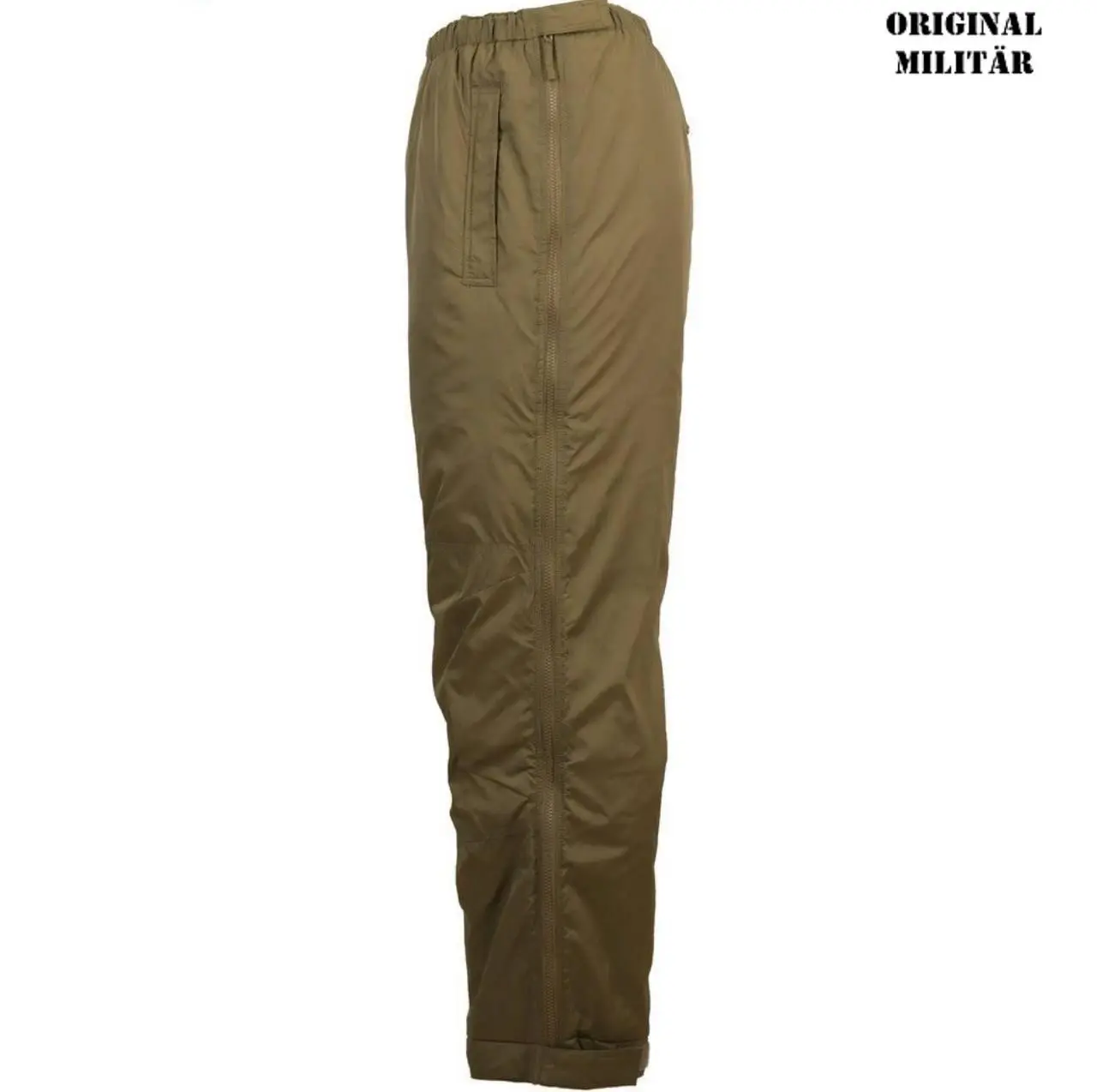
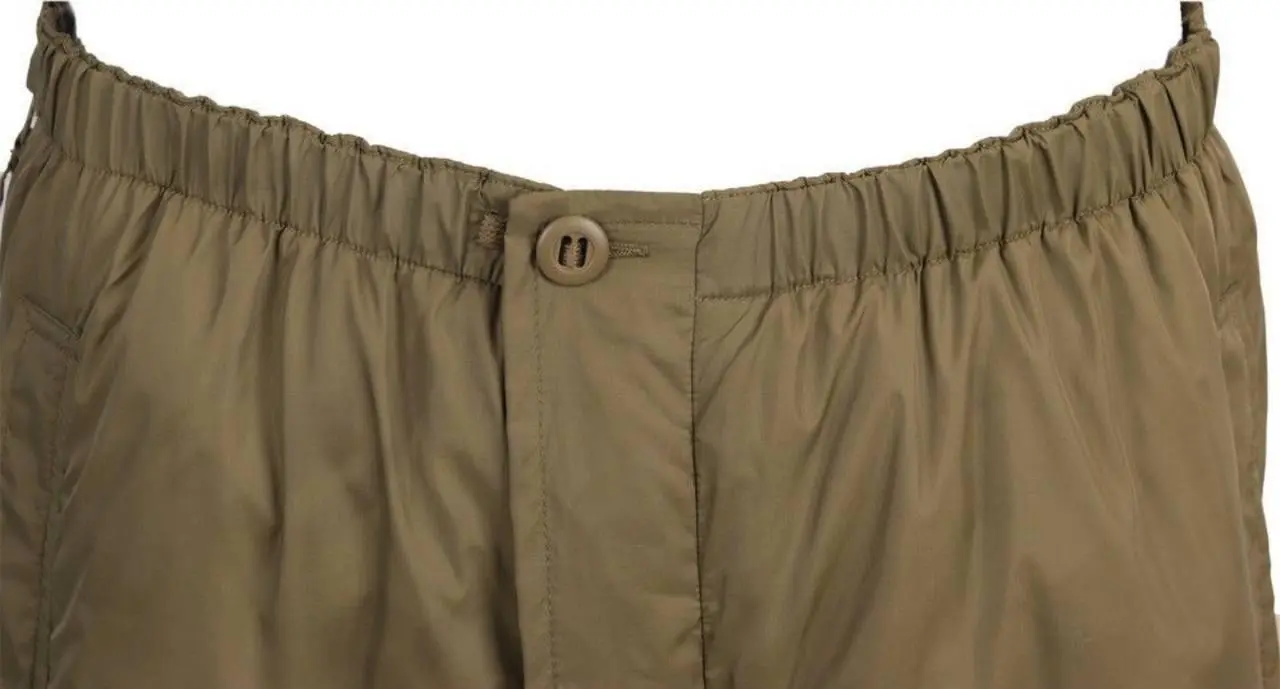
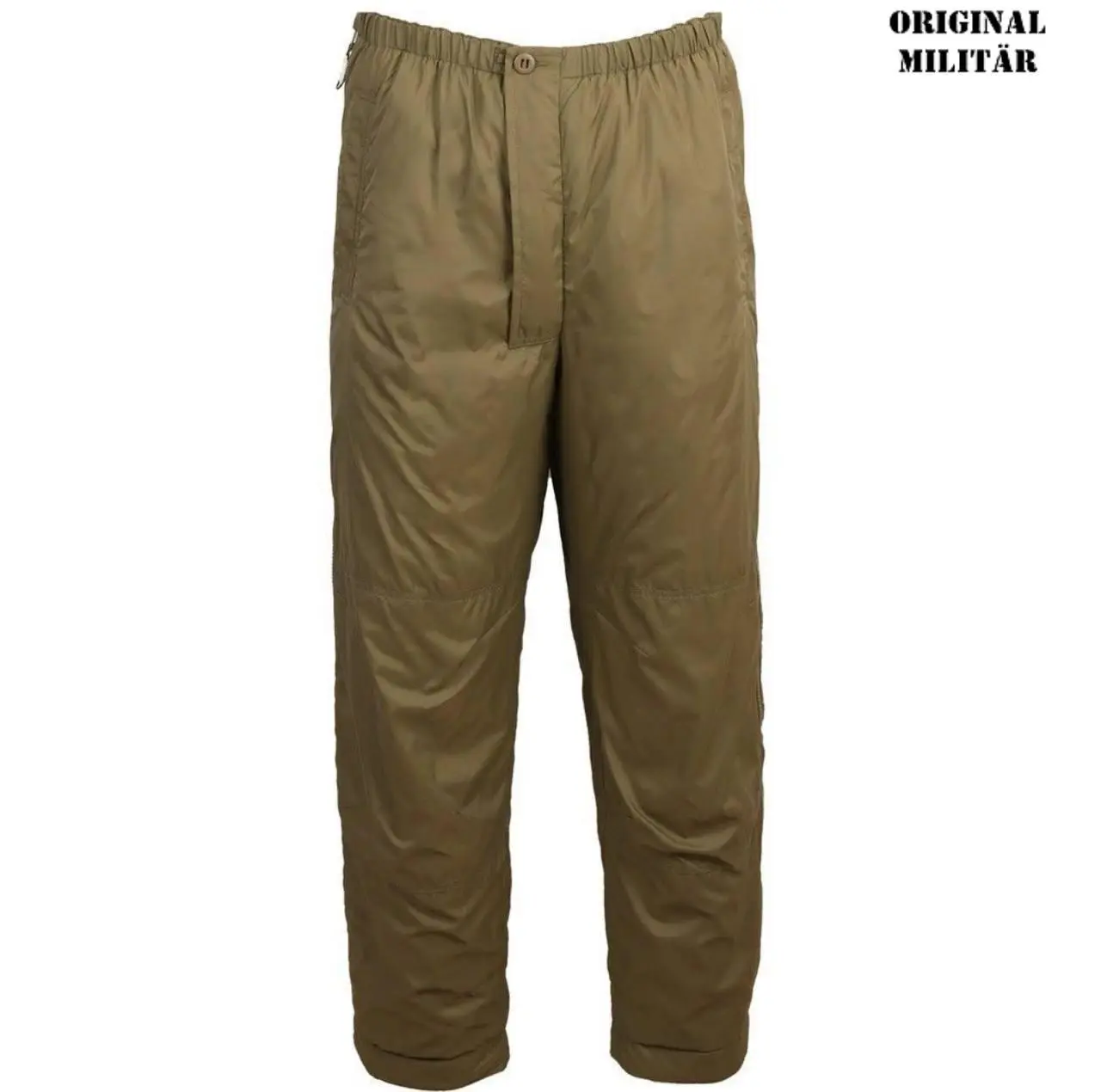
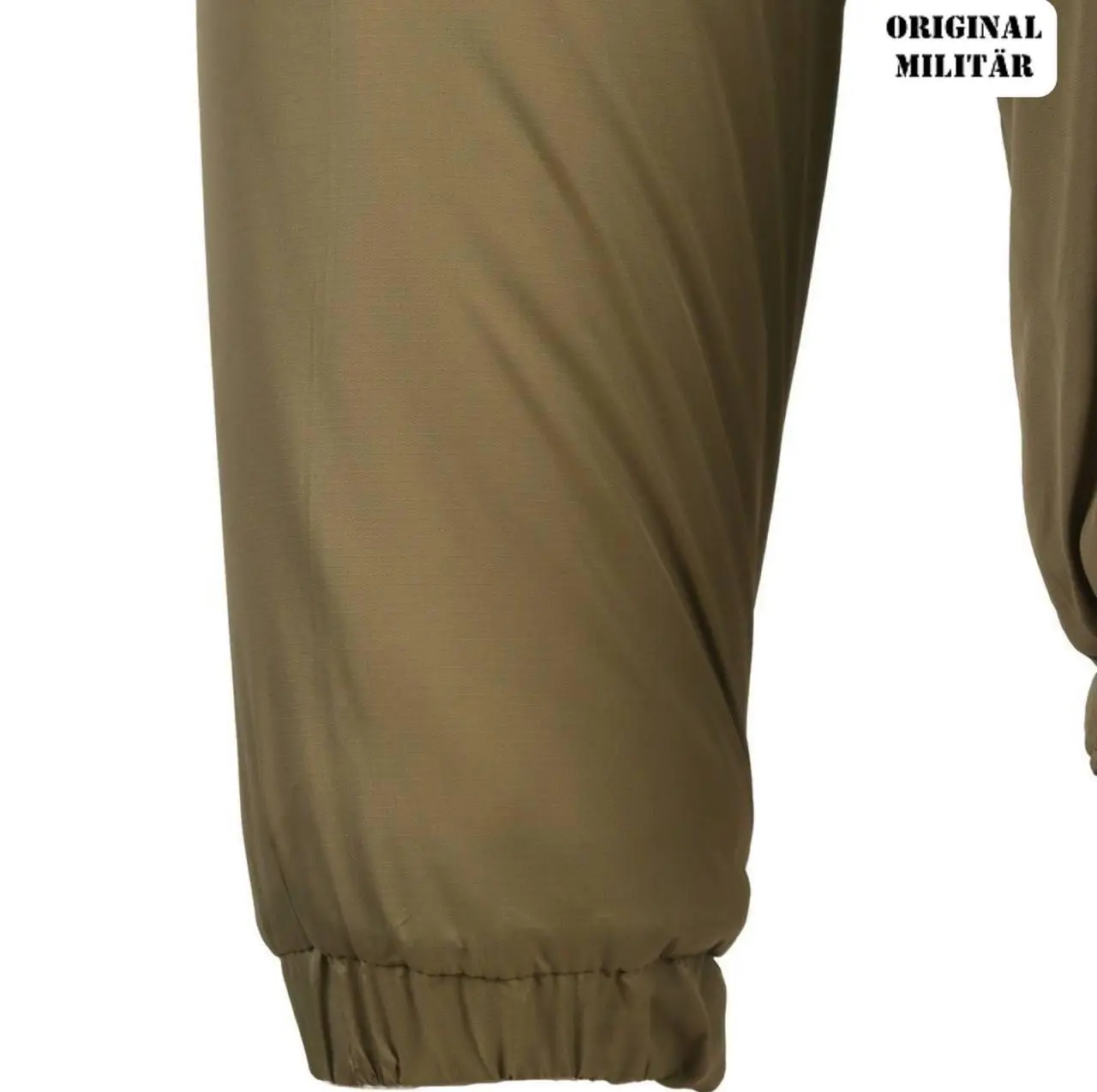
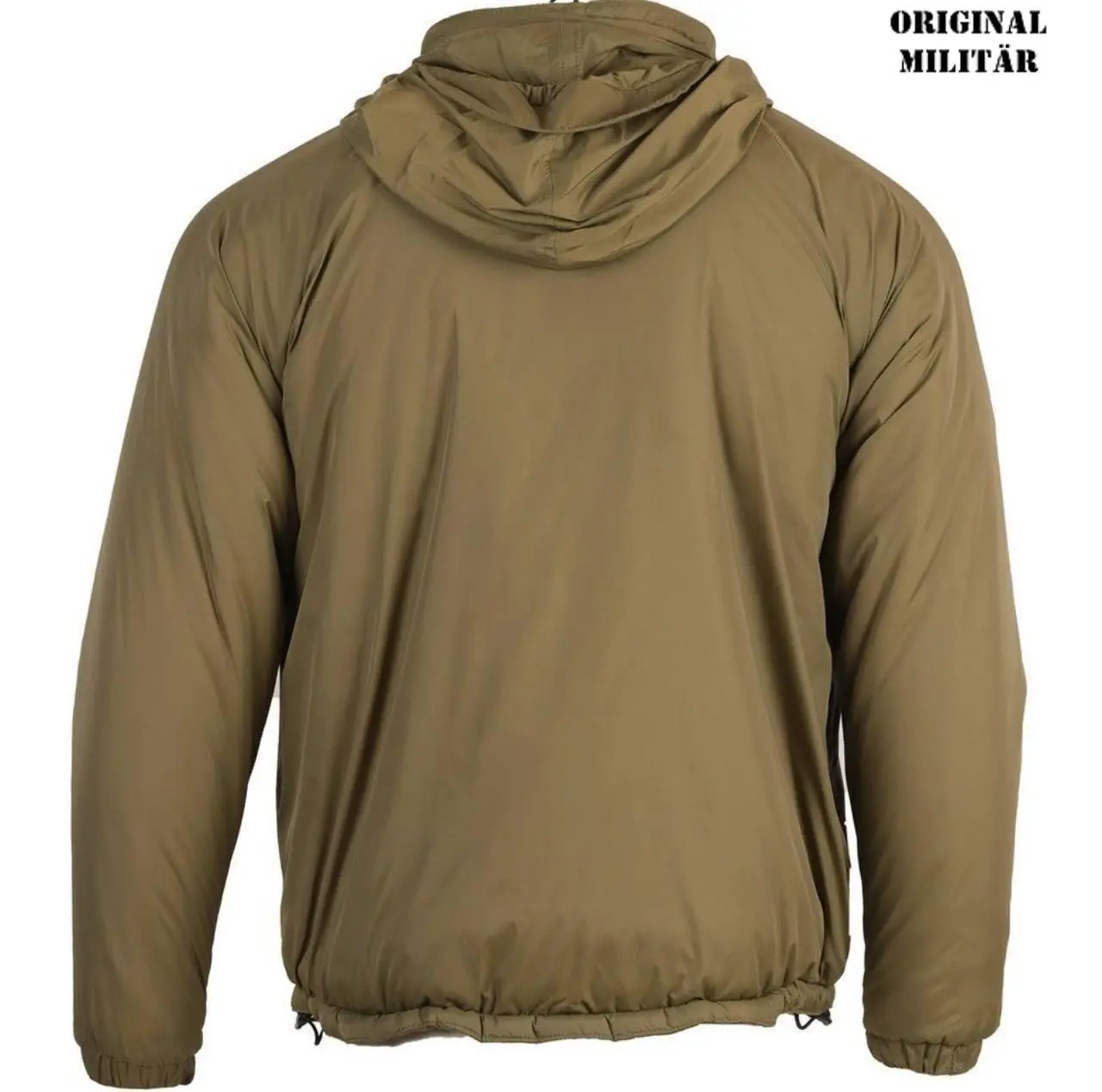
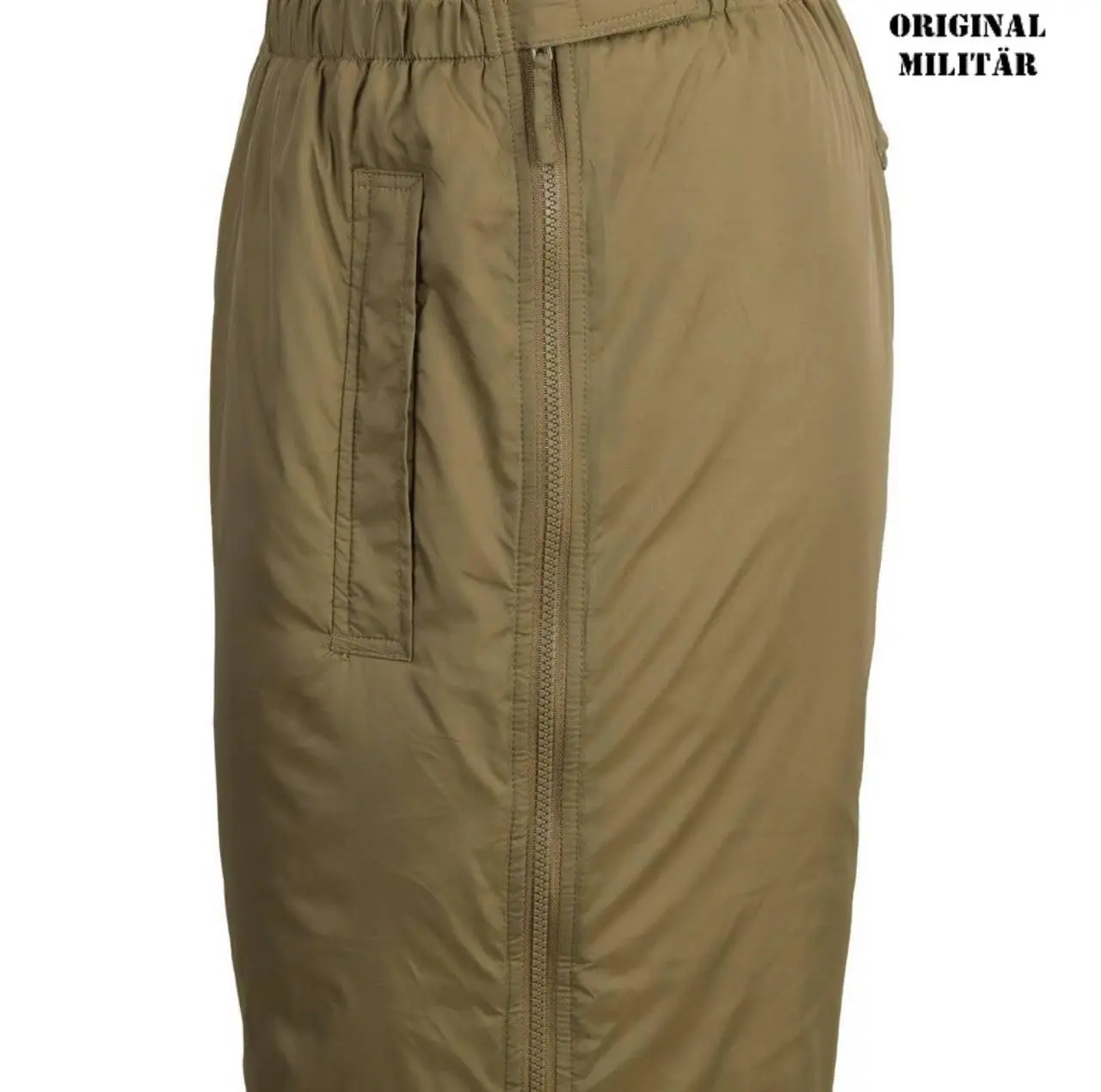
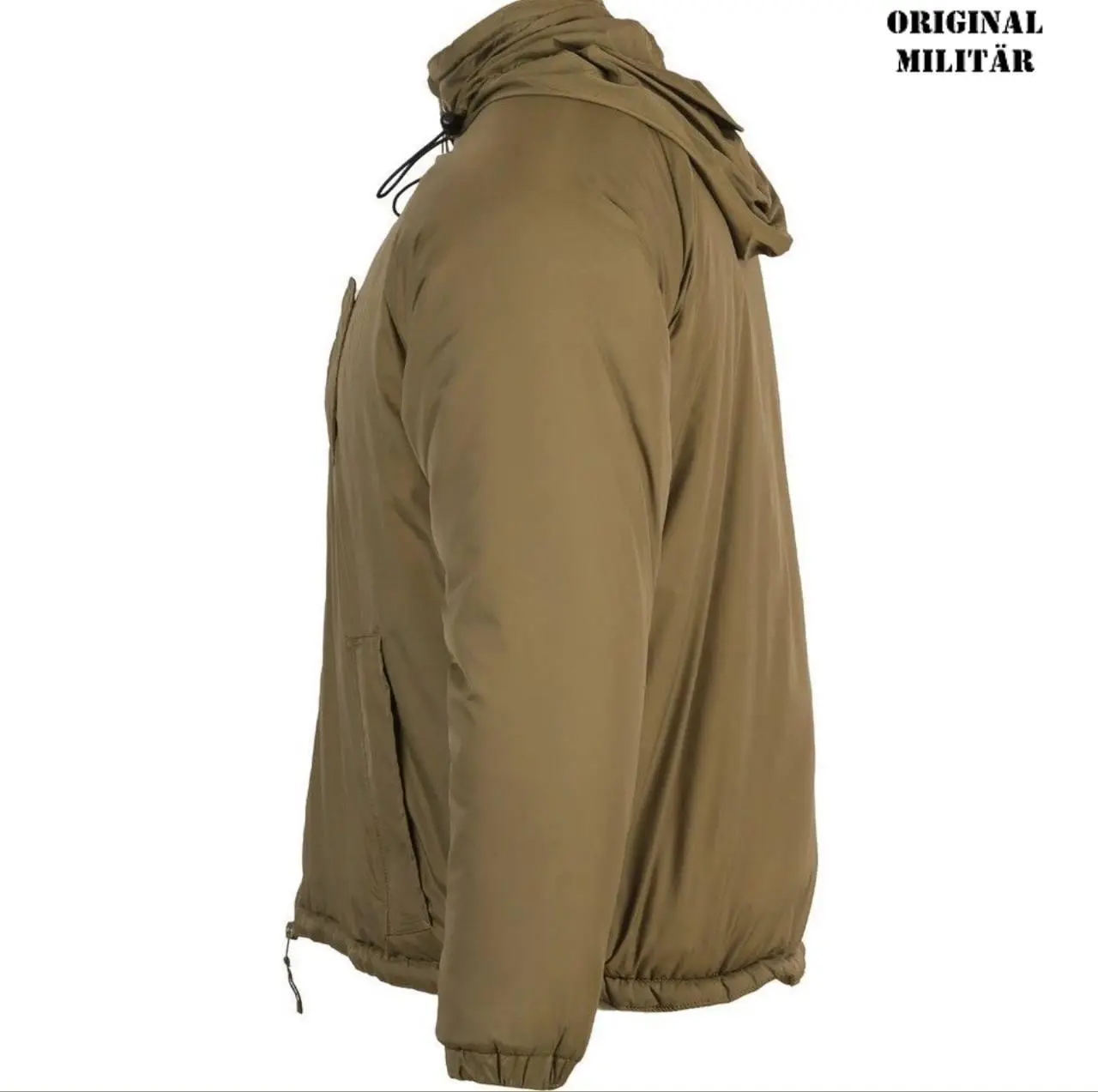
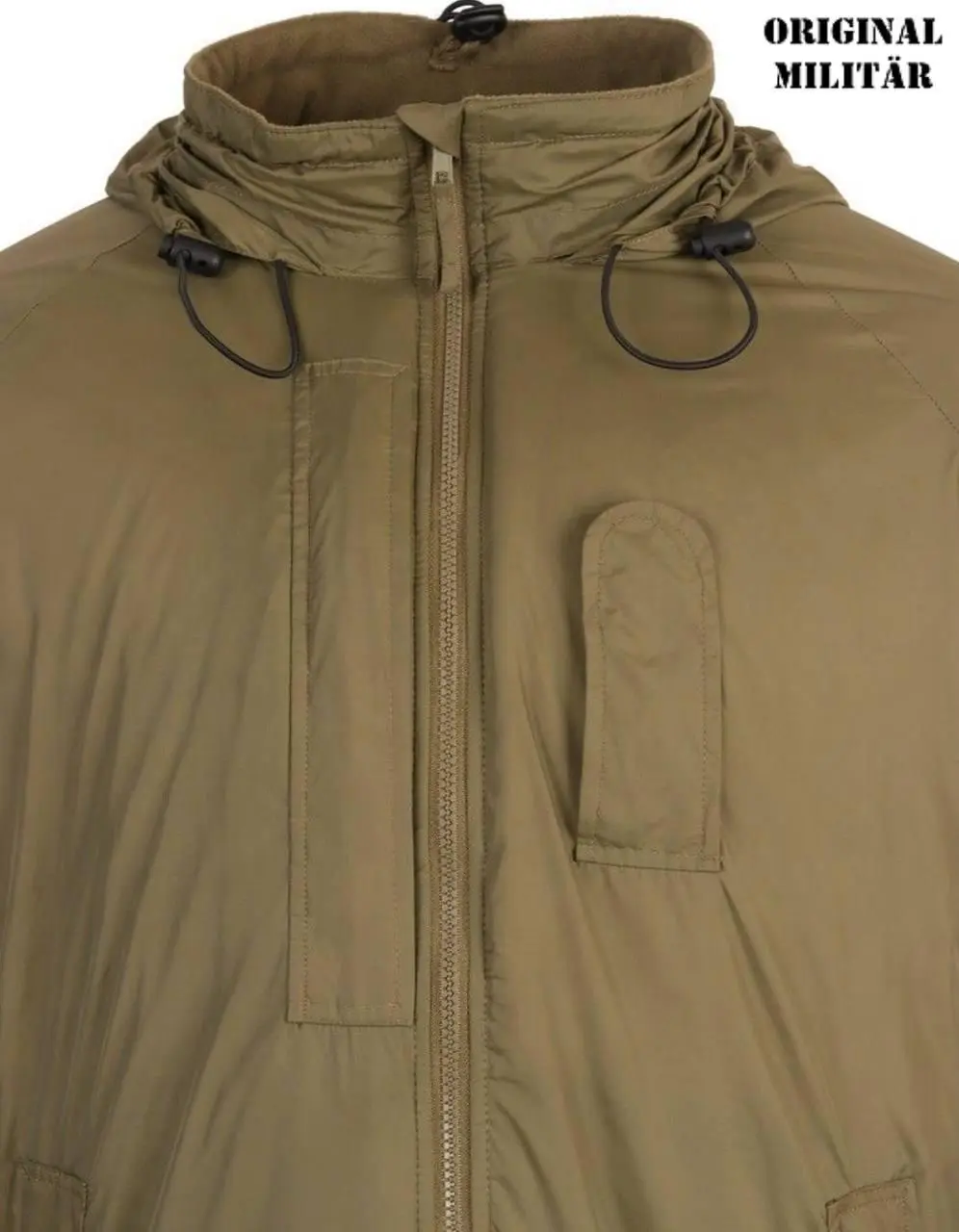
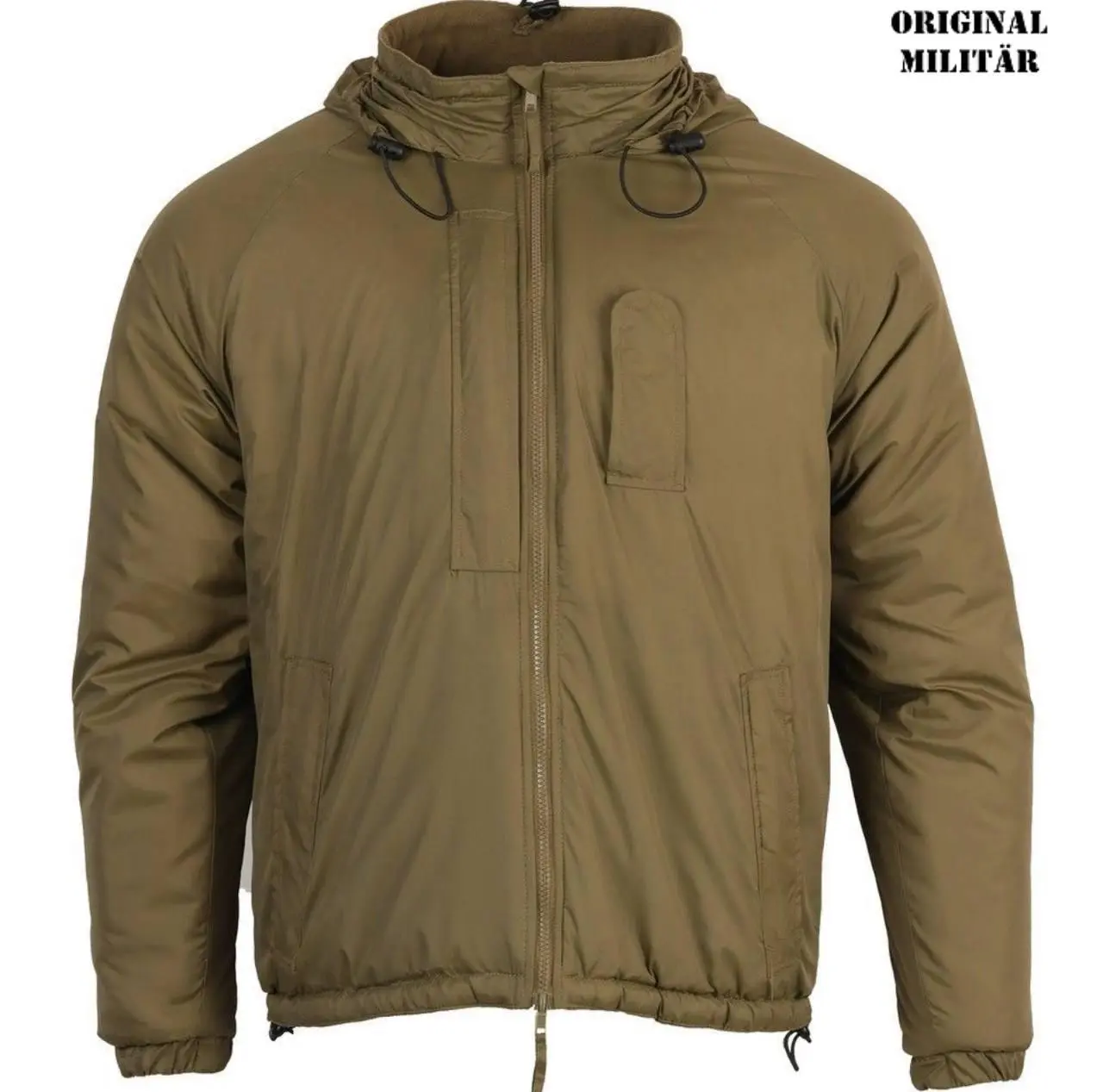
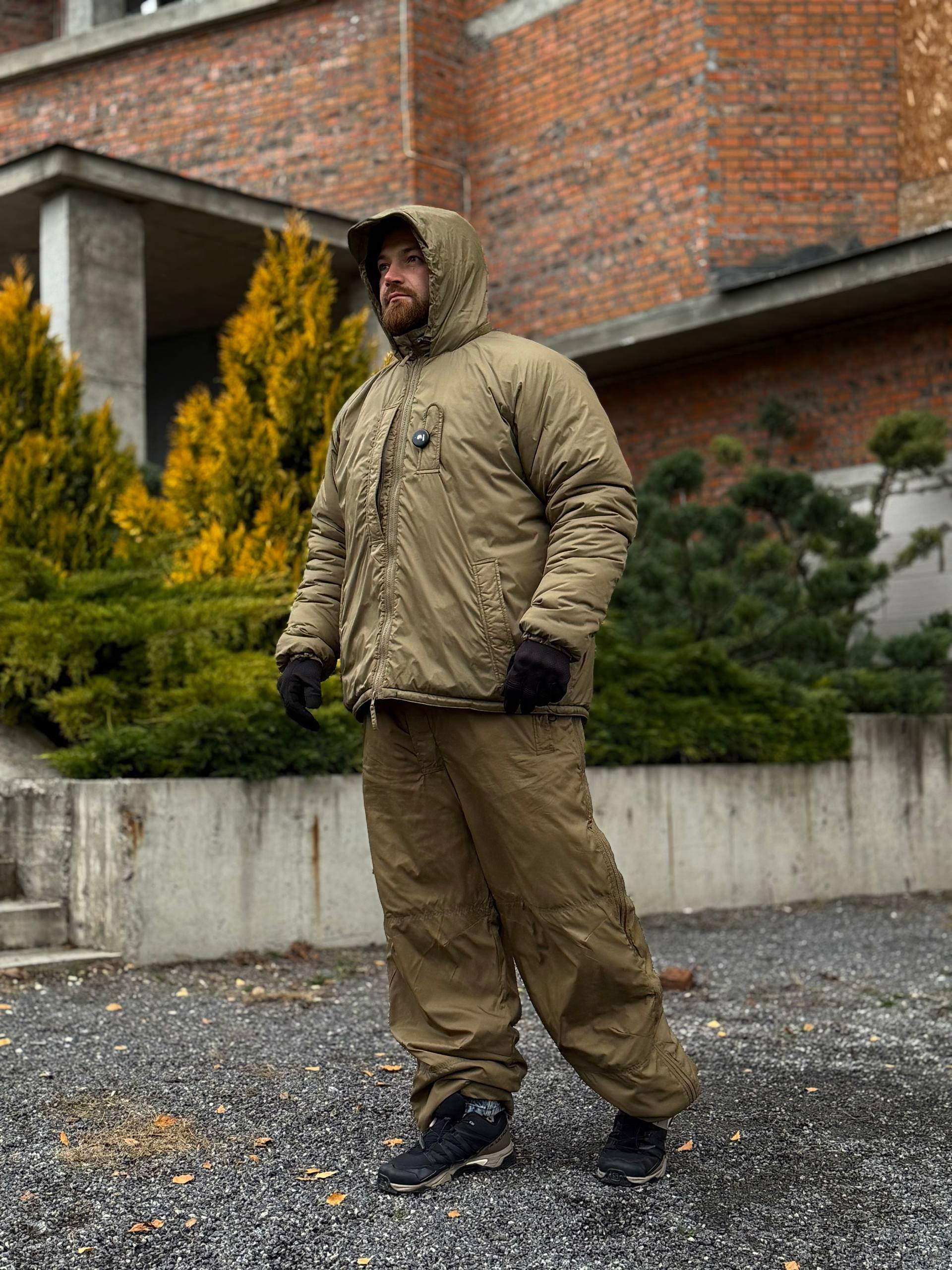
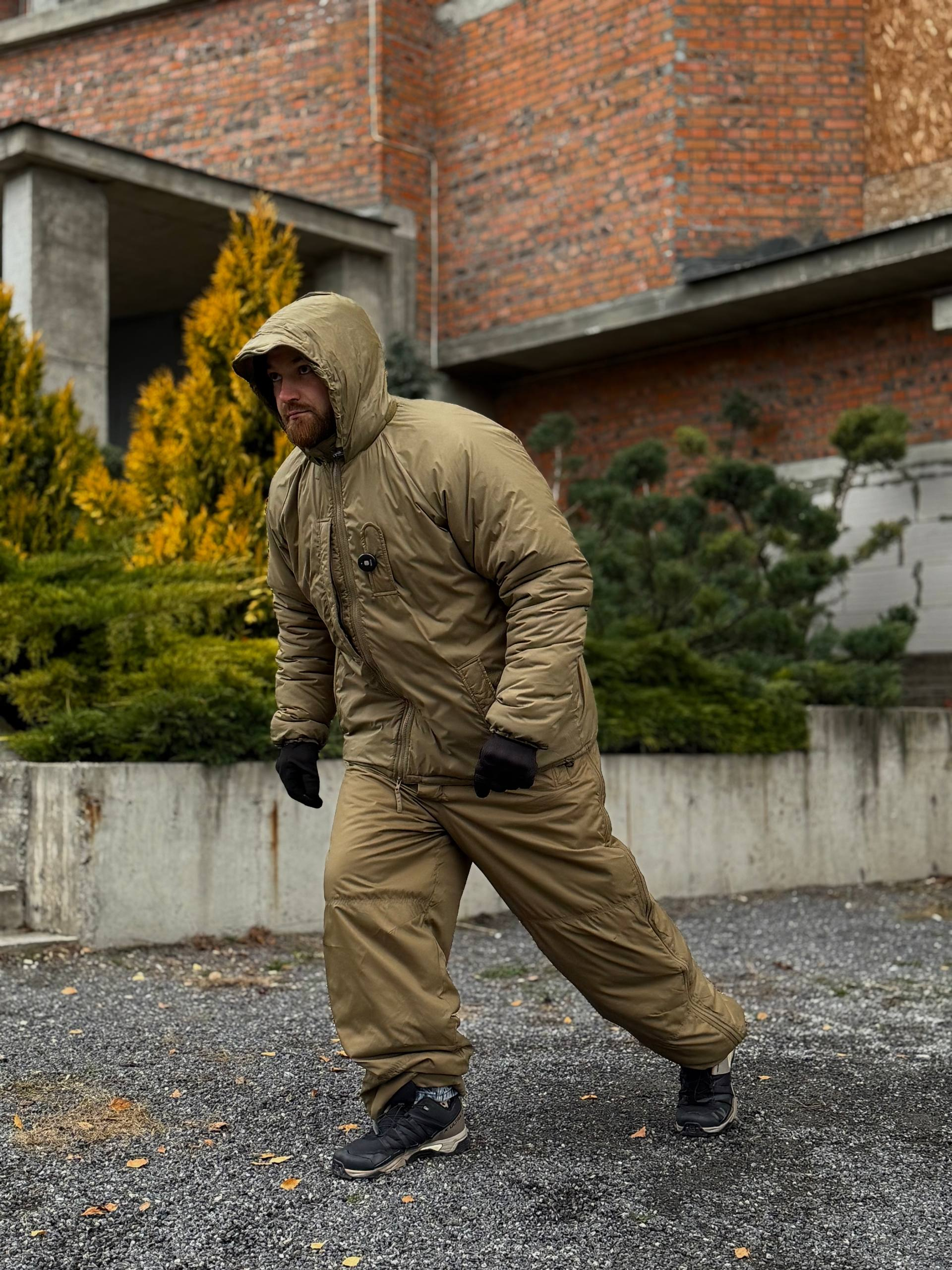
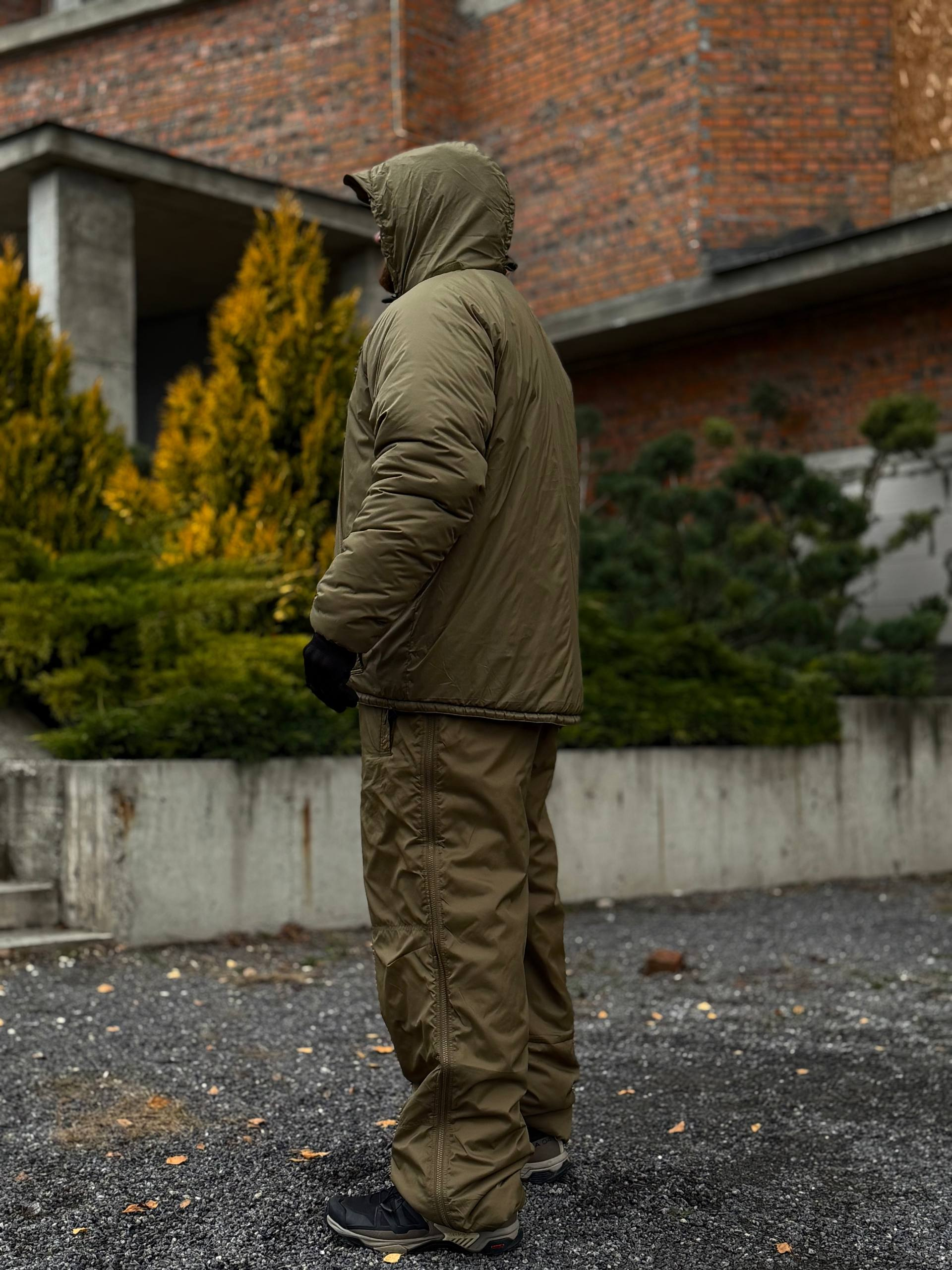
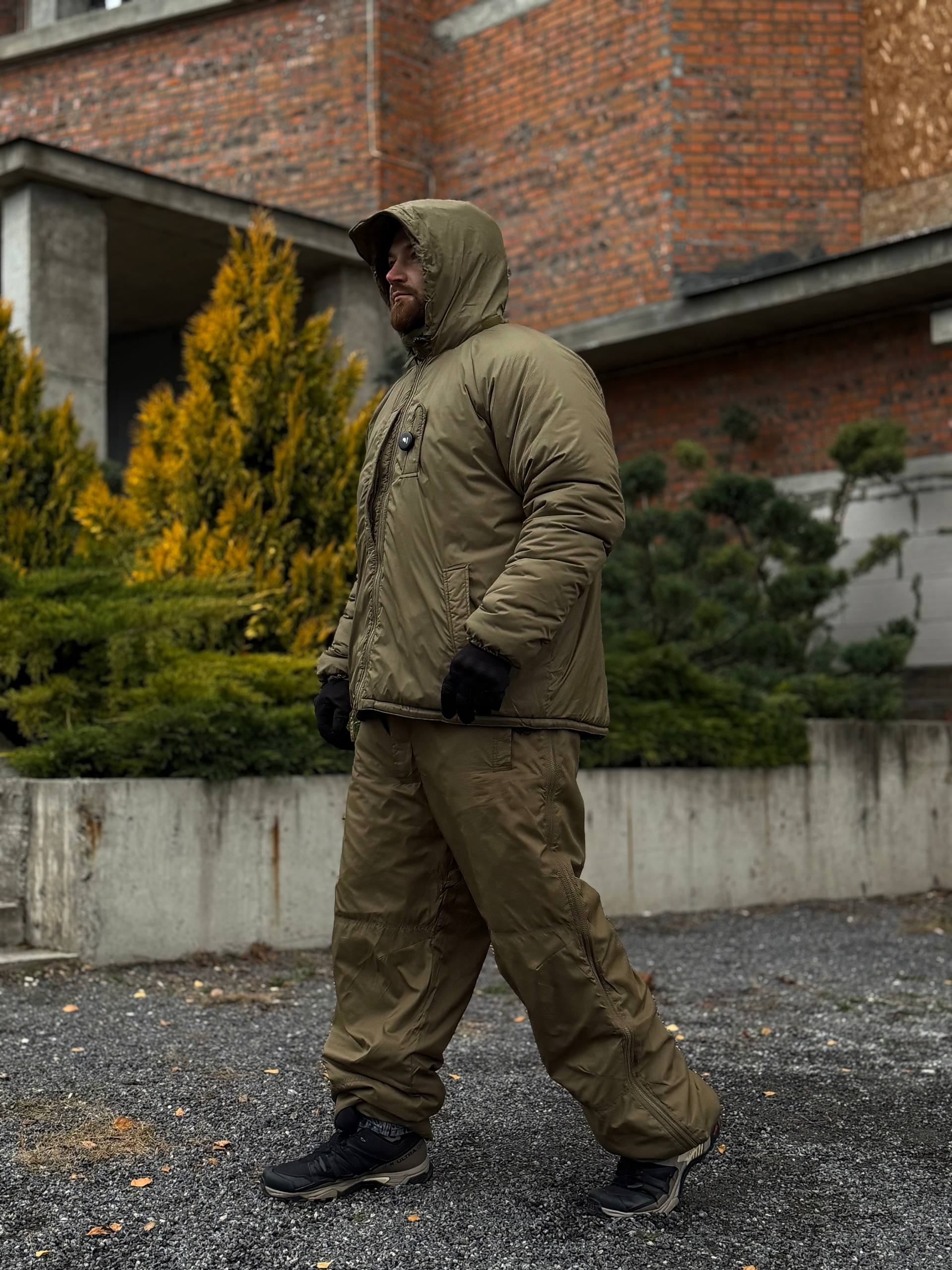
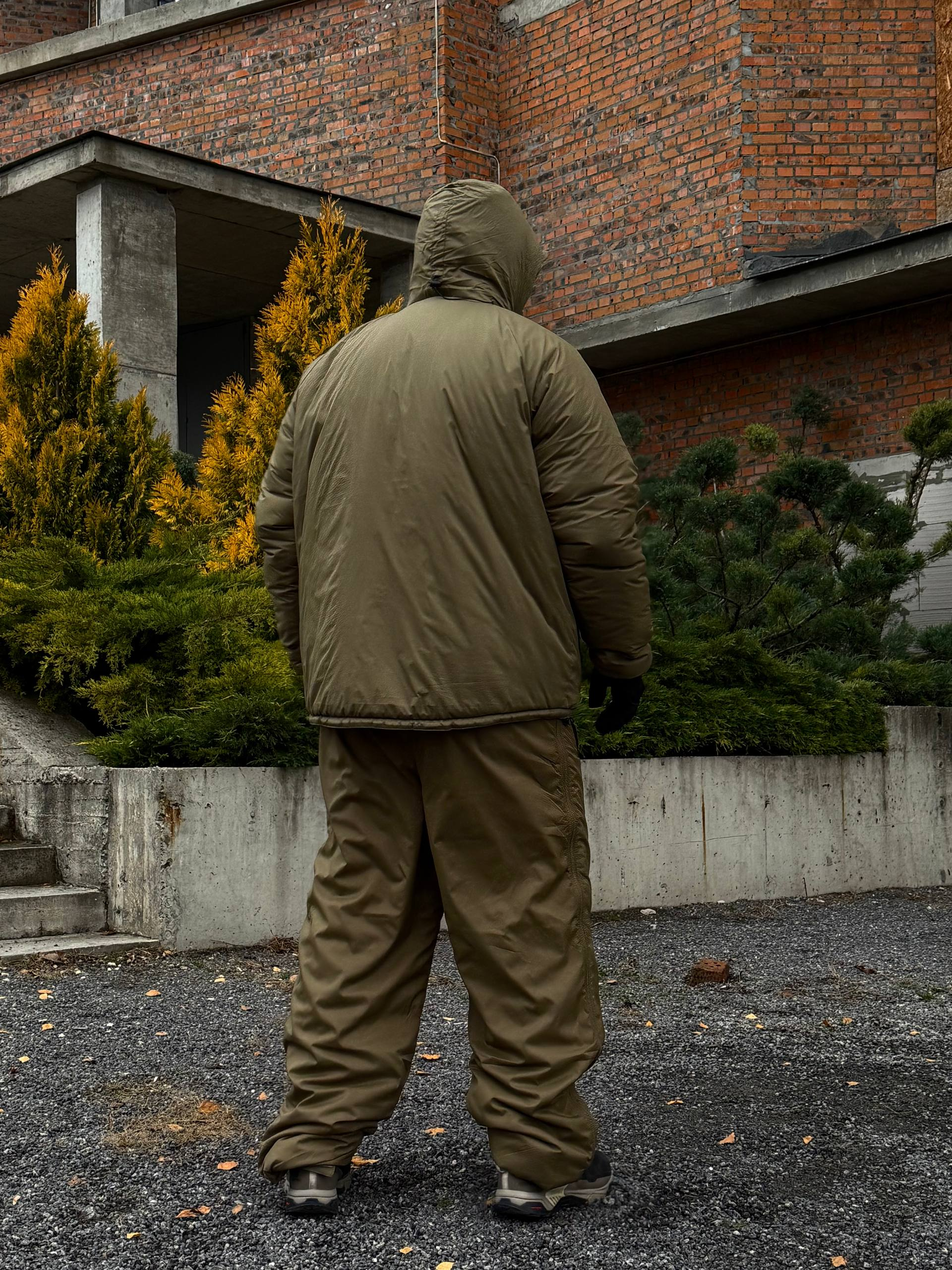
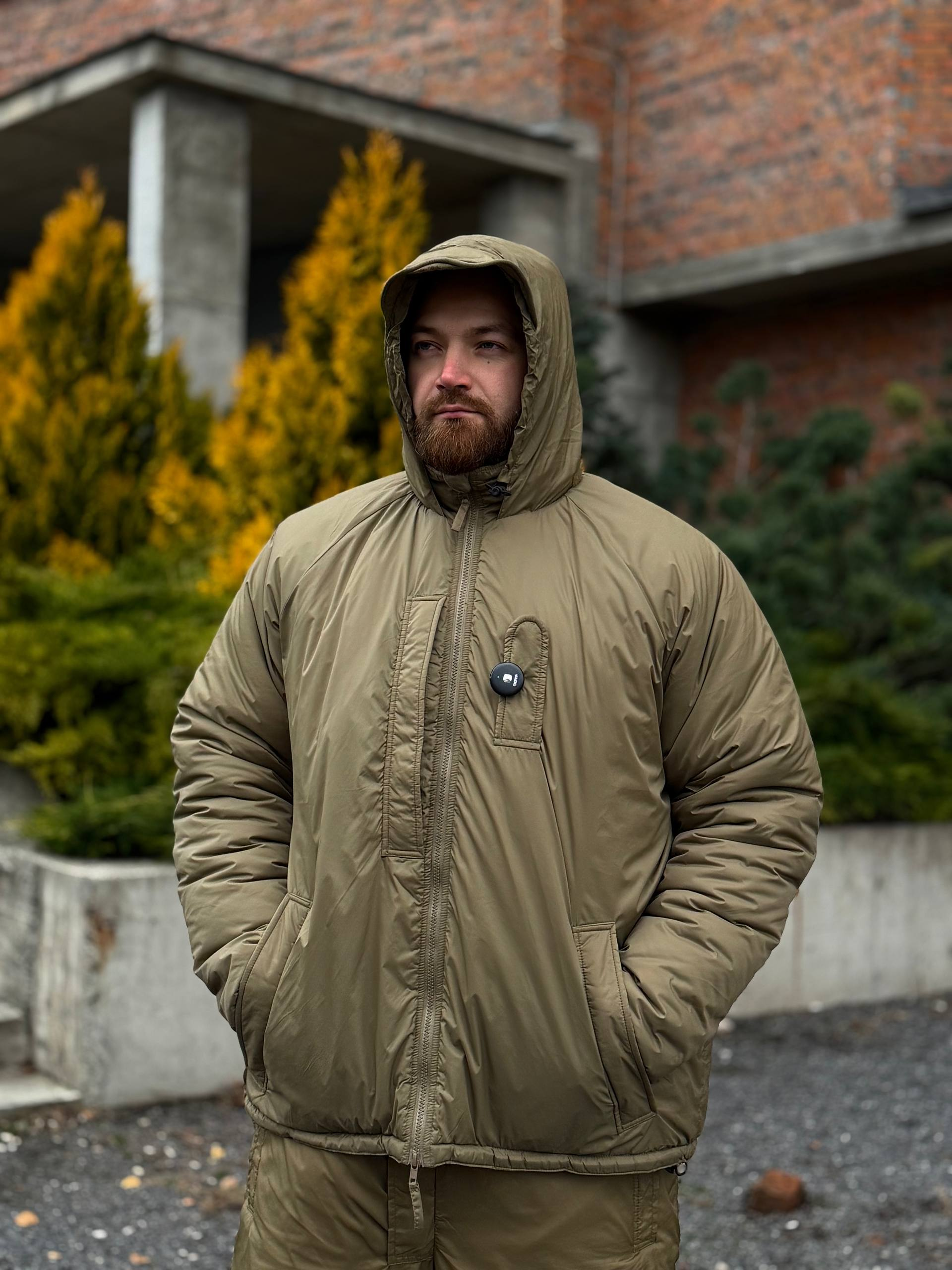
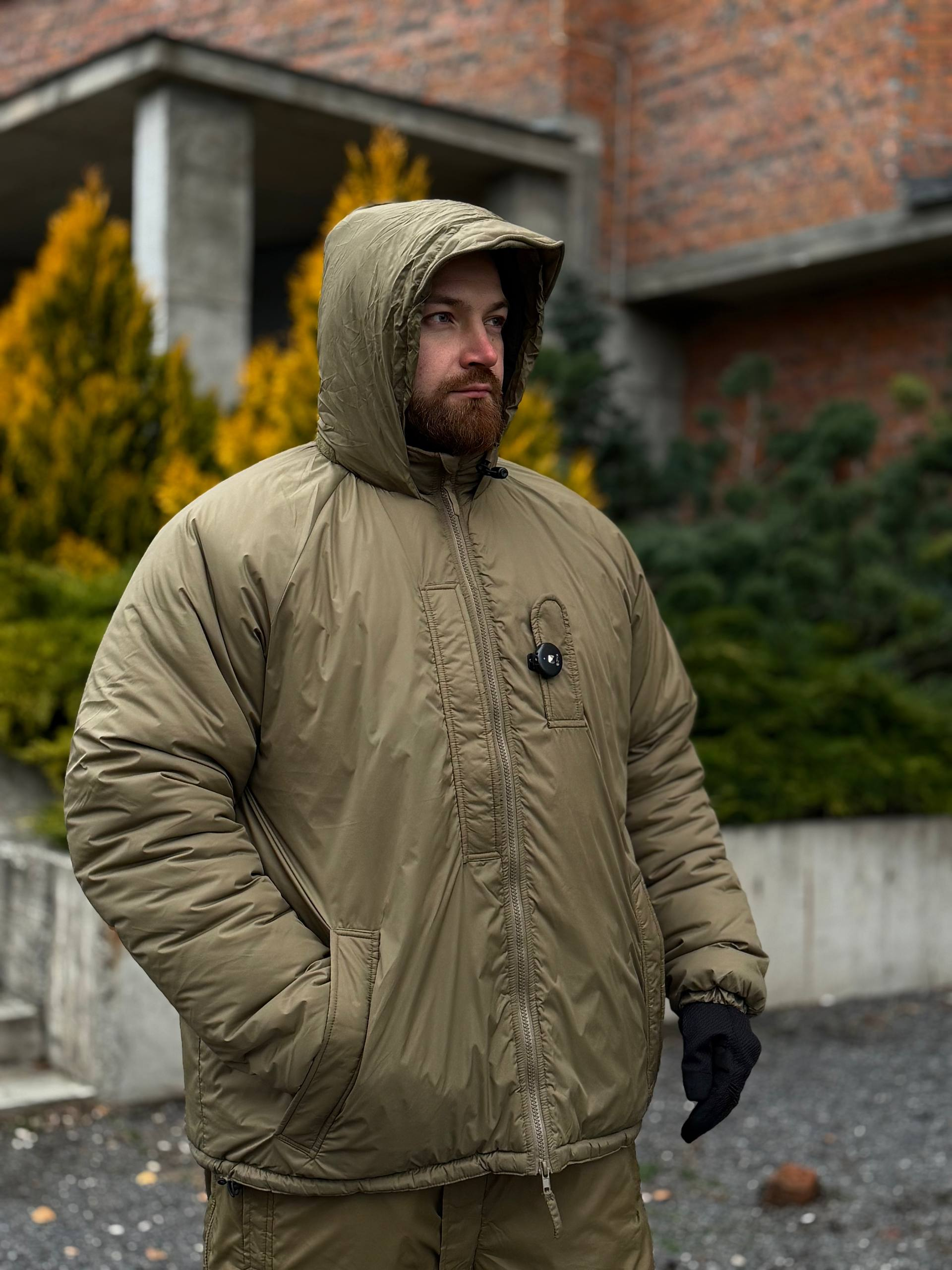
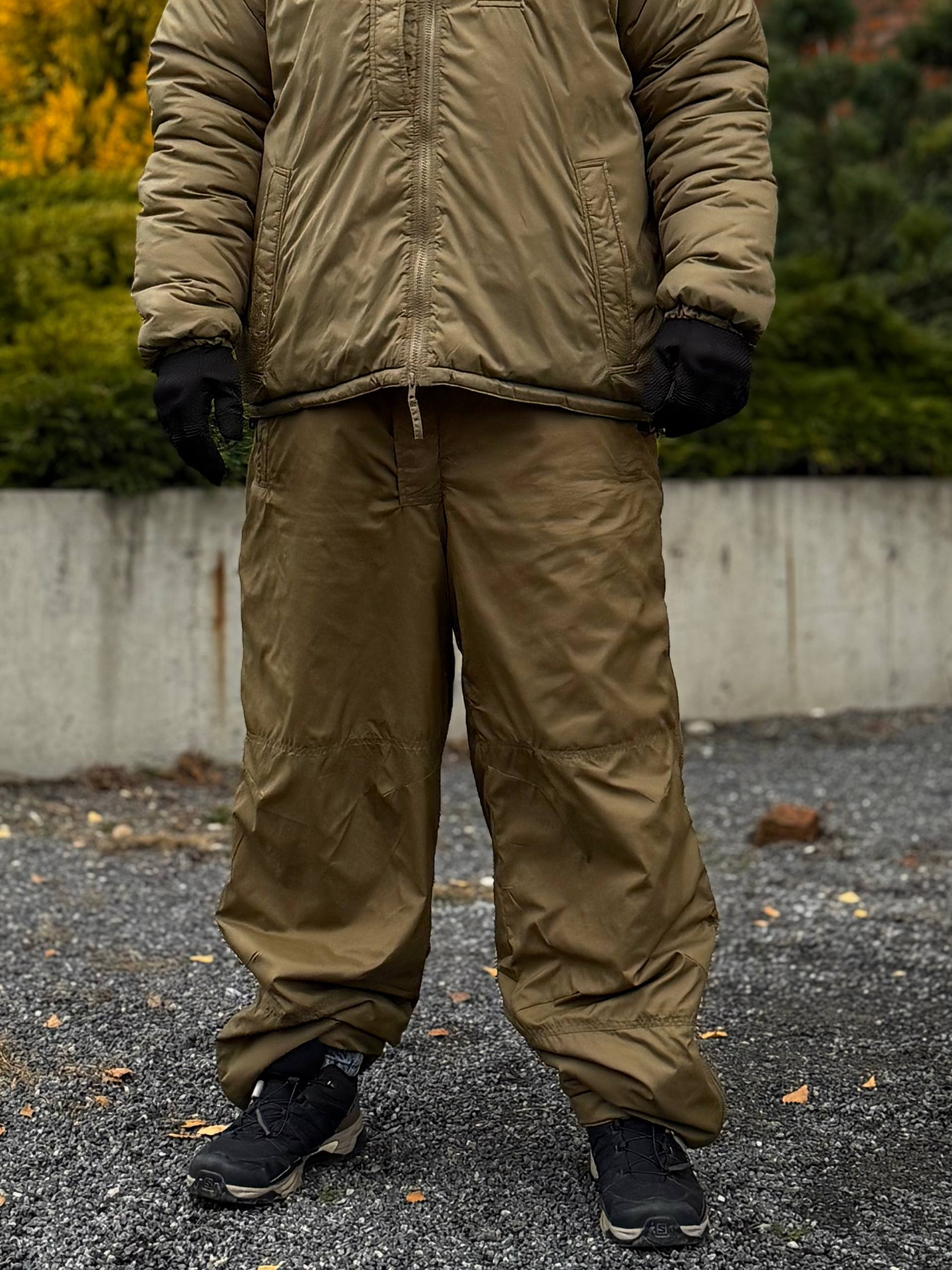
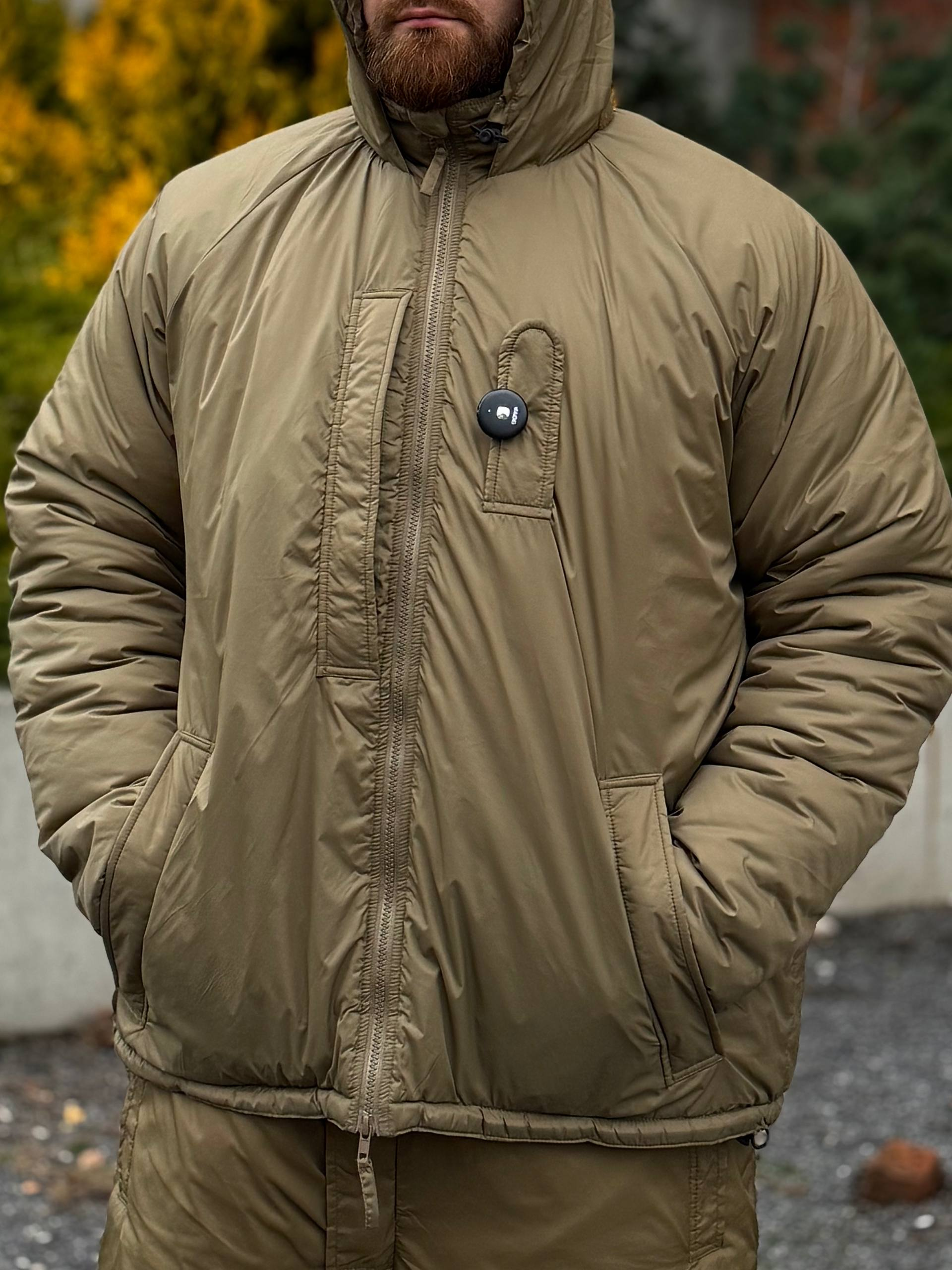
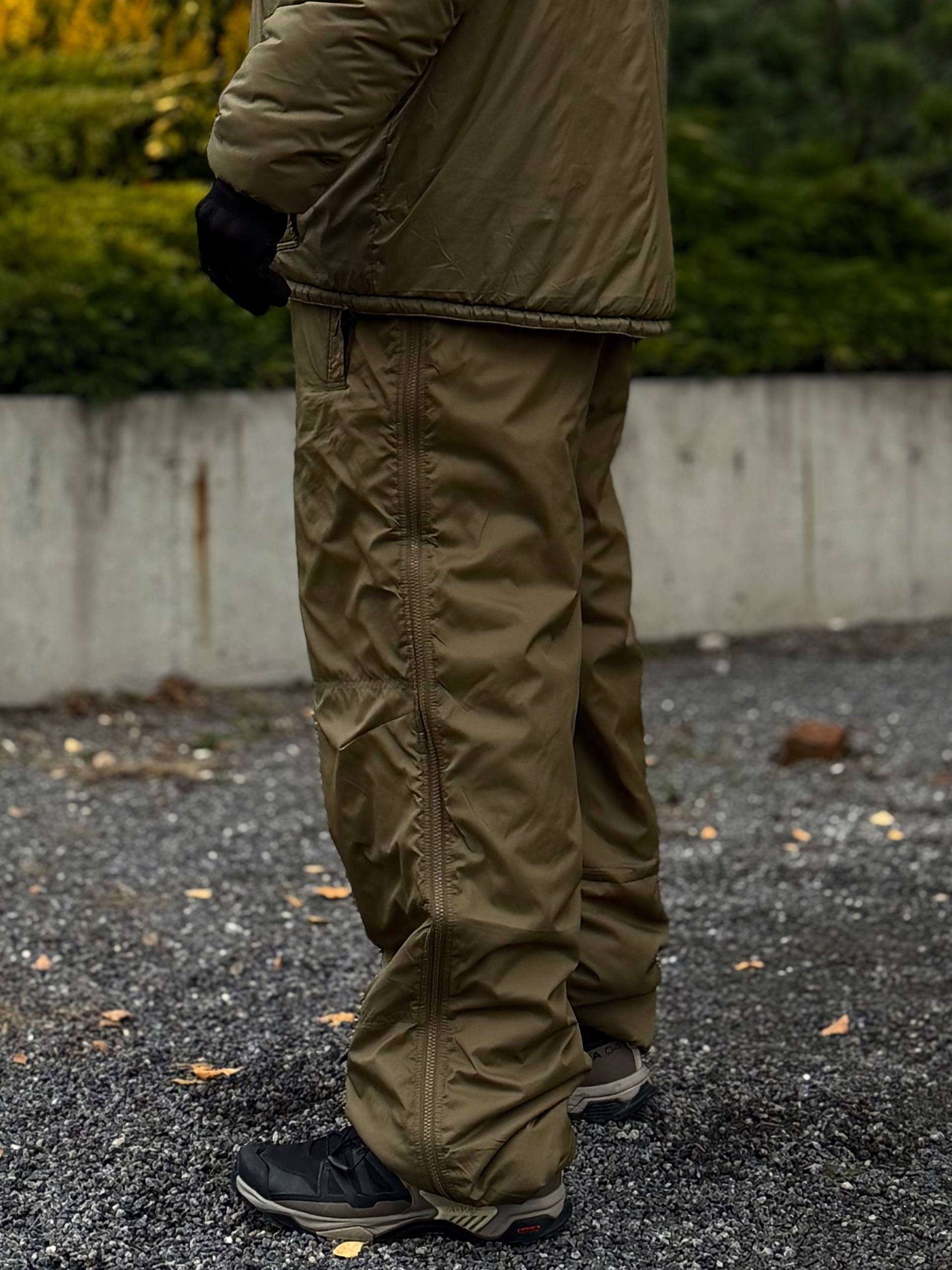
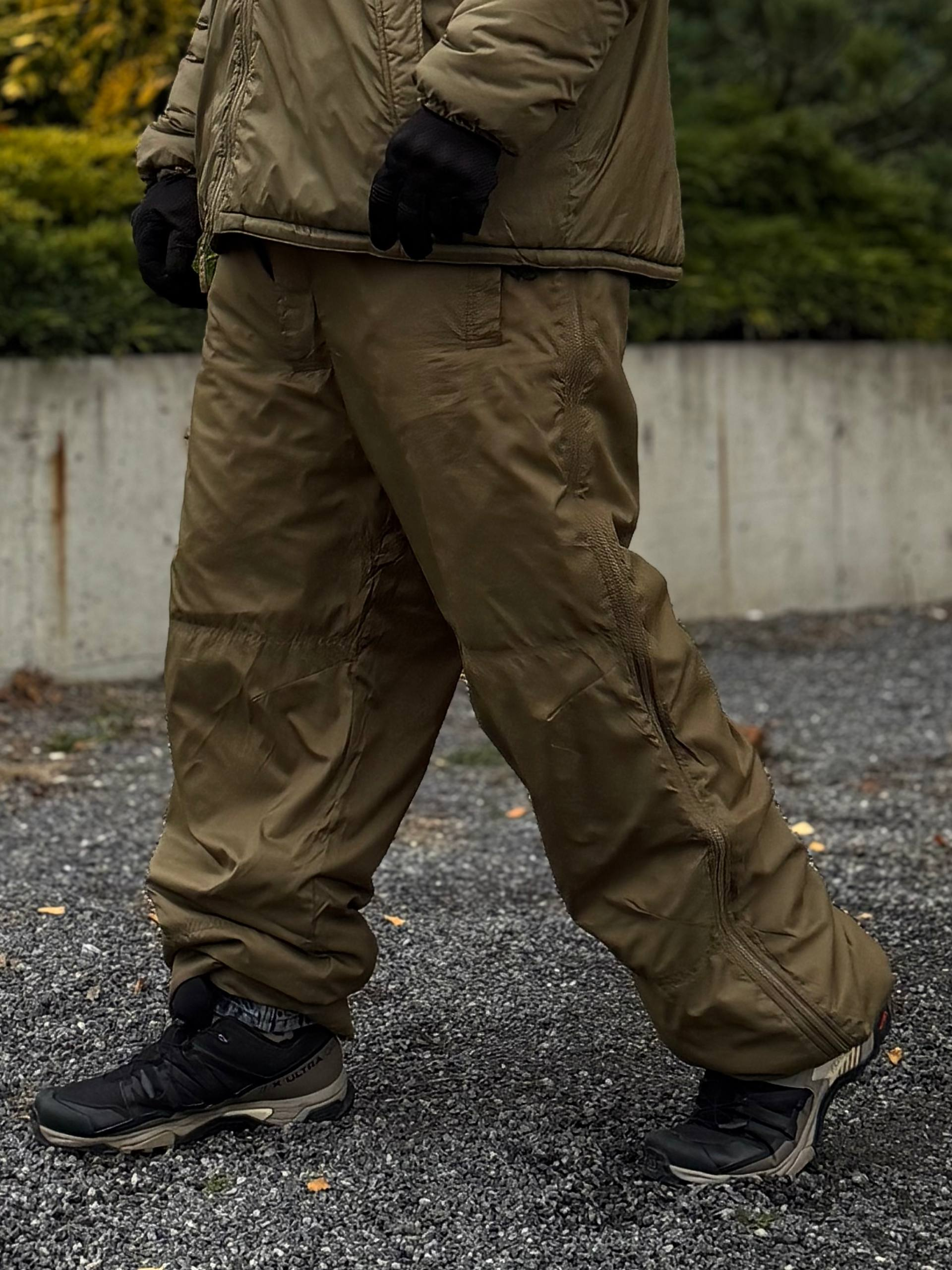
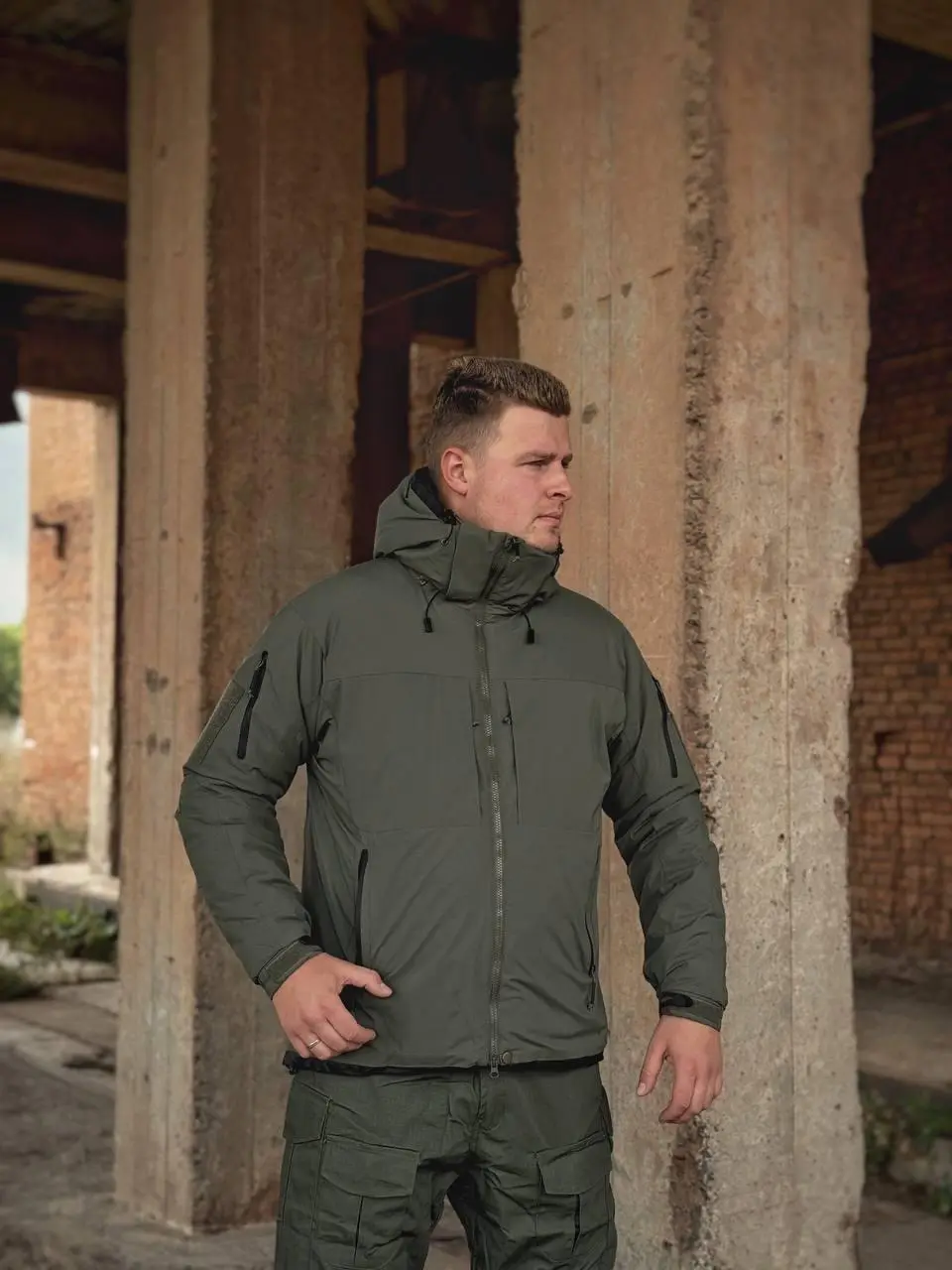
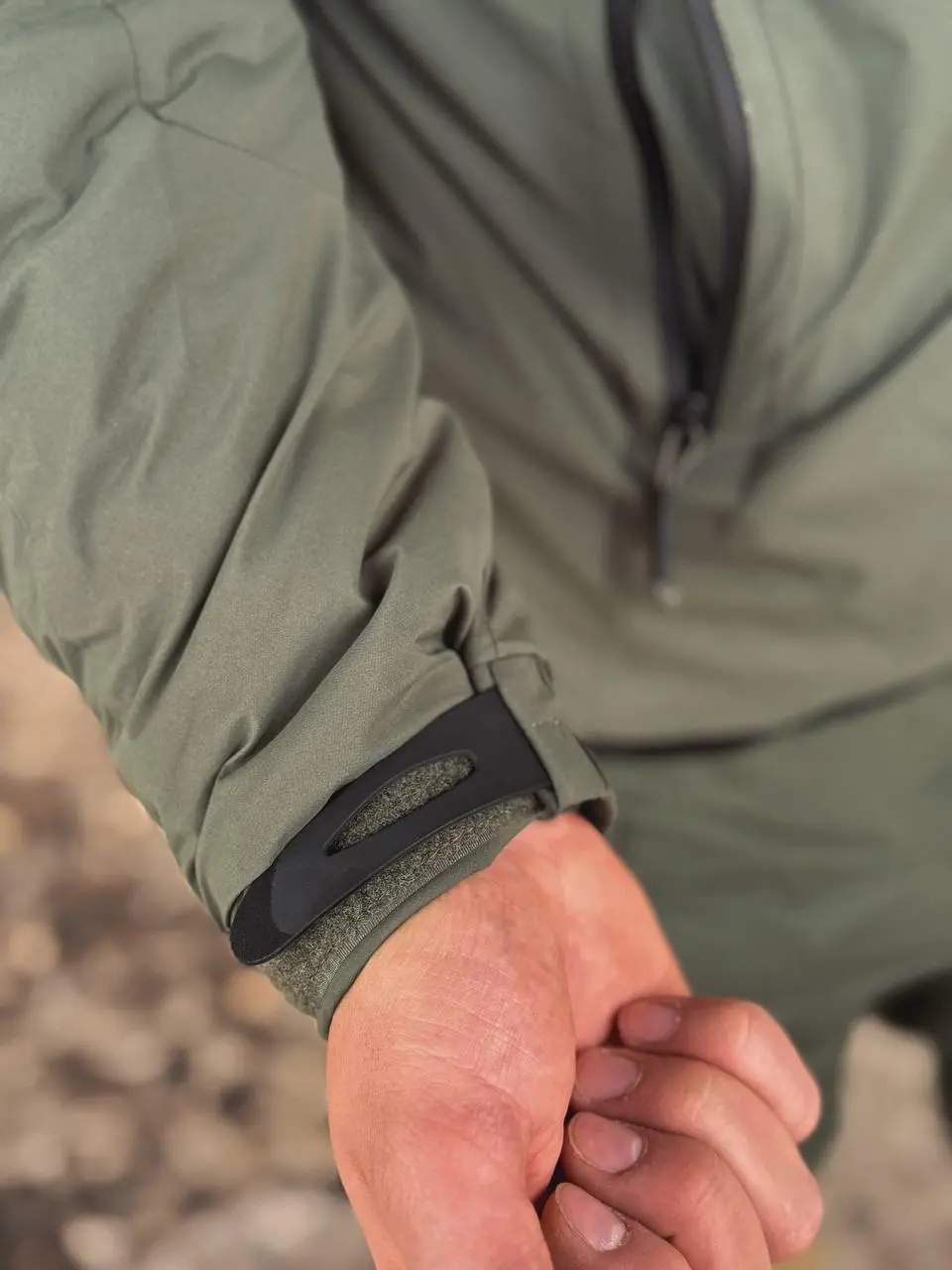
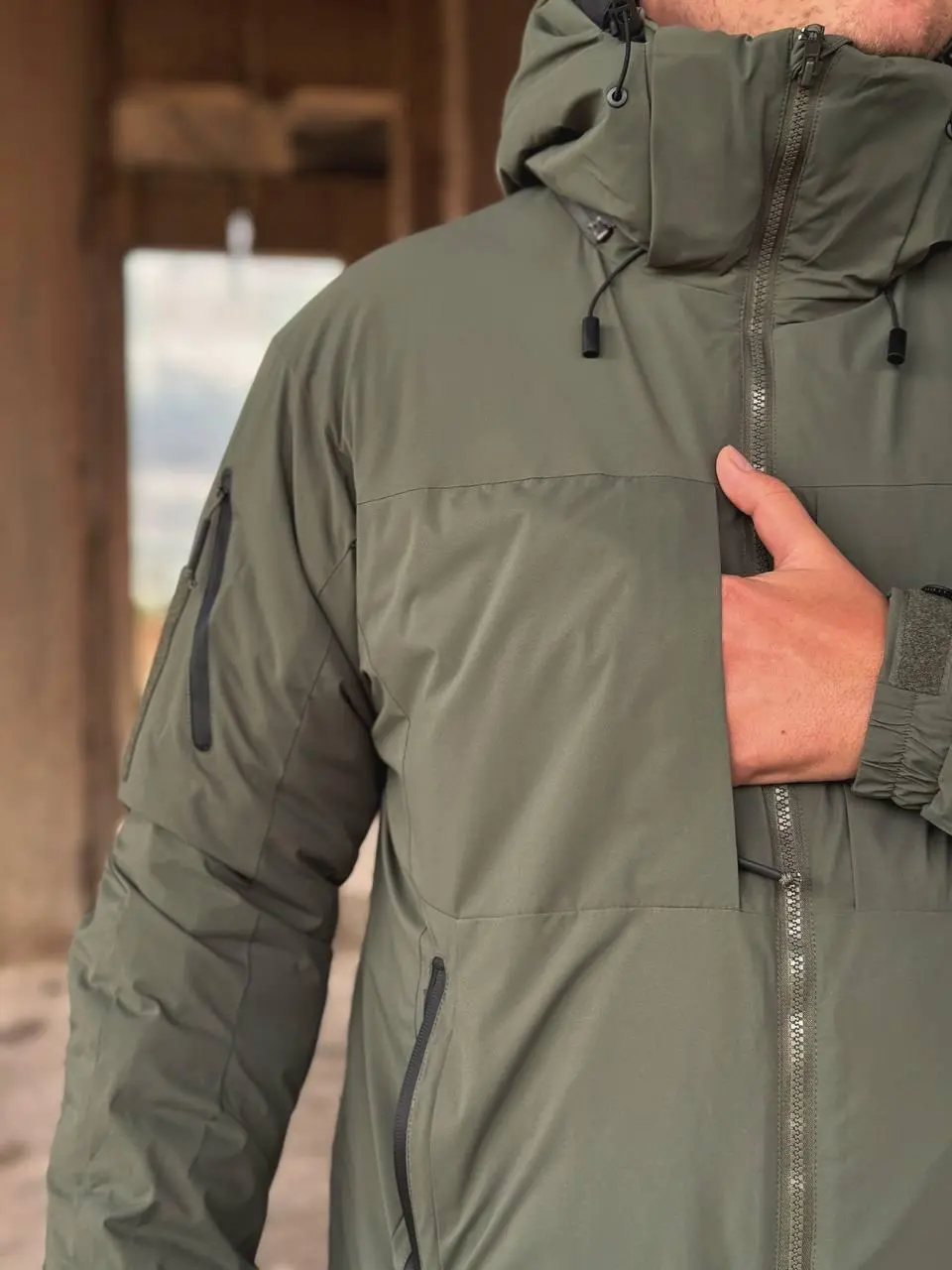
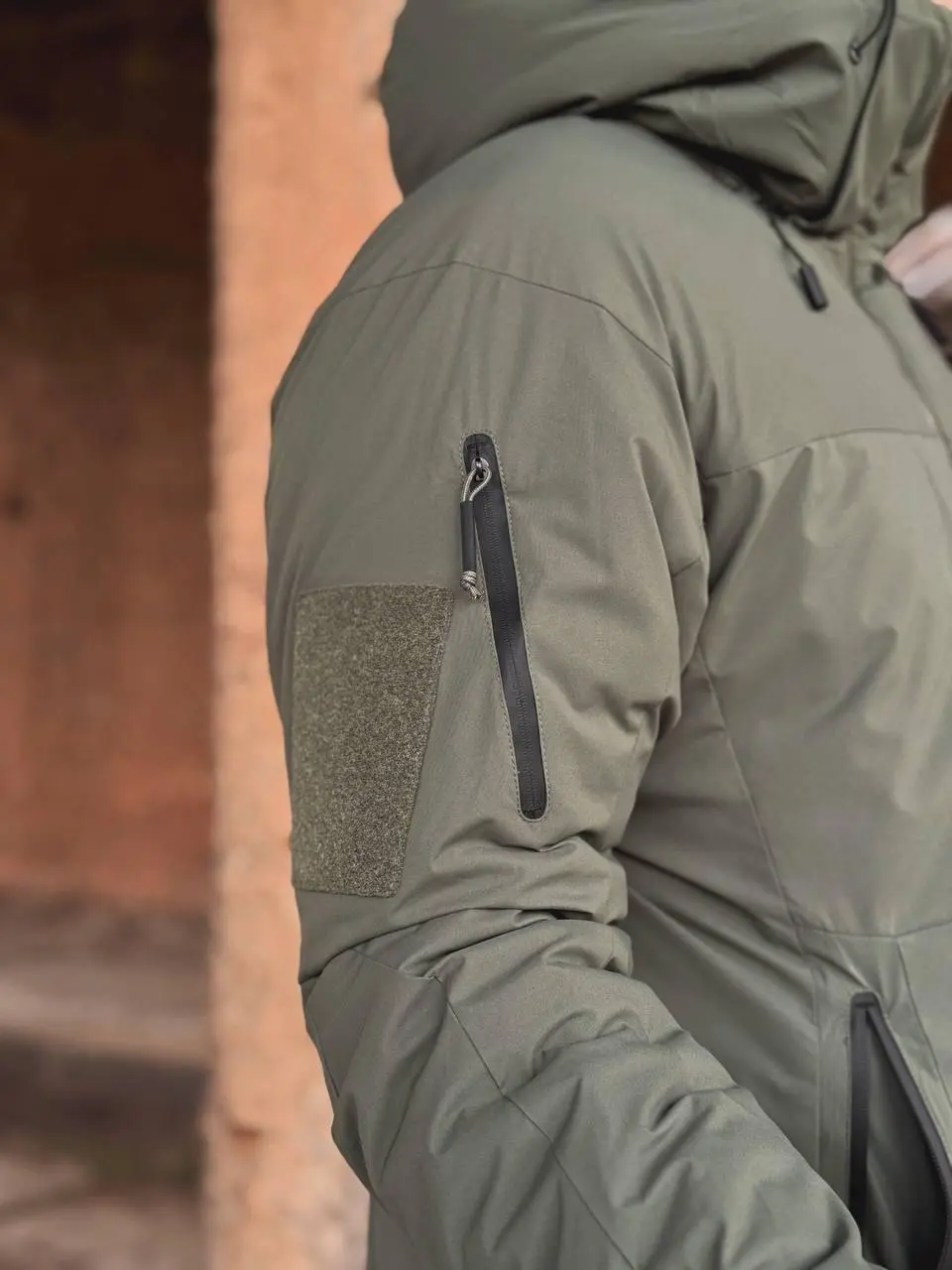
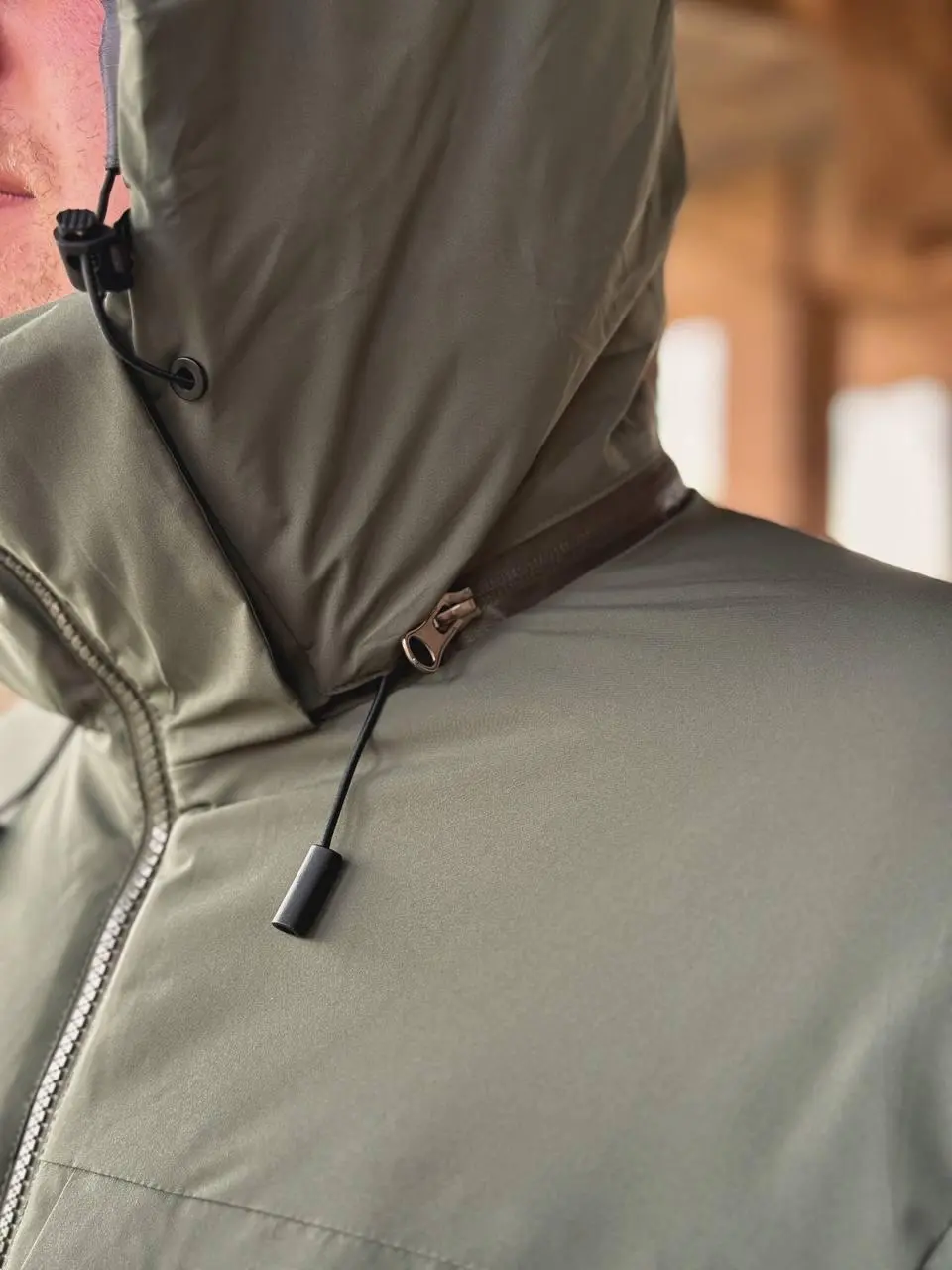
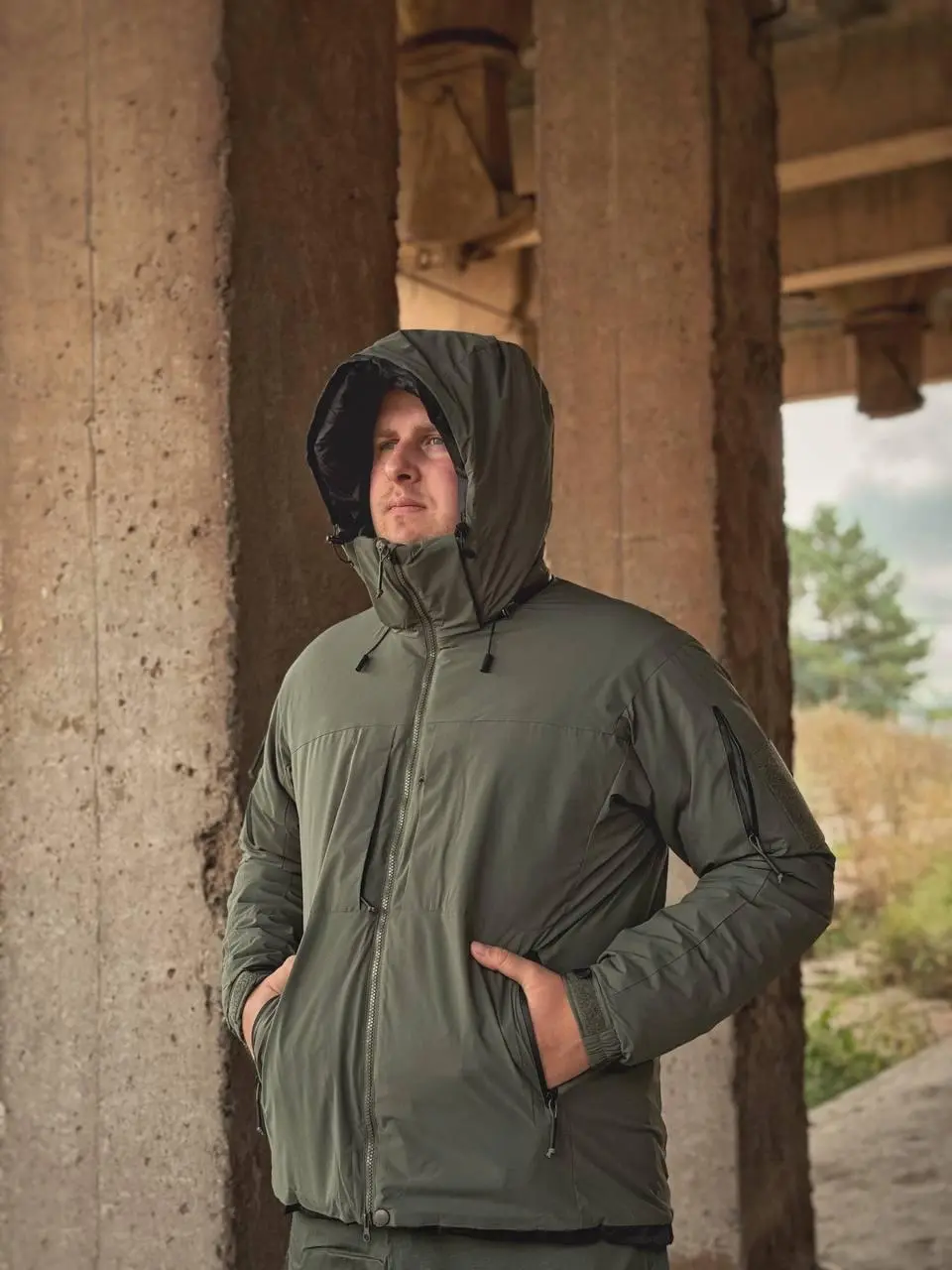
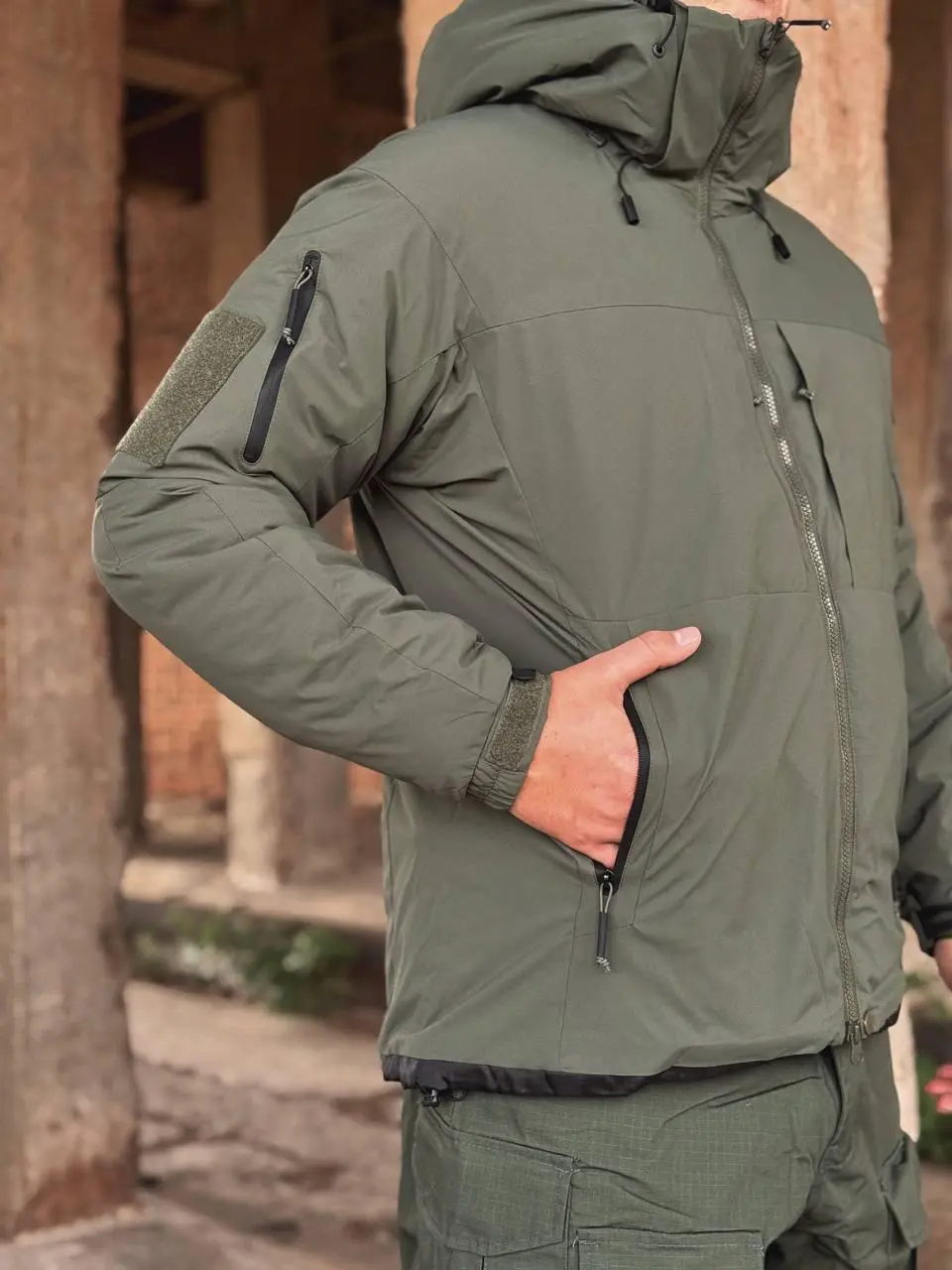
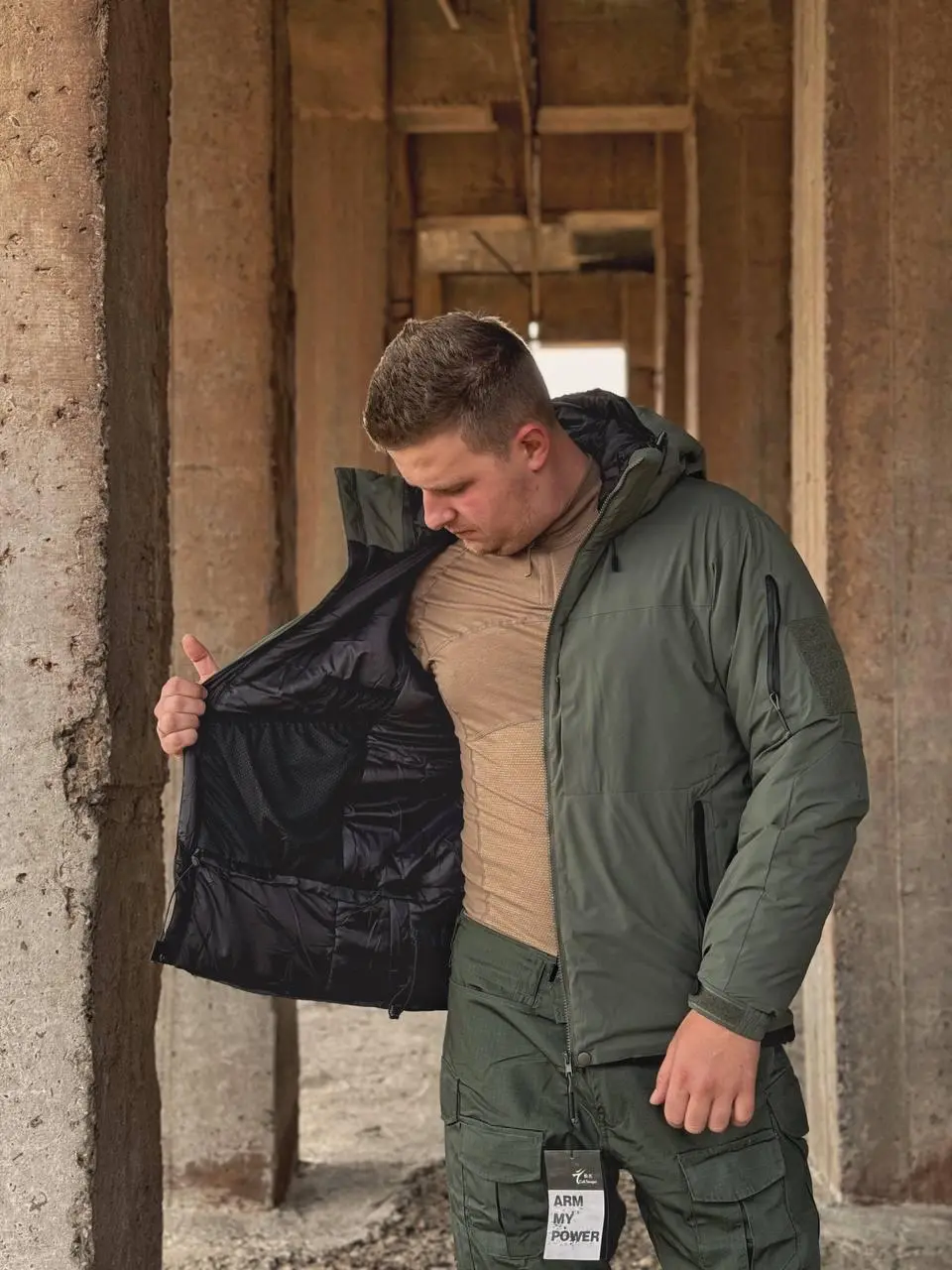
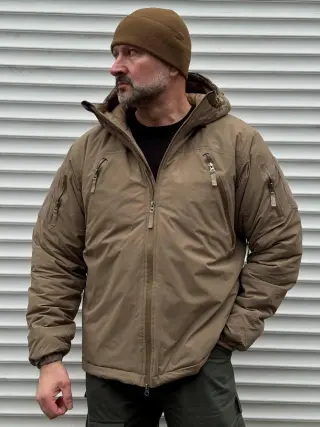
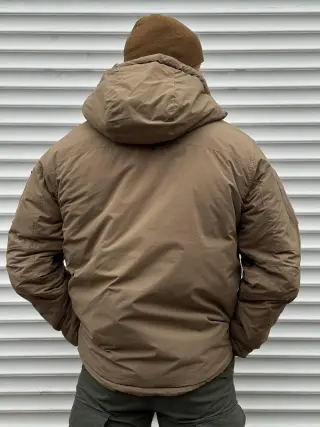
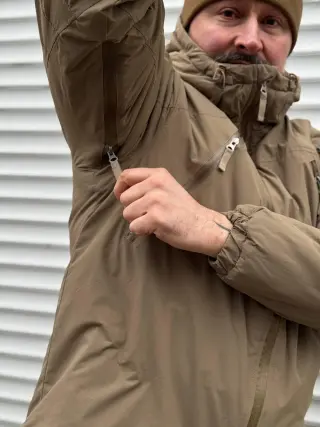
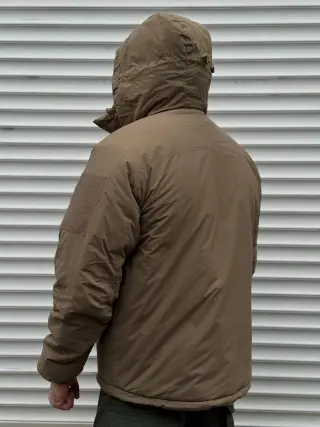
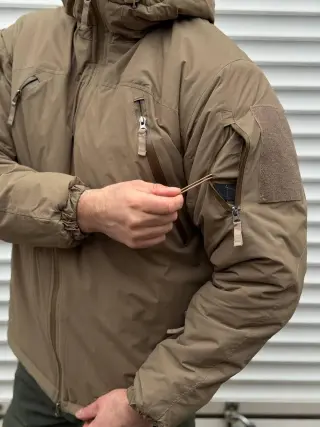
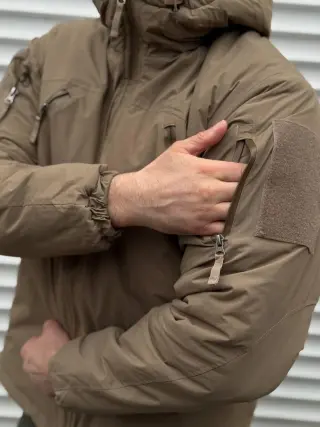
When temperatures drop below freezing, wind protection alone isn't enough. That's where the Winter Jacket Call Dragon 10.0 comes in, rated down to −30 °C: taped seams seal out wind at every stitch line for added weatherproofing. And for the harshest conditions, there's the Thermal PCS Softie Level 7 jacket-and-pants combo from the British Army — rated to −20 °C, with hydrophobic Ripstop nylon that blocks wind completely.
How to Choose for the Season
- Mild and overcast — a lightweight membrane jacket over your base layer.
- Autumn/spring with wind and rain — a 10,000 mm membrane plus a mid layer.
- Freezing temperatures — an insulated winter jacket or a thermal suit worn under the outer shell.
More models are available in the Outerwear section.
Pants and Basic Gear: Practicality Above All
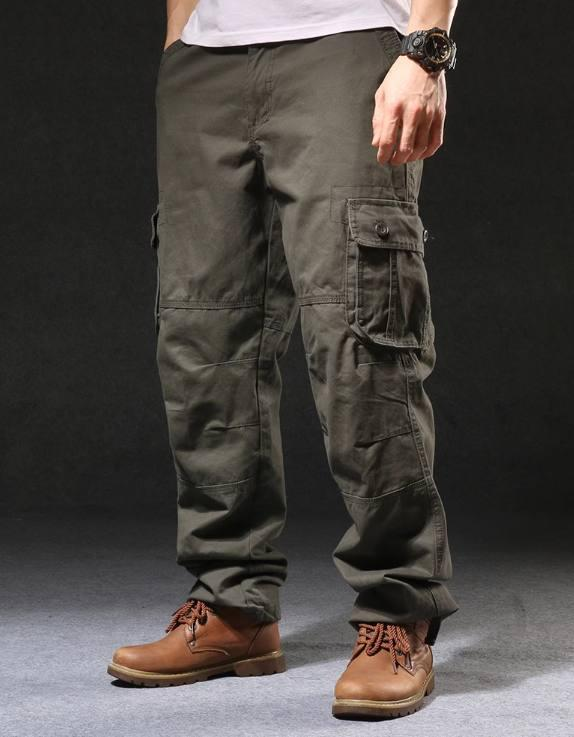
We've broken down the top half of the kit layer by layer — now for the bottom. The logic here is simpler, but mistakes are just as common. Field pants have two jobs: don't restrict your movement, and give you somewhere to put the small things you need at hand, not buried at the bottom of your bag.
The same base-layer principle applies below the waist: the inner layer wicks moisture away from your skin. Without it, even the toughest pants get damp on the inside when you're sweating on the move.
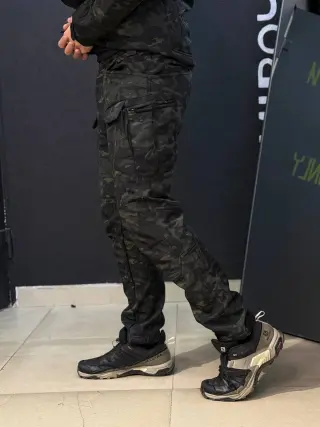
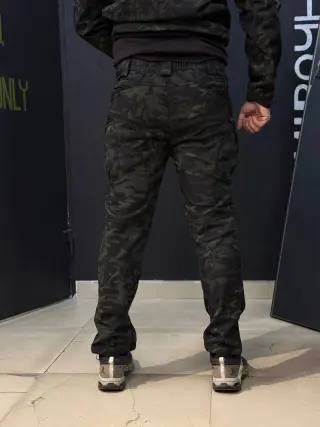
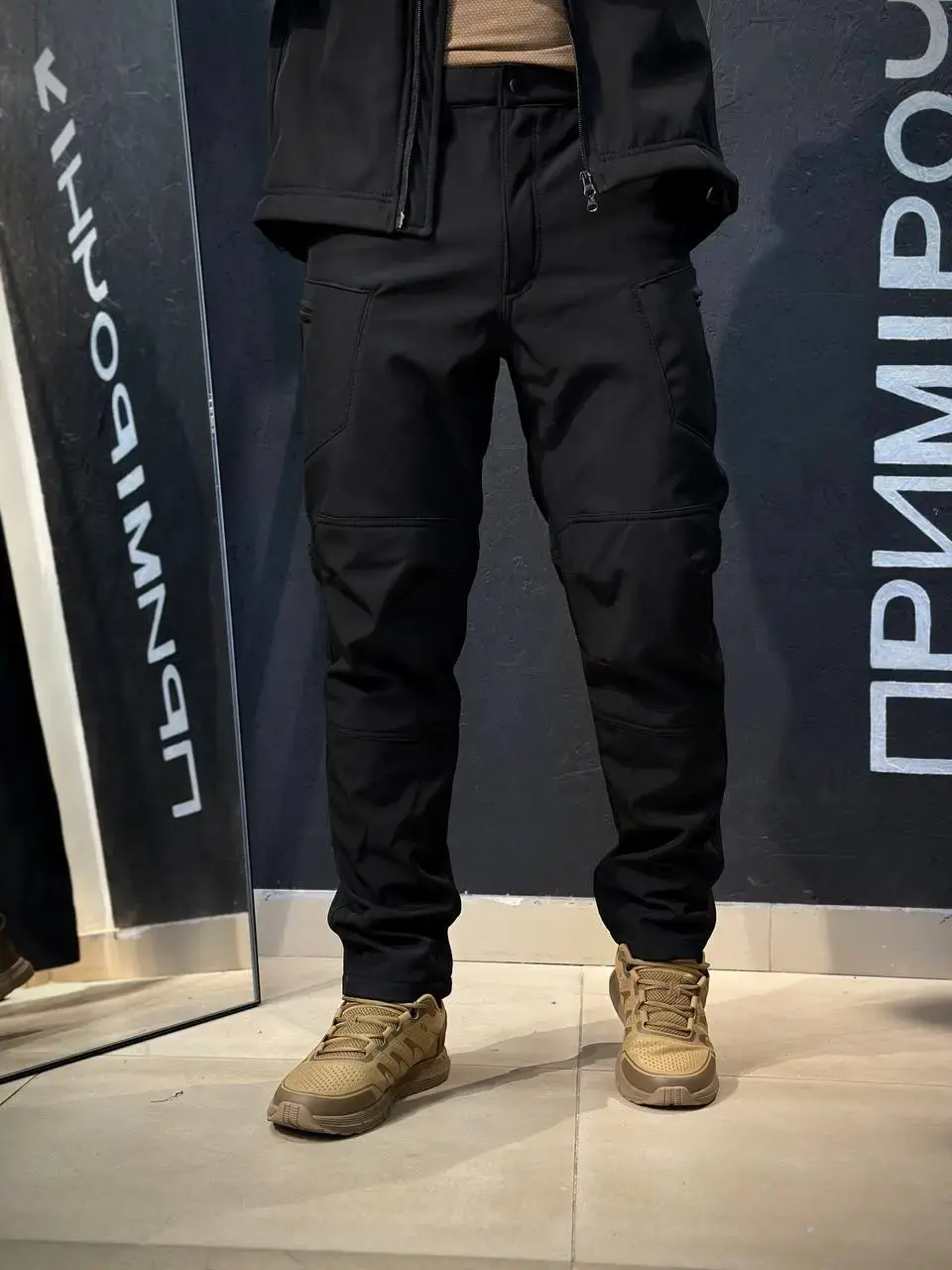
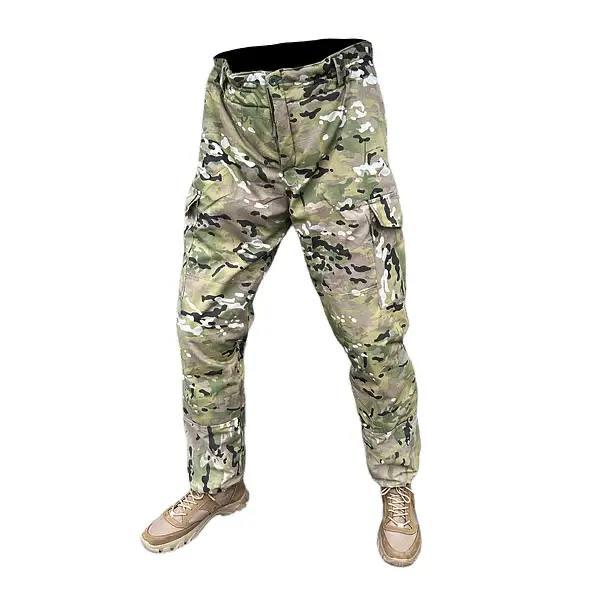
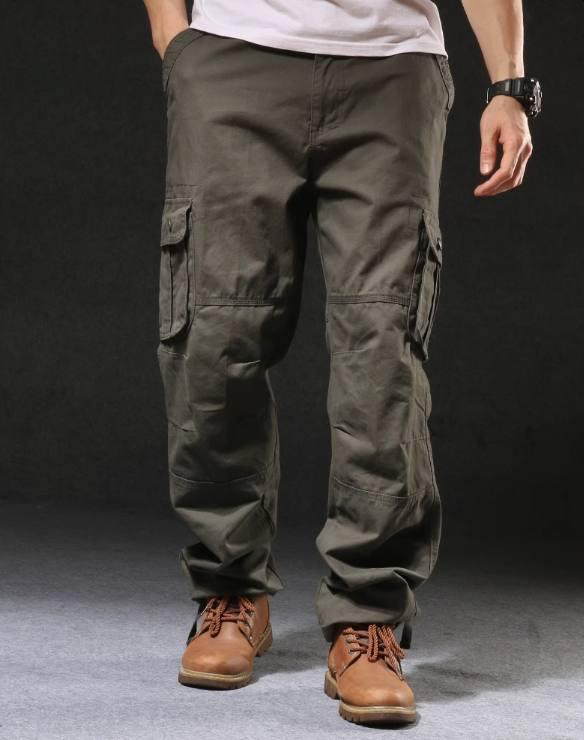
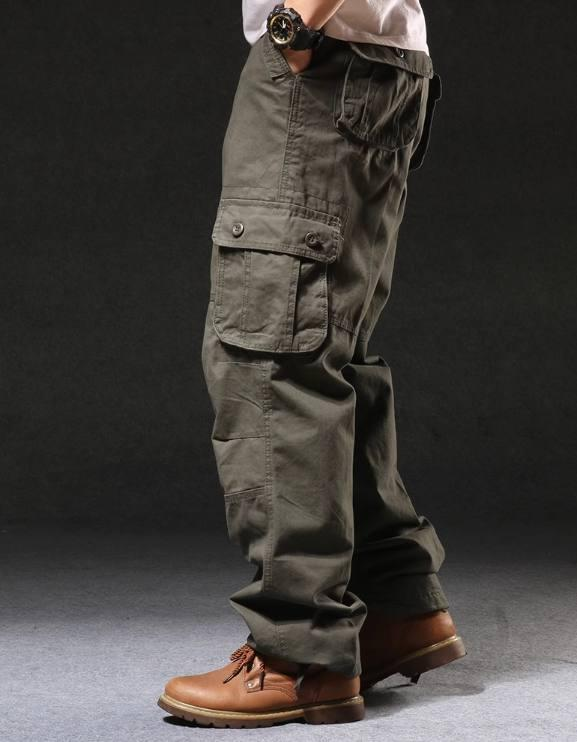
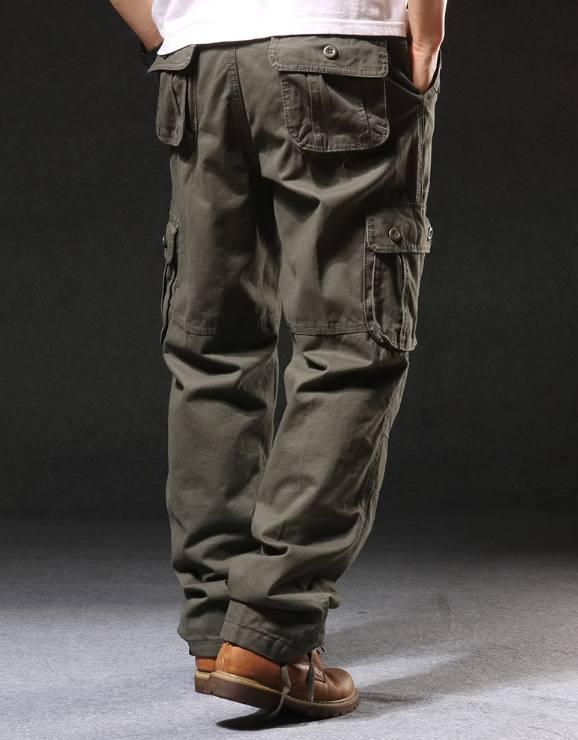
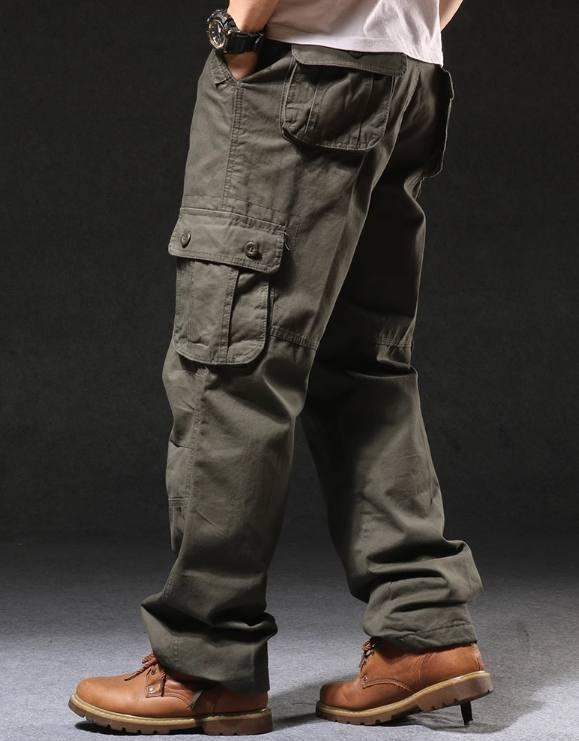
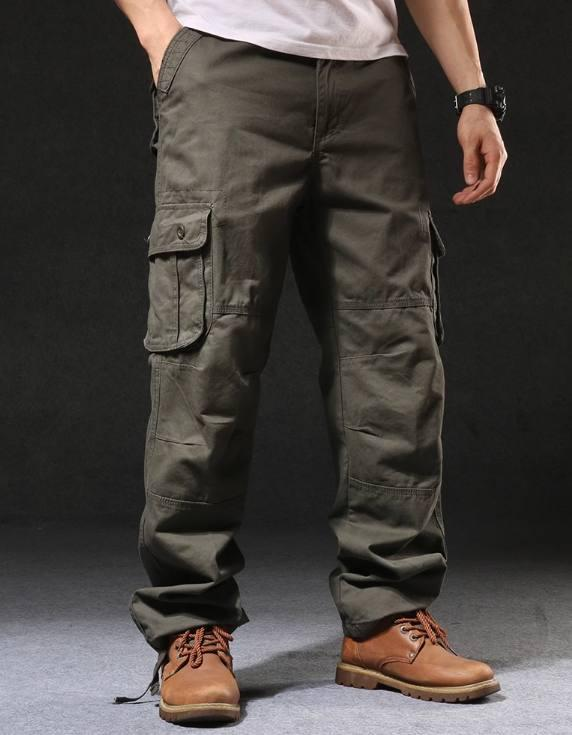
The working pant is cargo. Here's why that cut makes sense:
- Side cargo pockets. Multi-tool, gloves, compass, energy bar — everything has a place instead of being piled together.
- Relaxed straight cut. You squat, kneel, and climb over obstacles without the fabric pulling or seams splitting.
- Freedom of movement above all. Pants that limit your stride will ruin a trip faster than any other piece of kit.
Now for the basic gear — the stuff that makes a field trip complete. One rule applies: nothing unnecessary. Every item must cover a specific need, otherwise it's just dead weight.
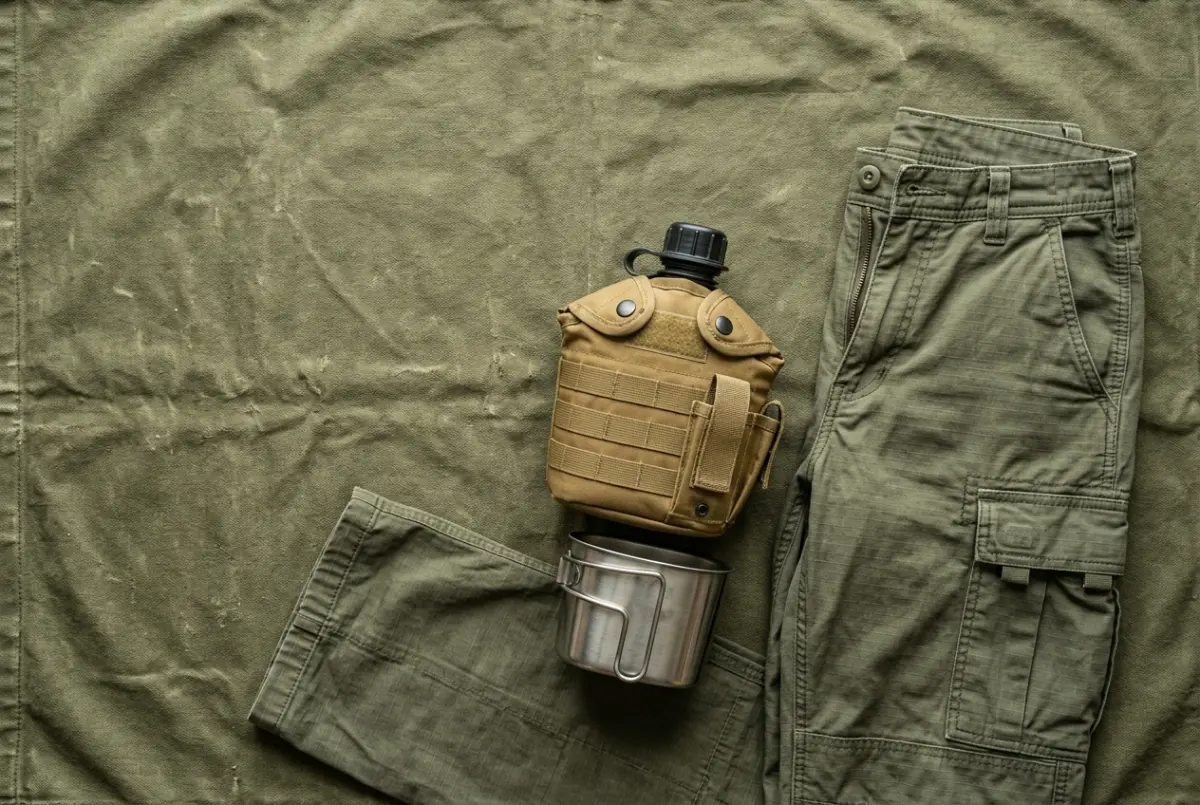
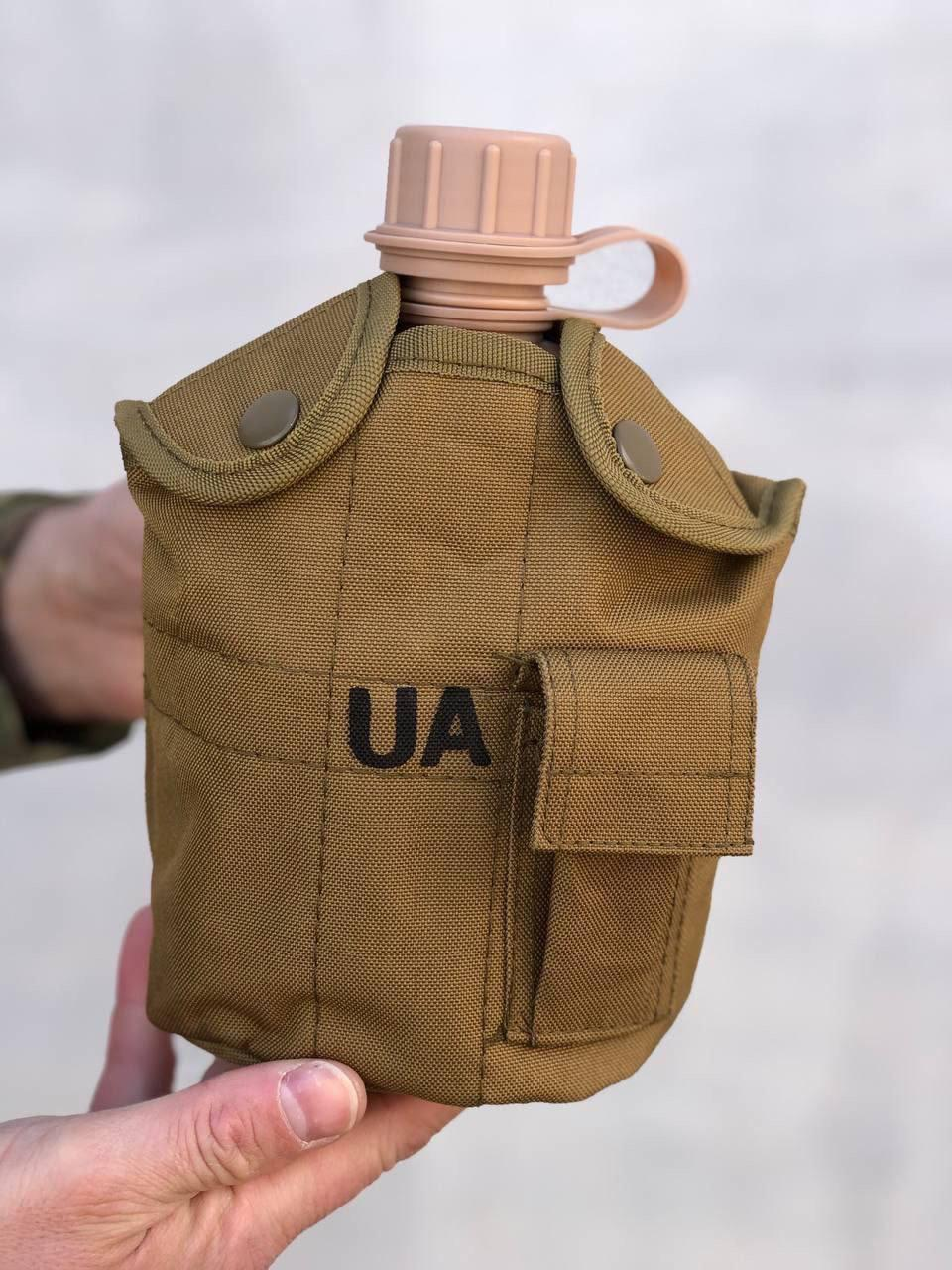
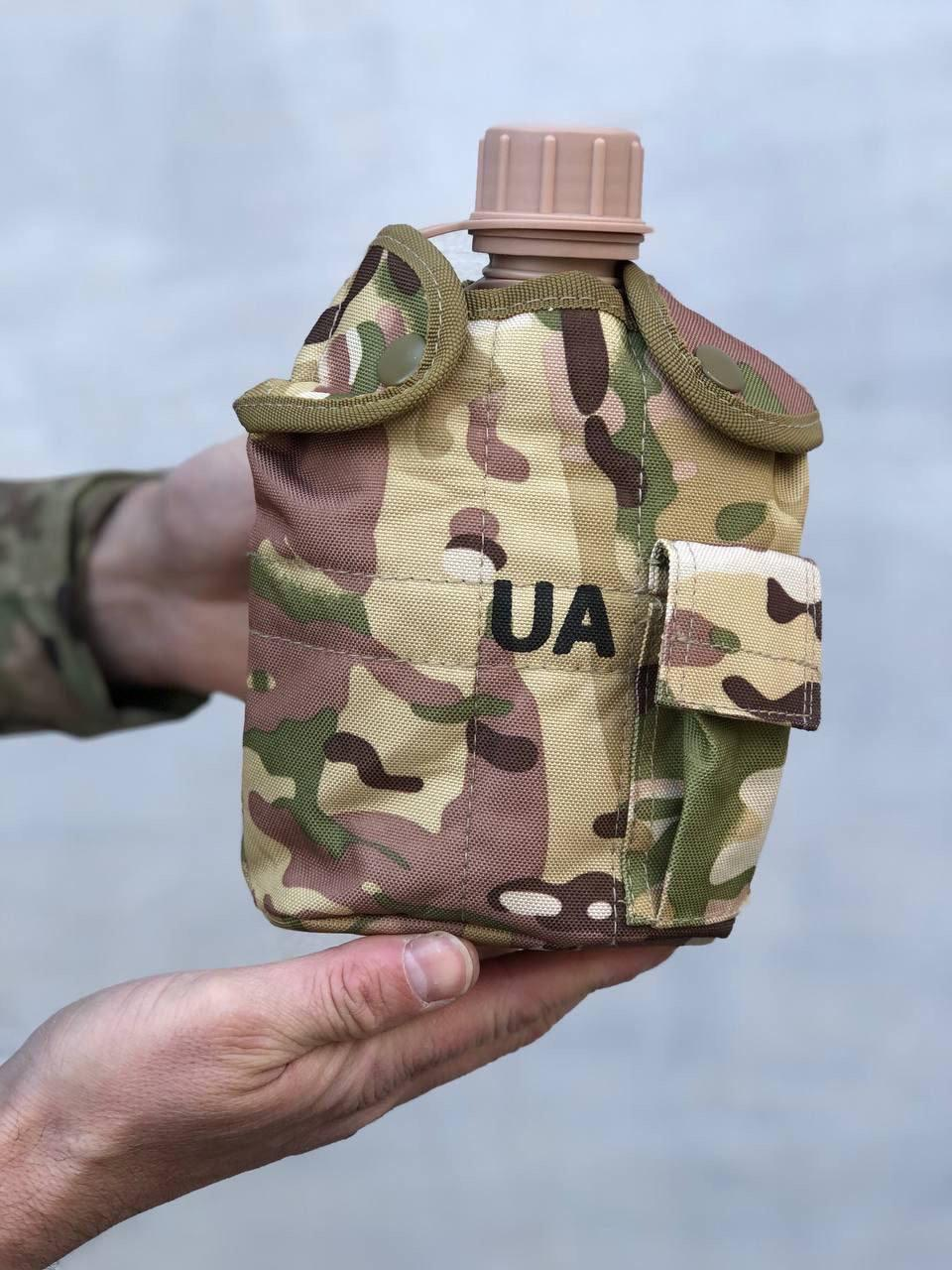
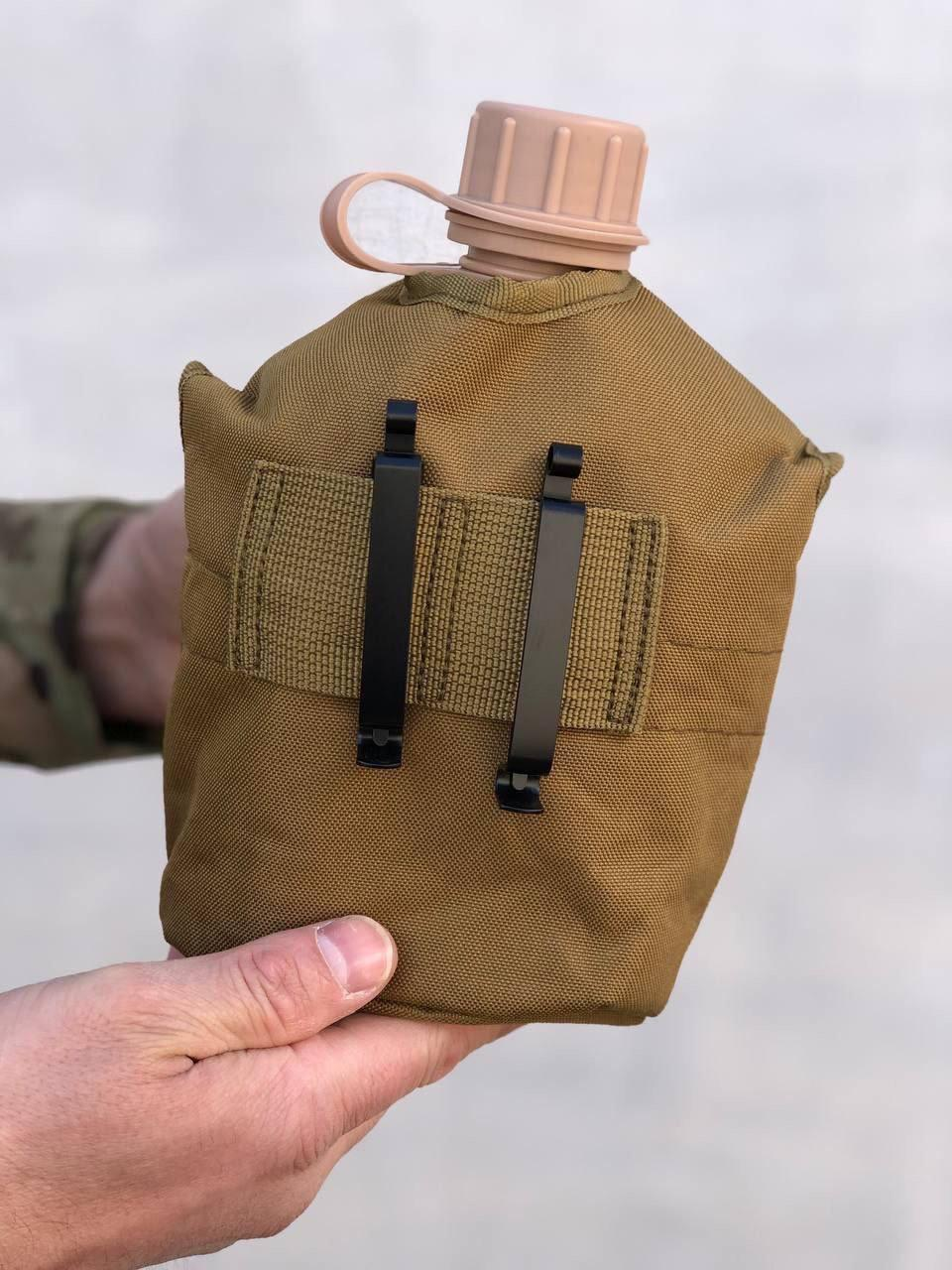
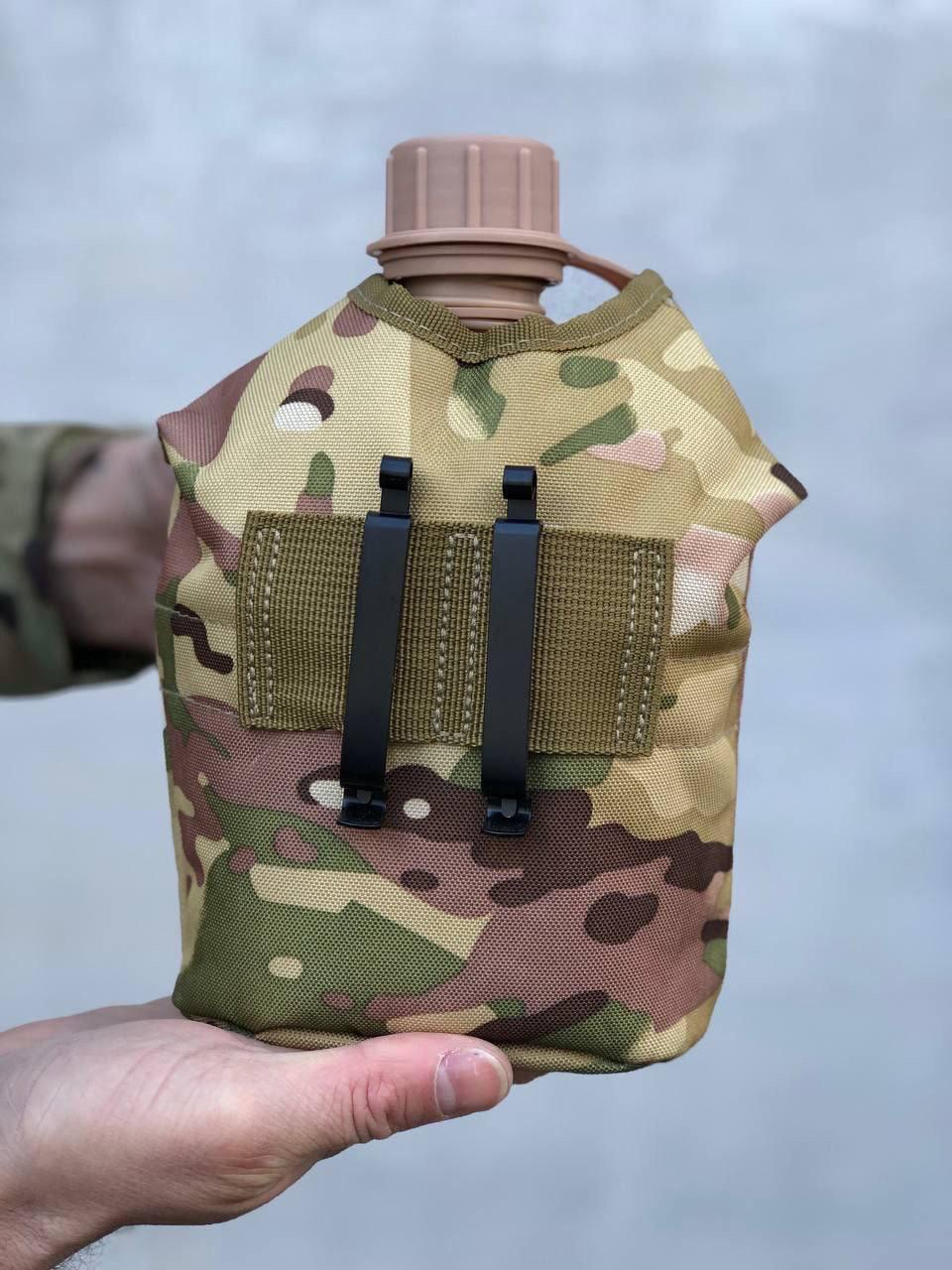
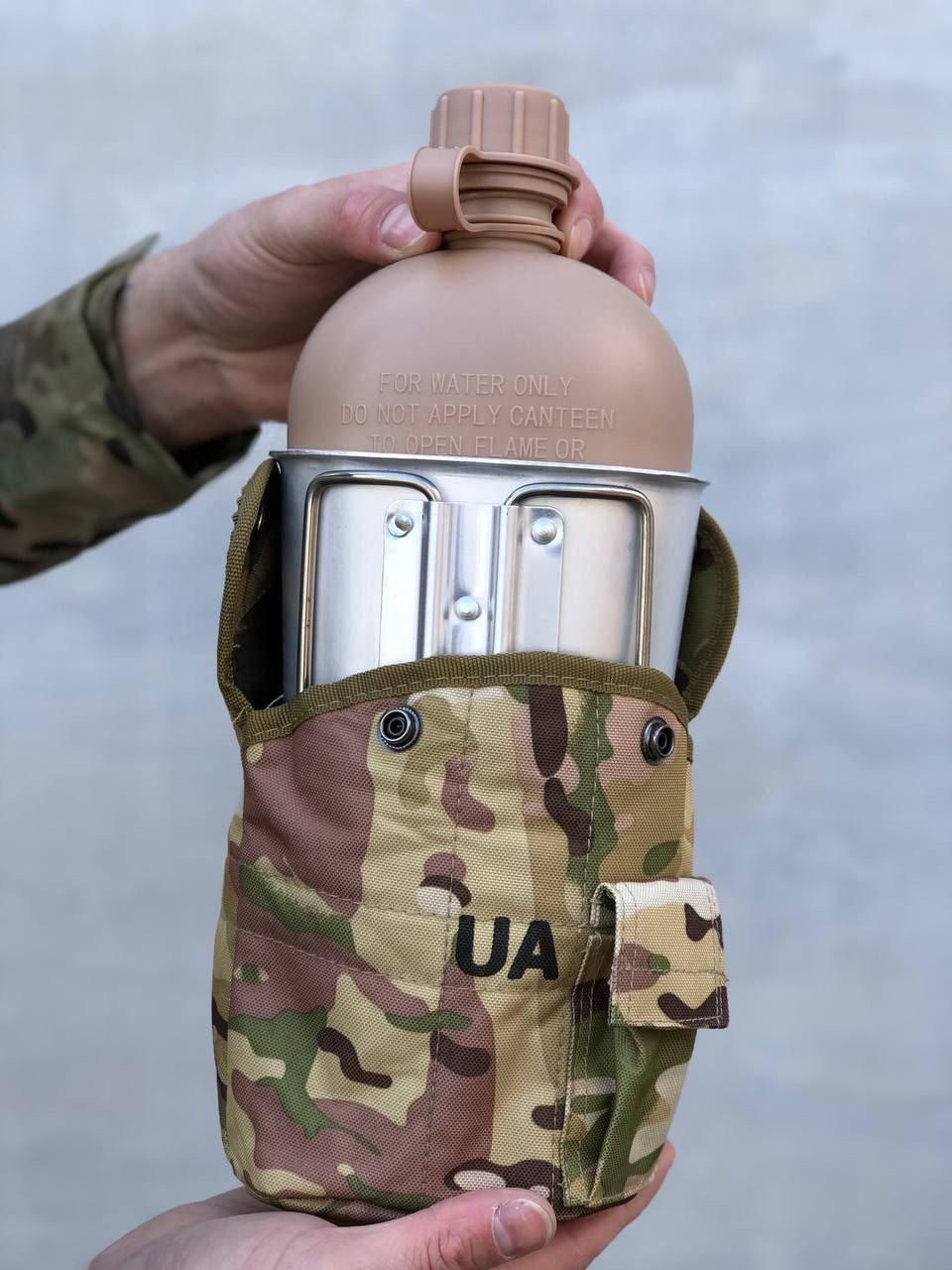
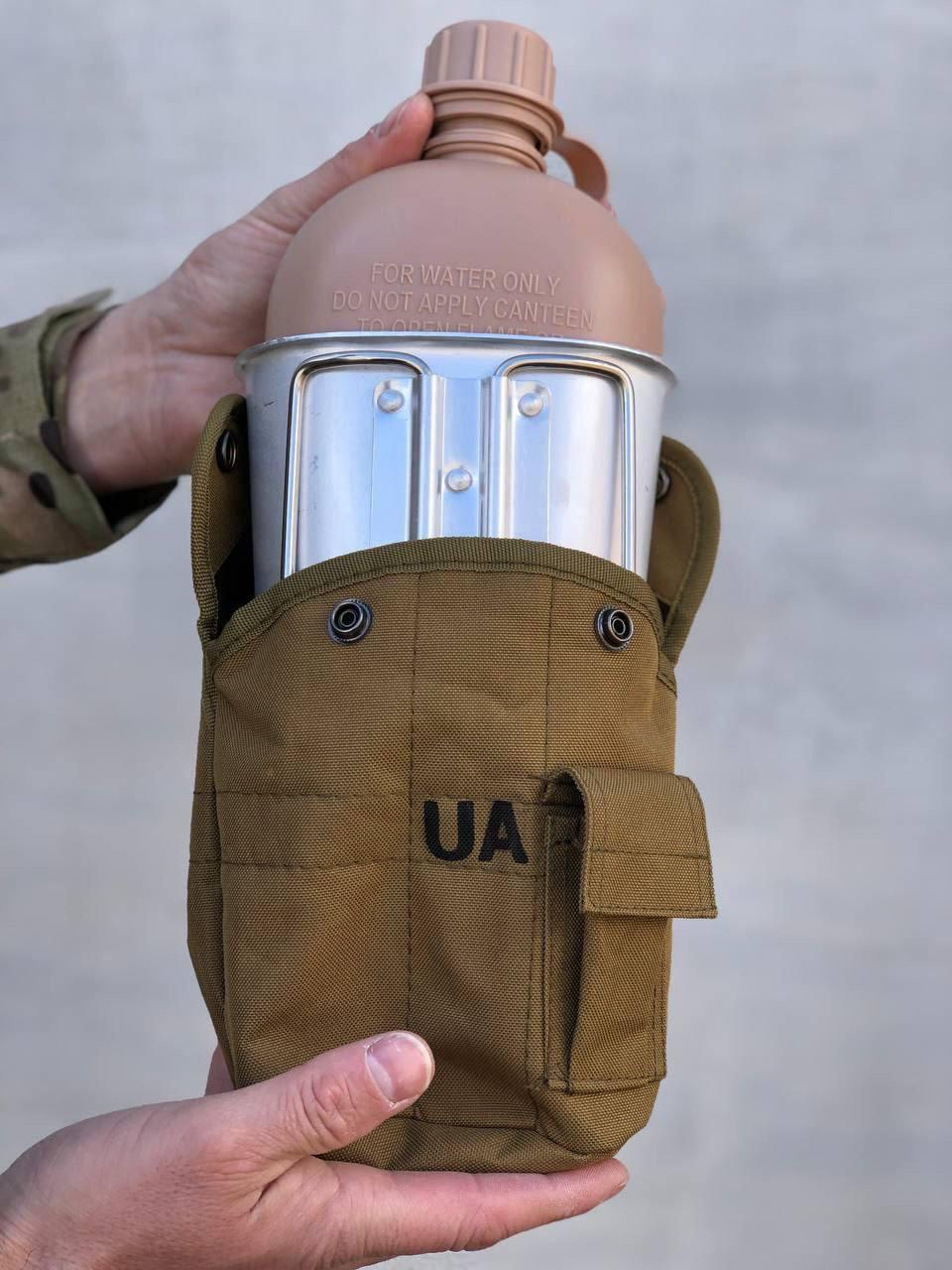
The minimum kit that covers two basic needs at once — water and hot food — is a NATO-standard canteen with a mess kit. The bottle carries your drinking water, and the included cup serves as a vessel for cooking or heating food directly over a flame. One compact unit instead of two separate items — that's exactly what "nothing unnecessary" means.
Find more essential gear in the Tactical Clothing & Gear section.
Packing Checklist: How to Avoid Taking Too Much
You've already worked through the three-layer logic and the add-and-remove principle. Now let's pull it all together into a short checklist you can scan before heading out — so you don't forget anything and don't end up carrying duplicates.
- Check all three layers. Base (moisture wicking), mid (insulation), outer (wind and rain protection). If any level is missing, the system breaks down: no base and you're wet; no outer layer and you're exposed to the elements.
- Match your kit to the forecast and trip length. A quick outing in stable weather and a multi-day trip with temperature swings require very different kits. Look at overnight lows, precipitation probability, and wind — not just the midday forecast.
- Factor in color and camo for your terrain. Forest, open field, and off-season environments each call for different tones. Your clothing should blend into the background, not stand out from it.
- Don't double up on warm layers. Two bulky fleeces instead of one proper mid layer means extra weight and bulk. One insulating piece you take off on the move and put back on at rest is the smarter call.
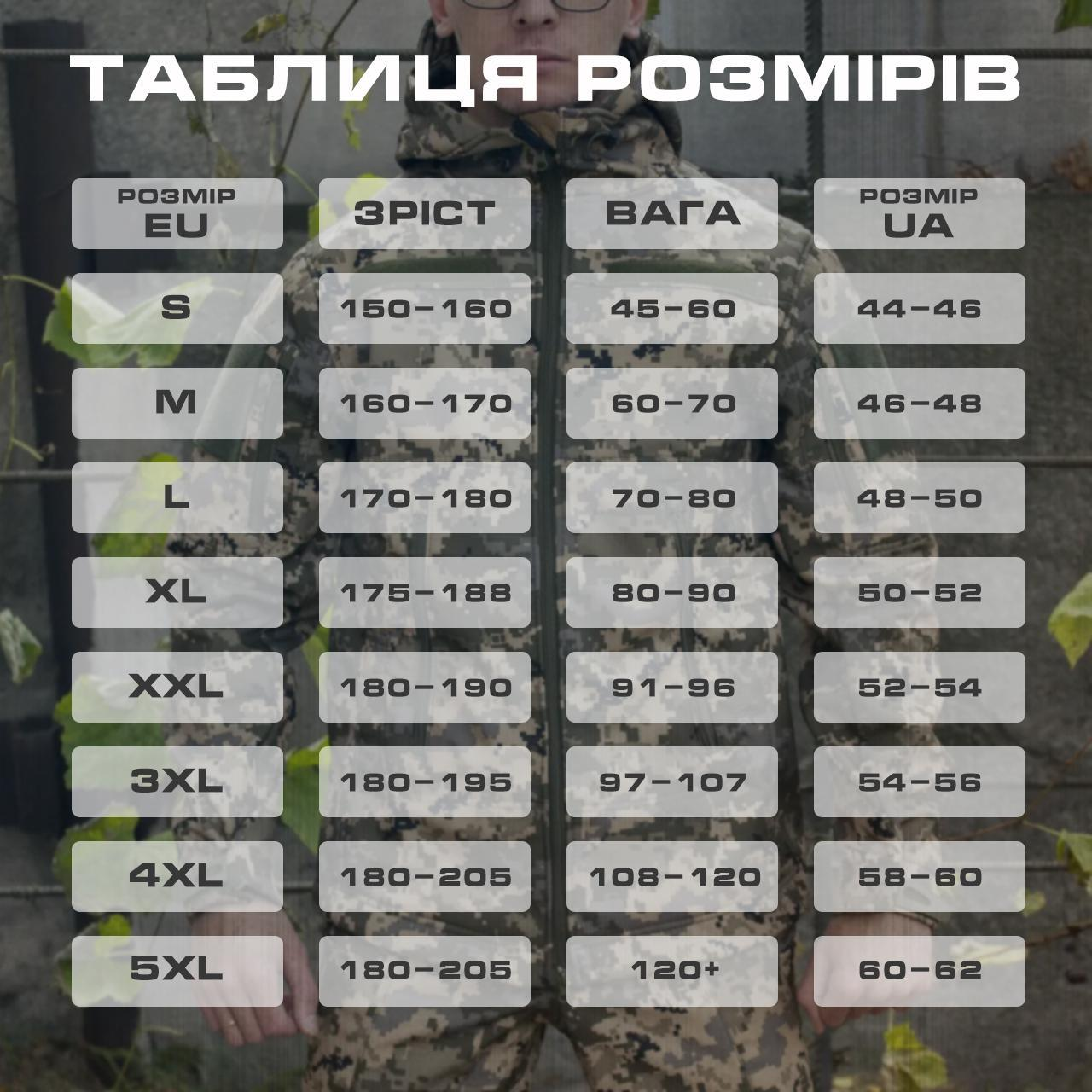
Sizing and fit. Size up to account for layering: pieces should go on over each other without pulling. The key test — can you squat, raise your arms, and bend forward in the full kit? If movement is restricted, it's too small.
Packability. Anything you take off during the day should fold up easily and take up minimal space in your pack. The more compact your mid and outer layers, the less bulk you're carrying.
You can put together a full layered kit in the Tactical Clothing & Gear and Outerwear sections. Ordering is straightforward — choose your delivery and payment method at checkout. Plan the kit once, and every future packing session will take just a few minutes.