Military Pants and Shorts
Military Pants: Where to Start Your Choice
Military pants are worn on duty, on field trips, in training and at the range. They work just as well for hiking, hunting or fishing, where you need durable fabric and roomy pockets. Start with three questions: which season you will wear them in, how much you will have to squat, crawl and kneel, and whether you need protection from wind and moisture. The answers determine which group to choose. Color and pocket layout can be decided after that.
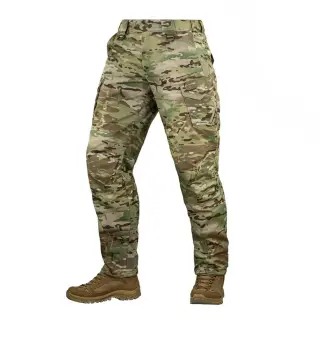
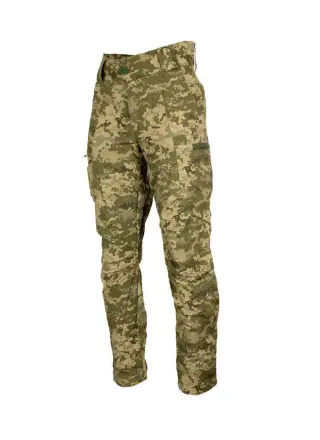
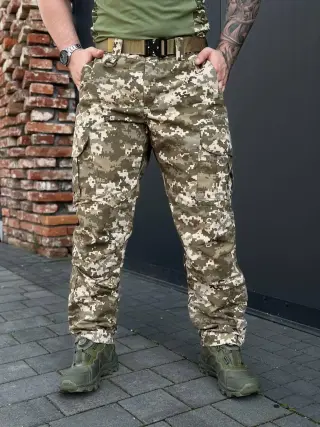
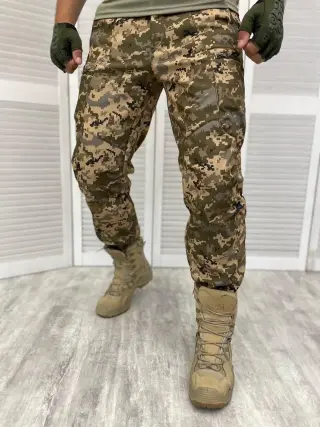
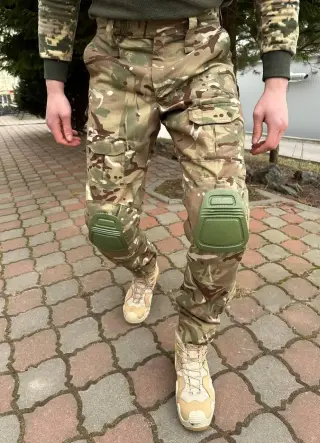
For everyday duty, straight-cut tactical pants are a good fit. They are made from ripstop, dense cotton or polyester with a water-repellent finish, and the knees are reinforced with a second layer of fabric. Cargo pockets on the thighs let you spread out small gear. Camouflage army pants in pixel or multicam are made for the field. Solid olive, coyote, gray and black are just as comfortable in the city.
If you have assault drills or work on the move ahead, choose combat pants with knee pads. Their knee pads are built in or inserted into separate pockets. The cut fits closer, and stretch panels keep the fabric from pinching at the knees and crotch. In such pants your knees stay protected even when you have to work from a kneeling position for a long time.
For hot weather there are summer and lightweight pants made of thin ripstop, nylon or stretch fabric. They dry faster and are less warm, though they are more sensitive to abrasion than heavy models. Among them are also Ukrainian Armed Forces pants in pixel camouflage for summer field outings.
For the off-season, wind and drizzle, softshell pants are a good choice. The dense outer layer blocks the wind, and a fleece or microfleece lining adds warmth without bulk. If you have to stand still in the cold for a long time, you need winter and insulated pants with fleece, synthetic padding, hollowfiber or another synthetic insulation. Models with suspenders and a high back cover the lower back better.
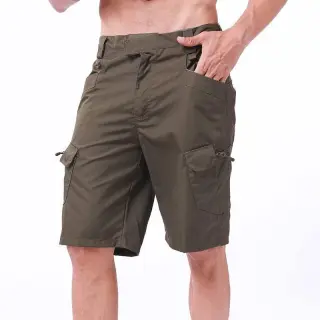
For heat, sports or camp, tactical shorts made of ripstop or cotton will come in handy. Their pocket layout is the same as on pants, so everything you need stays within reach.
To avoid a sizing mistake, check your waist circumference and length against the manufacturer's size chart. Some models come in separate height-based variants, while others use the American "waist/length" sizing. Choose winter pants with thermal underwear under them in mind. Check whether your tactical belt fits through the belt loops, how the leg hems adjust to your footwear, and whether the knees and seat are reinforced. Try on knee pads together with the pants: if the pocket is not at knee level, the protection will shift. To pick a color for your terrain, read the article choosing gear color, and to put together the rest of your clothing, see basic field trip kit.