Combat Pants with Knee Pads




Combat Pants: What to Consider Before Buying
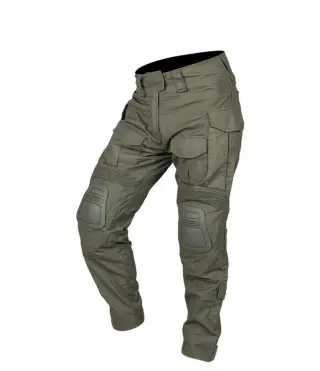
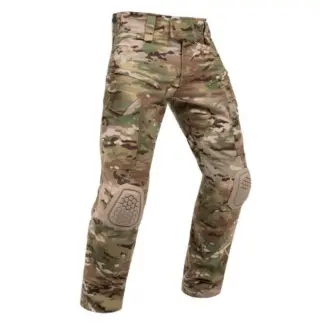
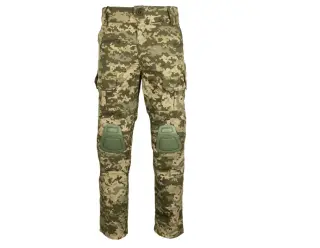
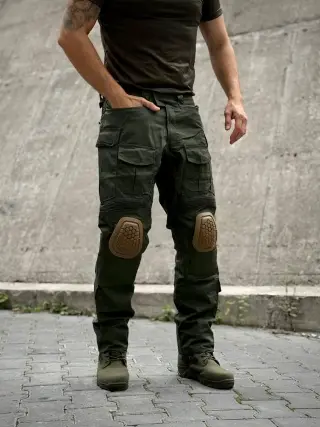
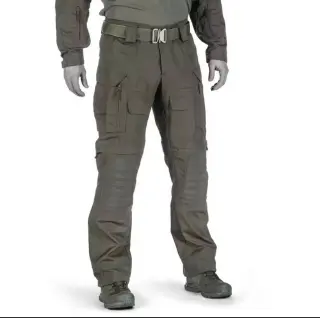
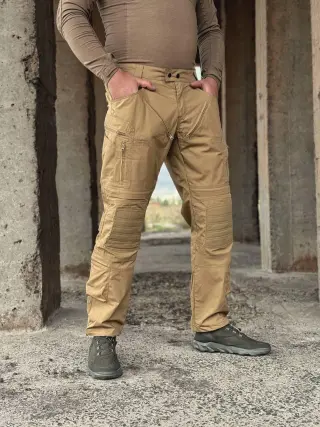
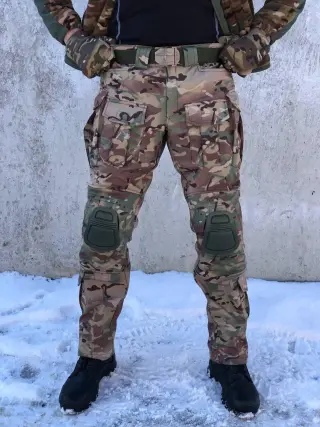
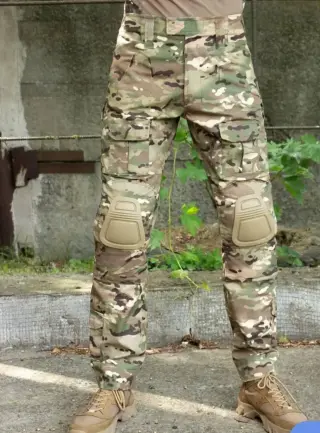
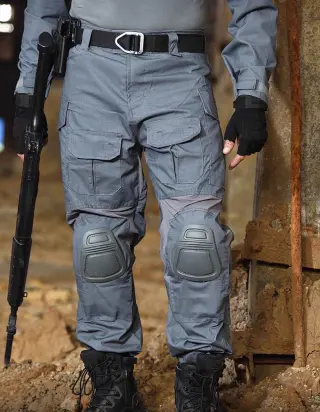
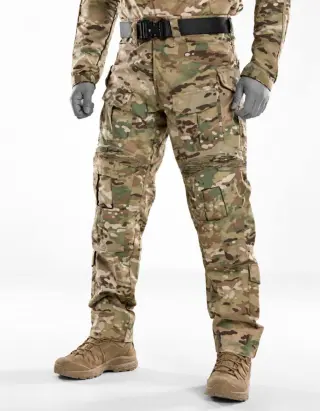
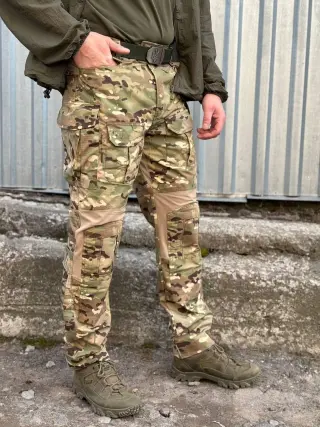
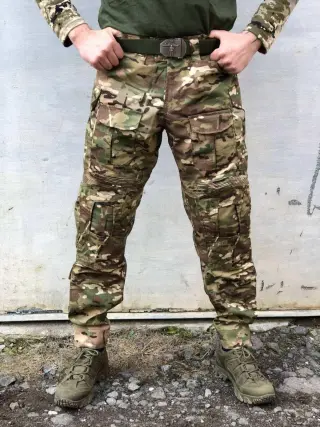
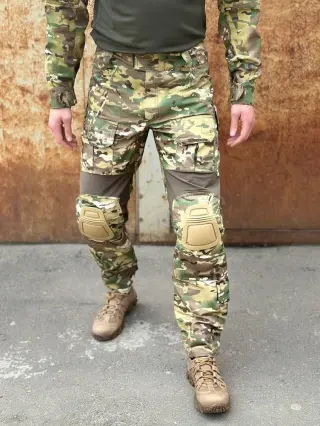
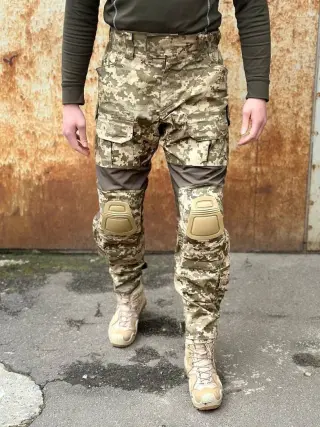
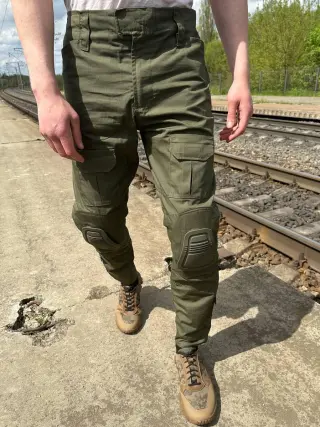
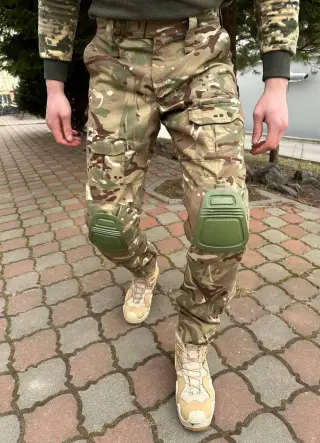
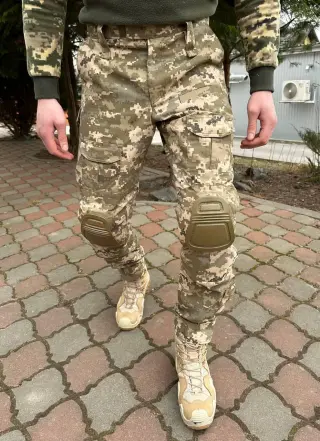
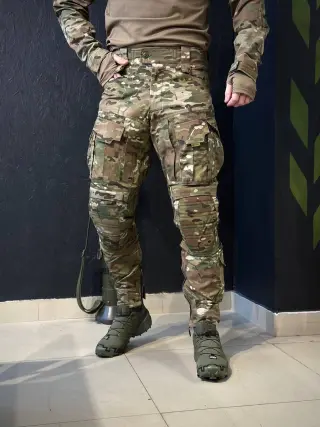
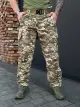
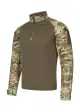
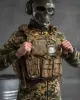
Combat pants differ from regular tactical pants in their anatomical cut, reinforced zones and knee protection system: they are made for long missions, moving on your knees and working in full gear. Start your choice with three things — how the knee pads are attached, what fabric the model is made of and whether its size chart matches your measurements. Choose the color — Multicam, pixel, olive, coyote, Predator or black — to suit the terrain and your unit's requirements.
Included Knee Pads or Pockets for Them
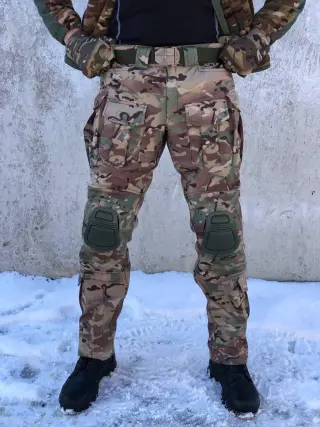
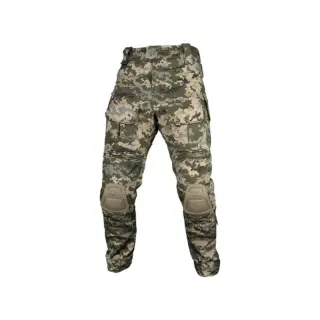
The most common option is combat pants with knee pads included: the inserts sit in a pocket at the knee and do not shift while running. In some models, such as Idogear G3, the knee pad height can be adjusted. This matters: if the insert ends up below or above the joint, it hinders walking and protects poorly.
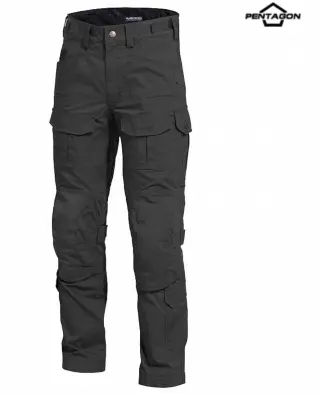
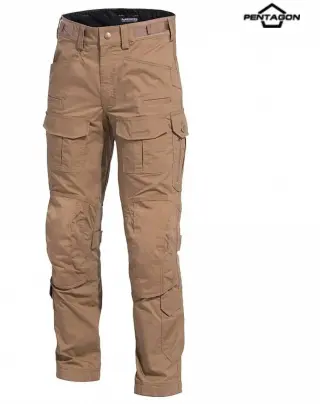
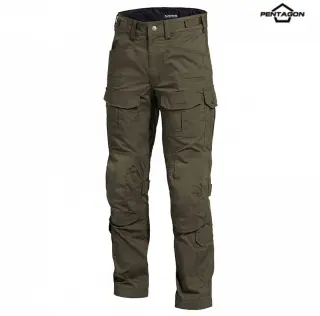
Models with knee pad pockets, for example Pentagon Wolf, are sold without inserts. They suit those who already have their own knee pads or want to install harder ones. Before buying, check that the shape of your inserts fits the pocket, as there is no single standard here.
Cut: G2, G3 and Newer Generations
Manufacturers use the G1–G5 designations as names for generations of cut, and for different brands they do not mean exactly the same thing. G3 pants are the most common type: roomy knees, a low-profile waistband with adjustment via hook-and-loop tabs or elastic inserts, and thigh pockets that are easy to reach even in a plate carrier.
Newer models often add adjustment below the knee and at the ankle, zippered pockets and MOLLE panels. More adjustment points give a more precise fit, but also more details that you will need to set up for yourself.
Fabric: Ripstop, Stretch and Softshell
Most models are based on ripstop made from a cotton-polyester blend. The more cotton, the more pleasant the fabric feels on the body and the better it breathes; polyester adds durability and dries faster. For Pentagon Wolf, the manufacturer states a composition of 35% cotton and 65% polyester, a density of 225 g/m² and Cordura reinforcement on the knees and seat.
Stretch inserts do not restrict movement when squatting and getting up, so such pants are convenient for assault actions and long marches. Softshell blocks wind and cold better, so it is an option for the cool season. A water-repellent finish helps in drizzle, but in heavy downpours it will not replace a membrane.
How to Choose the Right Size
Sizes are labeled in different ways: with letters (S–4XL), numeric sizes (46–60) or in inches, such as W40/L34, where the first number is the waist circumference and the second is the inseam length. So compare not the label, but your own measurements with the size chart of the specific model.
Measure your waist where you wear your belt, and keep in mind that you may wear thermal underwear under the pants. The waist adjustment compensates for a few centimeters, but will not fix a mistake of a whole size. Check the length while wearing your footwear: the hem should not drag, and the knee pad should sit exactly on the joint when you squat.
For service without combat load, tactical pants will do; for freezing weather, winter and insulated pants; for heat, summer and lightweight pants. For cool weather, take a look at softshell pants, and for training — tactical shorts; all models are in the pants and shorts category.
Frequently Asked Questions
How do combat pants differ from tactical pants?
Combat pants have an anatomical cut, knee protection and reinforced zones for working in full gear. Tactical pants are simpler and lighter, and suit service, the training ground or everyday wear.
How do I wash pants with knee pads?
Remove the inserts before washing. A gentle cycle without high temperature and harsh detergents preserves the water-repellent finish and color for longer.
Which should I choose: Multicam or pixel?
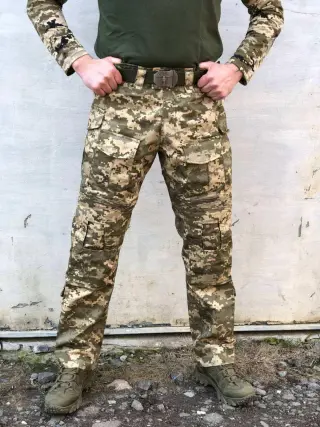
Go by your unit's requirements and the terrain. Multicam is versatile for mixed terrain, while pixel is the familiar camouflage of the Armed Forces of Ukraine.