UBACS — Tactical Combat Shirts for Wearing Under Body Armor




UBACS: How to Choose a Combat Shirt for Wearing Under Body Armor
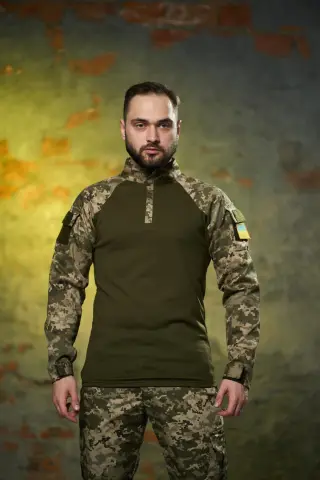
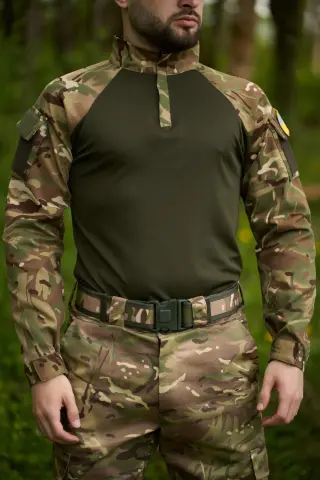
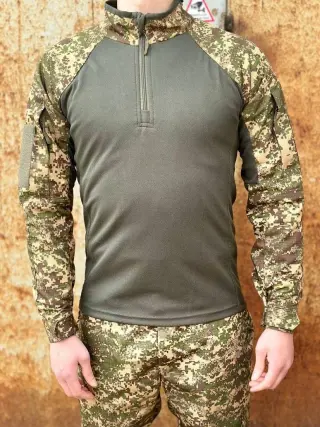
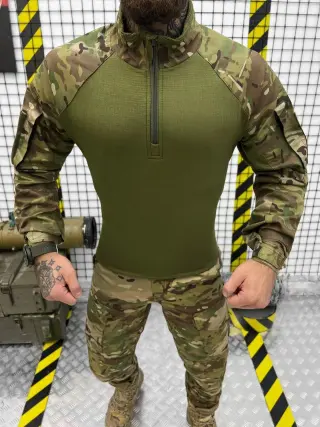
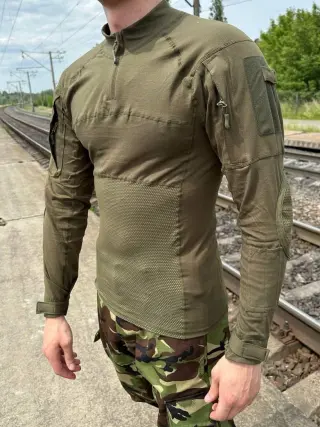
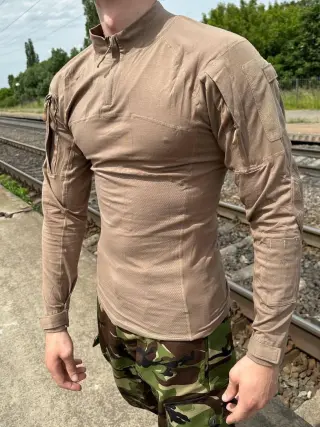
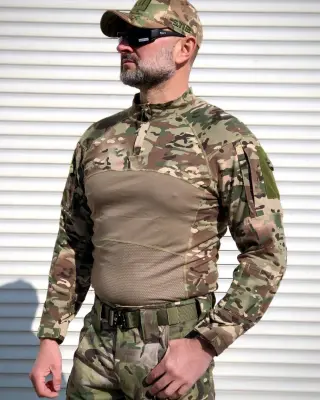
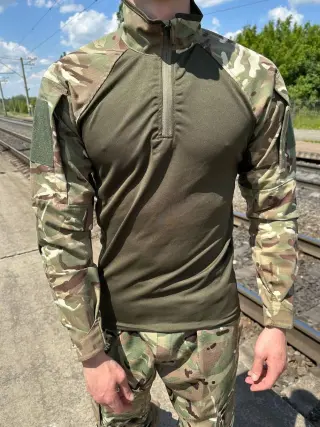
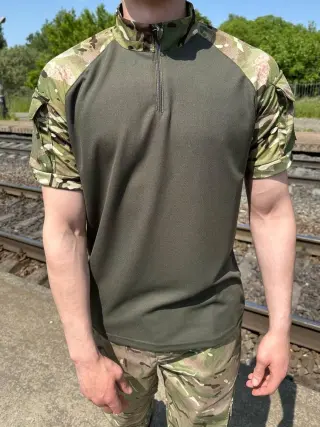
A UBACS is a combat shirt worn under body armor, a plate carrier or a chest rig. The name comes from the English acronym UBACS — Under Body Armour Combat Shirt. What sets it apart from an ordinary military shirt is its combined construction: the torso, hidden under the armor, is made of lightweight thin fabric, while the sleeves and shoulders, which stay exposed, are made of a tougher material. Before buying, decide on three things: the season, the cut and the camouflage pattern.
How a Tactical Shirt for Wearing Under Armor Is Built
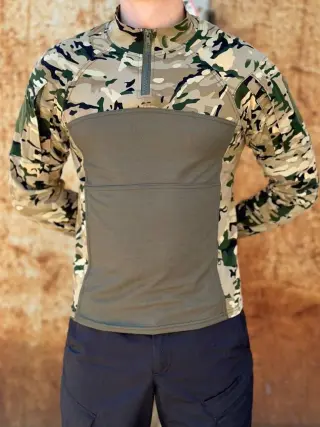
The torso is usually made of synthetic knit fabric (model names often mention CoolMax and CoolPass fabrics) or of cotton. It is thinner than the sleeves because no extra protection is needed under the armor, and an extra layer of fabric only adds heat and traps sweat. Some models have mesh inserts on the chest, sides or underarms for ventilation.
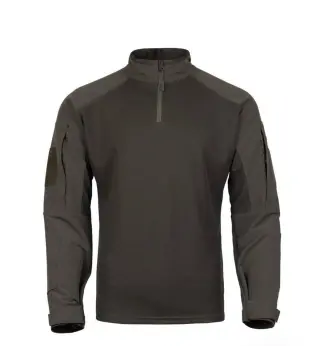
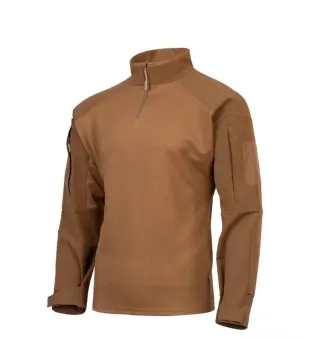
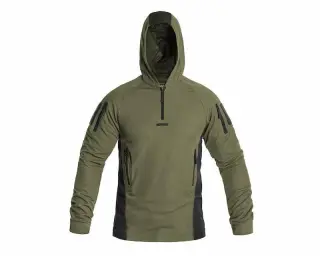
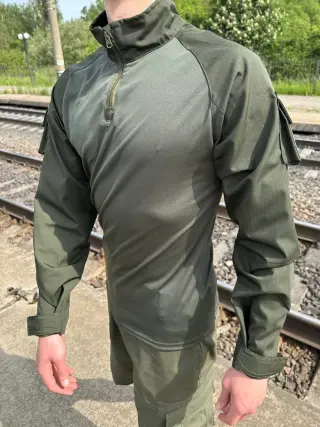
The sleeves are made of ripstop, twill or a nylon-cotton blend (NyCo). These fabrics hold up better against friction from straps, the rifle butt and the ground. The sleeves usually have zippered pockets and hook-and-loop panels for patches, the elbows have pockets for elbow pads, and hook-and-loop cuffs let you adjust the sleeve to fit your wrist. A stand-up collar and a half-length chest zipper help you vent quickly, and mesh trim on the collar, as in Esdy UBACS shirts, reduces neck chafing under gear.
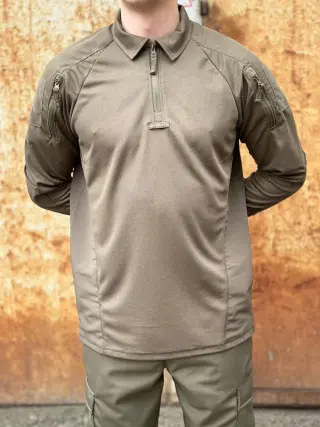
A UBACS differs from a field jacket in its purpose. A field jacket is an outer layer made of a single fabric with chest pockets, worn over everything else. A combat shirt is a layer worn under equipment, where chest pockets would only get in the way. Shirts such as the Helikon-Tex Range are built somewhat differently: it is a long-sleeve polo with VersaStretch side panels that take the friction from the holster and the belt pouches.
Long or Short Sleeve, Summer or Insulated
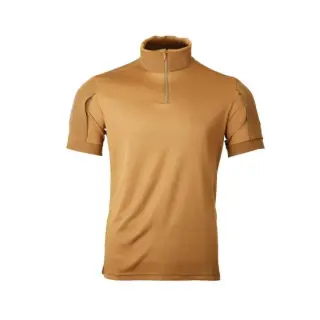
A long sleeve is the versatile option: it protects your arms from the sun, branches and scratches, holds elbow pads in place and suits most of the year. If you serve or train in hot weather, take a look at a short-sleeve UBACS: your arms are bare, while the torso still protects you from plate friction. However, such models do not protect the elbows, so they are not the best choice for crawling or kneeling shots.
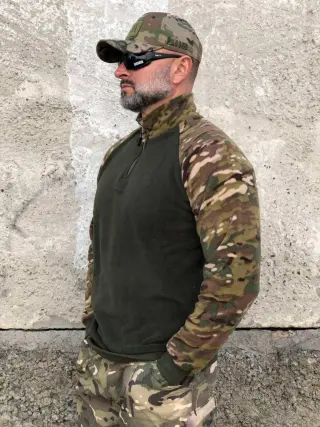
For the cold season there are insulated models — fleece-lined, ribbed fleece or microfleece. A fleece UBACS works as a warm base layer under body armor or a jacket and replaces a separate sweater where extra bulk restricts movement. An insulated shirt should also fit snugly: if the fleece bunches up in folds under the plate carrier, it presses and chafes. There are also specialized winter models, for example the UF PRO AcE Gen.2 with G-Loft synthetic insulation and a windproof upper section.
Camouflage and Color: What to Choose
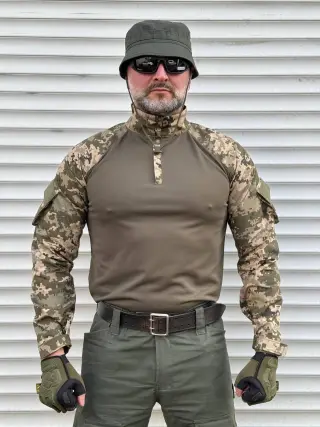
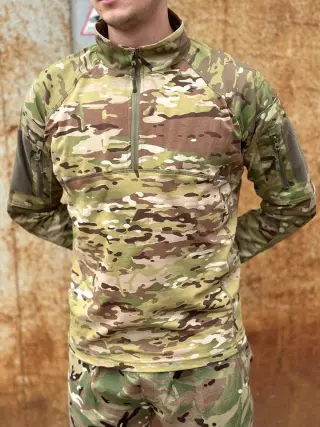
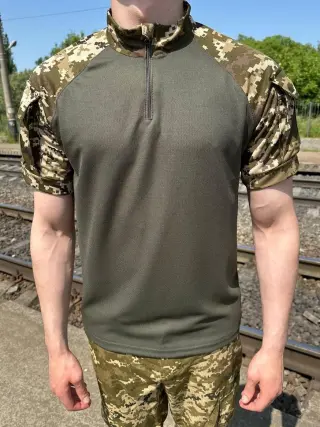
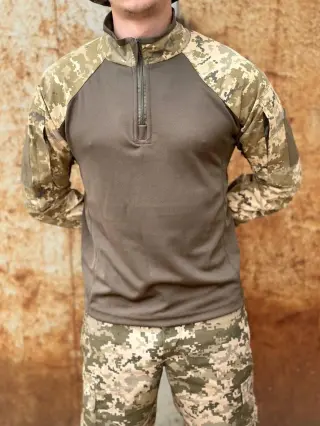
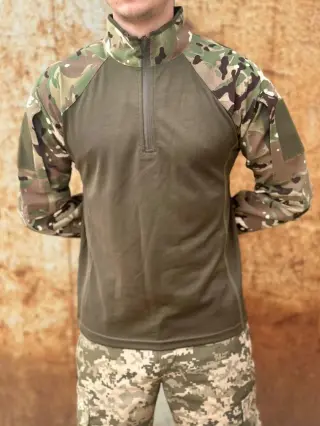
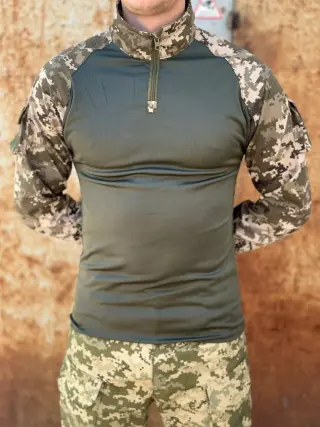
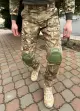
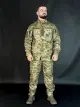
The pattern is chosen to match the rest of your gear. When looking for a UBACS for the Ukrainian Armed Forces, people most often settle on a Multicam UBACS or an MM-14 pixel UBACS. British models marked MTP are the same Multicam. Before buying, check which pattern is worn in your unit so that the shirt does not clash with your trousers and plate carrier.
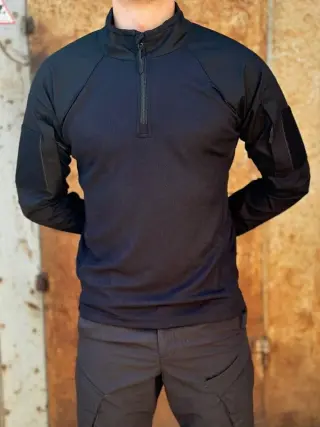
Many models are two-tone: the torso is solid-colored, while the sleeves and shoulders are camouflaged. The torso is not visible under armor, so camouflage is only needed where it actually works. Solid-colored parts are usually made in neutral tones — an olive UBACS or a coyote UBACS is easy to pair with both Multicam and pixel. A black UBACS is chosen for urban duty, security work or black gear, and navy blue models marked DSNS are for rescuers. Patterns such as Khyzhak, Vegetato or desert camouflage make sense when the rest of your clothing has already been matched to them.
Cut and Size: How Not to Make a Mistake
A fitted UBACS hugs the body, does not bunch up under the plates and does not ride out from under the chest rig, so it is the most comfortable for wearing under armor. A straight cut is looser: such a shirt looks better as a standalone top, and in cool weather you can wear thermal underwear beneath it. The raglan sleeve found in many models gives your arms a wider range of motion, and stretch fabrics and panels help when you have to reach and squat a lot.
Sizes are given in both letters and numbers, so check the size chart of the specific model rather than relying on your usual T-shirt size. Measure your chest taking into account what you will wear underneath. When trying it on, raise your arms forward and up: the sleeve should not ride up above the wrist, and the hem should not pull out of the waistband. For a stocky build there are models marked "batal" (plus size), and for women there are separate women's UBACS shirts made of stretch fabric.
Do not take a fitted shirt a size smaller to make it sit tighter: under body armor, tight fabric pulls at the shoulders and wears through faster at the seams.
If you need a lighter top for everyday wear, see tactical T-shirts and polos, and for an outer layer — field jackets. You can find other models in the T-shirts and shirts category.
Frequently Asked Questions About UBACS
How much does a UBACS cost?
Prices range from 750 to 17 520 UAH. The cost depends on the fabrics of the torso and sleeves, insulation, elbow pad pockets and other details. First decide on the season and the cut, and only then compare prices.
Can you wear a UBACS without body armor?
Yes, it is also worn as a standalone shirt: on field exercises, at the shooting range or in everyday military style. Keep in mind that a thin torso without an outer layer is less resistant to abrasion and snags than the sleeves.
Is a UBACS worn tucked in or untucked?
Under body armor and a chest rig it is usually tucked into the trousers: this way the fabric does not ride up or bunch up under the belt. As a standalone shirt it can also be worn untucked if the length allows.
How do you attach patches to a UBACS?
The sleeves usually have hook-and-loop panels, so patches with a Velcro backing are simply pressed onto them. It is not advisable to sew patches onto the torso: under armor they will press and chafe.
How do you wash a tactical shirt?
Wash on a delicate cycle in cool water, without bleach. Before washing, fasten the zipper and the hook-and-loop closures so they do not snag the mesh and knit fabric of the torso. Dry the shirt laid flat, away from radiators: synthetics do not tolerate strong heat well.