Hiking and Camping Gear
Hiking Gear: Where to Start When Choosing
Hiking gear solves a few basic tasks: where and on what to sleep, what to drink and cook with, and how to set up camp. Start with the type of trip. On a trek you carry everything on your back, so weight and packed size become the deciding factors. If you drive to a single spot by car, your camping gear can be bulkier but more comfortable. The second question is the season and the number of people: they determine the sleeping bag, the sleeping pad and the size of the tent.
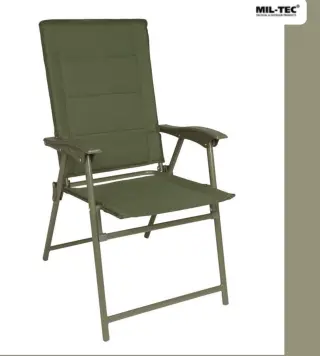
The camping gear category has everything for a campsite: tents, folding tables and chairs, stools, camping lanterns, seat pads, trekking poles. A pop-up tent goes up in minutes, while a model with a vestibule gives you room for backpacks and footwear. A height-adjustable table and a lantern that doubles as a power bank are especially handy on a multi-day stay.
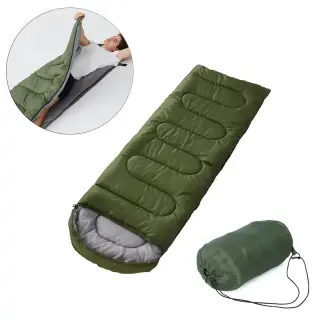
Sleeping bags come in two shapes. A mummy bag tapers toward the feet and has a hood, so the smaller volume of air inside is easier to warm up, and this type of bag packs down smaller. A rectangular blanket-style bag is roomier, unzips completely and suits those who feel cramped in a mummy. Synthetic insulation such as synthetic batting or hollowfiber is easy to care for and stays warm even when slightly damp.
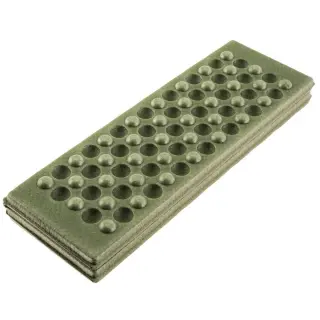
Without a sleeping pad under your sleeping bag, the ground draws away heat even through a good sleeping bag. Foam pads are light and puncture-proof. Folding sectional pads unfold accordion-style in a second and double as a seat. Self-inflating and inflatable models are softer and more compact, but they require care around sharp rocks and branches.
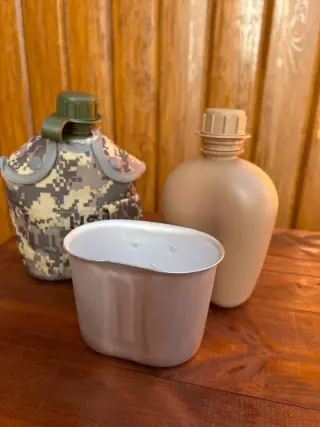
Among the products in the bottles, thermoses and hydration packs category, the classic option is a canteen with a cooking cup and a cover: it is both a water supply and a vessel you can boil water in. A thermos keeps a hot drink hot until your rest stop. A hydration pack sits in your backpack and lets you drink on the move.
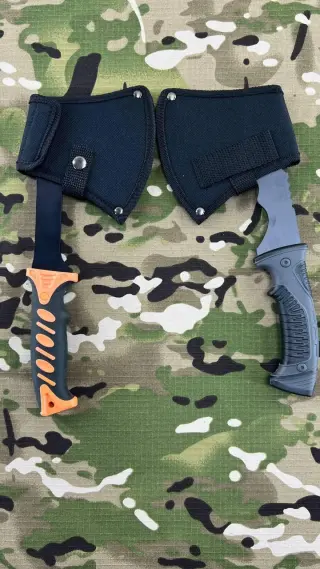
Camp shovels and axes handle digging and firewood. A folding entrenching shovel comes in handy for digging a fire pit or a trench around the tent. A multitool combines several instruments, but each of them is a compromise. An axe with a longer handle chops harder, while a shorter one fits more easily into a backpack. Always keep the blade in its sheath on the road.
How to Put Together a Kit
First choose the hiking essentials without which you won't get a proper night's sleep: pick the sleeping bag and sleeping pad as a pair, for the same season. Next come water and tools, and furniture and lanterns depend on the type of trip. If your hiking gear needs to blend into the terrain, read about choosing gear color. A checklist of the basic field trip kit will help you not to forget anything. We deliver across Ukraine.