Color and Camouflage: What Your Choice Actually Decides
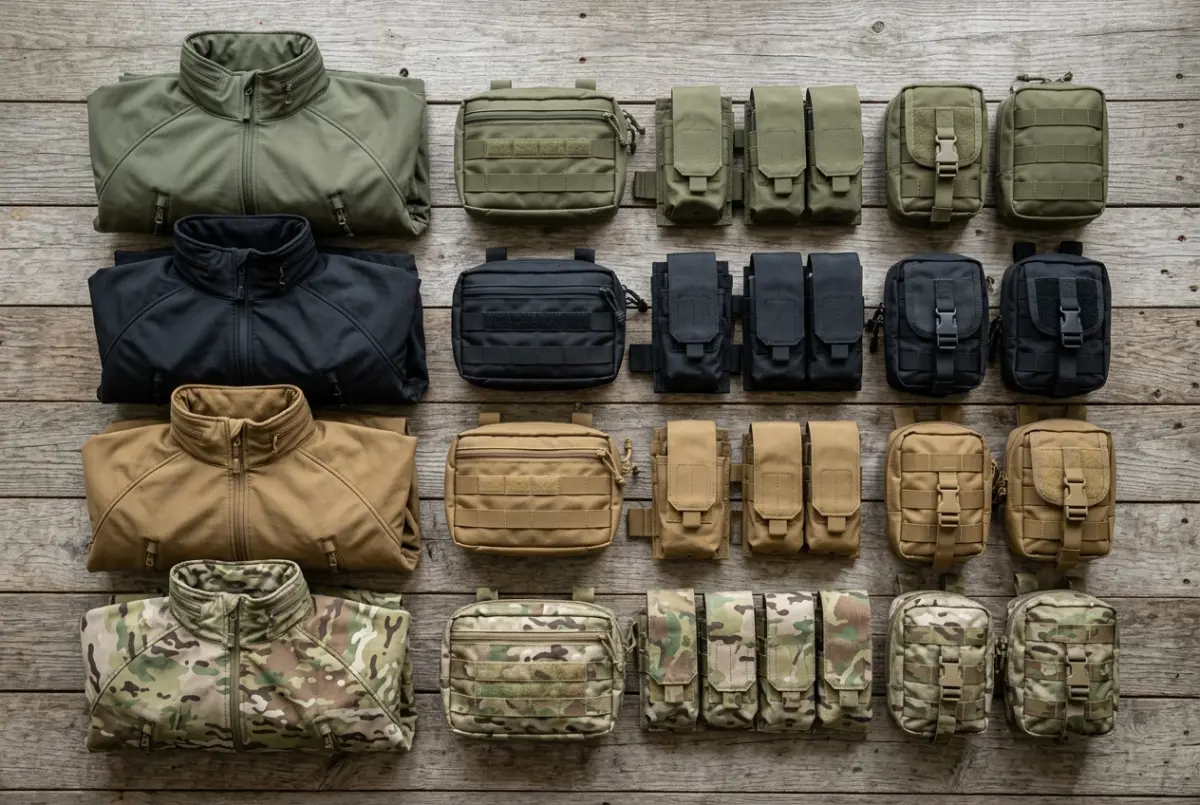
The main rule is simpler than it sounds: you choose gear color based on your environment and task, not on what looks best in a photo. A multicam jacket is perfect in the forest but completely out of place on asphalt — there it only draws attention. So start not at the storefront, but with the question: "Where and what will I be wearing this for?"
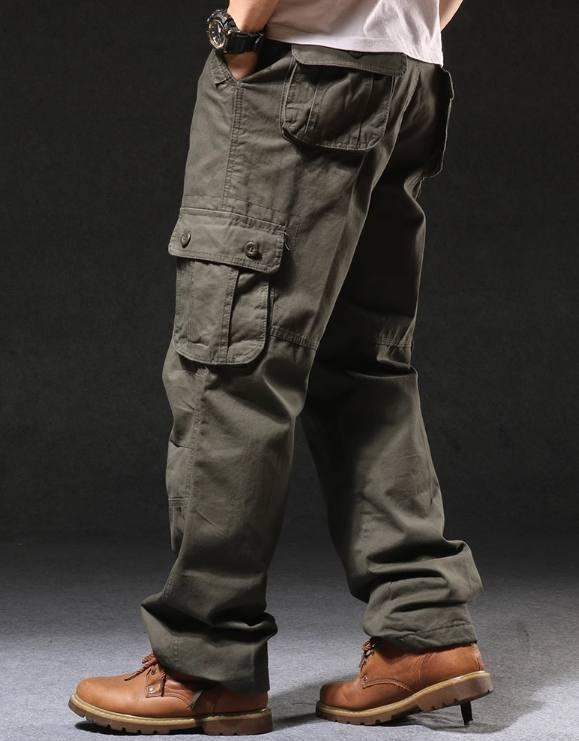
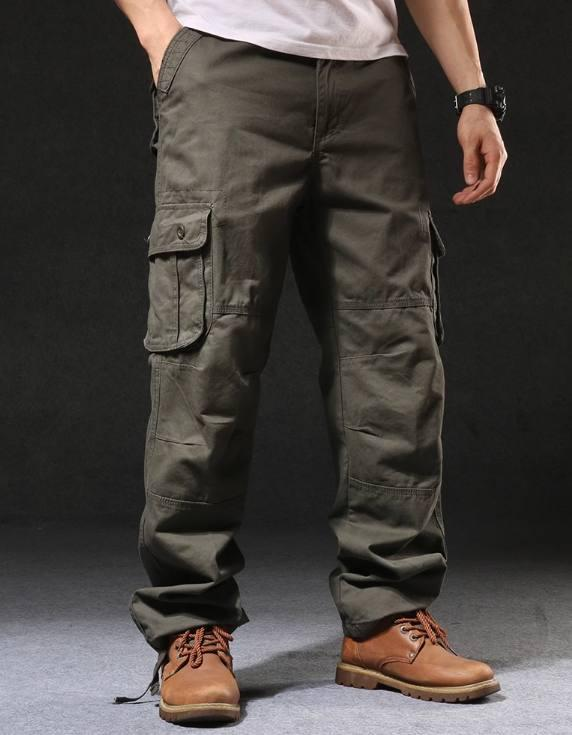
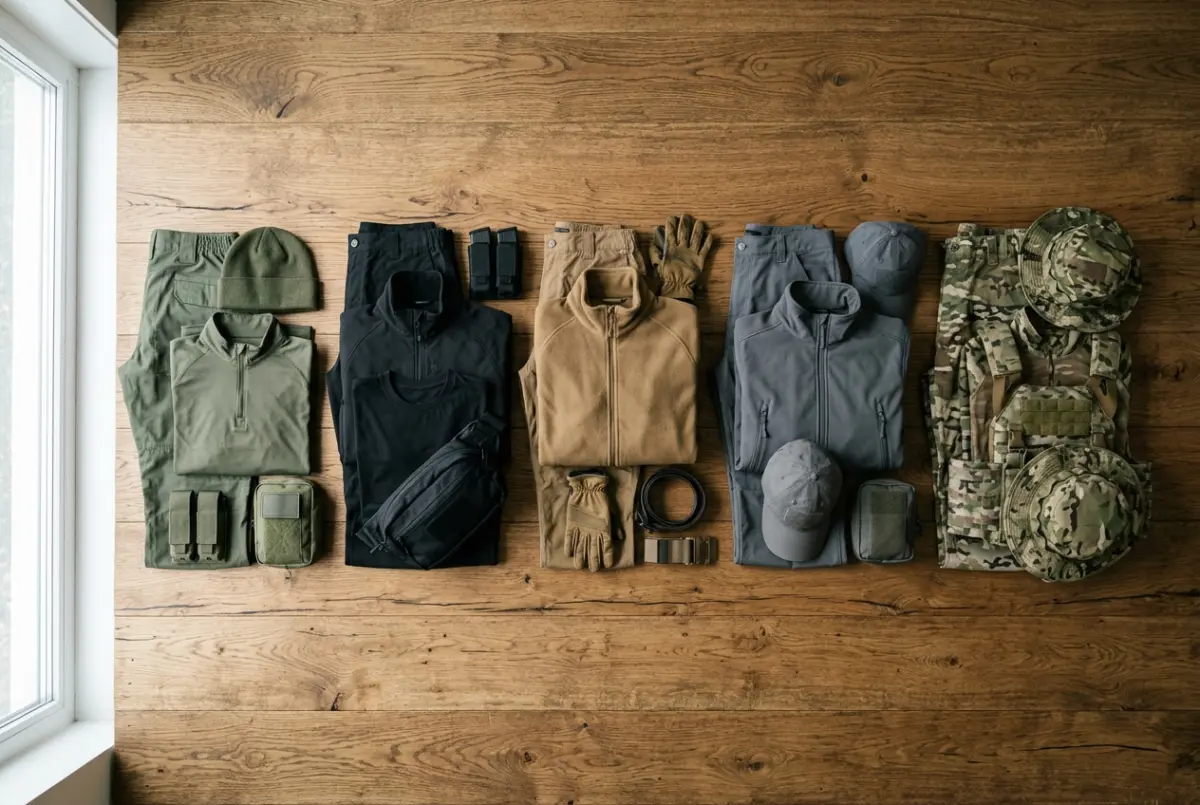
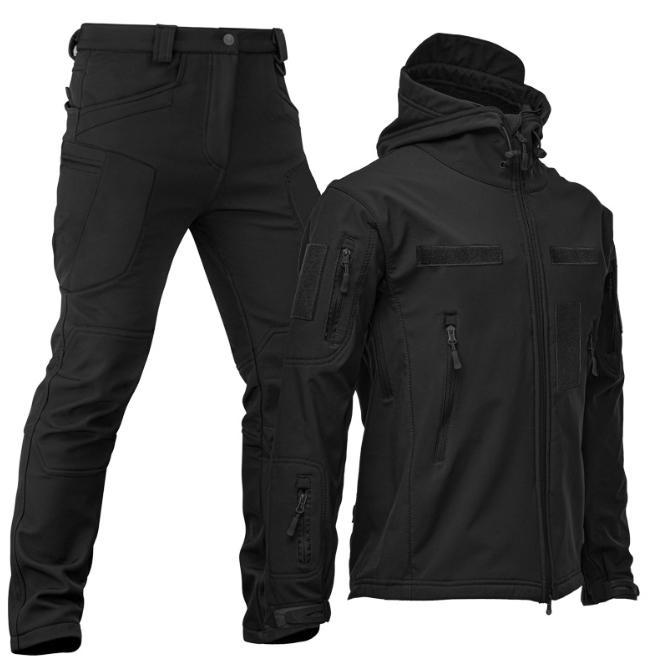
Solid colors — olive, black, coyote, grey — are versatile. They don't stand out in the city, pair easily with everyday clothing, and don't read as "uniform." Black and grey fit well in urban settings, while olive and coyote are a solid compromise between city and nature.
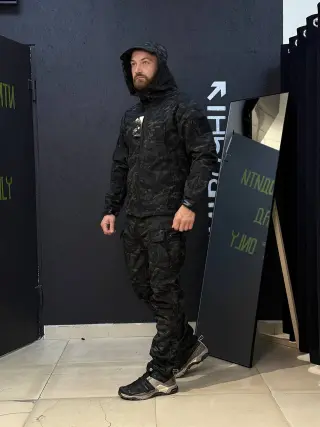
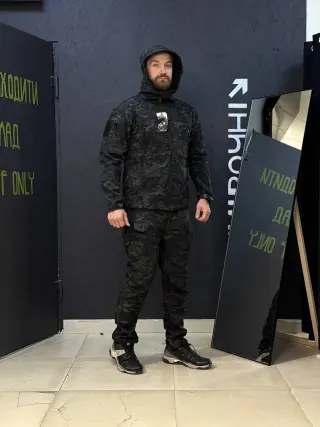
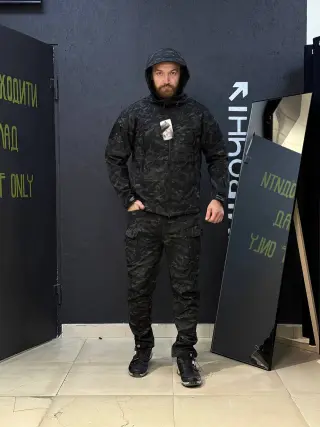
Camouflage works differently. Its job is to break up your silhouette and blend you into the background. Multicam was designed as a universal pattern that works across several terrain types at once, which is why it became the most popular. But "universal" doesn't mean "everywhere": against a uniform background, camouflage can sometimes be more visible than plain olive.
In this article we'll walk through four typical scenarios and help you choose from tactical clothing and gear for each one:
- City — grey, black, understated coyote;
- Forest — green tones and woodland camouflage;
- Steppe — coyote, sandy tones, light multicam;
- Winter — light and white solutions for snowy conditions.
City and Everyday Wear: When Solid Colors Win
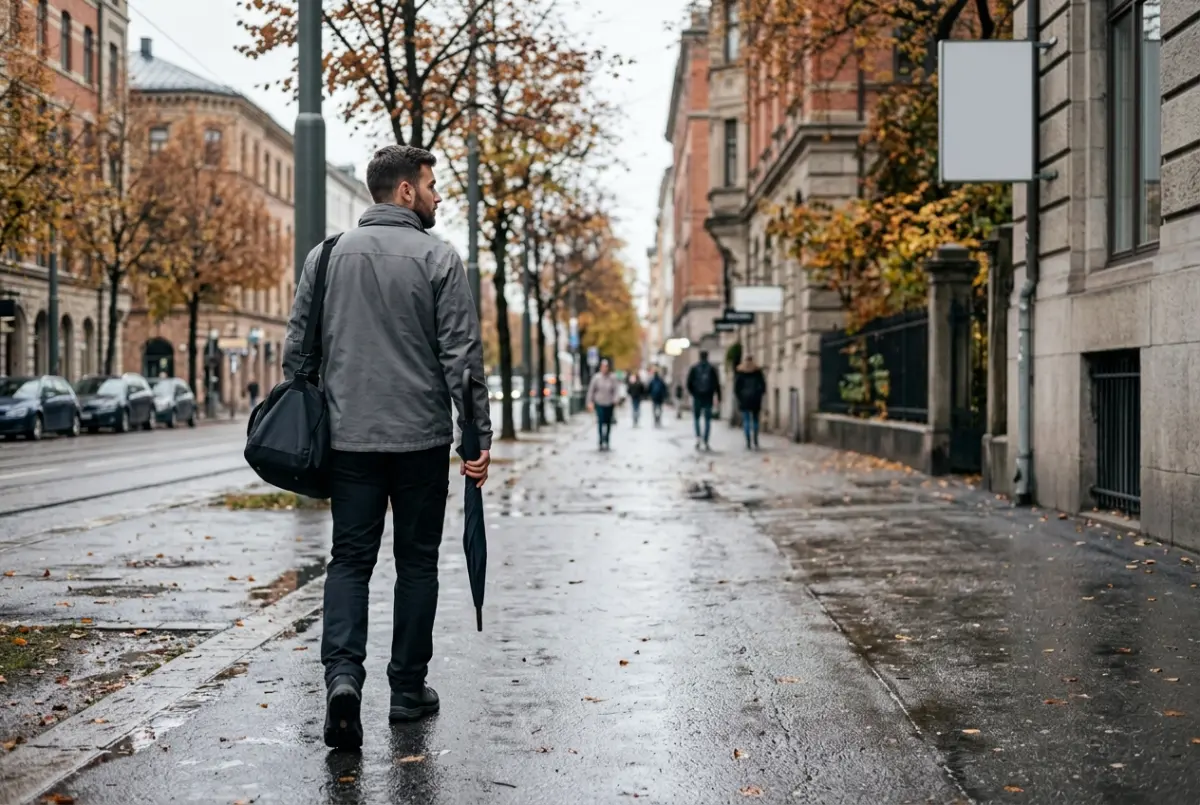
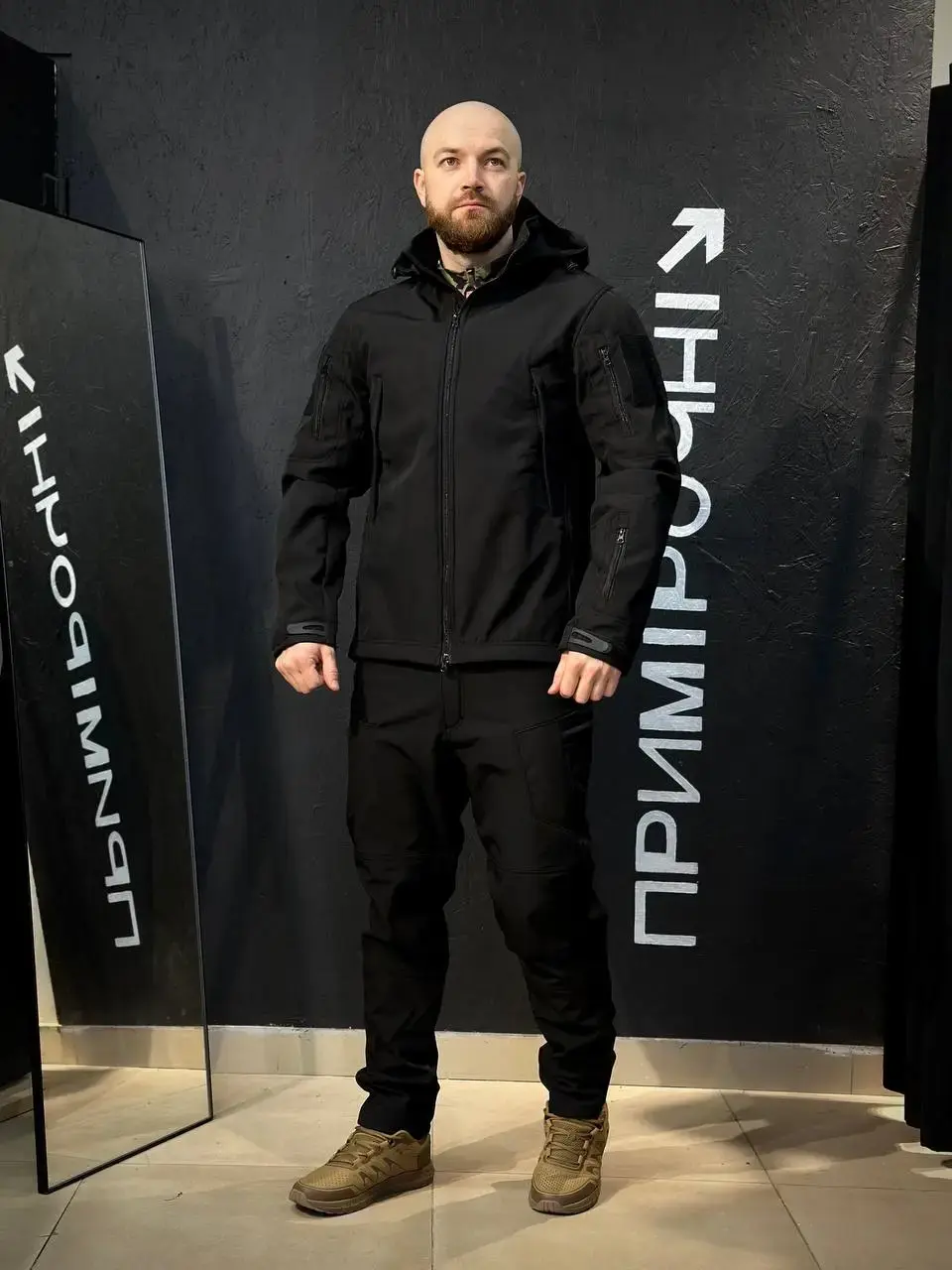
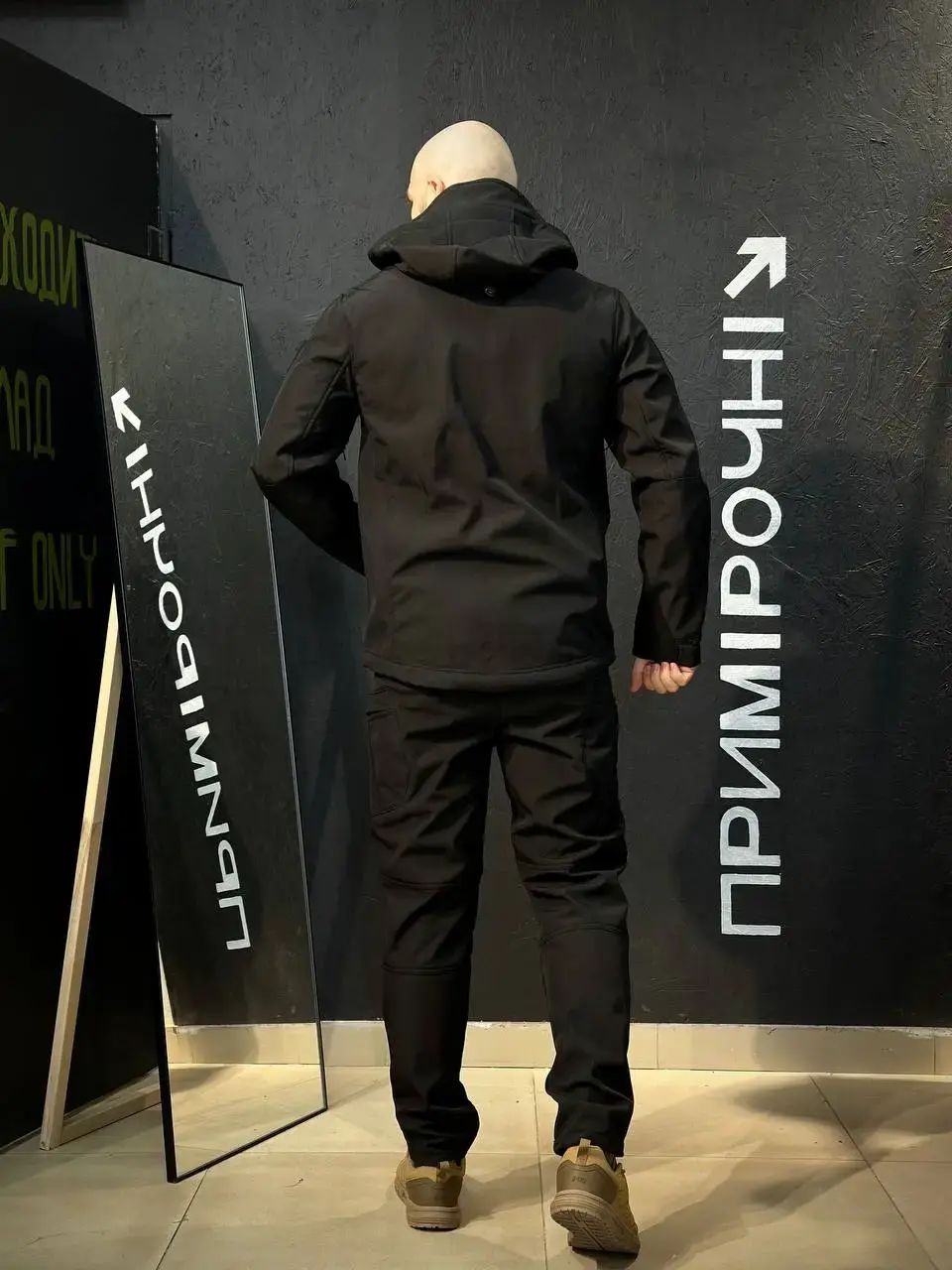
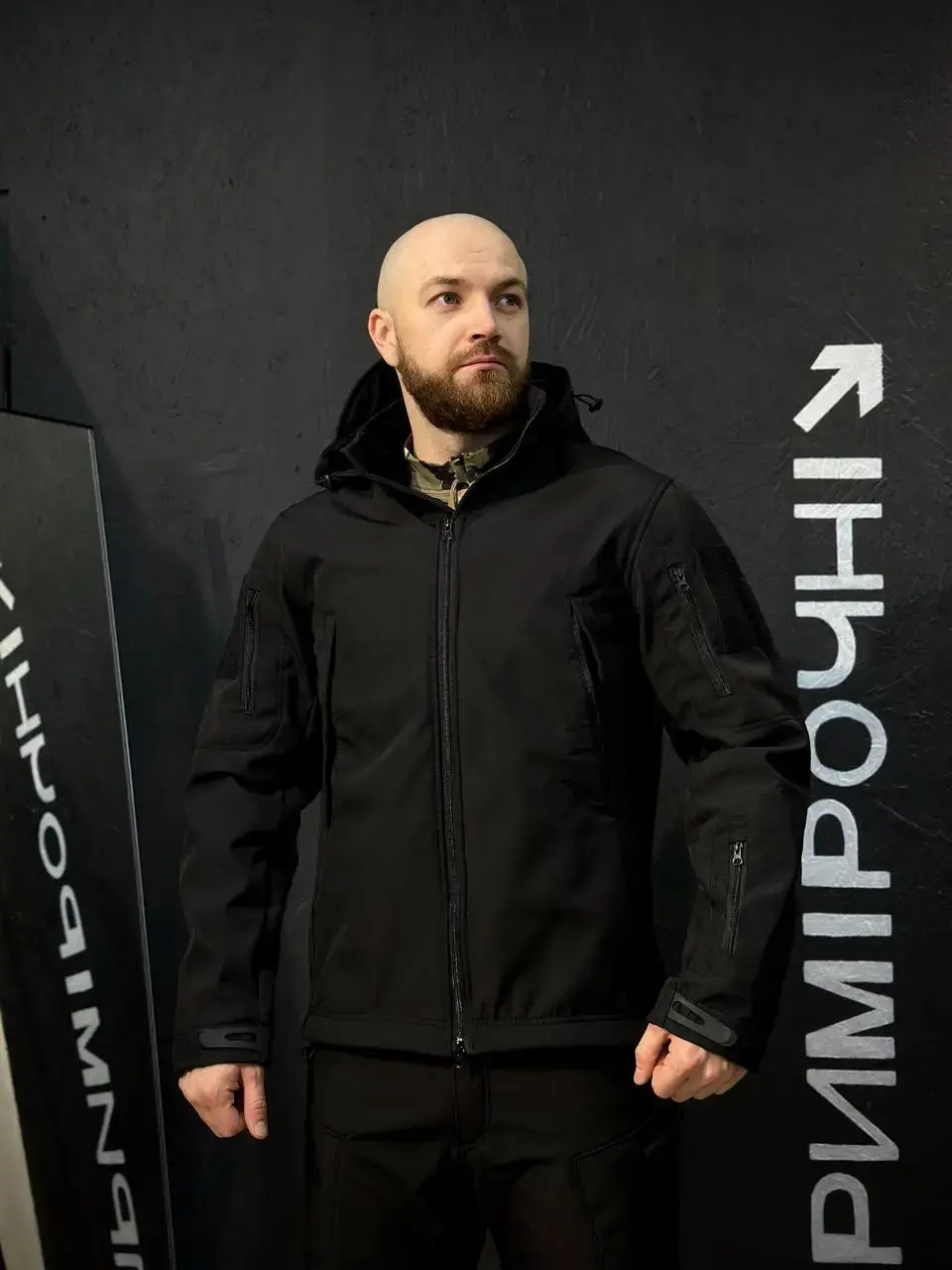
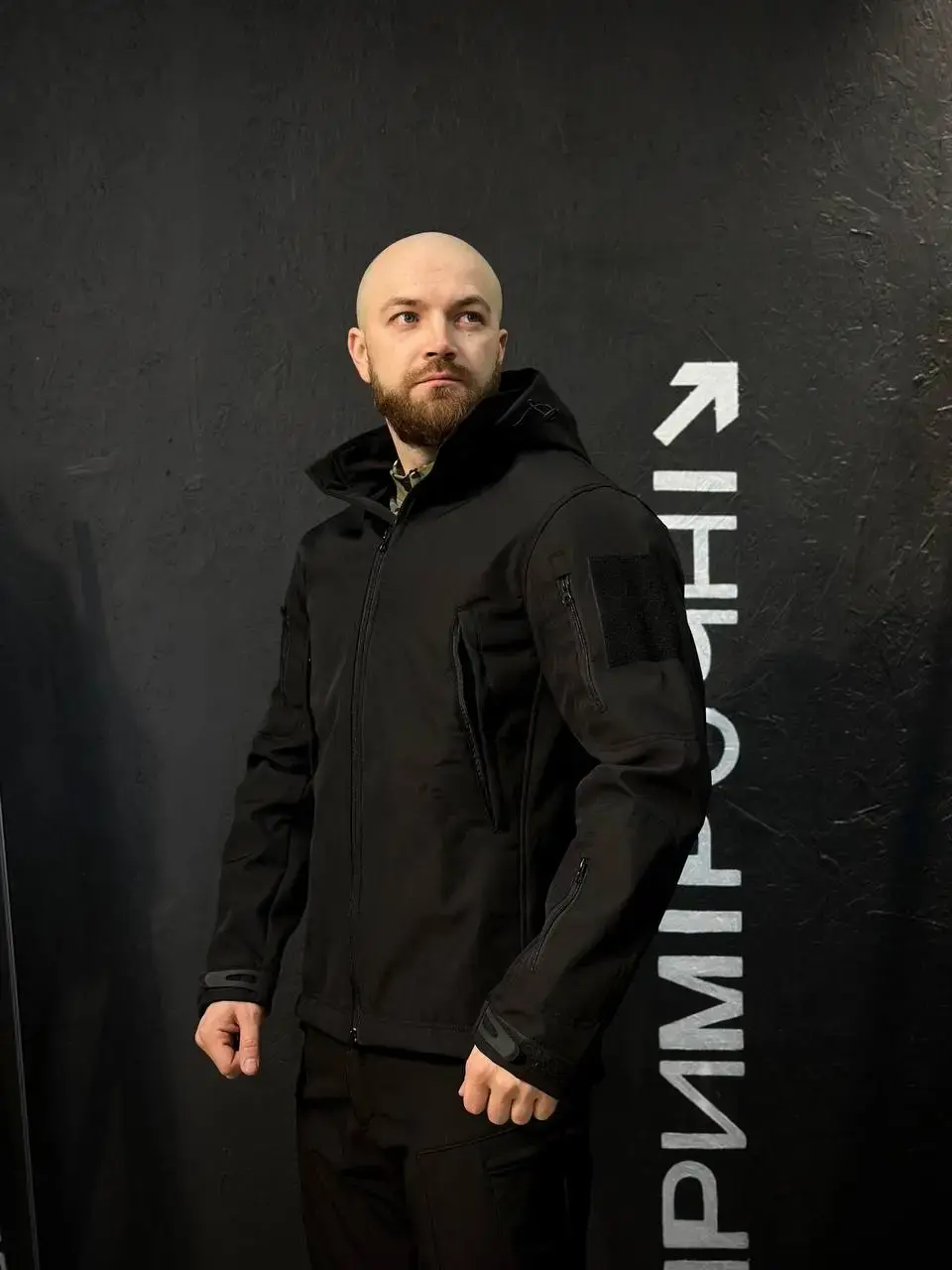
In the city, camouflage works against you: against asphalt, glass, and concrete, any pattern immediately catches the eye and reads as "military gear." For commuting, walks, and daily wear, stick to understated solid colors — black, grey, and olive. They don't draw attention, pair naturally with regular jeans or a hoodie, and don't make you look like you've just come off a training exercise.
The practical logic is simple:
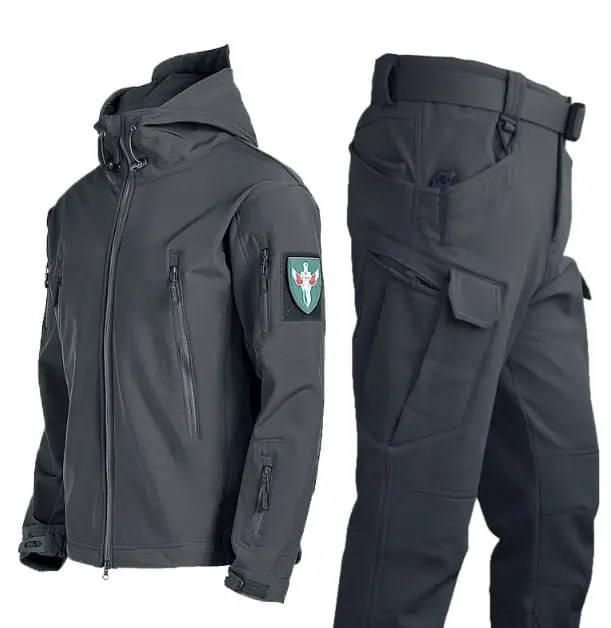
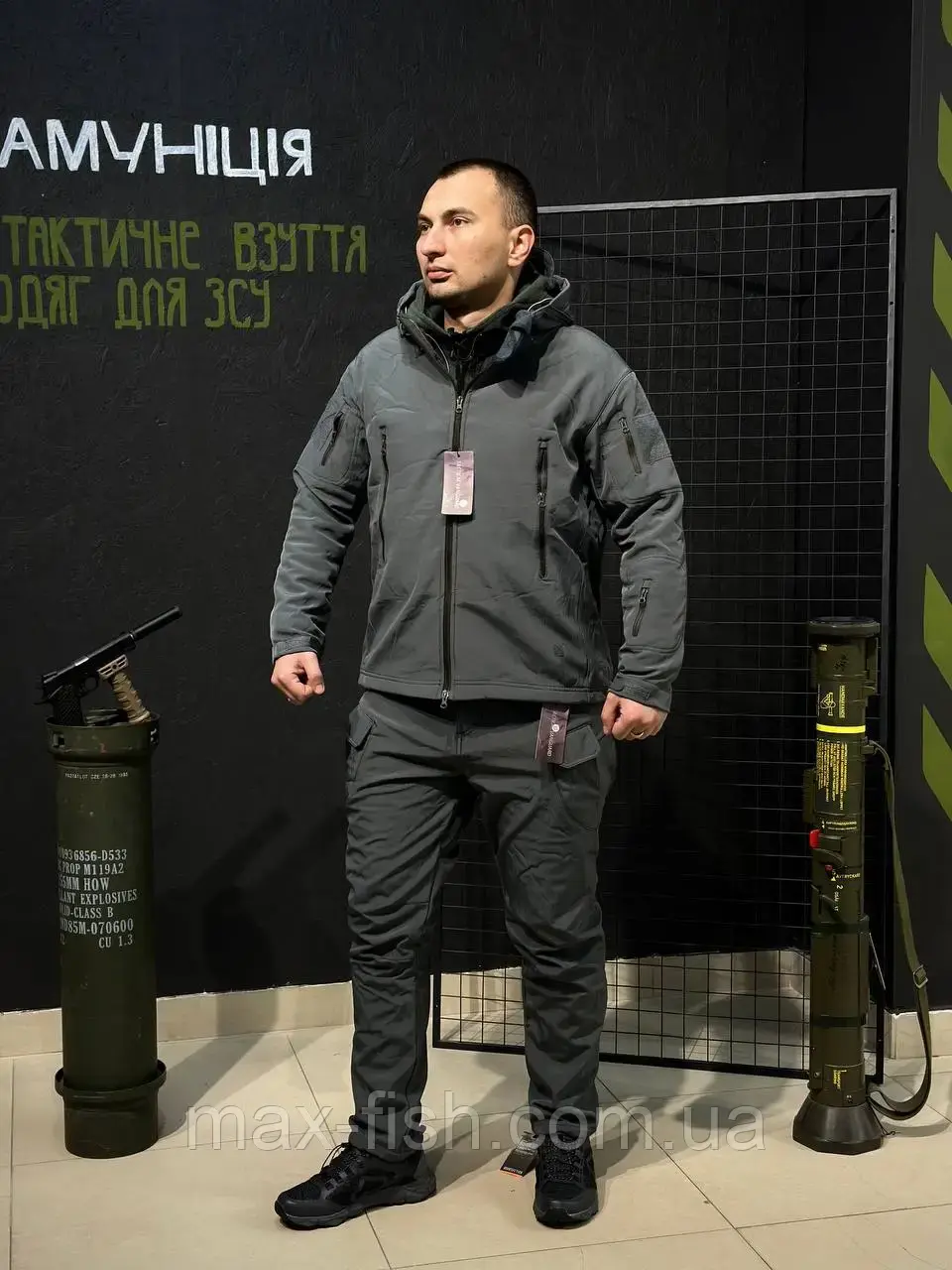
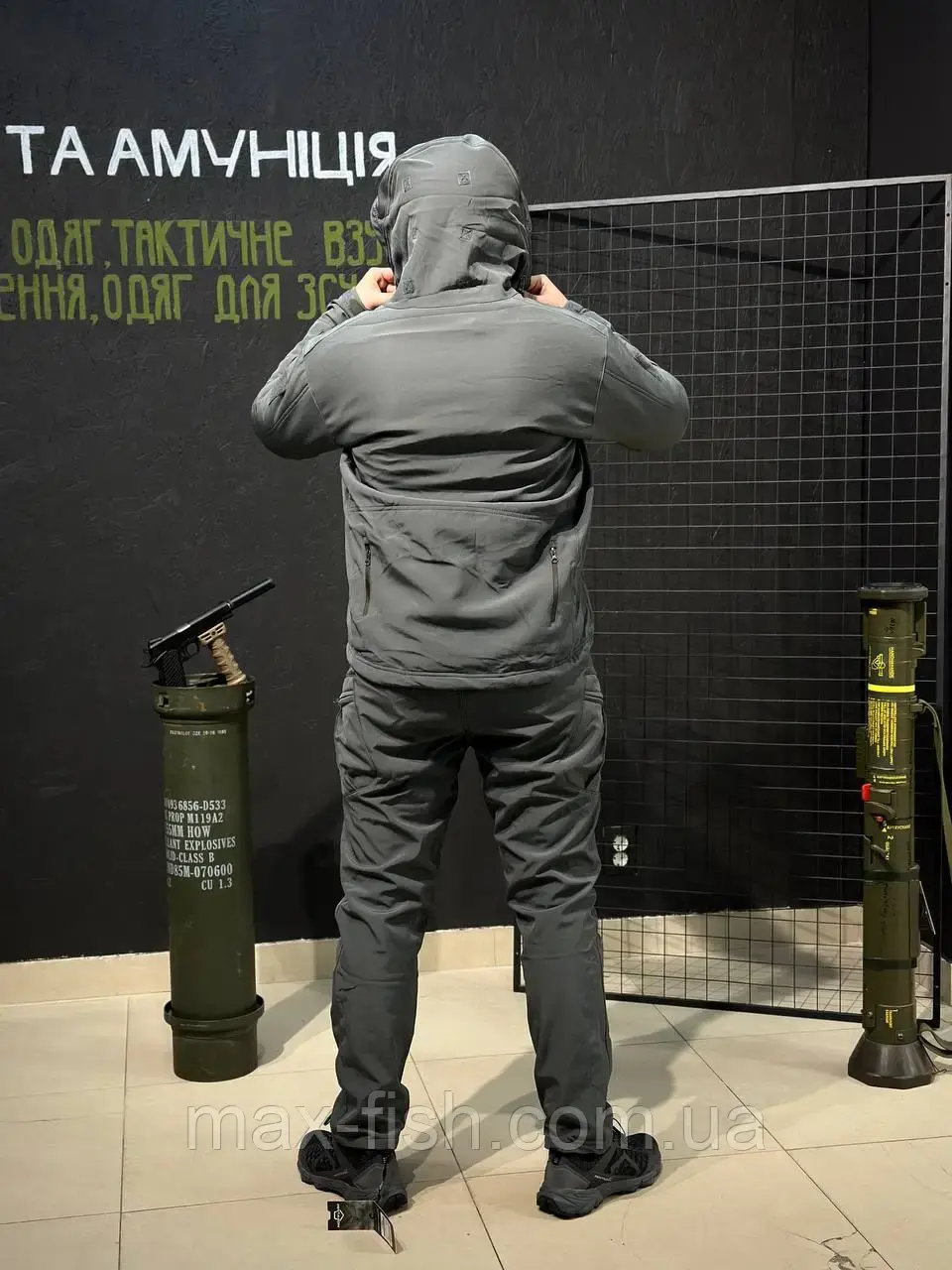
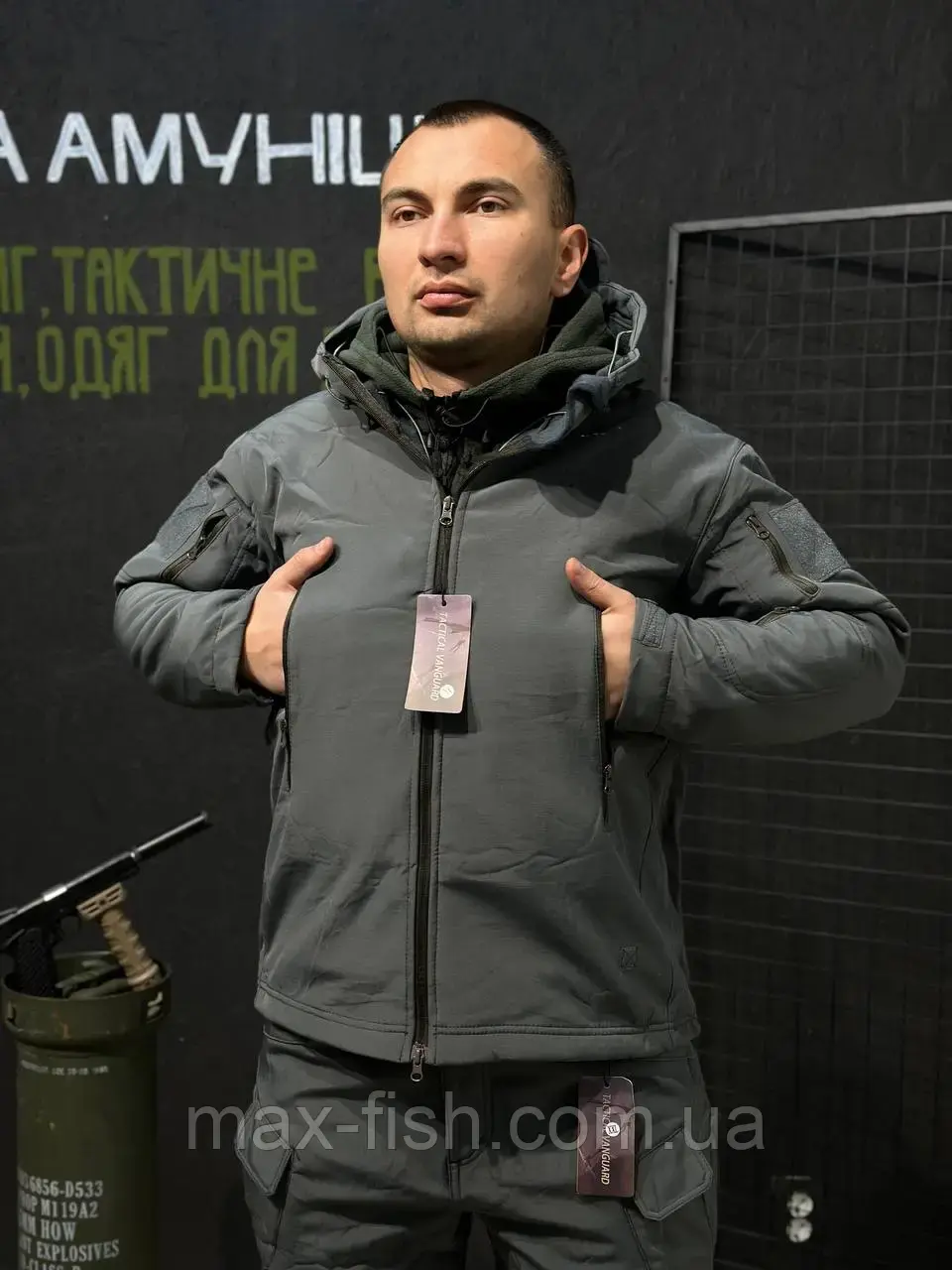
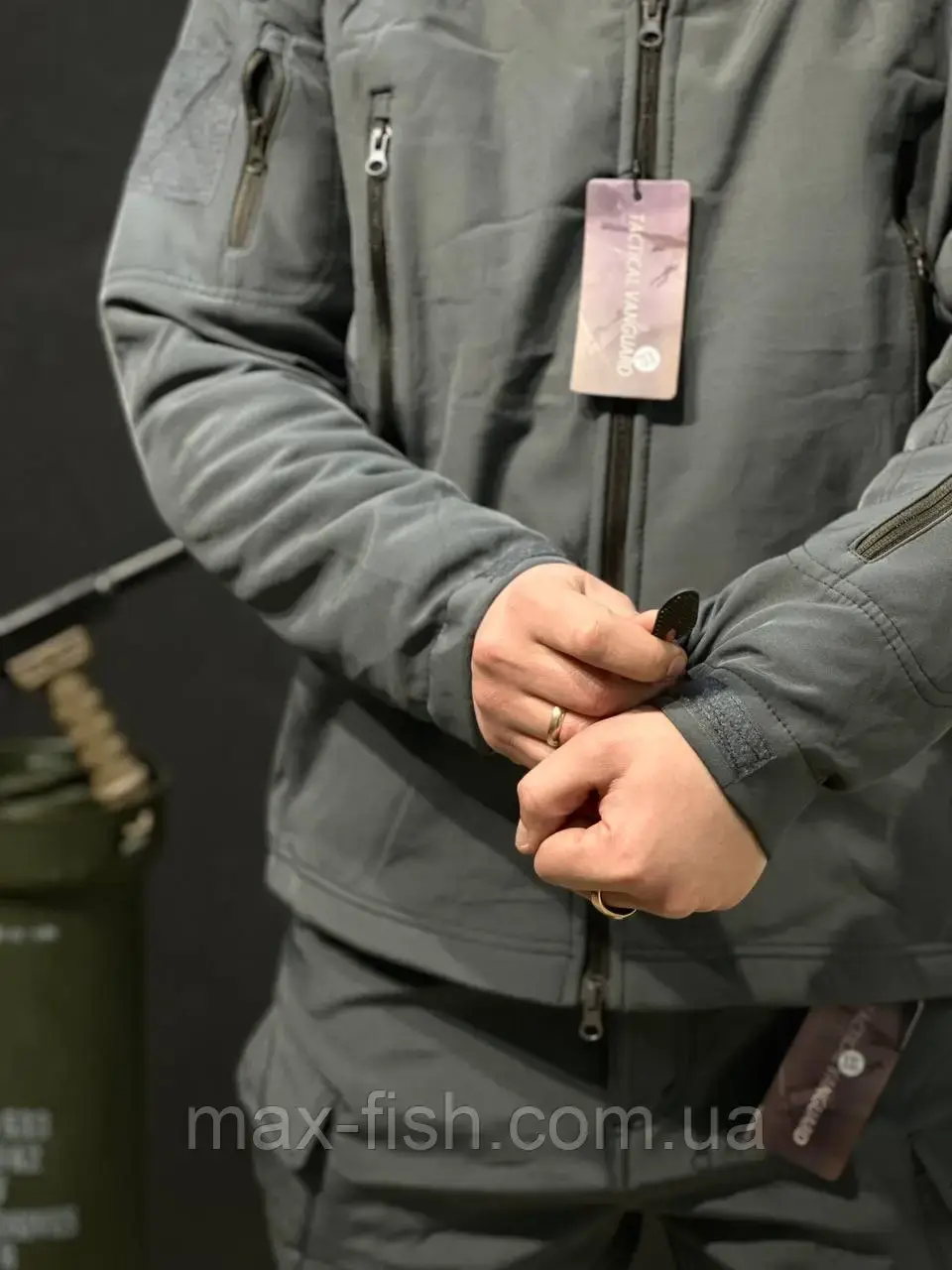
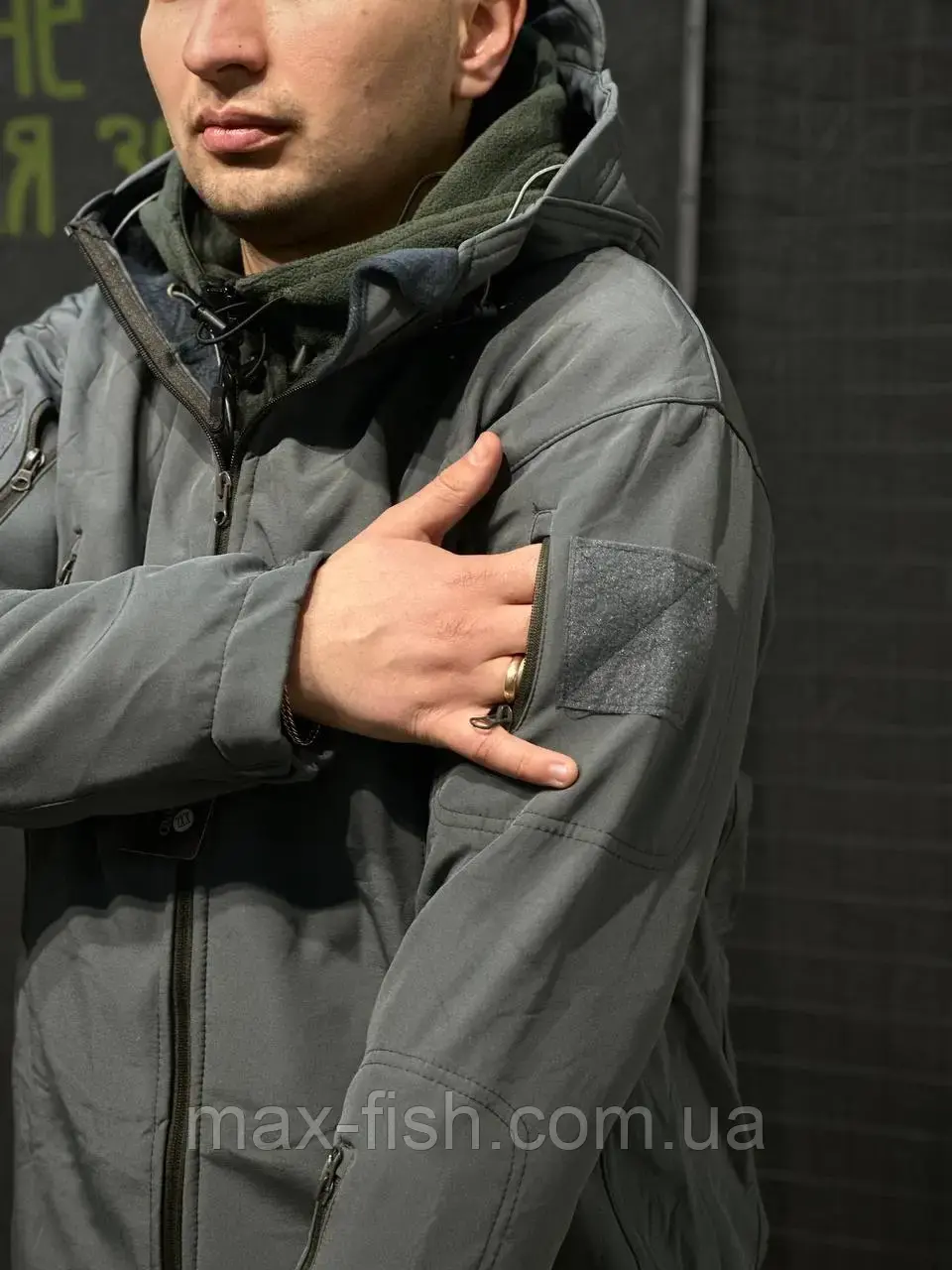
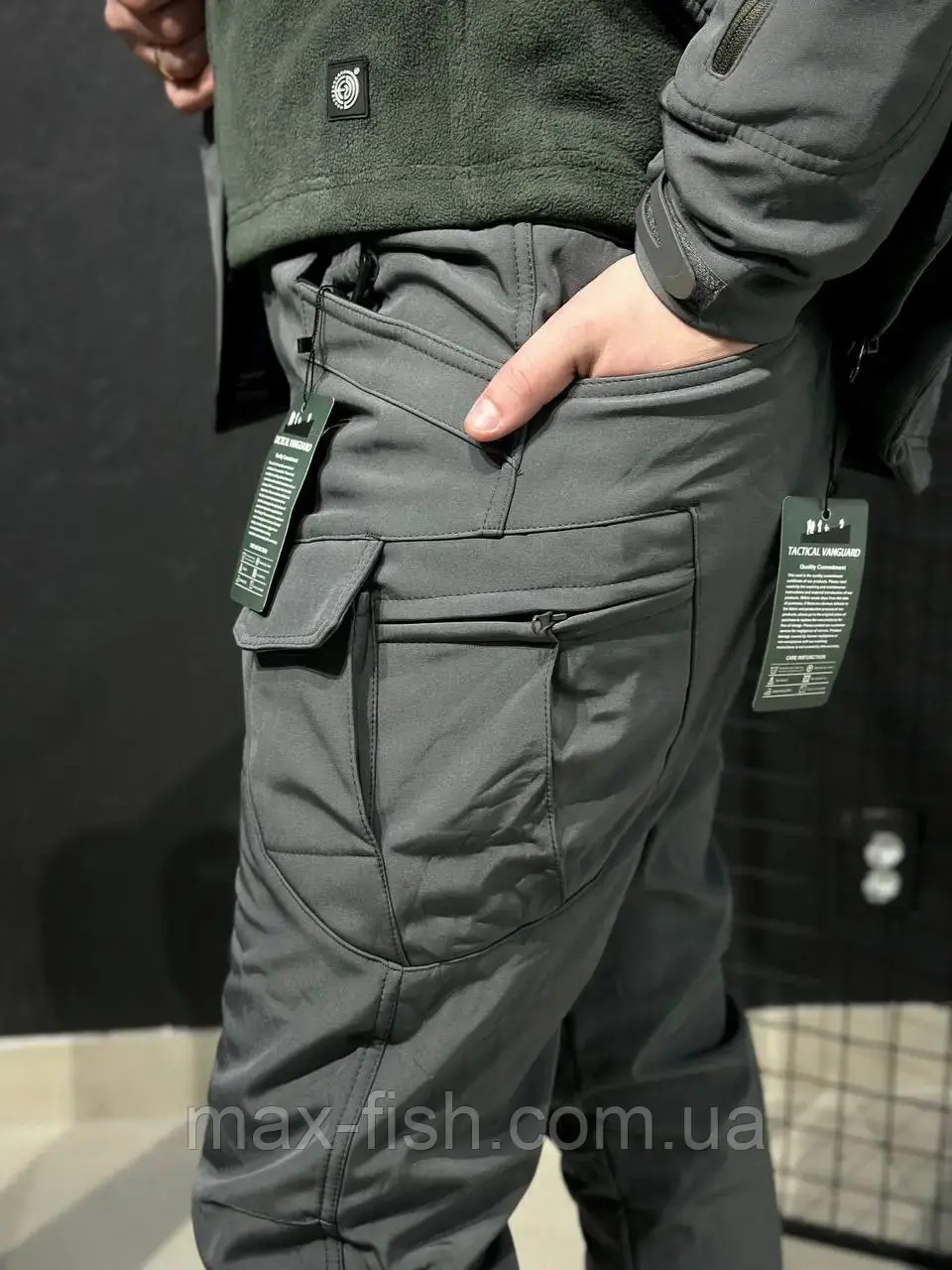
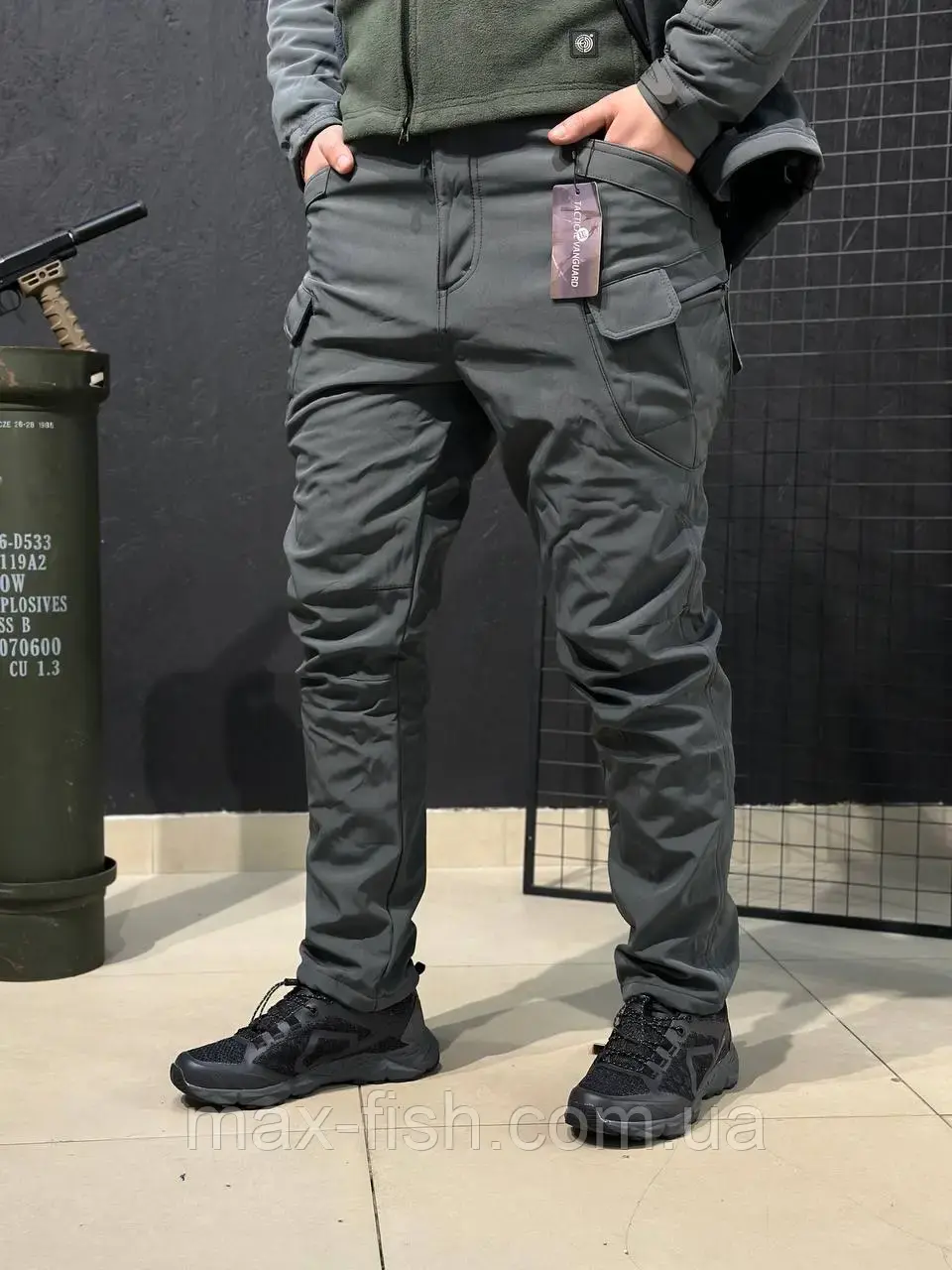
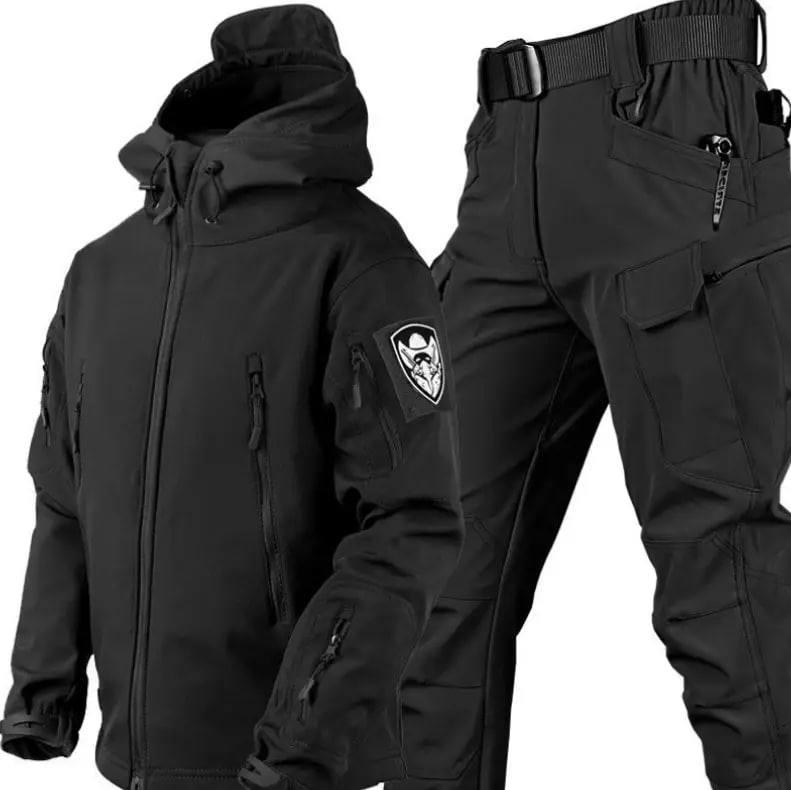
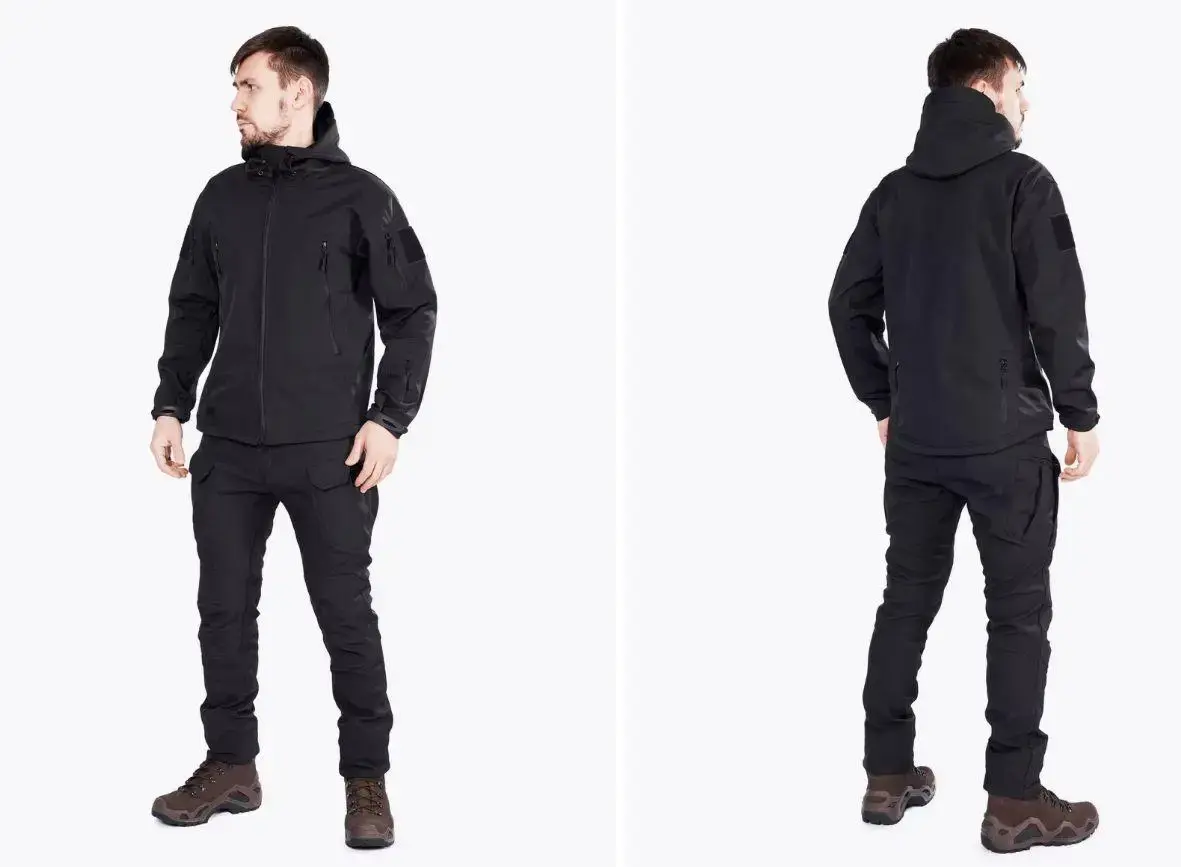
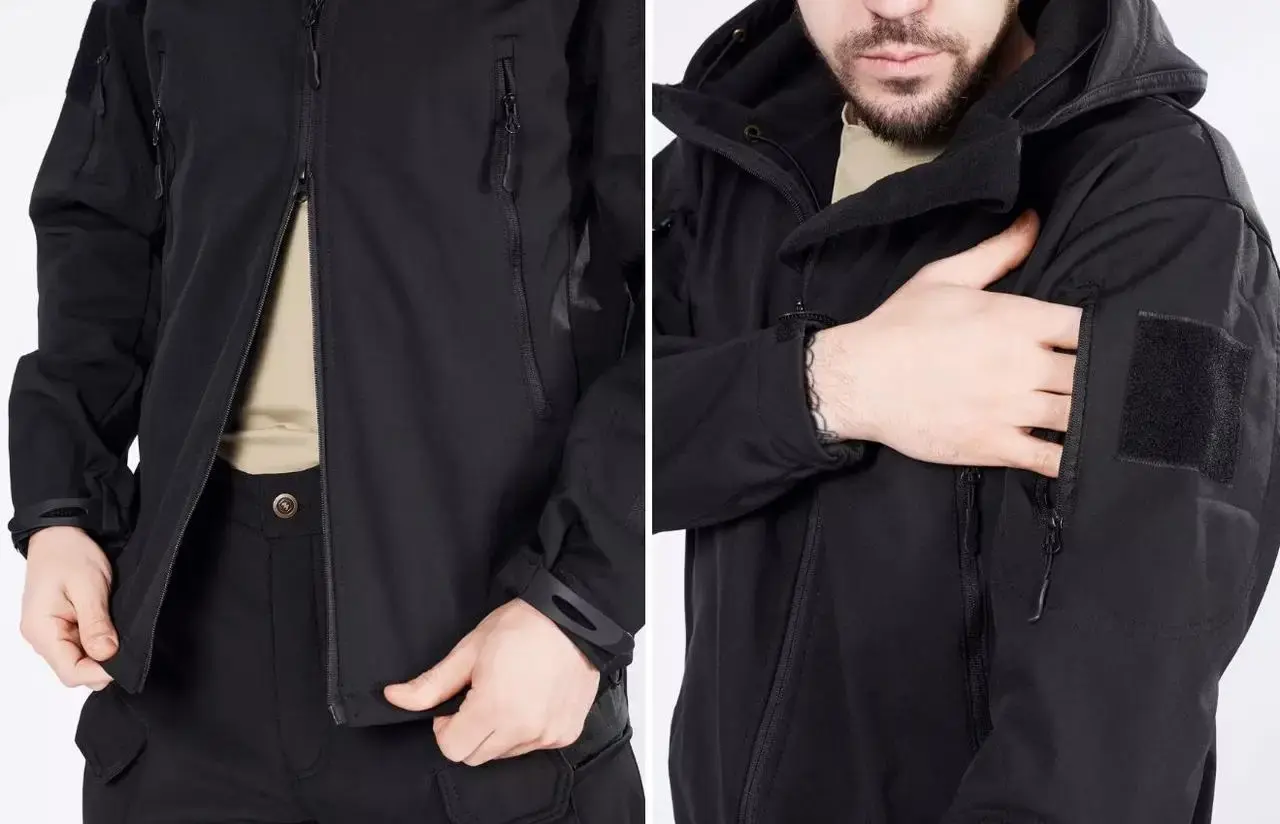
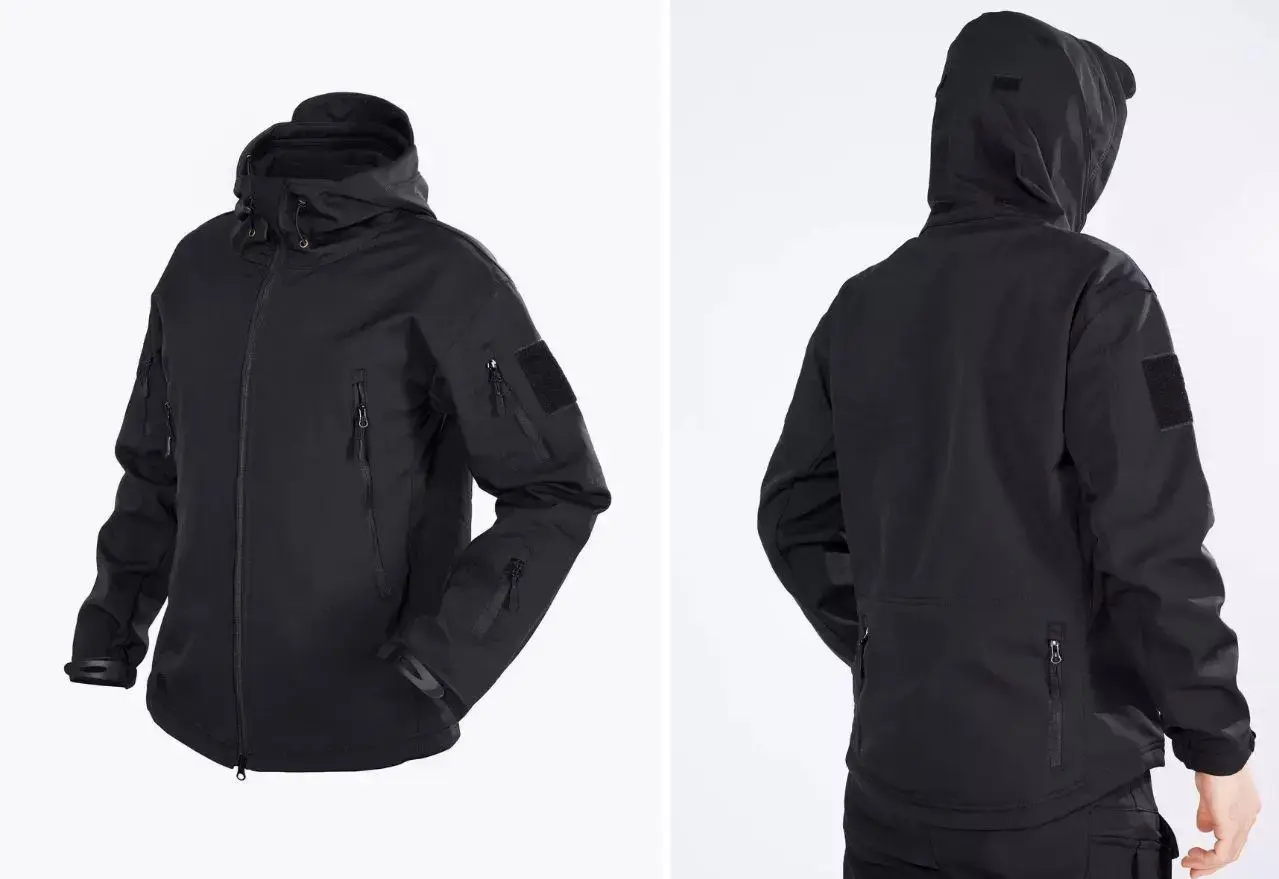
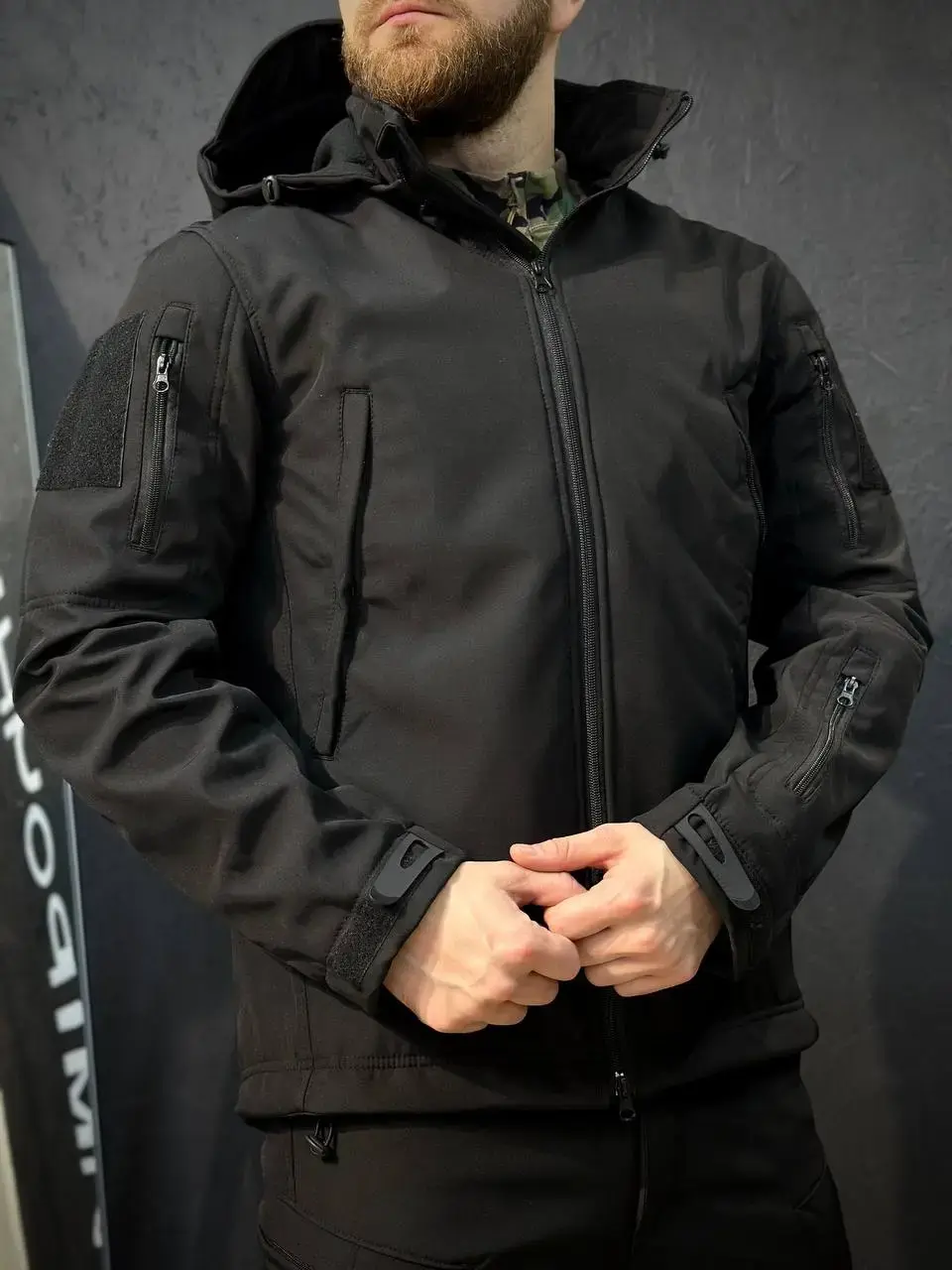
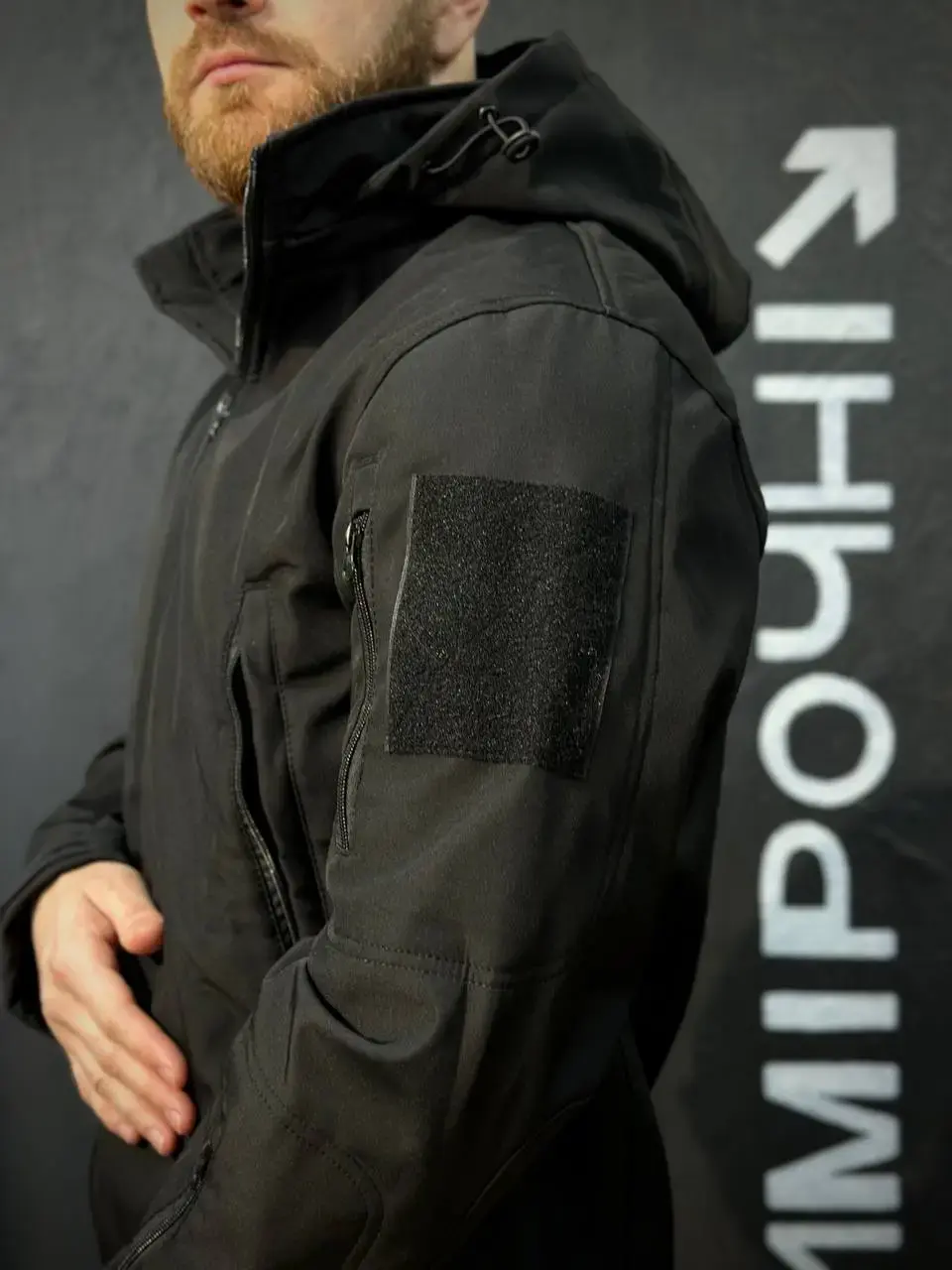
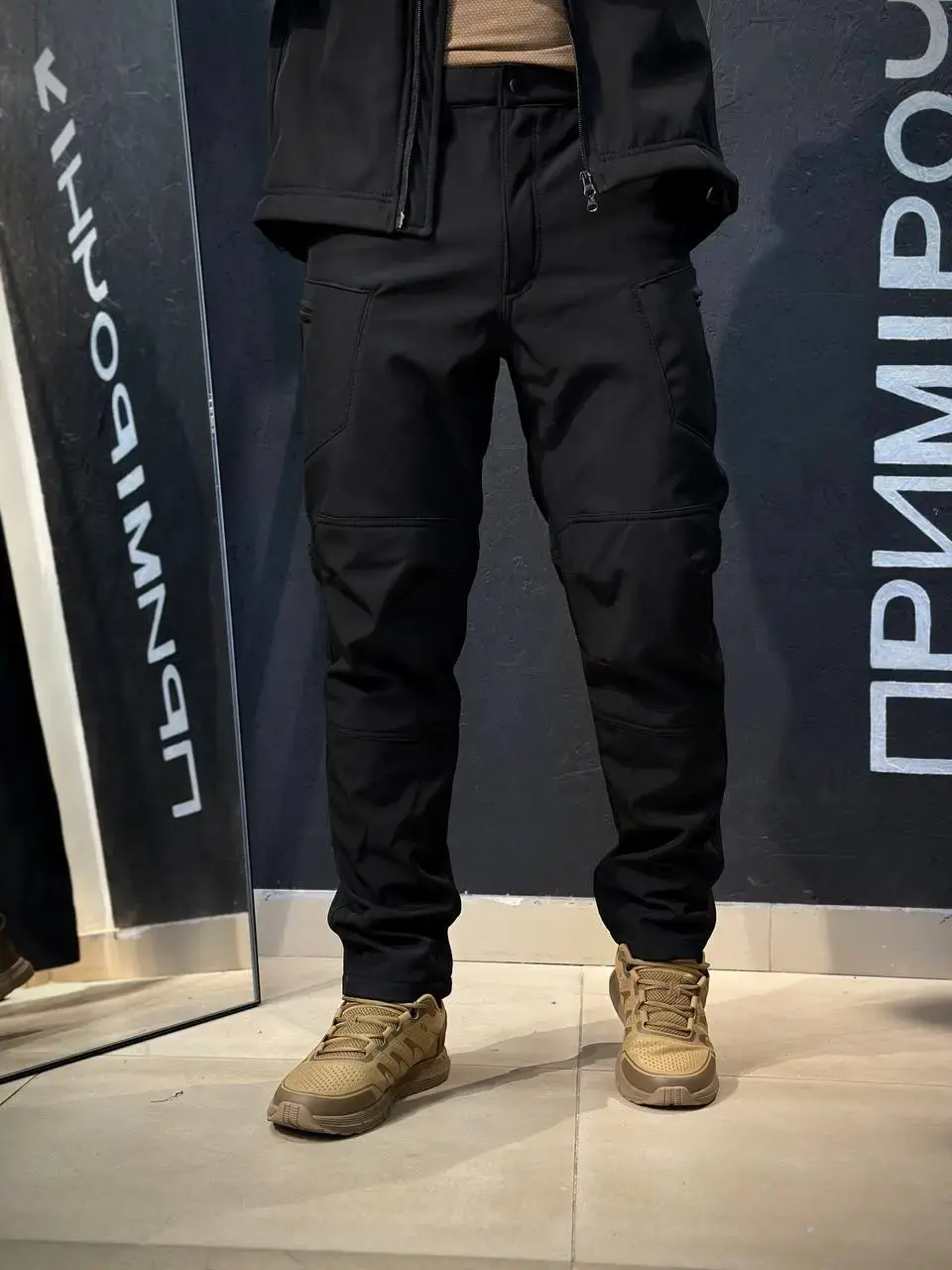
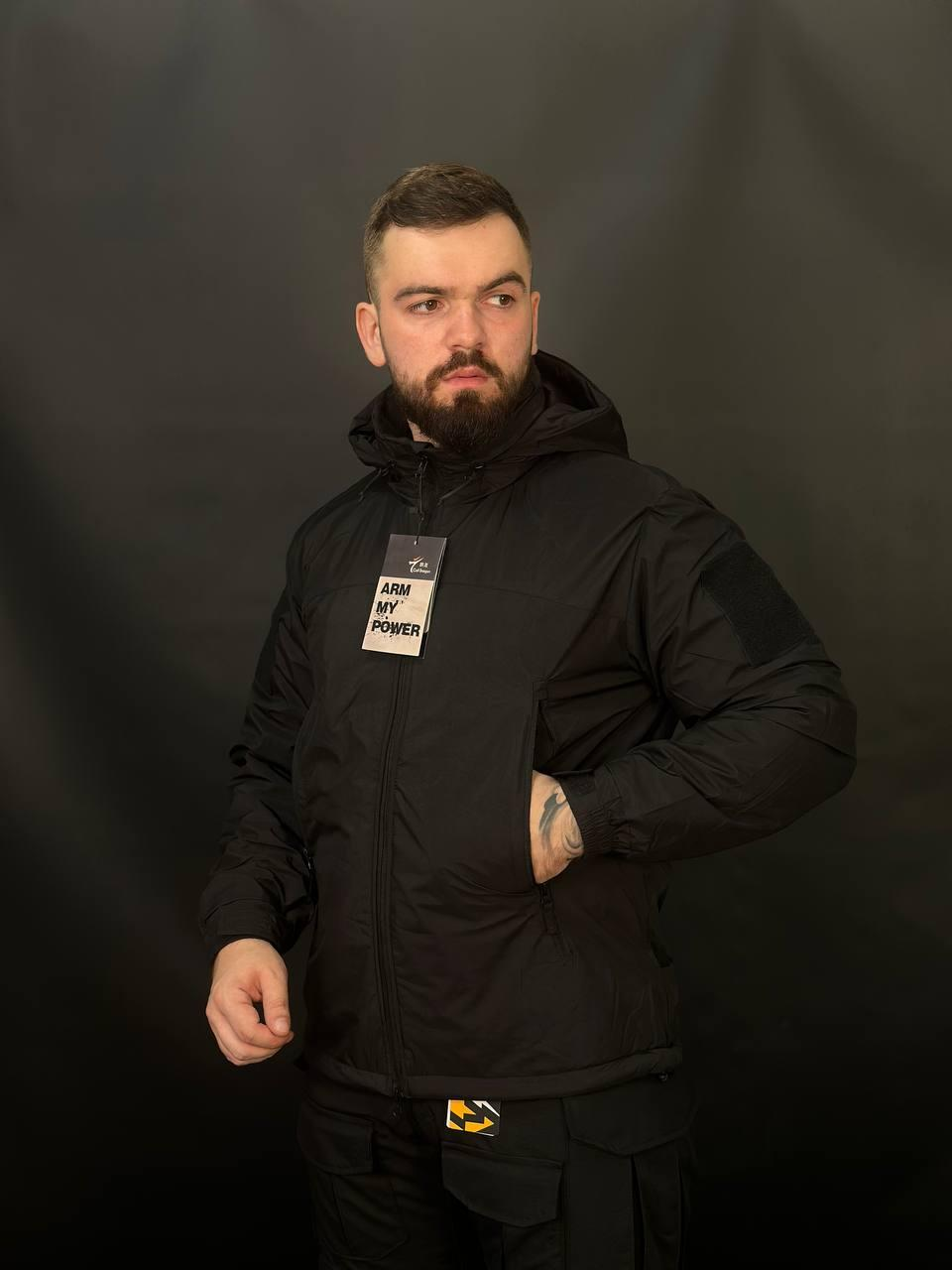
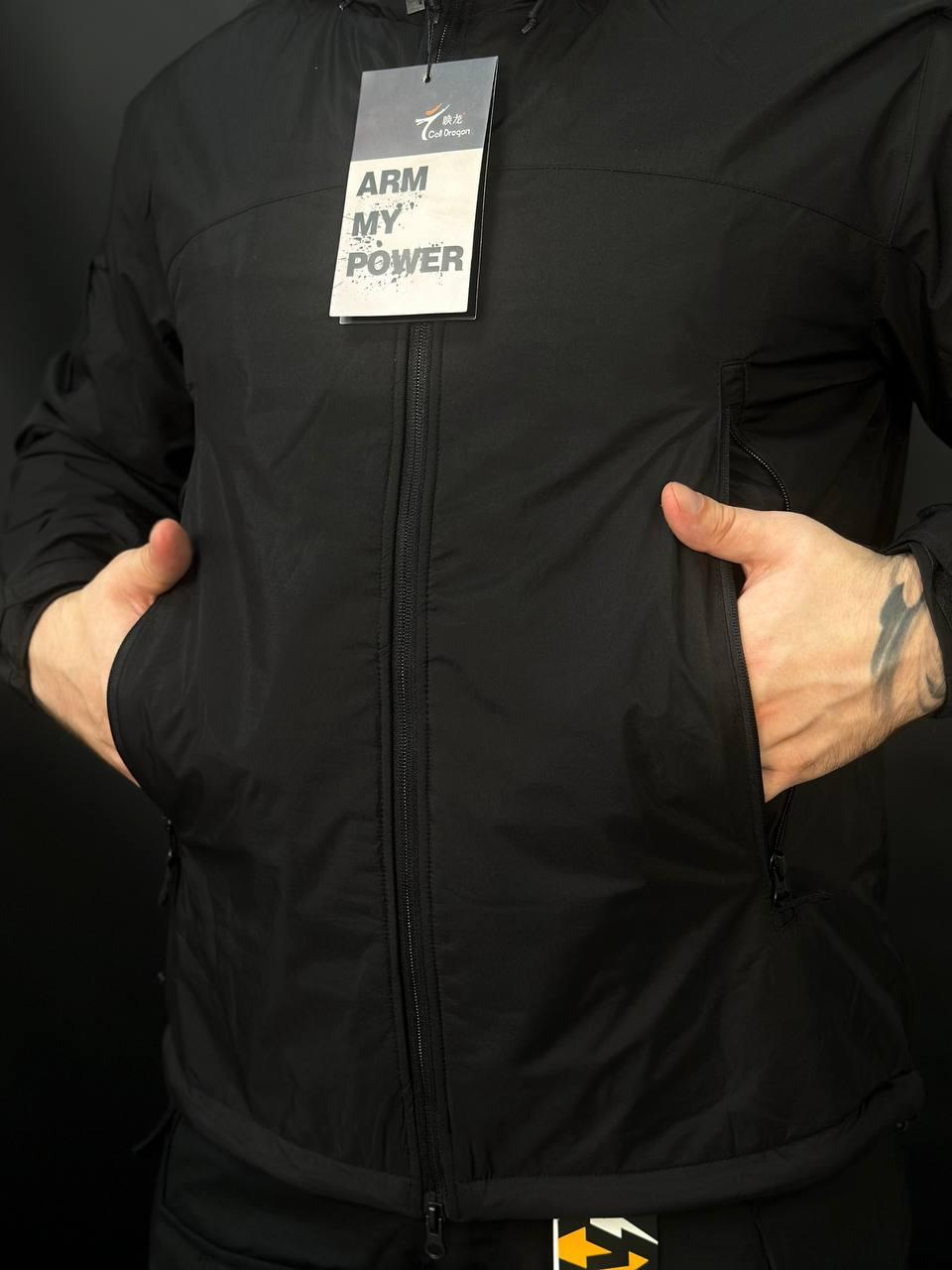
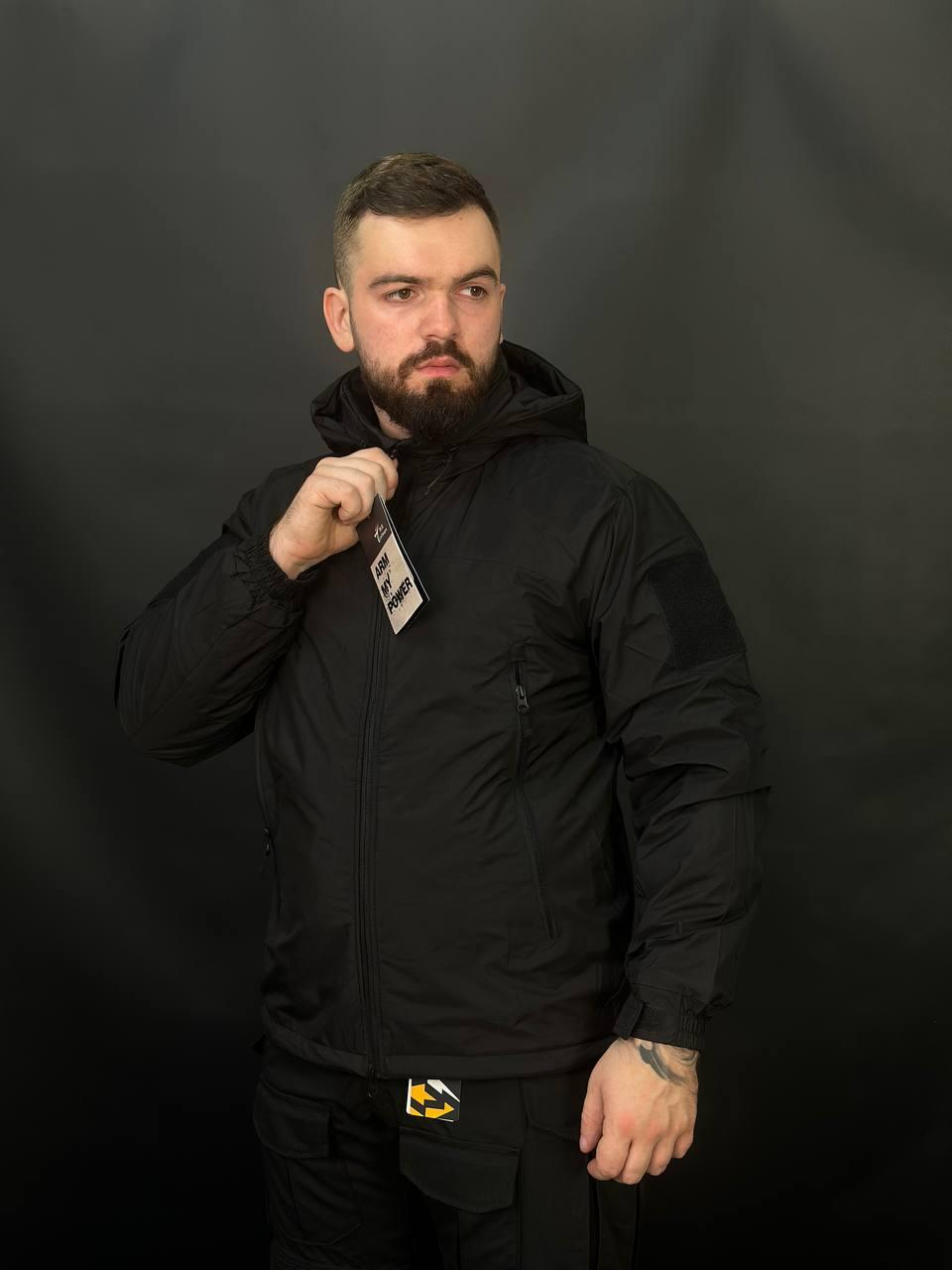
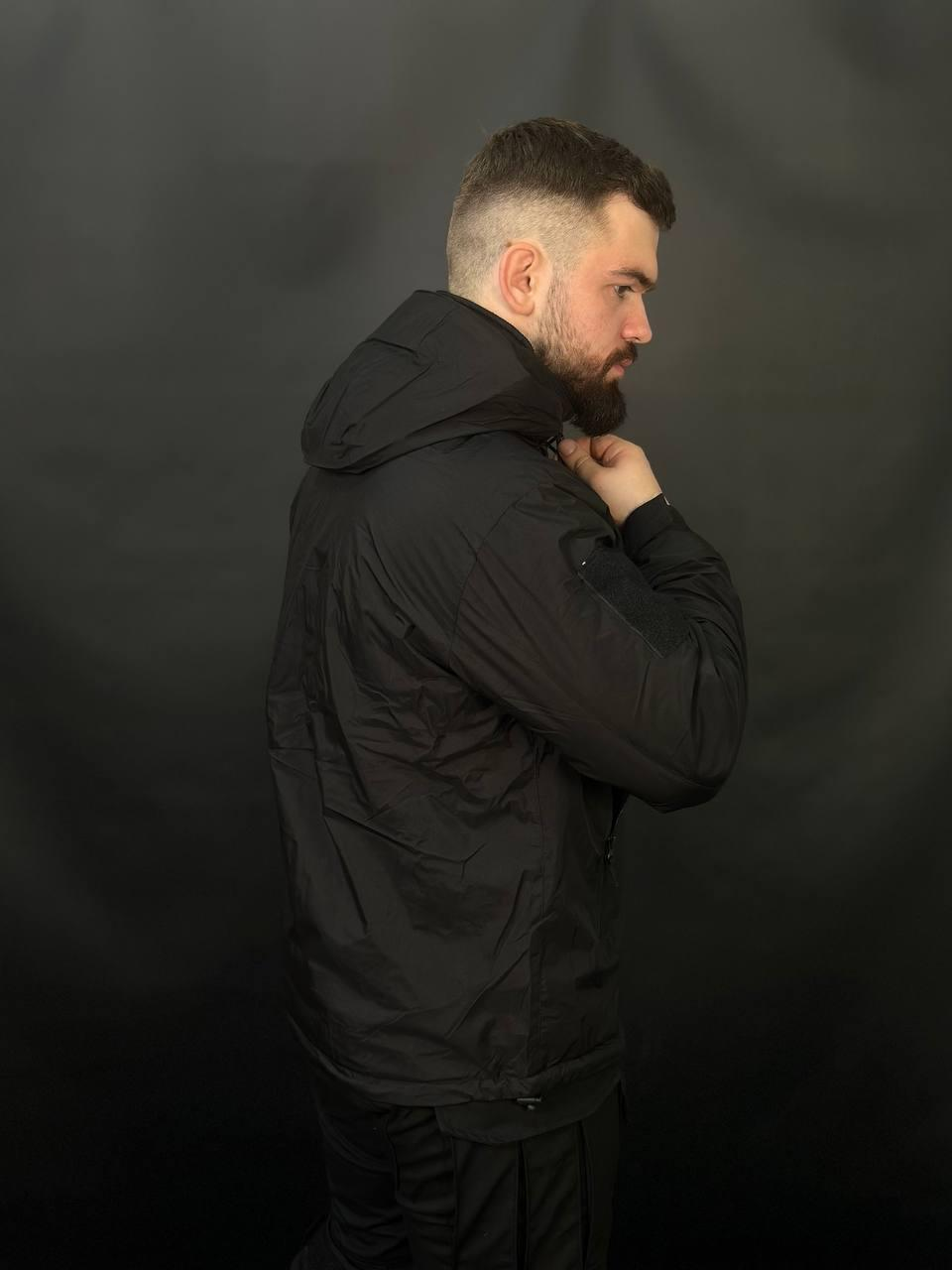
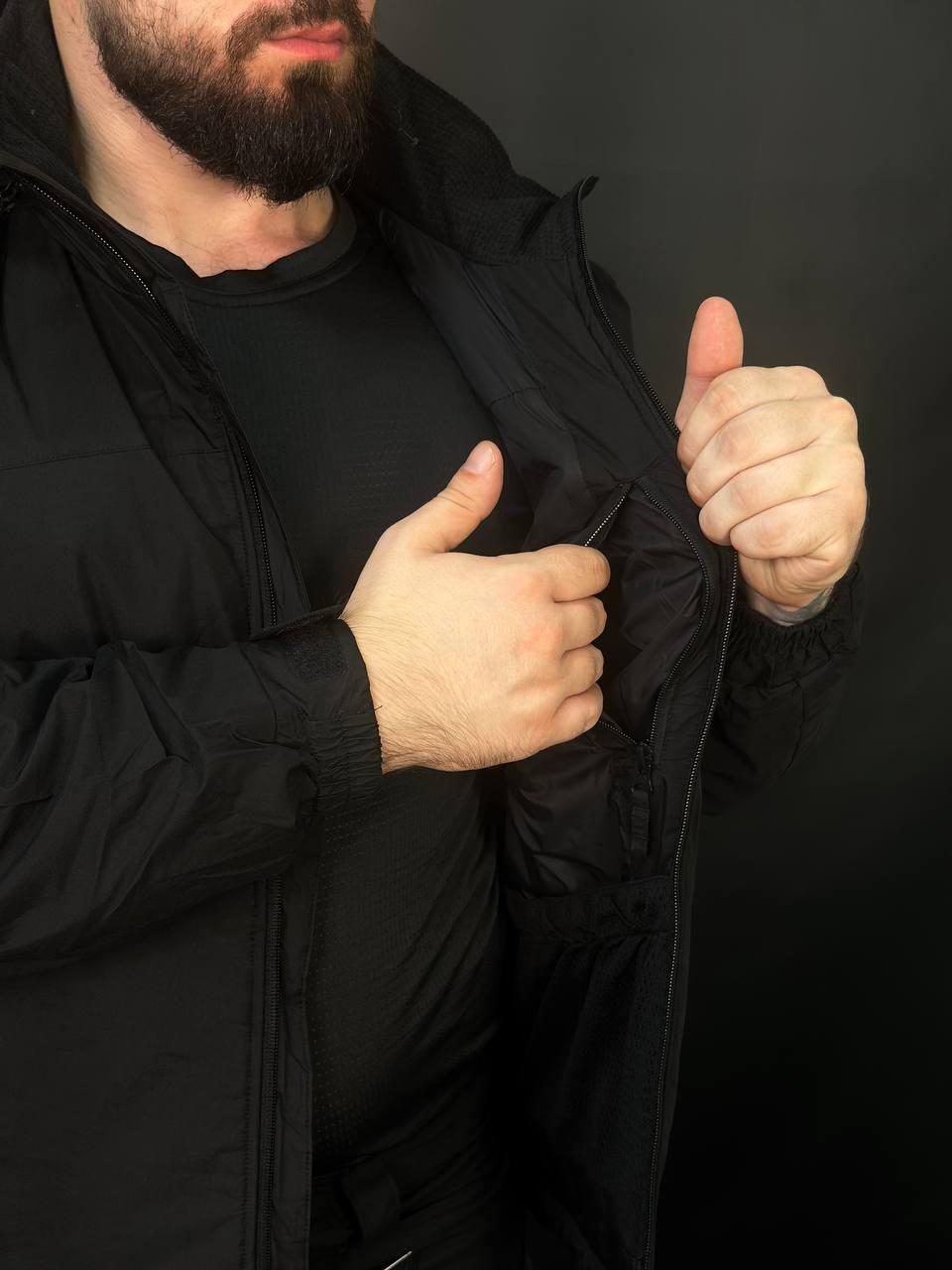
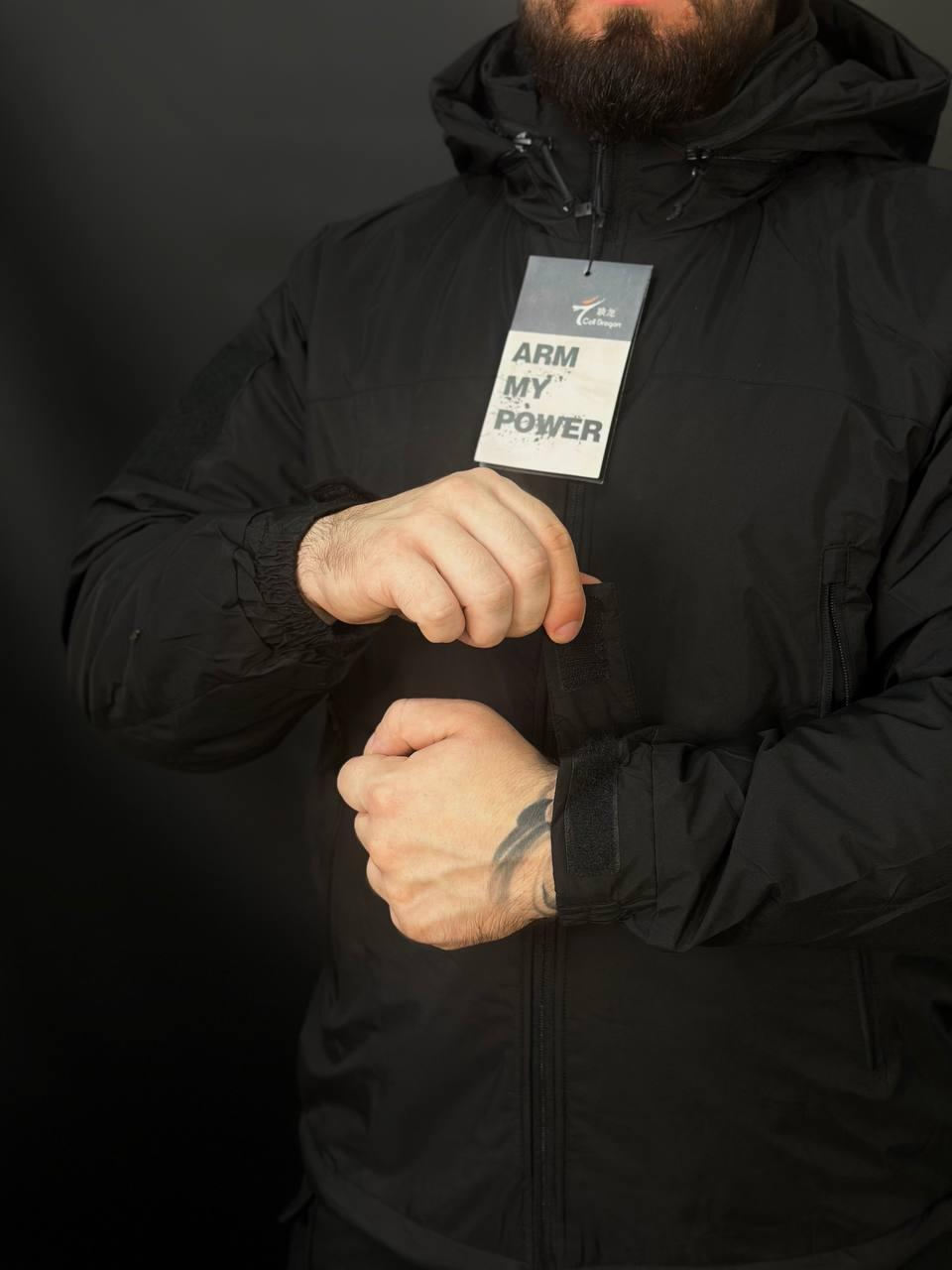
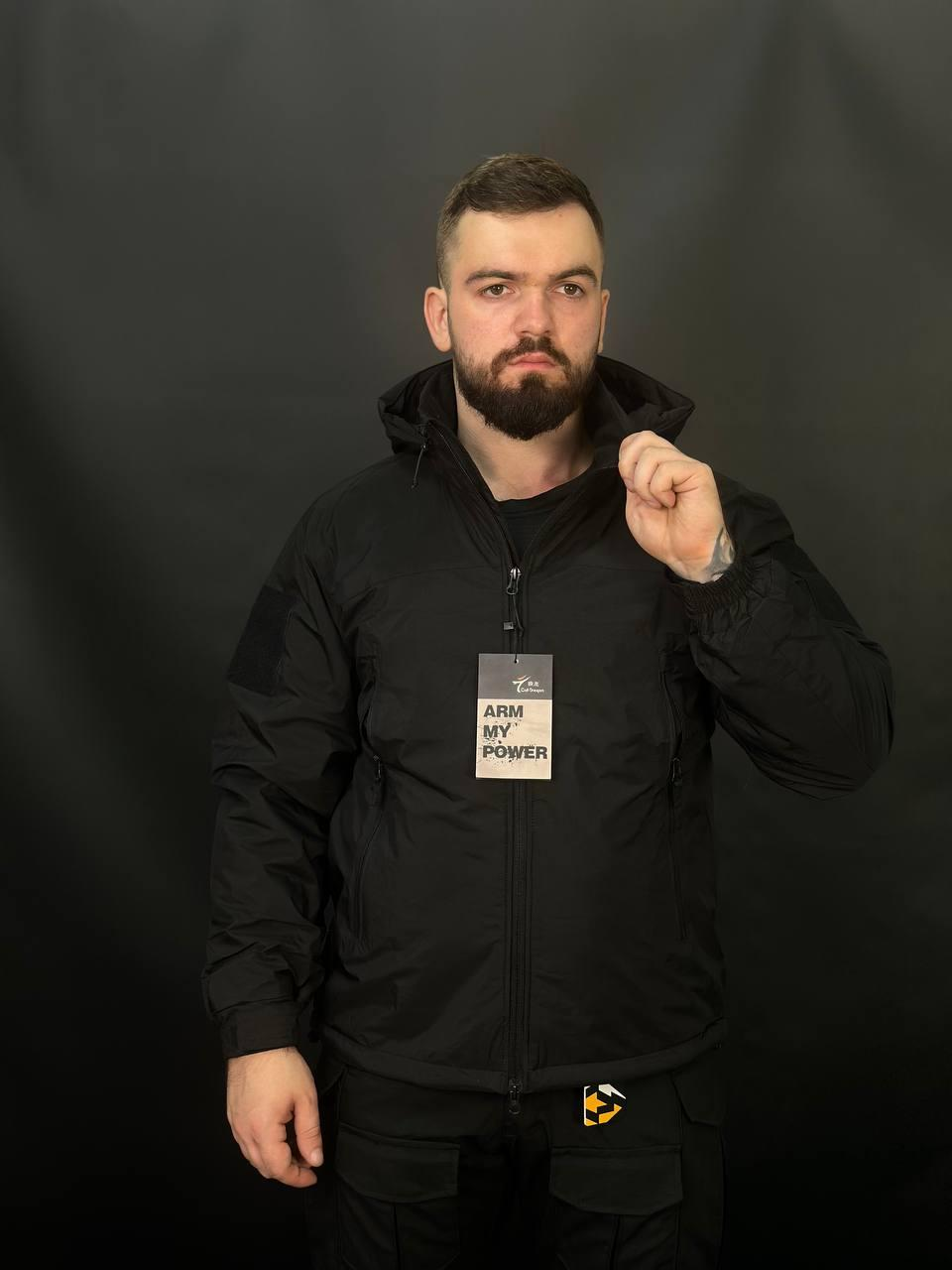
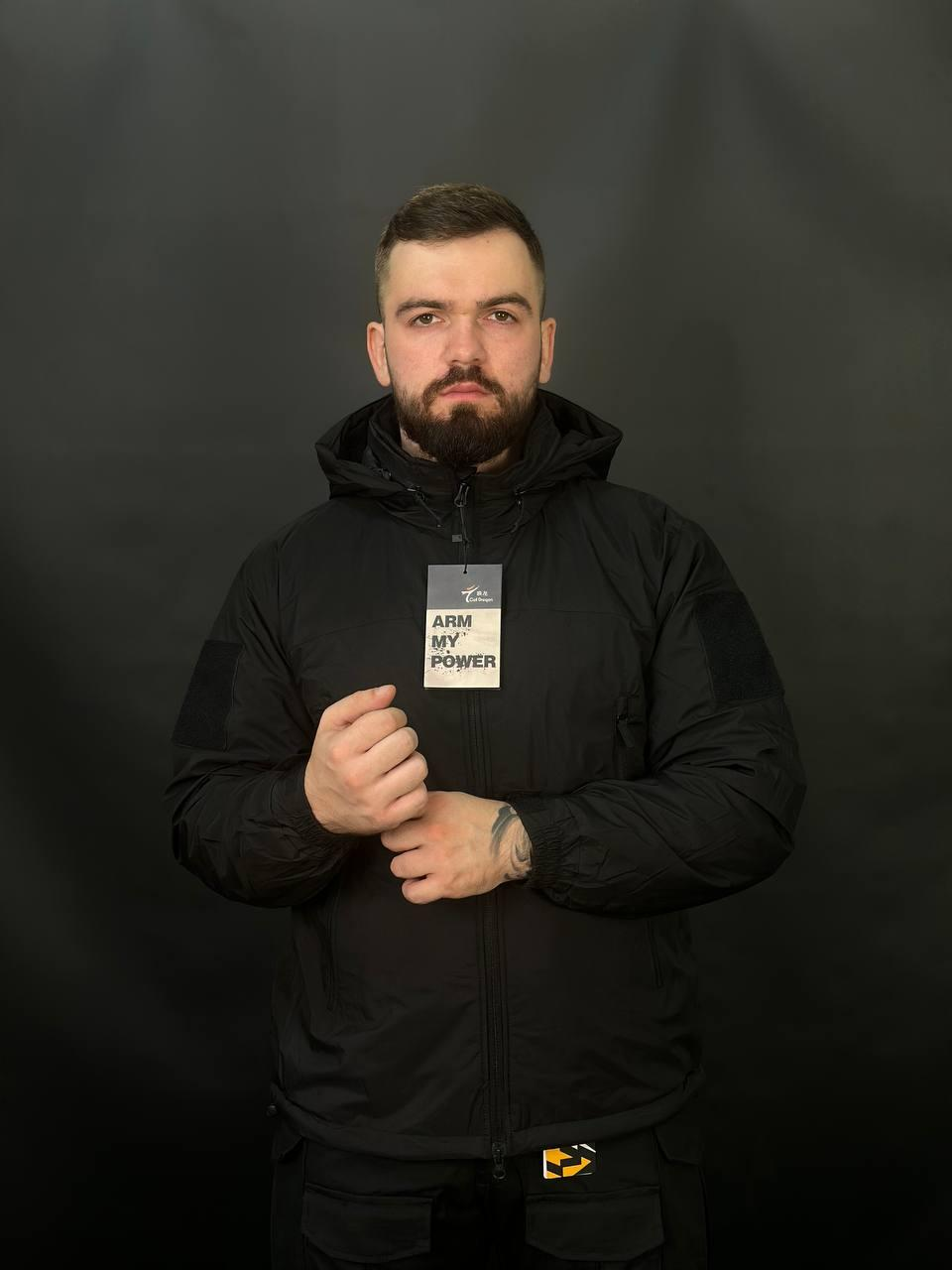
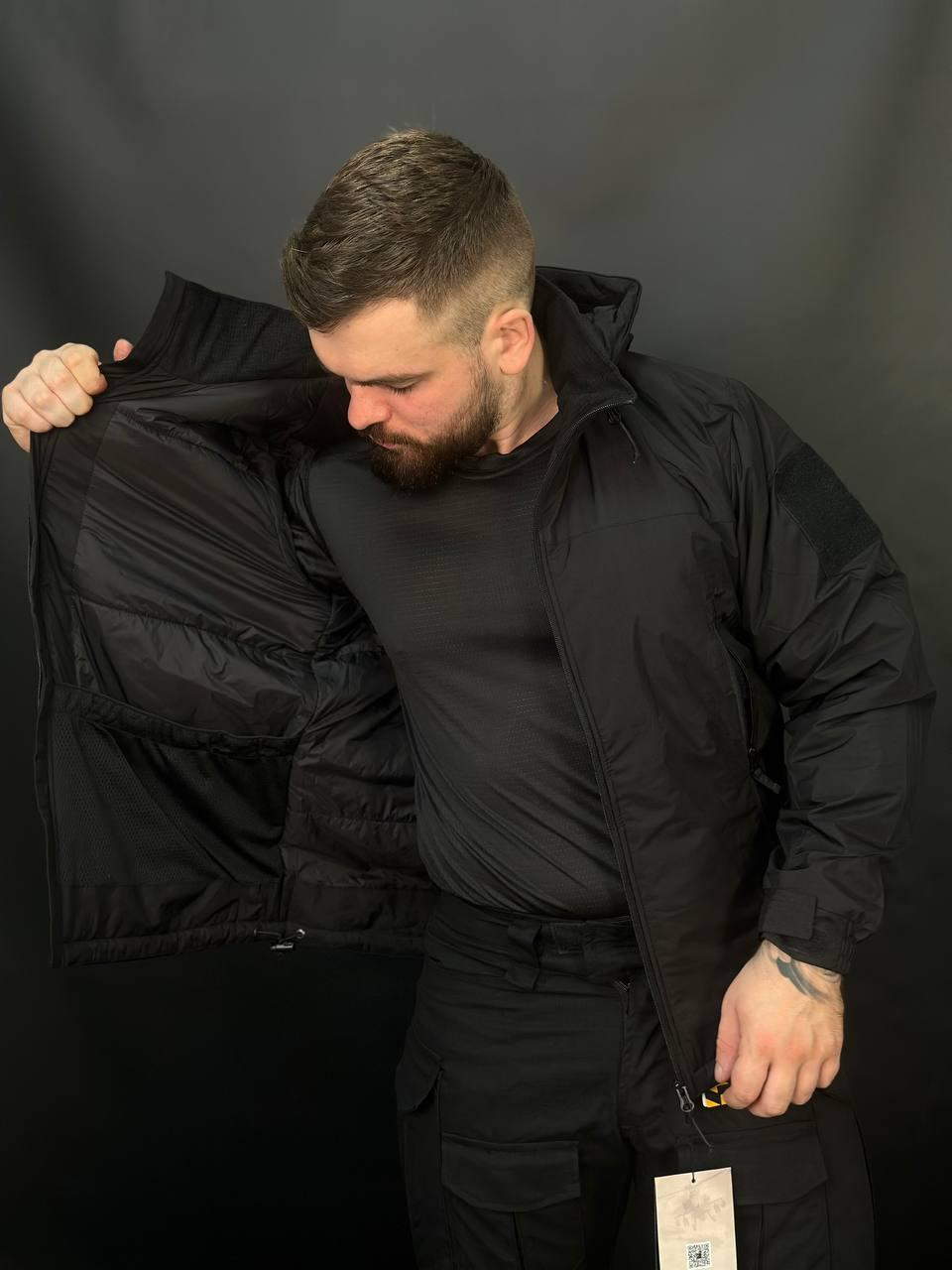
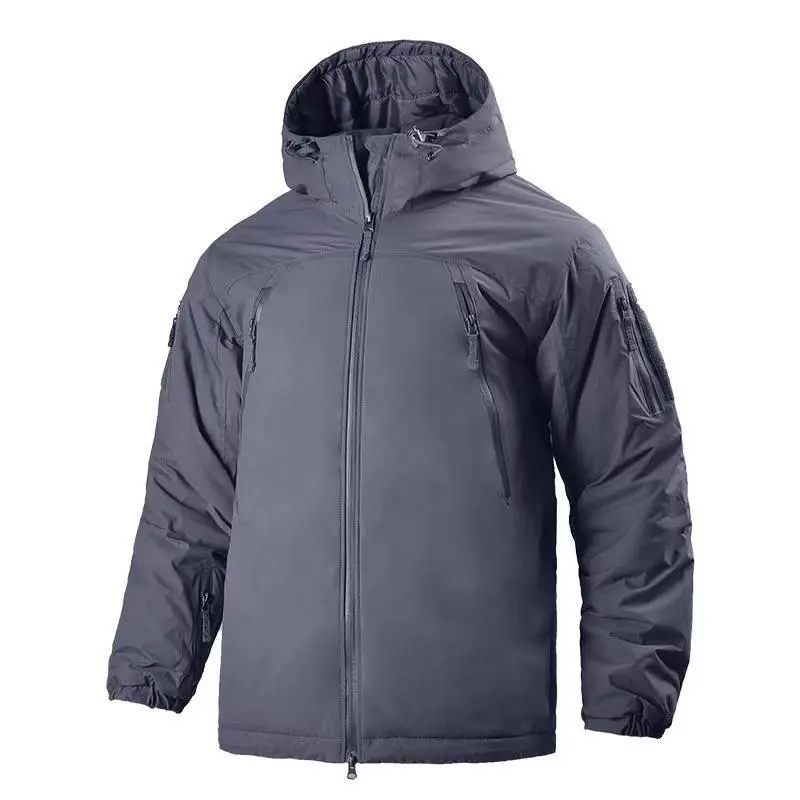
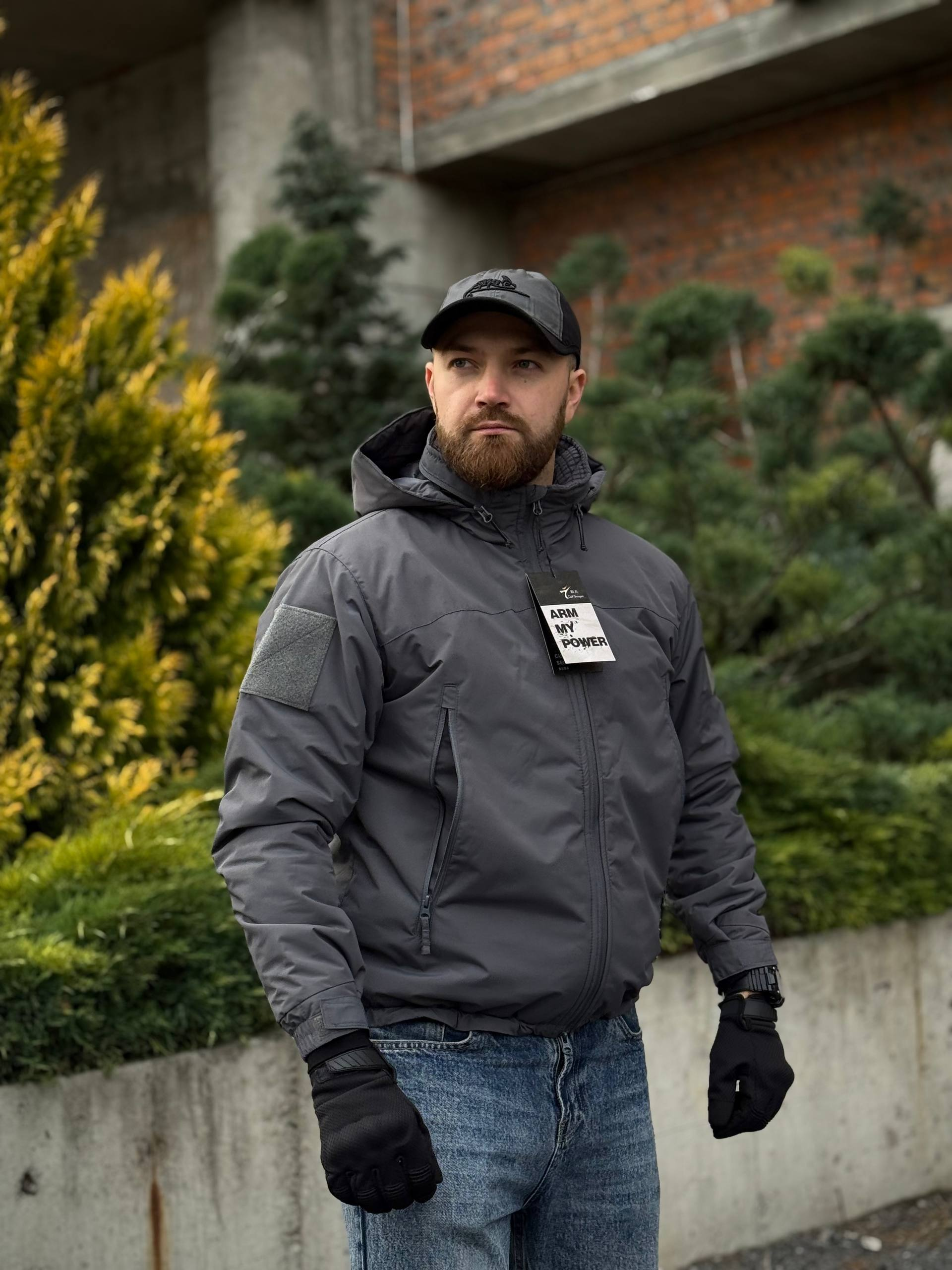
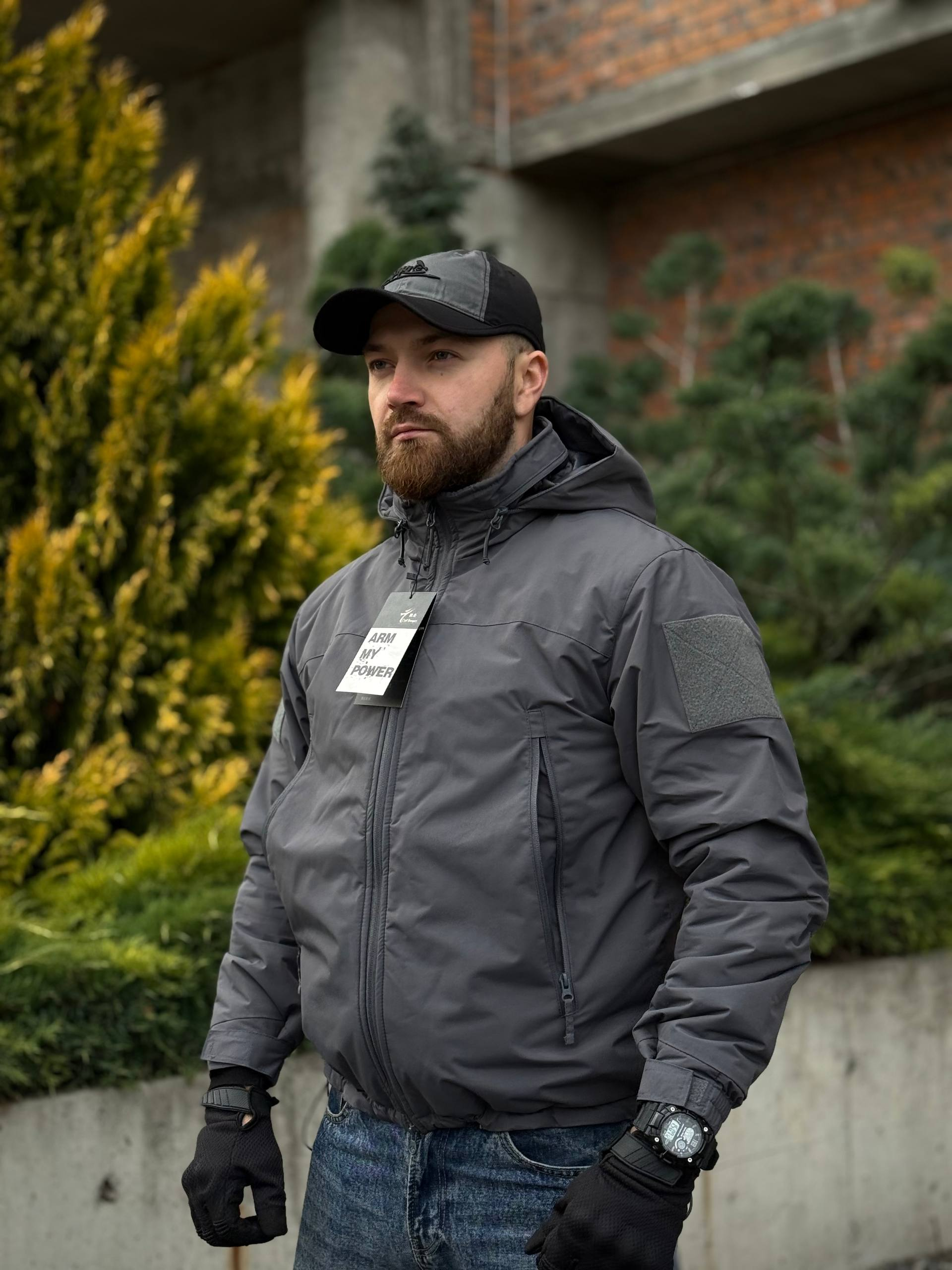
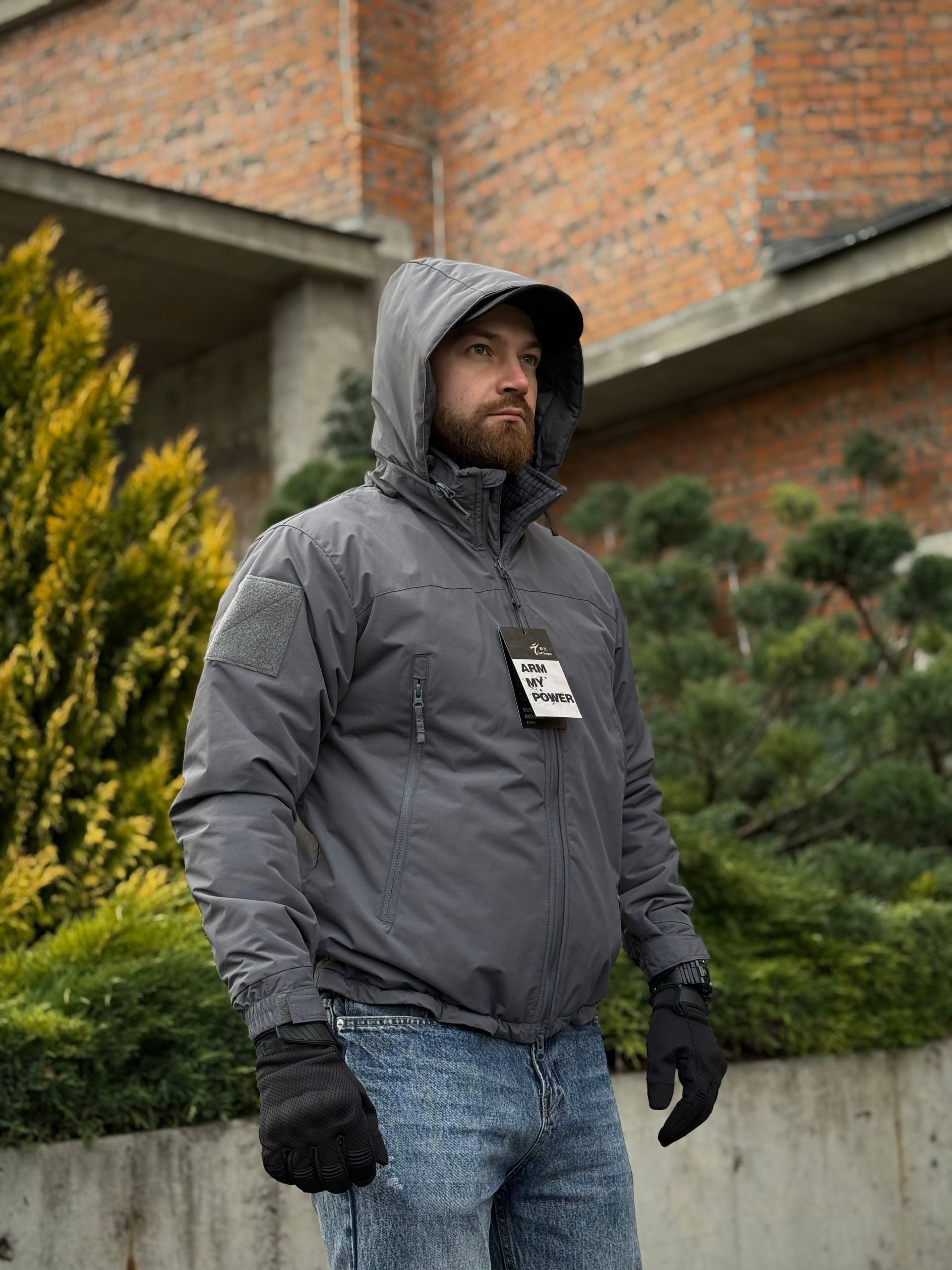
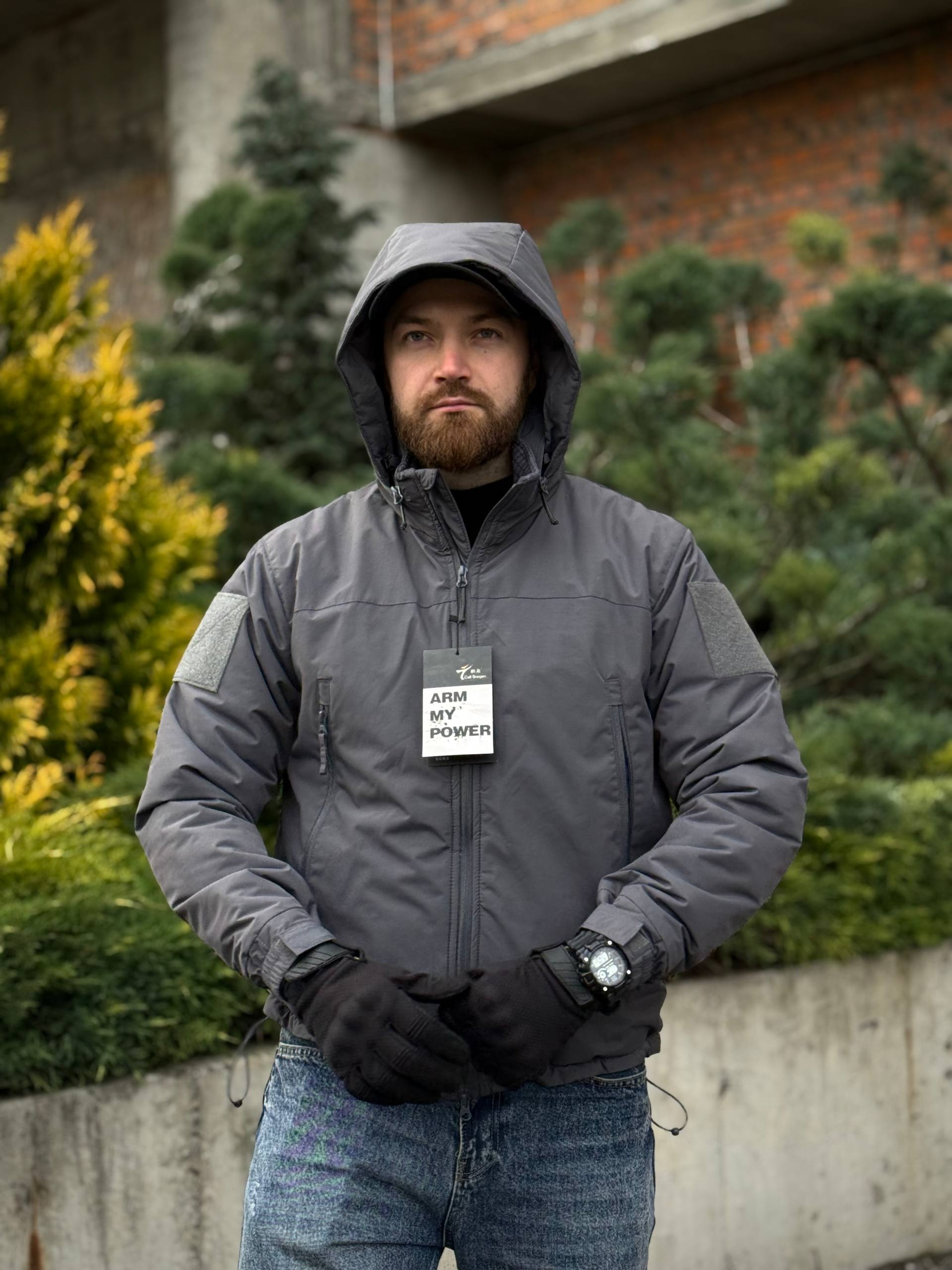
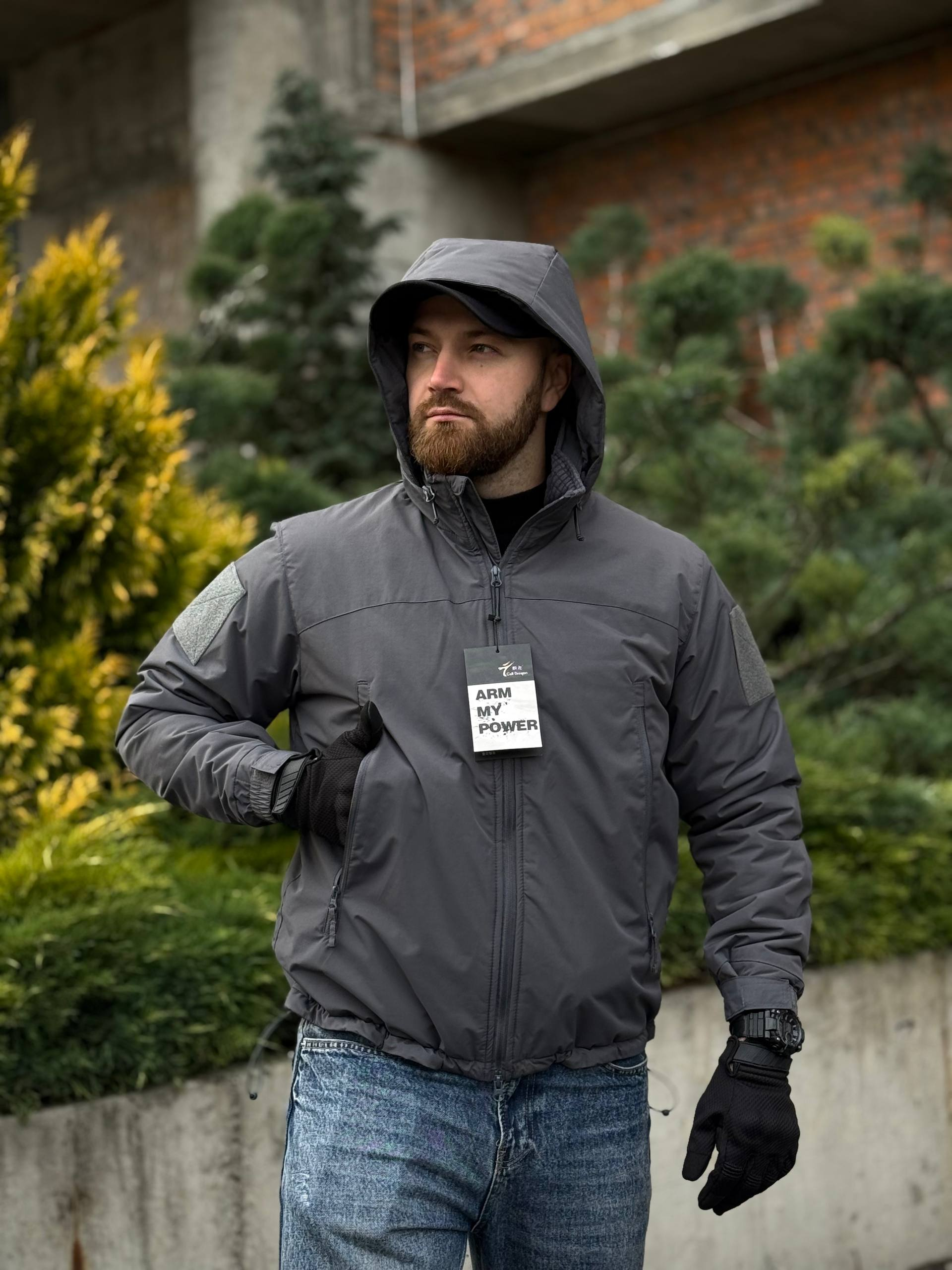
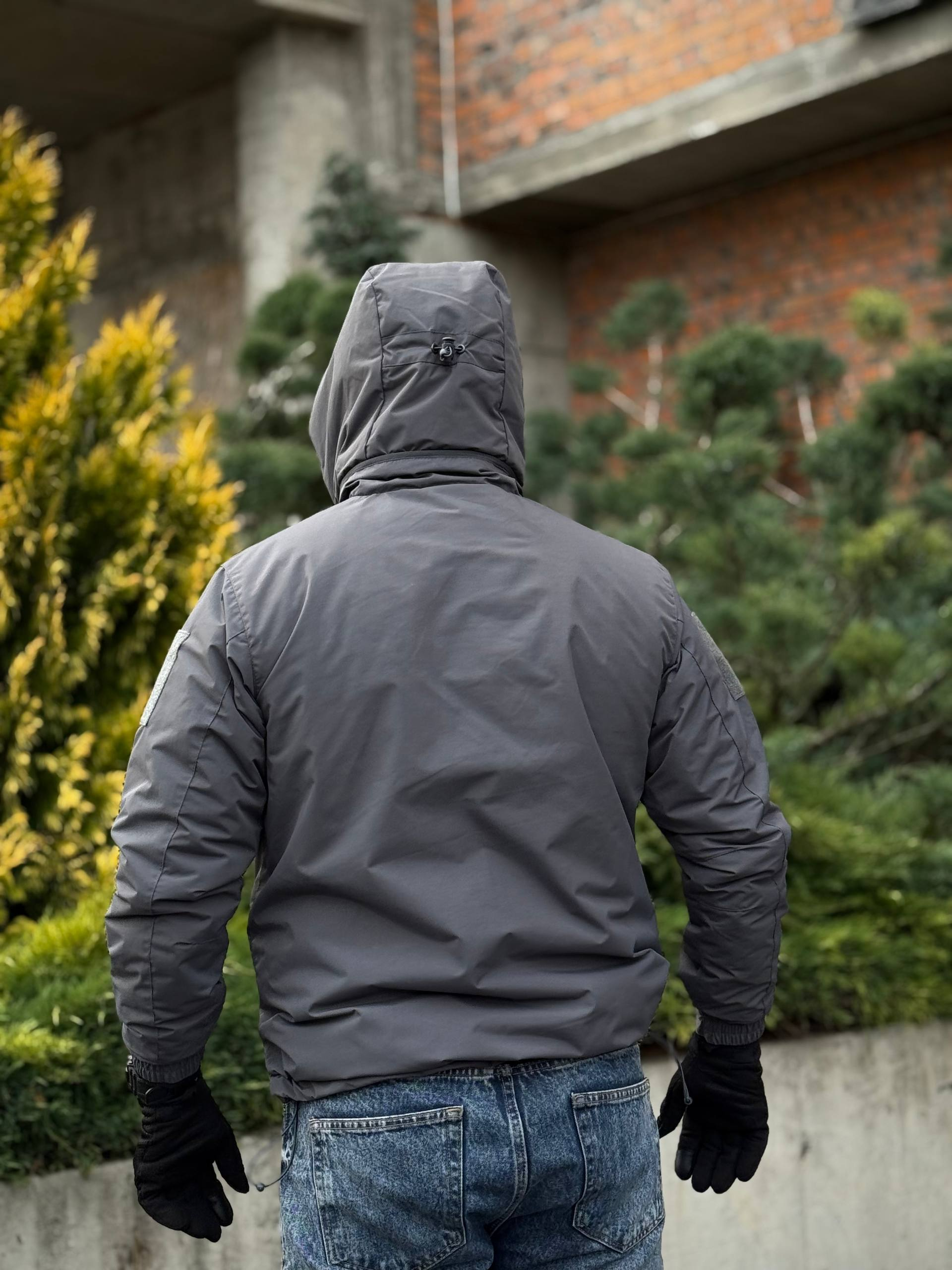
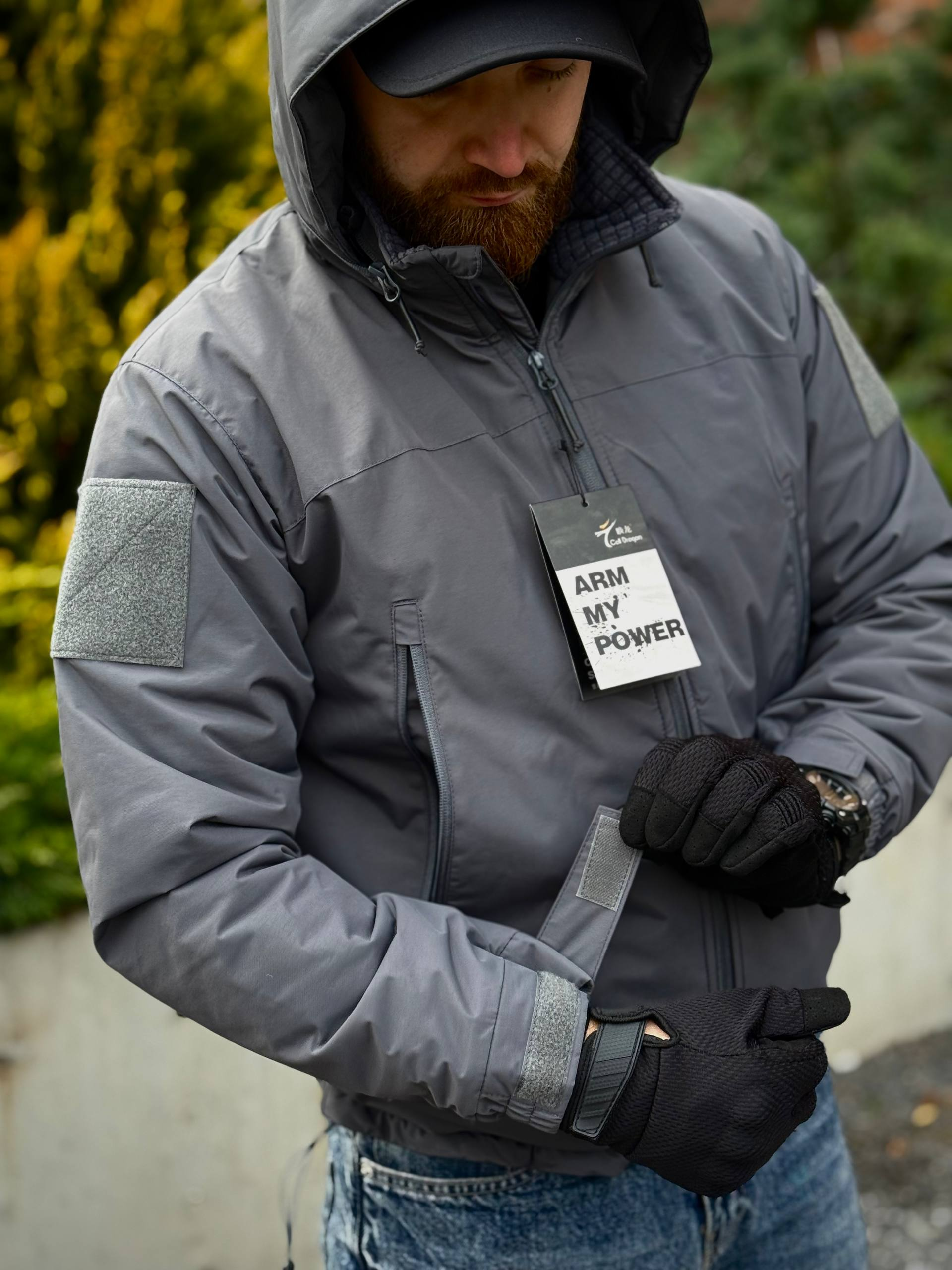
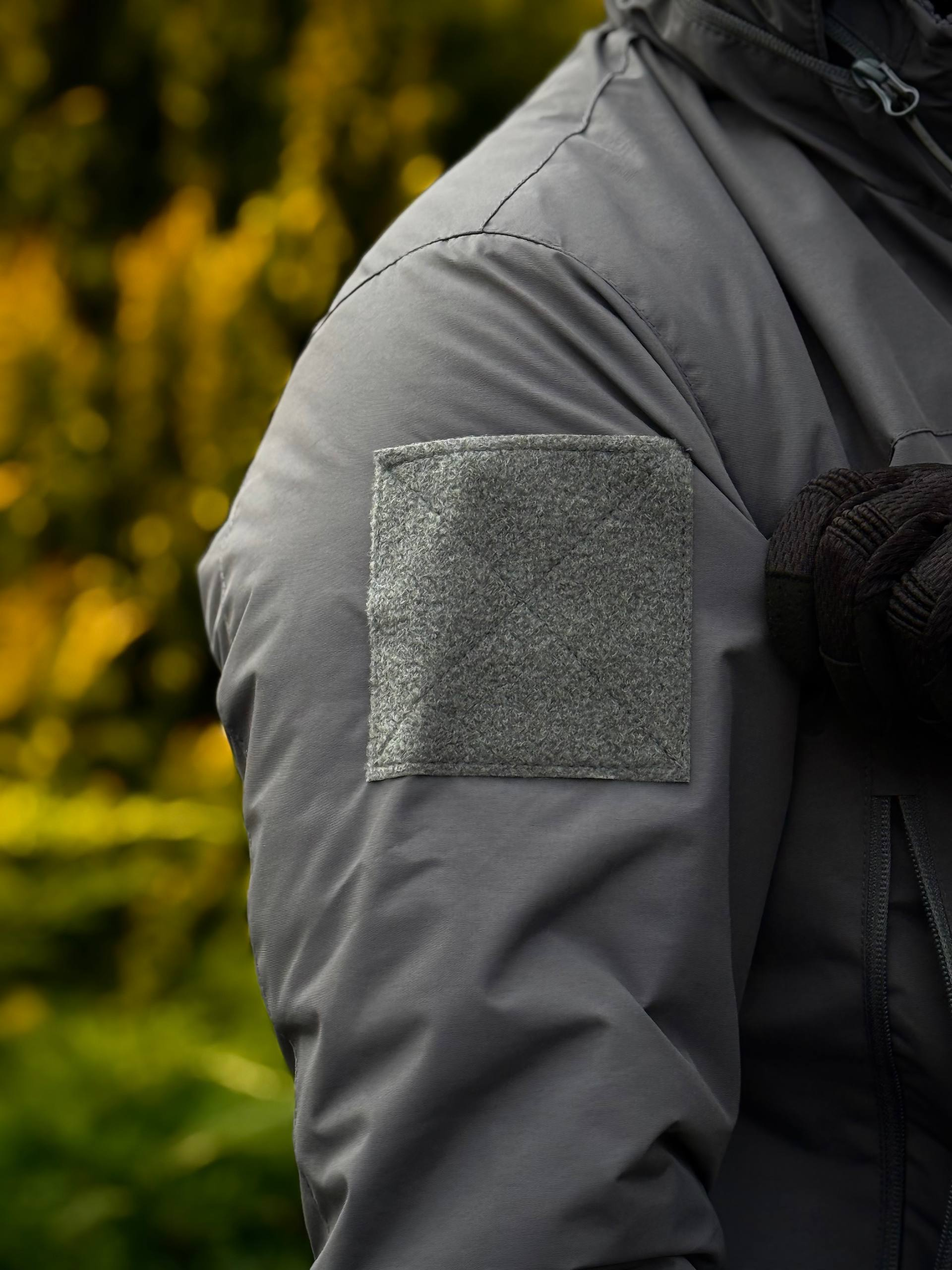
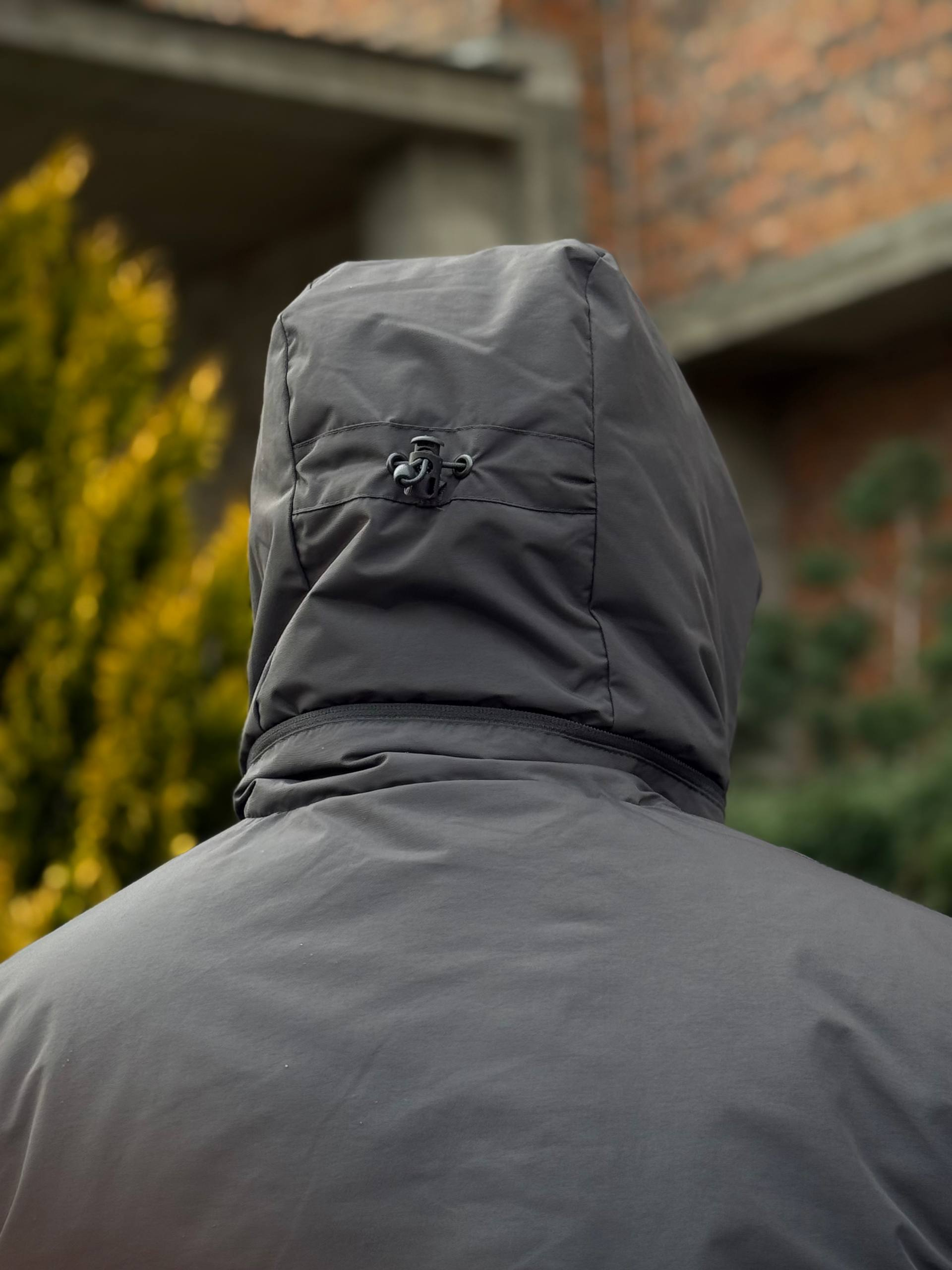
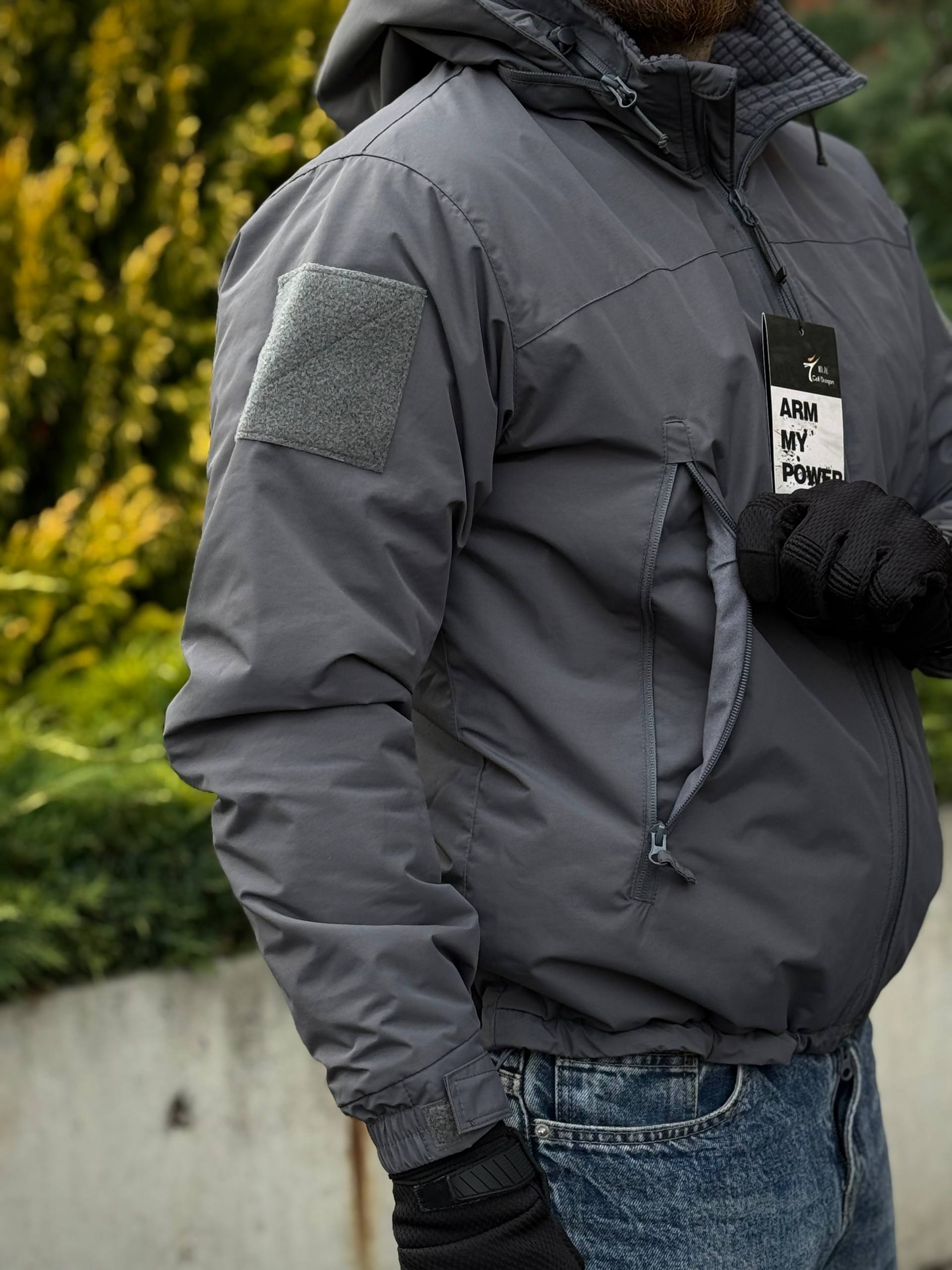
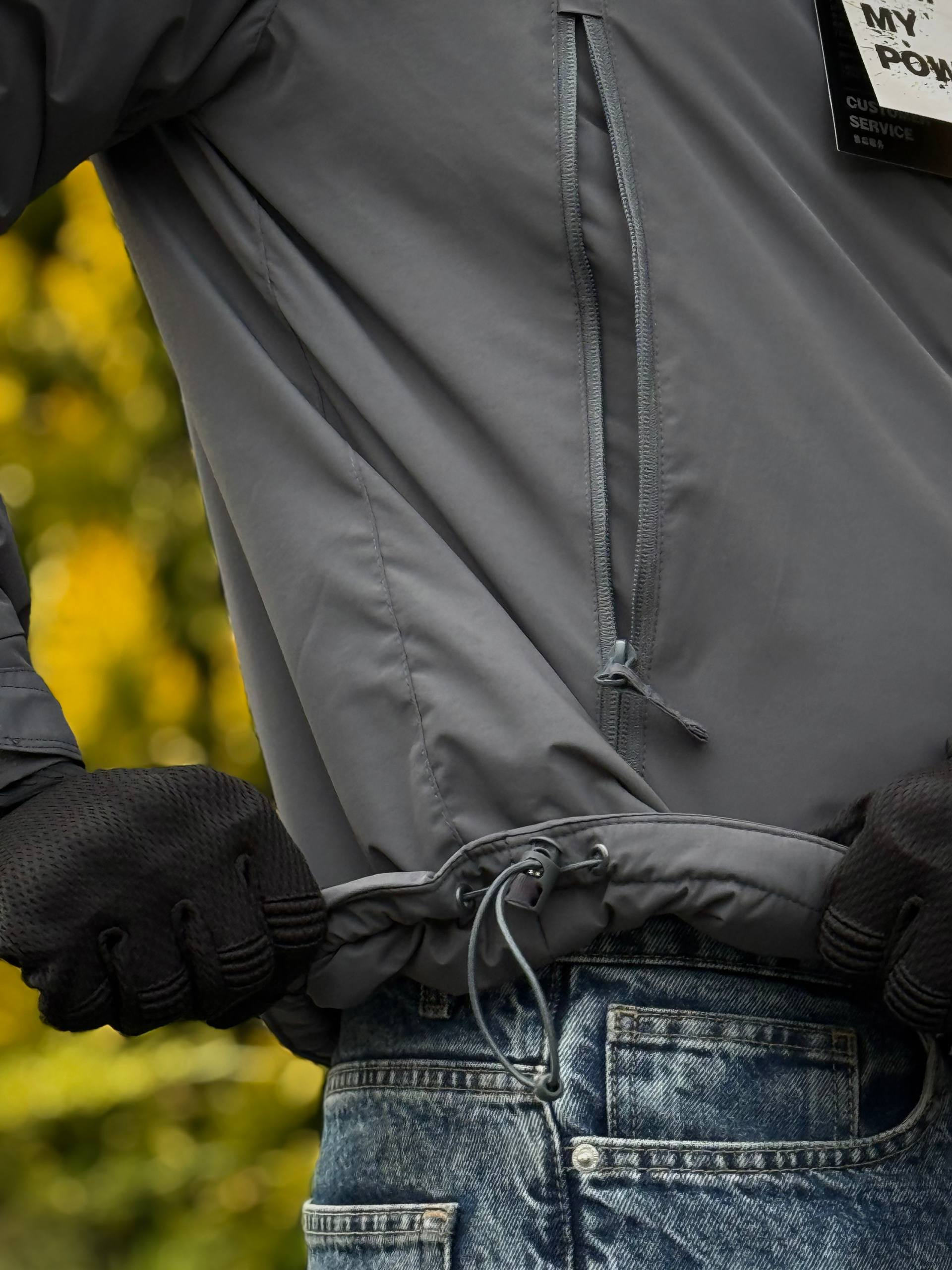
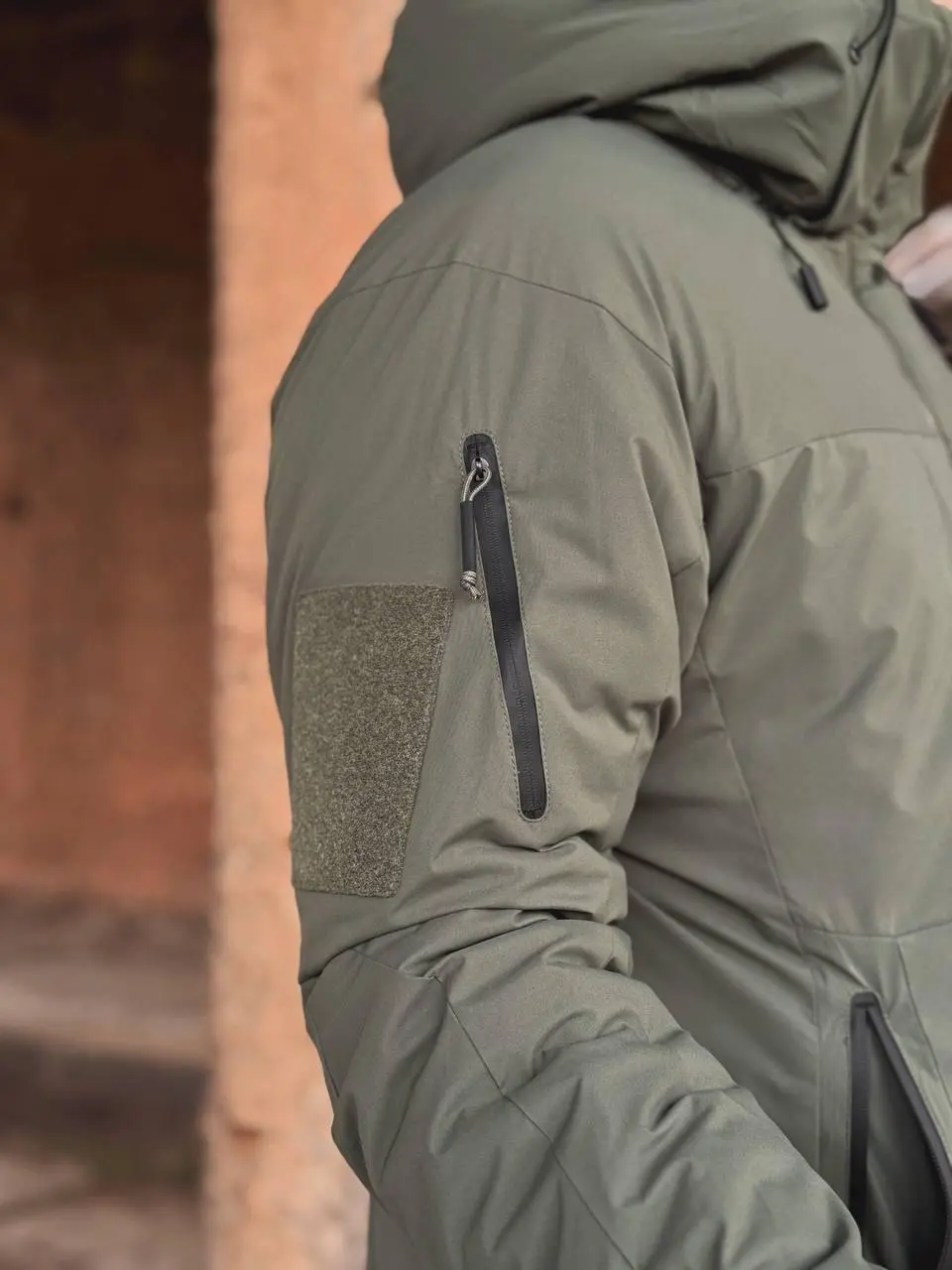
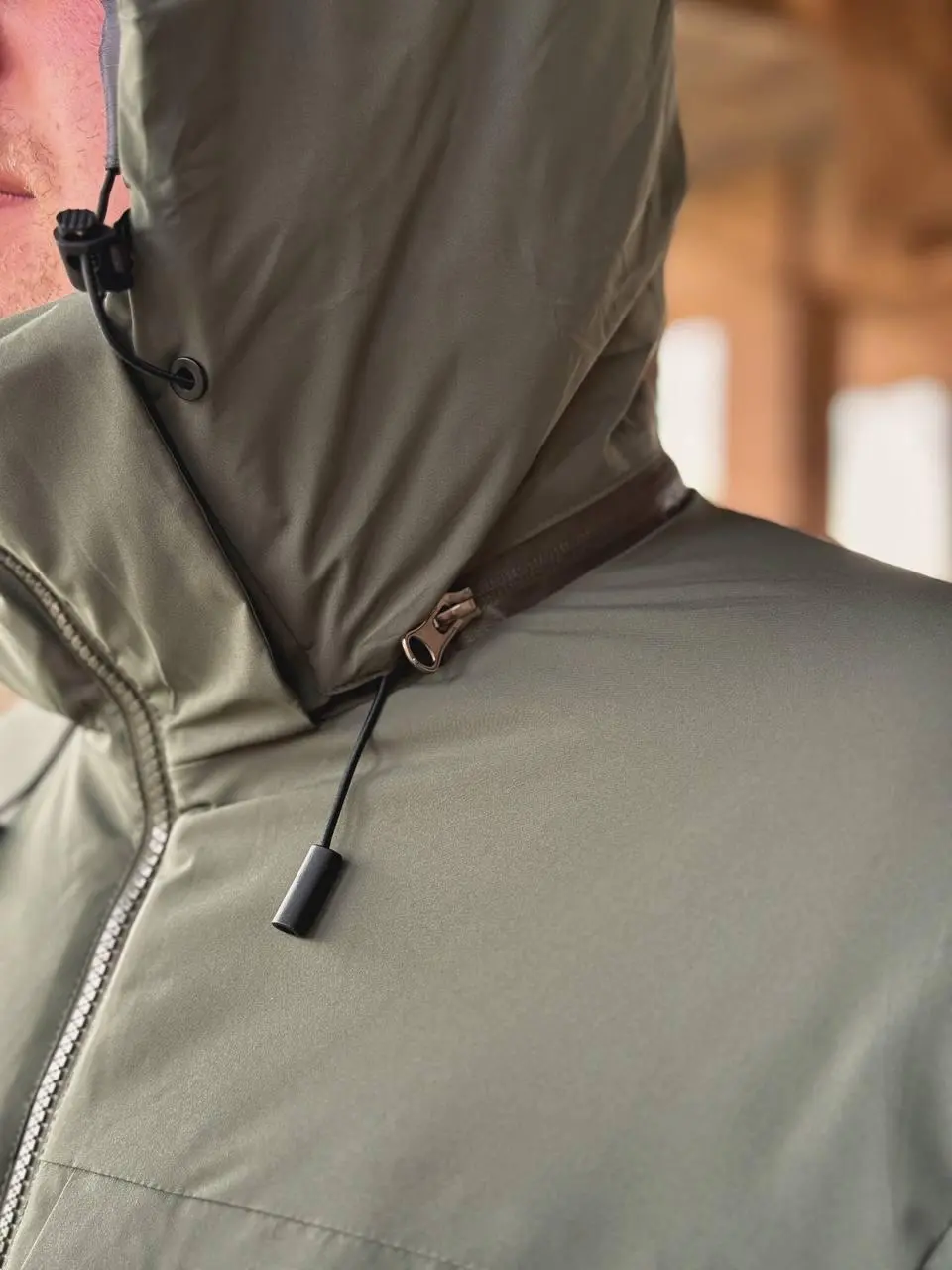
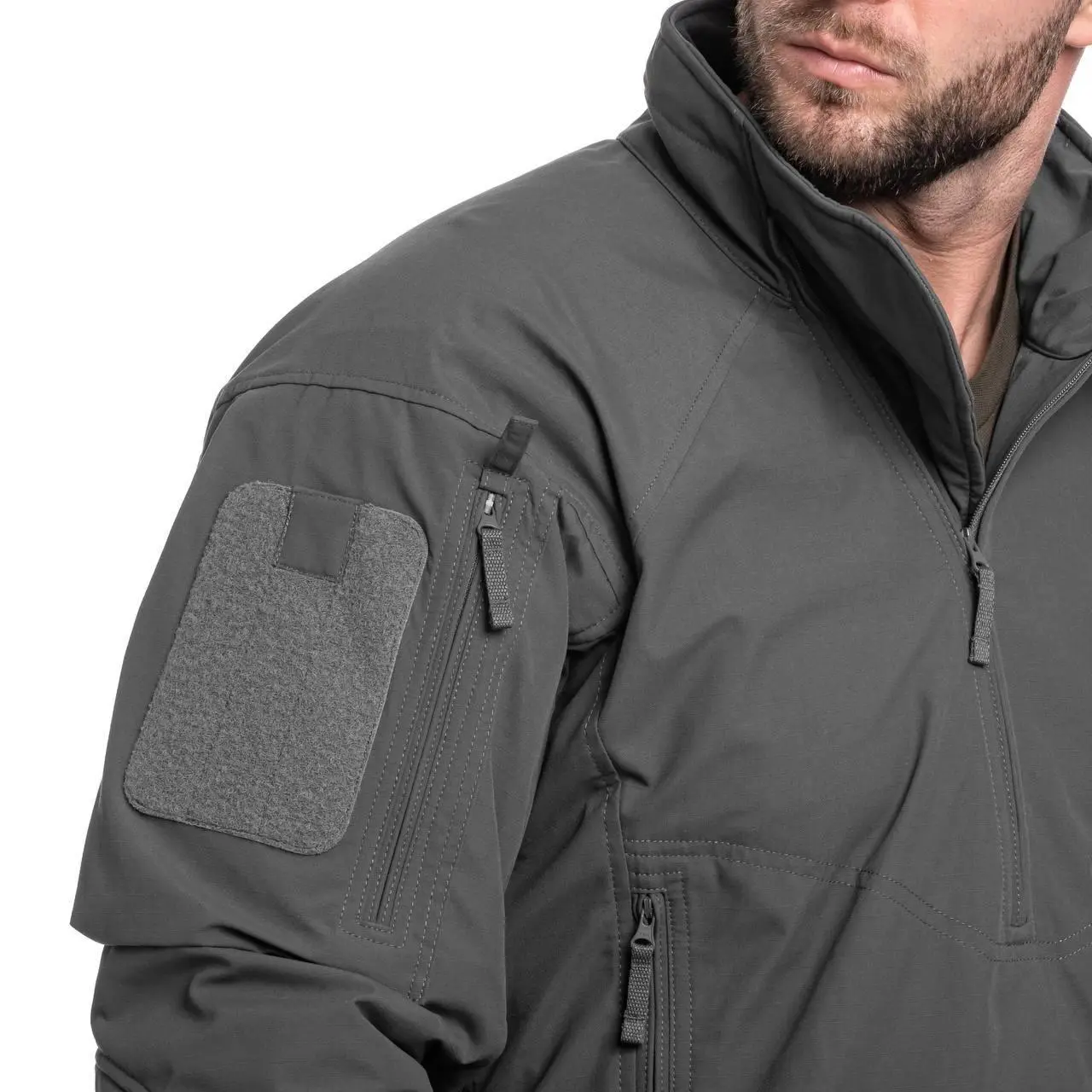
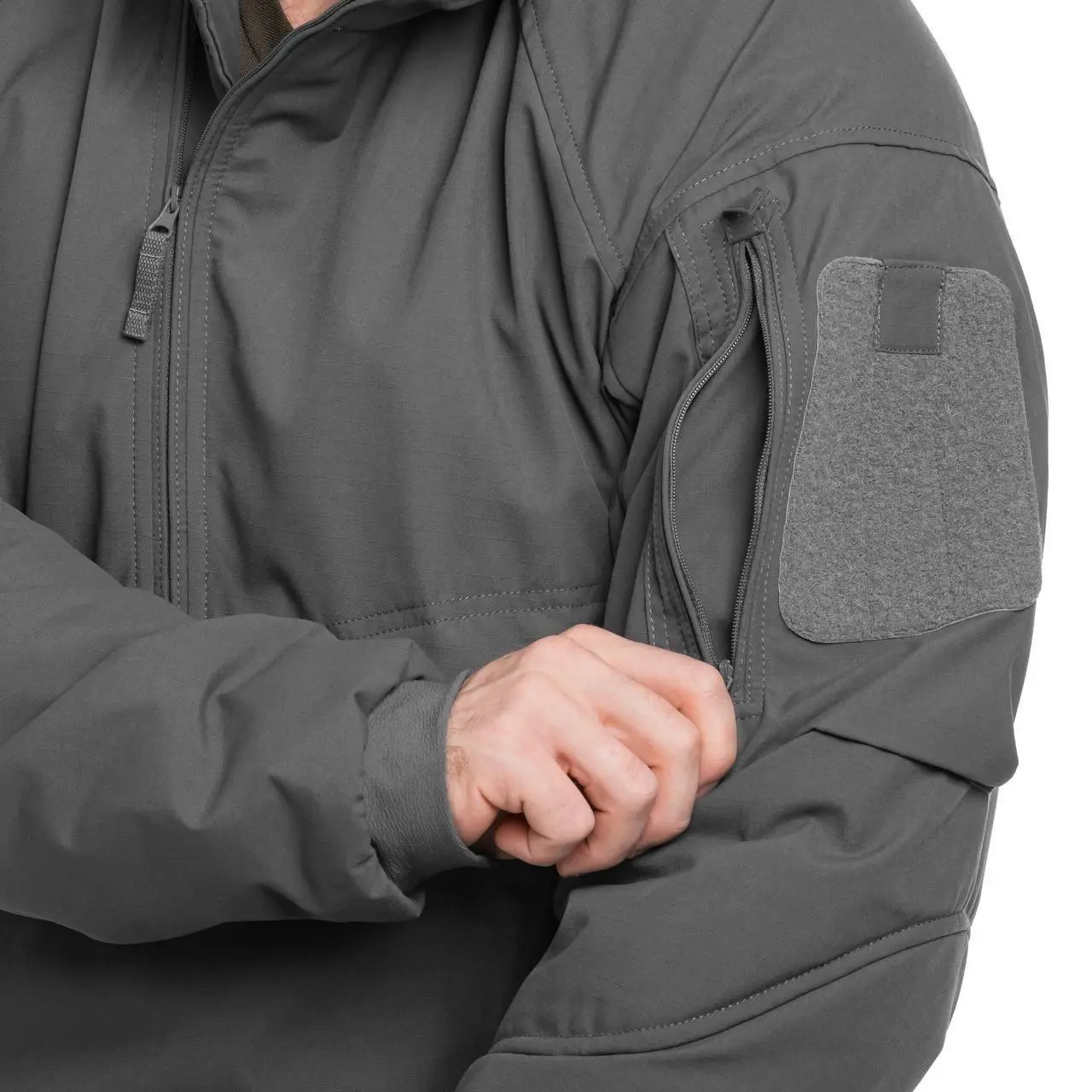
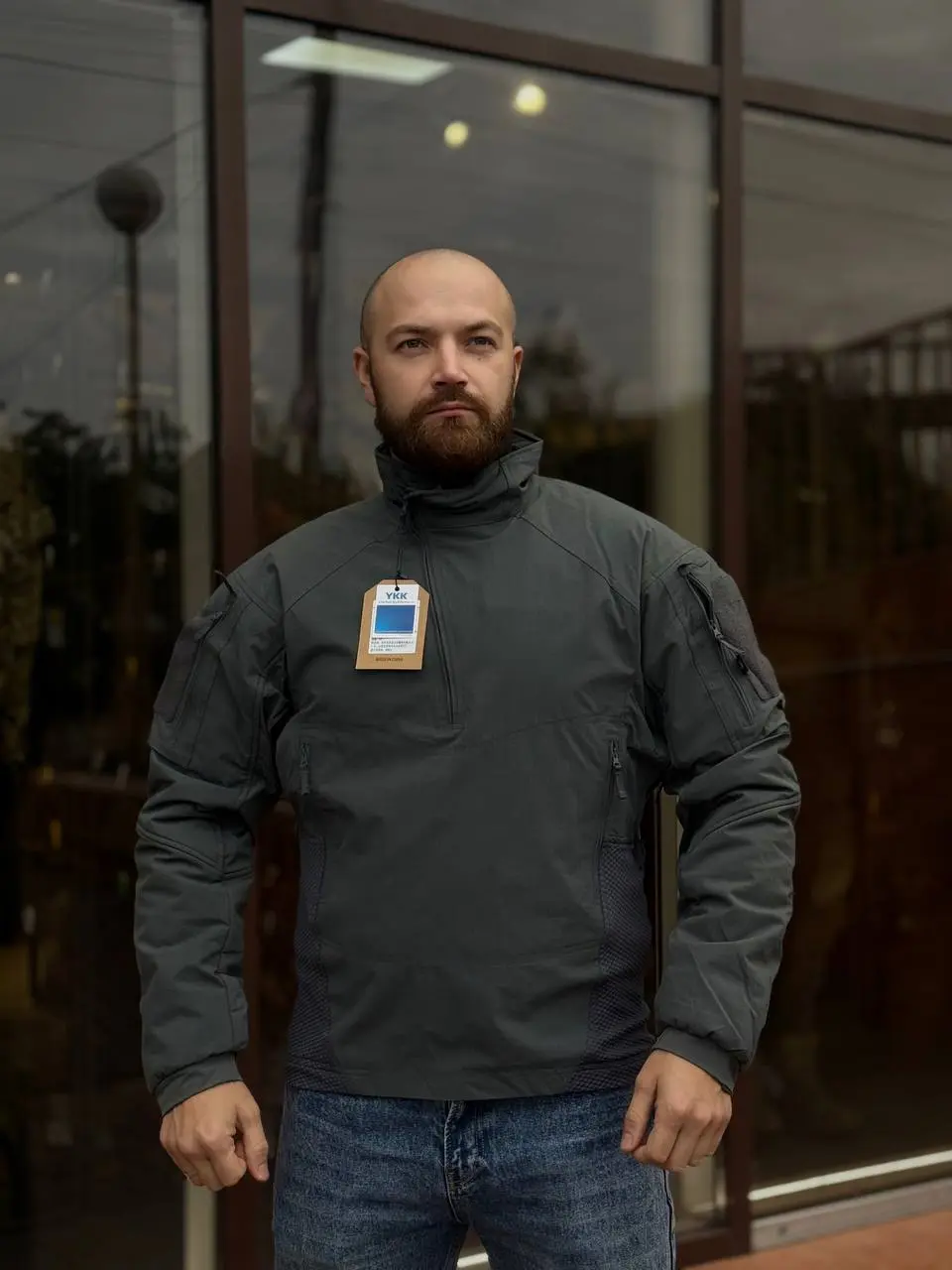
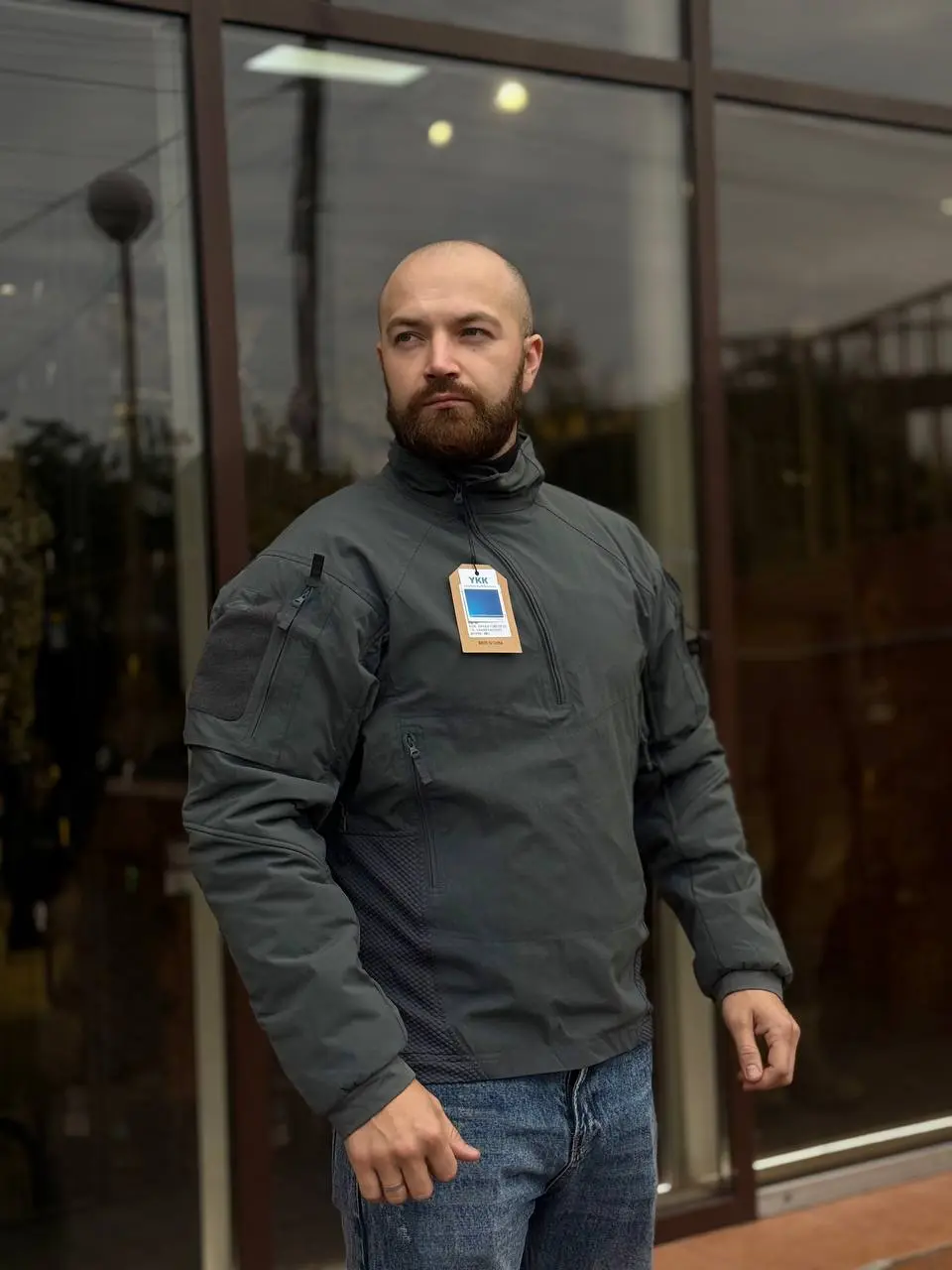
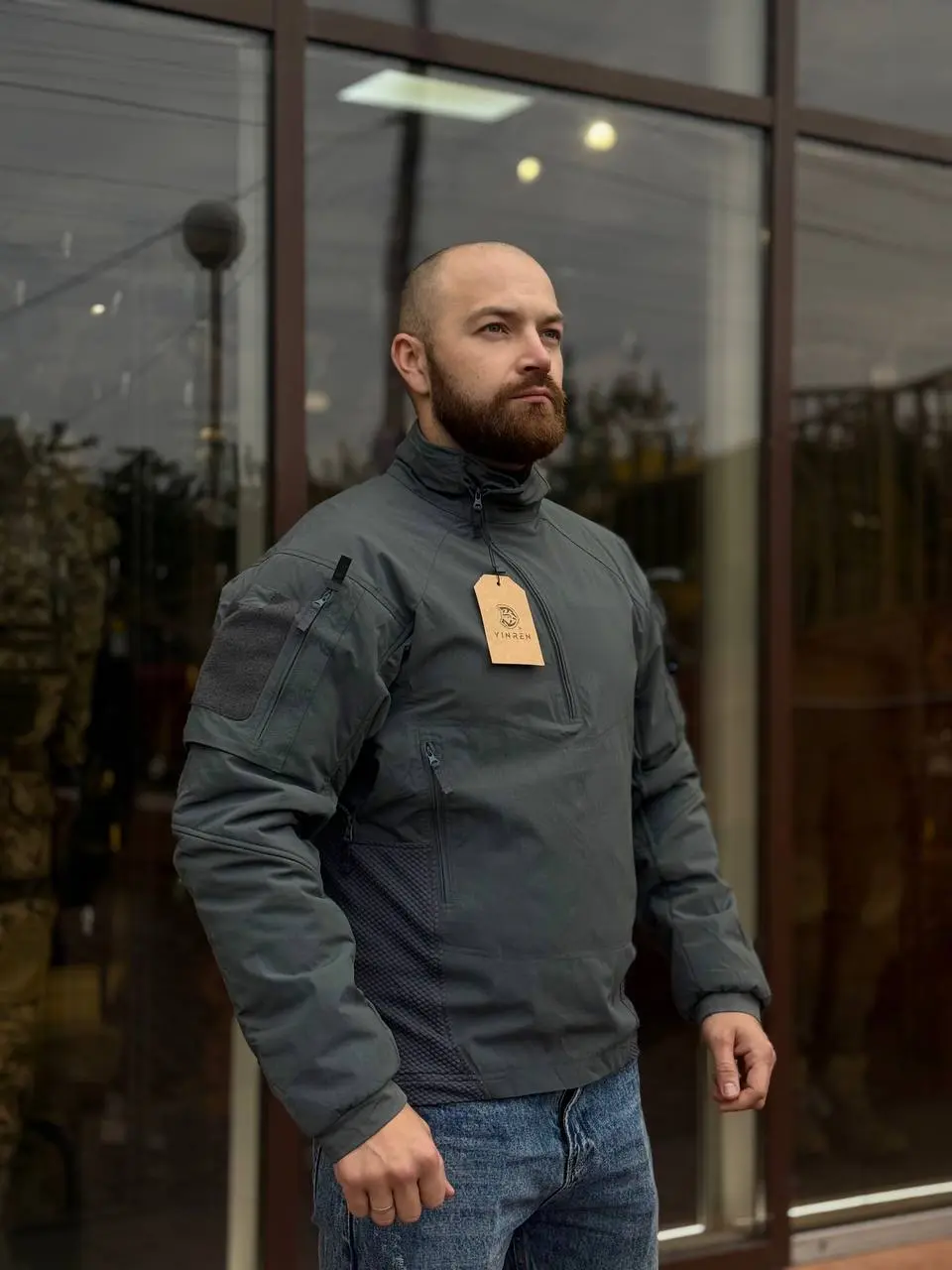
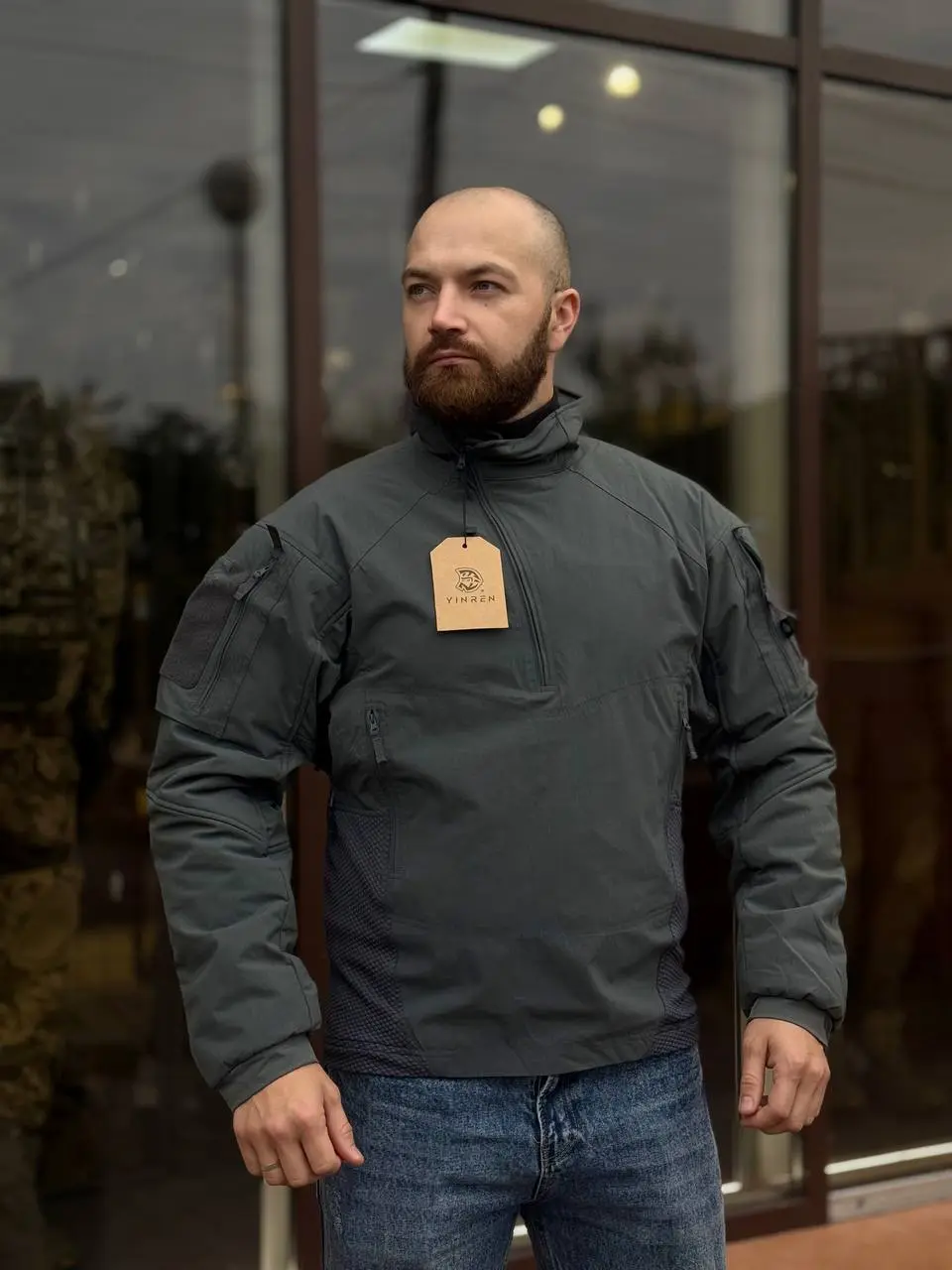
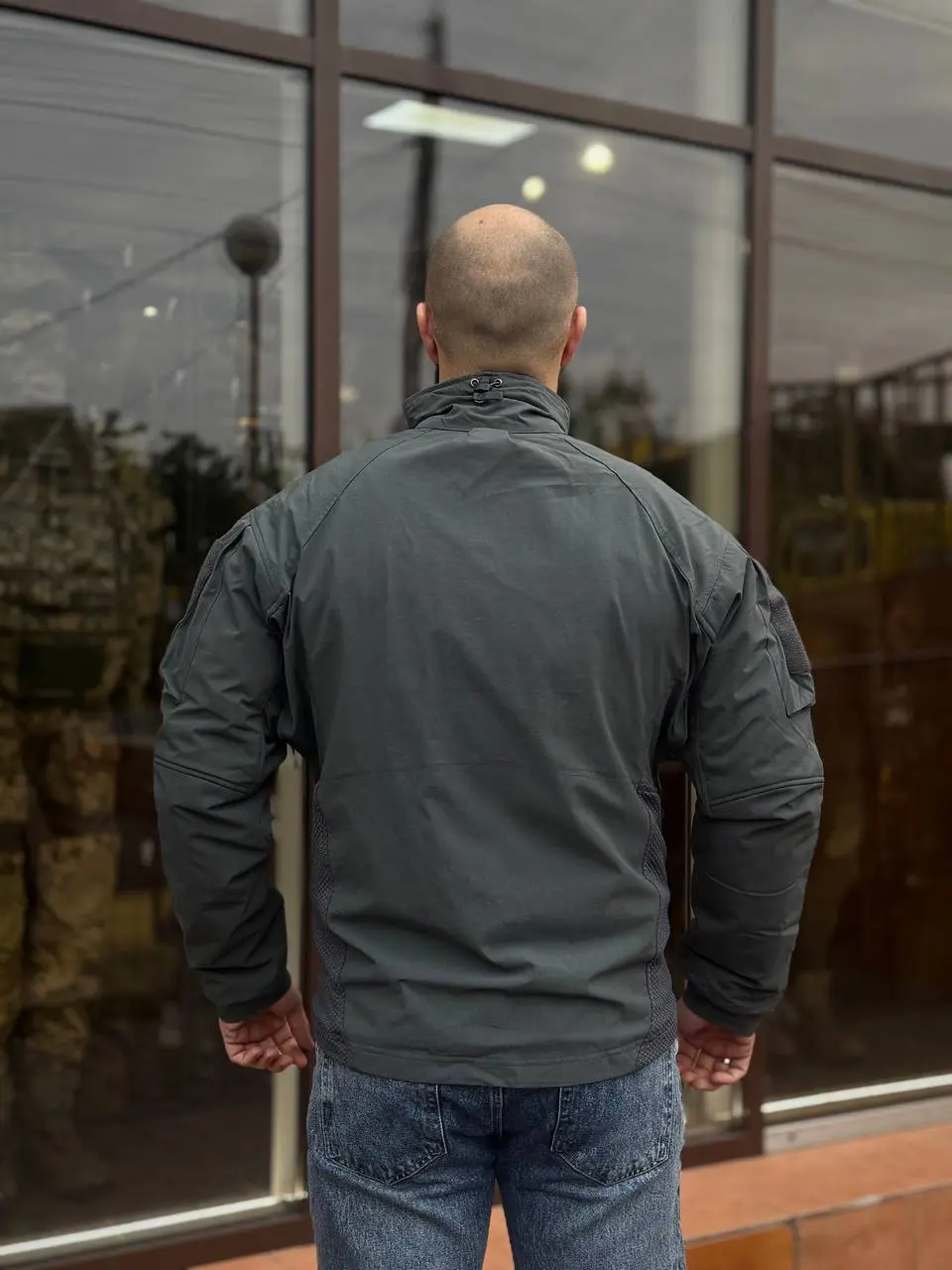
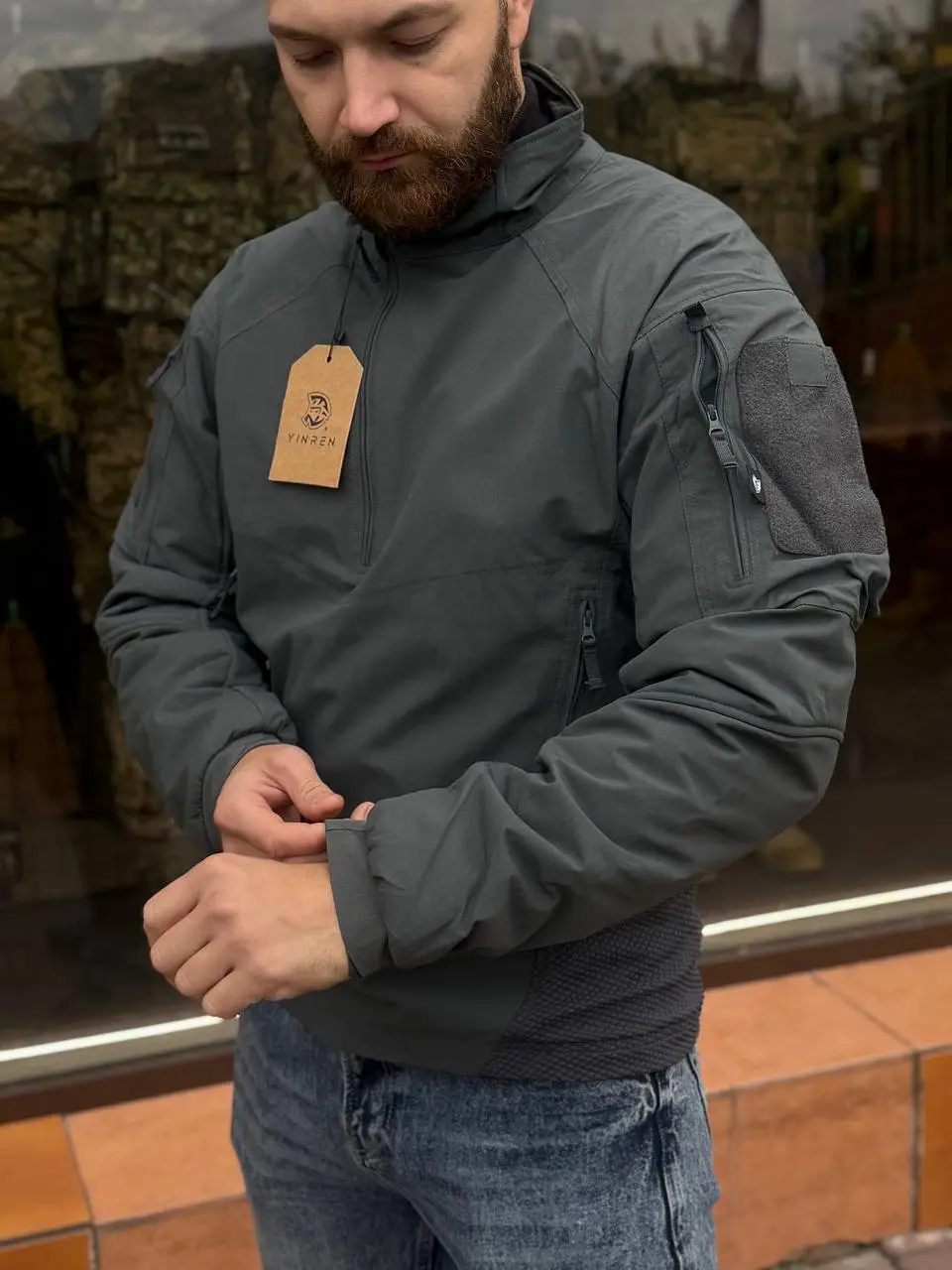
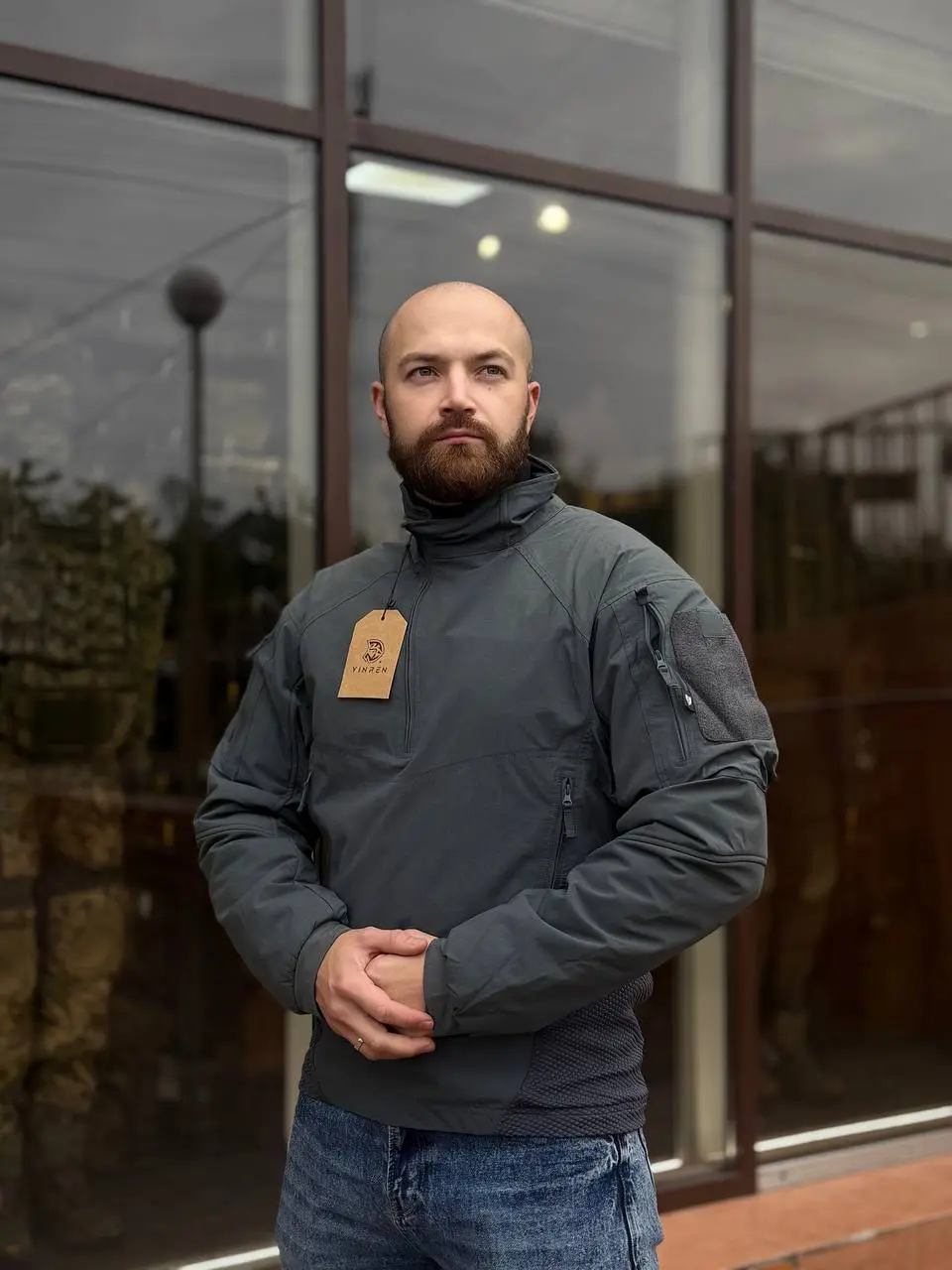
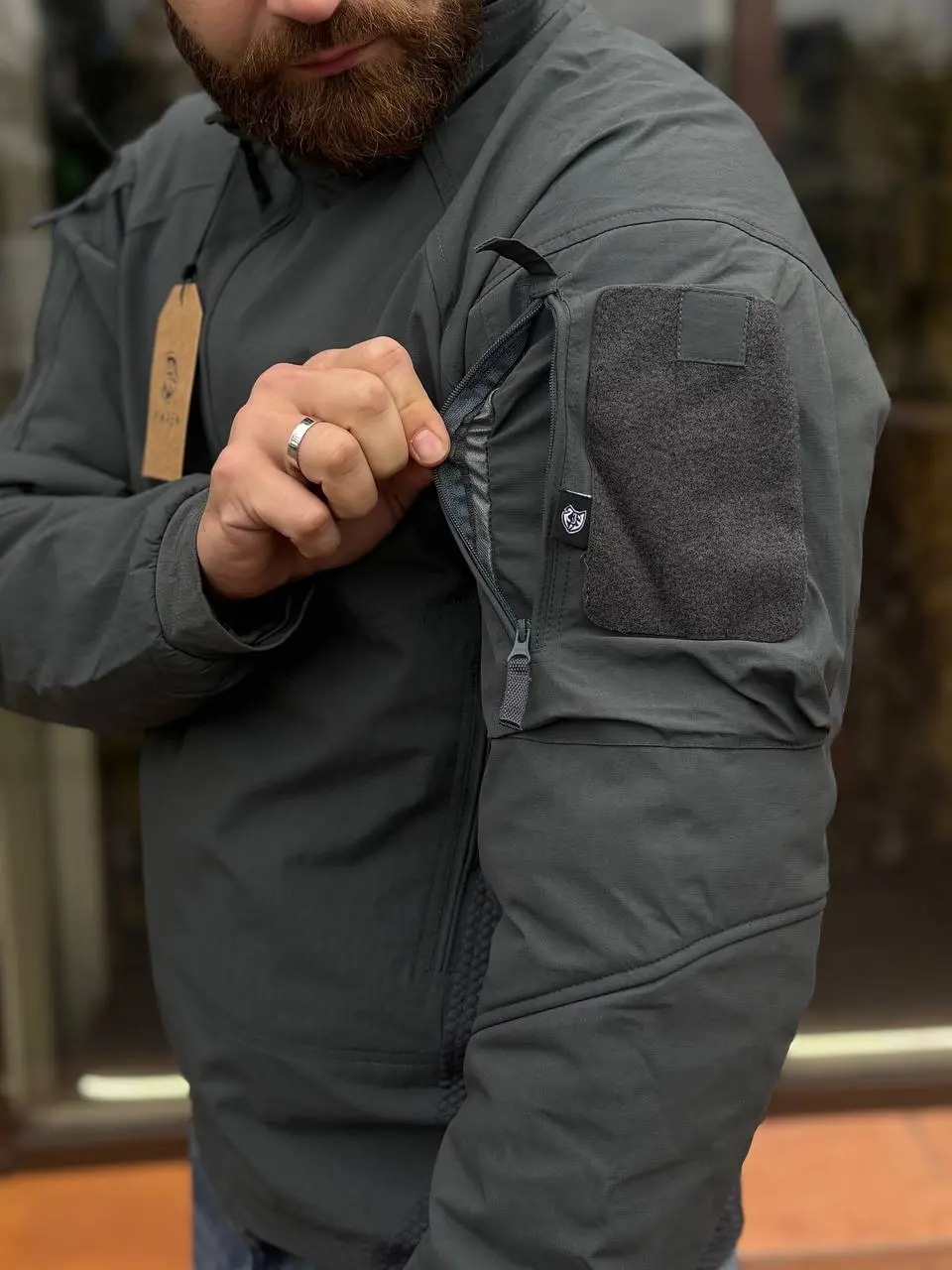
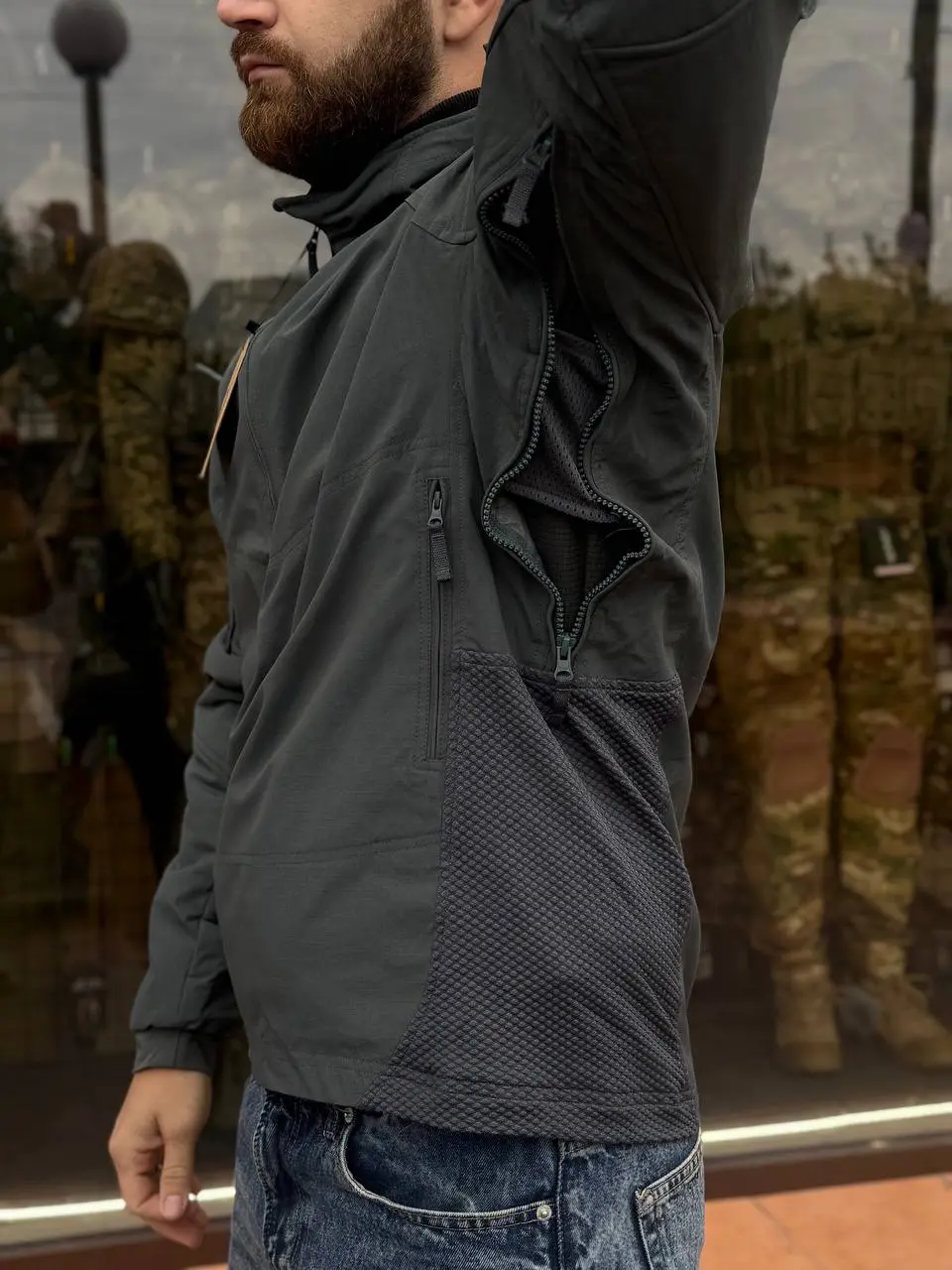
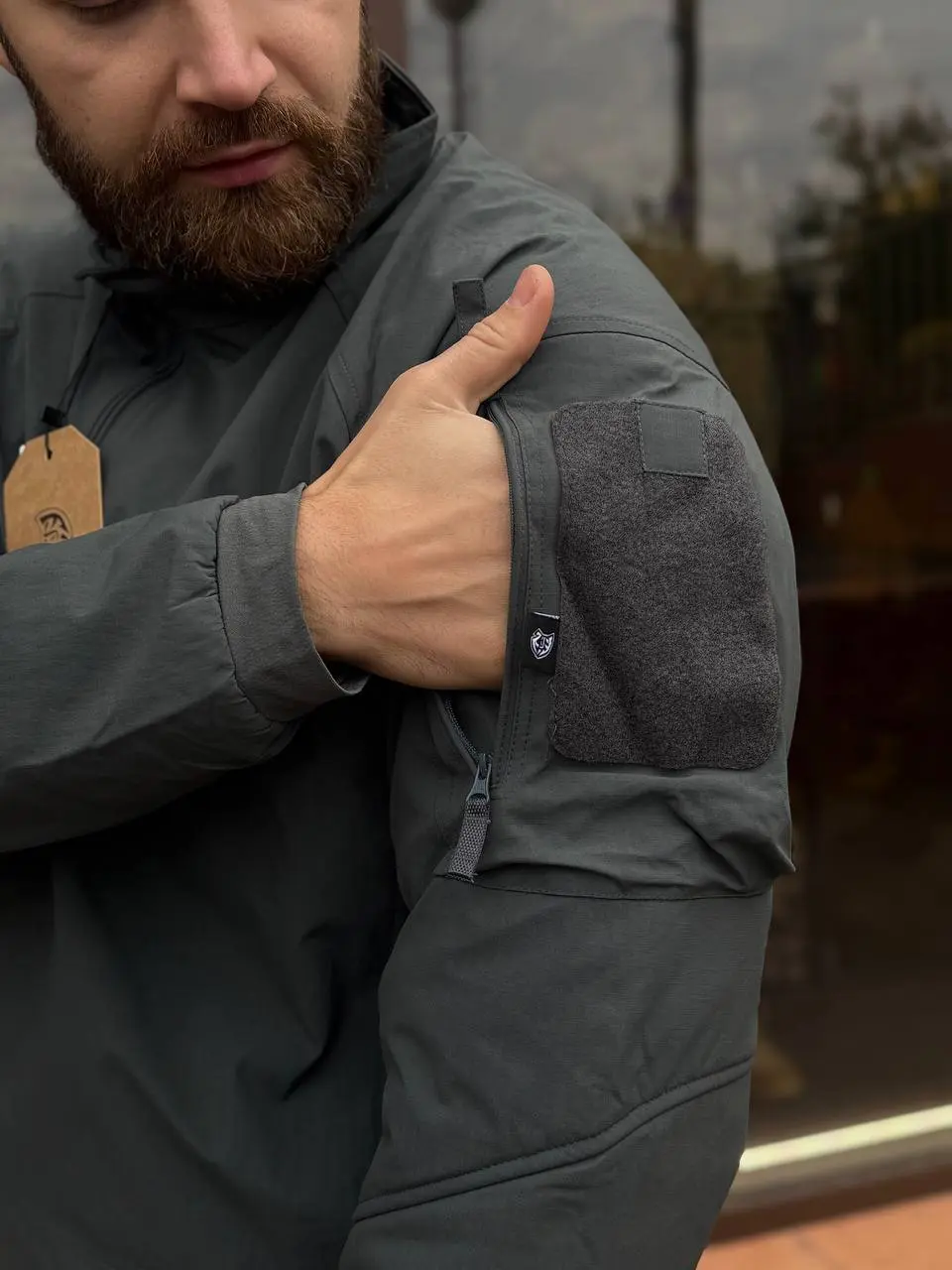
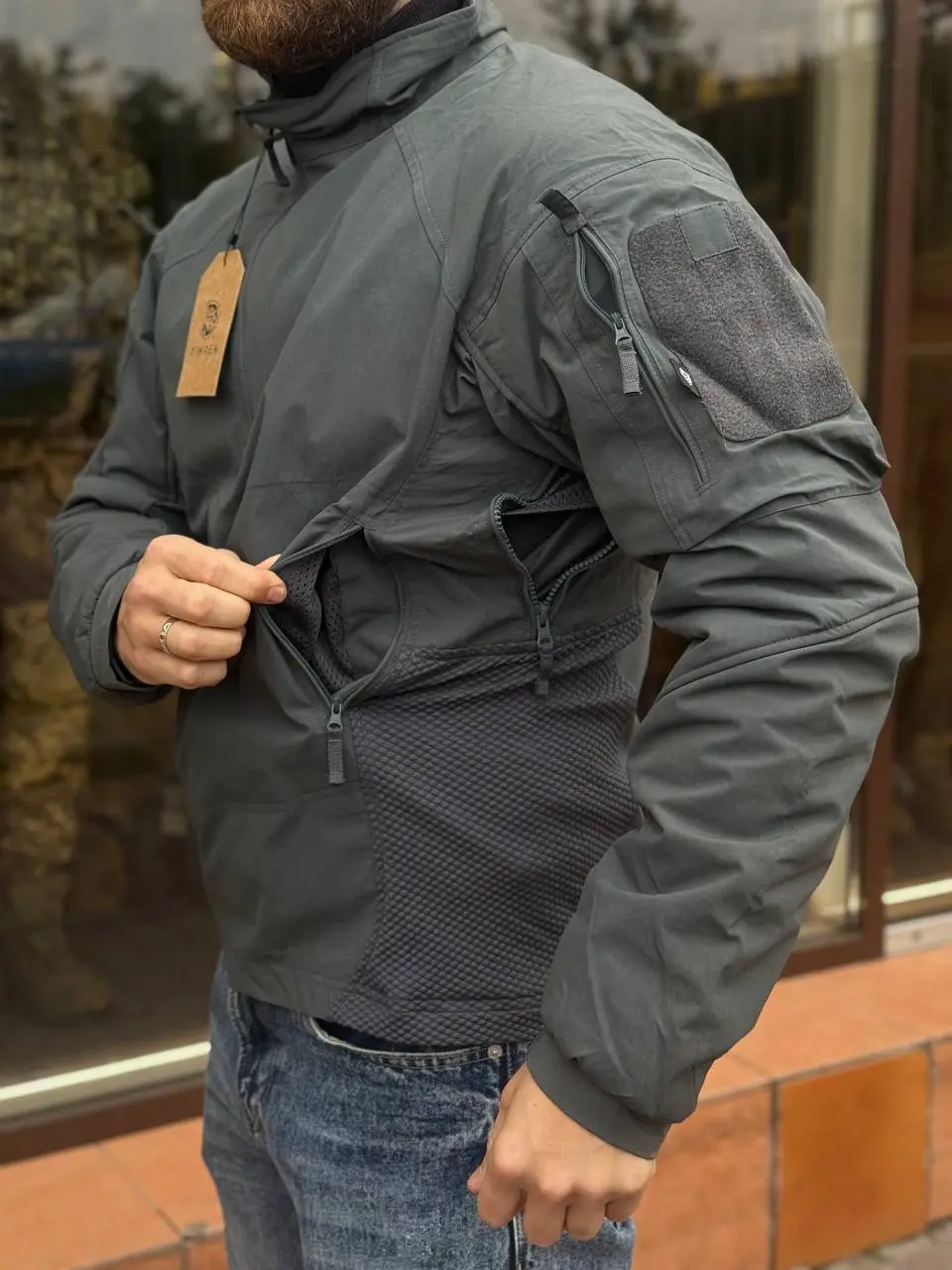
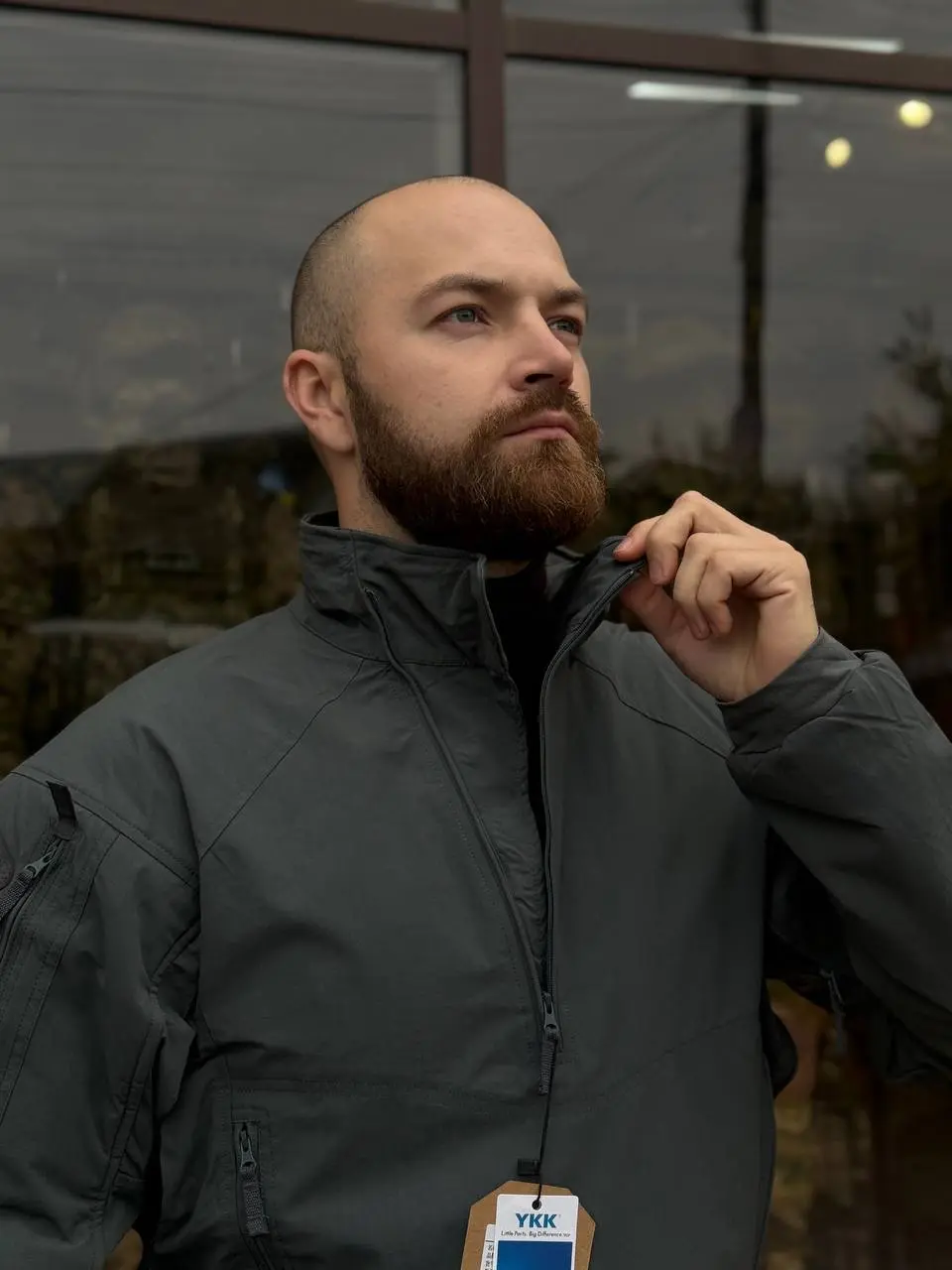
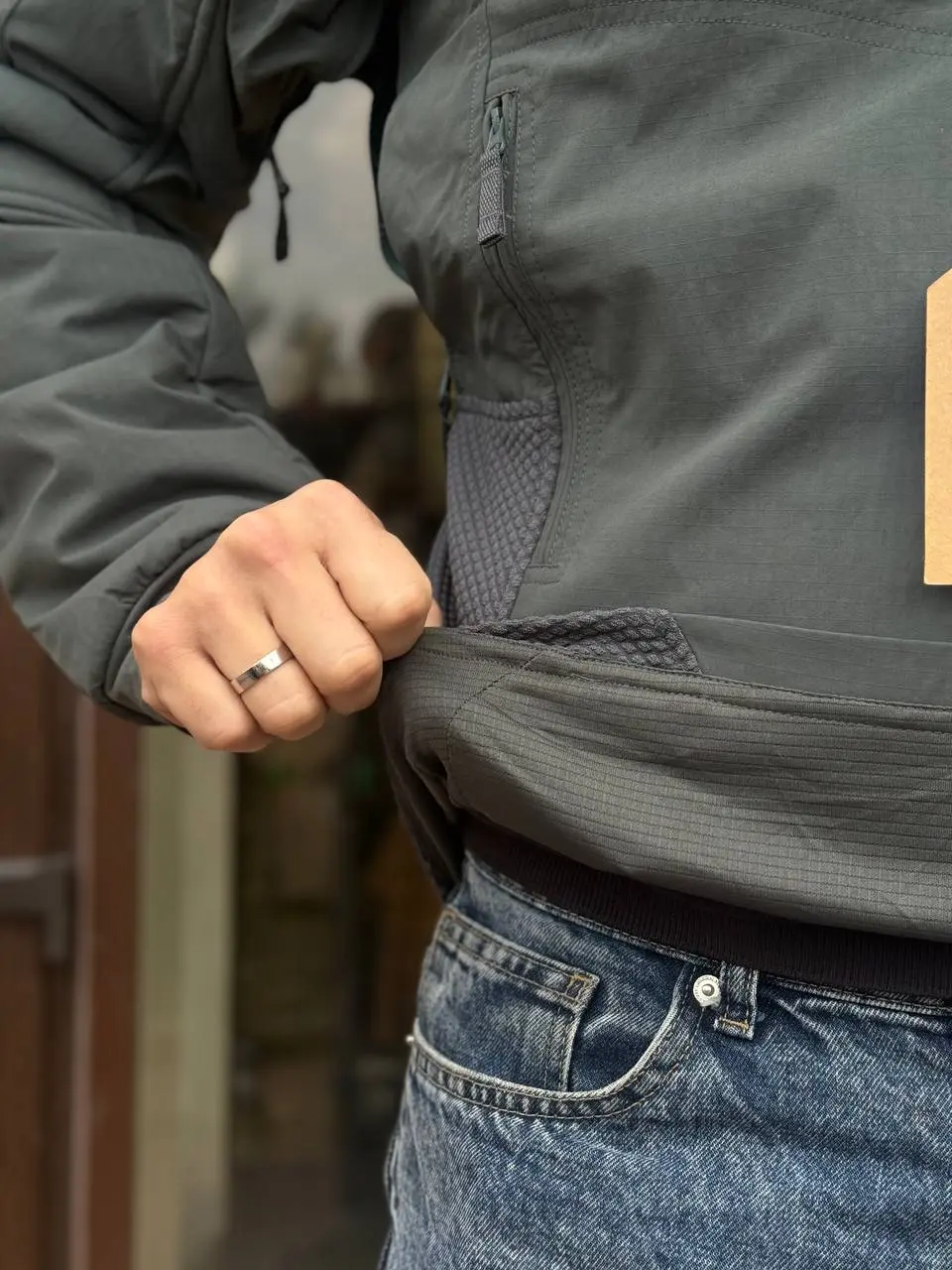
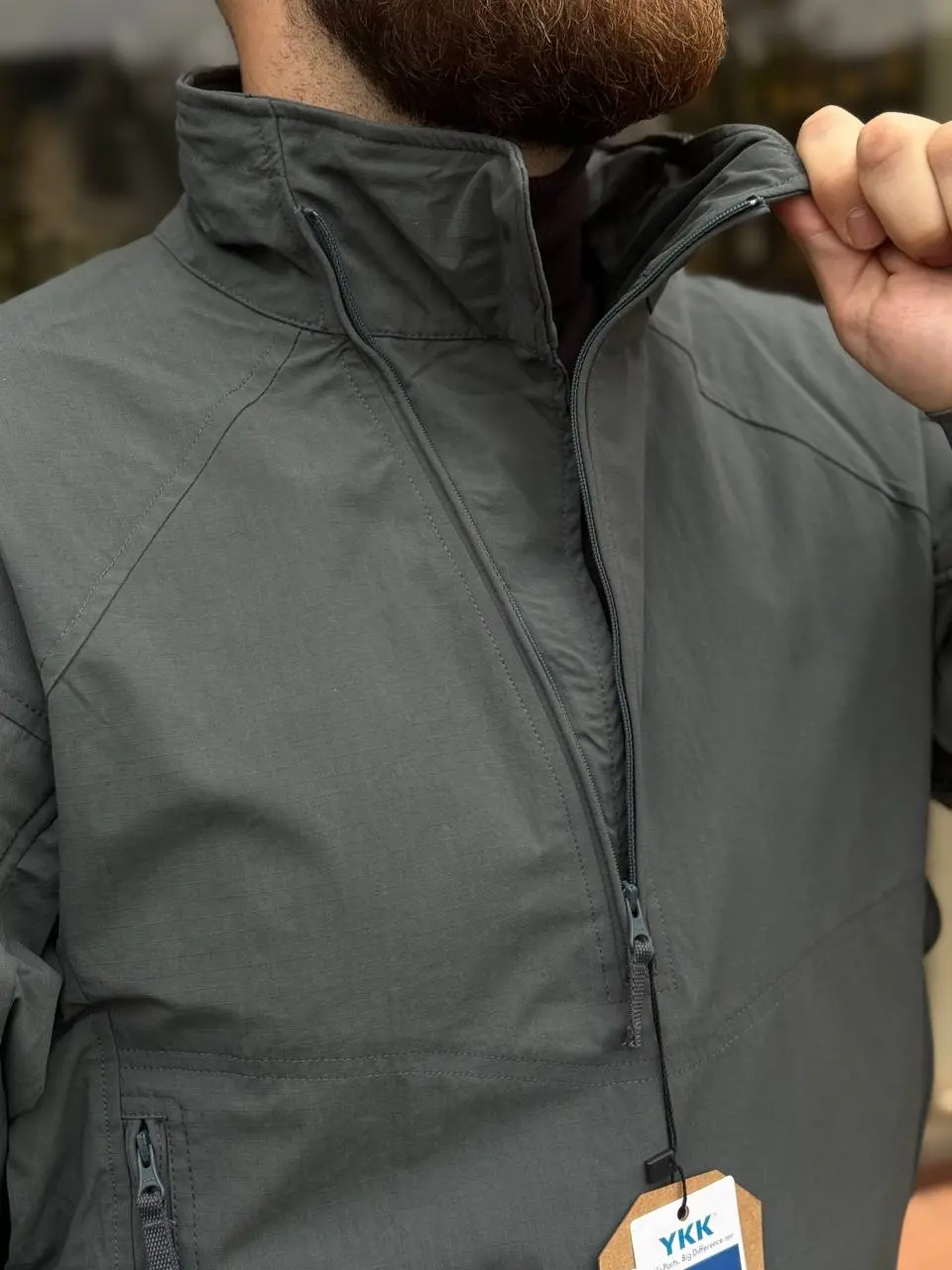
- Black and grey are the most "urban" shades. A grey nylon jacket Call Dragon Model L-7 or a black fleece-lined Energy suit look like ordinary transitional-season clothing.
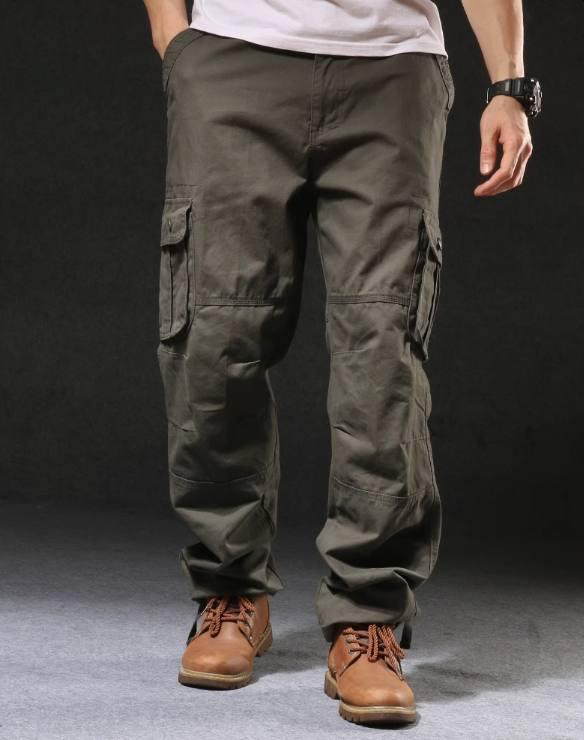
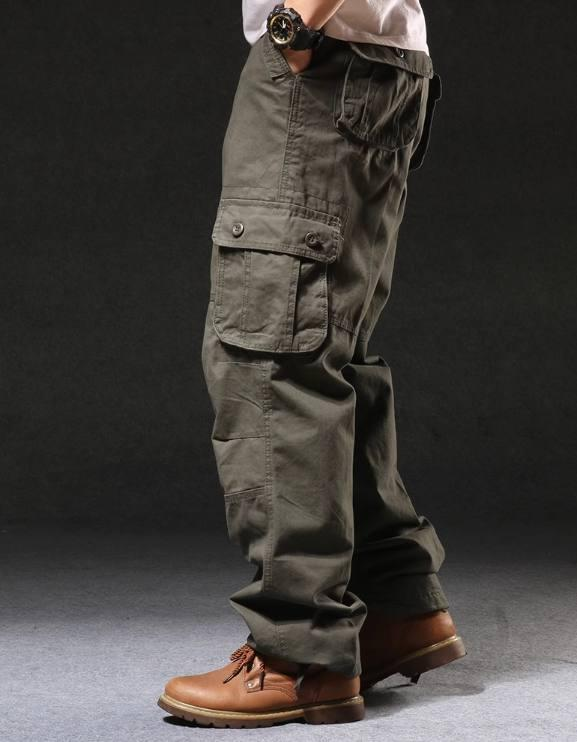
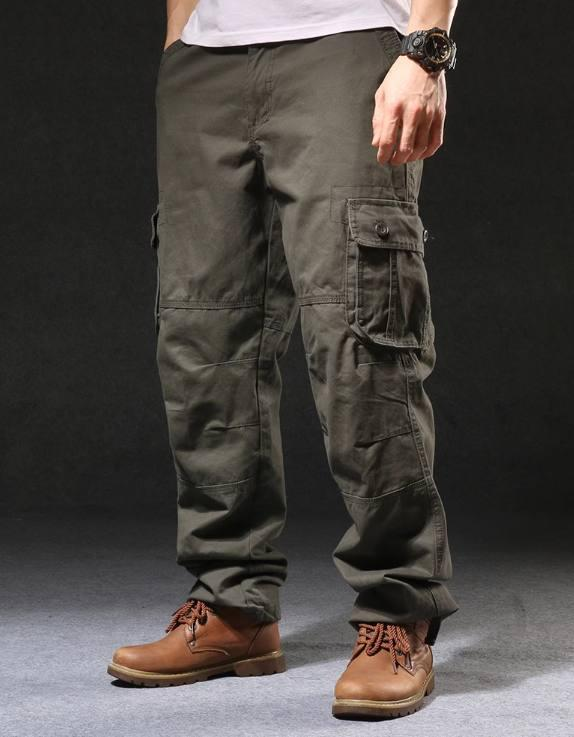
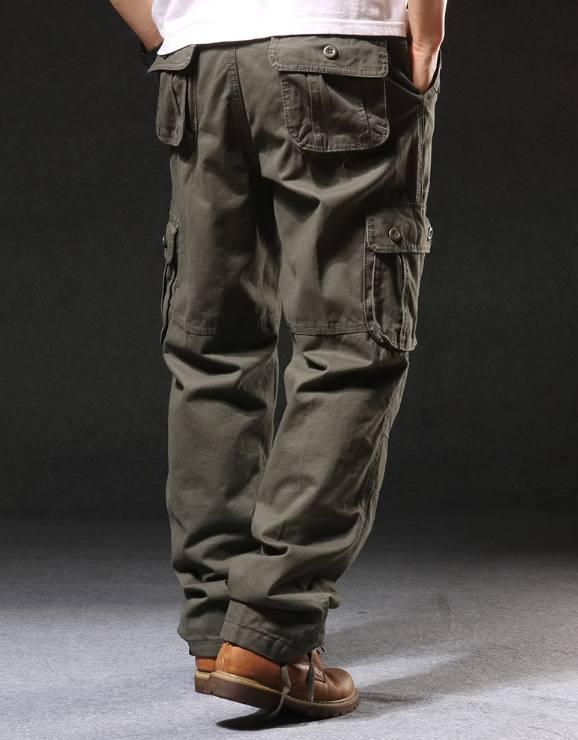
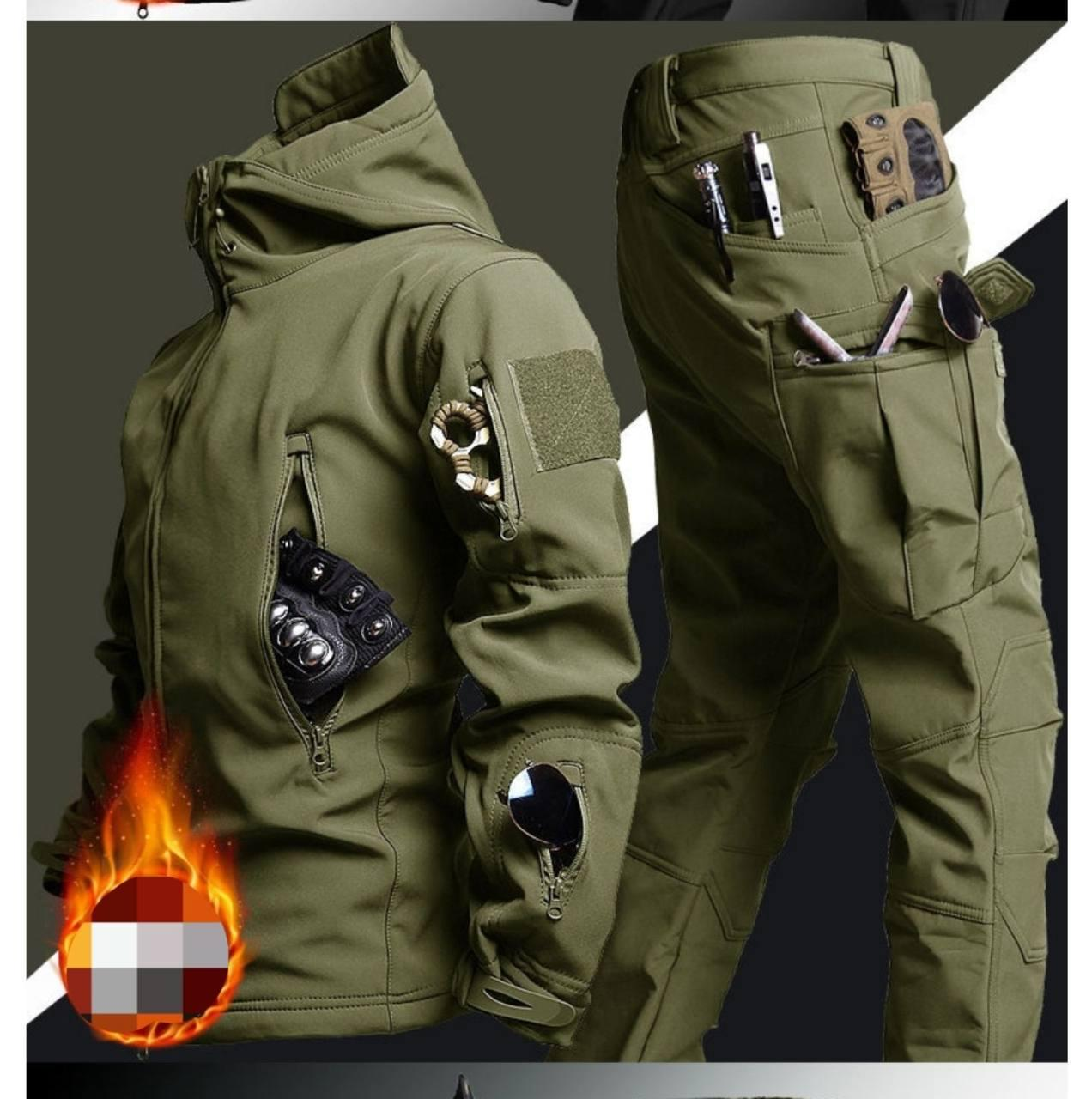
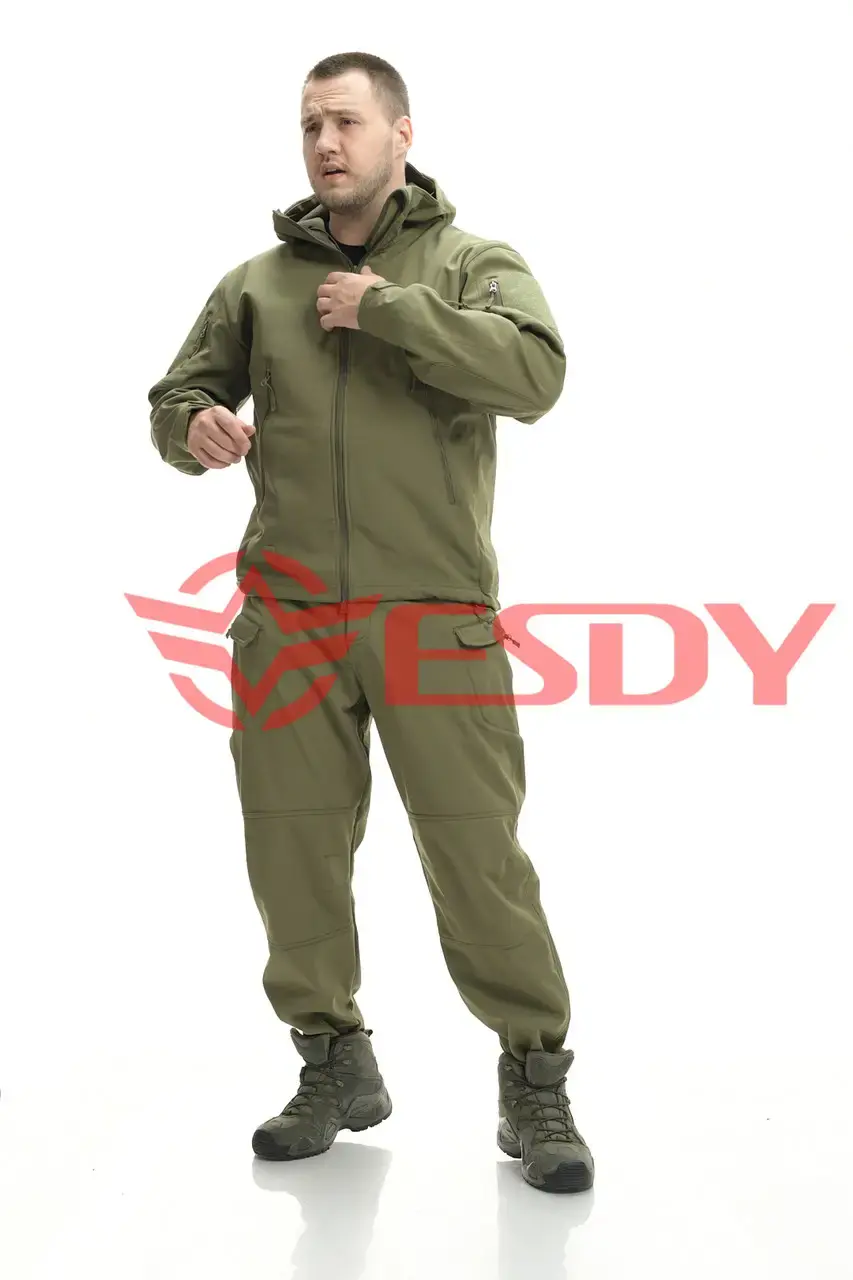
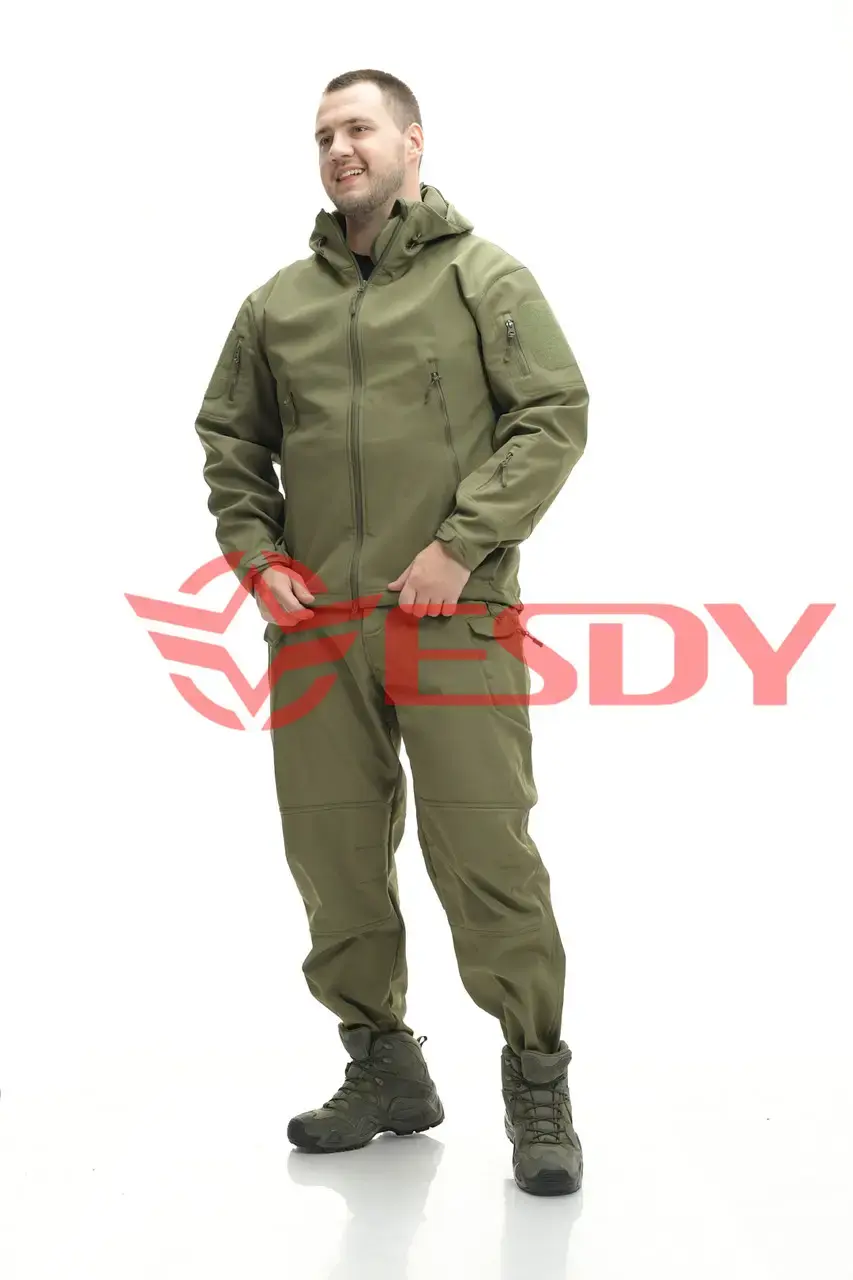
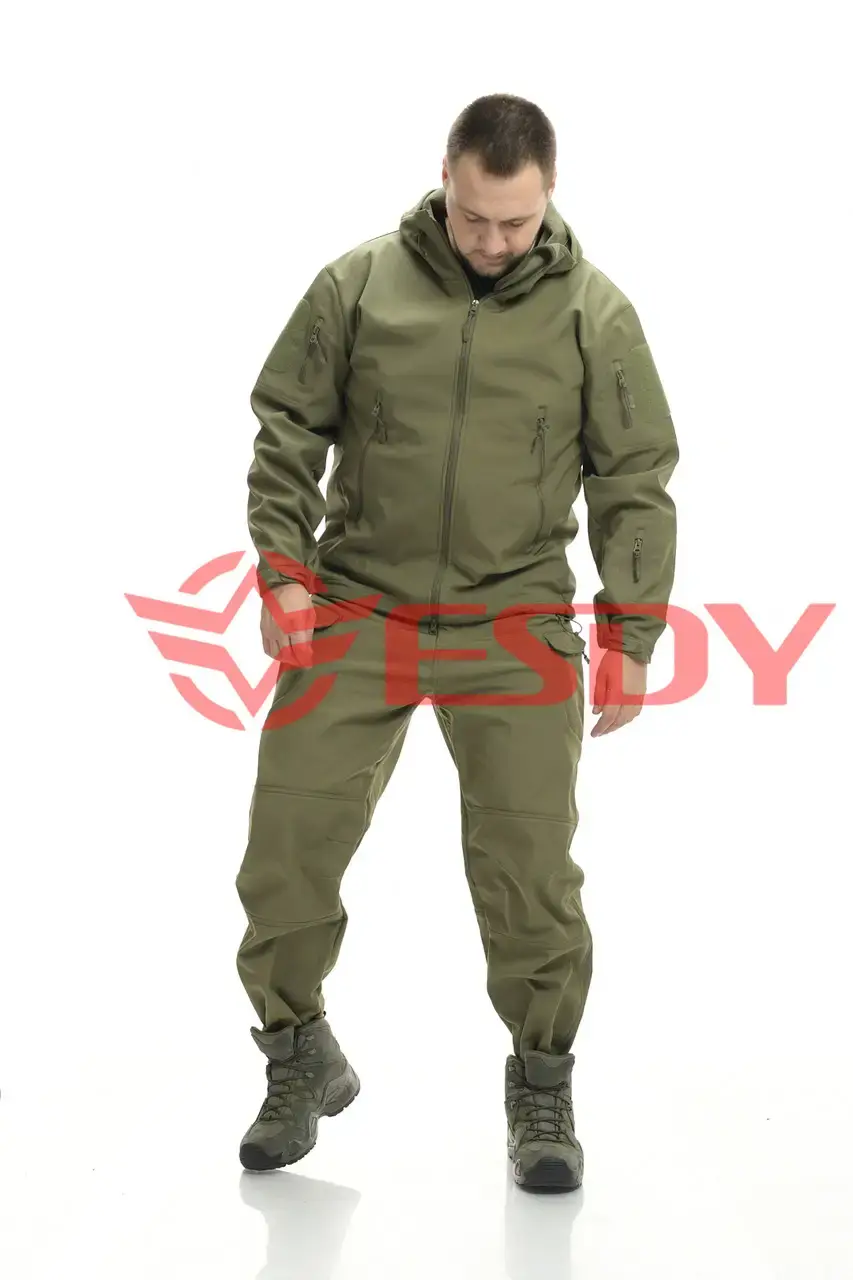
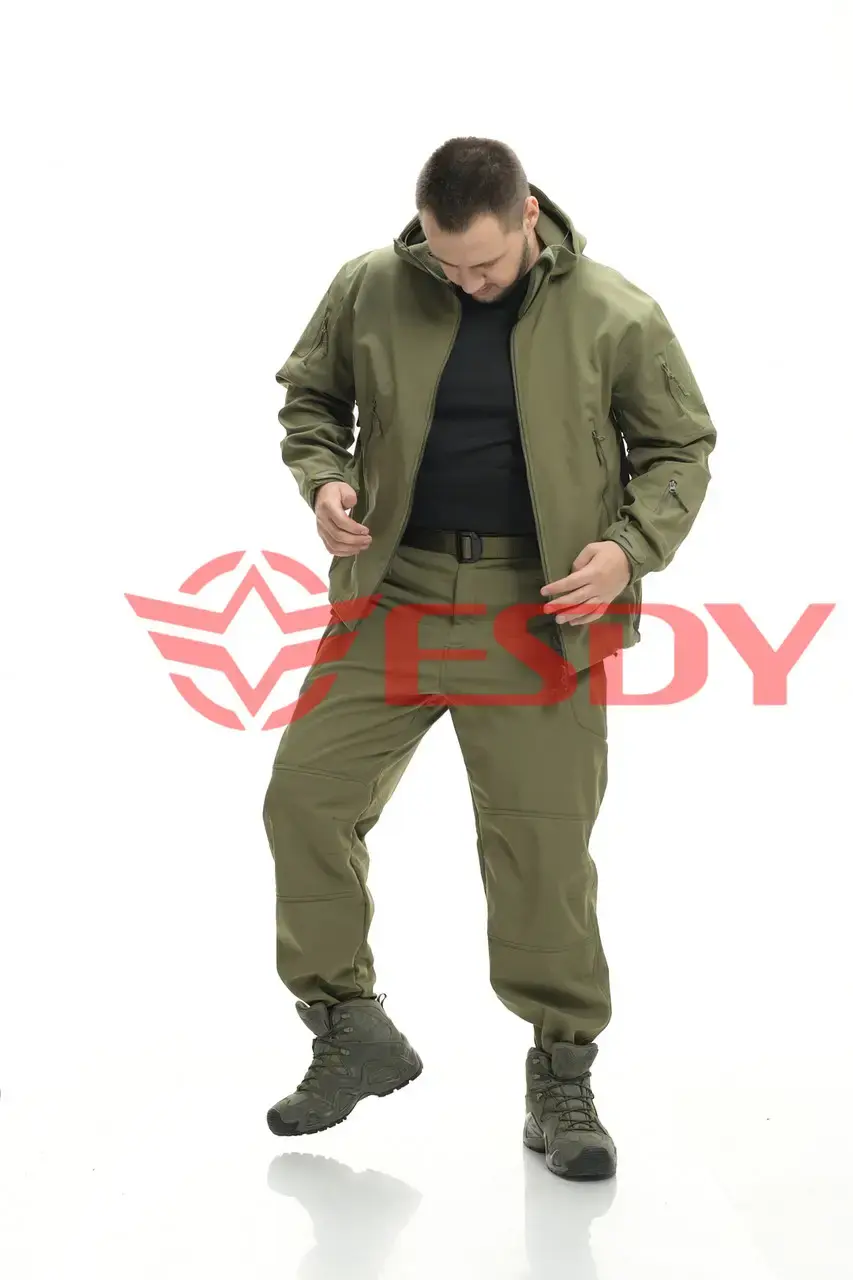
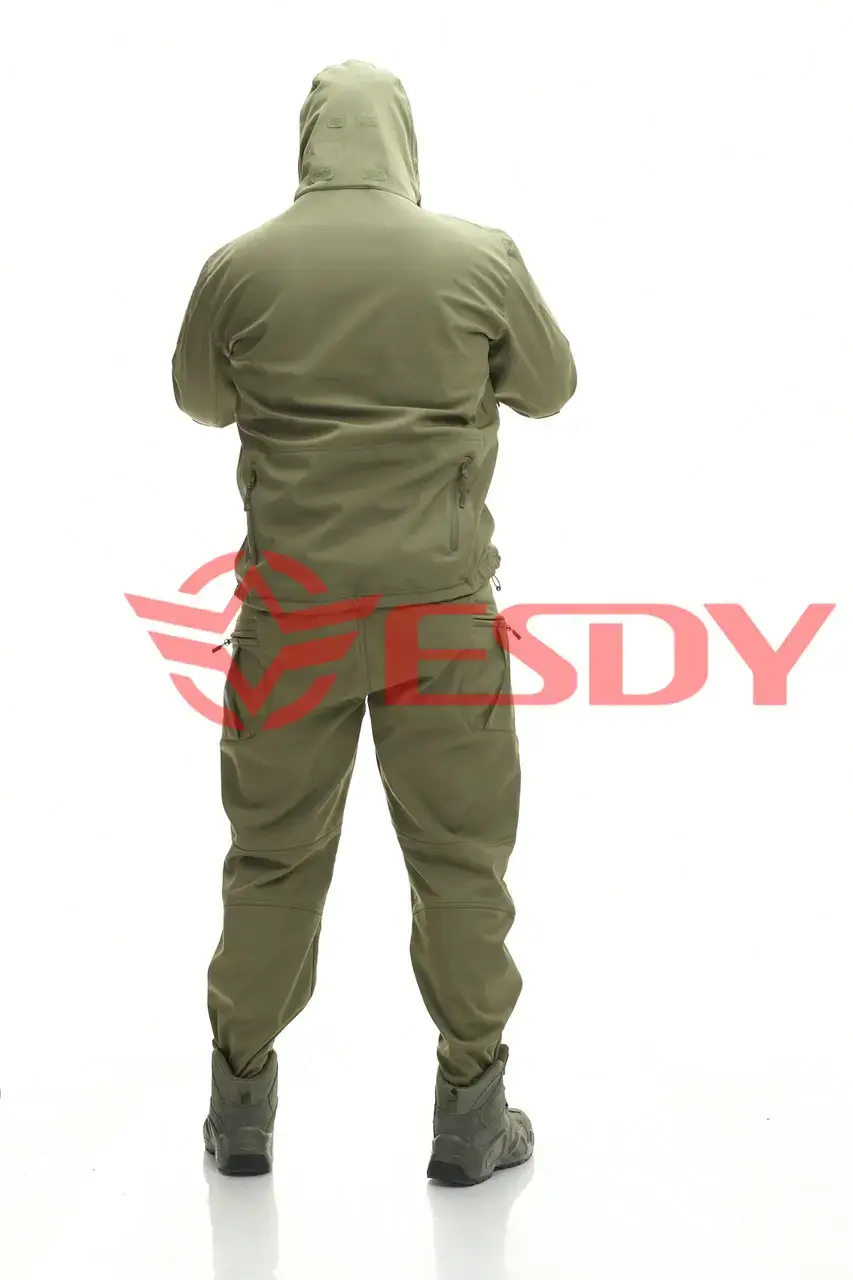
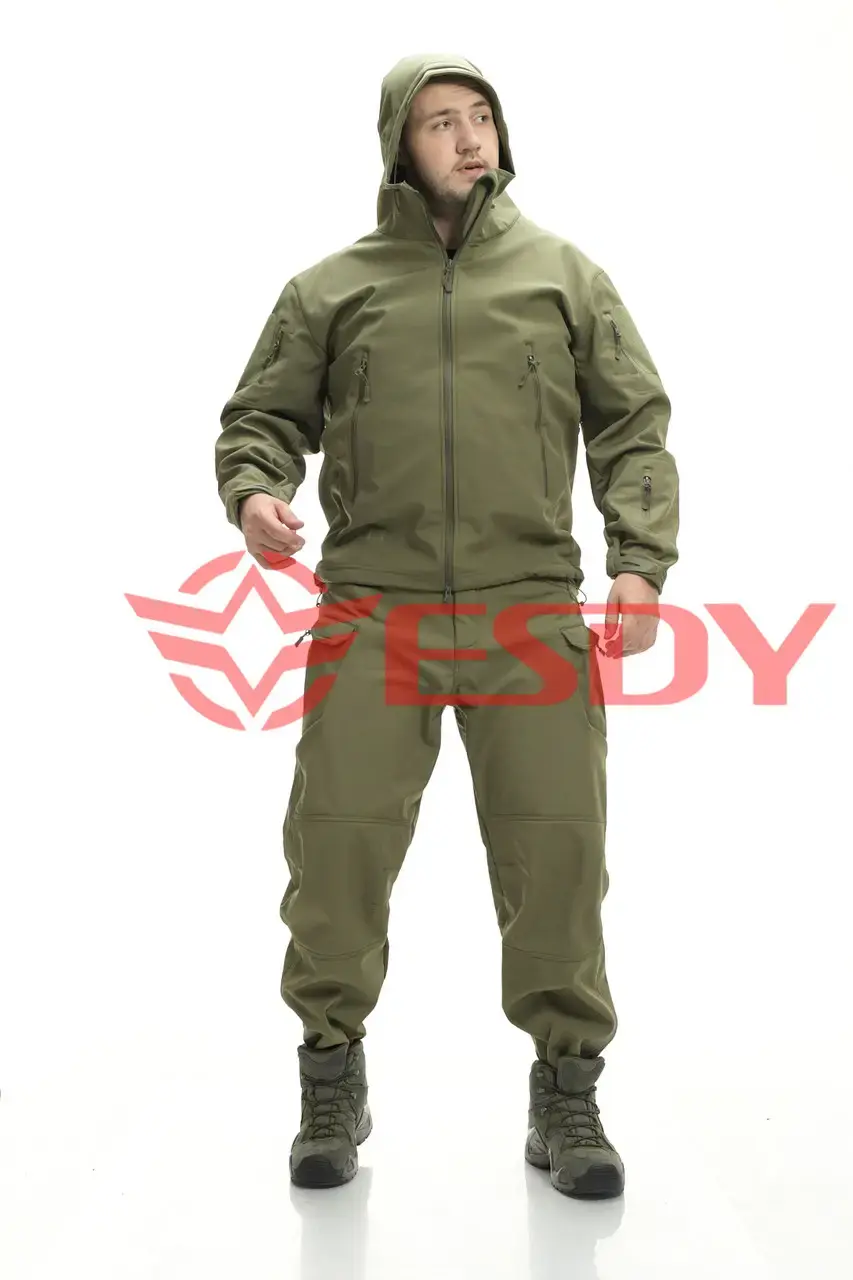
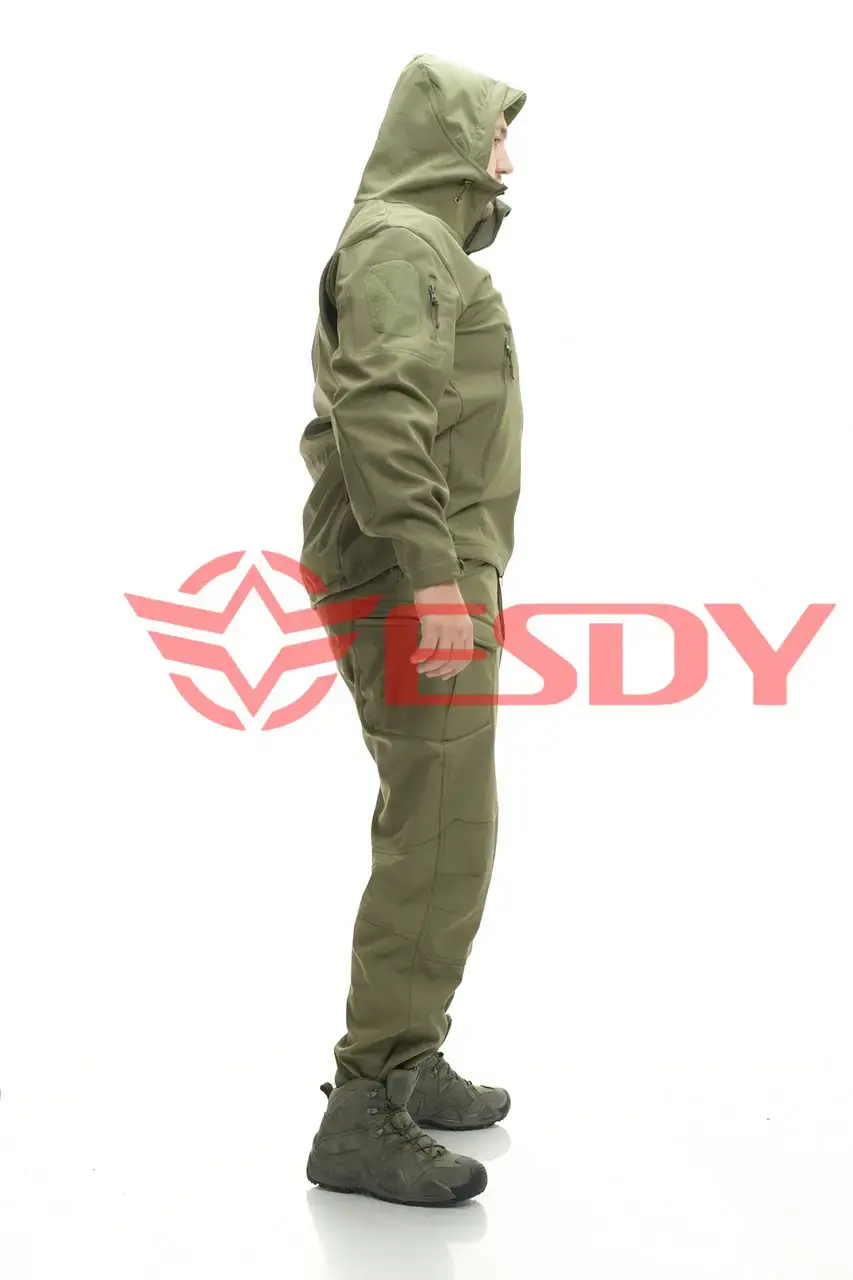
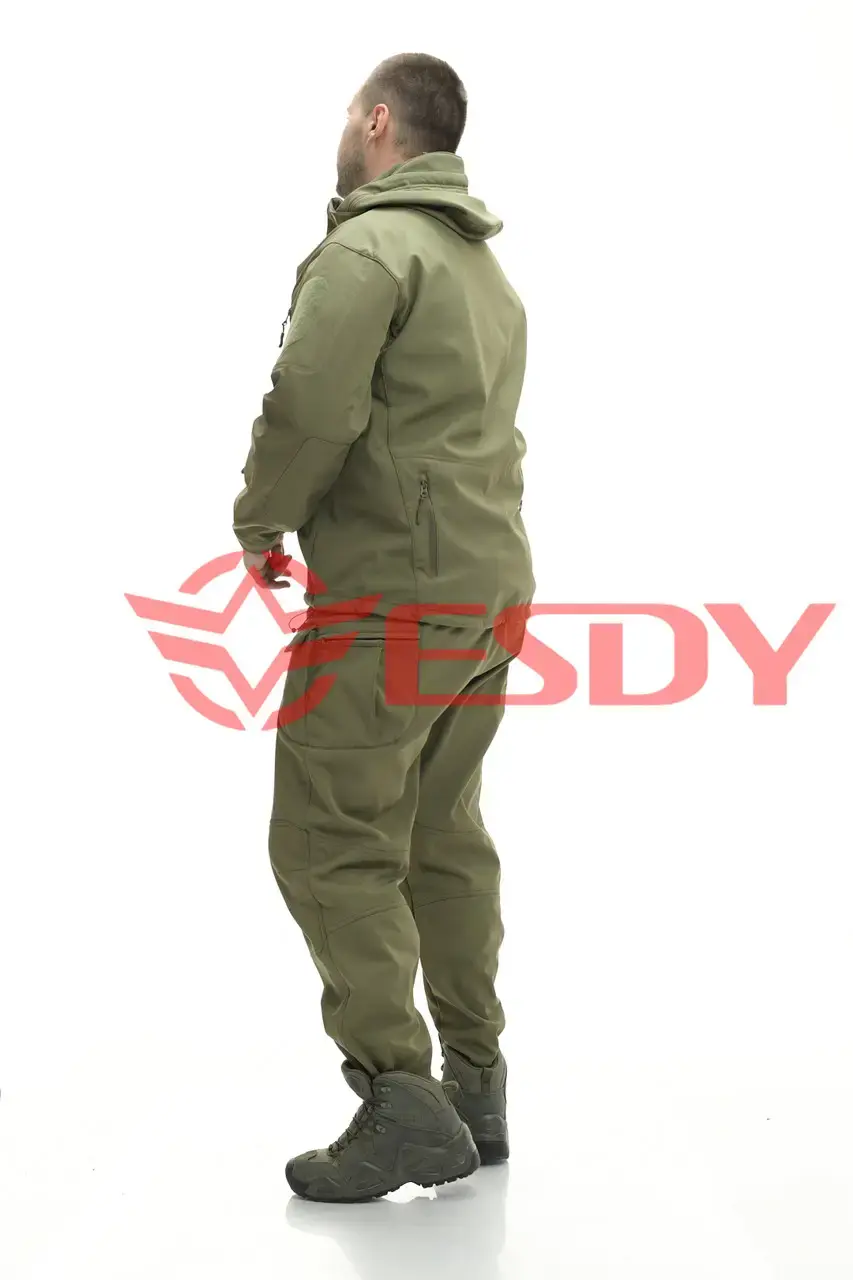
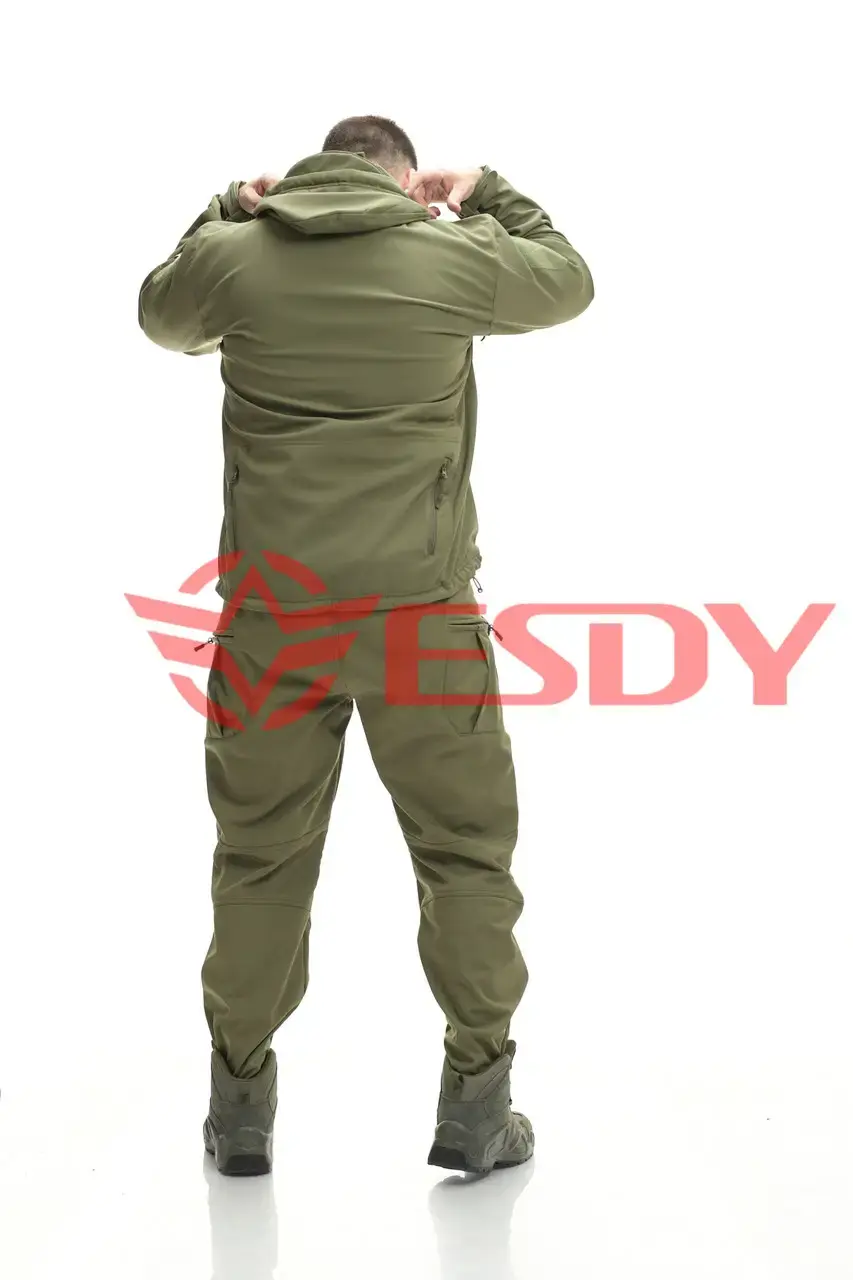
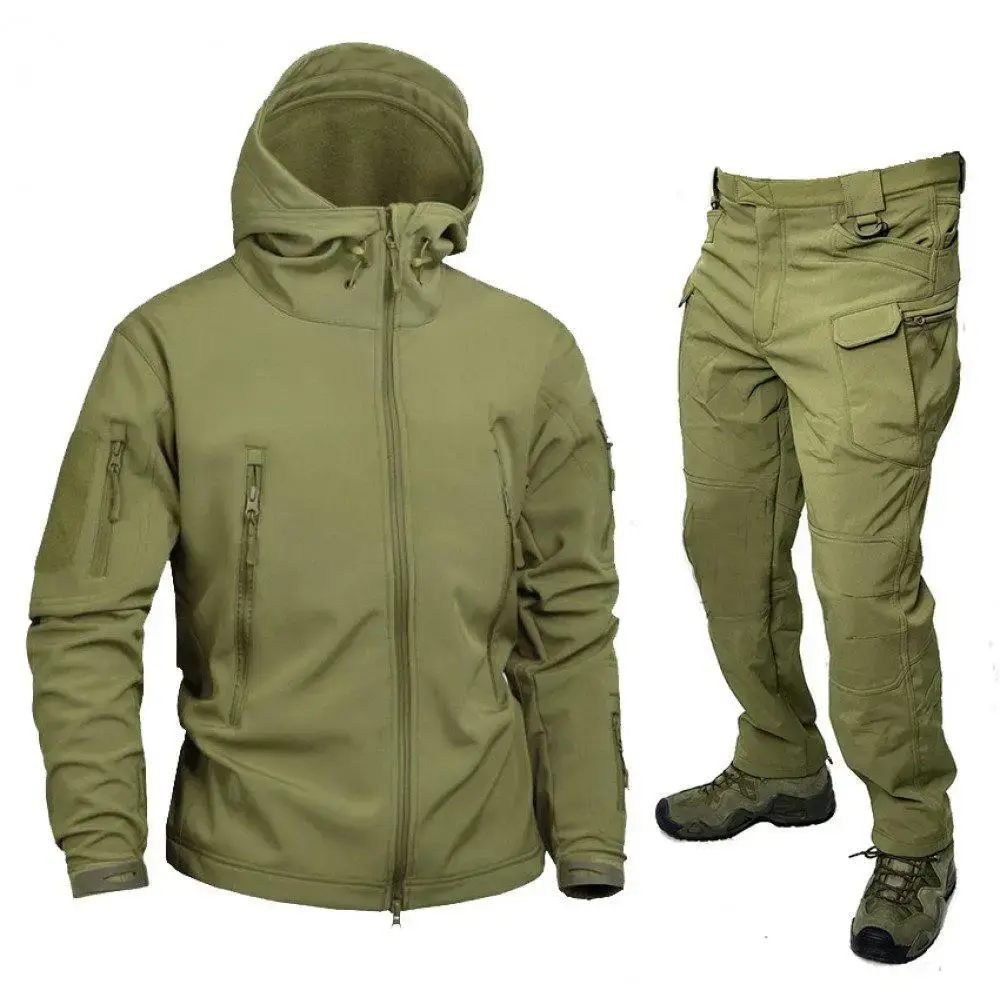
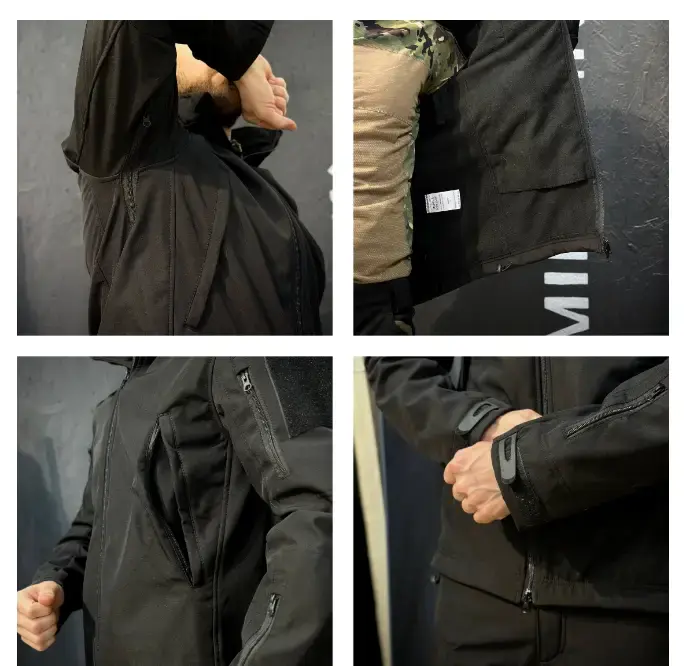
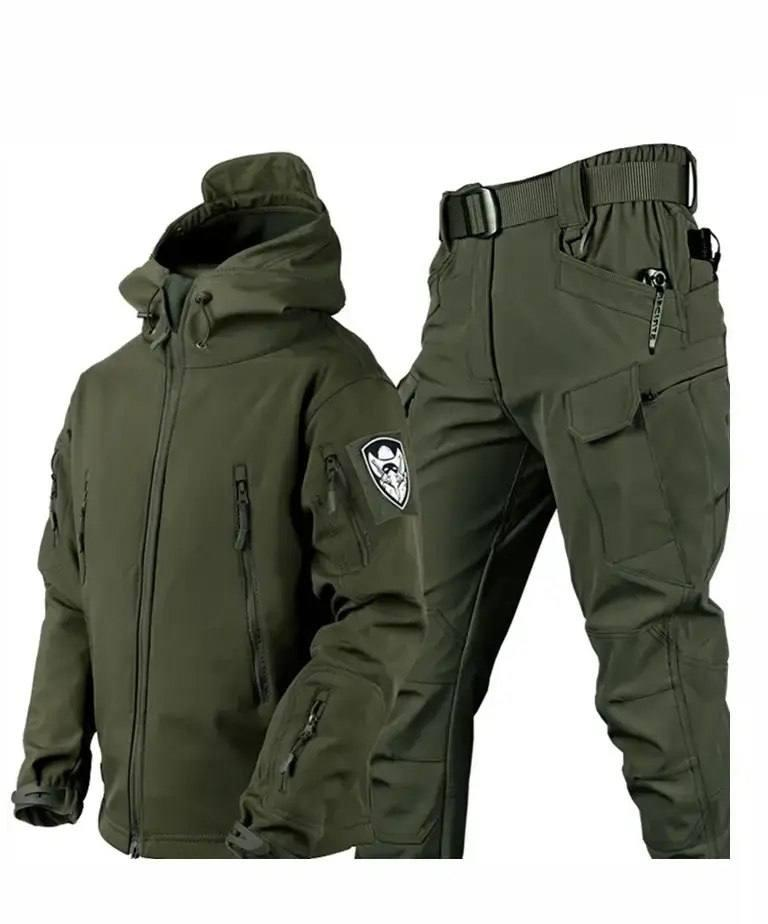
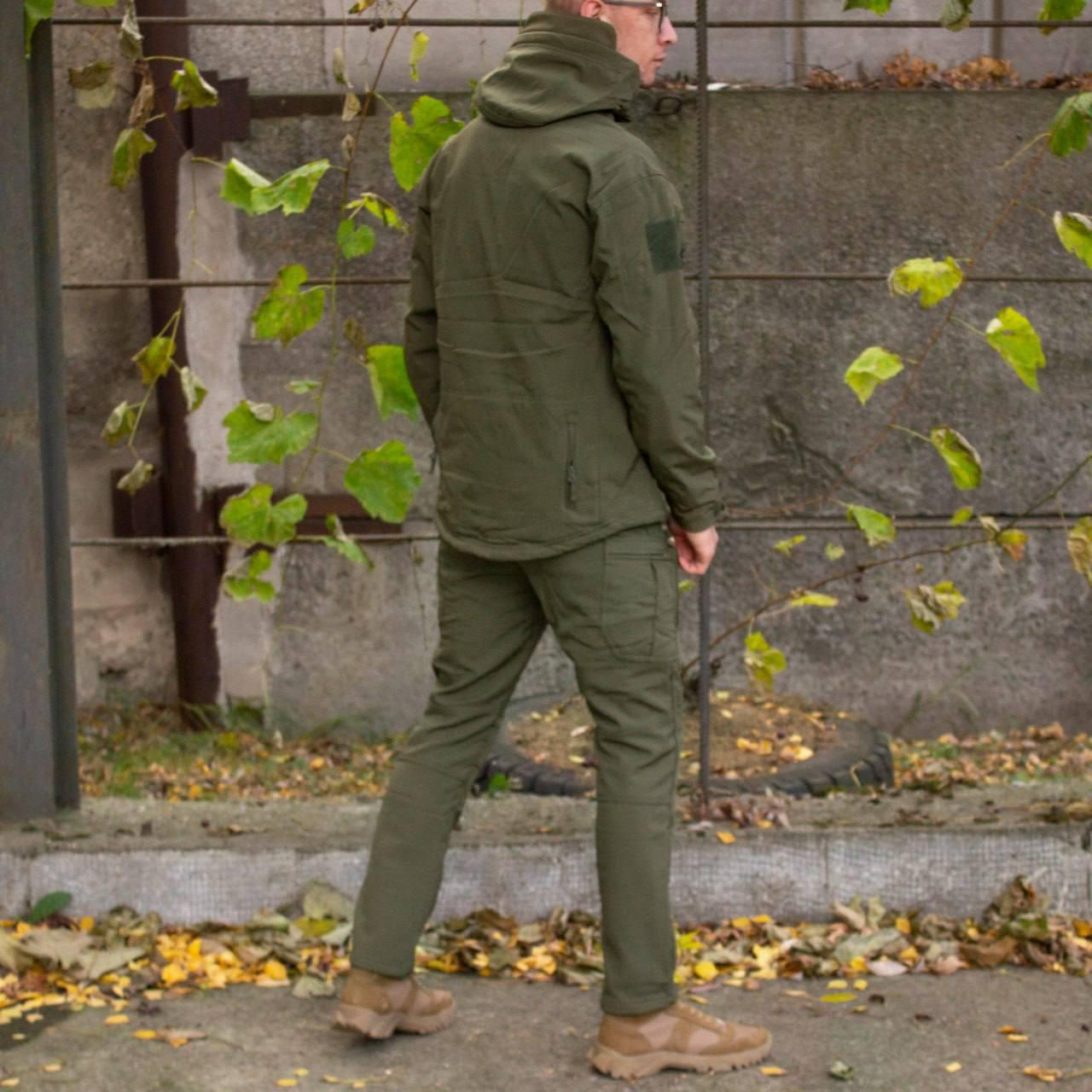
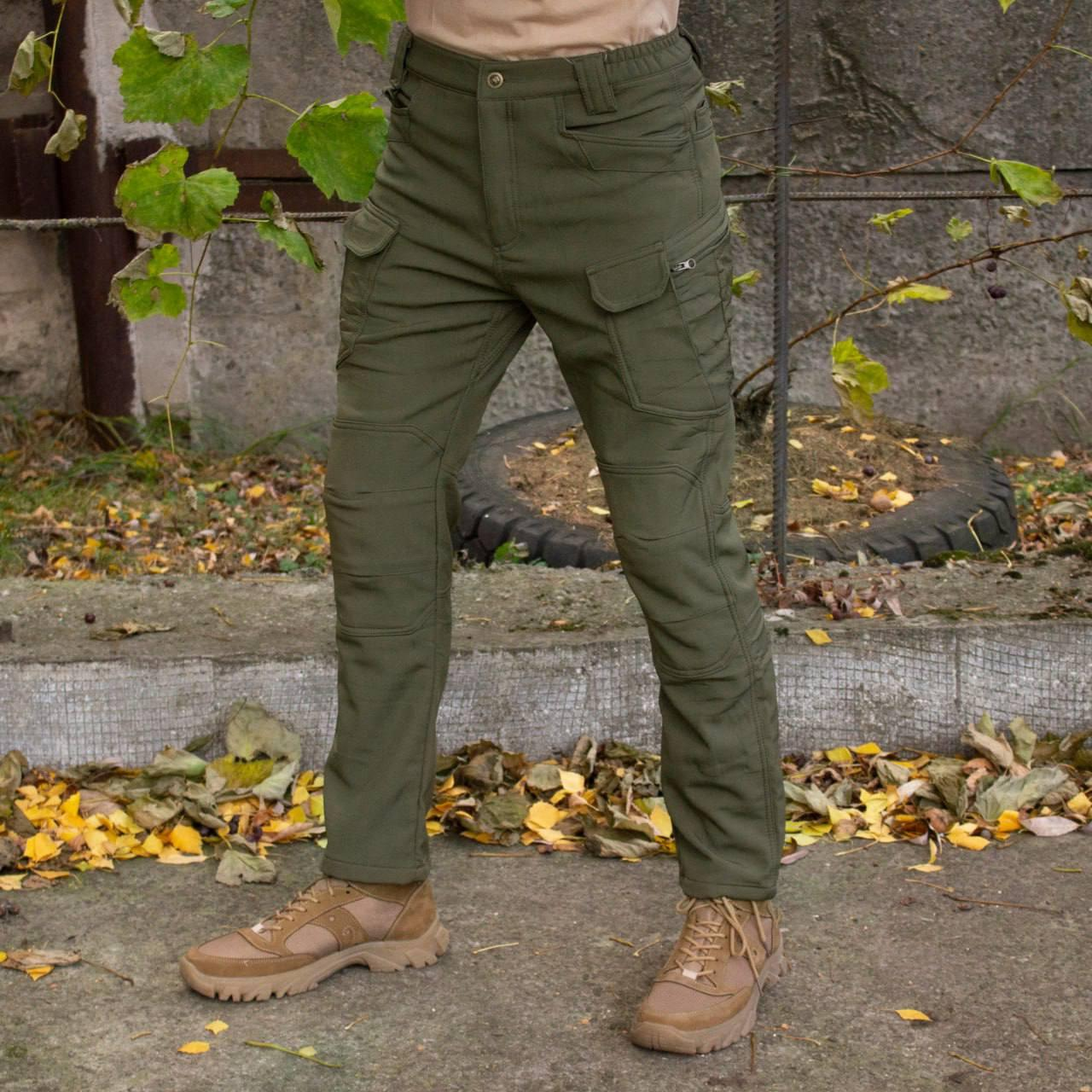
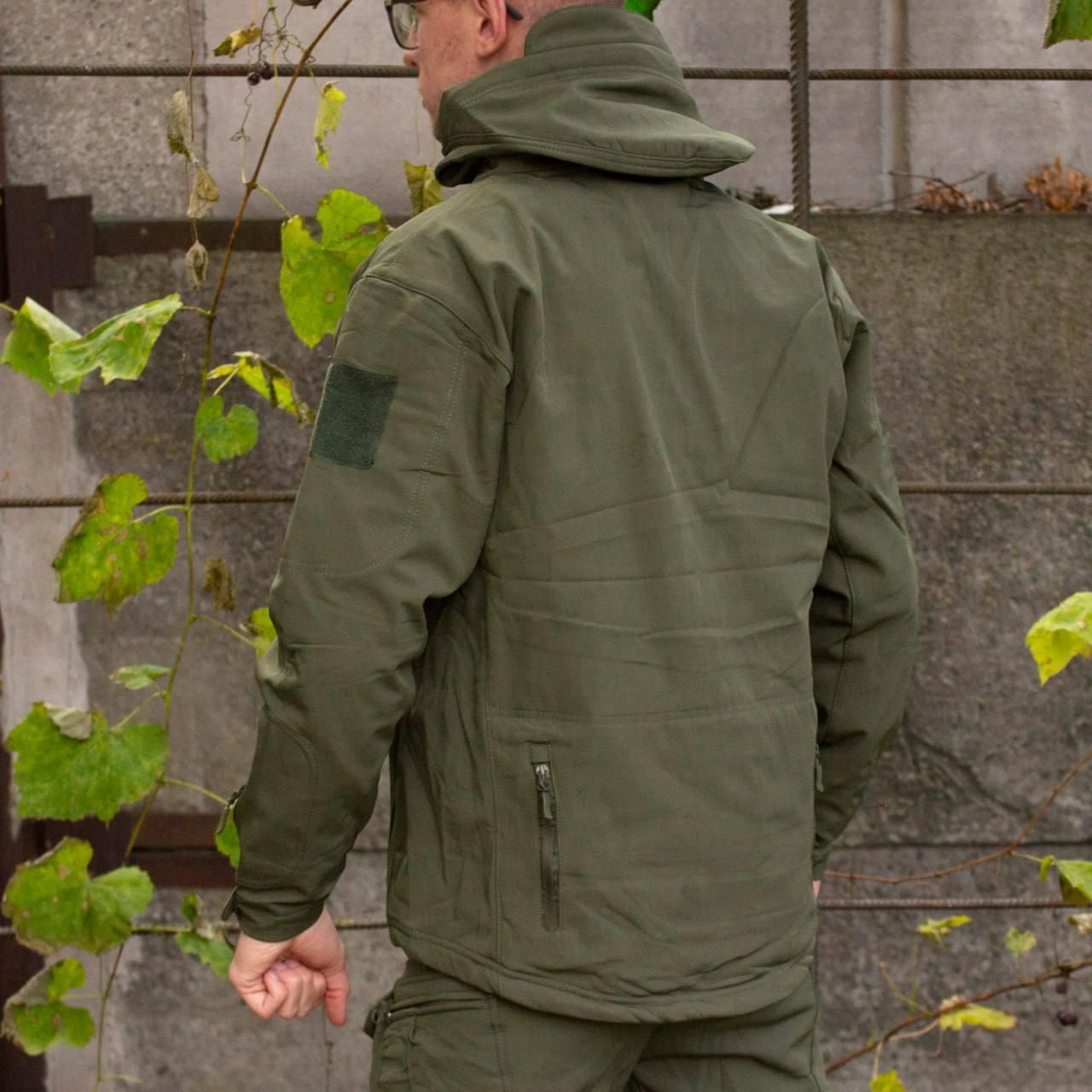
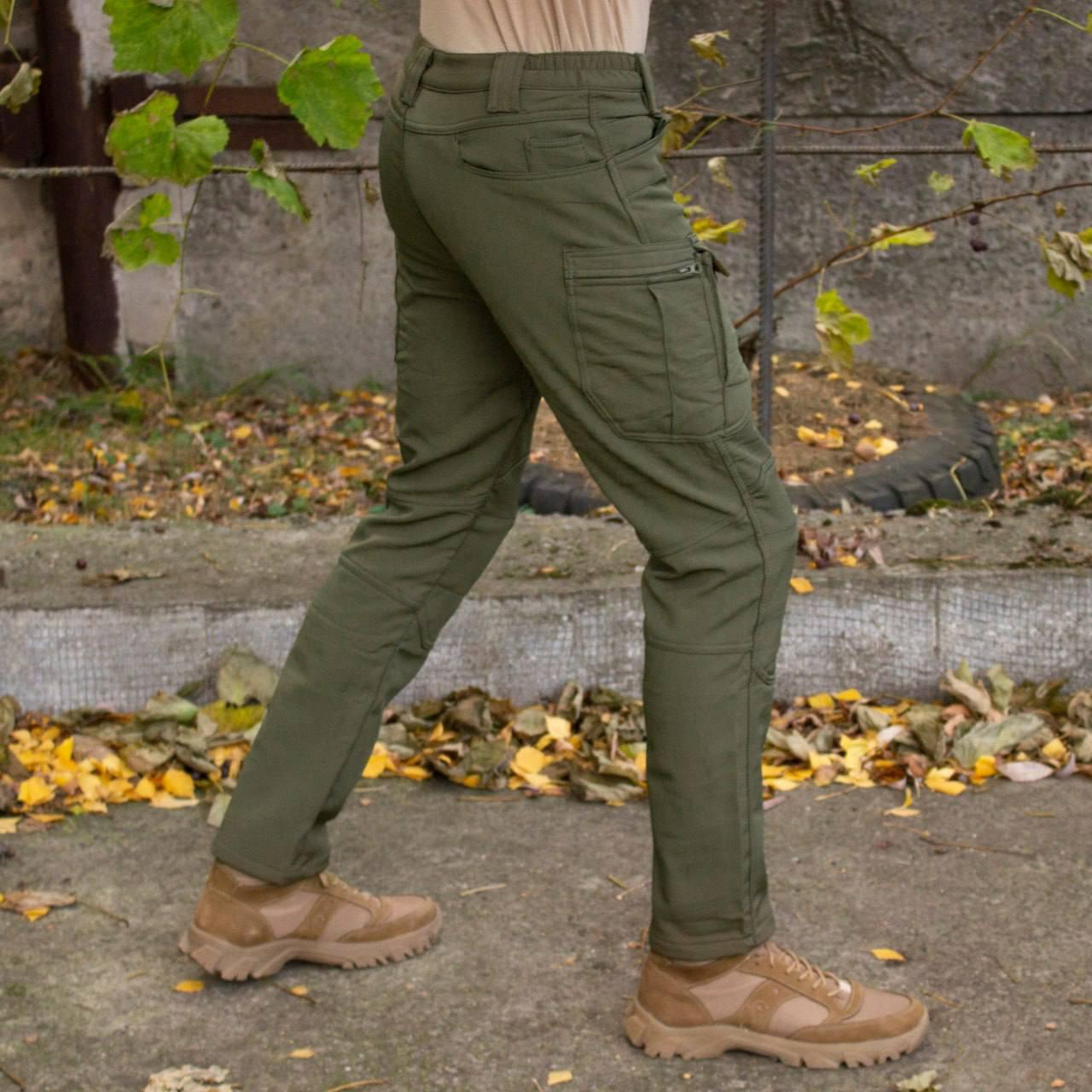
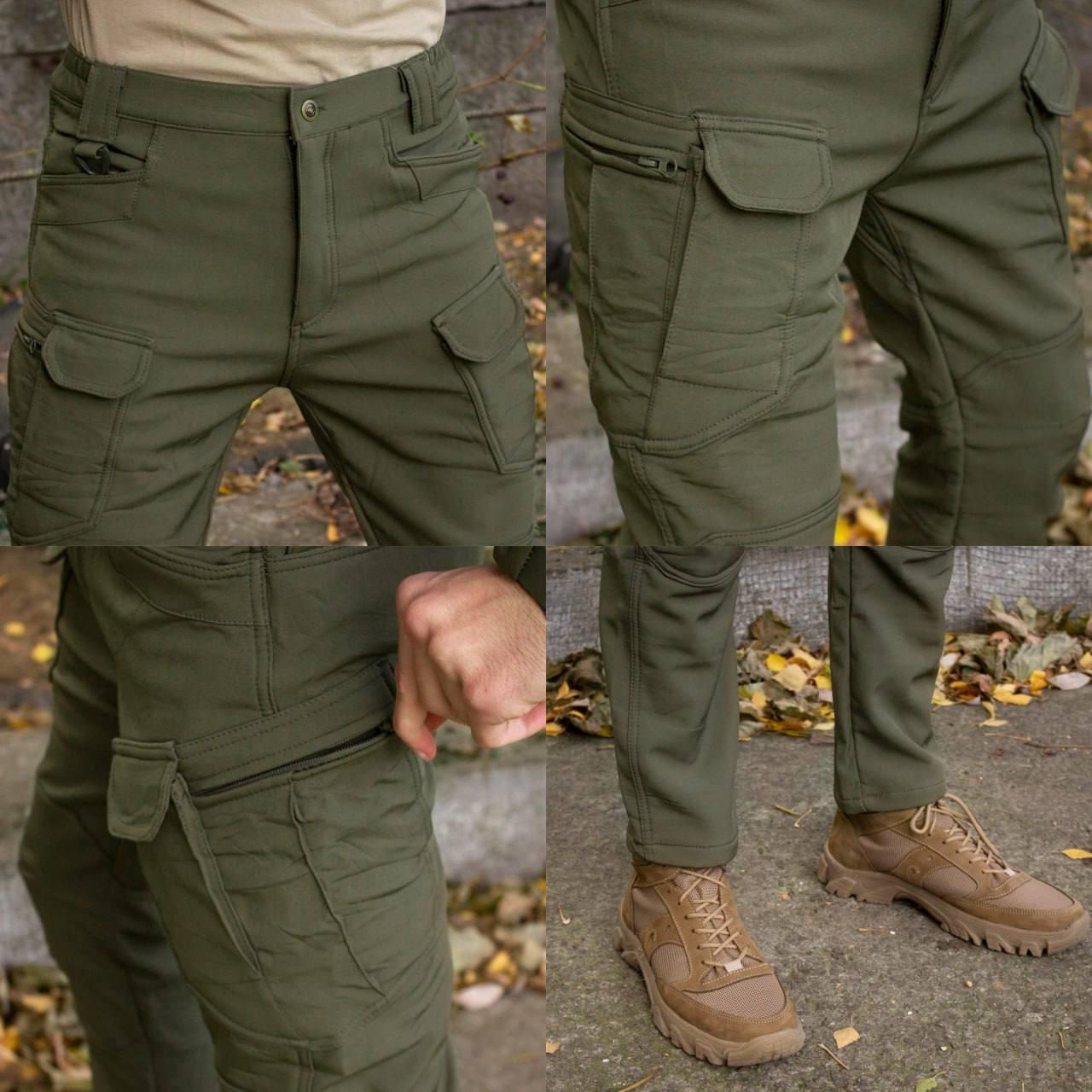
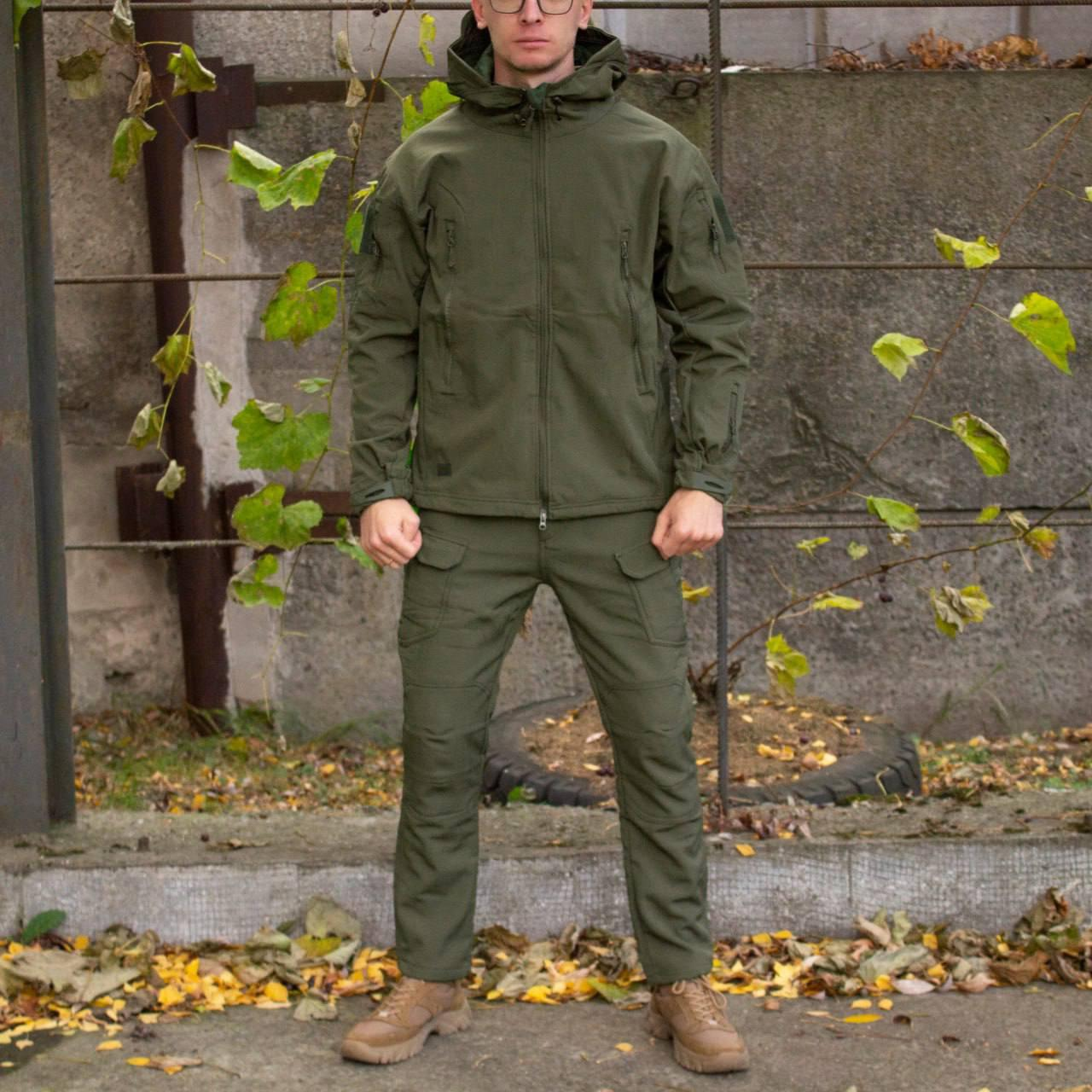
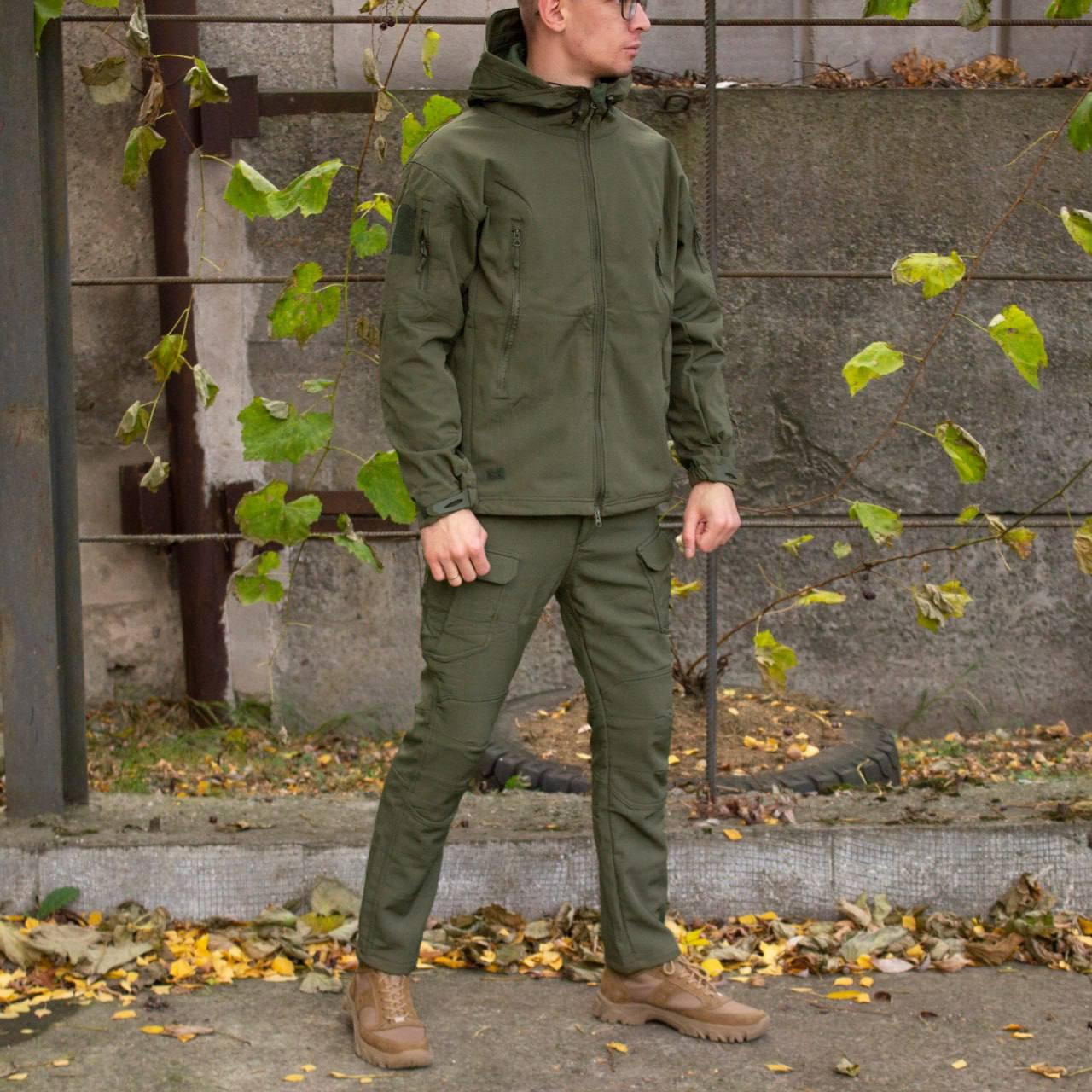
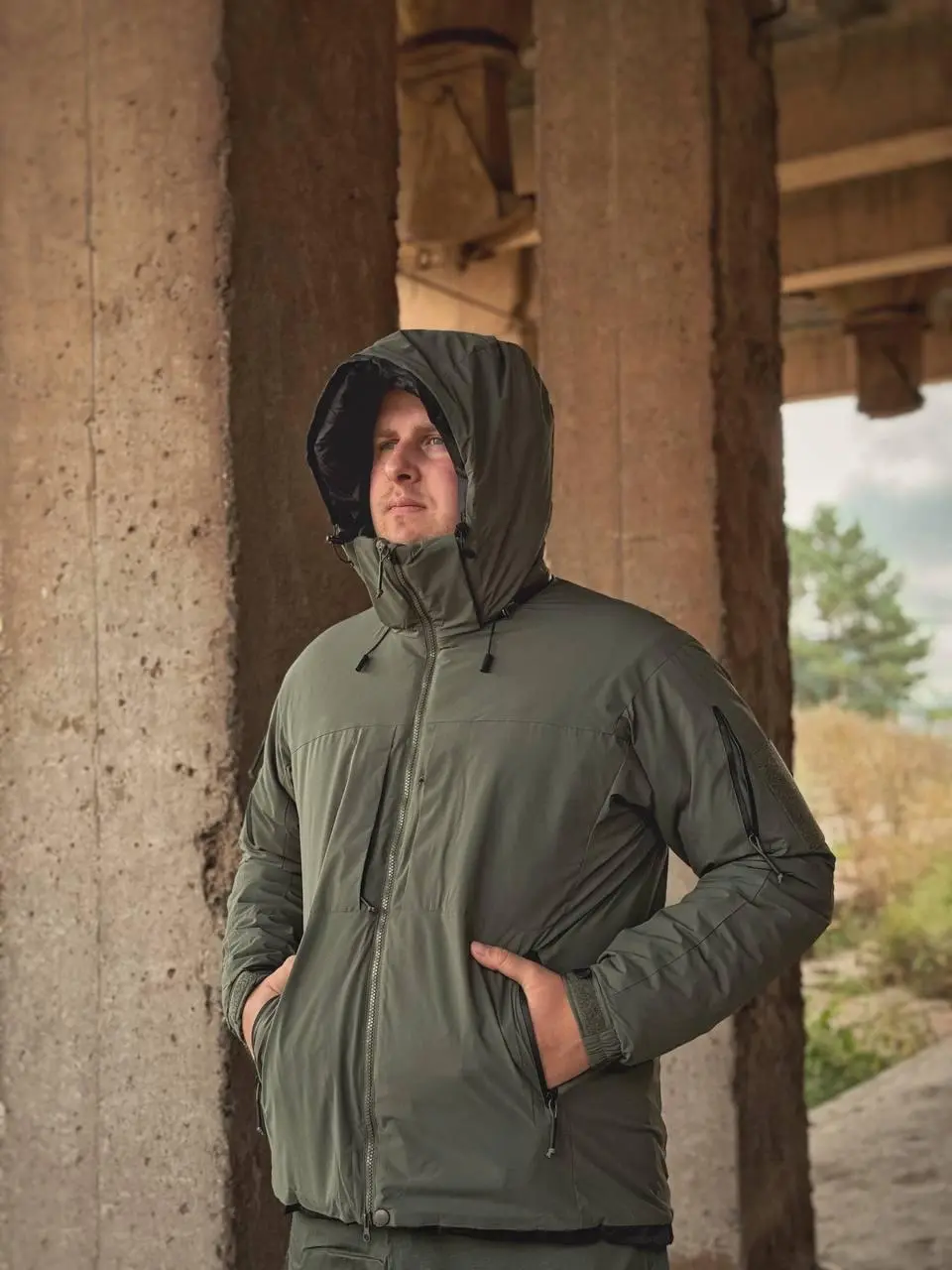
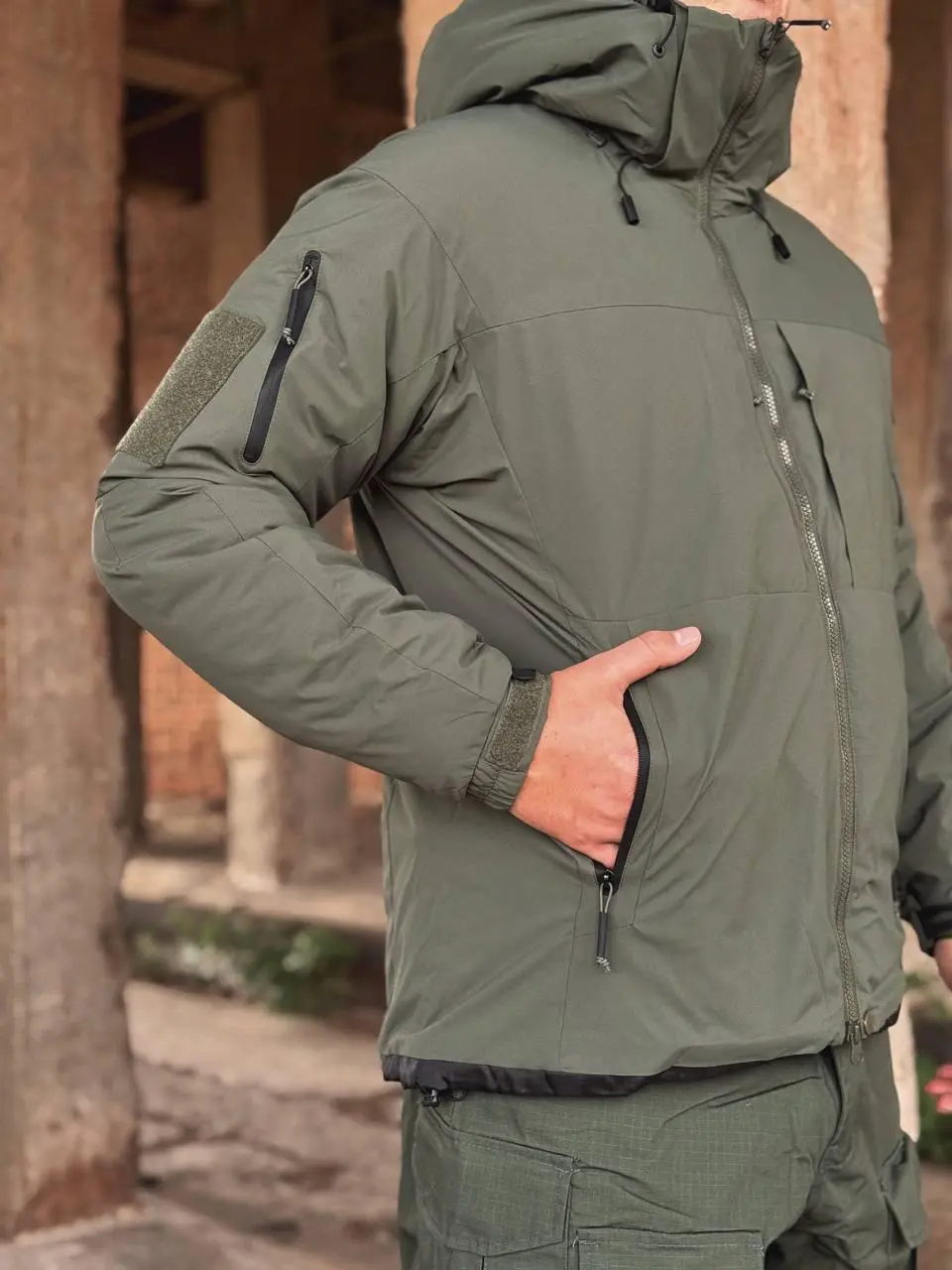
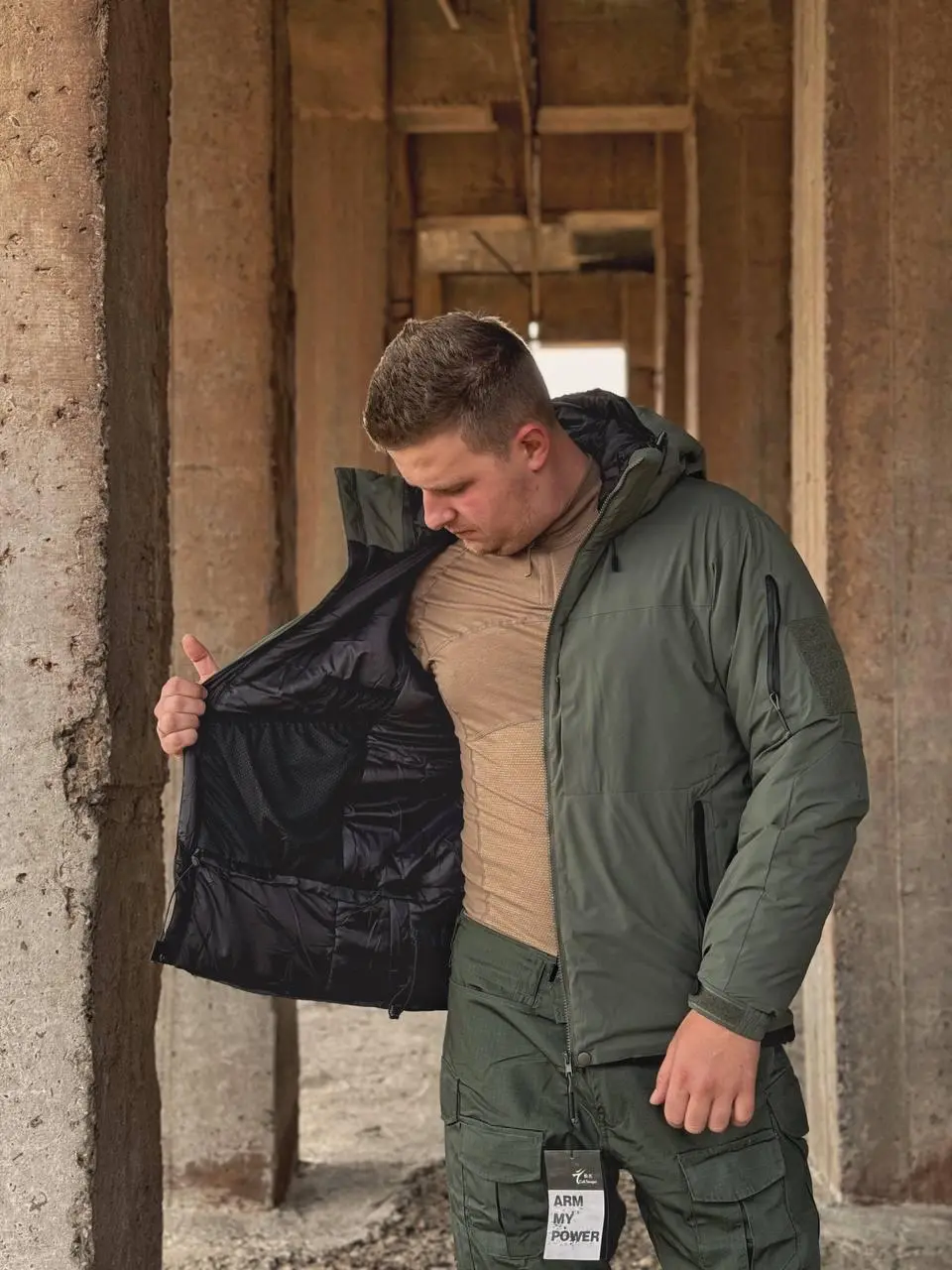
- Olive is a great compromise if you often head out of the city. A Soft Shell Esdy 5.0 suit in olive works equally well on the street and out at the countryside.
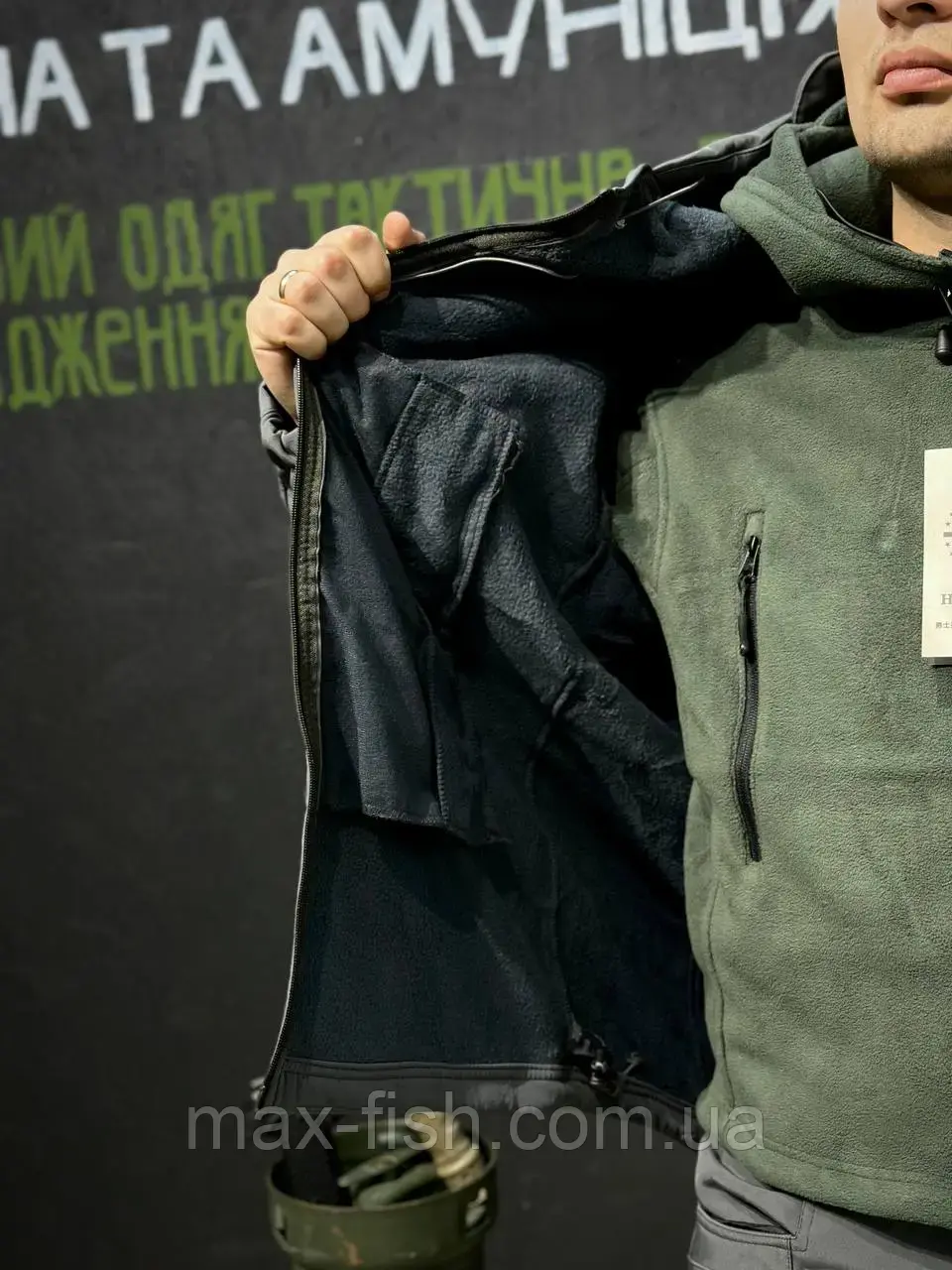
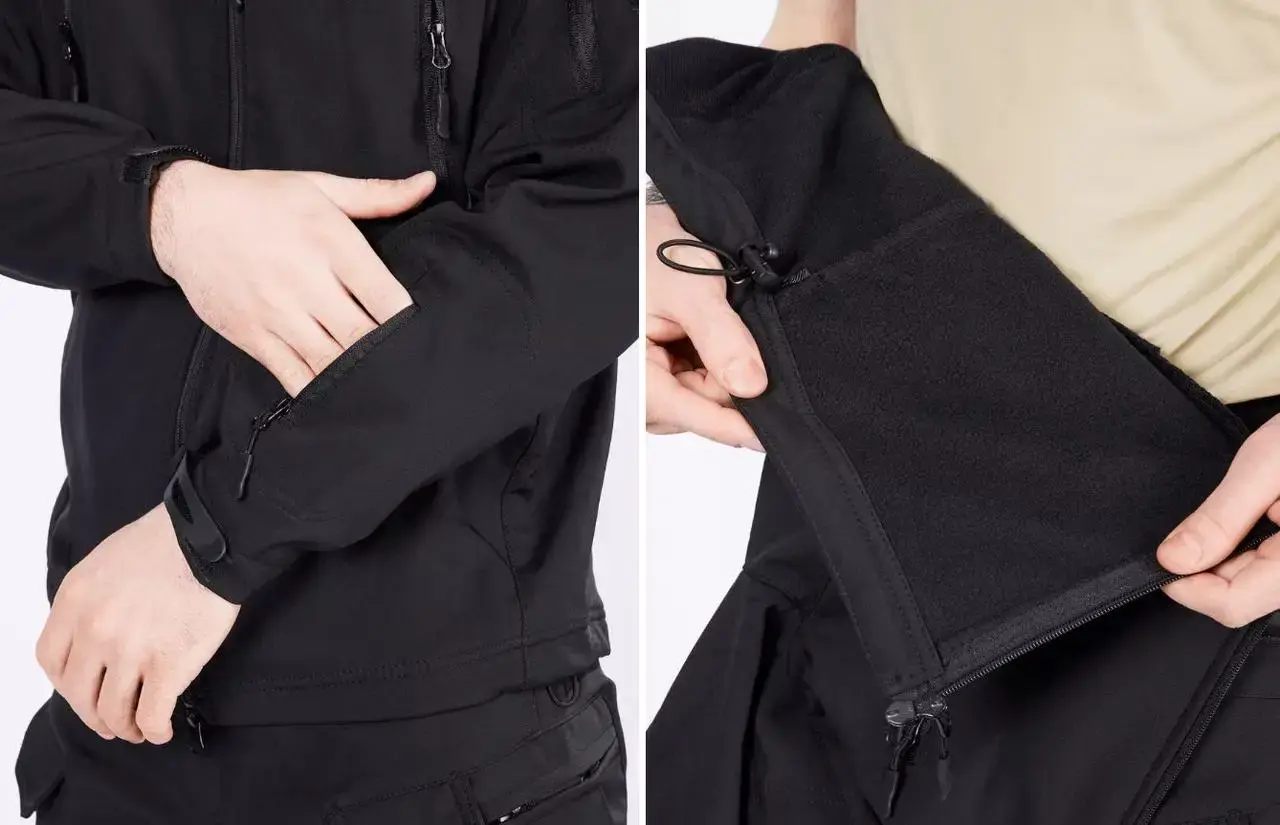
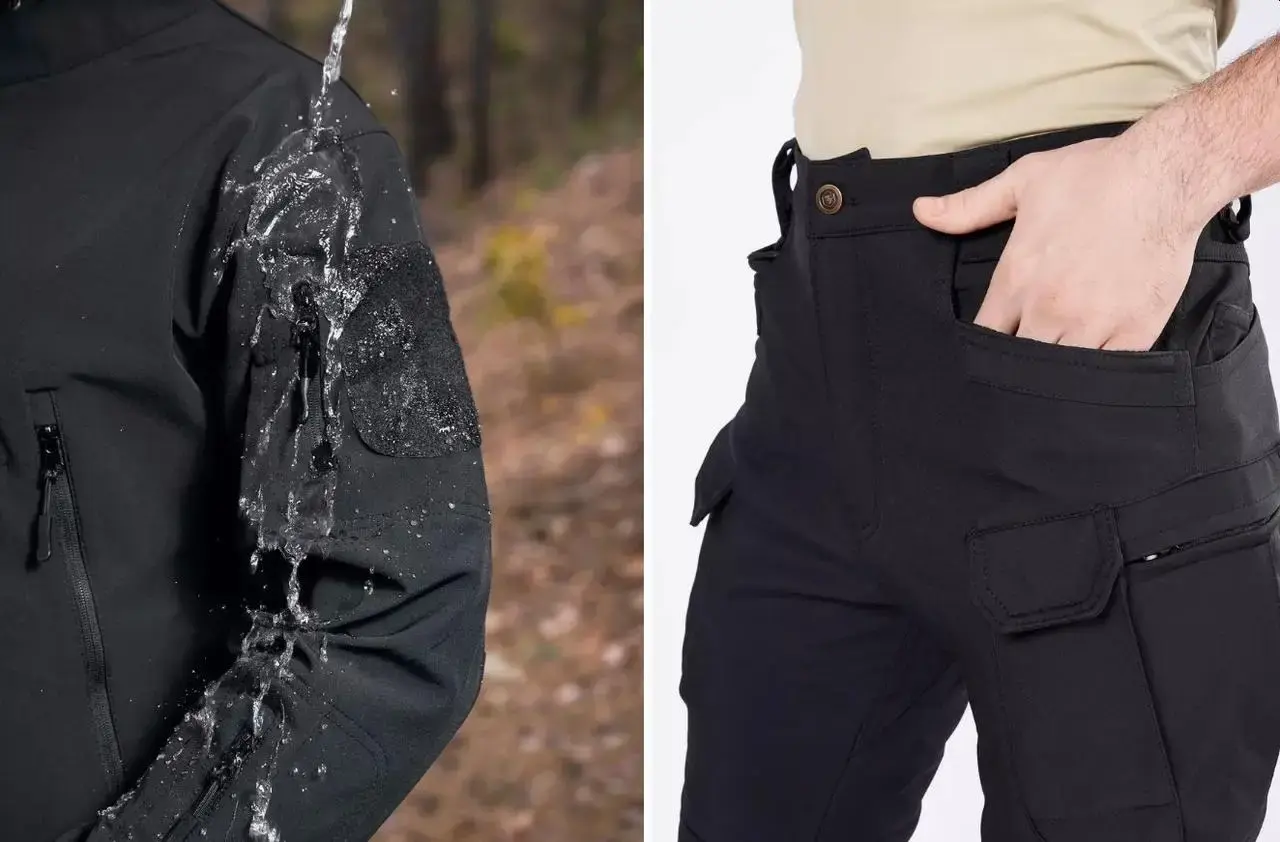
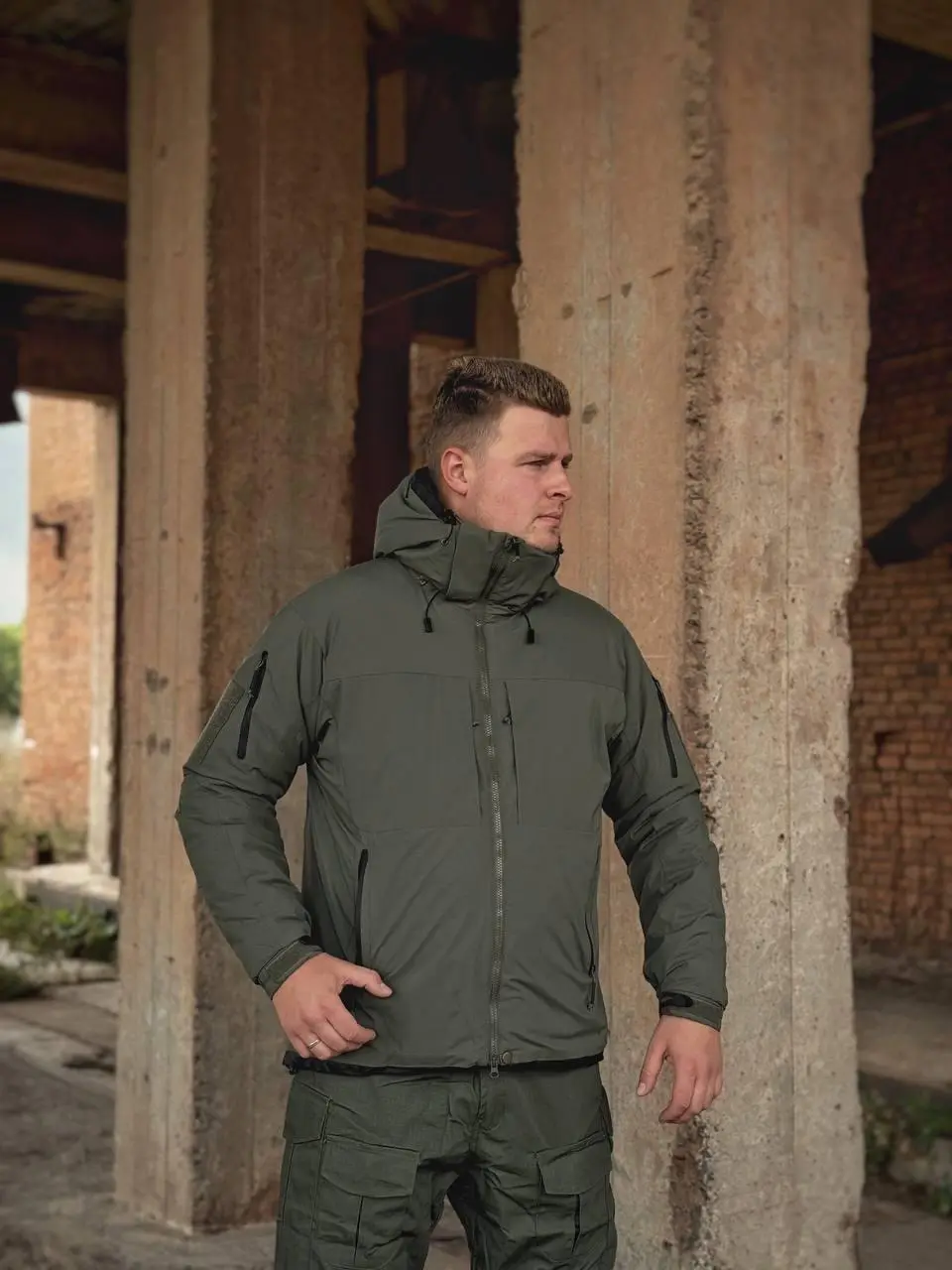
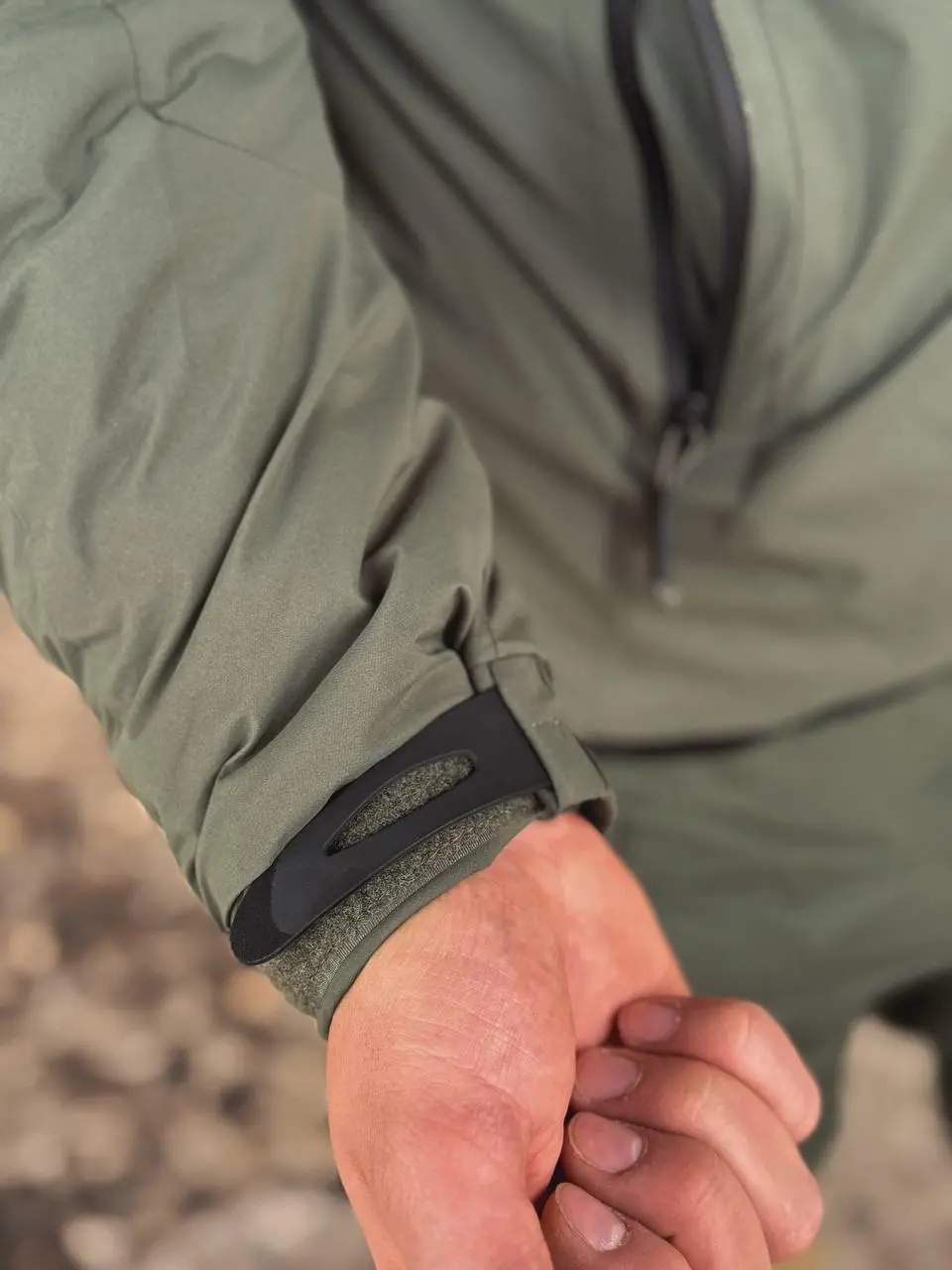
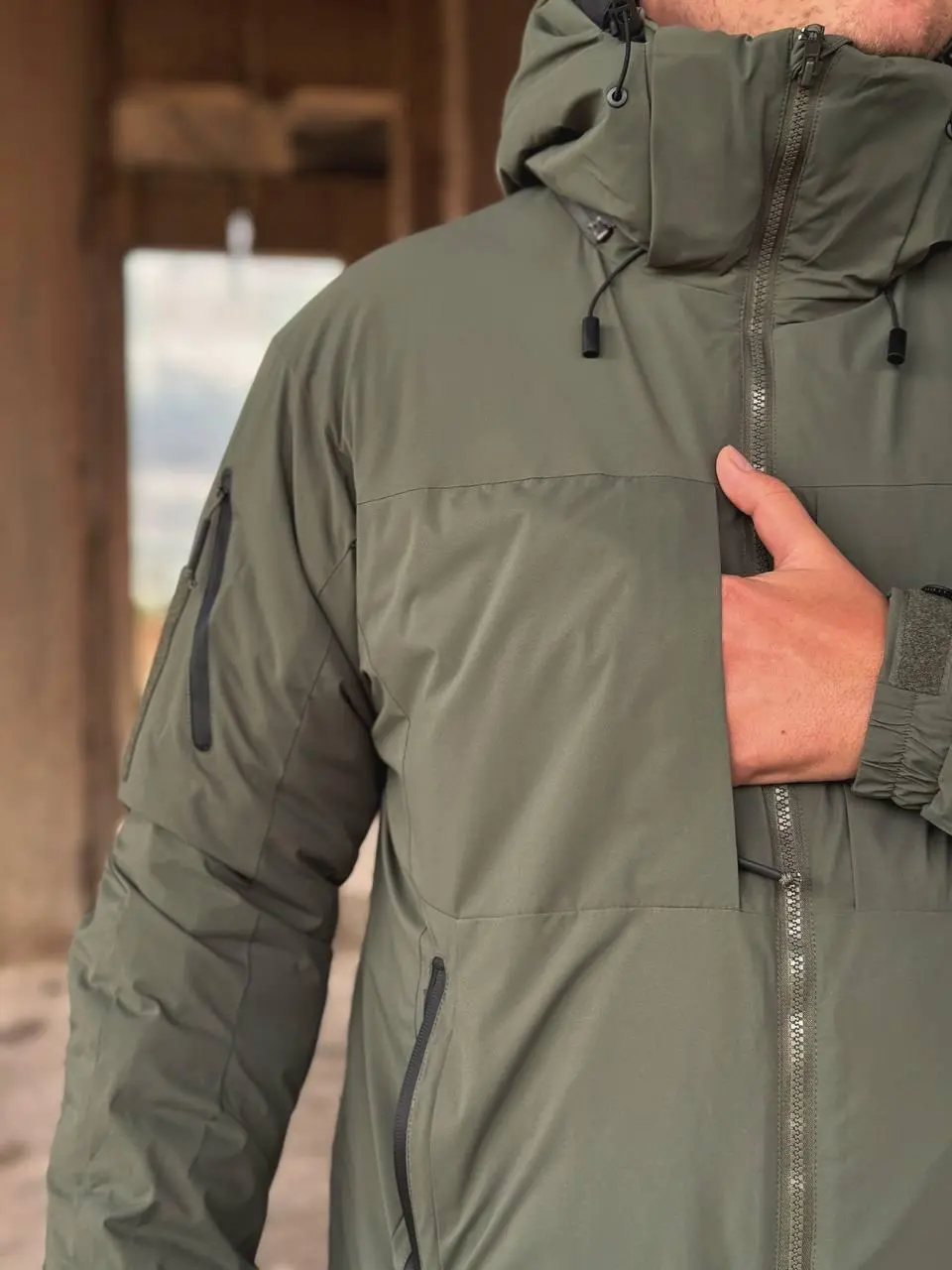
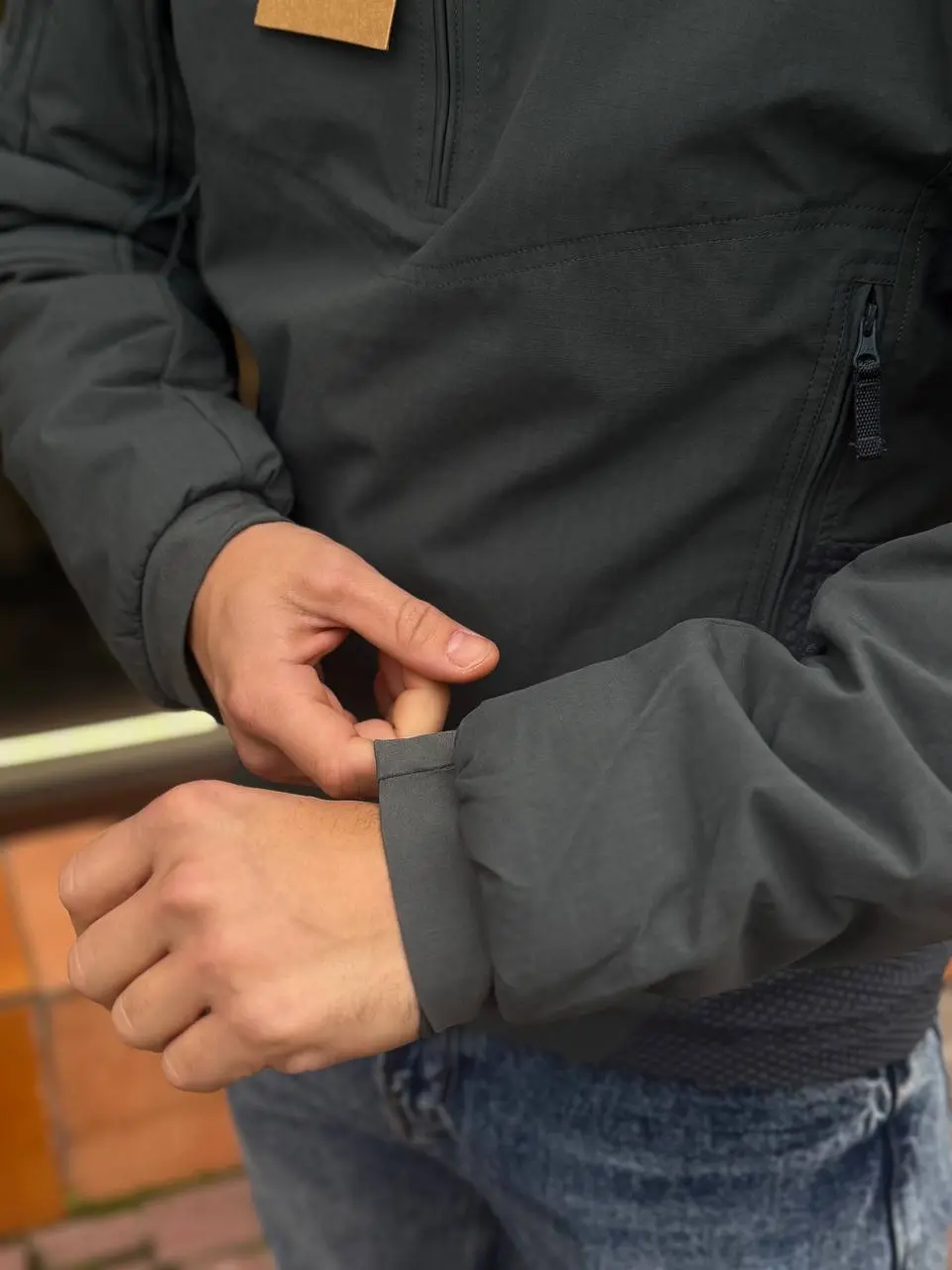
Materials for city weather deserve a separate mention. Nylon, softshell, and membrane fabrics are the winners here. Nylon is lightweight and durable, softshell blocks wind and light rain, and the Level 7 Call Dragon membrane jacket with a 10,000 mm waterproof rating will handle autumn drizzle without an umbrella. That's exactly what you need for unpredictable weather as you move between home, transport, and the office.
If you haven't settled on a scenario yet, understated solid-color clothing is a safe starting point: you can wear it every day, and you can explore the rest of the details in the Tactical Clothing and Gear section.
Forest and Hunting: Olive, Coyote, and Multicam
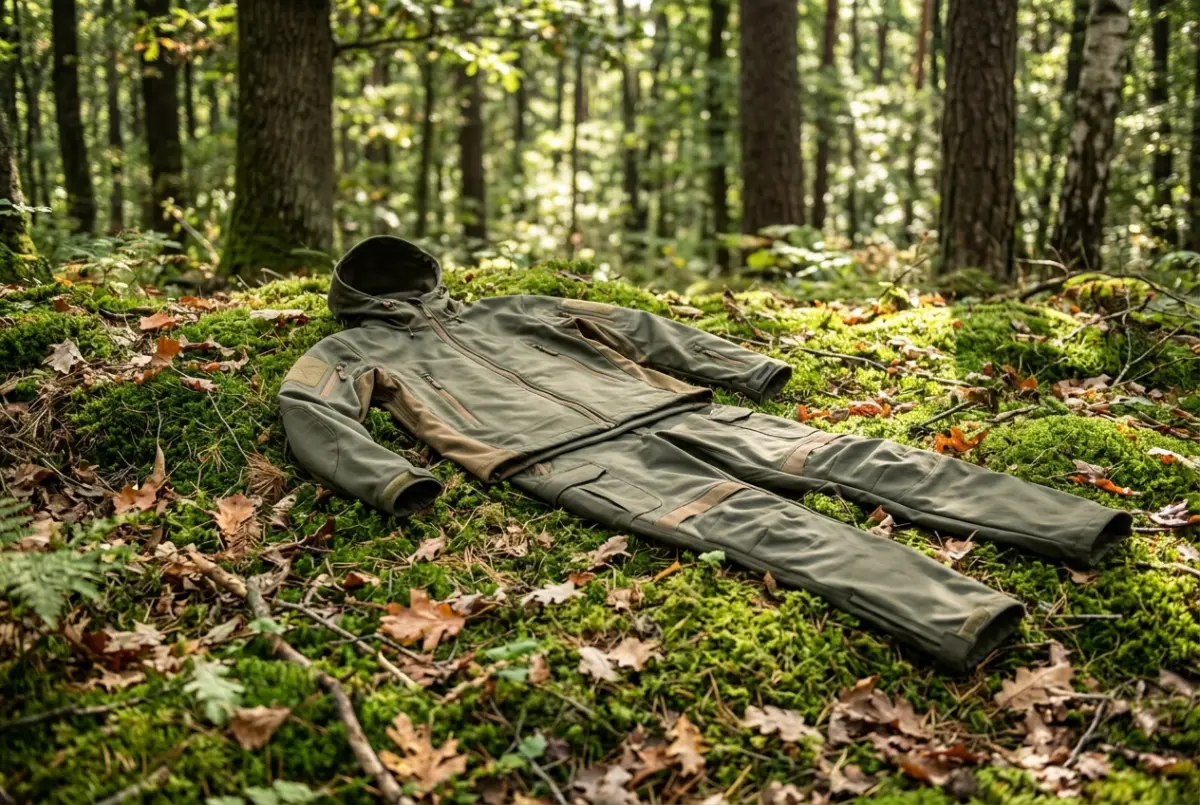
In the forest, three groups of tones dominate: the green of foliage, brown earth, and shadows between the trees. That's exactly why olive, coyote, and multicam win here — they resonate with the vegetation and soil rather than competing with the background the way black or grey do.
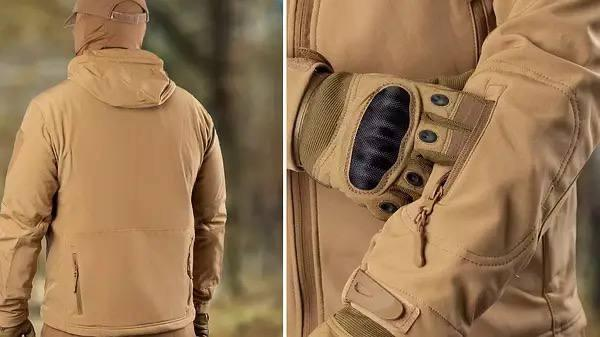
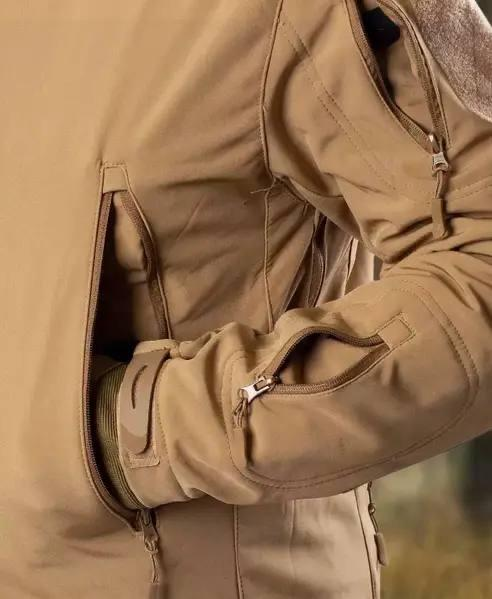
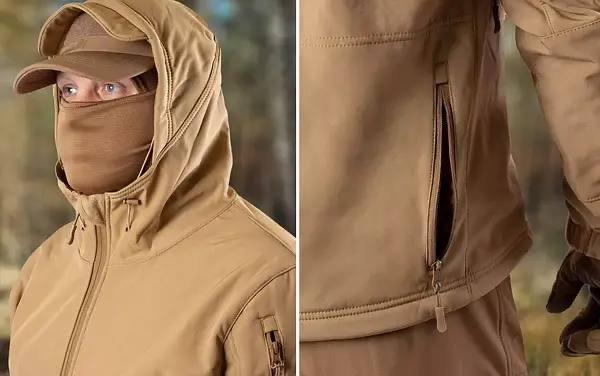
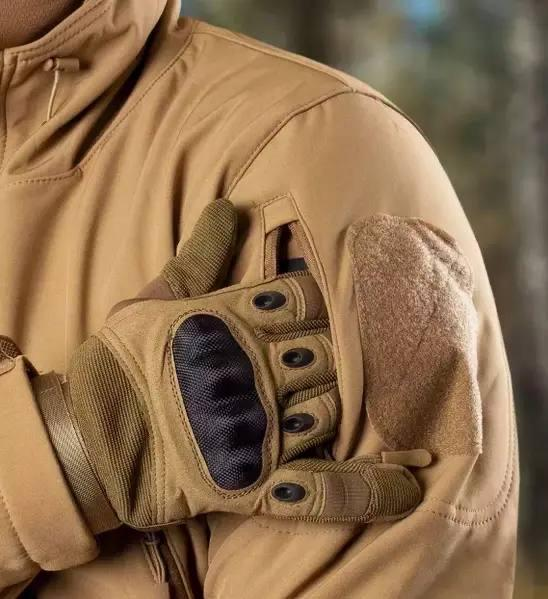
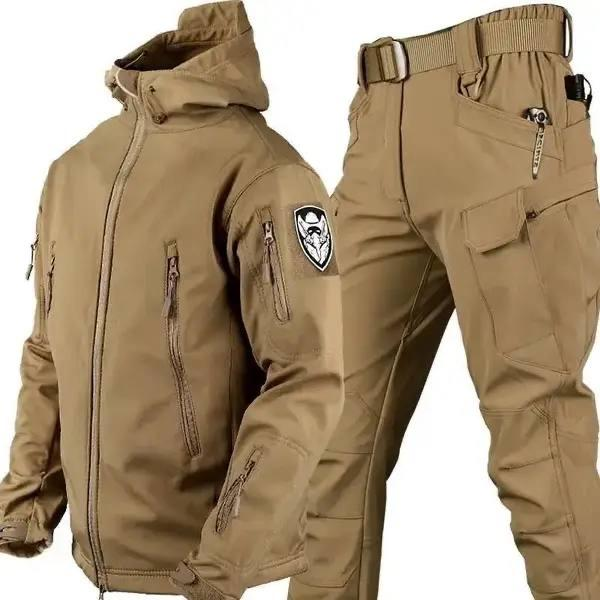
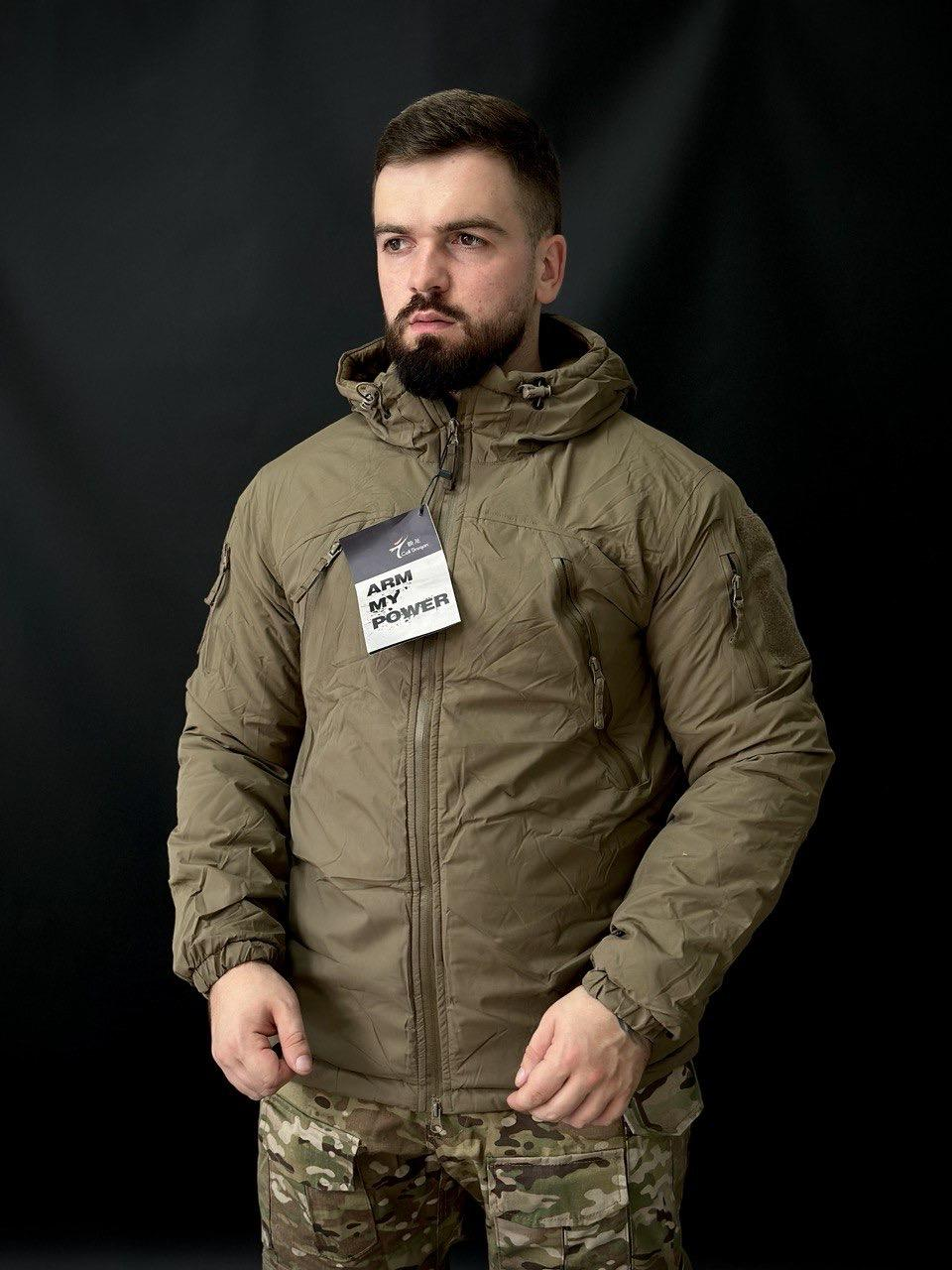
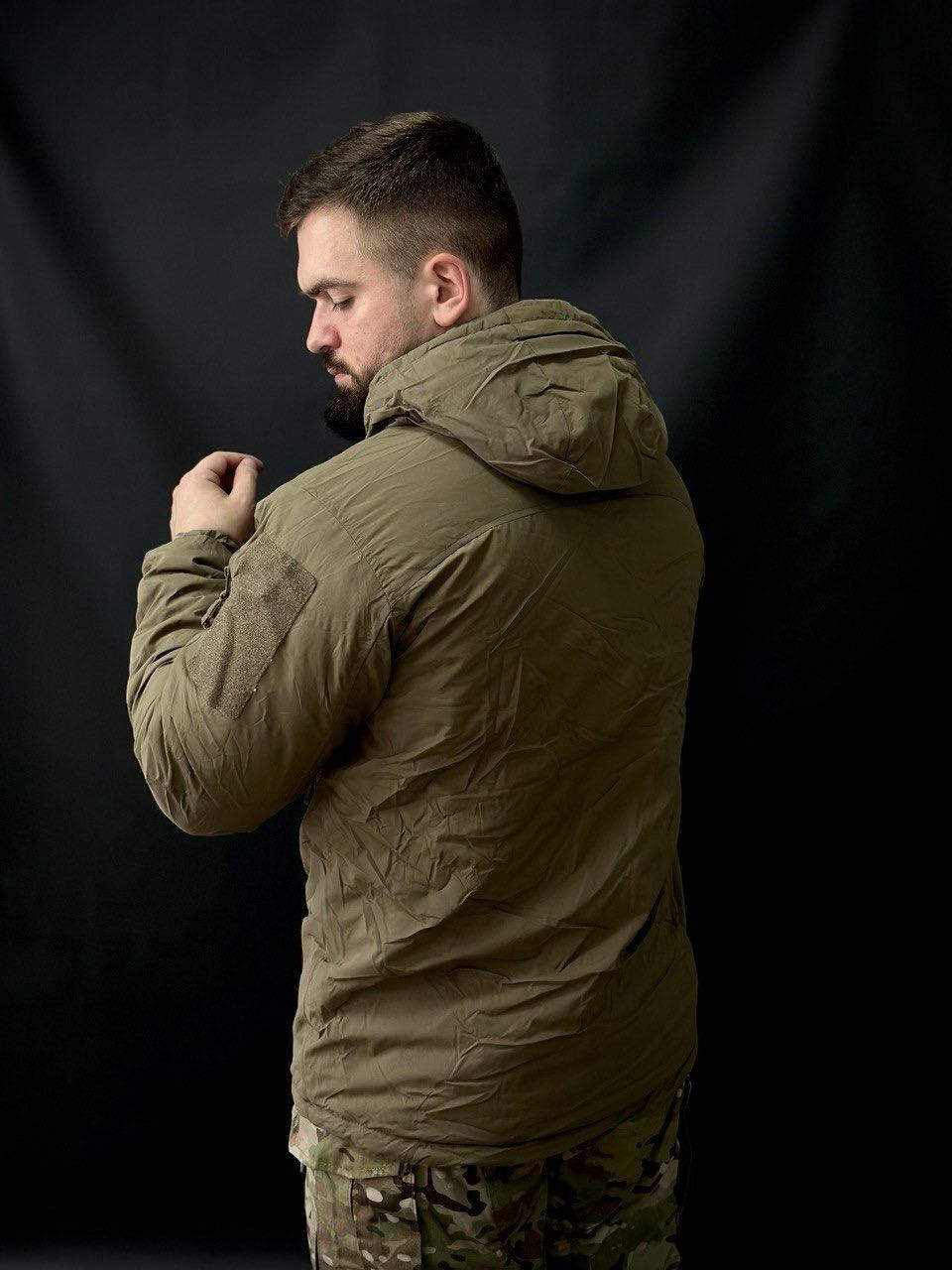
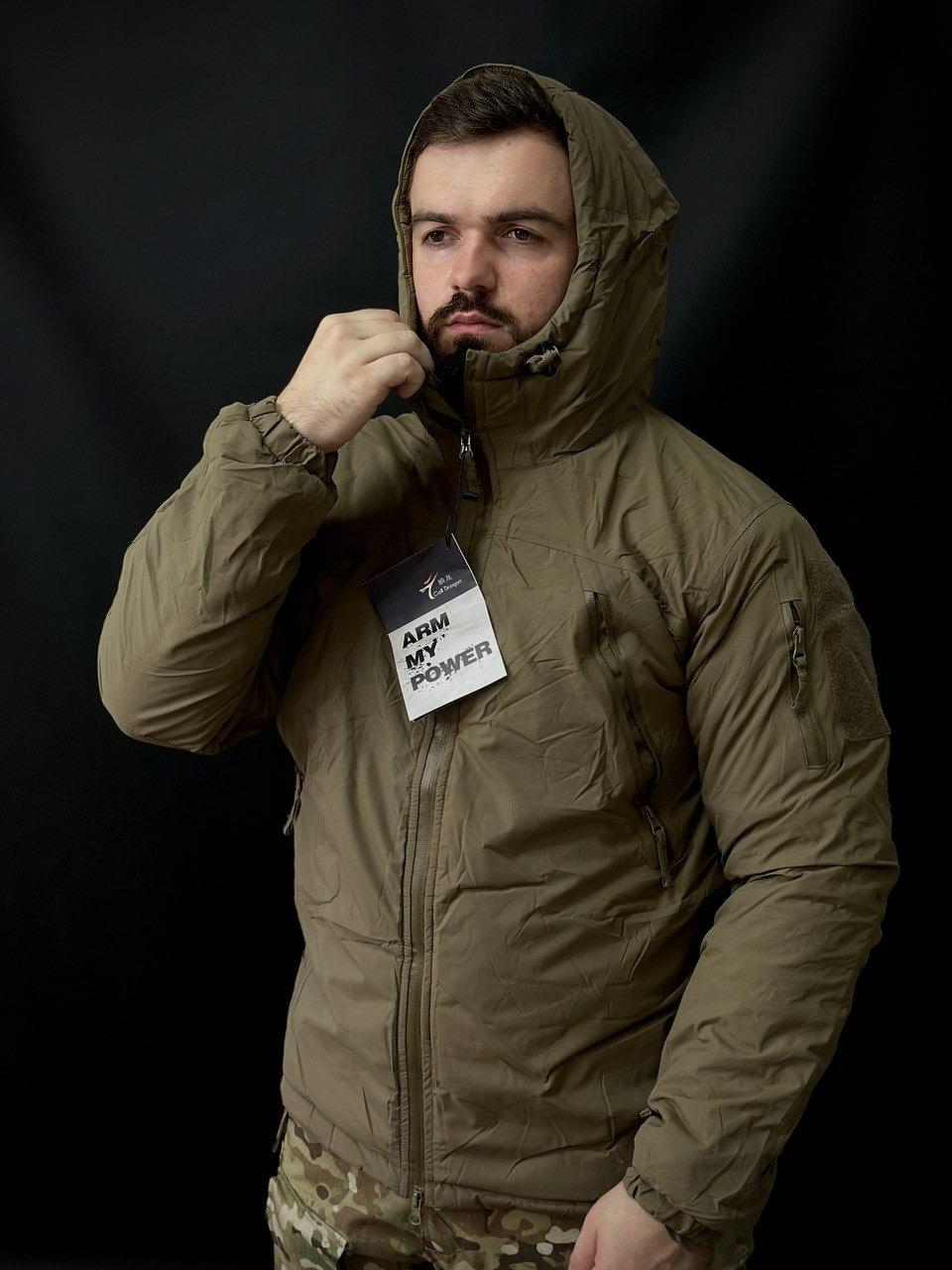
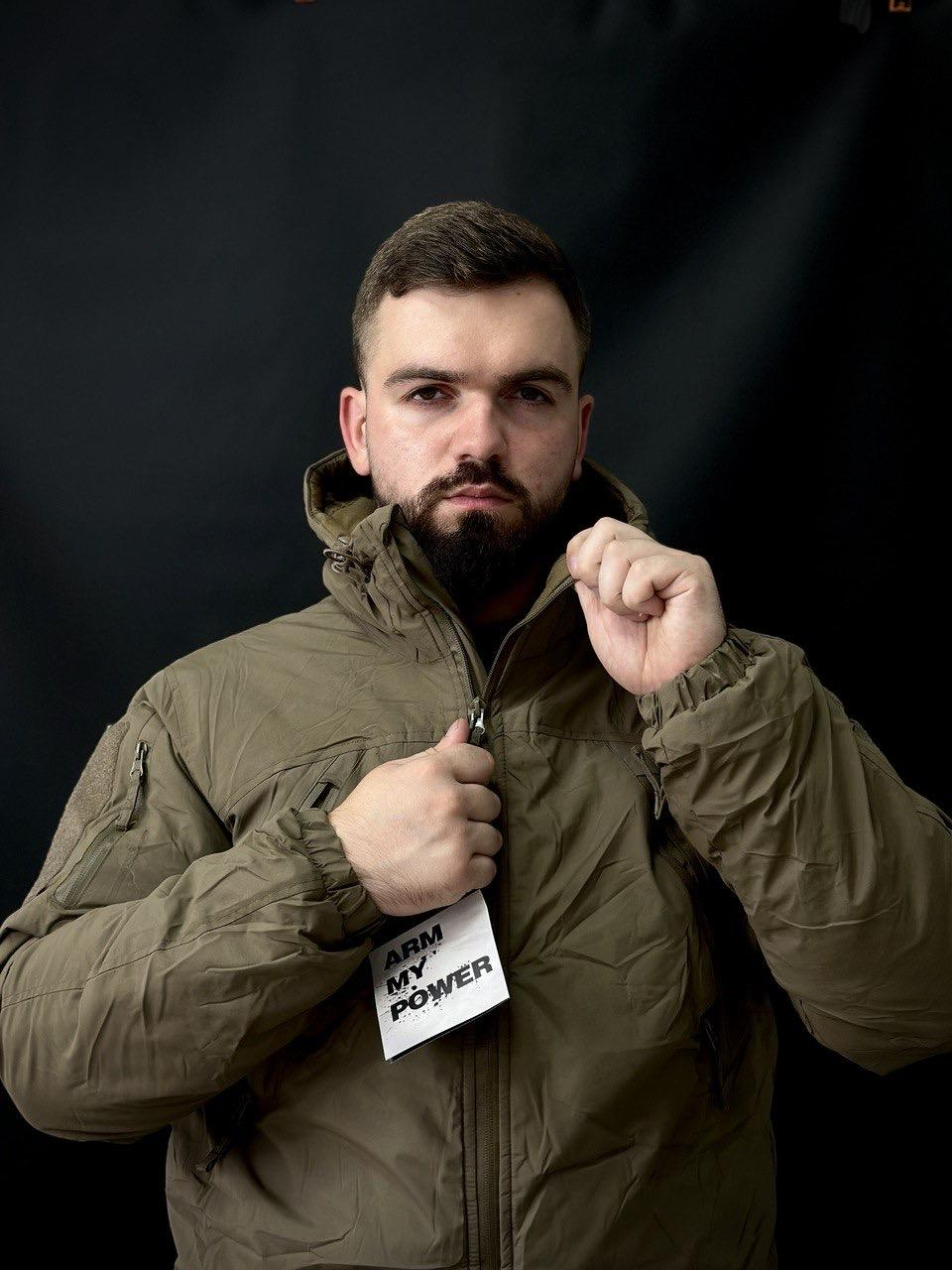
Let's start with the basics. Solid olive and coyote are reliable all-rounders for green and earthy landscapes. Olive is closer to leaves and grass, while coyote echoes dry soil, bark, and yellowing vegetation in autumn. Neither color requires you to "match the background": they perform well across a wide range of lighting and seasons, so it's hard to go wrong.
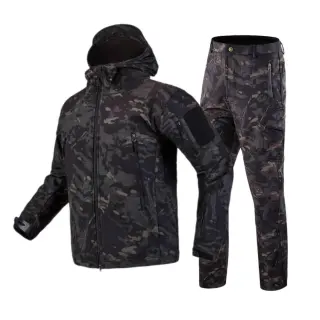
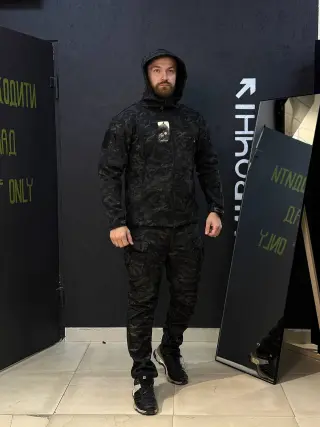
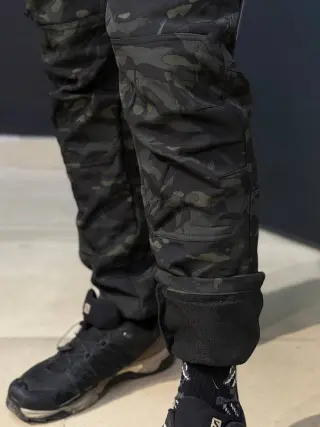
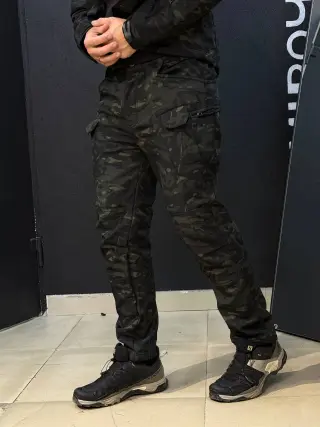
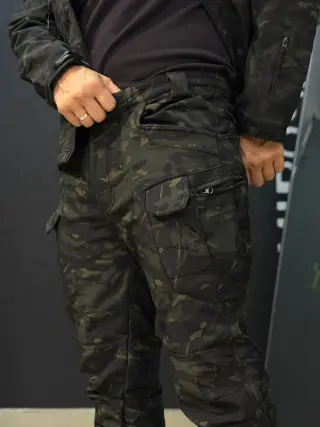
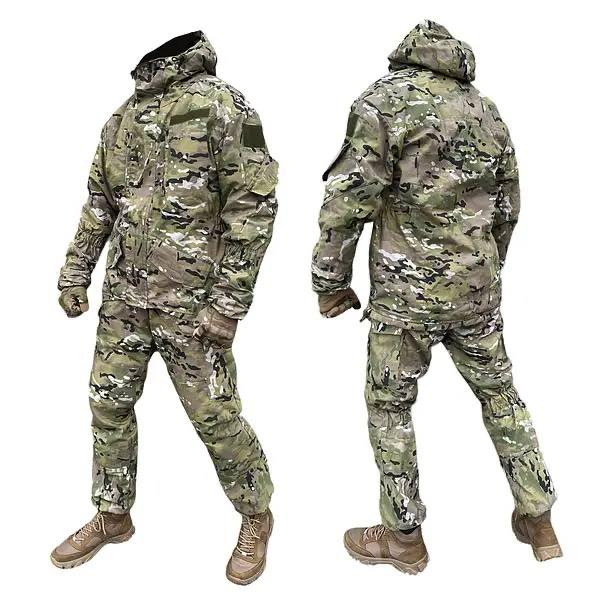
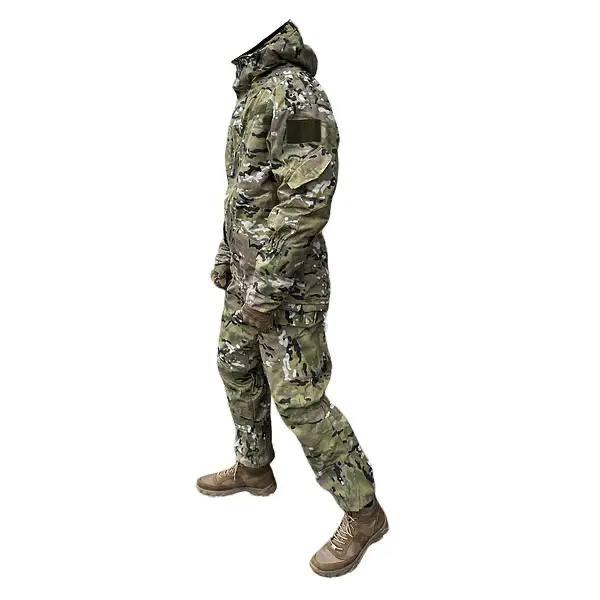
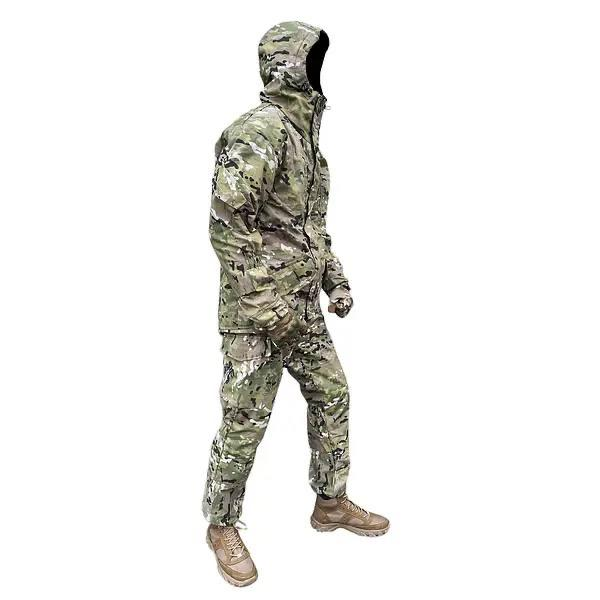
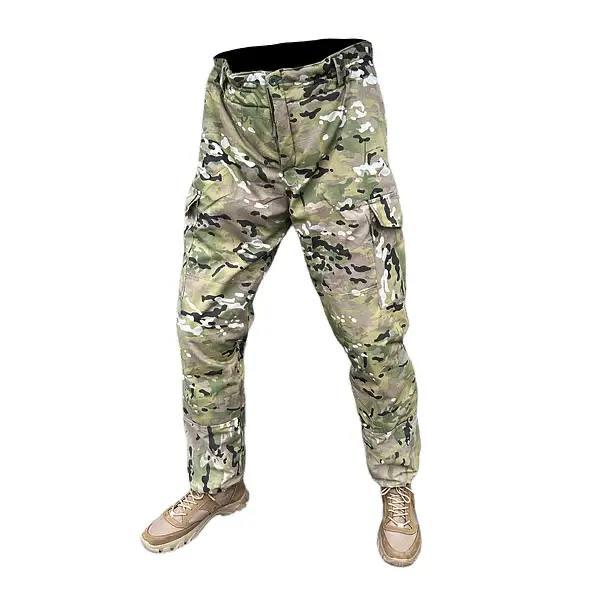
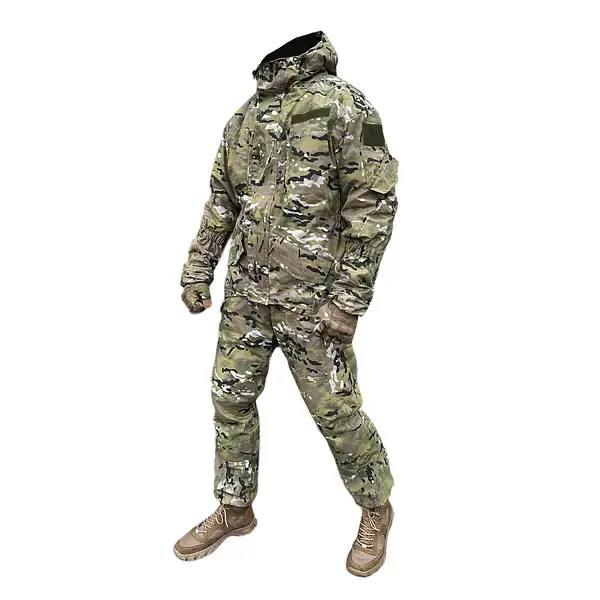
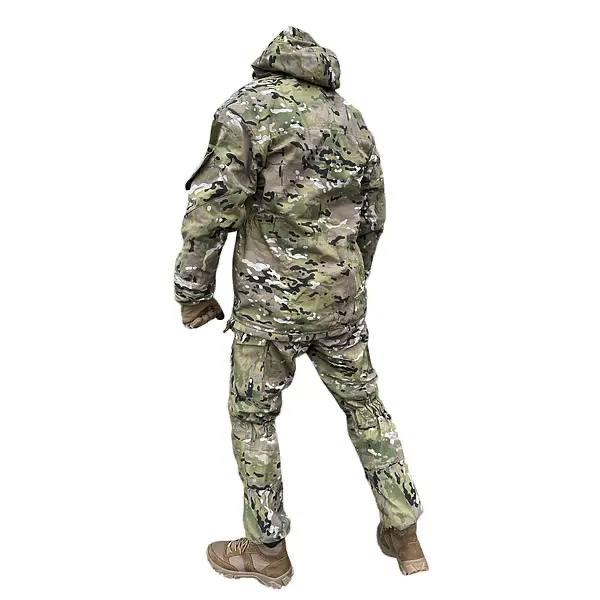
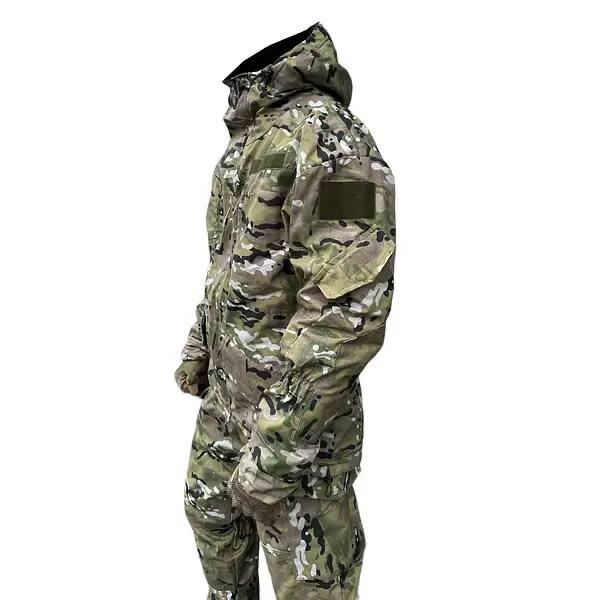
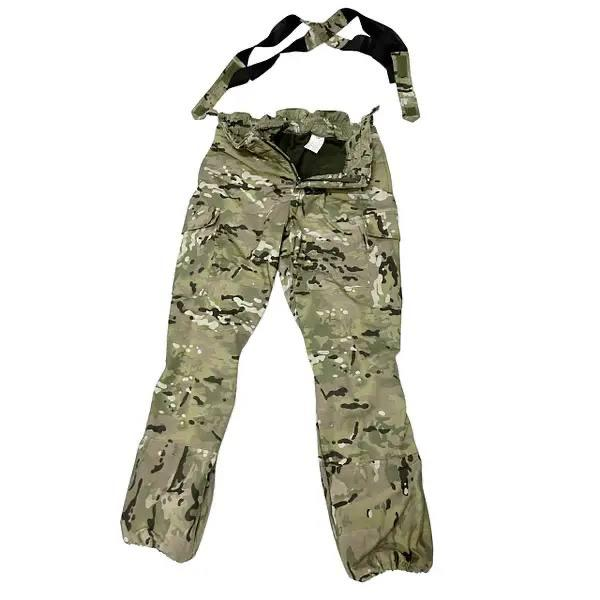
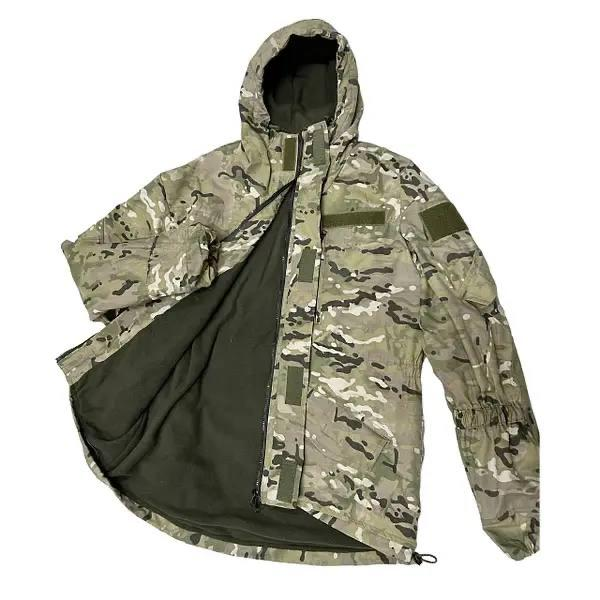
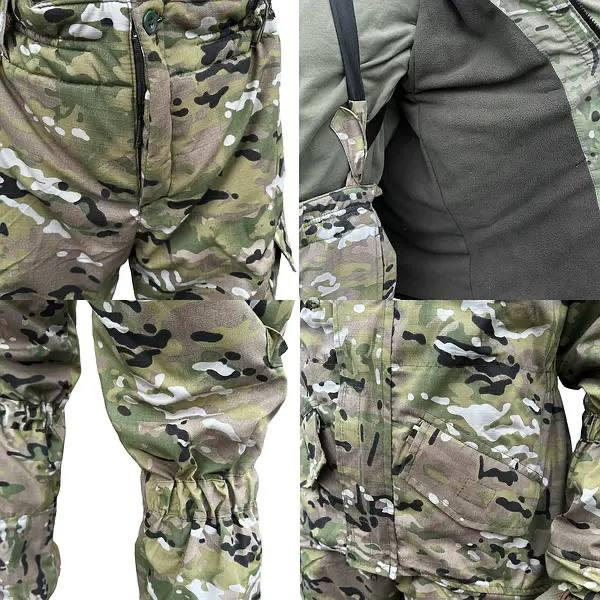
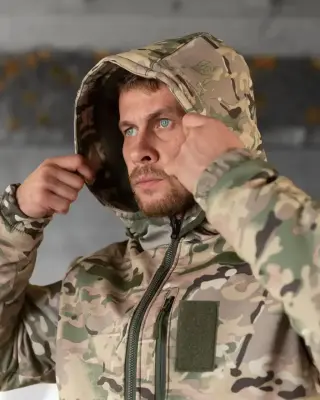
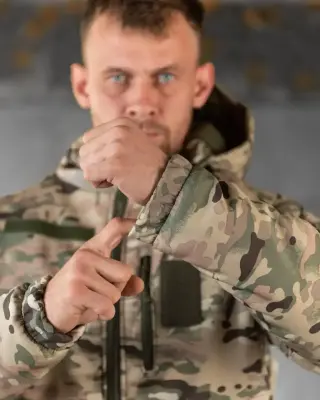
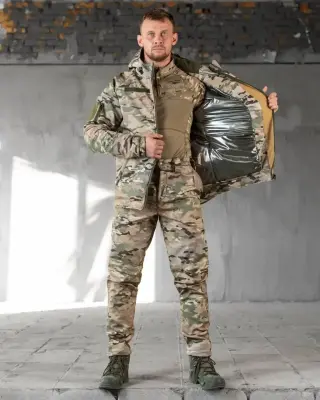
Multicam is a different tool. It's a multi-tone pattern that breaks up your silhouette and blends you into non-uniform backgrounds: mixed woodland, shrubs, patches of light and shadow. In that kind of environment it outperforms a solid color. But it also demands more attention: on a flat green meadow, the pattern can sometimes be more noticeable than plain olive.
What to choose in practice:
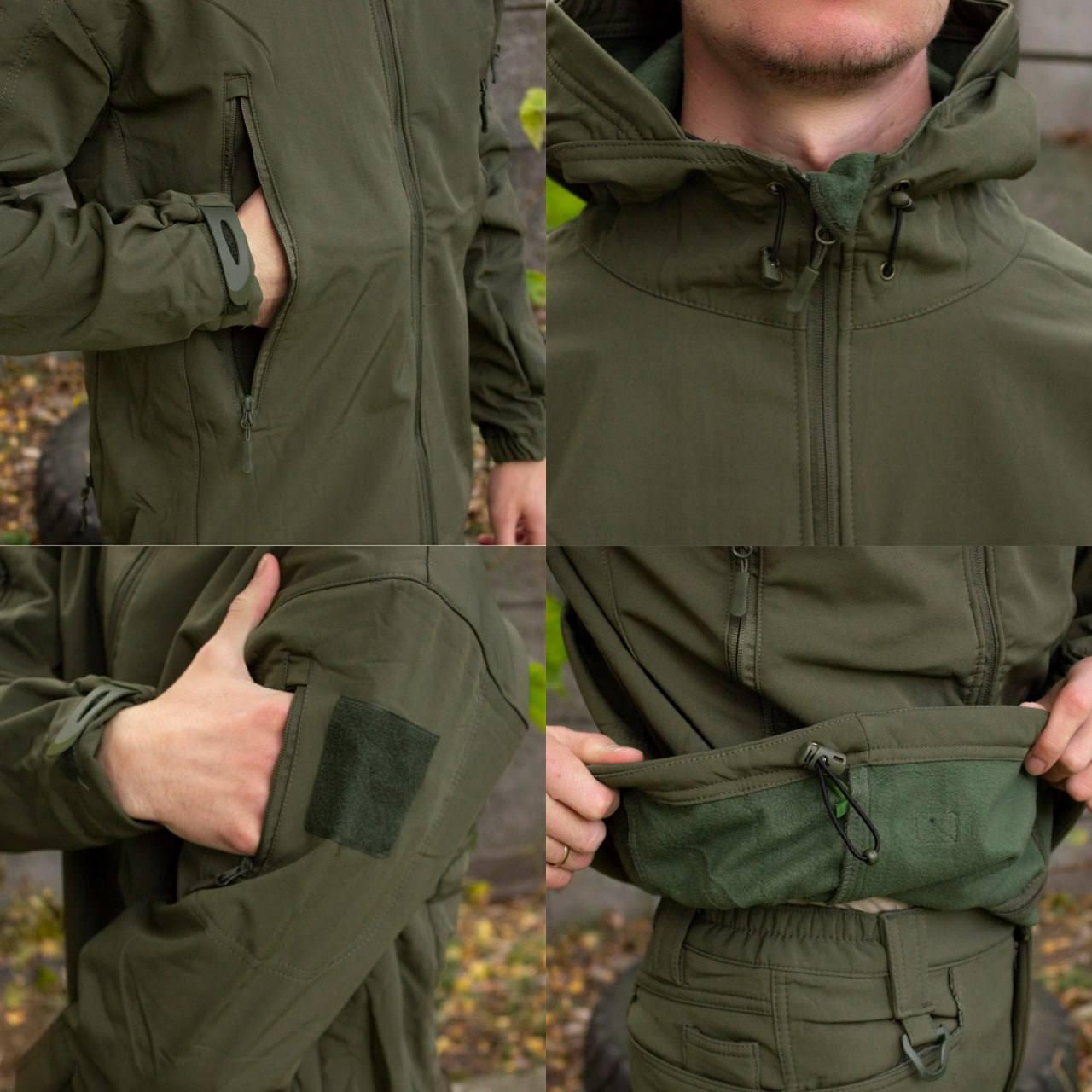
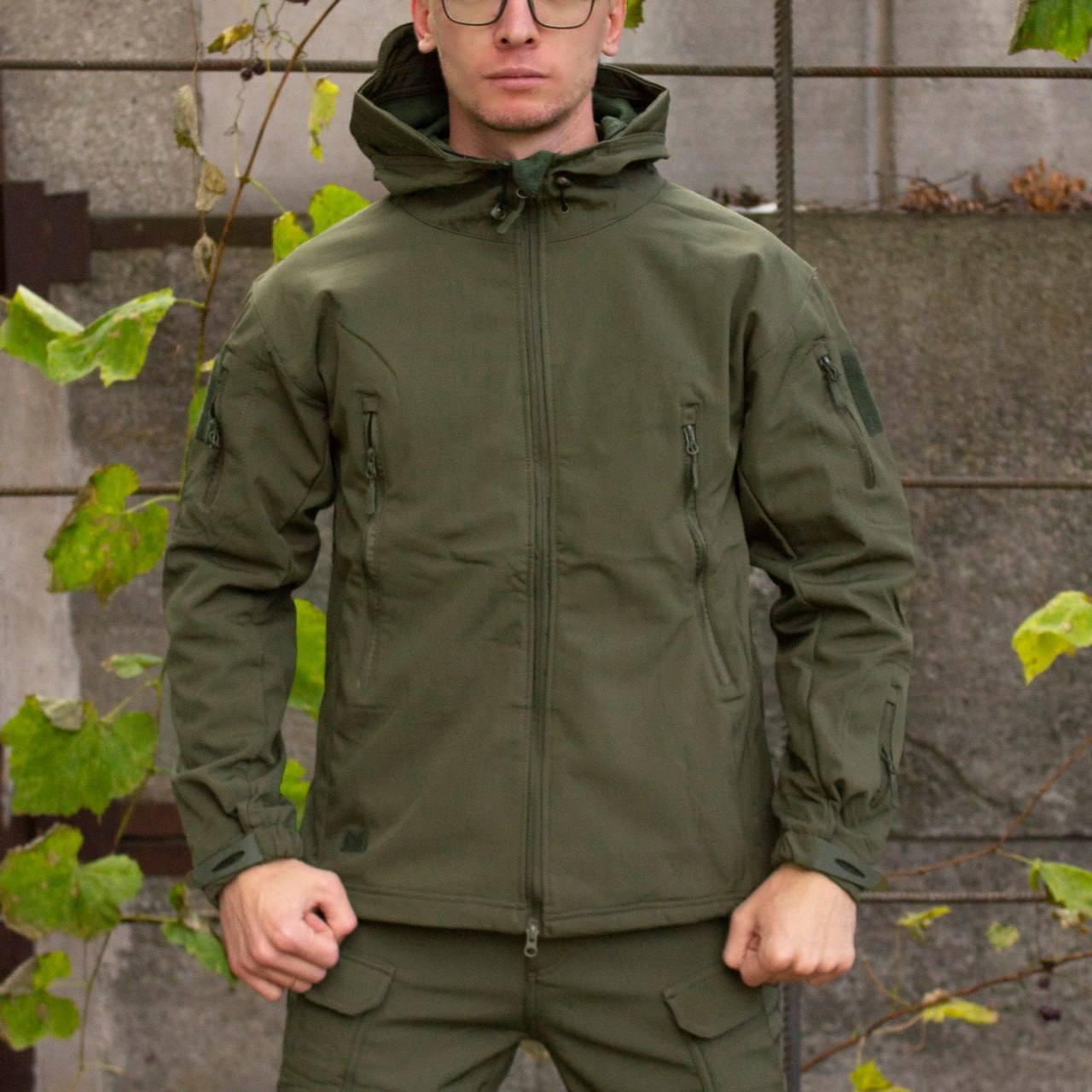
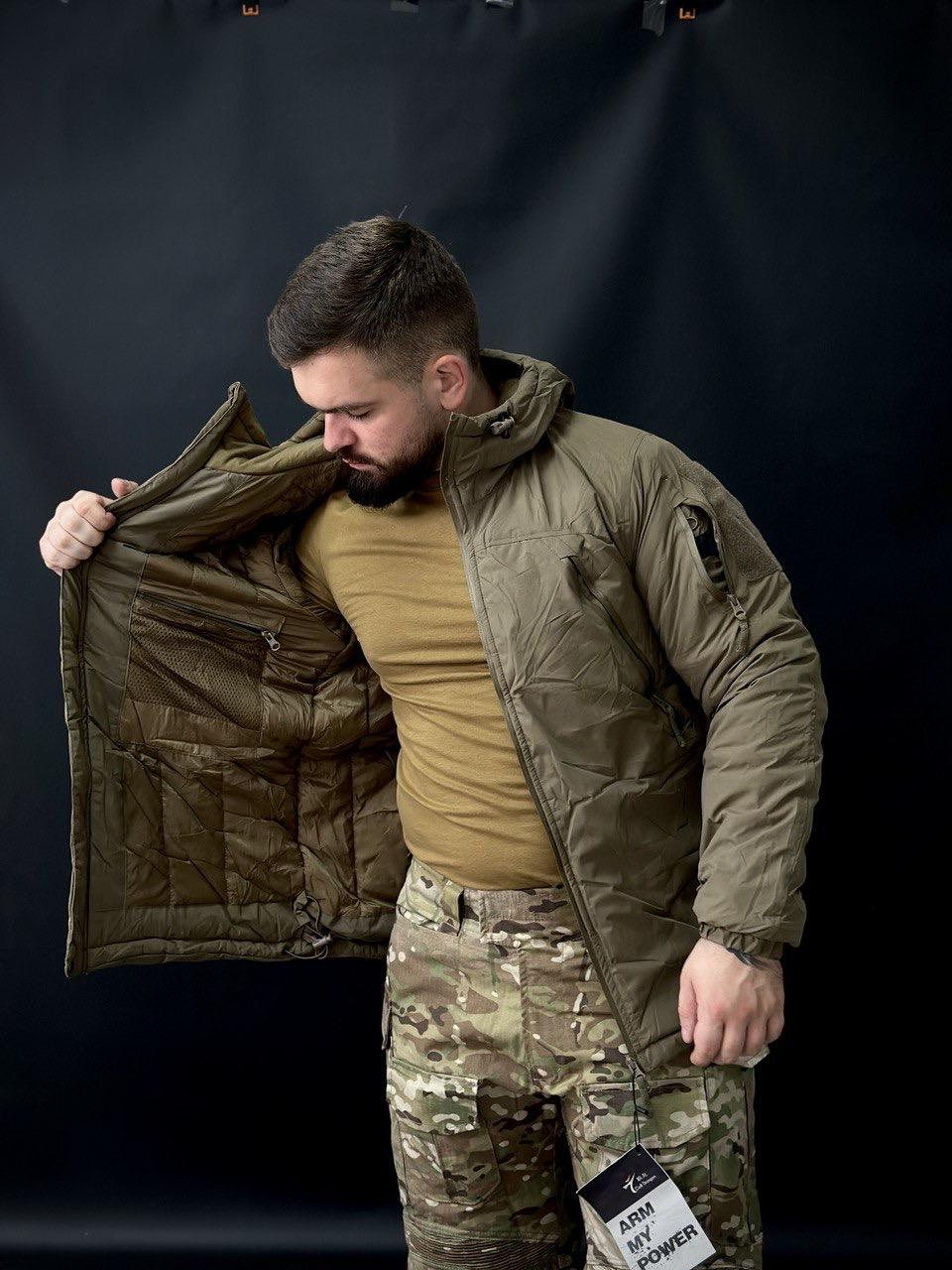
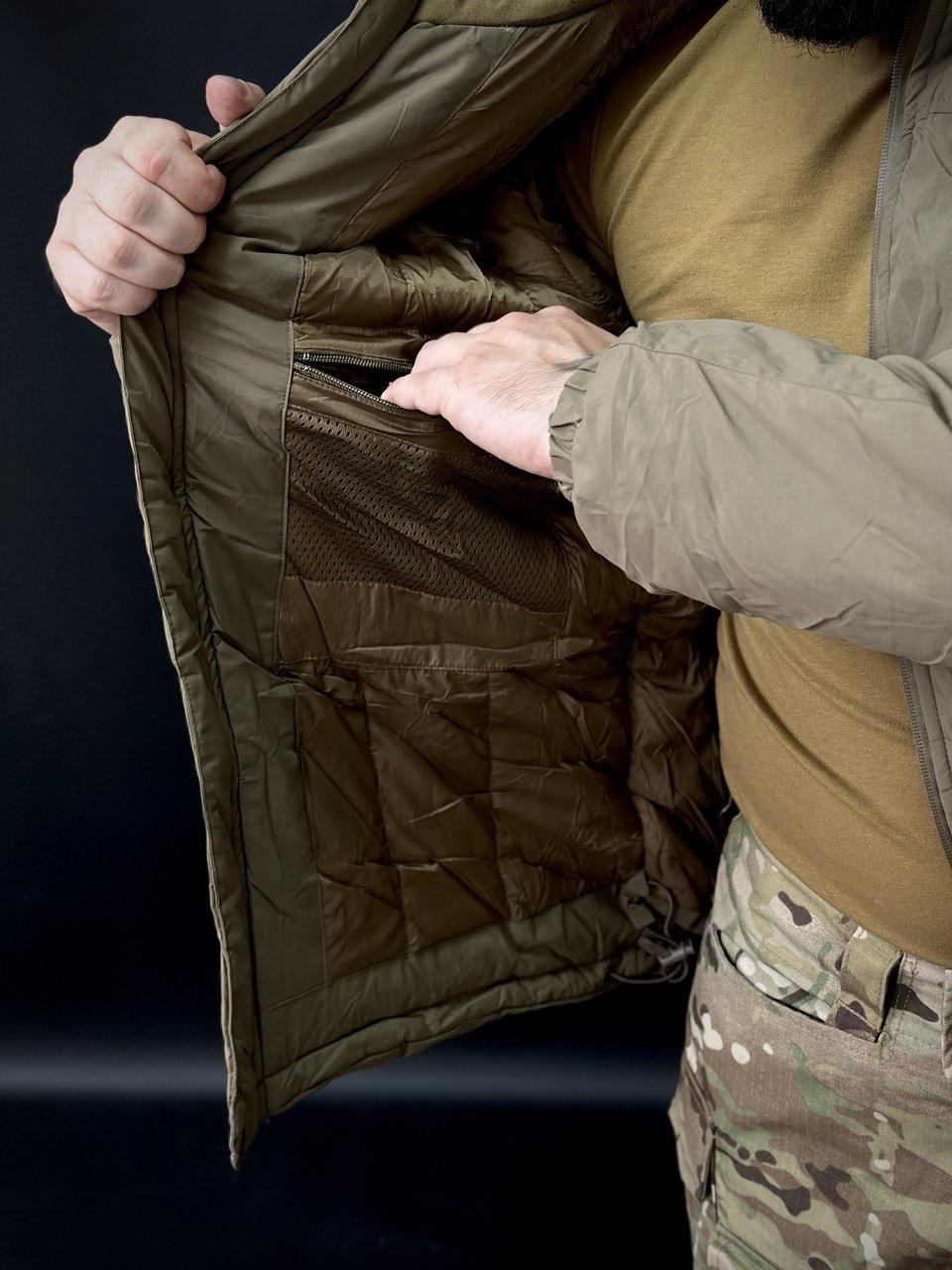
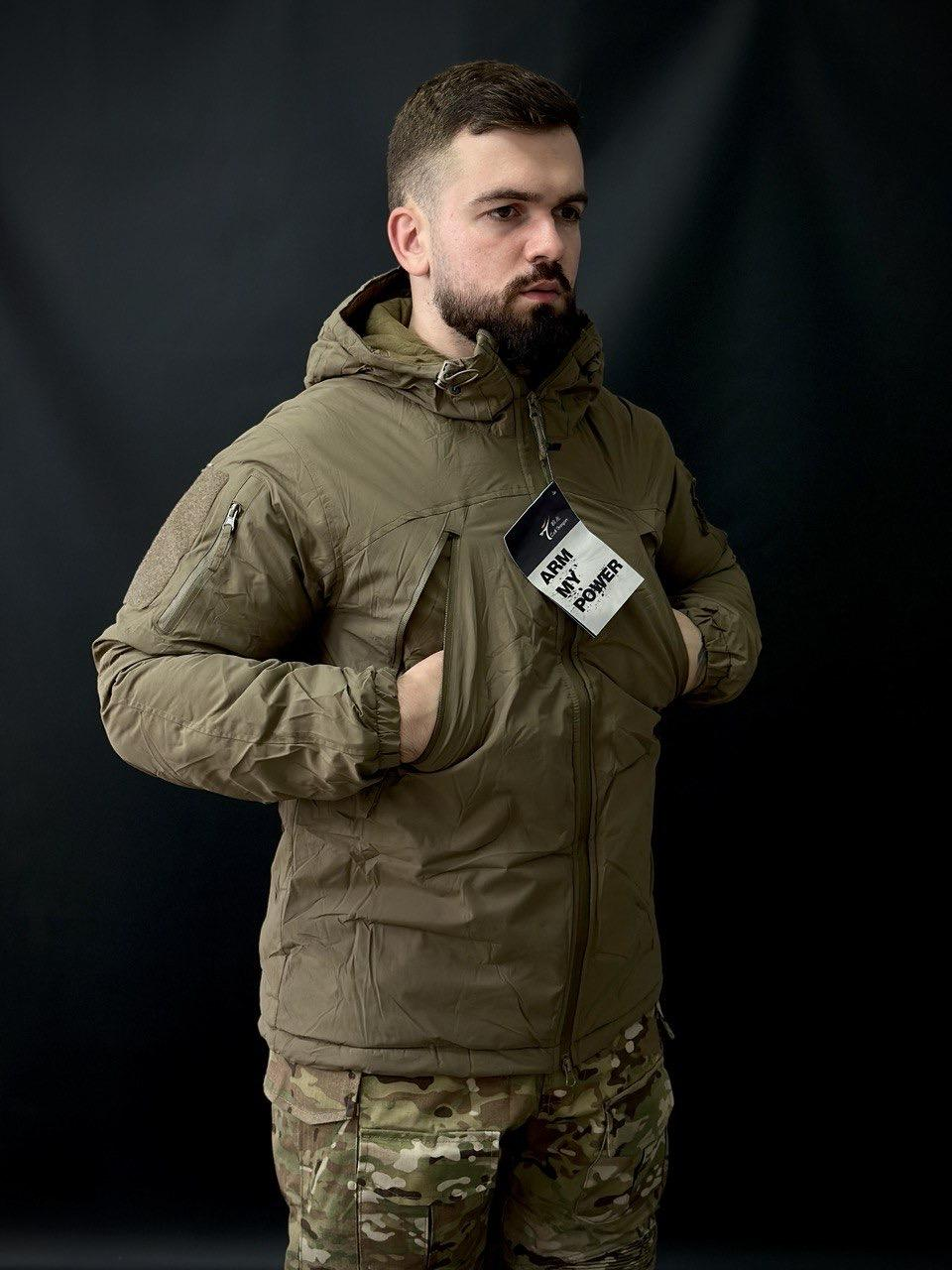
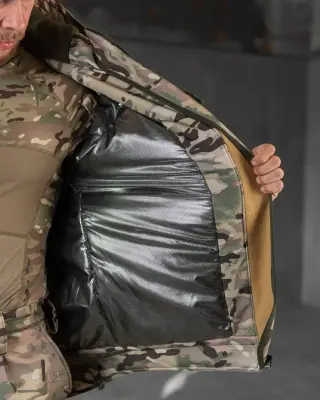
- Fleece-lined softshell in olive or coyote — a lightweight all-rounder for the shoulder seasons and hunting, offering wind and drizzle protection.
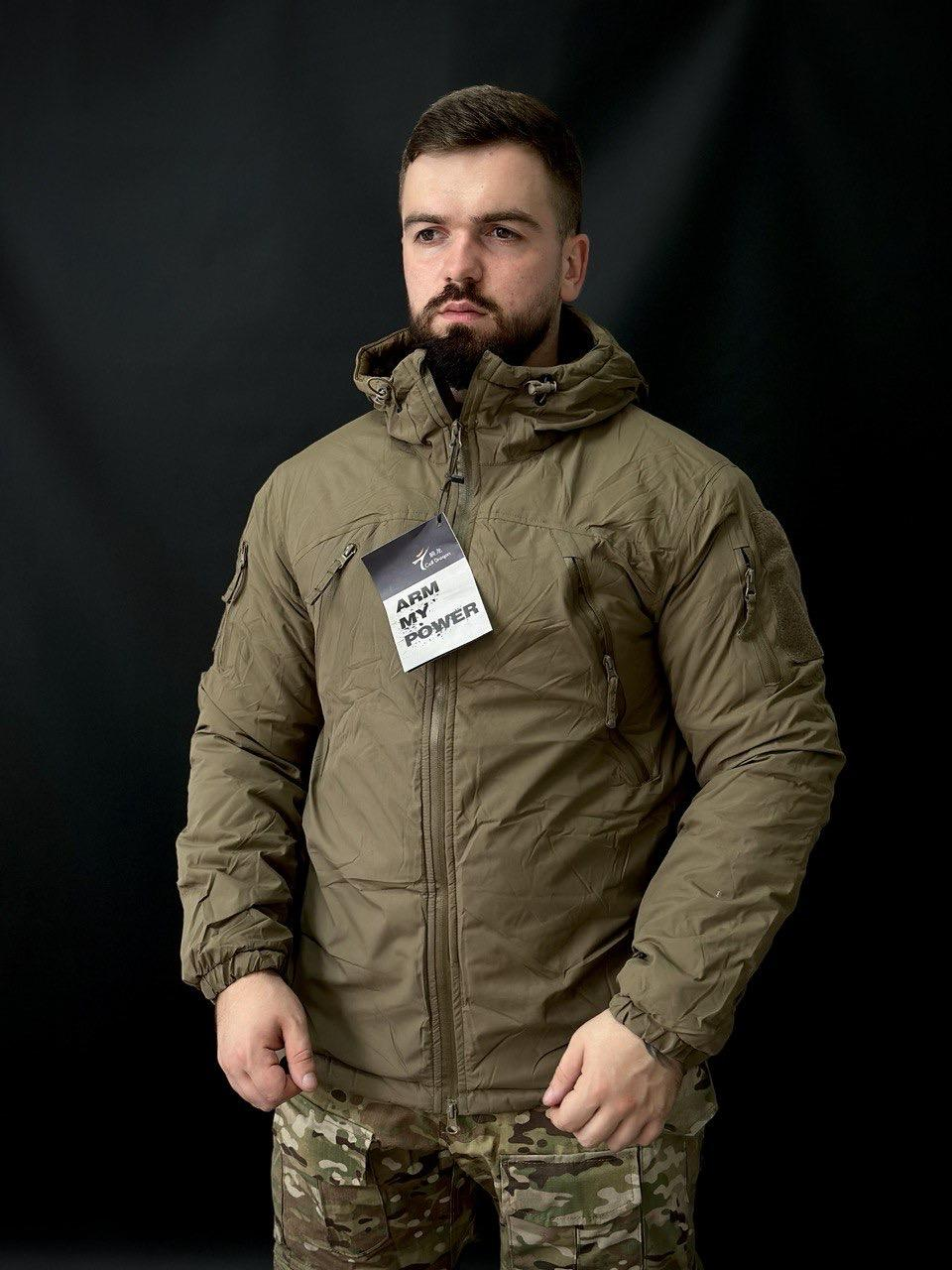
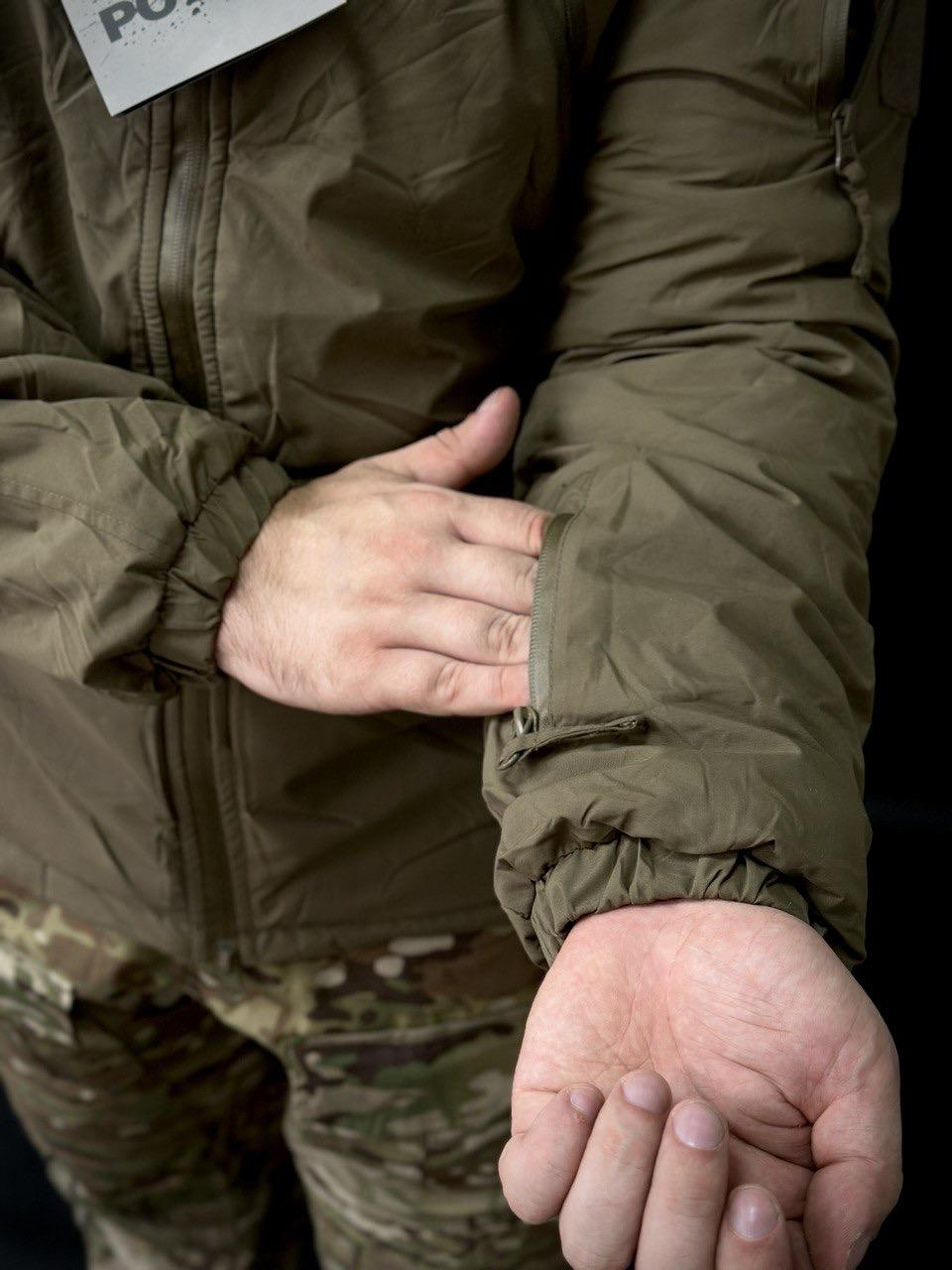
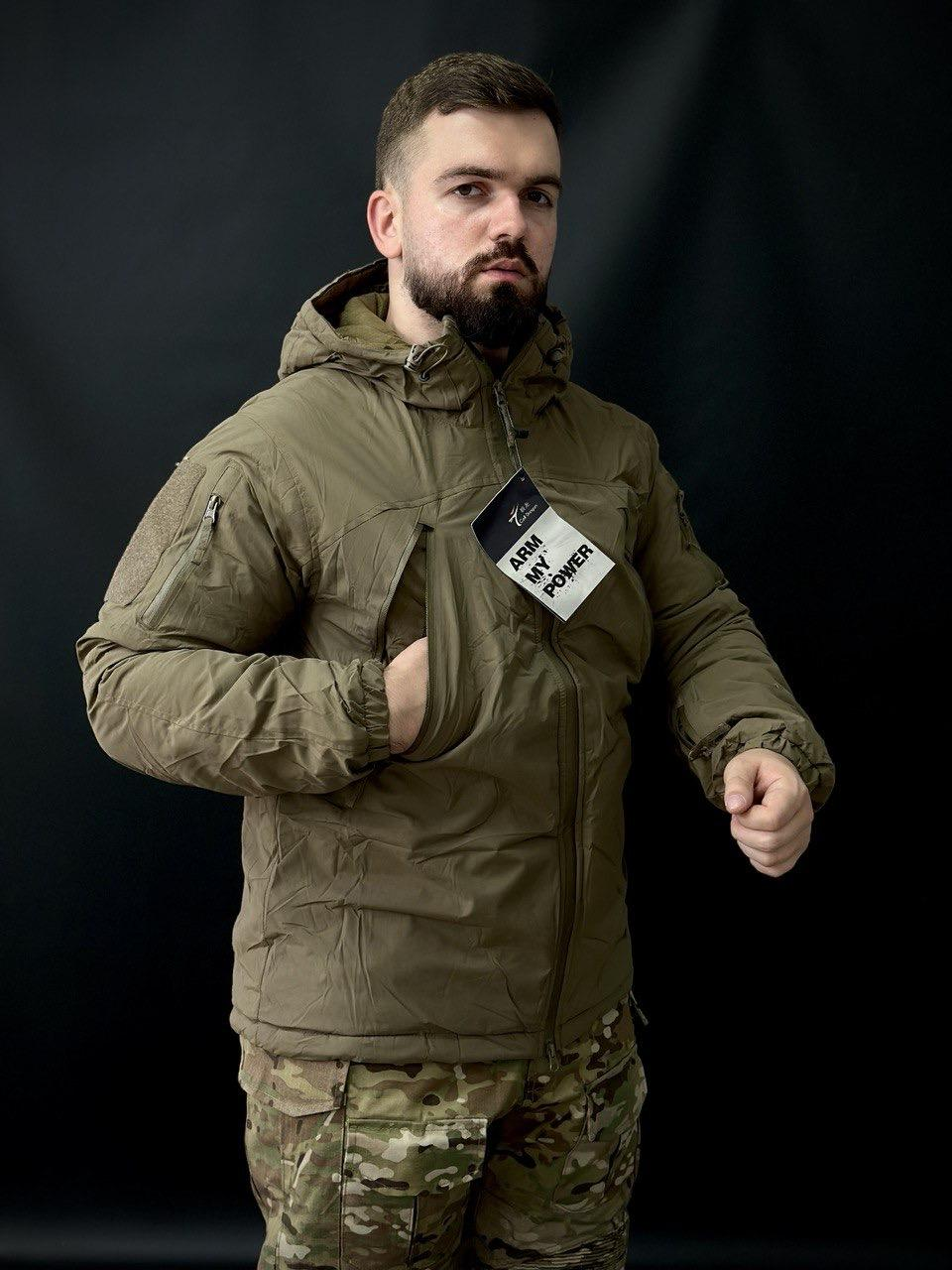
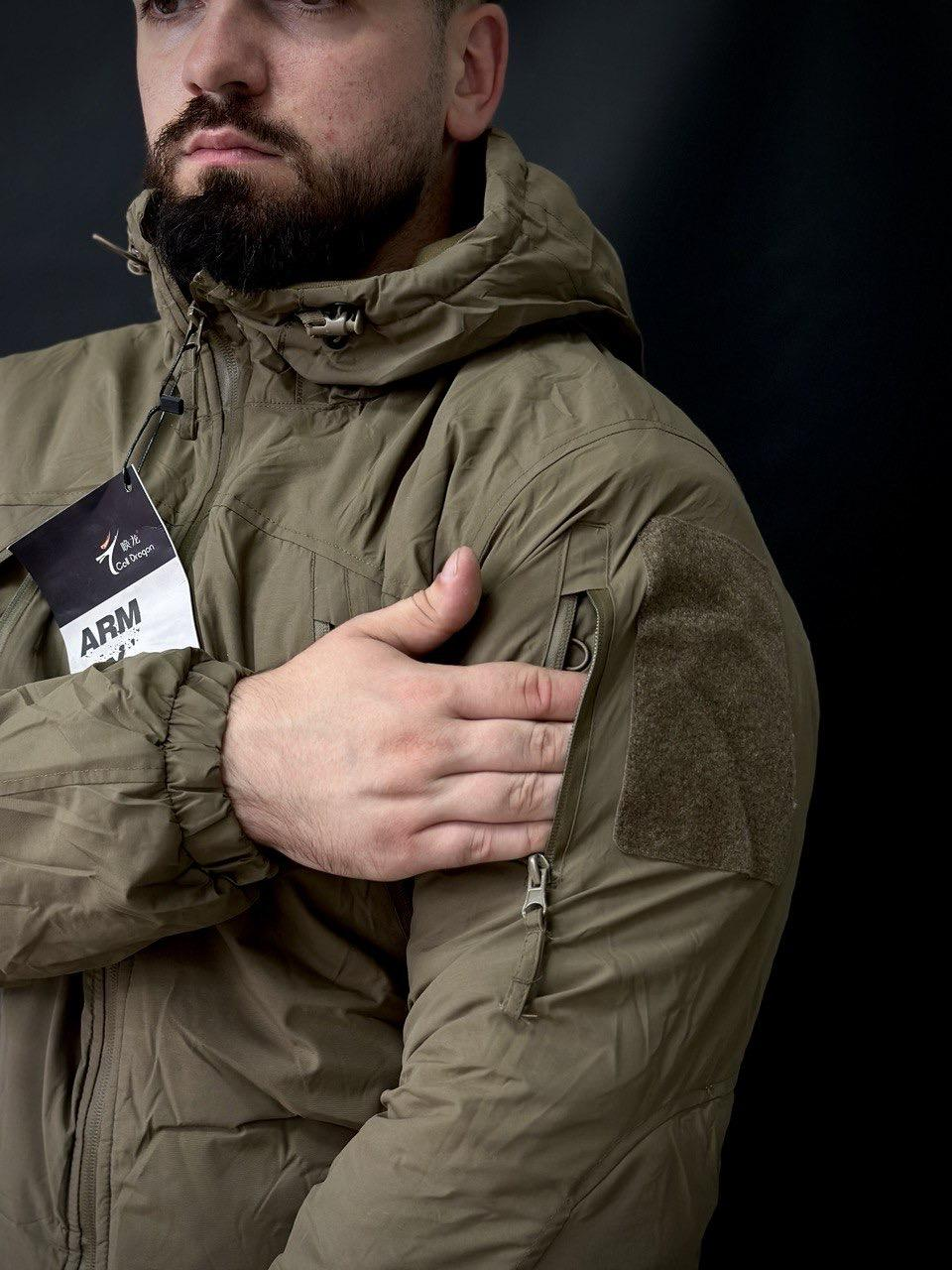
- Coyote membrane jacket — when moisture protection is the priority during the autumn-winter period.
- Гірка 5 multicam suit — for mixed woodland and maximum concealment down to -15 °C.
Find more options for the forest in the Tactical Clothing and Gear section.
Steppe and Open Terrain: Sandy and Light Tones
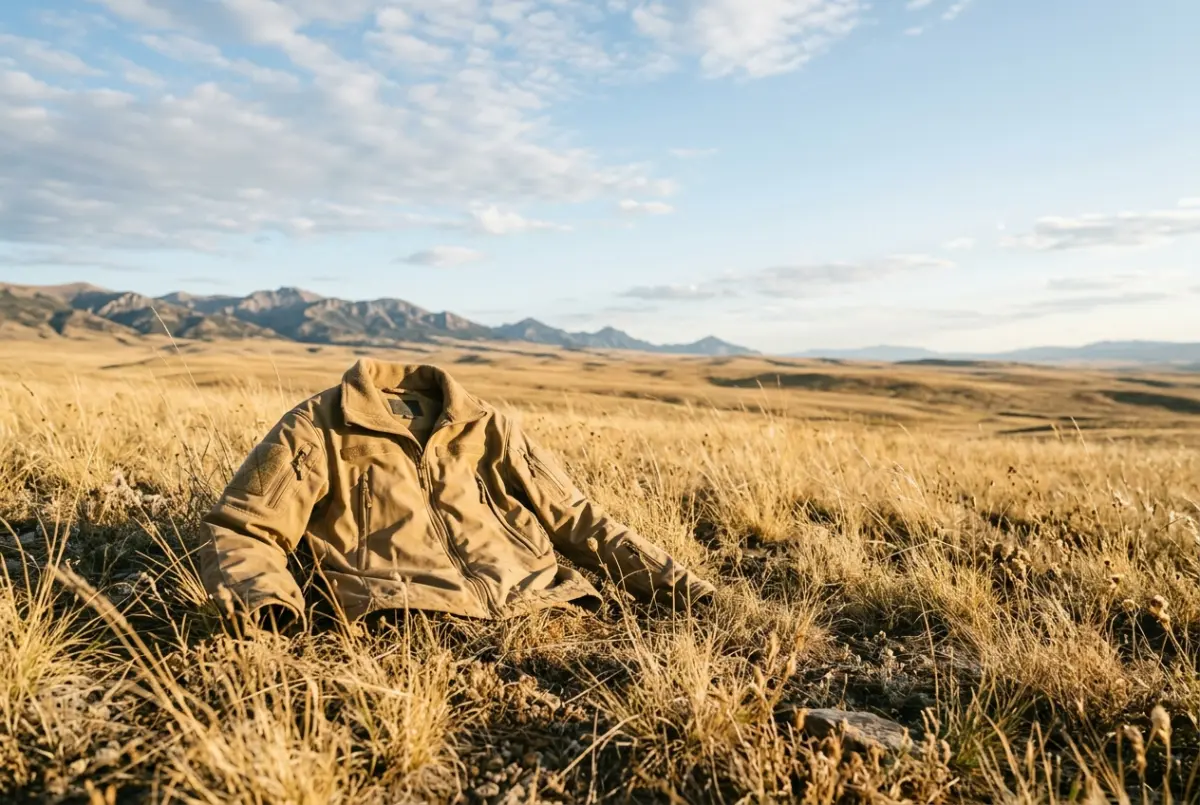
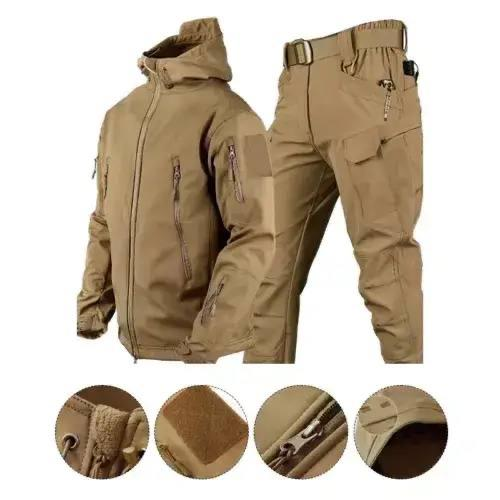
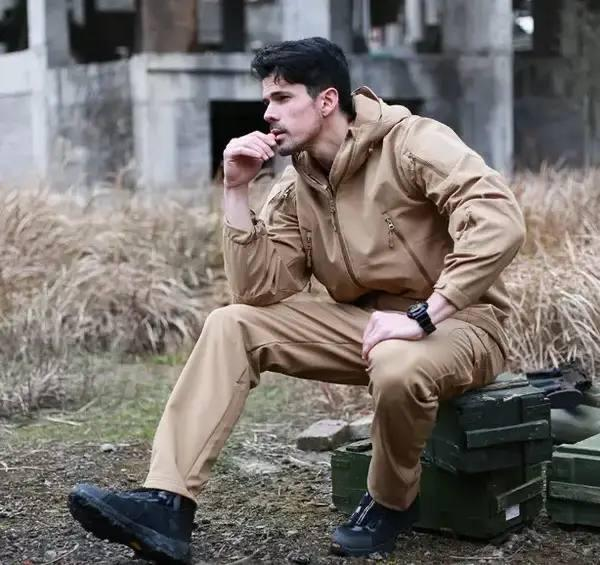
Steppe, fields, and scorched slopes share a light, warm background: golden grass, sand, dry earth. A simple rule applies here: your gear should match the environment. Coyote and sandy tones blend into that backdrop, whereas dark olive stands out like a spot against light grass, and black becomes a silhouette visible from far away. In open terrain there are no dense shadows or foliage to mask dark colors — so the closer your color is to sandy, the less you stand out.
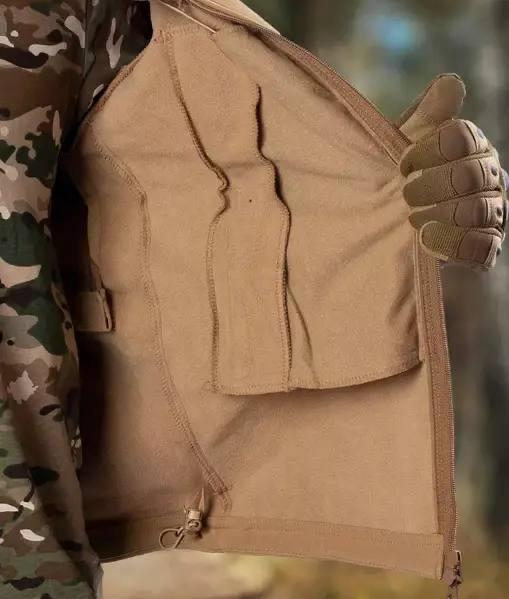
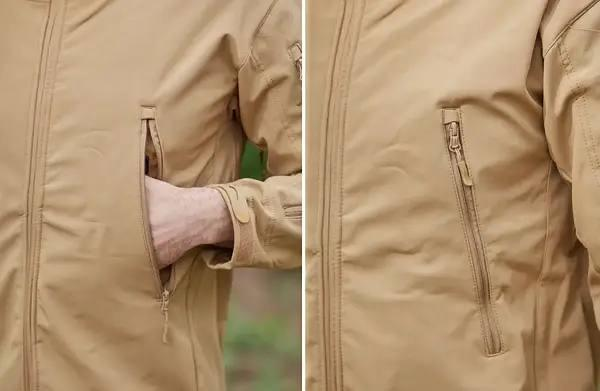
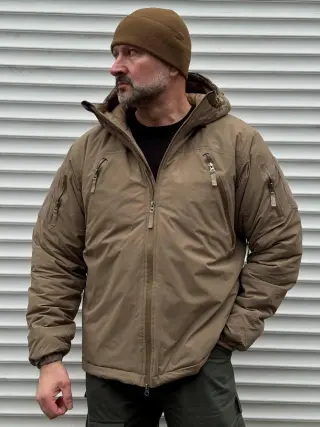
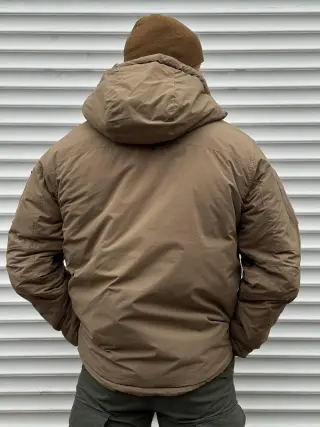
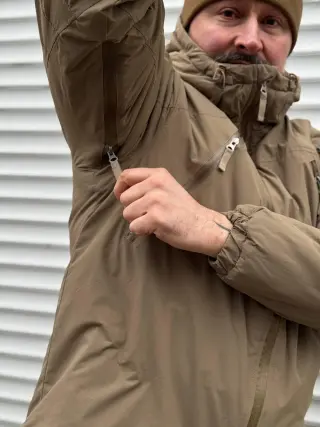
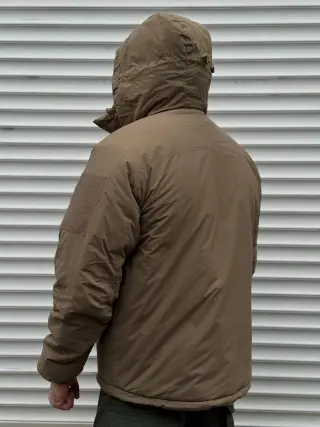
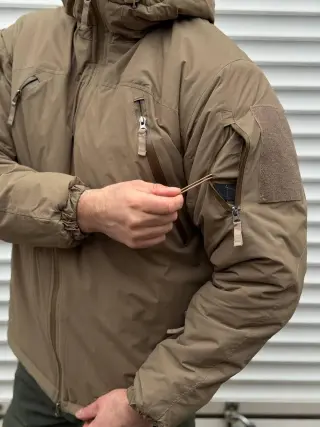
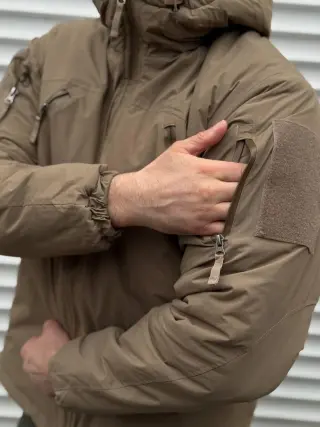
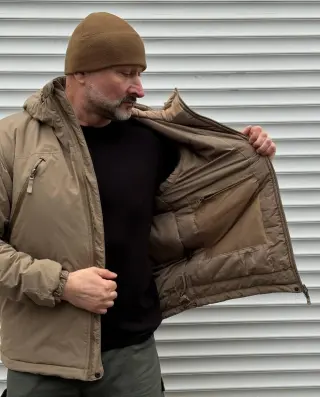
For the outer layer in steppe conditions, coyote jackets and suits are the logical choice. For example, softshell suits and Call Dragon 2.0 membrane jackets in coyote provide weather protection and the right tone for open terrain in the cold season.
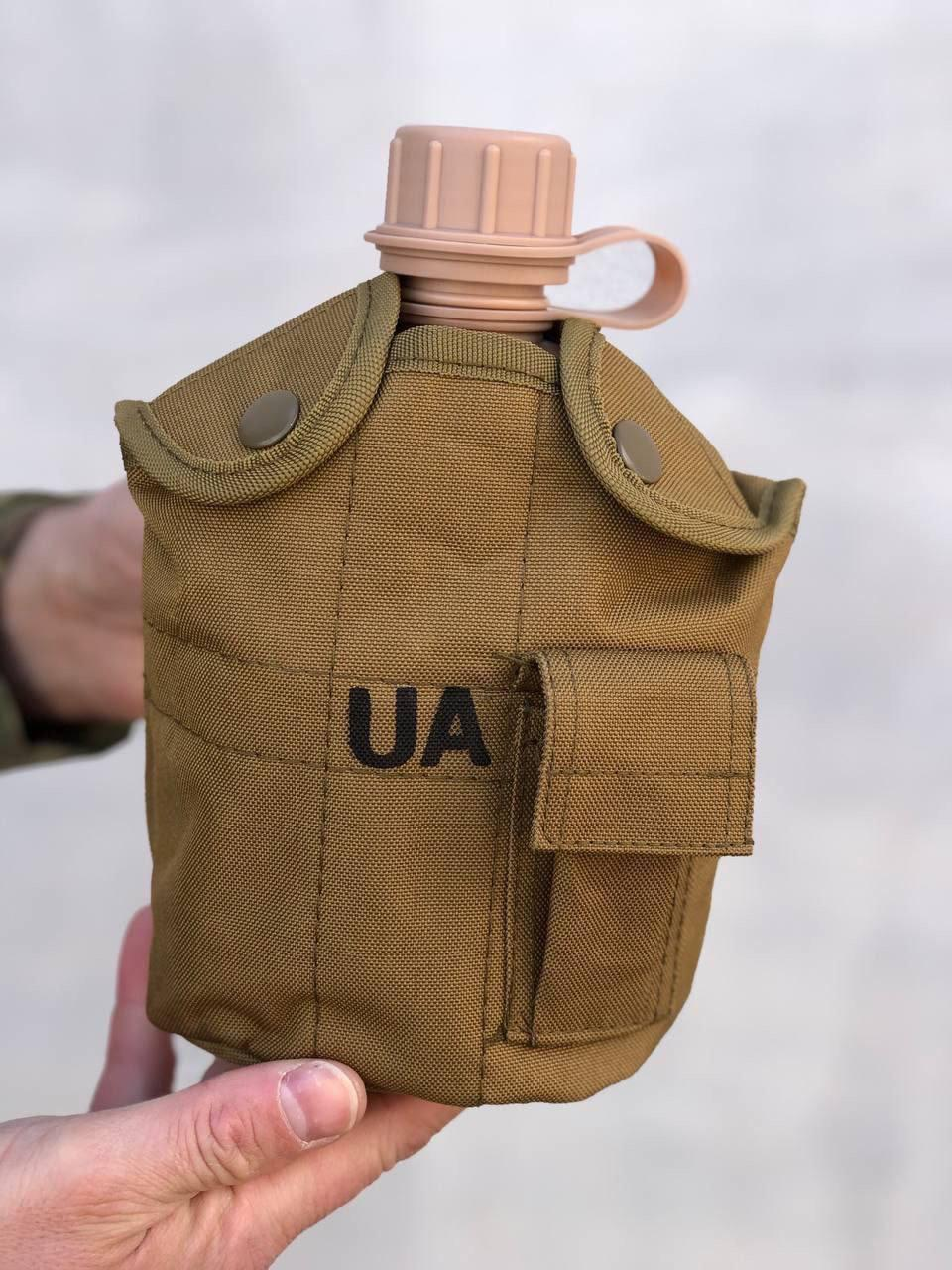
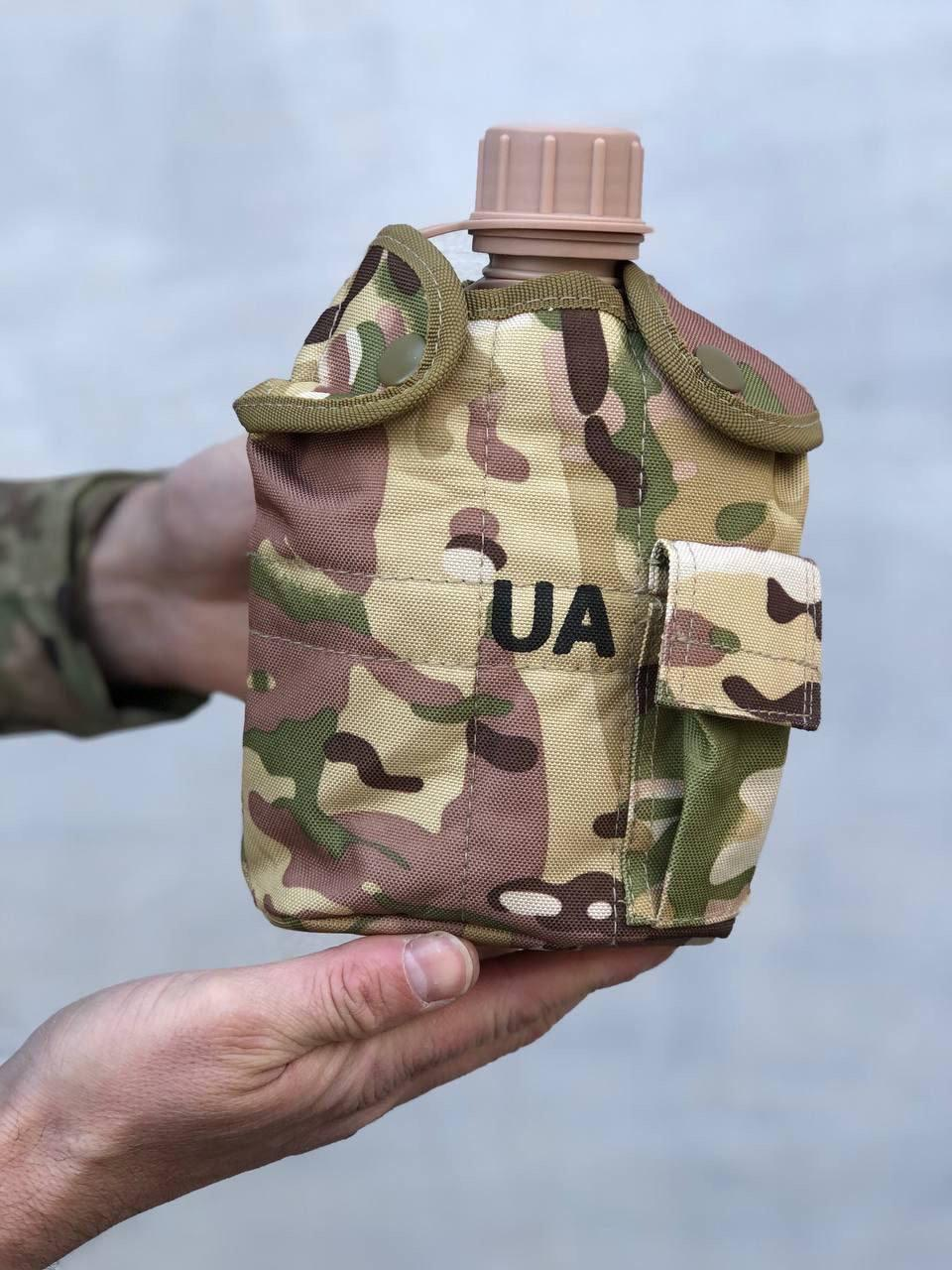
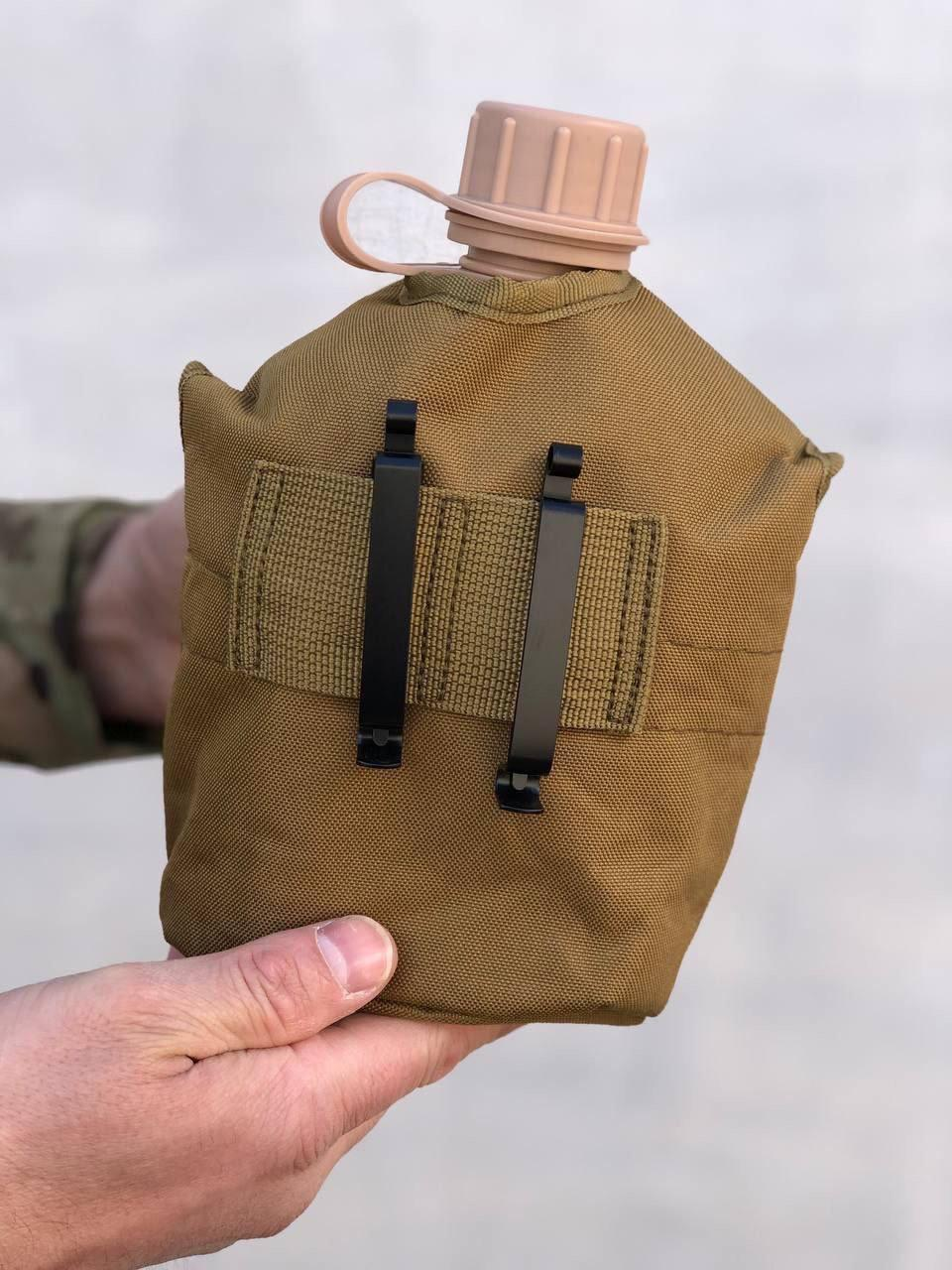
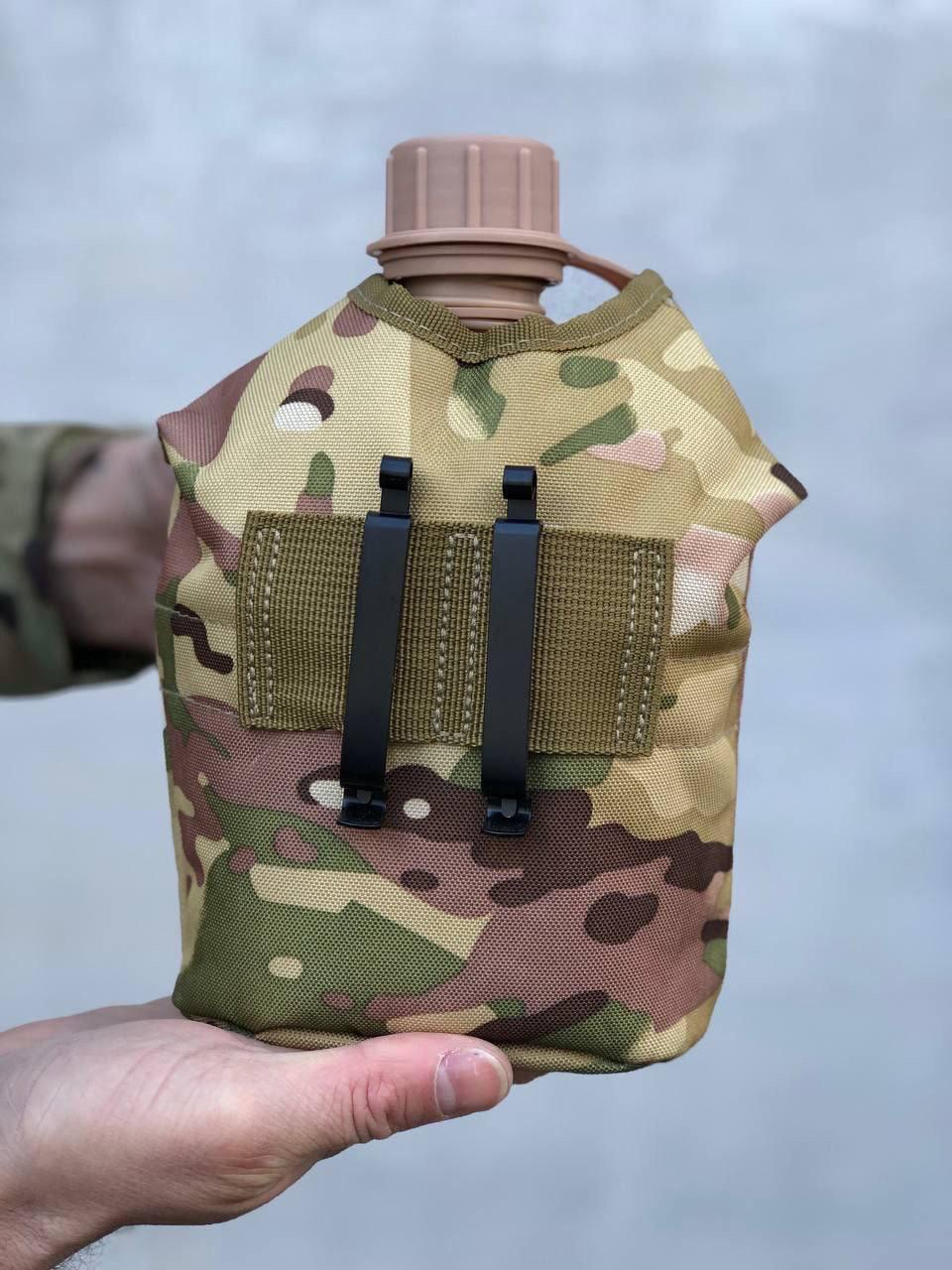
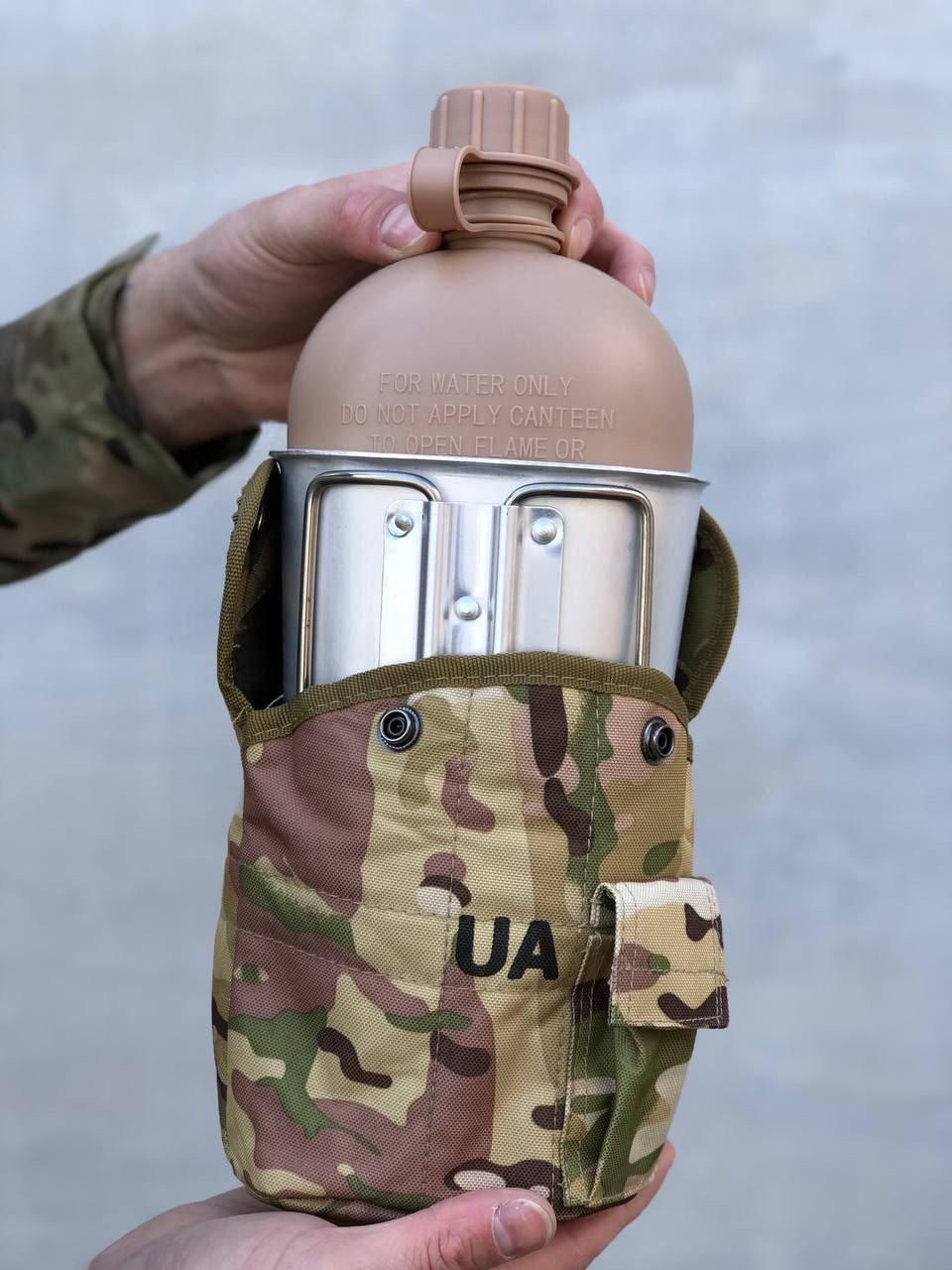
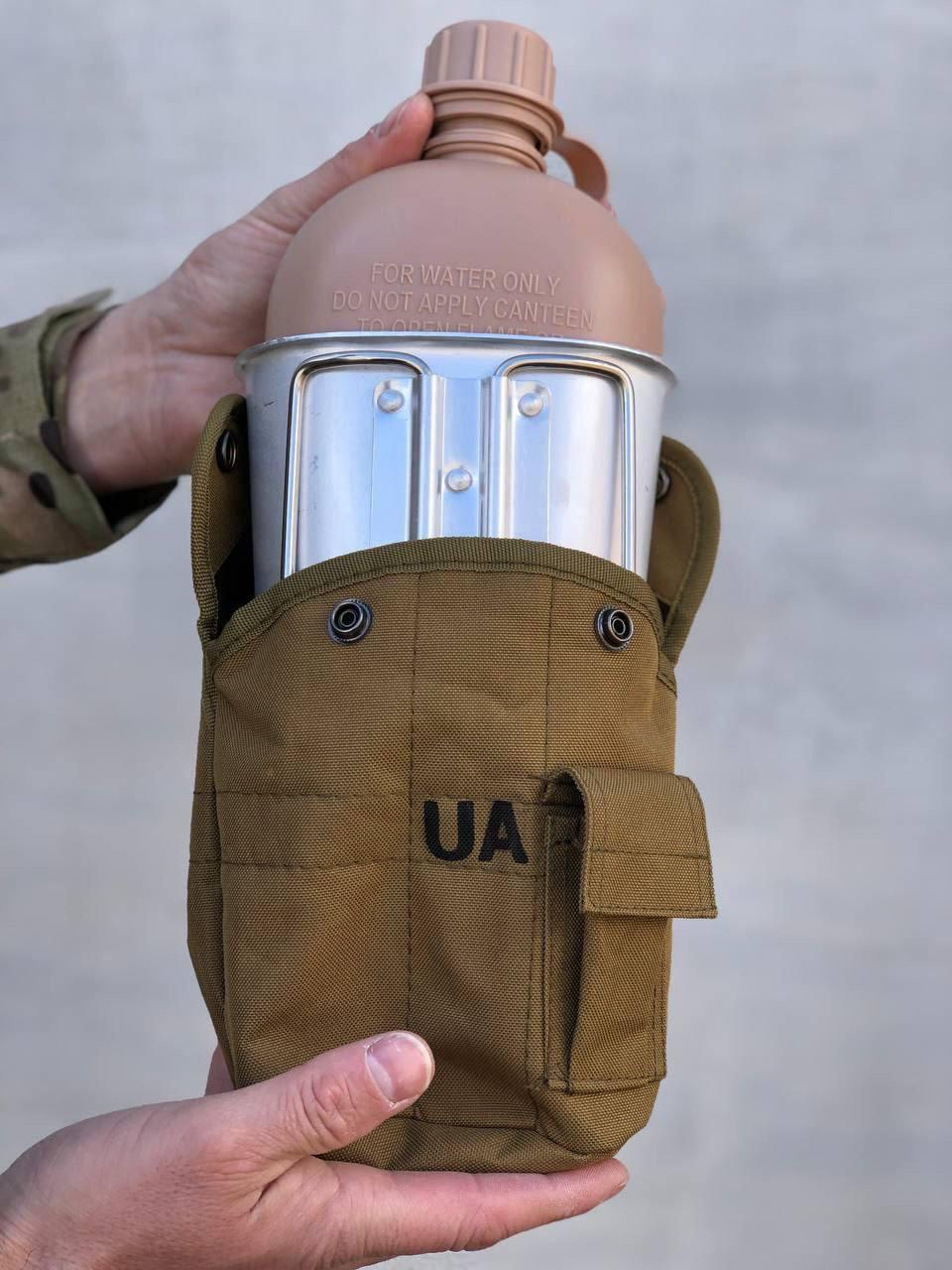
Small gear is worth thinking about too — it shouldn't break the overall picture. A shiny metal flask or a dark-colored mess tin can easily give away your position. That's why a flask-and-mess-tin set in multicam/coyote complements the kit: the sandy Coyote finish stays in tune with the steppe backdrop rather than contrasting with it.
The summary for the steppe is short: go with coyote and sand, and it's best to leave black behind.
Winter: Color for Snow and Cold, Plus Warmth
In winter, the selection logic shifts. On snow, solid black reads as a dark spot visible from a distance, so lighter and neutral tones are less conspicuous. But that's a secondary consideration: the main question in cold weather is not "how do I disappear" but "how do I stay warm." The priority therefore shifts to warmth, wind protection, and staying dry.
What that means in practice:
- Warmth beats pattern. A jacket rated to -30 °C is more valuable than the "perfect" winter camouflage that leaves you freezing within an hour.
- Layering is everything. A thermal base layer under the outer jacket gives you far more temperature control than a single thick garment.
- Color is a nice bonus. Light multicam or neutral tones genuinely stand out less on snow, but only choose them once warmth is already taken care of.
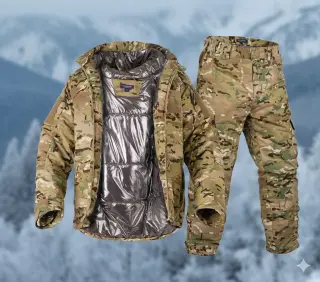
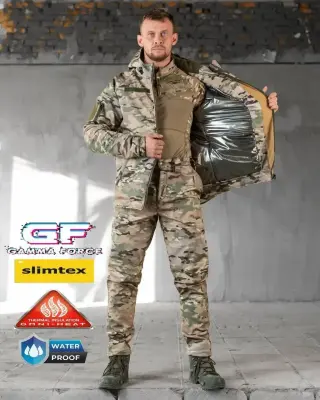
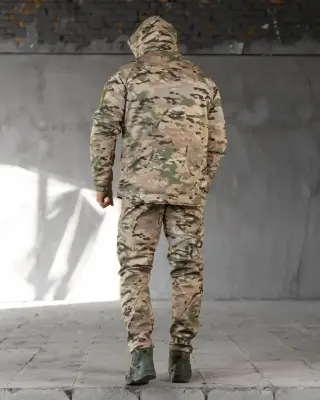
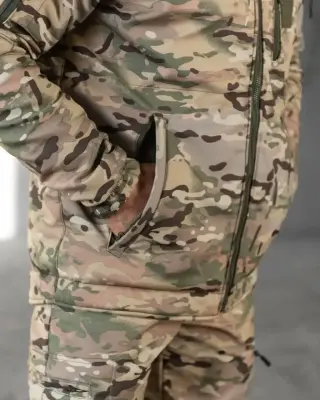
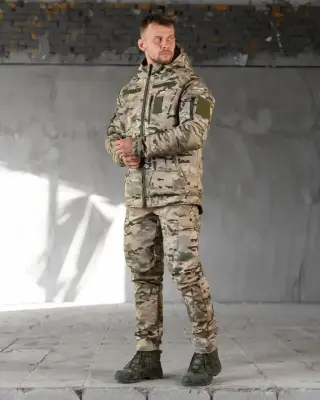
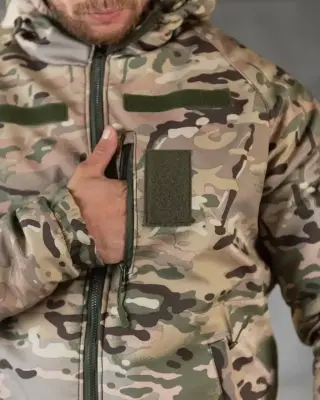
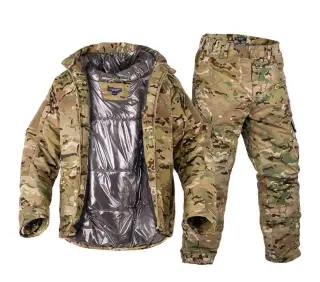
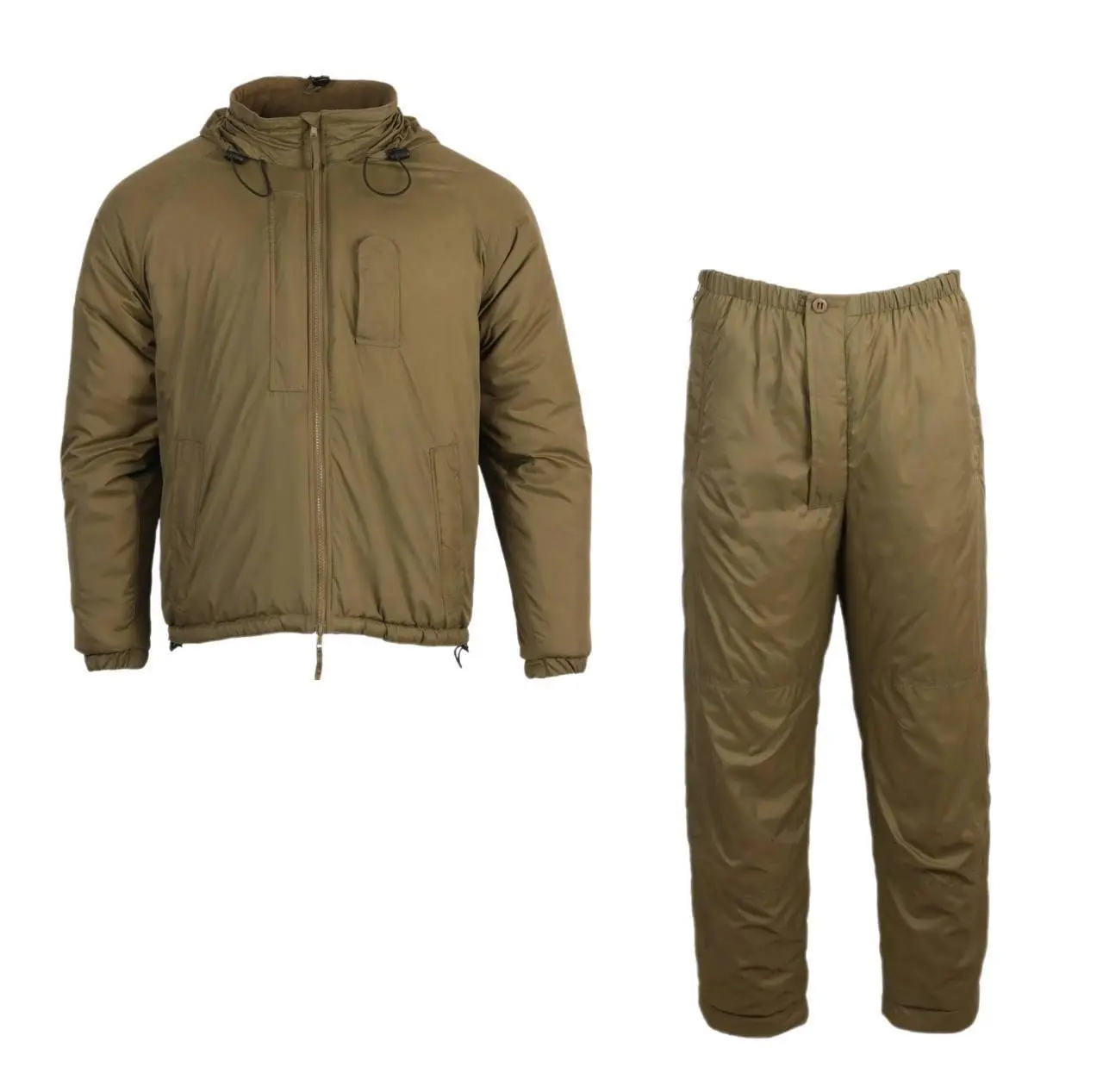
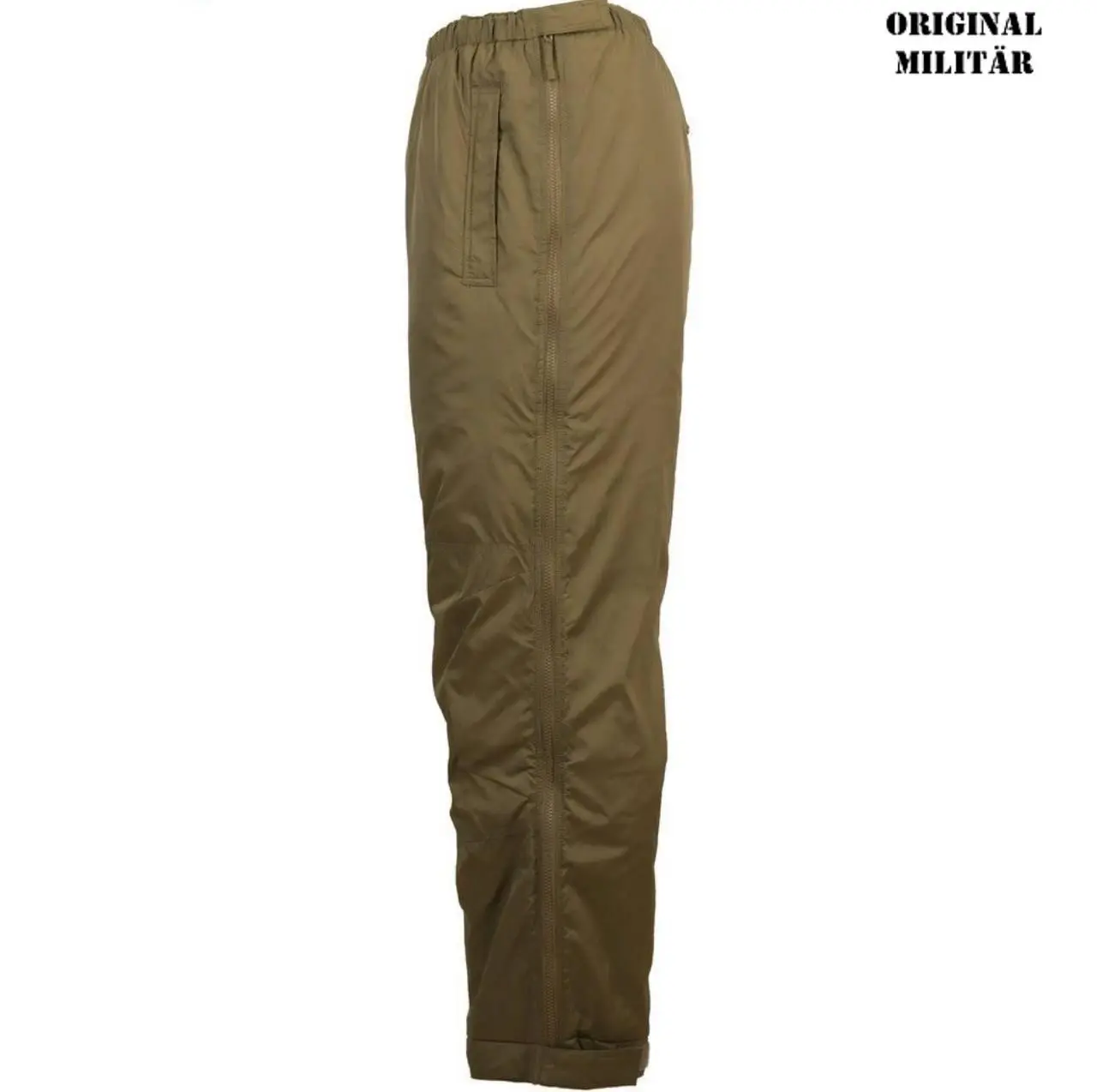
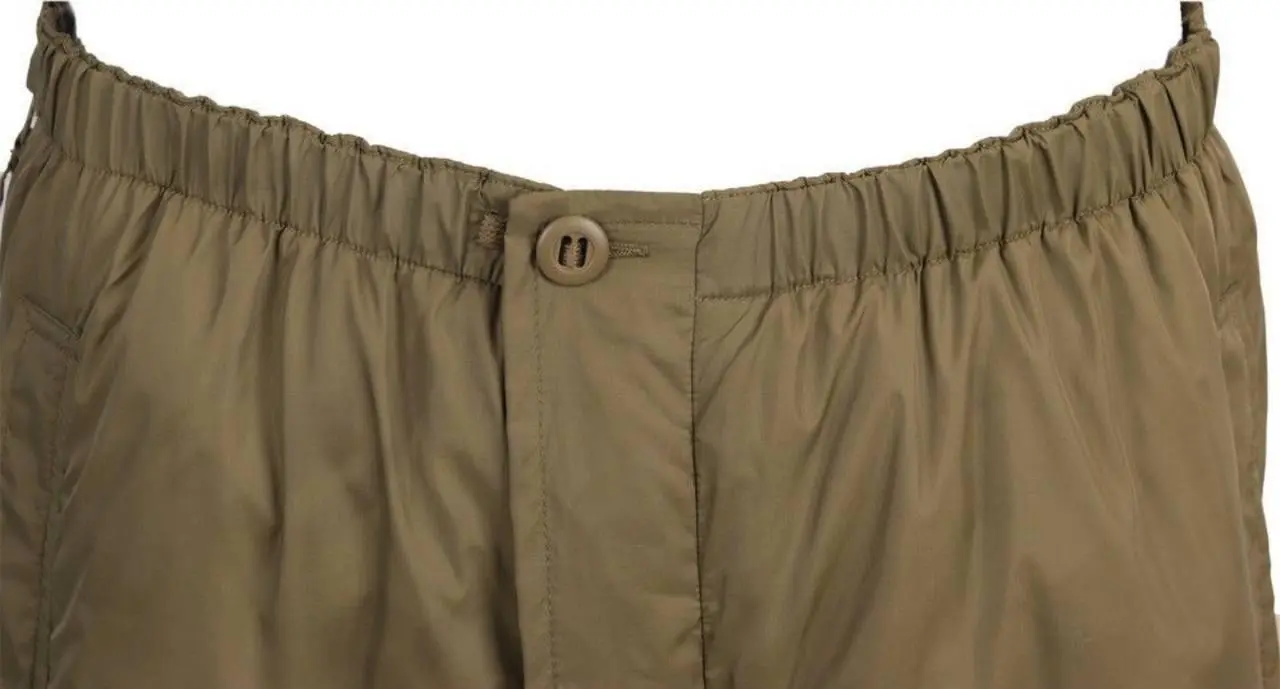
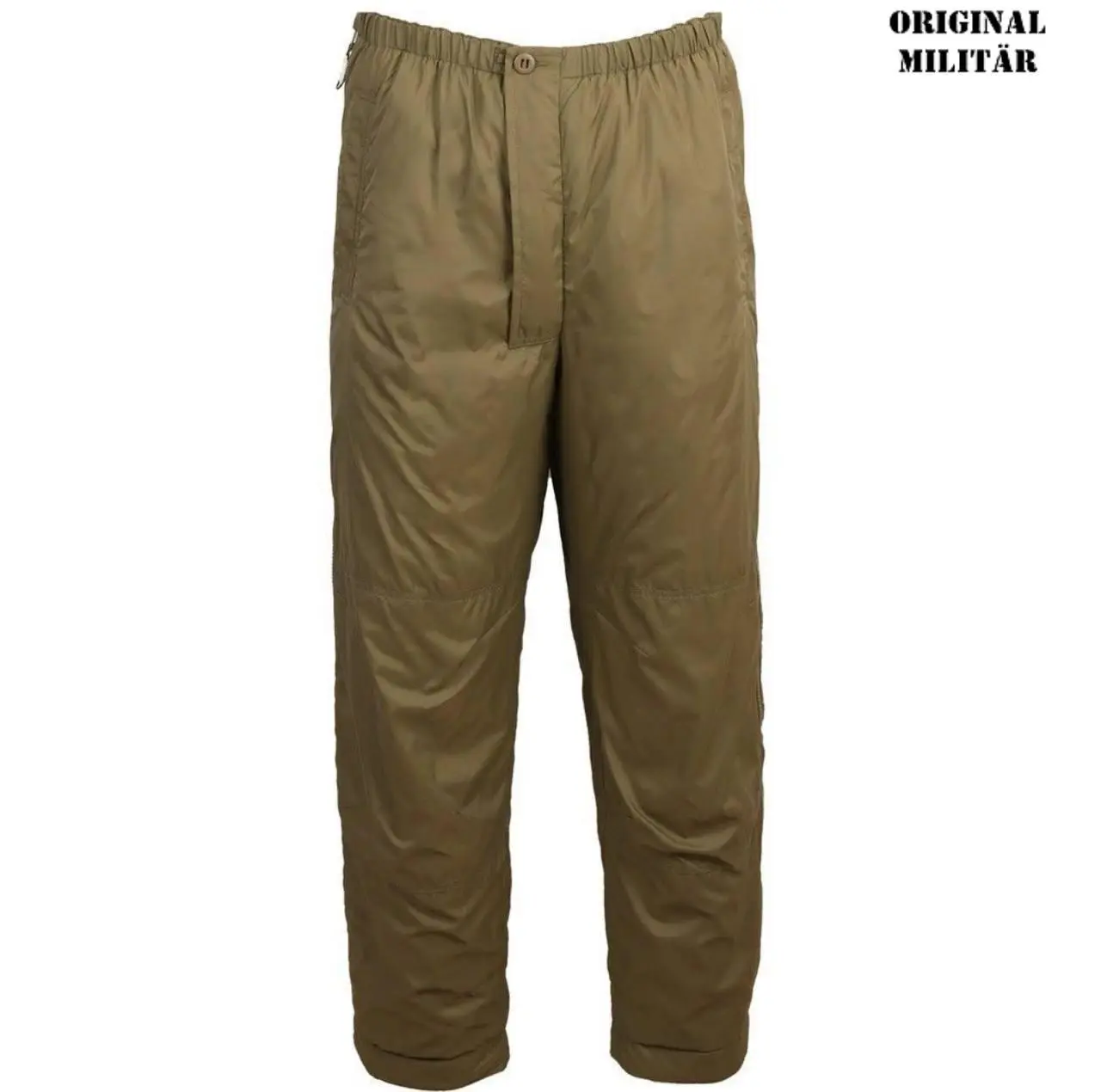
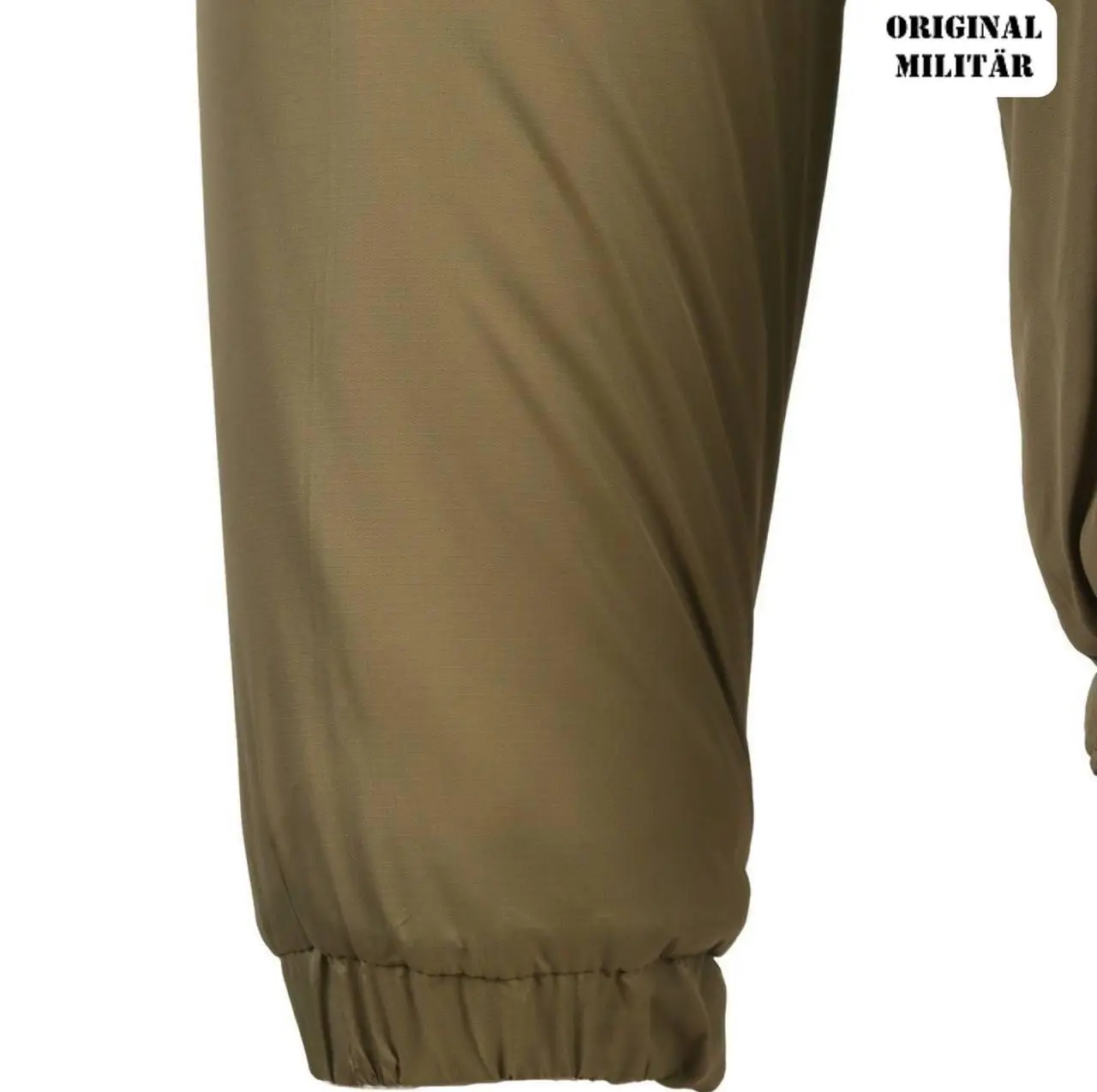
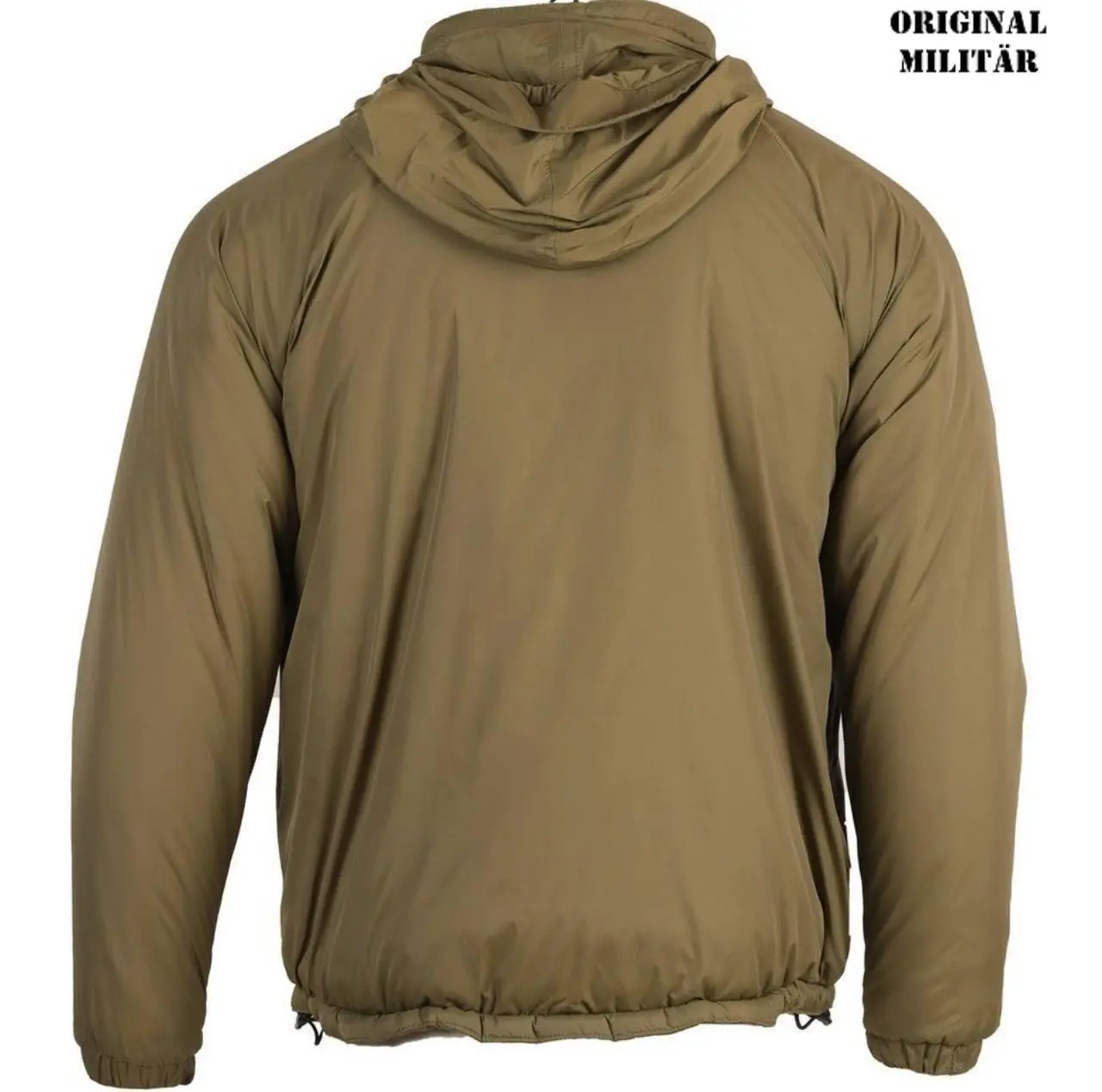
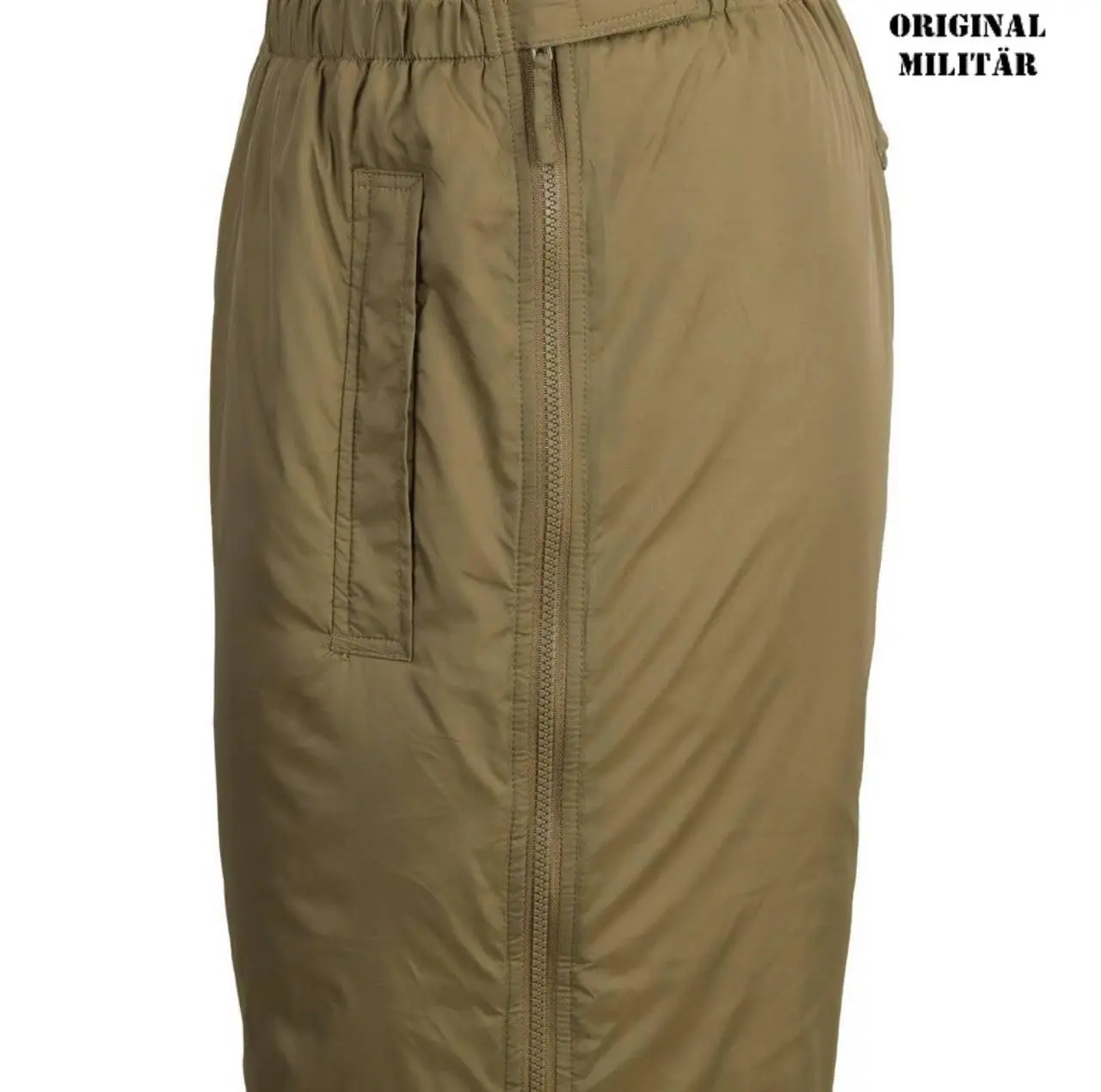
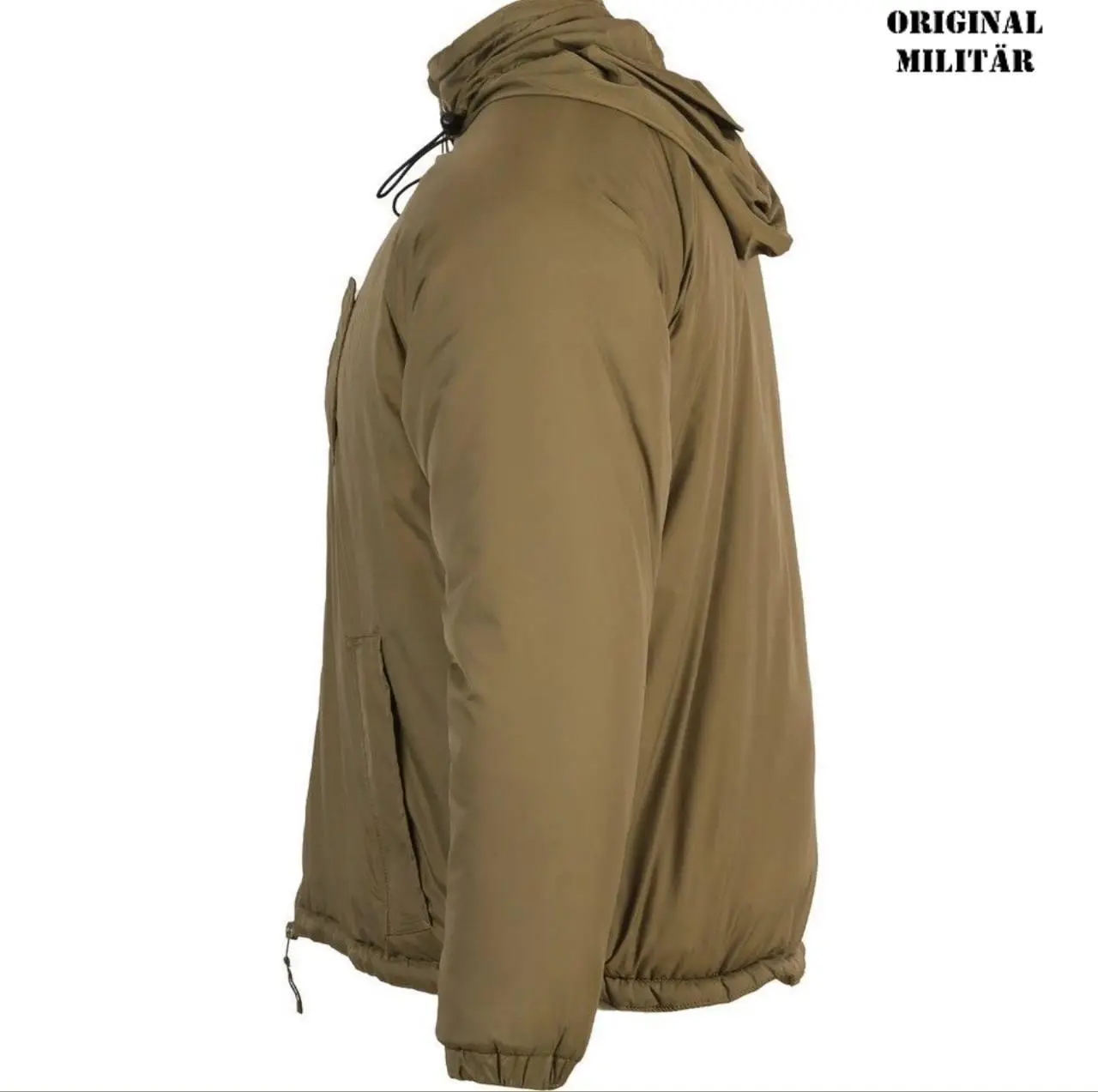
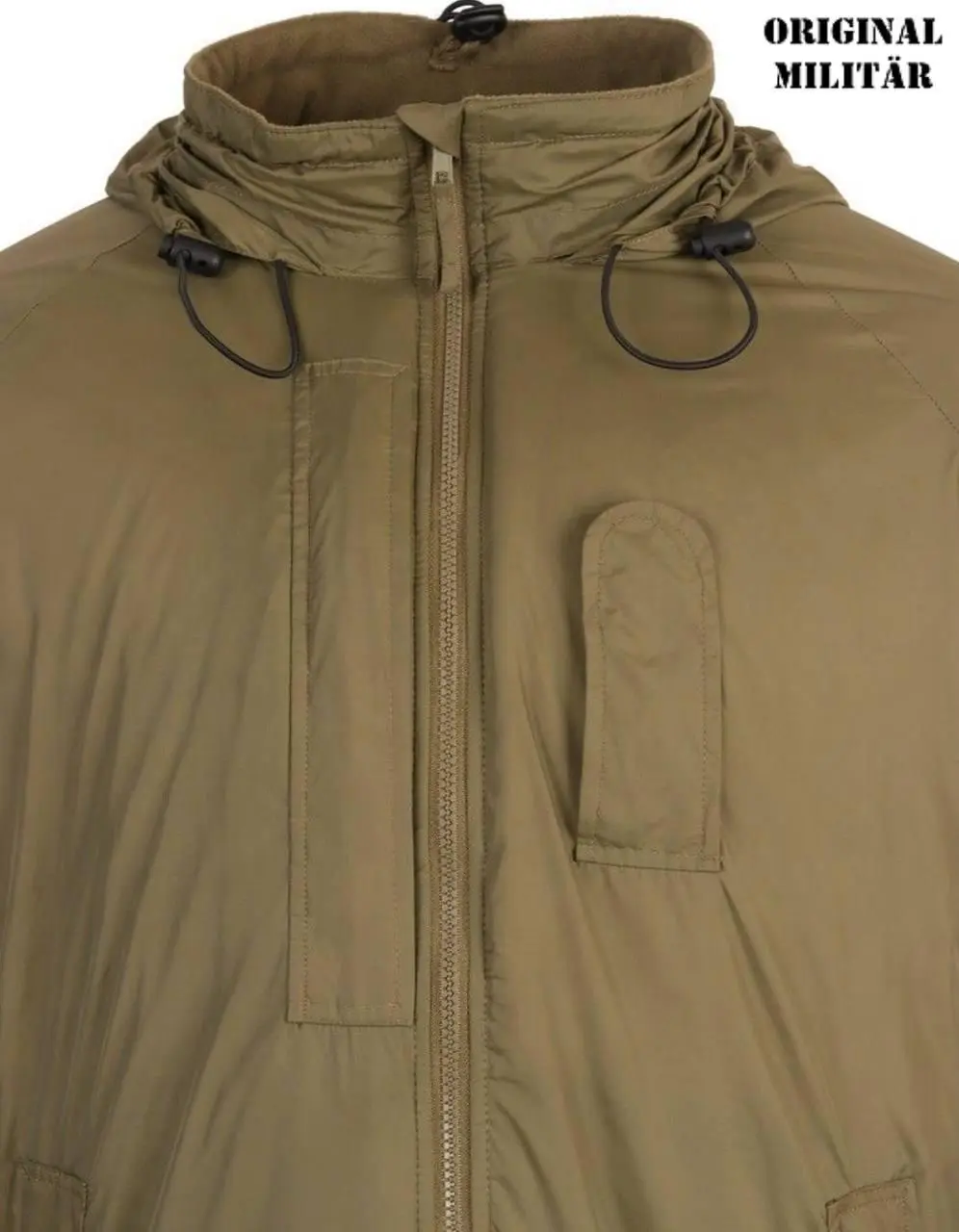
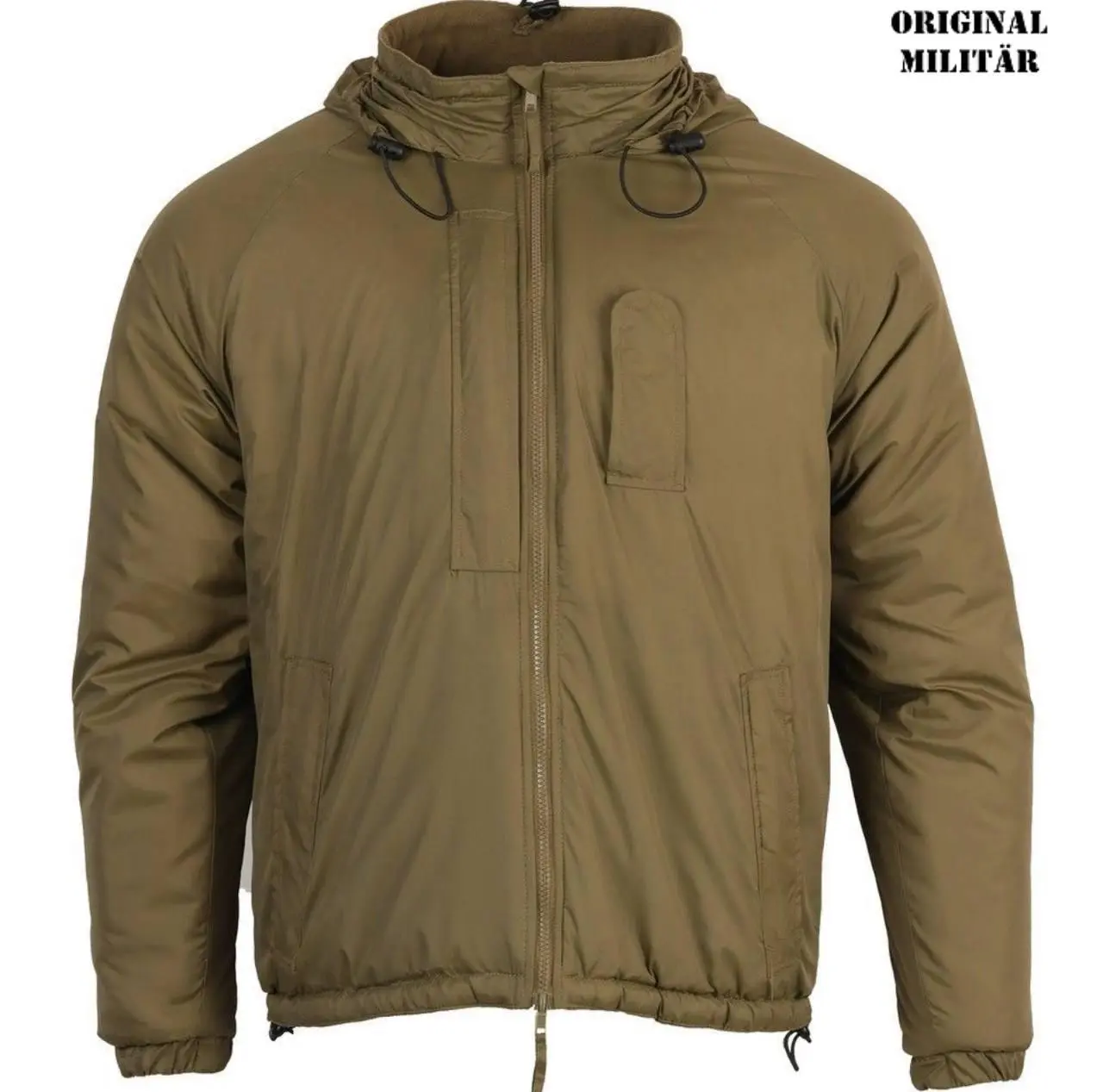
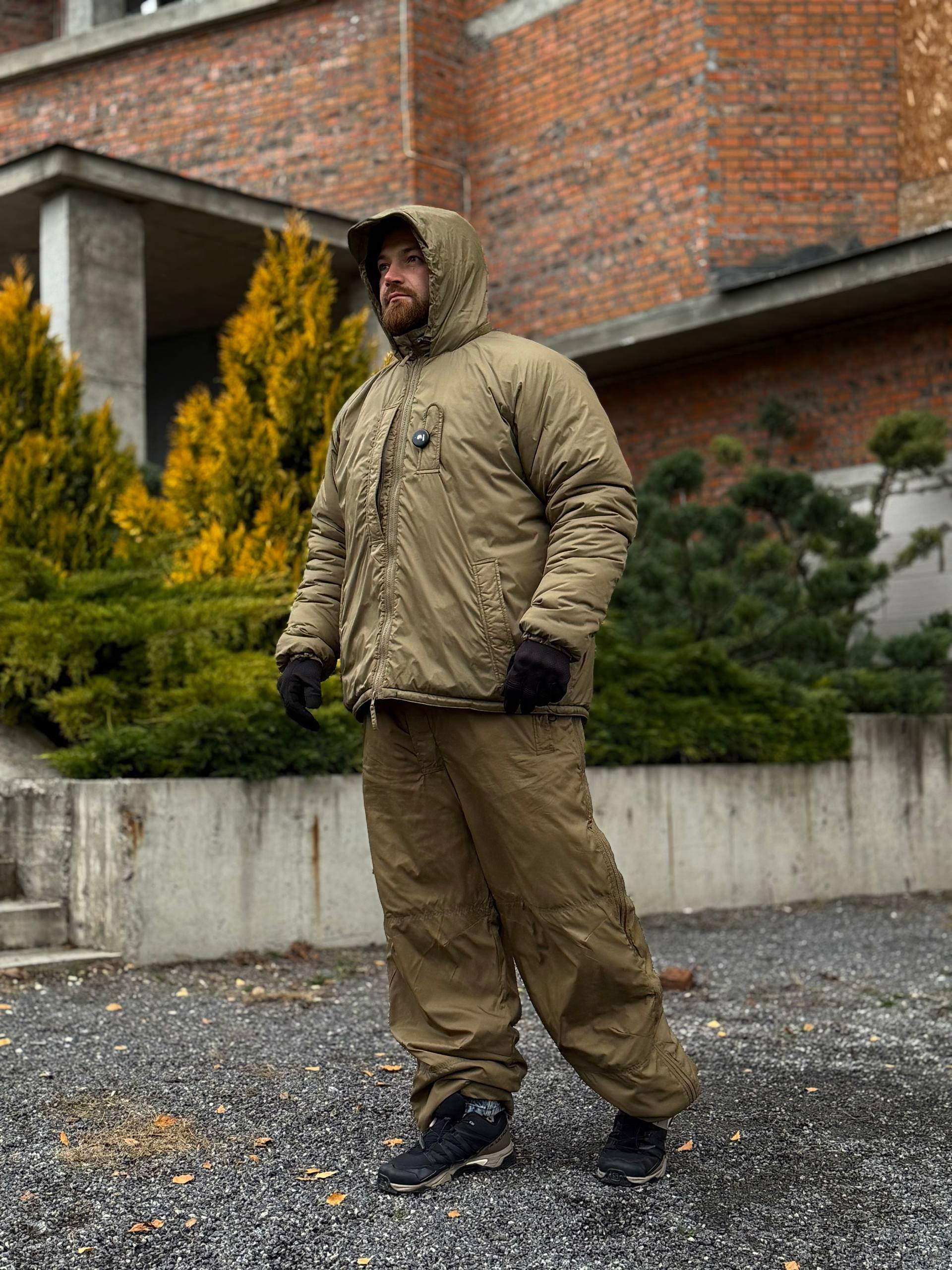
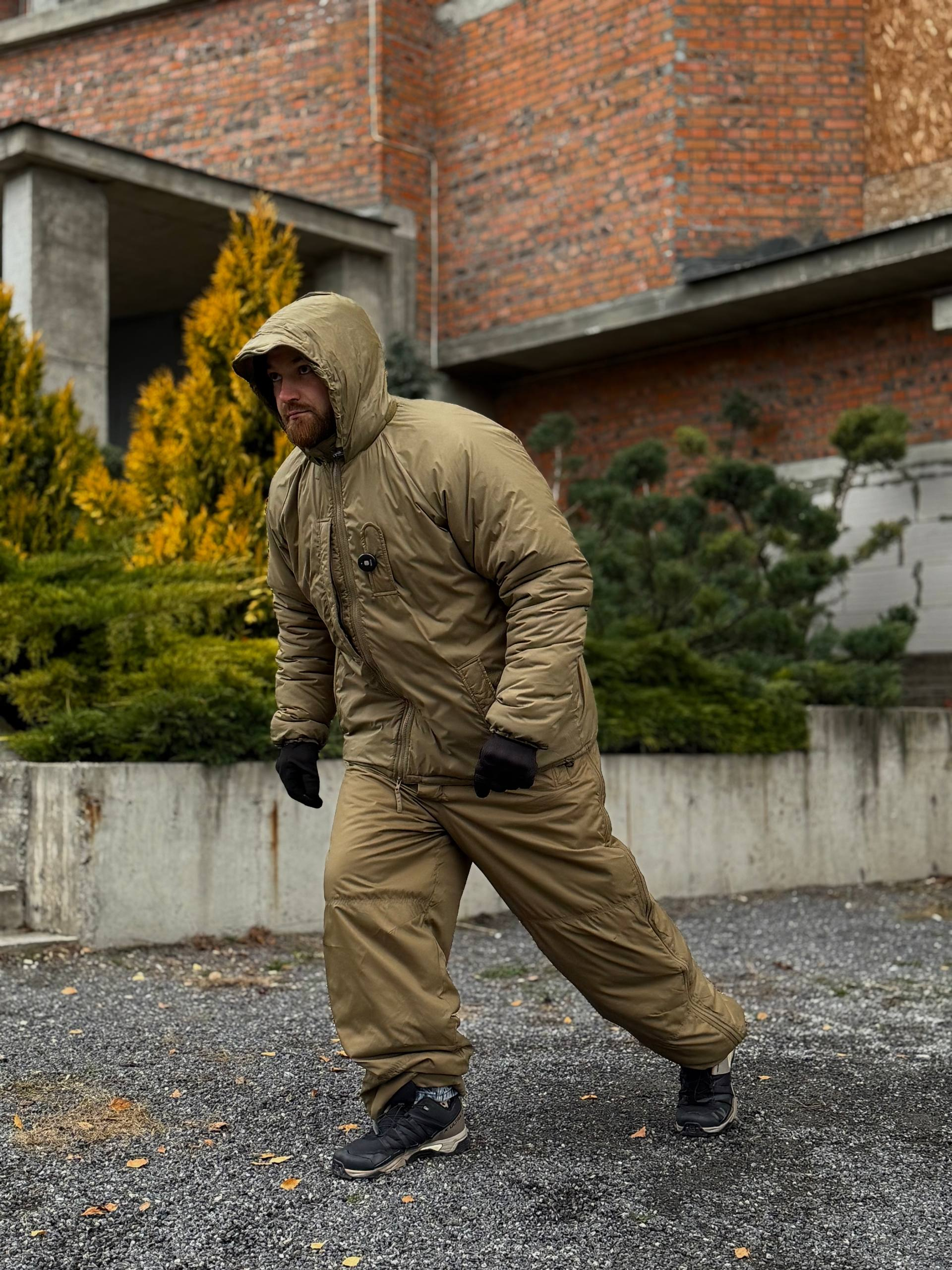
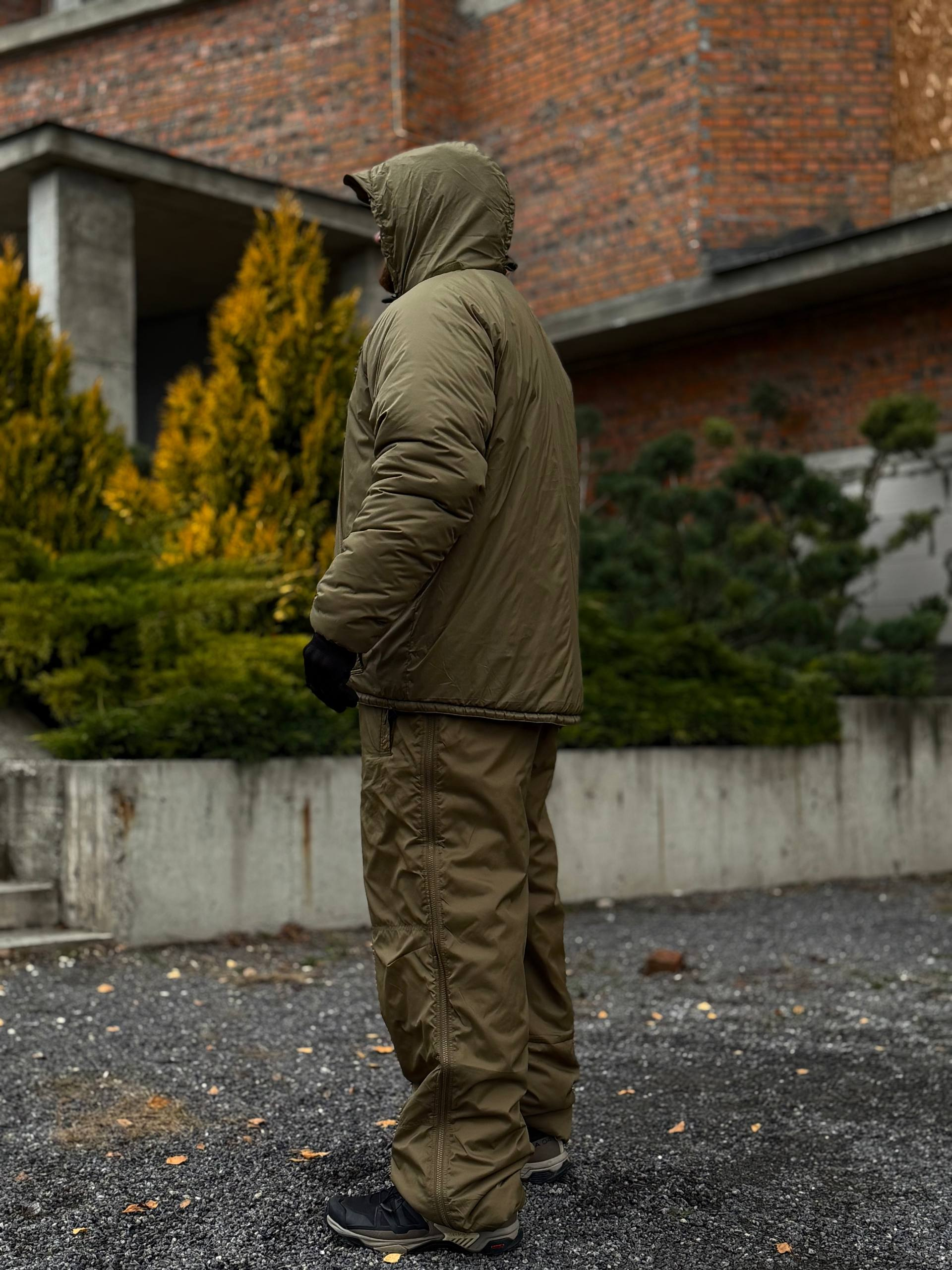
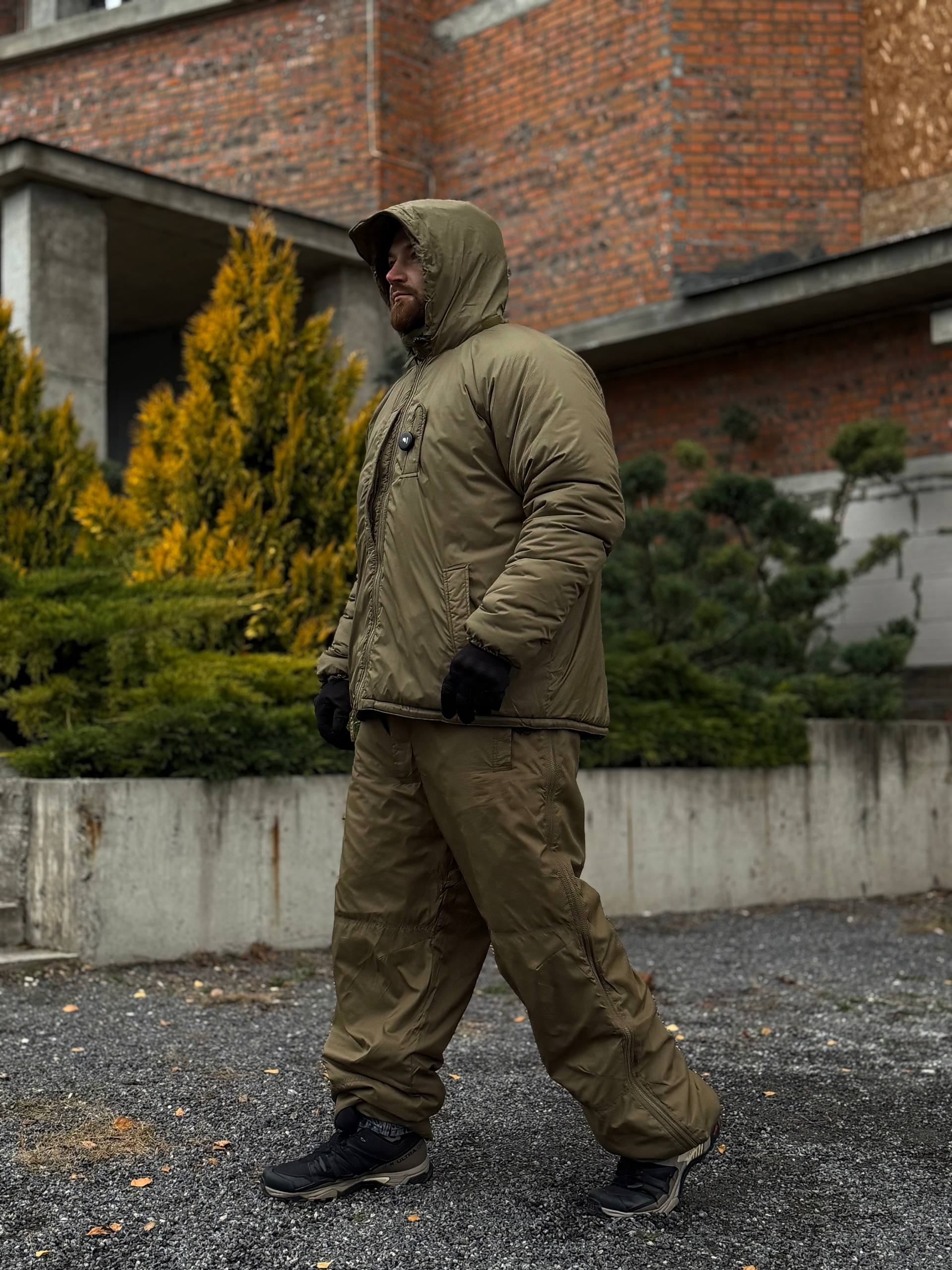
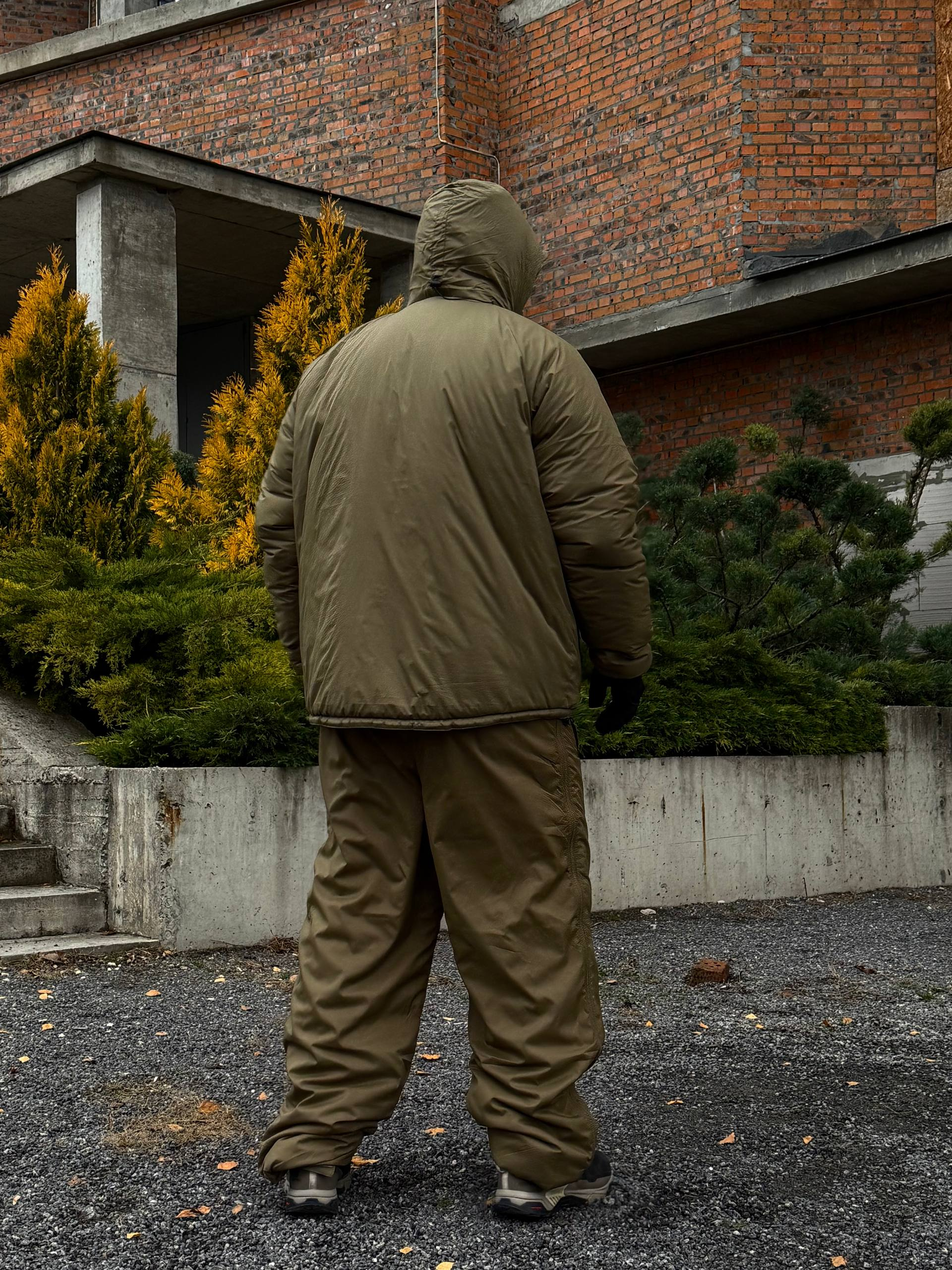
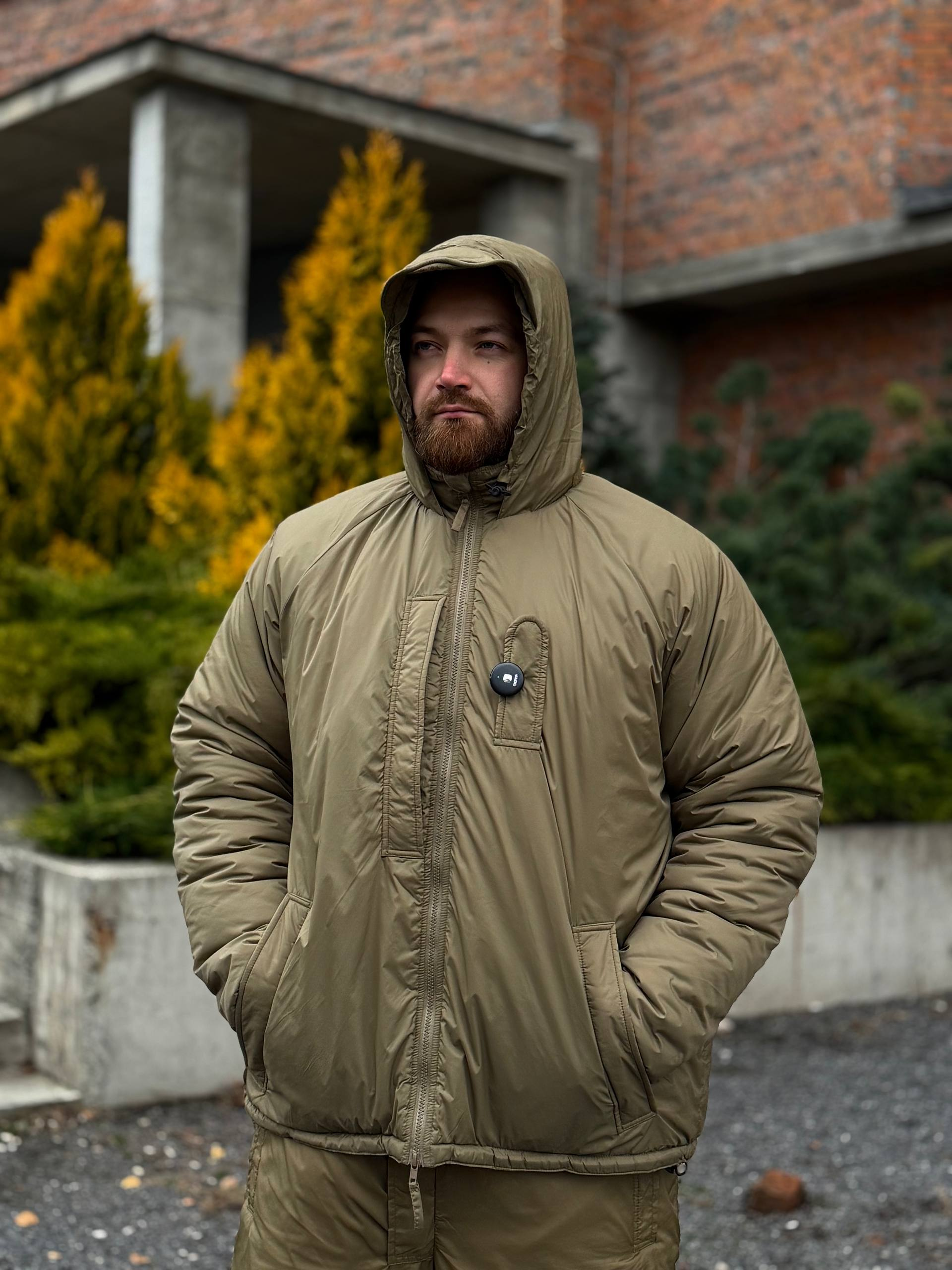
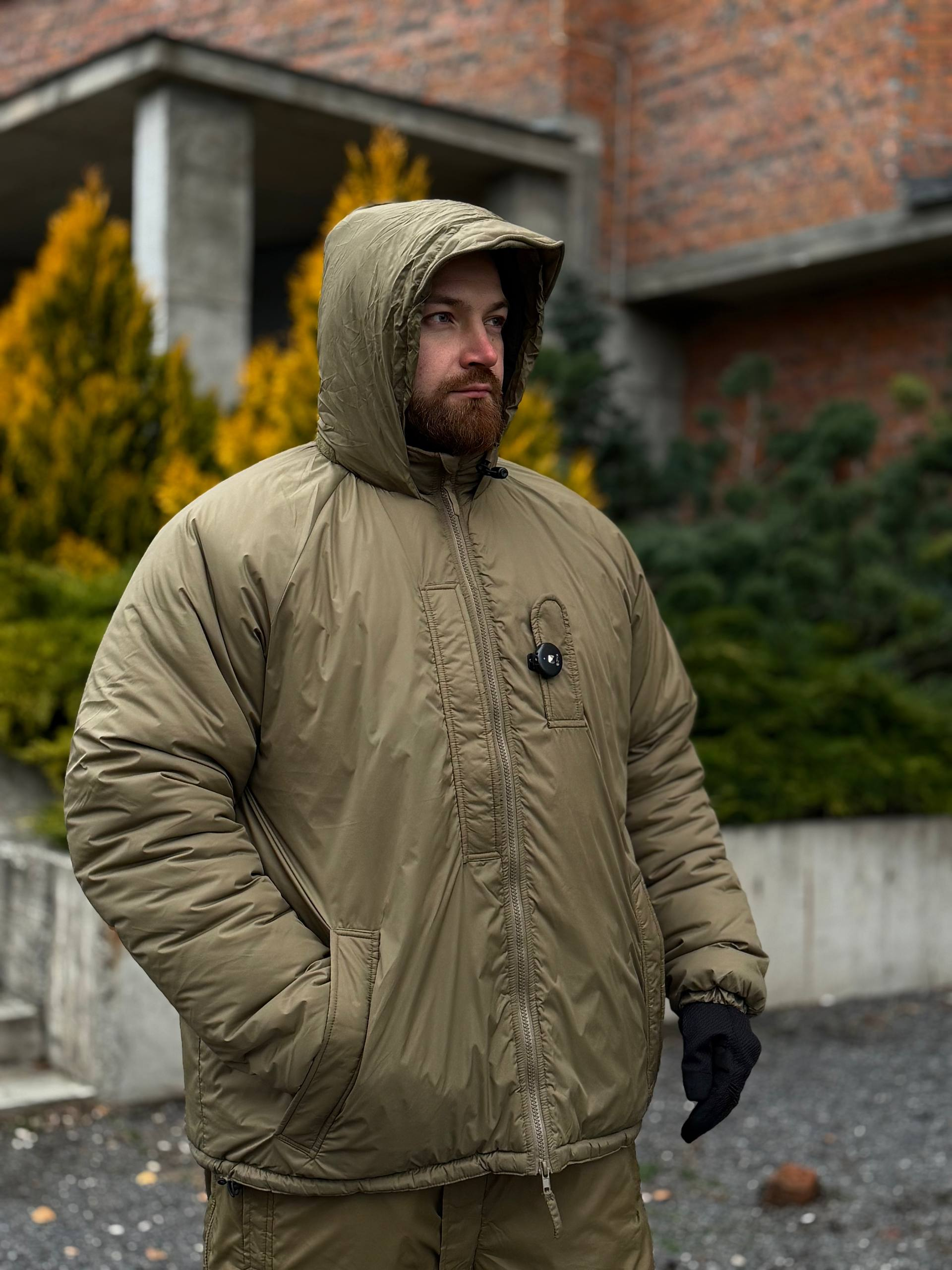
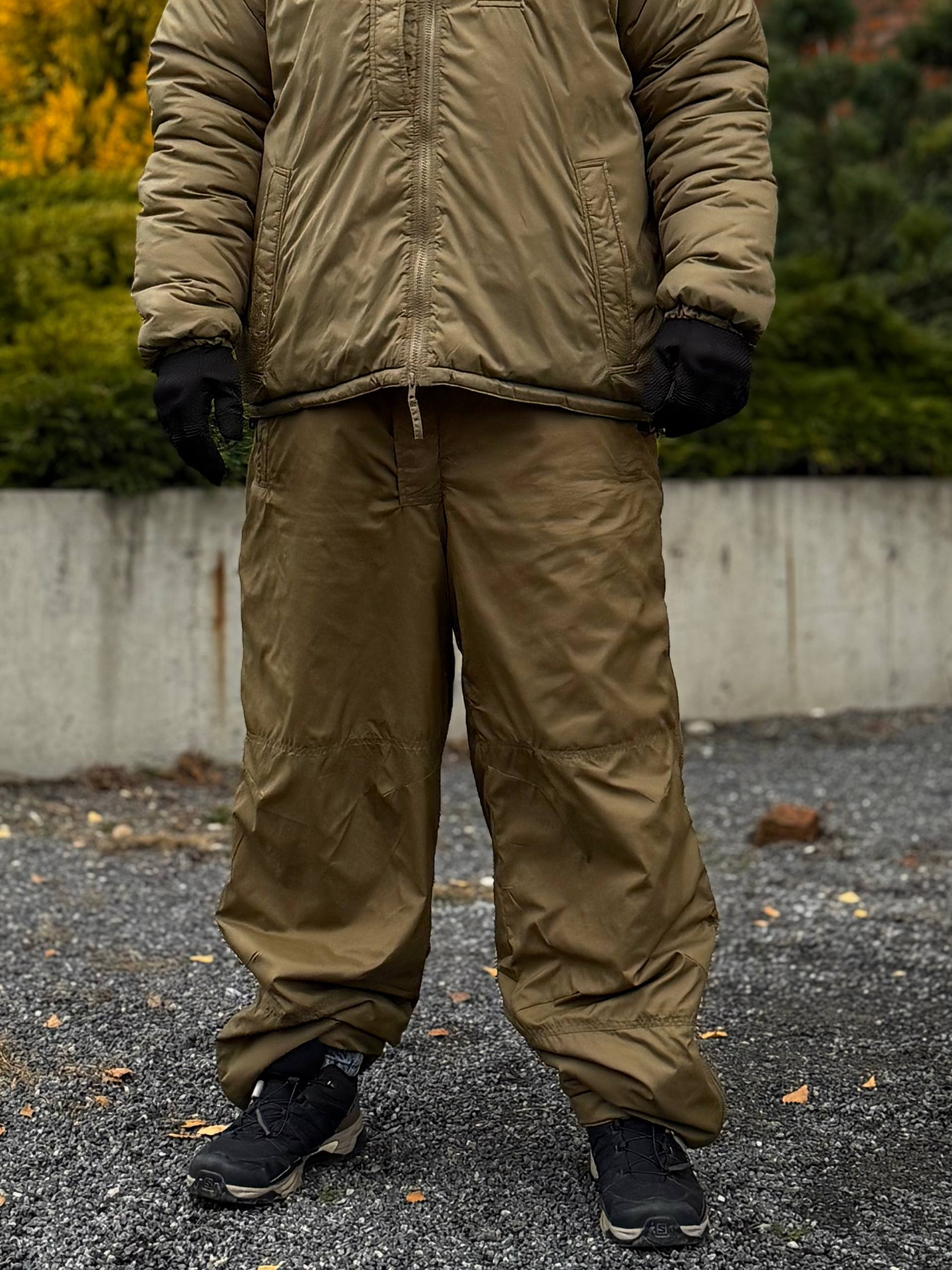
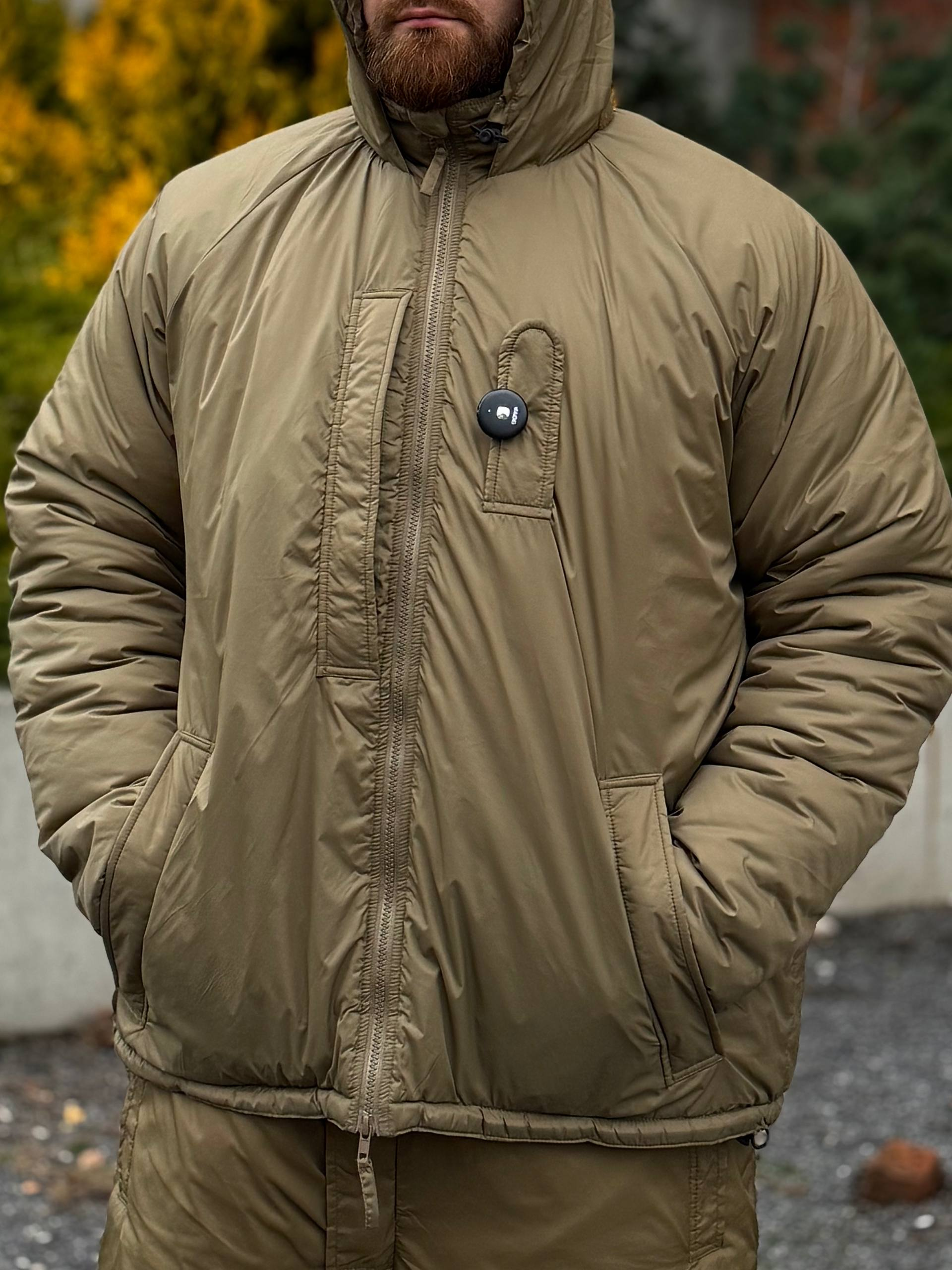
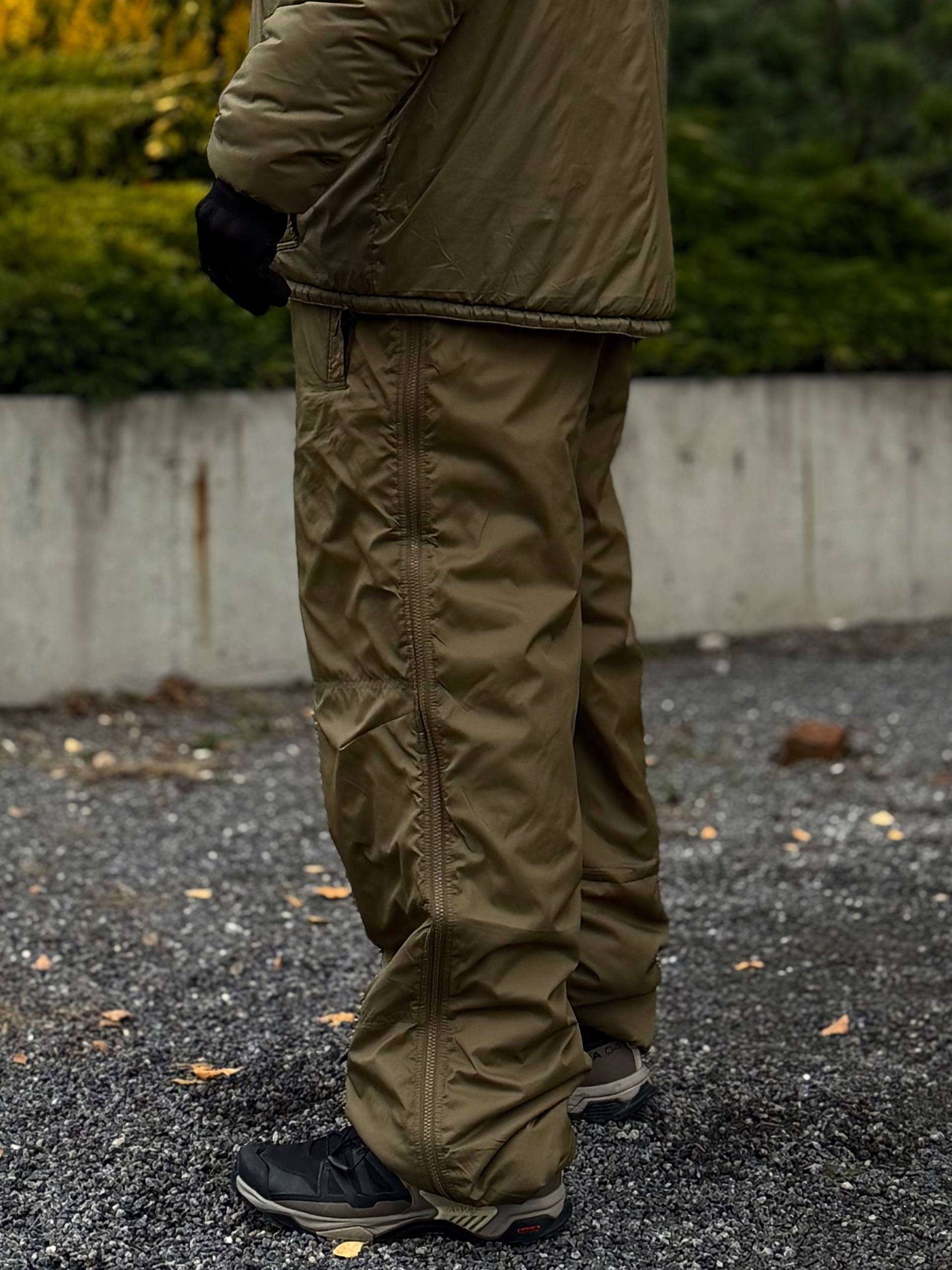
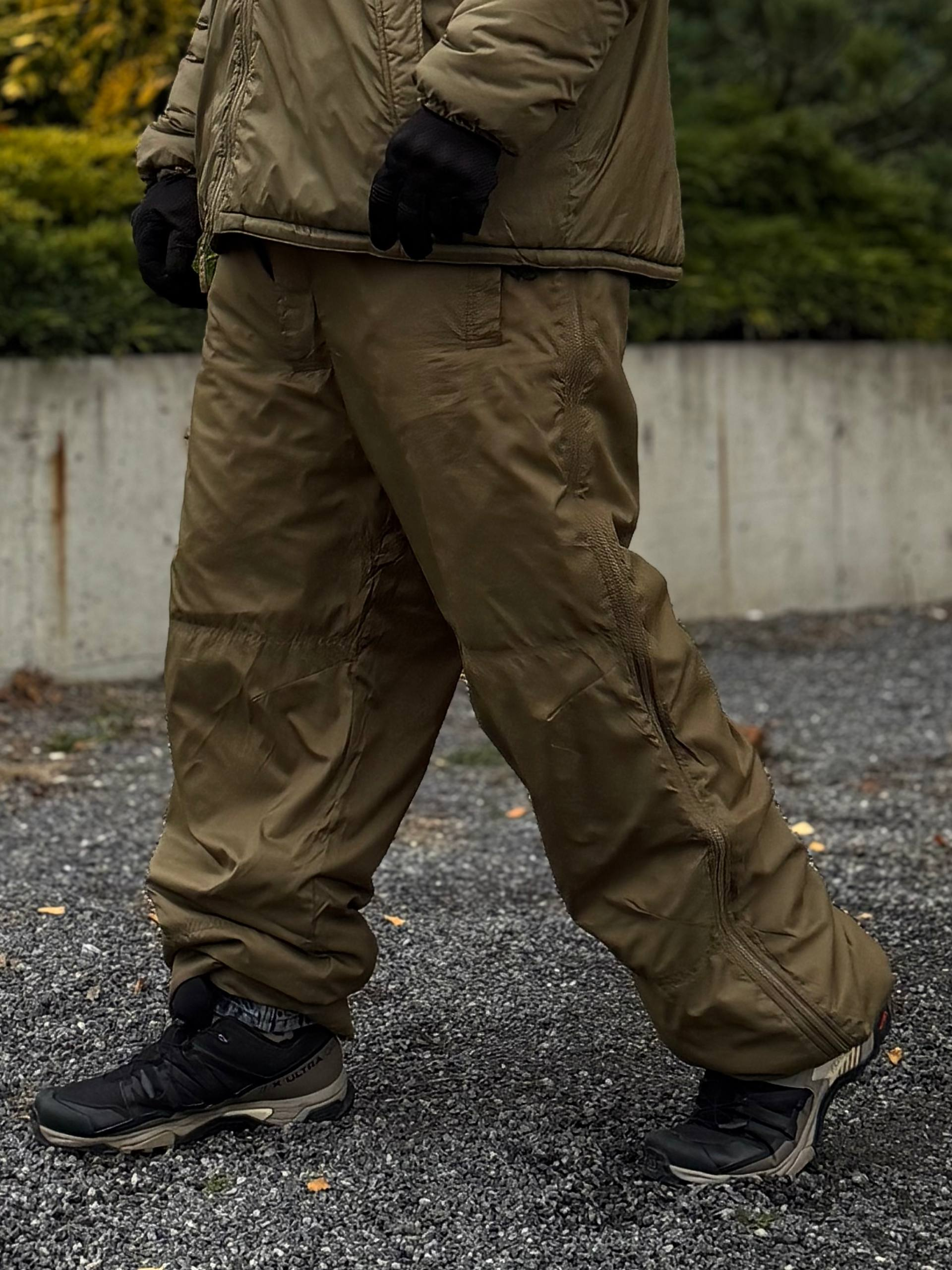
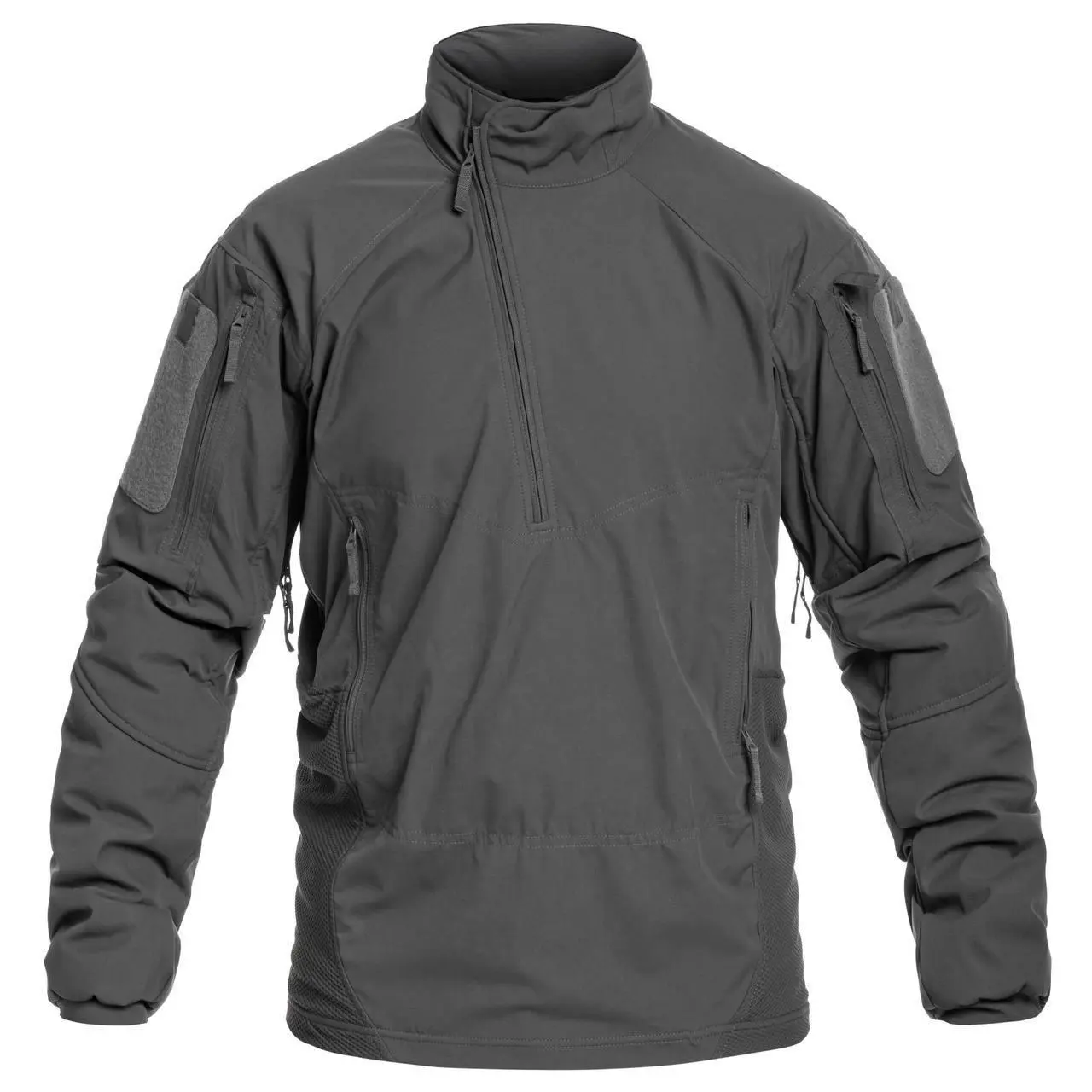
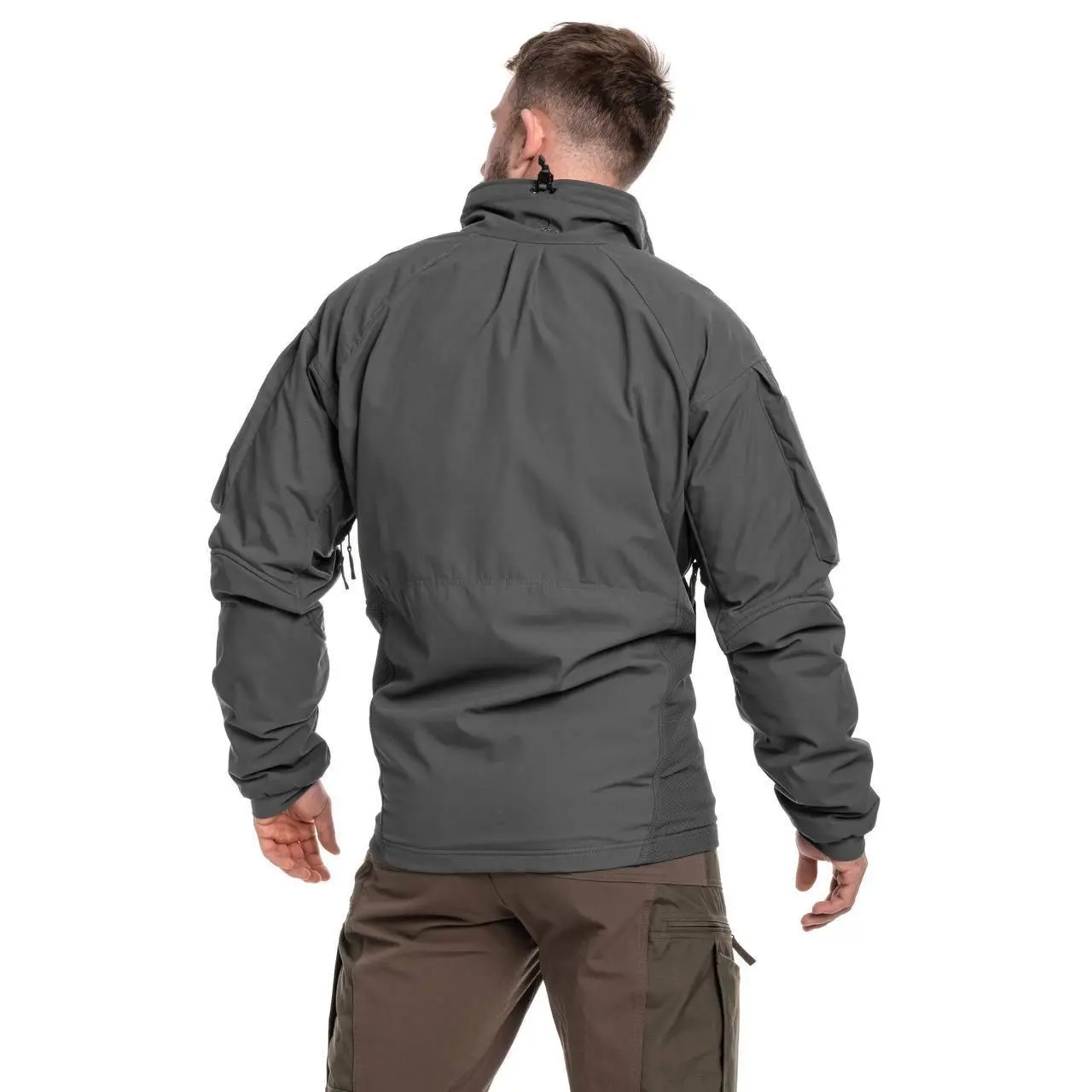
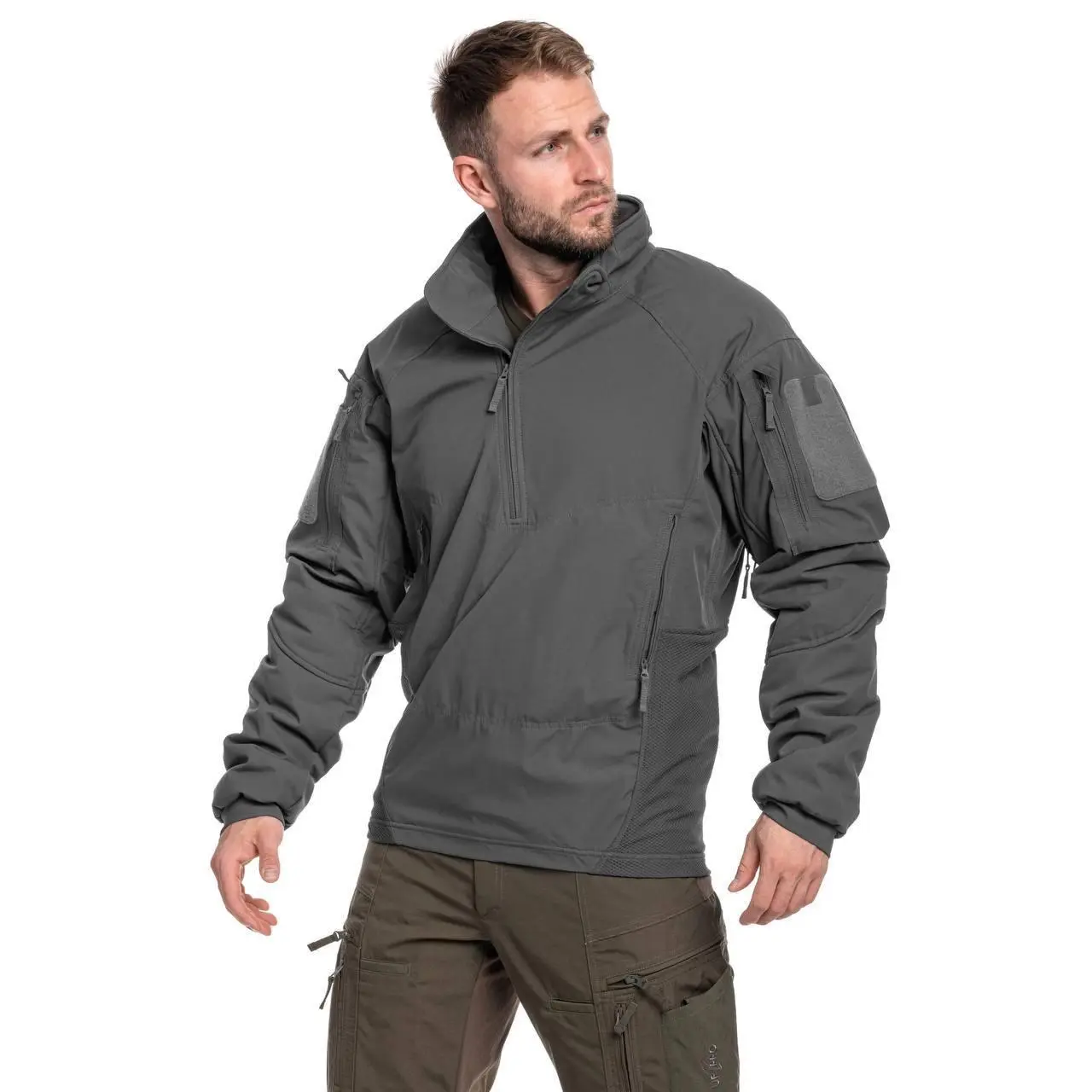
Among the available options, a few combinations work well for winter. The Tactical Series winter suit in multicam with an Omni-Heat lining pairs camouflage with a heat-reflective inner layer — a smart compromise when you need both concealment and comfort. The Call Dragon 10.0 jacket is rated for extreme -30 °C with taped seams for wind protection. The British Thermal Trousers PCS Softie Level 7 thermal set works as a base insulating layer down to -20 °C, while the WINTER COMBAT SHIRT ACE GEN 2 winter anorak covers the mid-layer with weather protection.
The advice is simple: first build a warm layering system from tactical clothing and gear, then choose your color within what actually keeps you warm.
Putting a Kit Together: Summary and Selection Tips
If you distill the whole article into one formula, it looks like this: environment and task first, then color, and only at the end a specific model. Not the other way around. When you start with the question "where and what for," choosing a model becomes almost automatic — all that's left is finding the right cut in the right color.
A few practical rules that will save you money and frustration:
- Your environment changes — go solid. If you move between the city, the forest, and the field, universal olive or coyote will serve you everywhere. That's more reliable than camouflage tuned for a single terrain type.
- Watch for compatibility within the kit. Olive trousers pair poorly with a black multicam jacket — the silhouette ends up looking patchy. Stick to one palette: either the whole kit is solid, or the pattern and base color come from the same family.
- Don't chase camouflage where it isn't needed. For city and everyday use, solid grey or black works better: it doesn't attract attention and integrates easily into a regular wardrobe.
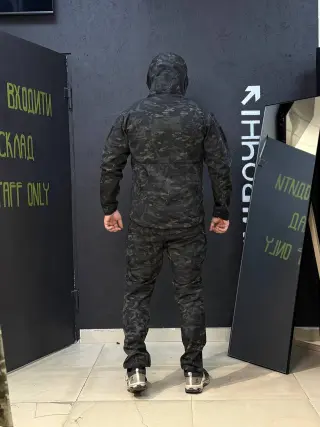
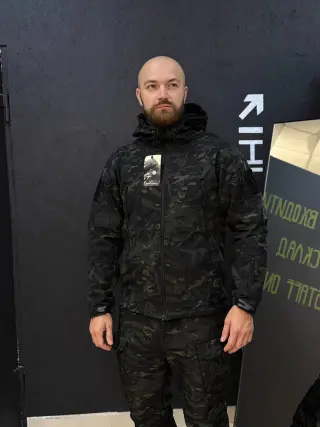
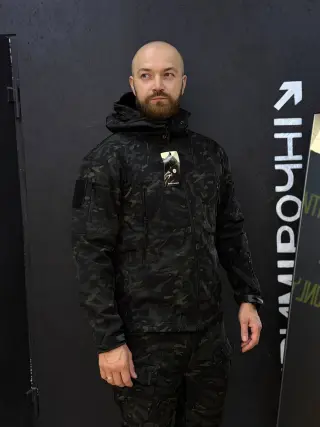
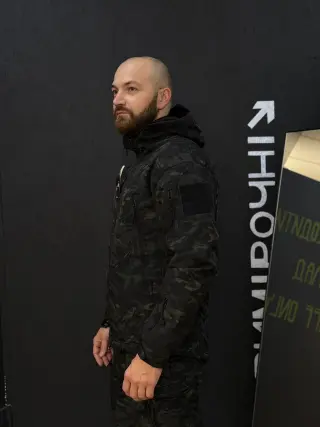
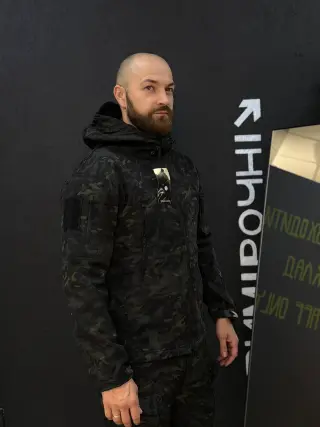
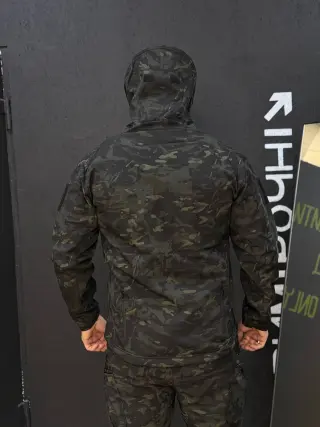
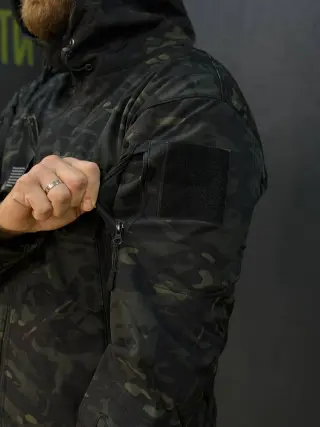
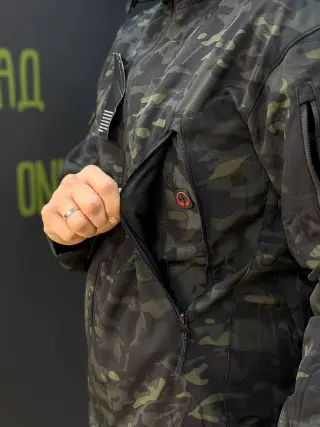
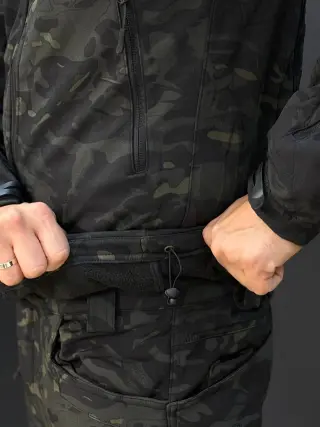
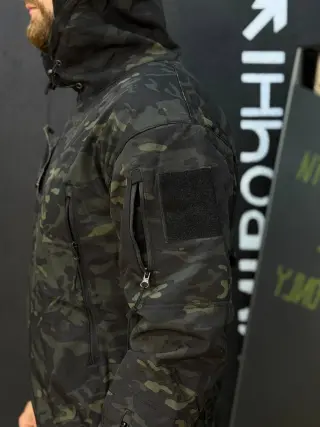
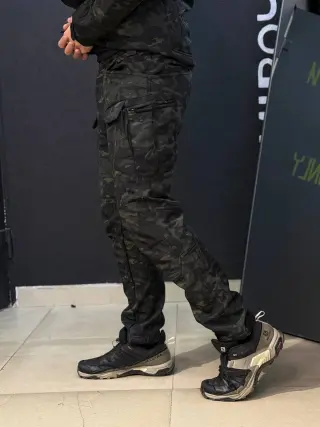
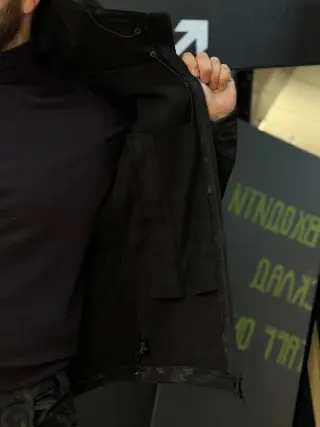
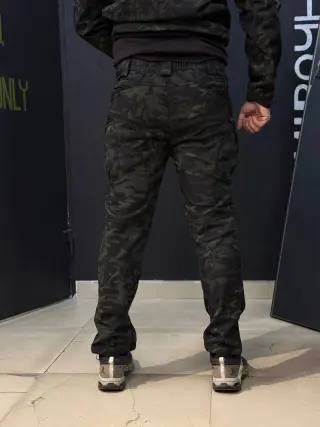
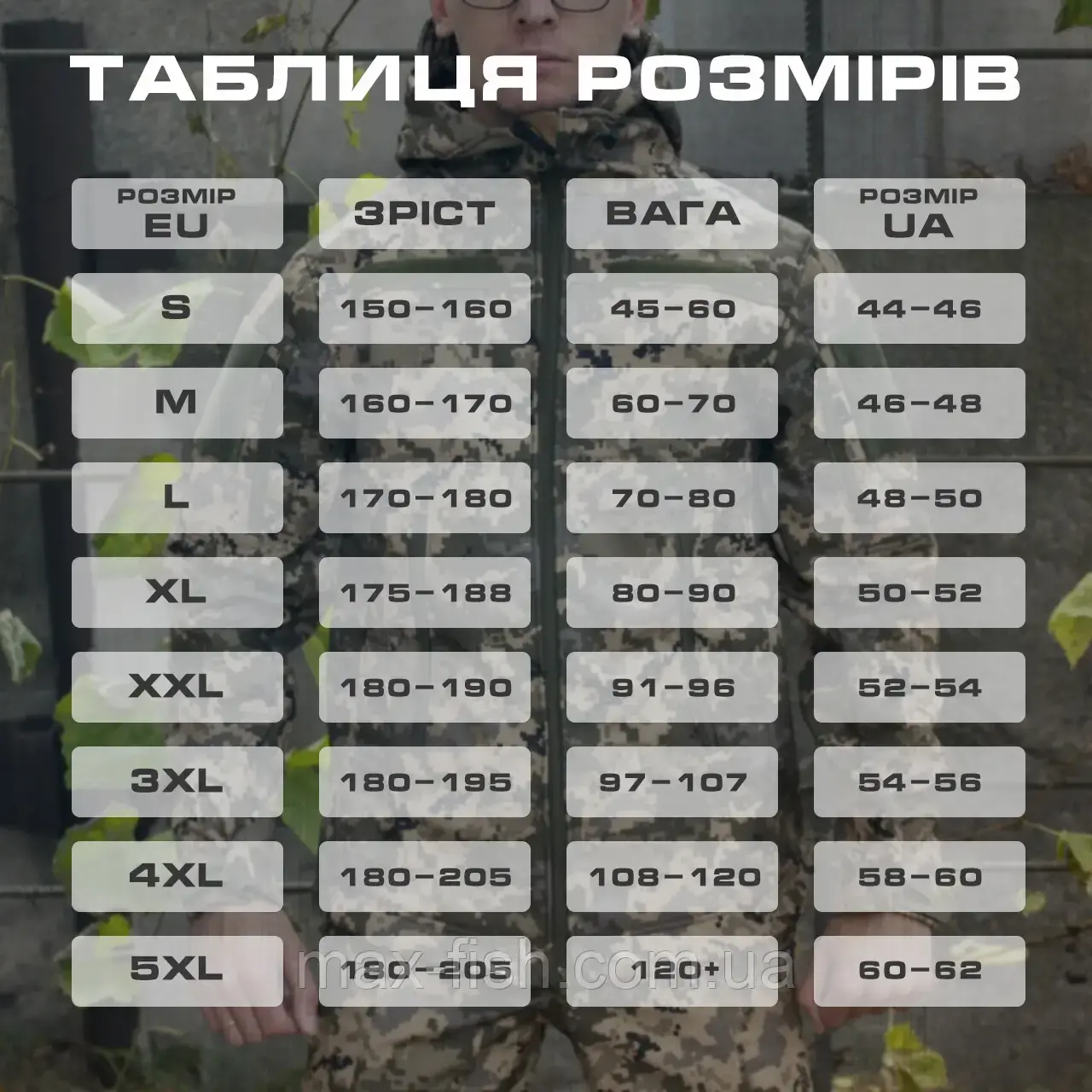
A great example of a balanced approach is fleece-lined softshell suits: there's black multicam for the forest, grey for the city, and plain black as a universal option. One cut — three scenarios.
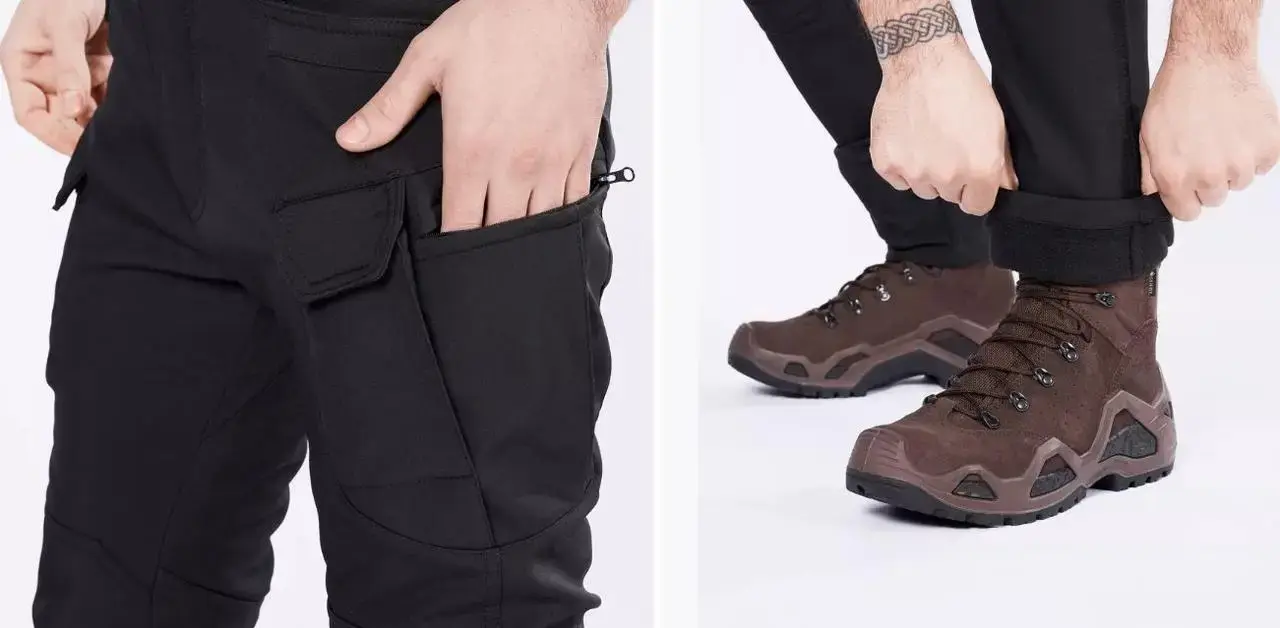
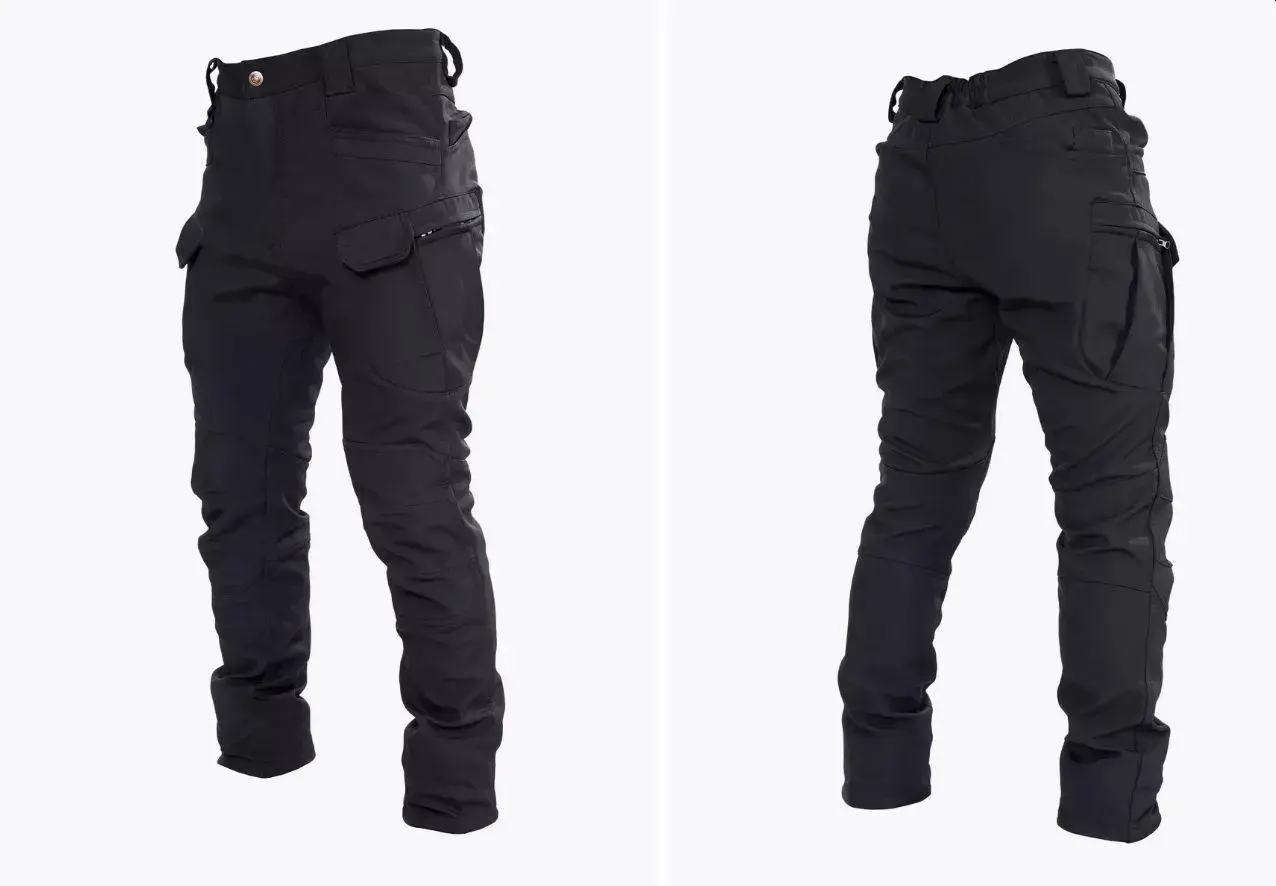
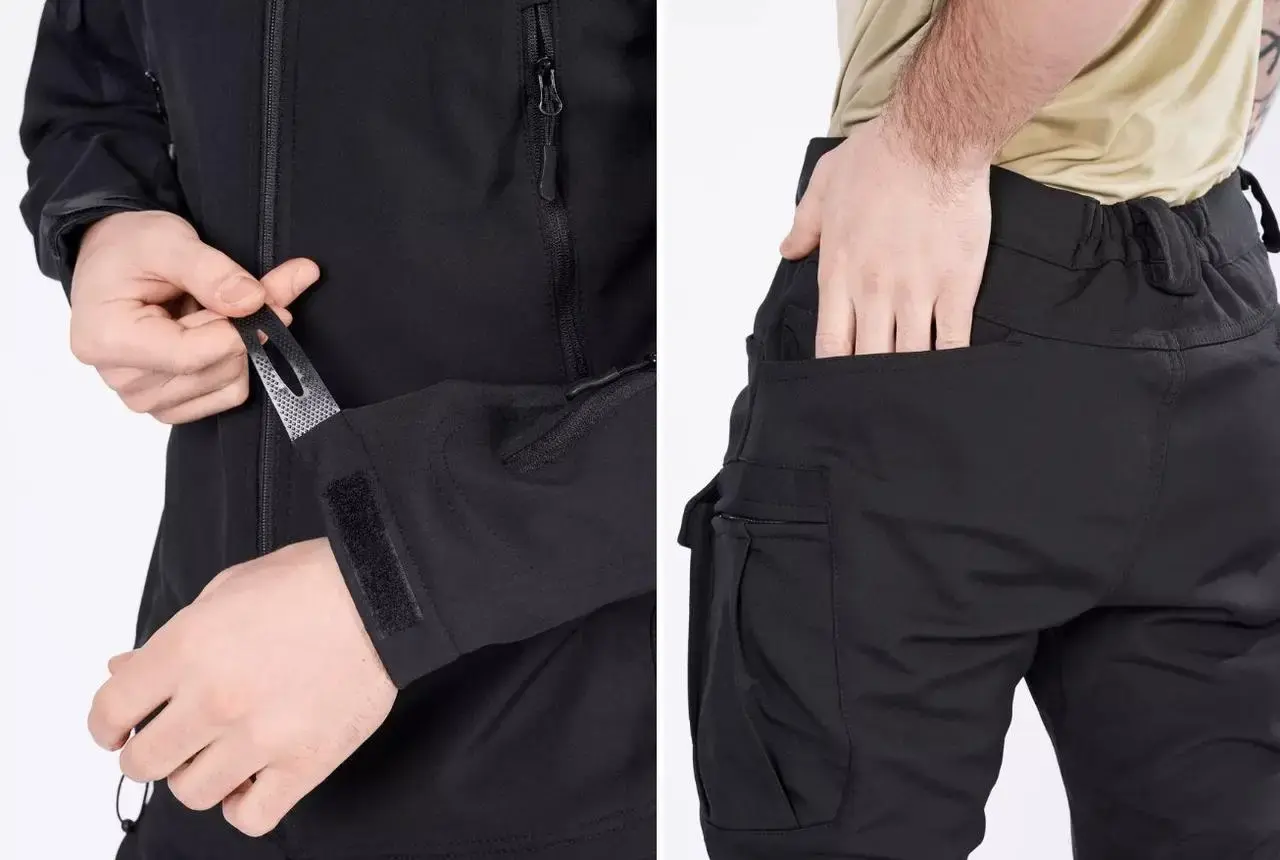
In the Tactical Clothing and Gear category you'll find enough color and cut options to put together a kit for any of the four scenarios — from urban cargo trousers to a winter softshell.