Bushlat, winter jacket, parka, anorak or Level 7: what suits whom
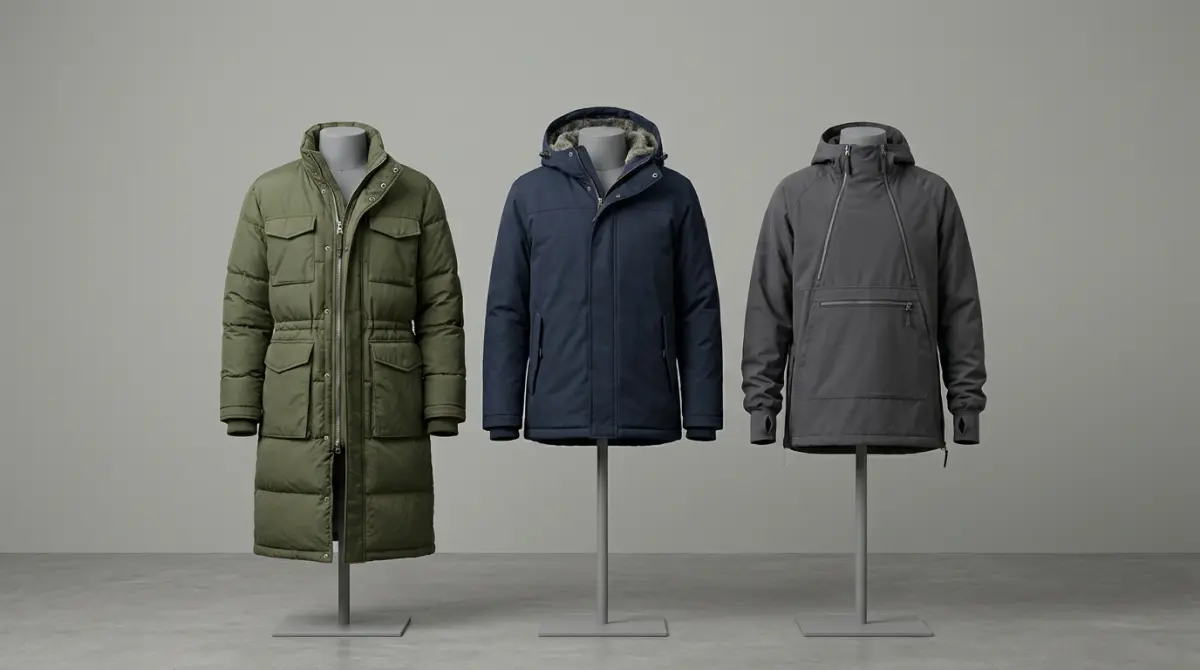
Before getting into how to choose a winter tactical jacket by insulation and details, decide on the cut: it determines where and how much you will be able to move in it.
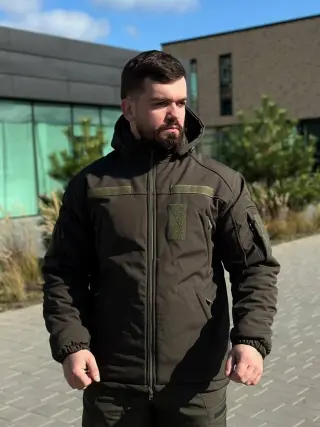
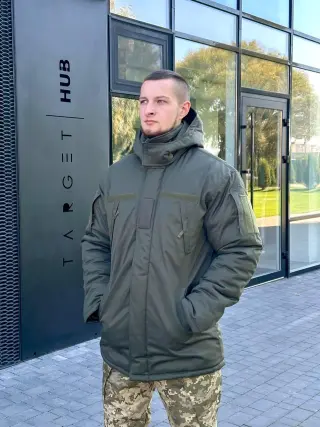
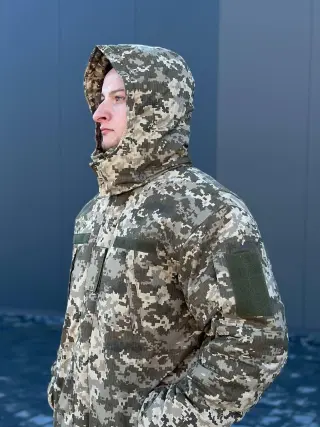
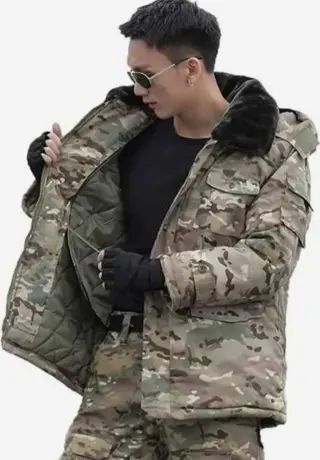
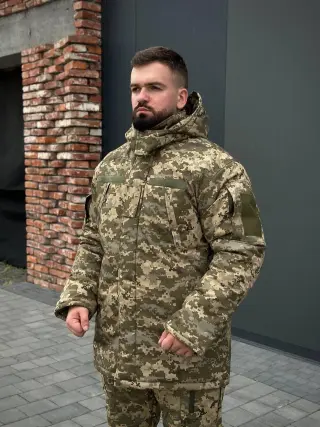
- The bushlat is long and bulky, with dense insulation. It is chosen for static work: guard duty, posts, long periods in the cold without much movement. Examples below: the regulation ripstop bushlat in pixel pattern and the multicam bushlat with a high fur collar.
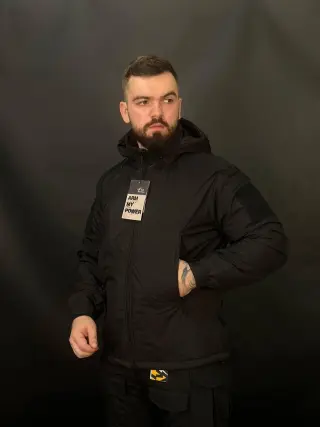
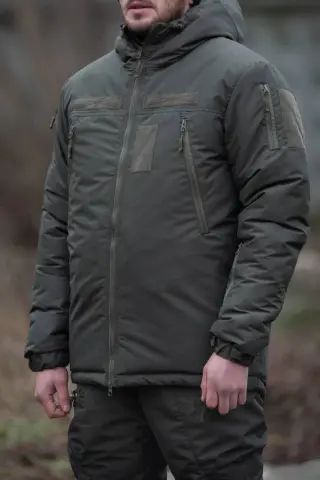
- The classic hip-length winter jacket is versatile: it works well both in town and in the field. Most models among winter jackets have exactly this cut.
- The parka is also long, but lighter than a bushlat and has a long, deep hood that shields the face from the wind.
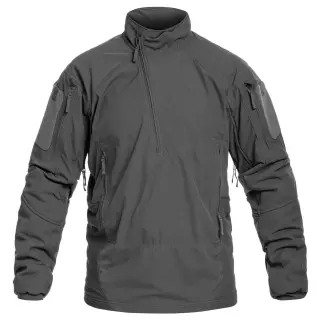
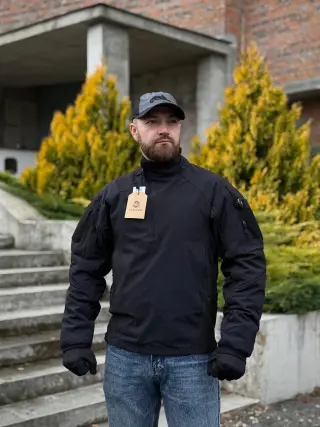
- The anorak is pulled on over the head. The Yinren Winter Combat Shirt AcE Gen 2 with G-Loft insulation has a diagonal zipper at the front: it moves pressure points off the chest and stomach, so plate carrier straps and belts get in the way less.
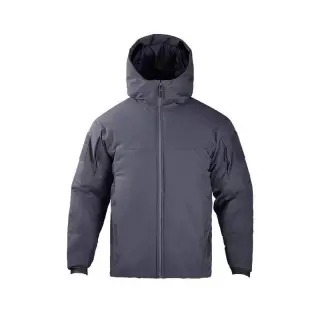
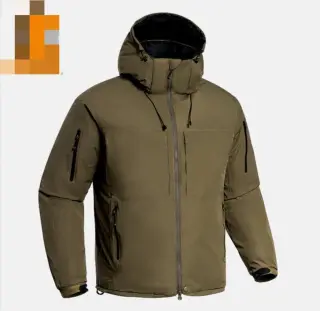
- Level 7 refers to insulated jackets inspired by the ECWCS system, not original US Army gear. For example, the Call Dragon has a membrane with 10000 mm waterproofing and eco-down in the lining.
Insulation and reflective lining: G-Loft, synthetic batting, Hollofiber, eco-down, Omni-Heat
Insulation keeps you warm by holding still air between its fibers. A reflective lining such as Omni-Heat or Max-Heat works differently: the silver dots on the fabric return part of the heat the body radiates. It does not insulate on its own, so a jacket must always have a layer of filling as well.
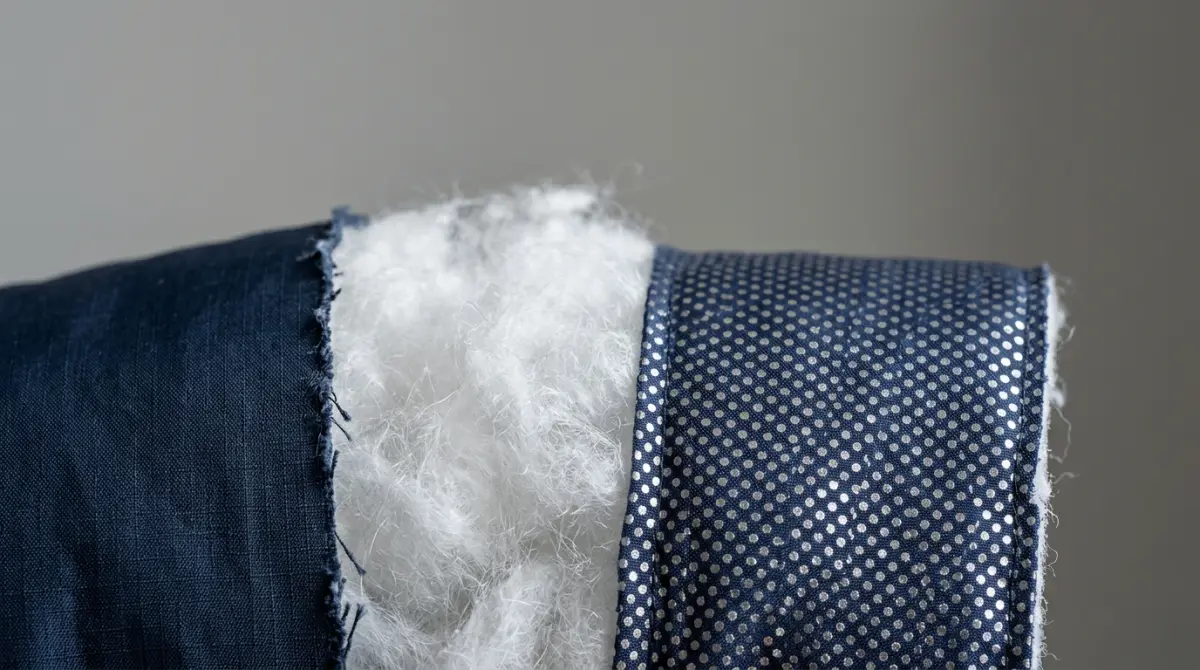
- G-Loft in the Tactics Armor 5.0 is described as a lightweight insulation that does not absorb moisture and quickly regains its shape after compression.
- Synthetic batting is the classic bushlat filling: the B&L Omni-Heat has two layers of it along with a reflective lining, while in the V&T Max-Heat softshell it lies under the softshell outer layer.
- Hollofiber is a synthetic fiber with a hollow structure, softer and fluffier than ordinary synthetic batting.
- The eco-down in the Call Dragon 10.0 is a synthetic alternative to natural down.
Do not rely solely on the stated temperature rating: warmth also depends on what you wear under the jacket, for example a fleece top as a mid layer.
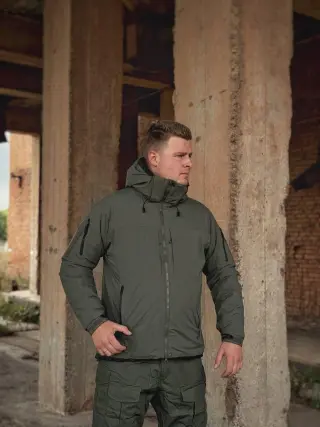
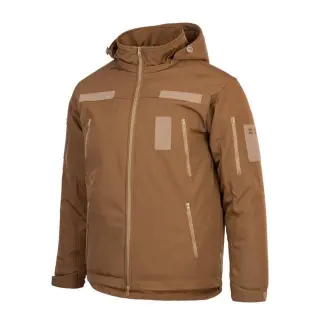
Fabric, membrane and details: helmet-compatible hood, collar, cuffs, pockets, load-bearing gear
A membrane and a water-repellent finish are different things. A finish only makes water roll off the fabric surface and washes out over time. A membrane is a separate layer that blocks water. The Call Dragon Level 7 jacket is listed with a membrane rated at 10000 mm waterproofing. In the Call Dragon 10.0 the seams are taped, so moisture does not seep through the needle holes. Ripstop is a fabric with a reinforcing thread woven in: if you snag it on a branch or wire, the tear will not spread further.
Run through this checklist before buying:
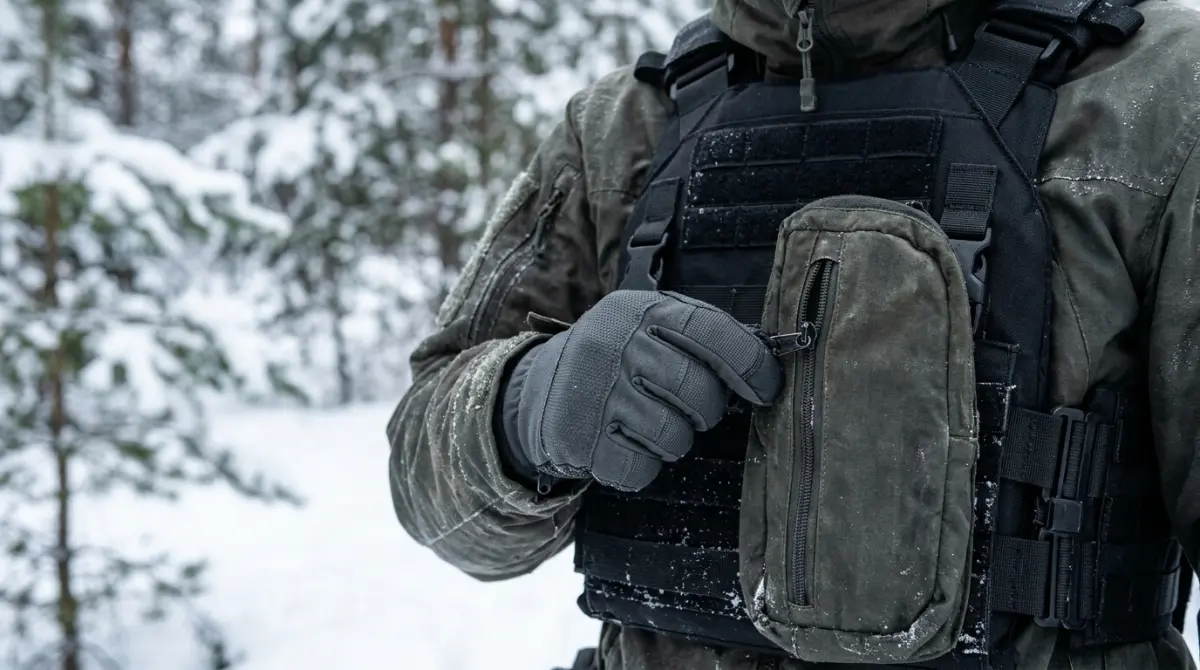
- the hood fits a helmet and is adjustable so it does not slip over your eyes;
- the collar is high, like the PCS Thermal Jacket with its fleece-like lining;
- the cuffs fit snugly around the wrist and keep snow out;
- the zipper pulls are large and the pockets can be opened with gloves on — choose them together, as in the article on winter tactical gear;
- your chest rig or plate carrier does not block the pockets. The Yinren anorak has double-sided YKK zippers.
Sizing over fleece and base layers, and choosing a color
A winter jacket is worn over several layers, so try it on in what you will wear under it: base layers and fleece. When trying it on:
- raise your arms overhead: the hem of the jacket should not ride up, and the sleeves should not expose your wrists;
- squat and bend over: your back should stay covered and the seams should not pull;
- check the sleeve length with your arm bent;
- roll your shoulders: they need freedom, not tension.
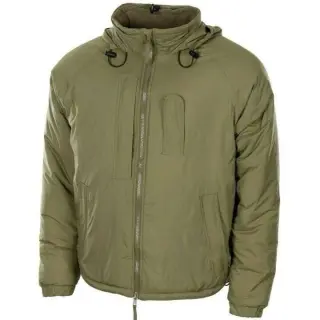
If you wear body armor under the jacket, size up to fit it, otherwise the zipper will not close. For a stocky build, look for big-and-tall sizes: for example, the Nord Storm in olive comes in a big-and-tall line.
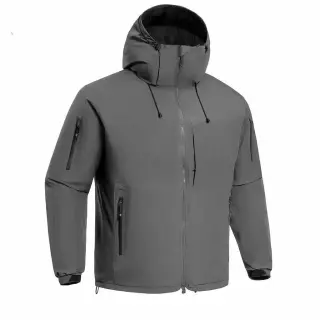
As for color: the regulation MM-14 pixel and multicam are for service, olive and coyote are versatile, and black and grey are for the city.
Common mistakes when choosing a winter tactical jacket
- Trusting only the stated temperature rating. Comfort depends on whether you are moving or standing still, how many layers you wear under the jacket and whether there is wind. The same model behaves differently on a post and on a march.
- Treating Omni-Heat as insulation. It is a reflective lining that returns body heat. The warmth comes from the filling beneath it: G-Loft, synthetic batting or eco-down.
- Buying a snug size. A fleece has to fit under the jacket, otherwise the layers compress and the insulation works worse.
- Not trying the jacket on with your gear. Check that the hood fits over your helmet and that you can reach the pockets while wearing a chest rig or plate carrier.
- Mixing up seasons. Mid-season jackets can resemble winter ones in cut and fabric, but have thinner insulation or none at all.
- Buying Level 7 as an "original US" item. Such jackets are made in the style of the ECWCS system, so judge a specific model by its membrane and insulation, not by its name.
- Forgetting about ventilation. You sweat when moving, and moisture quickly chills you. Look for pit zips and a double-slider zipper, and plan your layers from base layer to gloves.
FAQ and summary: how to choose a winter tactical jacket
Winter Ukrainian Armed Forces bushlat or a jacket — which is better for static work?
For guard duty and posts, a bushlat is better. It is long and covers the thighs. A hip-length jacket is more convenient when you move a lot.
Which is warmer: G-Loft or synthetic batting?
G-Loft is light, does not absorb moisture and quickly regains its shape after compression. However, warmth also depends on the thickness of the layer and on the lining, so compare specific models. Do not go by the name of the insulation alone.
Do I need a membrane if the fabric is water-repellent?
A water-repellent finish sheds snow and light moisture. A membrane adds waterproofing. For example, the Call Dragon's is rated at 10000 mm. A membrane is worth considering if you spend long periods in wet snow.
How does a Level 7 jacket differ from an anorak?
Level 7 is an insulated jacket inspired by ECWCS that opens down the front. An anorak is pulled on over the head, and the diagonal zipper moves pressure points away from under straps and belts.
A short algorithm:
- Scenario: static work or movement.
- Cut: bushlat, jacket, parka, anorak or Level 7.
- Insulation and lining.
- Details: hood, pockets, wind protection.
- Size with room for layers.
- Color to suit the task.
If you also need matching insulated trousers, take a look at winter tactical suits.