Winter Tactical Jackets
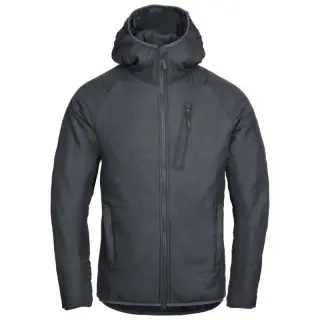
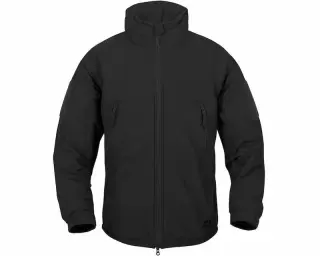
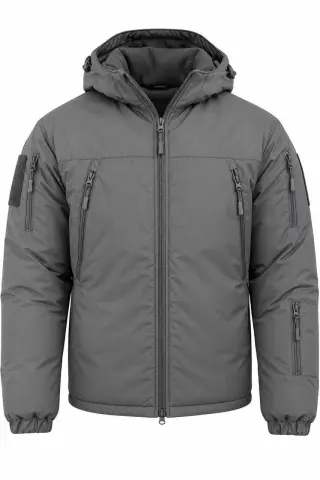
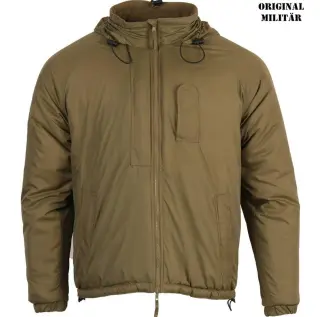
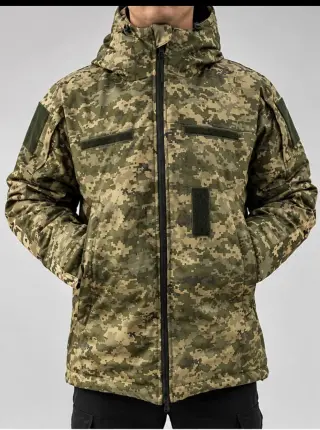
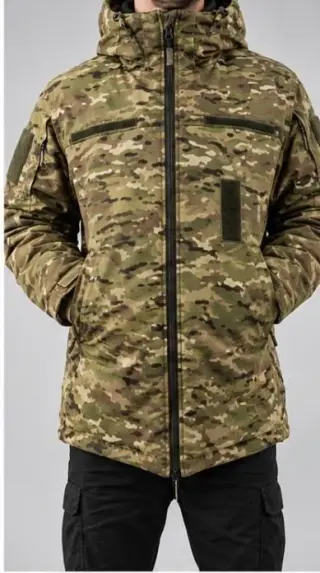
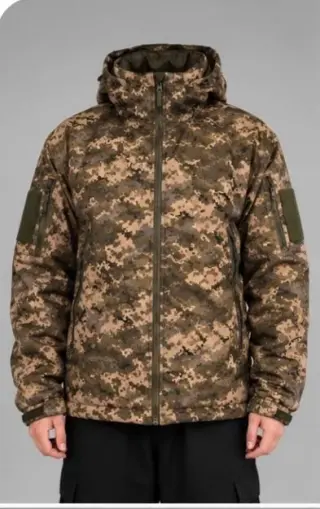
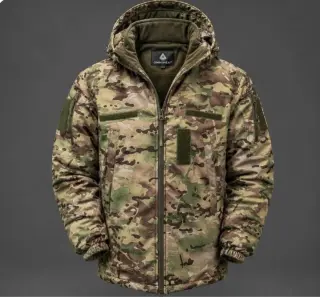


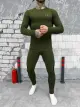

Winter Tactical Jackets: How to Choose for Your Needs
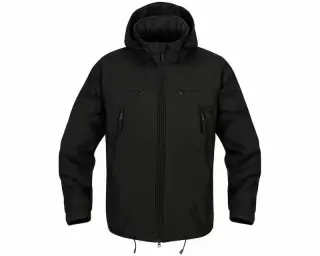
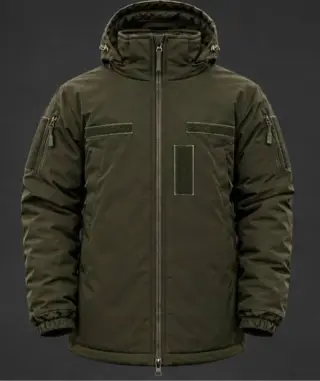
Winter tactical jackets are bought for service, field trips, hunting, or simply for the city, where you have to stand in the wind for a long time. The choice depends on three things: how much time you spend without moving, what you wear underneath, and what you wear over it — a plate carrier, a chest rig, a backpack. Start from that, and only then look at color and brand.
Jacket, Pea Coat, Parka or Level 7
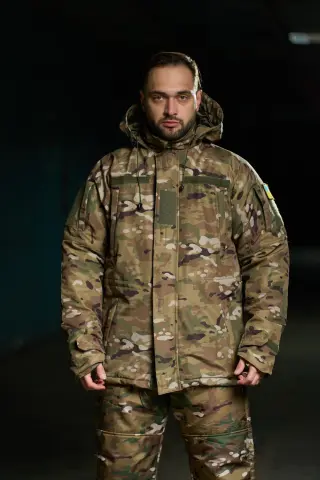
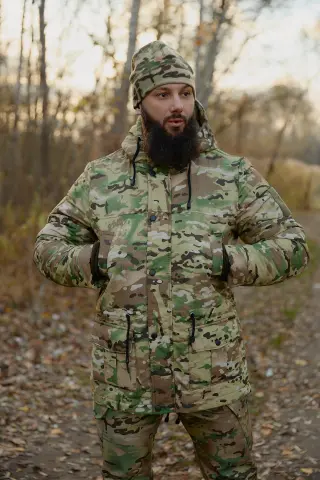
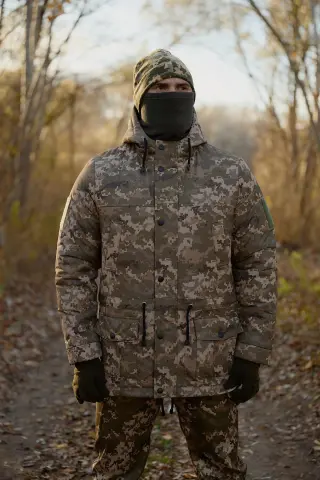
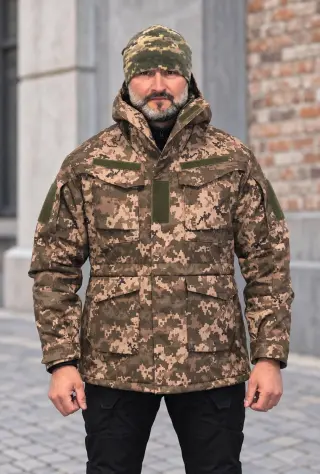
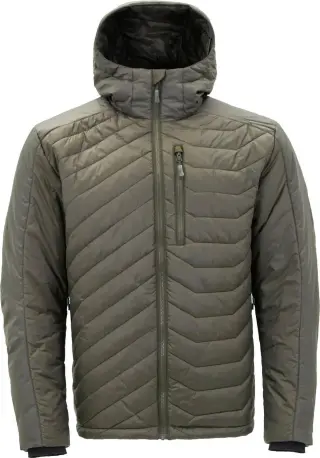
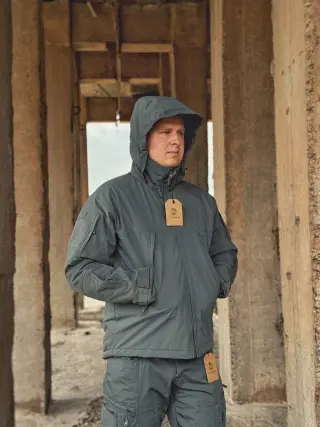
A regular military winter jacket is hip-length, does not get in the way when getting into a vehicle, and does not snag on gear. A pea coat is usually longer, denser and heavier, often lined with fur, fleece or synthetic padding: it is the choice for a guard post, security, or outdoor work, where warmth matters more than mobility. If you need exactly this kind of clothing, take a look at ZSU pea coats, and for ZSU camouflage — a winter pixel pea coat.
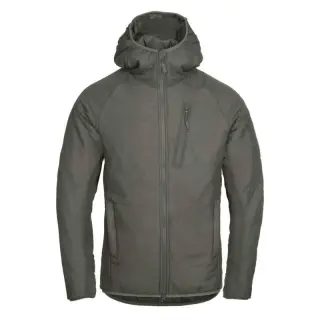
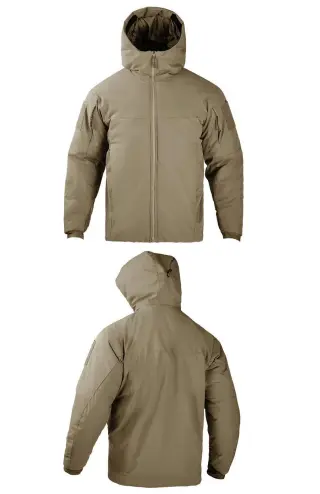
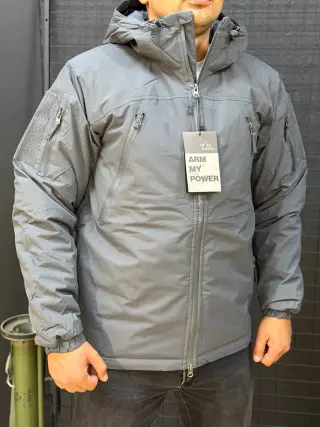
A winter tactical parka covers the hips and protects better from wind from below, but it is inconvenient to wear under a plate carrier. A separate class is the Level 7 winter jacket: a bulky insulated outer layer that is thrown on over the rest of your clothing during stops. Such models are light and warm, but the thin fabric copes worse with friction from gear and branches.
What the Jacket Is Insulated With
Synthetic insulations — G-Loft, Climashield, Primaloft, thermoloft, synthetic padding, hollowfiber — are the main choice for field conditions, because they retain warmth even when wet and dry quickly. G-Loft insulation is used in Carinthia models, Climashield Apex — in the Wolfhound and Level 7 from Helikon-Tex. Density, for example 80 g/m² or 100 g/m², helps compare models with the same insulation, but not between different ones. Synthetic padding and hollowfiber are cheaper, but over time they clump and lose loft.
Eco-down, as in the Call Dragon 10.0, gives a lot of warmth at low weight, and in such models it is usually protected by a waterproof fabric with taped seams. Fleece is warmer when moving, but it lets wind through, so it works only under a windproof shell. And an important point: Omni-Heat is a reflective lining with silver dots, not a filling. It returns part of your body heat, but it warms only together with insulation, so check what exactly lies between it and the outer layer.
What Warmth Really Depends On
Ratings like "down to minus so many degrees" are approximate. For example, Nord Storm states directly that its rating applies to active movement and a full layering system. If you stand for several hours at a post in the same jacket, you will freeze much sooner.
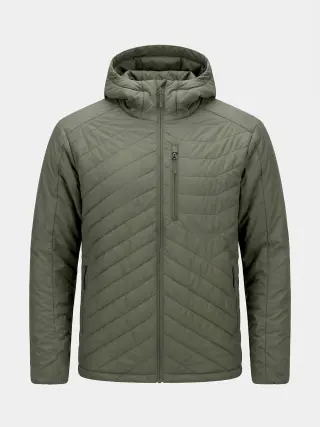
So for static conditions take a reserve of warmth: thicker insulation, a long cut, a pea coat or a Level 7 over the top. For movement, a moderately warm jacket with a two-way zipper is better, so you can ventilate and not sweat: wet base layers chill more than any frost. Pay attention to wind protection and adjustment of the cuffs, hem and hood — warmth escapes through gaps faster than through the insulation. The Archon line from 1.0 to 10.0 shows well how models from one brand differ in insulation.
Size, Hood and Fit Over Gear
Try on the jacket in what you will wear under it: base layer, fleece, and for service — also with a plate carrier in mind. If you wear the plate carrier over it, the jacket should not be too bulky, otherwise the gear will sit unstably. Raise your arms up and forward: the sleeve should not expose the wrist, and the hem should not ride up to the waist. A men's tactical winter jacket and unisex models fit differently, so check the size chart of the specific model.
Check the hood separately: if you wear a helmet, the hood should fit over it or be detachable. A high collar and drawcords help when there is no helmet.
Color for Terrain and Service
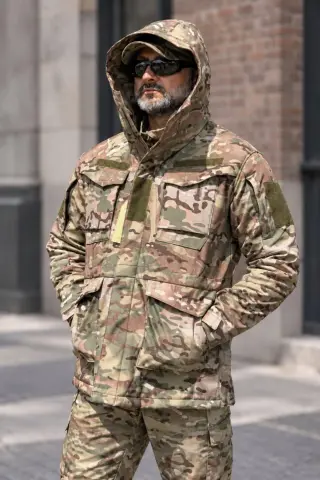
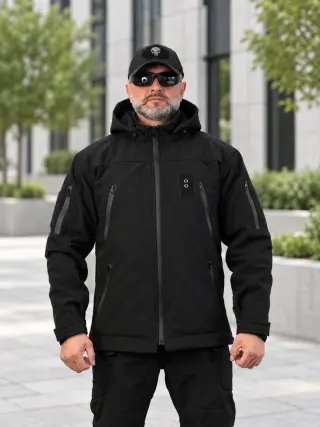
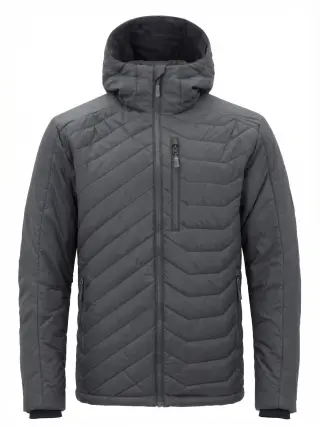
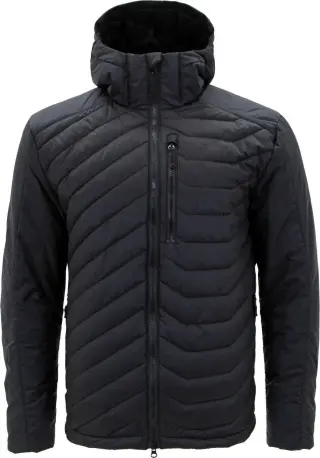
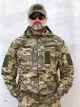
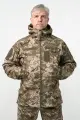
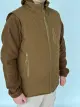
For forest and mixed terrain the most versatile is the Multicam winter tactical jacket, and for ZSU regulation requirements — pixel jackets. Solid-color olive jackets and coyote jackets suit both the field and the city. Black winter jackets are chosen for police, security and everyday wear, and gray jackets — for the city. Call Dragon has separate color selections: Call Dragon Multicam and Call Dragon in olive.
Care and Washing
Synthetic jackets are washed on a delicate cycle at low temperature, with liquid detergent without bleach or fabric softener: softener clogs the membrane and worsens water repellency. Do not wring on high spin speeds and do not dry on a radiator. The water-repellent treatment washes out over time, so after several washes it is worth restoring it with a spray. Down models are dried with tennis balls so the down does not clump.
Frequently Asked Questions
Which is warmer: a pea coat or a winter jacket?
For standing still, a pea coat is usually warmer. It is longer and covers the hips, but it is heavier and less convenient when moving and under gear.
Can a jacket with Omni-Heat be washed?
Yes, the lining withstands washing. The main thing is a delicate cycle, liquid detergent and no fabric softener, so as not to damage the coating and the outer fabric.
Why Level 7 if you already have a winter jacket?
Level 7 is thrown on over everything during stops and in an ambush. While moving, it is taken off and stowed in a backpack so you do not sweat.
Down or synthetic for field service?
For the field, synthetic is more reliable: it warms even when wet. Down is good for the city and dry frost, if it is protected by a waterproof fabric.
How many sizes up should I take for a plate carrier?
If the plate carrier is worn over it, people usually take their regular size, allowing for a fleece underneath. Always try it on together with what you will wear, because the volume of insulation varies greatly between models.
You can buy a tactical winter jacket from 1 199 UAH. If you need a lighter shell for the transitional season, take a look at softshell jackets or all outerwear.