Tactical Gloves: Summer, Winter, Fingerless and with Knuckle Protection
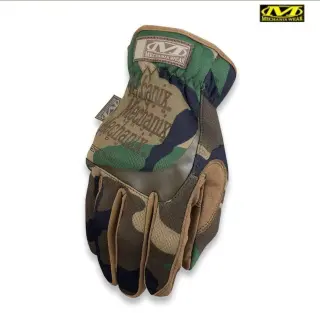
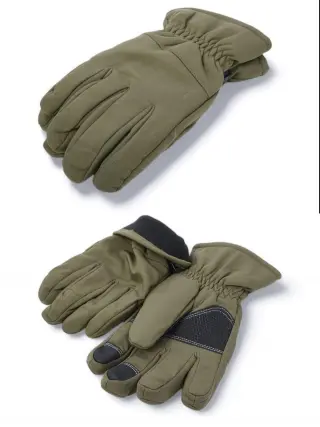
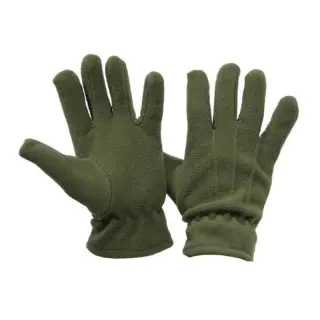
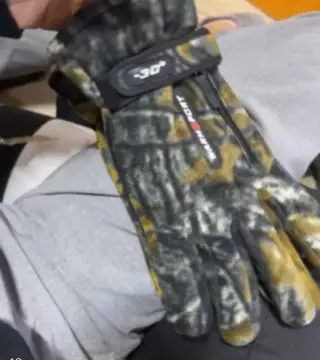






Tactical gloves: how to choose a model for your tasks
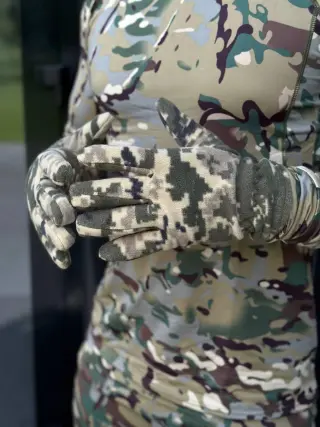
Tactical gloves protect your hands from scratches, abrasion, impacts and cold, while still letting your fingers keep the sensitivity needed for handling weapons, gear and a phone. That's why choosing starts not with color but with a few questions: when you will wear them, whether you need knuckle protection, and how important fine motor control is. Military gloves for summer outings, winter duty and shooting practice are different products, and one pair rarely covers every scenario.
Full-finger, fingerless or convertible
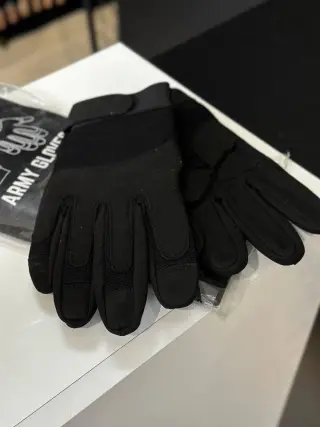
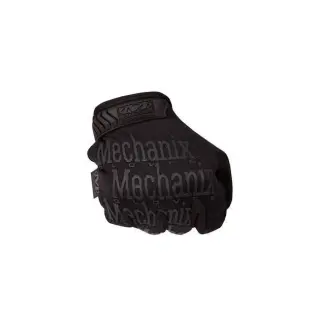
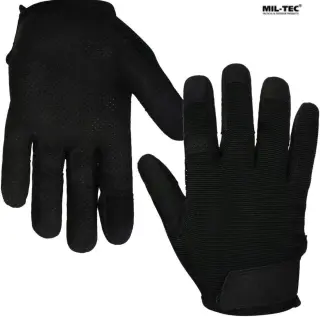
Full-finger gloves are the basic option: they cover your fingertips from cuts and hot surfaces and suit most tasks. So that fingers don't lose sensitivity, lightweight models such as Mechanix Original or Helikon-Tex All Round Fit Tactical use a thin synthetic leather palm and an elastic fabric back.
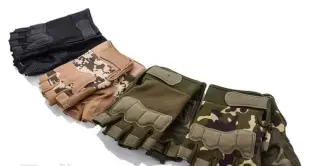
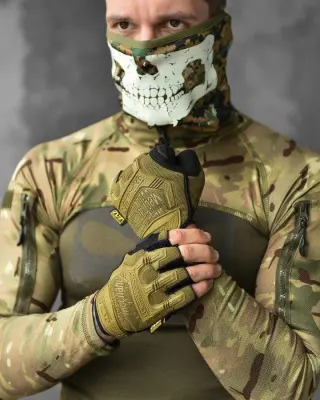
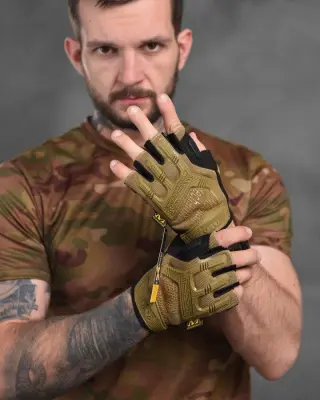
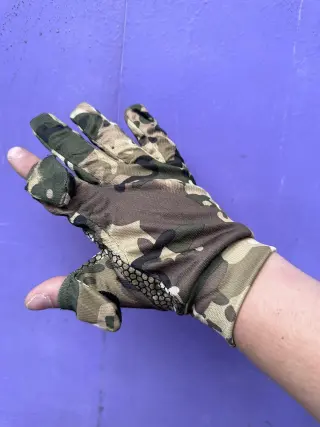
Fingerless gloves leave the fingertips open, which makes it easier to load a magazine, untie a knot or deal with small fasteners. The trade-off is unprotected fingers, so fingerless tactical gloves, such as the Mechanix M-Pact Fingerless, are best suited for shooting in warm weather and for work that requires direct touch.
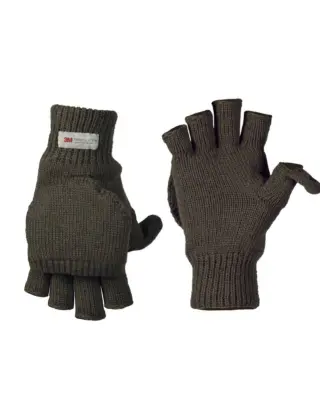
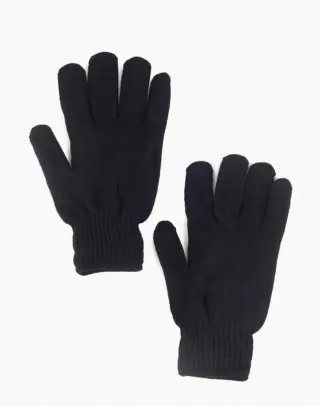
For the cold there are fur-lined mittens and knitted convertible gloves with a flip-top mitten: you can free your fingertips without taking the glove off. Mittens are the warmest, but you will have to take them off for precise movements.
Winter or warm weather: insulation and materials
Warm-weather gloves are made without insulation, and some models have perforation or mesh so the hand sweats less. Look for such models among summer tactical gloves.
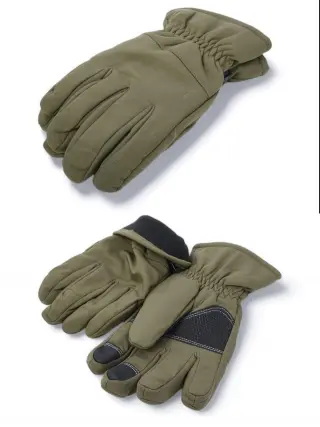
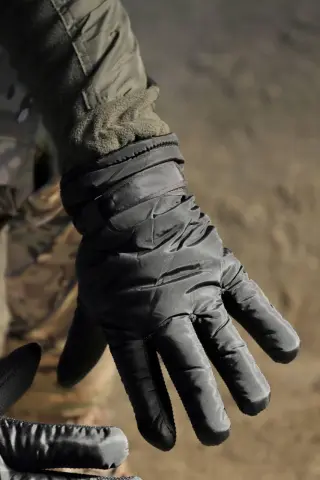
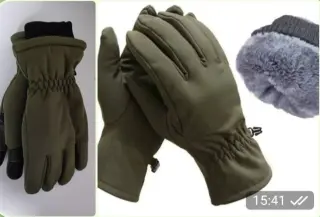
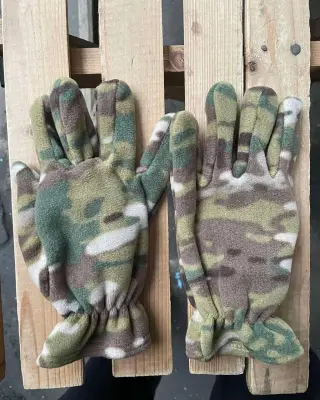
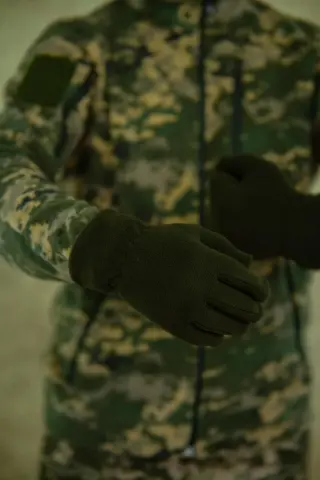
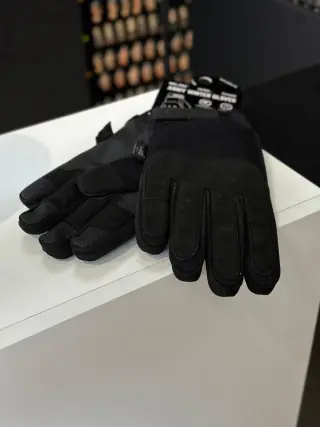
In winter tactical gloves, warmth comes from the lining: fur, fleece or Thinsulate insulation. Fur makes the glove bulkier, while fleece is thinner and restricts movement less, so fleece gloves are handy in the off-season. Thinsulate is found in the MIL-TEC Army Winter and MFH Fleece models, and the description of the MIL-TEC Army Winter also mentions a HiPora membrane against wind and moisture.
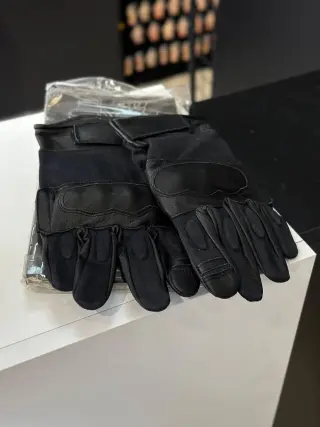
The outer layer of winter gloves is softshell or coated nylon. According to the descriptions, the fabric of both options is water-repellent; coated nylon gloves with fur or fleece lining are designed for prolonged time in the cold. Leather is less common: for example, a leather MIL-TEC model with soft knuckle protection, whose description mentions Nomex, and the MFH Mission with flip-back fingers.
Knuckle protection: hard or soft
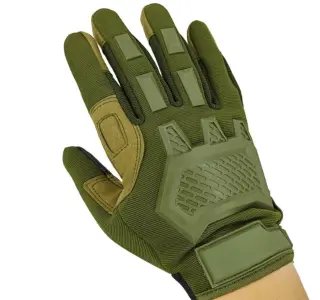
Hard protection consists of impact-resistant plastic pads on the knuckles, sometimes on the finger phalanges as well. It better withstands blows against armor, rocks or vehicles, but slightly hinders making a fist. Soft protection is made of rubber or molded thermoplastic material: it is more flexible and almost unnoticeable, although it protects less against a strong impact.
For assault operations and work with heavy objects, hard protection is more appropriate; for shooting, driving and everyday wear, choose soft protection or no pads at all, as in the Mechanix Original. When trying on, make sure the pad sits exactly on the knuckles: if it slides onto the fingers, the size is too large.
Touchscreen fingertips, palm and cuff
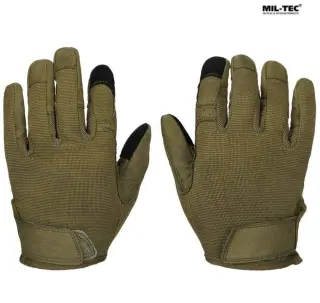
Touchscreen fingertips are conductive inserts on the fingertips that let you use a smartphone or tablet without taking your gloves off. In winter this is especially valuable. Such models are collected among touchscreen tactical gloves; check that the inserts are on the fingers you usually use to touch the screen.
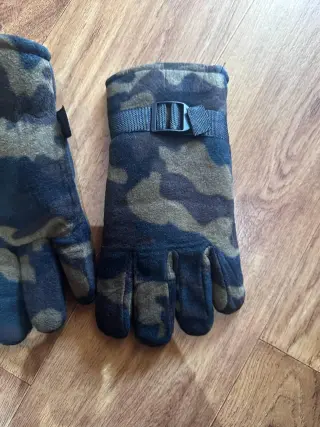
The palm should be non-slip: synthetic leather, suede, and silicone or rubber pads improve grip on weapons and tools. A hook-and-loop cuff lets you tighten the glove snugly, while a long or knitted cuff on winter models keeps snow from getting up your sleeve. Choose the color to match your uniform and terrain: olive, coyote, Multicam or black.
How to choose the size
Sizes are marked with letters from XS to 3XL, and combined ones such as S/M or L/XL also occur. Brands' size charts differ, so check the chart for the specific model: measure the circumference of your palm without the thumb and the length from the wrist to the tip of the middle finger.
Thin gloves should fit snugly: extra fabric at the fingertips interferes with feeling the trigger and fasteners. Take insulated ones so that they don't squeeze the hand, because compressed insulation keeps you less warm. If you are between sizes, choose the smaller for thin models and the larger for winter ones. Even within one brand the fit varies: Mechanix tactical gloves of the Original and ColdWork lines are worth comparing separately.
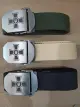
Look for other gear among tactical accessories, and to complete your kit, take a look at tactical belts. We deliver across Ukraine.
Frequently asked questions
Which tactical gloves should I choose for winter?
Choose full-finger gloves with insulation — fur, fleece or Thinsulate — and an outer layer of softshell or coated nylon. If you need your phone, look for a model with touchscreen fingertips. Fur-lined mittens are even warmer, but you will have to take them off for fine movements.
Is it comfortable to shoot in tactical gloves?
Yes, thin full-finger gloves with a synthetic leather palm retain enough sensitivity for the trigger. Fingerless models give even more feel. Thick insulated gloves and mittens are inconvenient for precise shooting.
How much do tactical gloves cost?
Prices start from 220 UAH and go up to 2 780 UAH. Focus first of all on the purpose, fit and the protection you need, not just on the price.
How do I wash tactical gloves?
First check the label, because the requirements depend on the materials. Usually hand washing with a mild detergent and fastened hook-and-loop straps is enough. Dry them away from a radiator: strong heat damages synthetic leather and pads.