Tactical and Military Neck Gaiters: Buffs and Tube Scarves for the Armed Forces
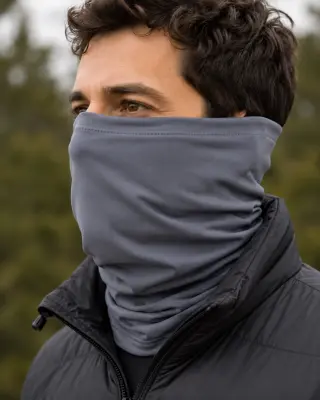

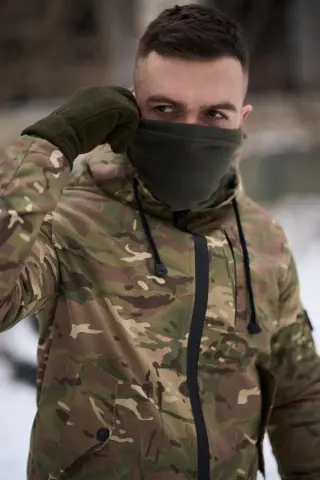

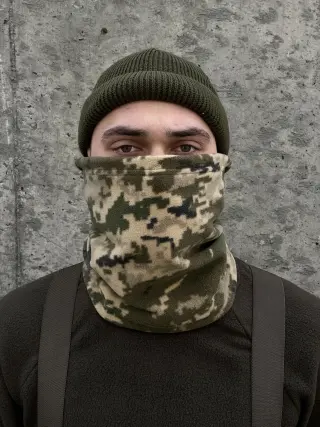
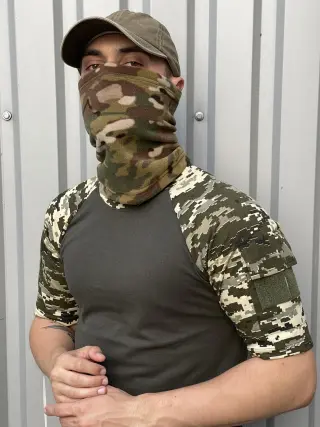





Tactical buff: how to choose a tube scarf for the season and the task
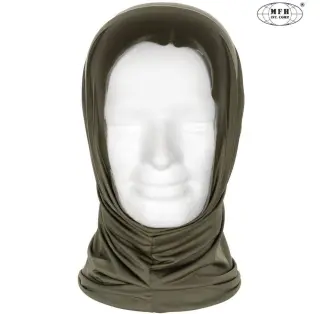
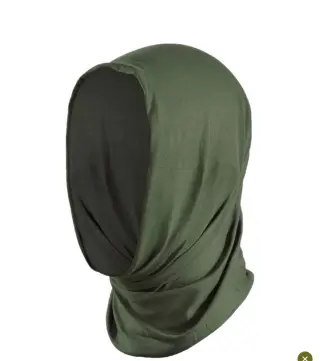
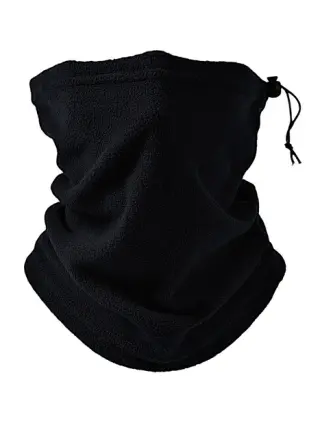
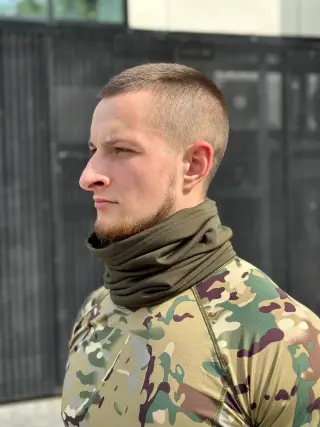
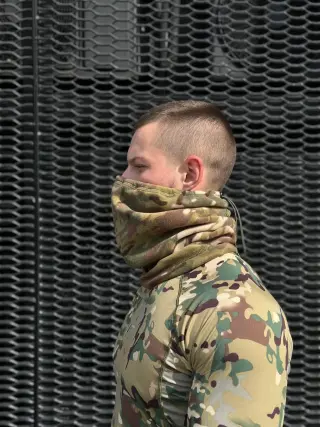
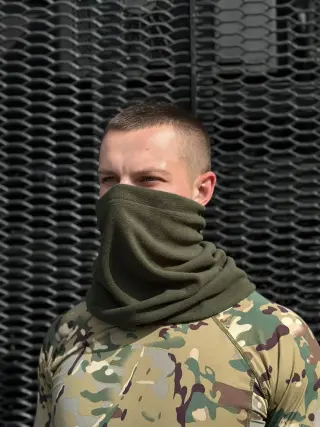
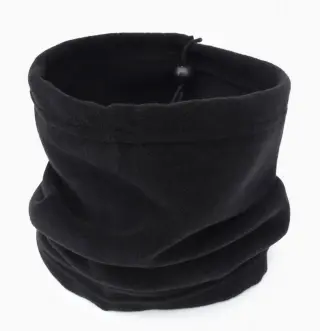
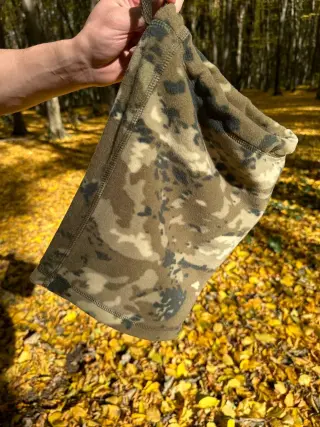
A buff is a seamless fabric tube that you pull on over your head and wear as a neck gaiter, face mask, helmet liner or light hat. A military buff covers the neck and the lower part of the face from wind, dust and sun. The choice comes down to three things: the material for the season, whether it has a drawcord, and the color to match your uniform.
Winter, summer or demi-season: which material to choose
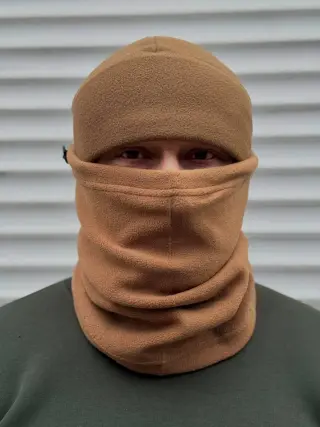
A fleece buff is the winter option. Fleece retains warmth even when slightly damp, dries quickly and feels pleasant against the skin, so it is pulled up over the nose during a march or a watch in the wind. A microfleece buff is thinner: it gives less warmth, but it sits more easily under a collar and a helmet. All the warm models are collected on the page winter buff.
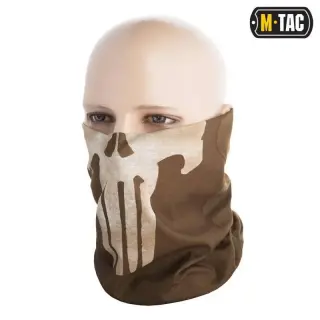
A summer buff is made from thin knit or stretch knit fabric. Its job is to protect the neck from sun and dust, absorb sweat and not cause overheating. The summer Coolmax buff is made from fabric that quickly wicks moisture away from the skin, and the description of the camouflage summer buff lists UPF 50+ UV protection. The lightweight M-Tac Punisher stretches easily and takes up almost no space in a pocket when folded. Look for thin models on the page summer buff.
A knit buff with a brushed lining is the demi-season compromise: stretch knit on the outside and a soft, fuzzy surface on the inside that holds warmth. It is suitable in autumn and spring, when fleece is already too much but thin knit still does not protect against the wind.
Why choose a buff with a drawcord
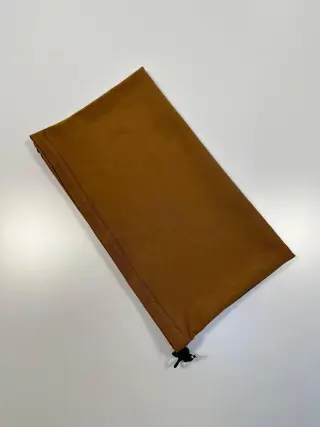
The drawcord is a cord with a stopper along one of the edges. If you pull it tight, the tube closes at the top and becomes a hat; loosen it, and you have a neck gaiter again. This way one fleece buff replaces both a hat and a scarf, which is handy when space in your backpack is limited.
The cord also helps adjust the fit: a tightened edge hugs the face more closely and slips less while you move. A model without a drawcord is simpler: nothing presses under the helmet and nothing catches on your gear. If you need the buff only as a neck gaiter, a drawcord is optional.
A buff under a helmet and with other gear
Under a helmet it is better to take a thin buff: a summer knit, lightweight or microfleece one. Thick fleece bunches up in folds, changes how the helmet sits and may press on the suspension system. In winter it is convenient to wear a thin buff under the helmet and keep a fleece one in your pocket for rest stops.
When you need to cover the whole face, leaving only an opening for the eyes, a buff is not enough: for that there are tactical balaclavas. In severe frost a buff is combined with a hat: fleece warms the neck, and tactical hats warm the head.
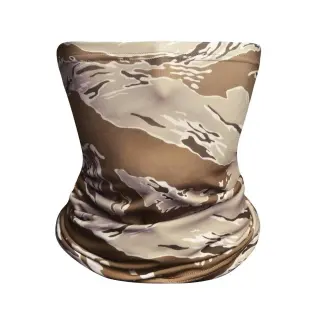
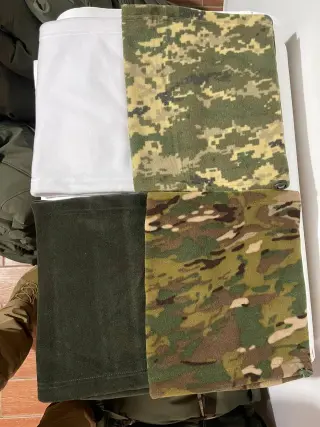
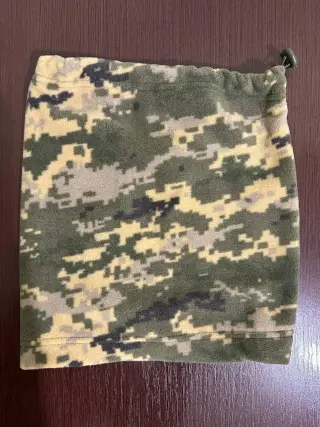
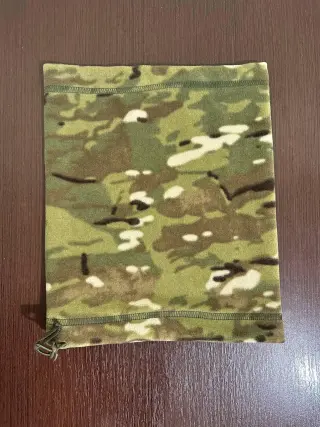
Color and pattern: Multicam, olive, pixel or coyote buff
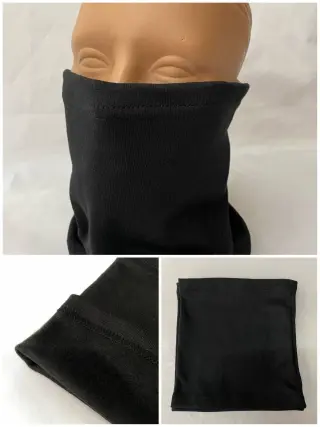
Color is chosen to match the uniform and the terrain. Multicam and MM-14 pixel go with the corresponding camouflage, while olive and coyote are universal: they suit solid-color uniforms and most plate carriers. For example, MIL-TEC Headgear comes in olive and coyote, the fleece R&M with a drawcord in coyote, and the fleece Vogel in olive. Black suits dark clothing and civilian use.
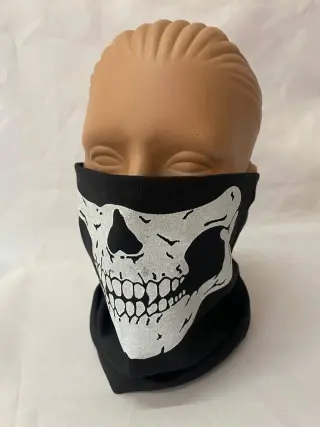
Buffs with a skull print are more for airsoft, motorcycling, fishing or everyday wear. For service, it is safer to choose a solid-color or camouflage version so as not to stand out.
Size and care
Buffs come in one universal size: the fabric stretches and adapts to the circumference of the head and neck, so there is no need to pick one by measurement. If you have a large head, look for elastic fabrics: knit and stretch knit stretch better than fleece.
It is best to wash a buff by hand or on a delicate cycle in cool water, without bleach. Dry it away from heaters: fleece can deform and pill from strong heat. In the field it is convenient to have two buffs: while one dries, the other is on you.
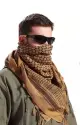
Look for other models in the category headwear: for summer, boonie hats go well with a buff, and shemaghs offer another fabric alternative for protection from dust and sun.
Frequently asked questions
How is a buff different from a balaclava?
A buff is a tube open at both ends that can be worn as a neck gaiter, mask or hat. A balaclava has a fixed shape with an opening for the eyes and covers the head completely. A buff is more versatile, while a balaclava protects the whole face at once better.
How do you wear a buff as a hat?
The easiest way is to take a model with a drawcord: pull the cord with the stopper tight, and the top closes. A buff without a drawcord can be twisted in the middle and one half turned inside the other to make a double-layer hat.
How much does a buff cost?
Buff prices range from 140 to 450 UAH. The cost depends on the specific model, not only on the season or material. We deliver throughout Ukraine.