Tactical Balaclavas
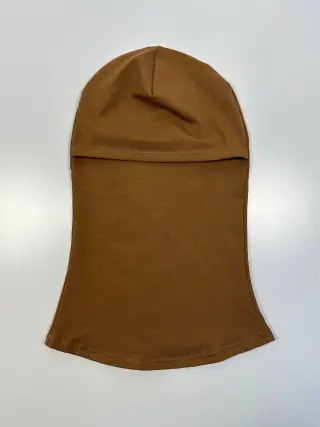
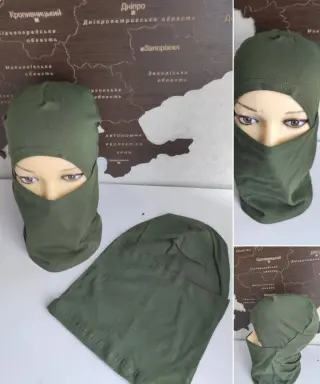
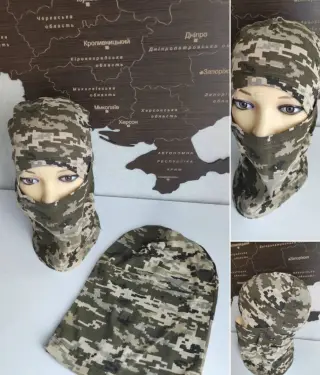
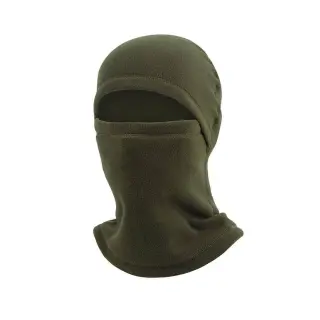


Tactical Balaclava: How to Choose for the Season and the Task
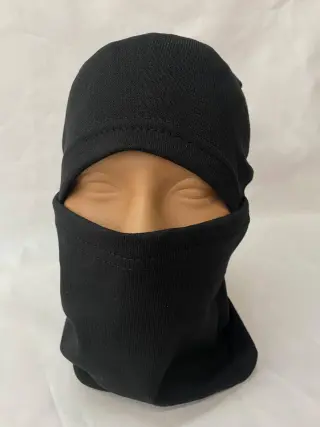
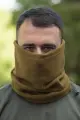
A balaclava covers the head, neck and face in a single piece, so it is worn under a helmet, under a hat or on its own — on a post, on the road, at the training ground. A military balaclava differs from an ordinary balaclava mask in its camouflage colors and a cut that does not interfere with gear. To avoid a mistake, decide on three things: the season, the cut and whether you will wear it under a helmet.
Winter, Summer or All-Season
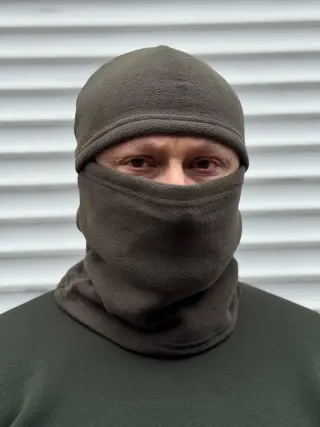
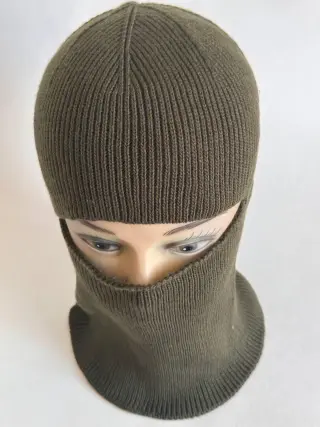
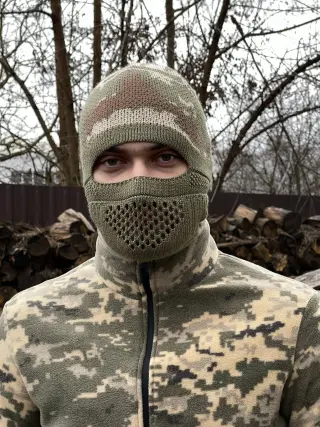
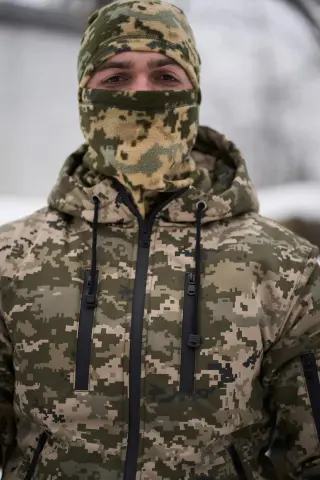
For cold weather, choose a winter tactical balaclava. The most common material is fleece: soft, light, non-itchy and quick-drying. A fleece balaclava is well suited to duty shifts when you move little. Knitted fabric fits snugly and holds its shape, while a ribbed knit leaves an air layer. There are also combined solutions: CoolMax on fleece, where a smooth outer layer is paired with warm pile, and jersey on a brushed-cotton lining.
Summer models are made from CoolMax, viscose and cotton. CoolMax wicks moisture away from the skin and dries quickly, so it works well during active movement. Cotton and viscose feel pleasant against the body, but they hold moisture longer. A summer balaclava protects from dust and sun and does not overheat under a helmet. An all-season option is a thin stretch fabric, such as the microdiving in the R-military model: it is worn on its own in summer and as a base layer in winter.
Cut: How Many Openings You Need
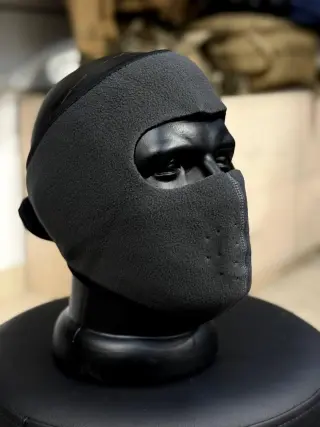
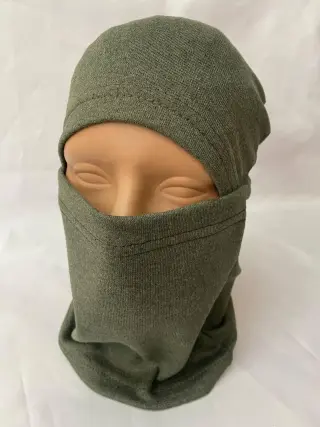
A balaclava with a single opening leaves either just the eyes or an oval that includes the nose and mouth uncovered. A wide opening gives better visibility and less fogging, while a narrow one covers the face more tightly against the cold. A three-hole version — separate openings for the eyes and the mouth — is more convenient for talking and breathing, while the cheeks and nose stay covered.
A balaclava hat is worn in two positions: unrolled it covers the face, rolled up it becomes an ordinary hat. A half-balaclava mask covers only the lower part of the face and the neck and pairs with a cap or hat. Summer 3-in-1 models can be worn in several ways — convenient when conditions change several times a day.
Helmet Liner: What to Look For
Under a helmet you need a balaclava that fits the head snugly without folds: extra bulk shifts the helmet and interferes with the suspension system. Make sure thick seams do not land on the temples and the back of the head, and that the neck section is extended and does not ride up. A helmet liner made of fleece or knitted fabric suits winter, and one made of CoolMax suits the warm season. Try the balaclava on together with your helmet and headphones if you use them.
Color, Print and Size
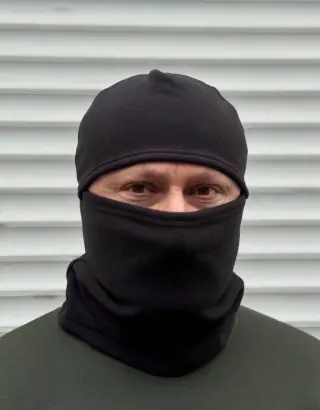
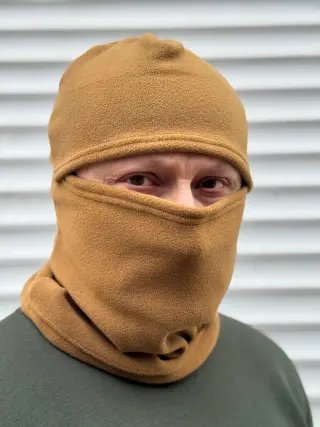
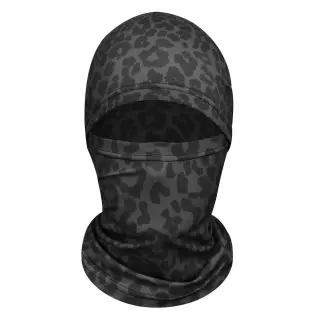
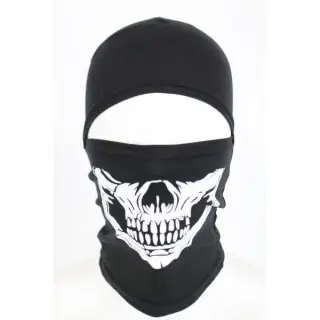
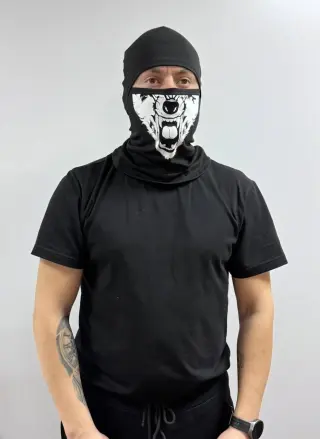
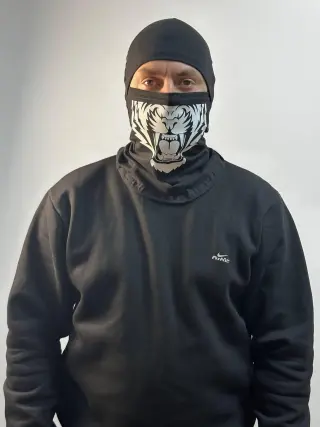
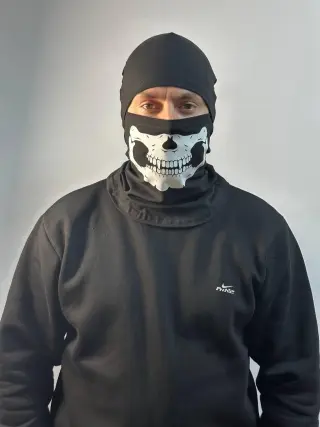
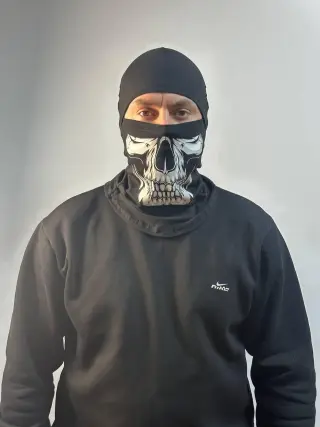
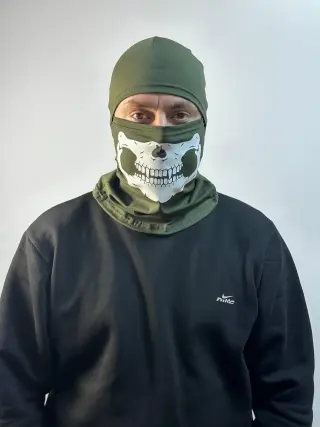
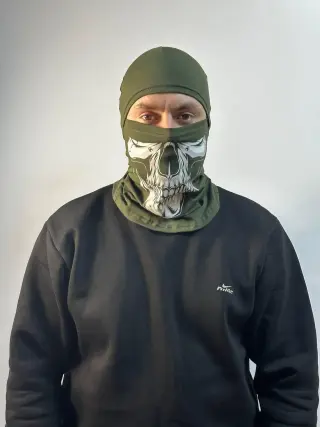
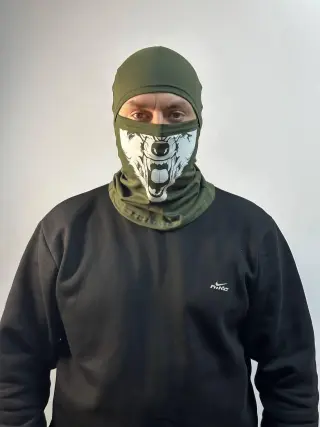
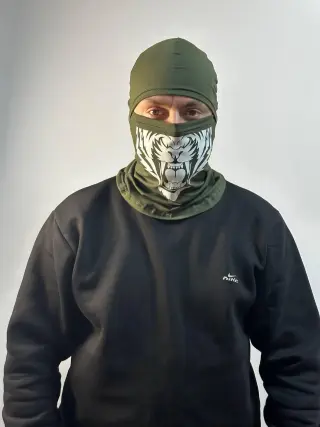
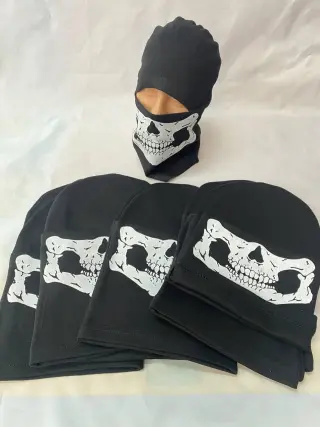
Choose the color to match your uniform and terrain: olive and coyote are universal, Multicam and pixel extend the camouflage of your uniform, and a black balaclava suits the night and dark clothing. A Multicam balaclava comes in both fleece and summer versions. Prints — a coat of arms, skull, wolf or tiger — are a matter of taste; skull balaclavas are mostly jersey or stretch. For field duty, a light print on the face can give you away, so a solid-color or camouflage model is a better choice.
Balaclavas come in a universal size or in two sizes, 55–57 and 58–61. Measure your head circumference with a measuring tape at forehead level; for wearing under a helmet, take the size that fits snugly.
Look for other models in the headwear category, and for the cold season also check out tactical hats.
Frequently Asked Questions
How does a balaclava differ from a buff?
A buff is a tube that covers the neck and part of the face, but not the head. A balaclava protects the head completely and stays in place better under a helmet. If you need a light item that is easy to take off at any moment, consider tactical buffs.
How do you wash a tactical balaclava?
Wash on a delicate cycle or by hand, without bleach. Do not wring out fleece and knitted models forcefully, so as not to stretch the fabric. Dry it spread flat, away from a radiator.
Which balaclava should I choose for the Armed Forces of Ukraine?
A solid-color or camouflage one matching the uniform, without bright prints. For winter, fleece or knitted fabric is suitable, for summer — CoolMax. If you wear a helmet, choose a thin, snug cut that does not bunch into folds.