Tactical Winter Balaclava: Fleece, Knit, Helmet Liner
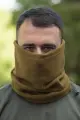



Winter Balaclava: How to Choose a Warm Model
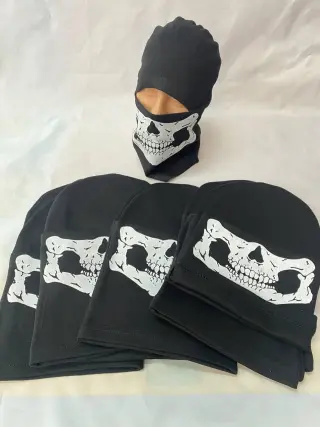
A winter balaclava is for anyone who spends long hours out in the cold and wind: on guard duty, on field outings, riding a motorcycle or ice fishing. Unlike summer models, the key is to keep your head, neck and face warm while still breathing easily and having nothing press under your helmet. Below is what to look for so that a winter balaclava truly keeps you warm and doesn't just look warm.
Which Material to Choose: Fleece, Knit Fabric or Lined Jersey
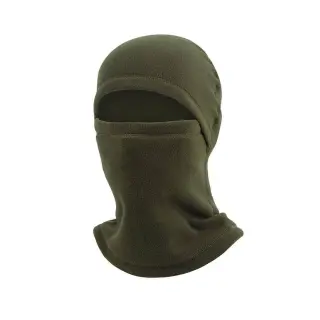
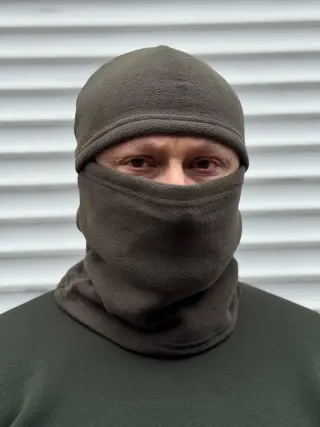
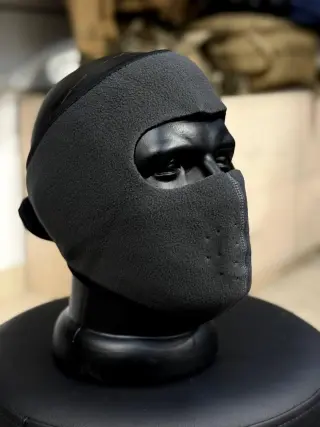
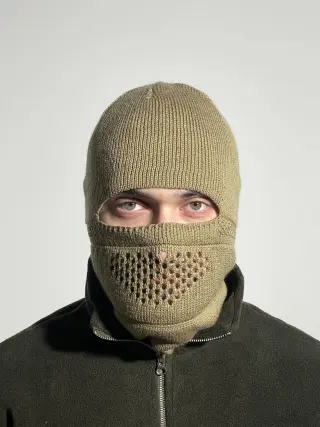
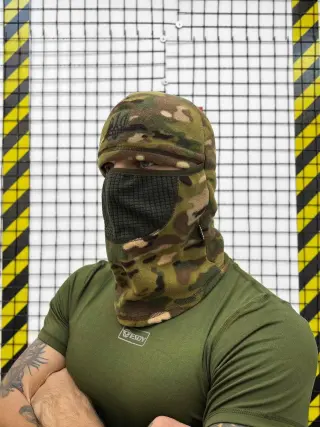
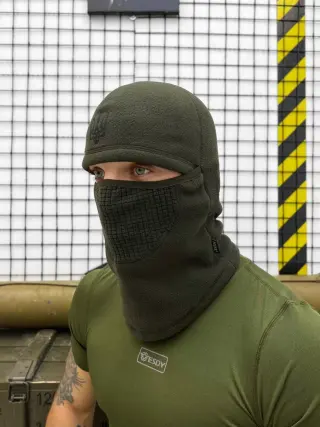
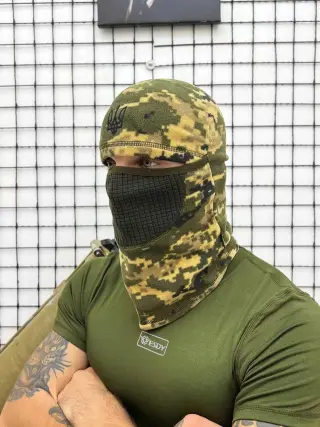
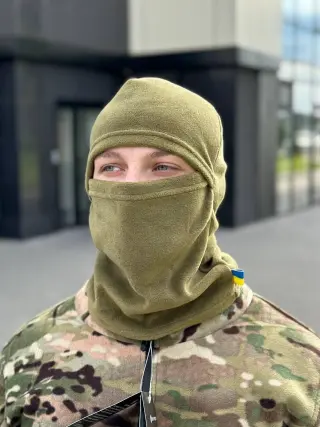
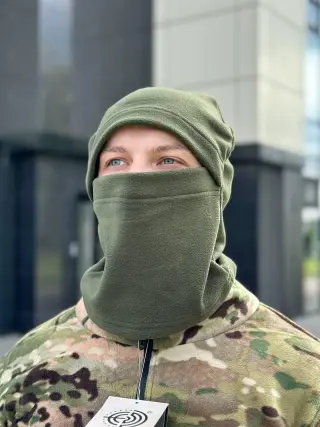
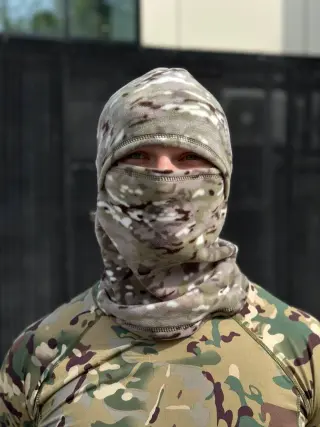
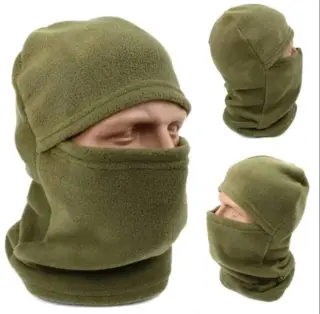
Fleece is the most common winter option. It is lightweight, doesn't itch, dries quickly and retains heat even when slightly damp. The downside is that ordinary fleece lets strong wind through, so in open terrain it is best worn together with a hood or a jacket collar. With fleece models, pay attention to a mesh insert or breathing slits near the mouth: they let moisture from your breath escape, so the fabric frosts over less.
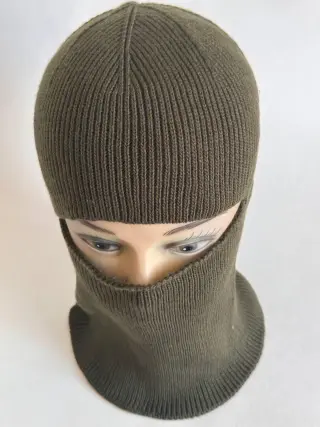
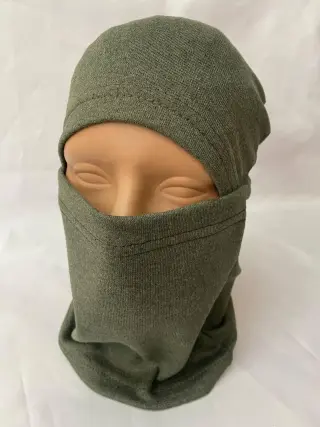
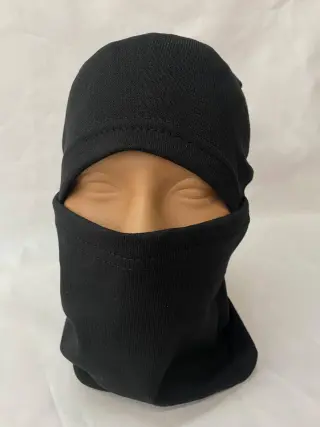
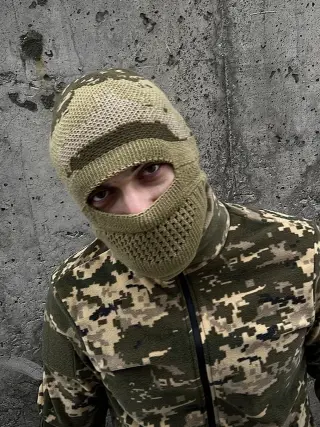
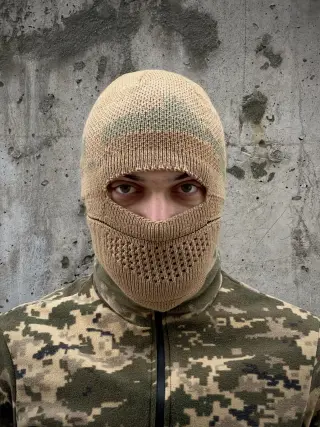
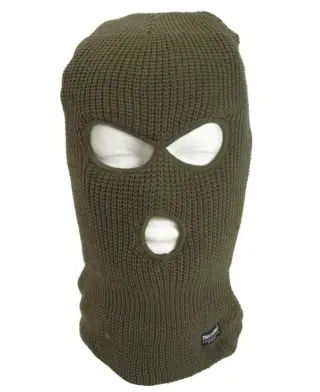
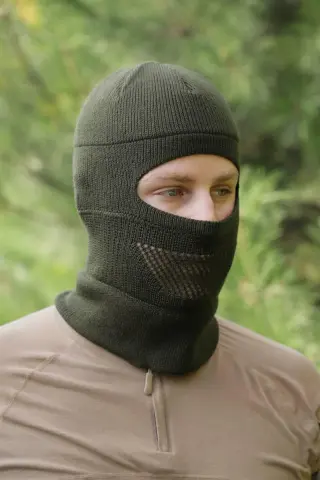
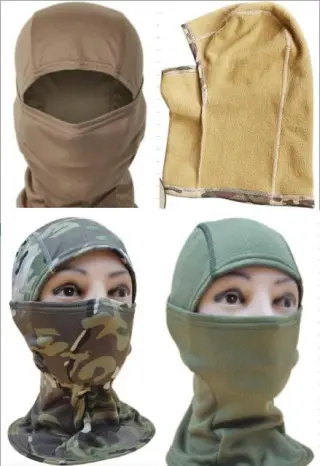
Knit fabric fits snugly around the head and stretches, so one model suits a range of head sizes. A textured knit traps warm air between the loops, but it also takes longer to dry after snow or sweat. Jersey with a brushed lining has a smooth outer side and a soft, fleecy lining inside — a convenient option if you dislike the feel of fleece pile on your skin. The CoolMax-on-fleece combination is designed for those who move a lot and sweat: moisture-wicking fabric helps you stay drier.
One Opening or Three Holes, Single-Layer or Double Mask
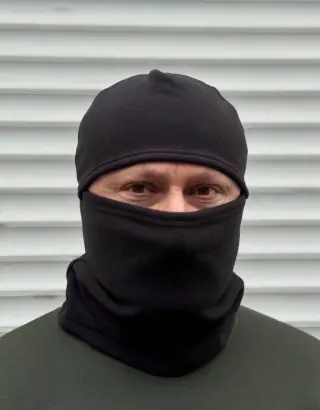
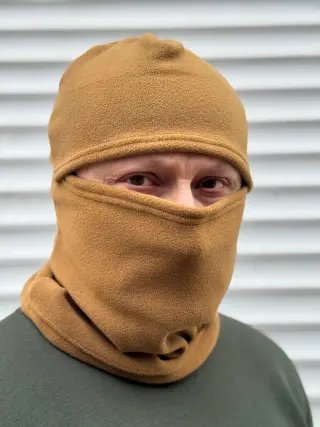
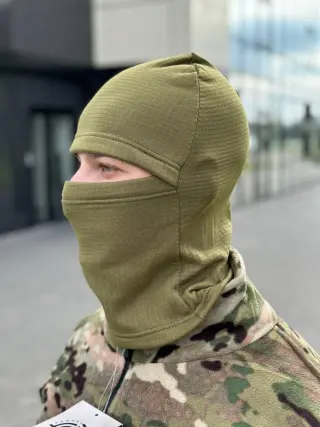
A model with a single opening for the eyes and nose is simpler: it is easy to pull down onto your chin when you need to talk or eat. A balaclava with three holes covers more of the face and protects the cheeks better from wind, but the mouth hole collects condensation. The width of the opening matters too: a narrow one covers the bridge of the nose better, while a wide one doesn't interfere with glasses and doesn't restrict your field of view.
A single-layer balaclava is thinner and more comfortable under a helmet. A double mask over the face is warmer, but during active movement moisture builds up under it faster. If you stand more than you move, the extra layer pays off; for marches and work, a single-layer model with a breathable zone is better.
Beanie Balaclava or Classic Model
A beanie balaclava is a versatile option for changeable weather: it is rolled up like a cuffed hat, and in frost or a blizzard it is pulled down over the face. It is handy for duty shifts and movement when it alternates between warm and cold. A classic balaclava fits more snugly and has no extra bulk on top of the head, so it behaves better under a helmet. Don't wear a thick beanie balaclava with a double cuff under a helmet: the extra thickness on the crown changes how the helmet sits.
Warm Balaclava Under a Helmet: What to Consider
A warm balaclava for wearing under a helmet should have no rough seams on the crown and temples, otherwise sore spots will appear after a few hours. Models marked as a helmet liner made of polar fleece or knit fabric work well. Check the size: if it says, for example, 55–57 or 58–61, choose by your head circumference rather than guessing.
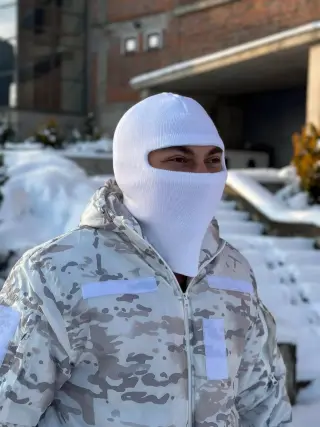
Be sure to try on the helmet together with the balaclava and readjust the suspension system and chin strap. The helmet should not wobble or press on the forehead. Consider a white balaclava for snow camouflage, and for all other situations, a color to match your uniform. You can compare winter models with summer ones among all tactical balaclavas.
Frequently Asked Questions
Which winter balaclava is warmer — fleece or knit?
Both keep you warm well; the difference is in how they behave. Fleece dries faster and doesn't itch, while knit fabric fits more snugly and stretches. For wet weather fleece is more practical; for dry frost either option will do.
Does a winter balaclava protect against wind?
Not completely, unless the model's description mentions a separate windproof membrane. Fleece and knit let strong wind through, so it's best to combine the balaclava with a high collar and a hood.
How do I wash a winter balaclava?
Follow the care label of the specific model. Usually fleece and acrylic tolerate a gentle machine wash without bleach. Dry the balaclava spread out, away from a radiator, so that it doesn't lose its shape.