Tactical Thermal Underwear: Fleece Sets, Waffle-Knit, Compression
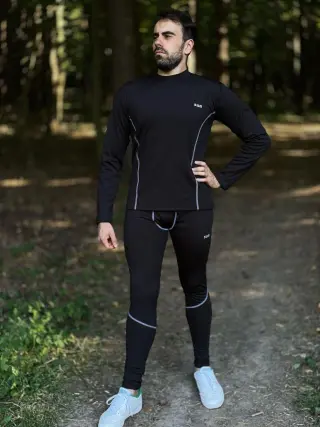
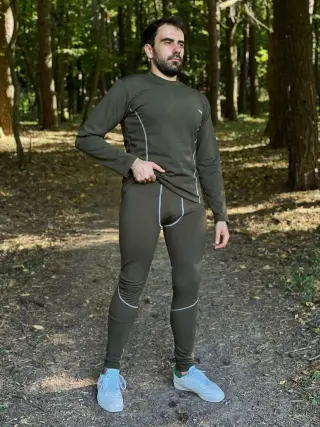

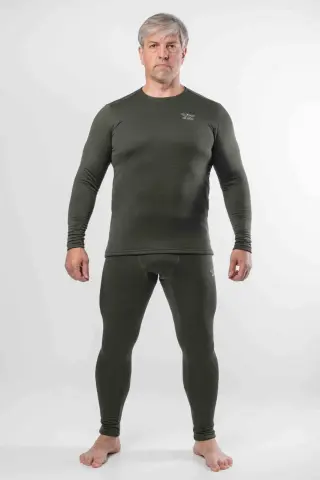
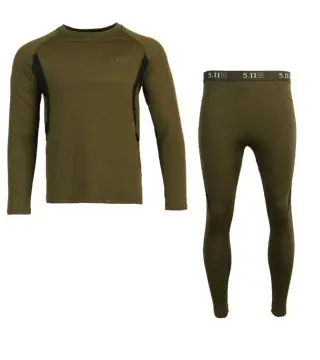



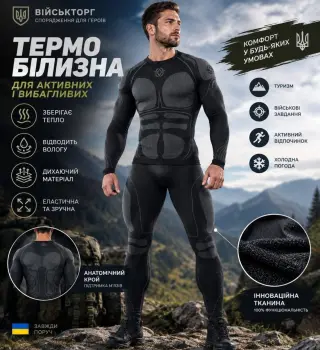
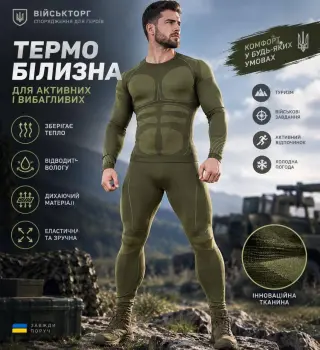
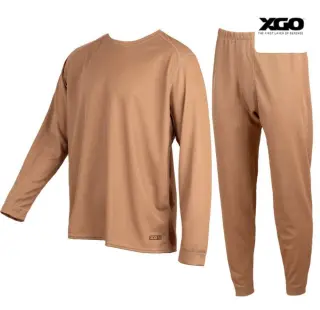
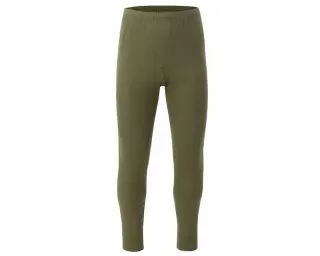






Tactical thermal underwear: how to choose a base layer
Tactical thermal underwear is the first layer of clothing that sits against the body: it wicks moisture away from the skin and traps warm air under your uniform or jacket. Military thermal underwear differs from sportswear in its colors, fabrics and cut, which are designed for long wear under gear. Start by thinking about how you will be moving: walking a lot and sweating, or staying in one place in the cold for long periods.
Fleece, waffle-knit, microfleece or compression
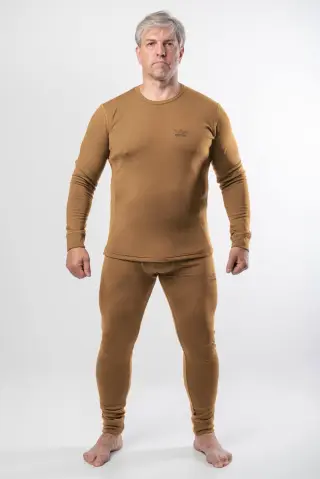
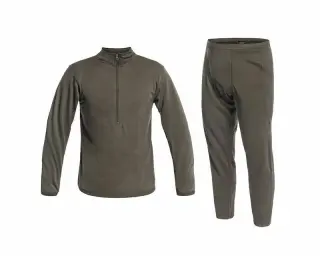
A top-and-bottoms set in classic brushed fleece is the warmest option. It suits guard duty, stationary positions and freezing days, when keeping warm matters more than drying quickly. During intense movement, this kind of thermal set can feel too hot. Look for options among brushed fleece thermal underwear.
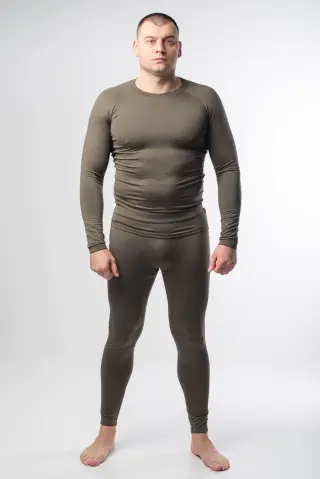
Waffle-knit, or fleece mesh, has a cellular structure: the cells trap air, while the thinner areas let moisture pass through more easily. It is a compromise between warmth and ventilation for marches and variable activity, for example Esdy waffle-knit or DUNAUONE waffle-knit. Such models are collected in waffle-knit fleece mesh thermal underwear.
Microfleece is thinner and less bulky, so it is convenient under a close-fitting uniform and body armor. Compression models, such as Esdy Compression, fit tightly against the body, quickly wick away sweat and do not bunch up — they are chosen for active work. In winter, this layer is complemented with insulated clothing on top.
Cotton or synthetics
Synthetic fabrics with elastane barely absorb moisture, dry quickly and hold their shape. Cotton and blended models feel nicer on the skin and generate less static, but they hold moisture longer. For example, for a cotton model with thumb holes in Multicam, the seller lists a composition of equal parts cotton and polyester.
Cotton is appropriate for everyday wear, sleeping in a shelter or moderate activity. If a long trek lies ahead with no chance to change clothes, synthetic winter thermal underwear is more reliable: a wet cotton layer in freezing weather quickly cools the body.
Size and fit
Thermal underwear should fit snugly against the body with no gaps: if there is space between the fabric and the skin, moisture is wicked away less effectively and heat dissipates. At the same time, it should not pinch at the armpits, waist or knees, especially if you wear it for several days. Check your measurements against the size chart of the specific model — size charts differ between manufacturers.
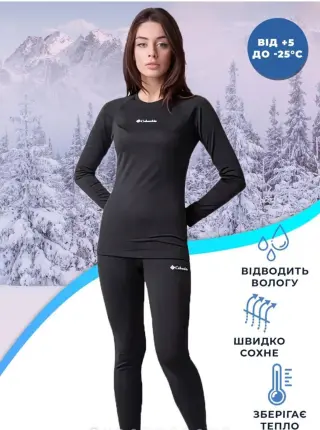
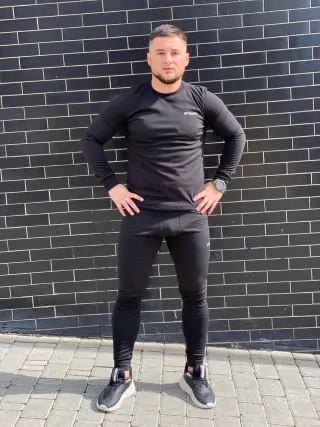
Although men's thermal underwear is the most widely represented, there are models that account for women's proportions — they are easy to find among women's tactical thermal underwear. For larger sizes there are plus-size models, for example Columbia Thermo in fleece, plus-size. With unisex models, pay particular attention to the length of the sleeves and legs.
Color and set contents
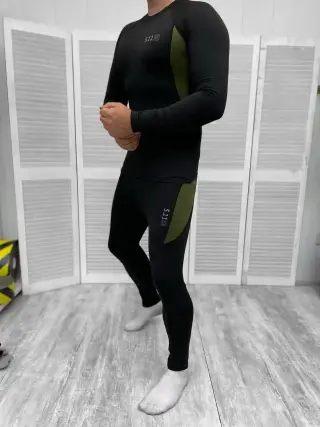
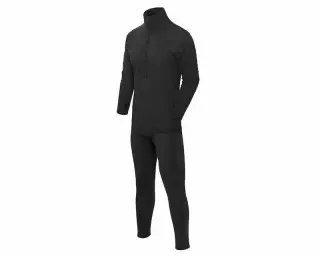
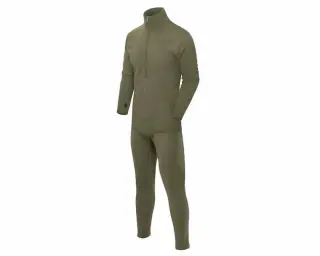
Color hardly matters under a uniform, but it does when the top is worn as a separate layer in the field. Olive (khaki) and coyote go well with field uniforms, Multicam suits mixed terrain, and black is a universal choice under clothing. It is convenient to browse olive thermal underwear or black tactical sets.
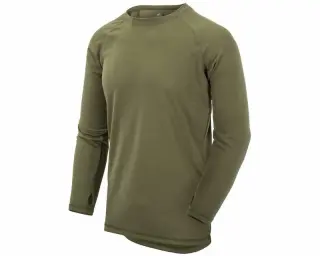
Thermal underwear is usually sold as a set of top and bottoms, and some sets also include a balaclava or beanie. You can buy just the top separately — for example, Helikon-Tex US Level 2 or an olive fleece thermal top. There are no standalone thermal pants, so to replace the bottom half you will need to buy a full set.
Frequently asked questions
Which thermal underwear should I choose for winter for the Ukrainian Armed Forces?
For stationary positions and frost, a brushed fleece set is suitable; for movement, a waffle-knit or compression model. It is convenient to have two sets, a warm one and a lighter one, and switch between them depending on the task. That way you always have a dry spare layer.
Can I wear thermal underwear for several days in a row?
You can, but over time the fabric becomes saturated with sweat and wicks moisture less well. If possible, air it out and change into a dry set at least for the night. Synthetics are easier to wash and dry in field conditions.
How should I wash thermal underwear?
Wash in warm water with a gentle detergent and no fabric softener, because it clogs the fibers. Do not dry it on a radiator or near a fire — intense heat deforms synthetics. Check the care label of your model for the exact settings.
Look for other base-layer clothing in the Underwear and socks category, and pair your thermal set with tactical socks.