Tactical Turtlenecks: Turtlenecks, Sweaters and Long Sleeves
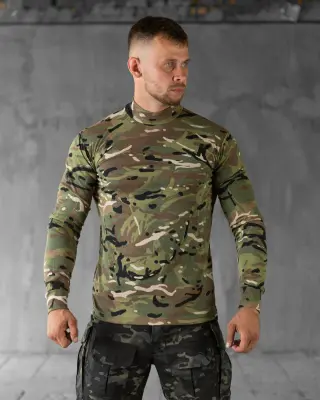
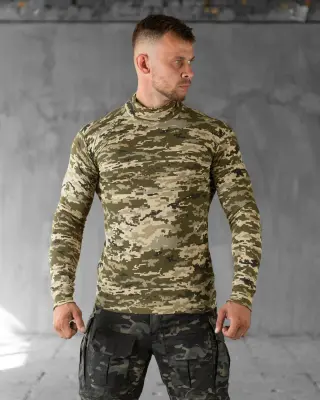
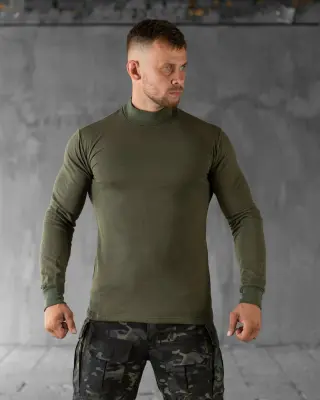
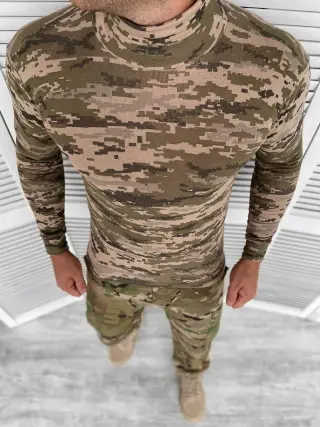
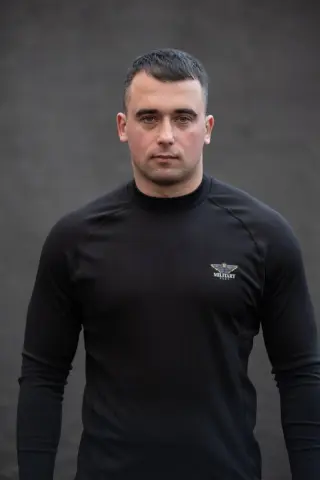
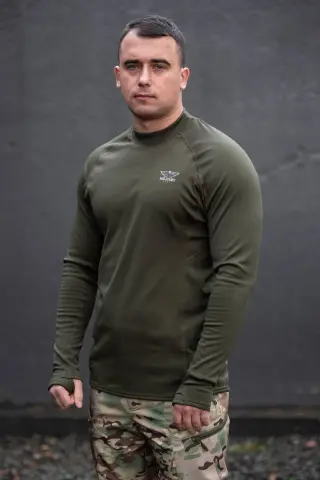
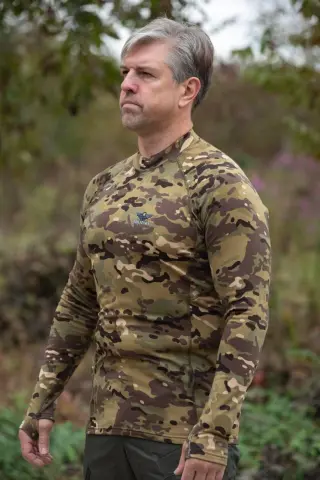
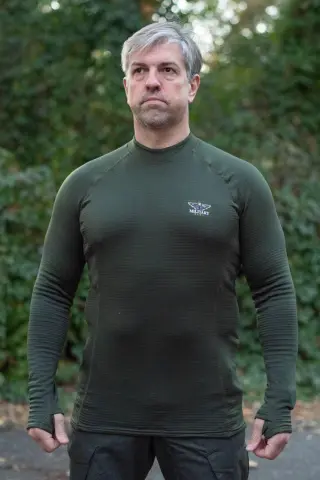

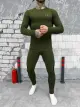
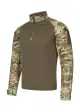

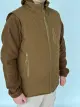
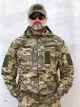

Tactical Turtleneck: How to Choose for Your Tasks
A tactical turtleneck is a base or mid layer that covers the neck and keeps you warm under a jacket, field jacket or body armor. Alongside turtlenecks there are knitted sweaters, long sleeves and a sweatshirt, and each type solves its own task. Start by deciding how you will wear the item: under several layers, as a standalone top in cool weather, or every day in the city. Material, density and collar shape depend on this.
Turtleneck, Sweater, Long Sleeve or Sweatshirt
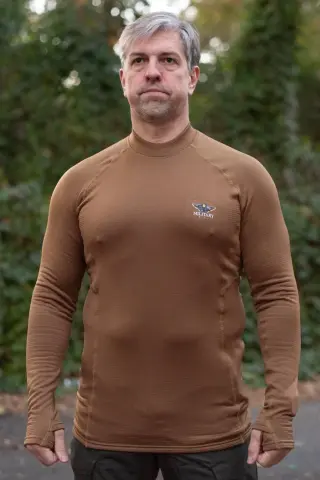
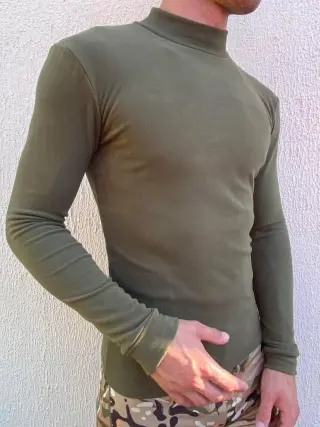
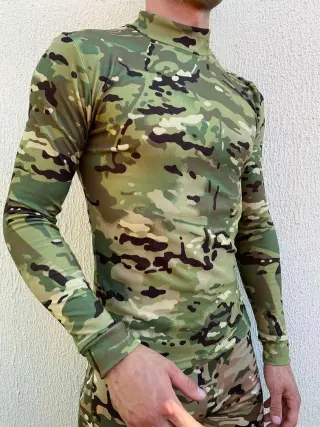
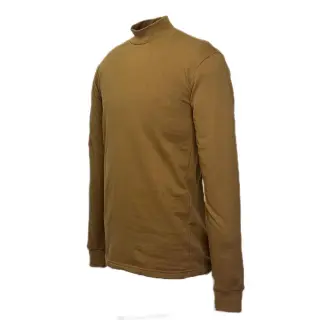
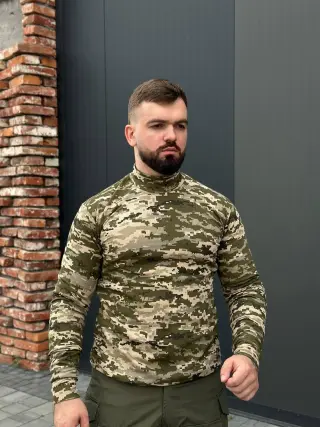
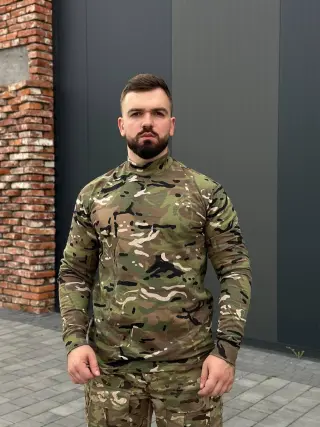
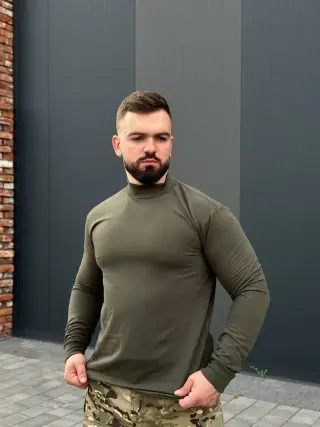
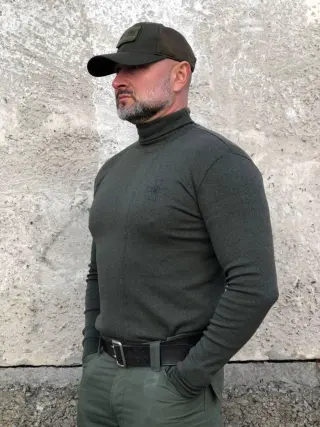
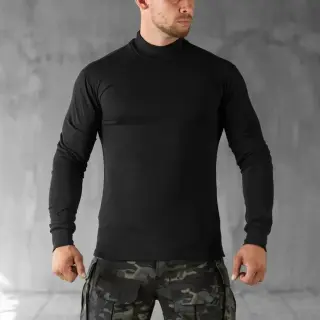
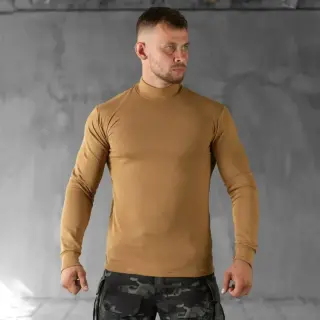
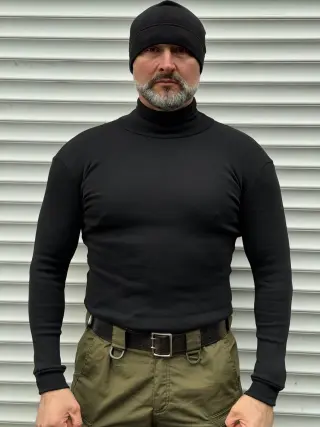
A military turtleneck with a high collar is the most versatile option. It fits close to the body, does not bunch up under gear and protects the neck from wind, so it is worn both on its own and under a fleece or jacket.
A knitted tactical sweater is a warm outer layer for the cold season. Models with patches on the shoulders and elbows wear through more slowly where a backpack strap rubs, and hook-and-loop panels let you attach a patch. A bulky sweater is less suitable under body armor than a thin turtleneck.
A CoolMax long sleeve is a light layer for active exertion: the fabric quickly wicks moisture away from the skin. A brushed-lined sweatshirt with a raised neckline is handy for downtime and the city.
Material and Season
The fabric determines how warm the item is and how it behaves when you sweat. Cotton feels pleasant to the touch and works well for the off-season, but it dries slowly, so under armor during intense movement it can make you feel cold. Micro-diving is a thin stretch fabric: R-military describes it in its turtlenecks as a material made of viscose and polyester that absorbs and wicks away moisture well.
For cold weather, choose insulated options. A tactical turtleneck with brushed flannel lining has a soft, fleecy inner side that traps warm air close to the body. Knitwear with fleece or sherpa-type backing and microfleece work in a similar way, and wool sweaters keep you warm even in damp weather. If you need a separate warm layer over a turtleneck, take a look at fleece jackets.
Collar, Cuffs and Fit
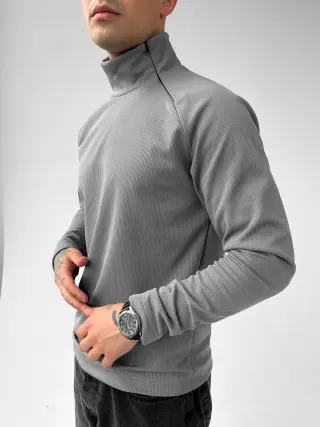
The typical collar shape is a stand-up collar that fully covers the throat. A mid-height half-turtleneck, as in the insulated Call Dragon turtleneck, does not ride up and does not get in the way under a helmet or balaclava. Cuffs on the sleeves keep cold air out, and thumb holes in the thermal turtleneck hold the sleeve in place.
A turtleneck for military use worn under body armor should fit snugly: extra folds chafe under the plate carrier. Pay attention to the seams as well — flat or seamless sections press less under gear.
Size, Color and Care
Sizes are labeled both with letters from S to 5XL and with numbers from 42 to 64, so check the size chart of the specific model by chest circumference. If you plan to wear the turtleneck over thermal underwear, and a sweater over the turtleneck, take the thickness of the lower layers into account.
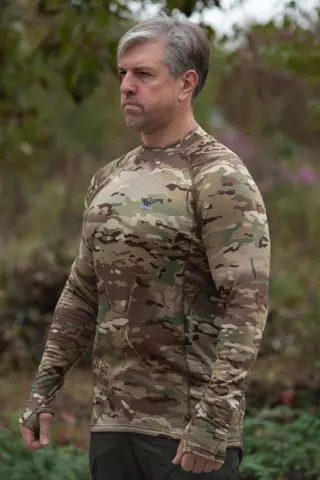
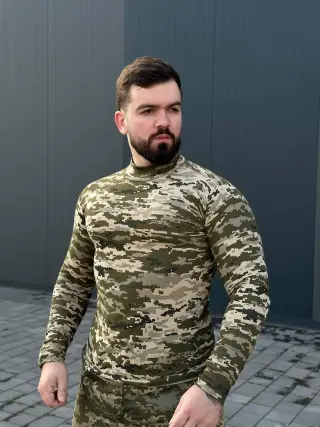
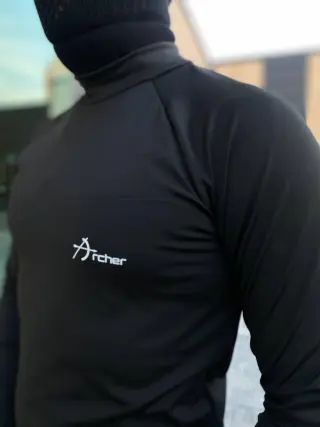
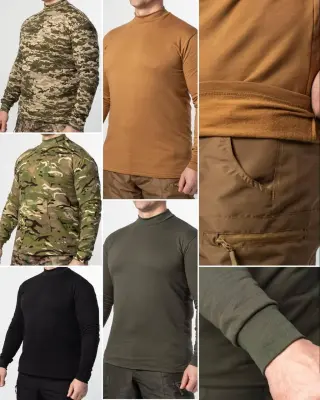
Choose the color to match the rest of your clothing: olive tactical turtlenecks and sweaters and coyote go with most field items, a MultiCam tactical turtleneck goes with sets in the same camouflage, and a black tactical turtleneck or sweater is also convenient to wear in the city. Wash on a gentle cycle and do not dry on a radiator — this way the brushed lining and the knit are less likely to pill.
Look for other insulated outerwear in the hoodies and sweaters category.
Frequently Asked Questions
How does a Ukrainian Armed Forces turtleneck differ from an ordinary turtleneck?
First of all, in color, fabric and cut. A military turtleneck comes in field or camouflage colors, with a dense collar and cuffs, and insulated models have a brushed lining or fleece on the inside. The cut is designed for wear under gear.
Which tactical turtleneck should I take for winter?
An insulated one: with a brushed lining, with sherpa-type backing, fleece or microfleece. Under body armor, take a thin, close-fitting model, and add warmth with a fleece jacket or a knitted sweater over it.
Should I buy a turtleneck a size larger?
No: a turtleneck should fit close to the body, otherwise it keeps you less warm and bunches up in folds. A little extra room is appropriate for a sweater worn over other layers.