Tactical Fall and Spring Jackets
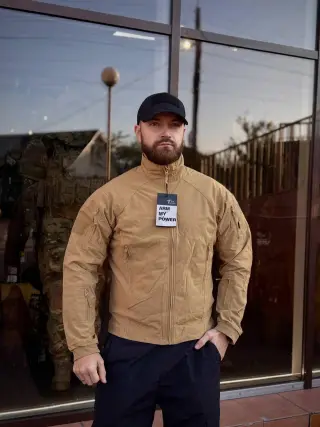
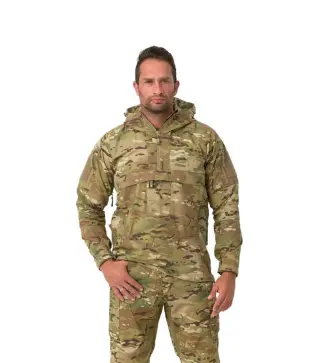
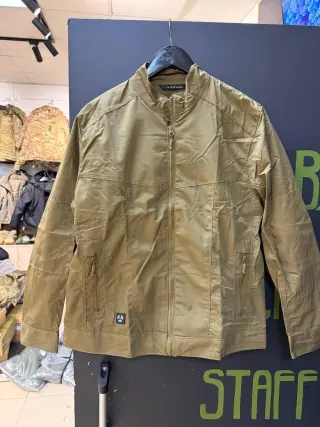
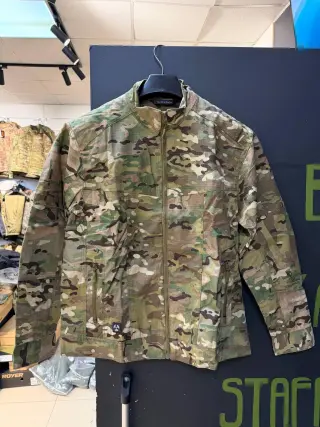
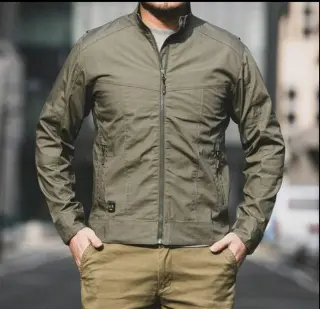
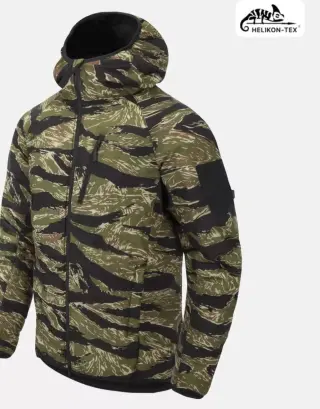
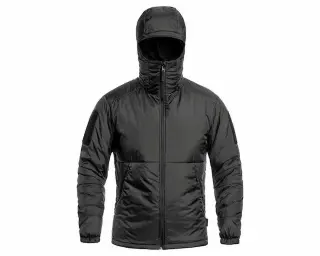
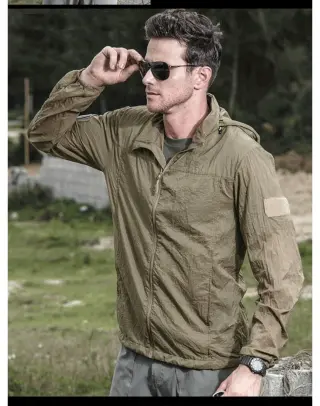
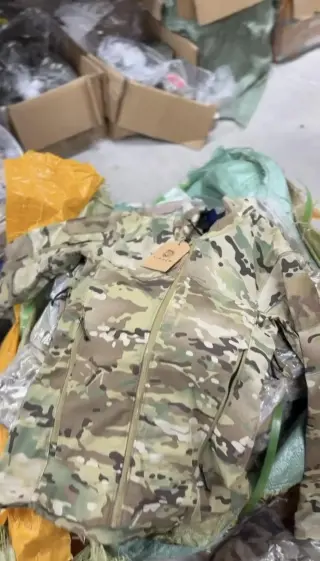
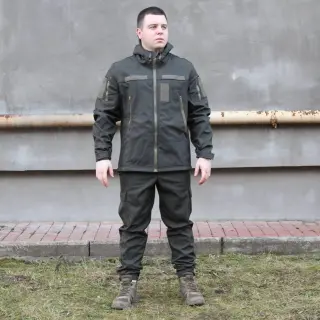
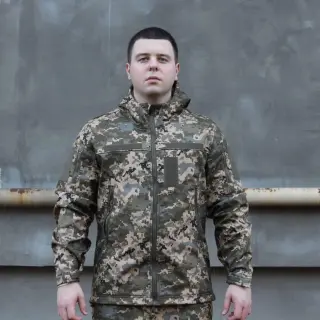
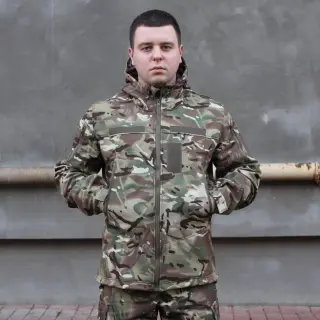
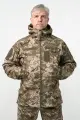
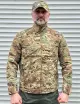

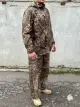
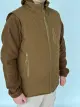


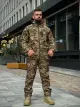
How to Choose a Tactical Fall and Spring Jacket
Tactical fall and spring jackets are worn in that in-between period when a winter jacket is already too much, but a windbreaker no longer cuts it: it is cold in the morning, windy and drizzly at midday, and chilly again in the evening. The choice comes down to three questions: how much warmth you need when standing still and when moving, what you need protection from — wind or rain — and what you will wear under and over the jacket. Once you sort that out, the model, color and brand are easy to pick.
Insulated or Uninsulated
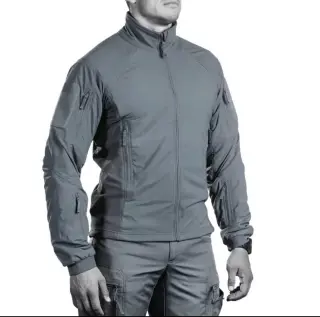
Uninsulated jackets are an outer layer against wind and rain, and you regulate warmth with what you wear underneath. This option works well for active work: on a march or during training you don't overheat, and at a halt you simply add a fleece top. The lightest models, such as the Helikon-Tex Tramontane WindPack made of 120 g/m² nylon, weigh about 120 g and take up minimal space in a backpack — in terms of properties they are closer to the windbreakers and lightweight jackets section.
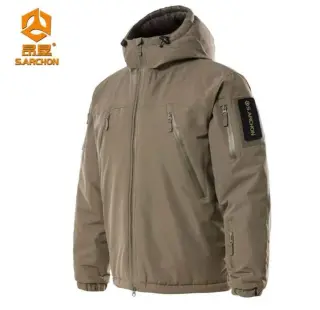
Insulated models are designed for those who spend a lot of time standing still: guard duty, trips, observation. The thin 80 g/m² G-Loft insulation in the Yinren Pro Gen 2 gives warmth without extra bulk, and mesh ventilation panels on the sides release heat on the move. The 150 g/m² version from Call Dragon is rated for a comfort temperature down to -15 °C — that is already the line between the shoulder season and winter. A fleece lining warms more softly and wicks moisture better, while the reflective Omni-Heat lining returns body heat inward. If the temperature stays below zero and you are stationary for long periods, look at winter jackets instead.
Membrane, Teflon, Softshell or Ripstop
A membrane is the most reliable protection from rain: in the Call Dragon 2.0 it holds a 10,000 mm water column, which is enough for prolonged rain and wet snow. The downside is that under intense exertion the membrane cannot wick away all the moisture, so ventilation and a light layer underneath matter more here than in an ordinary jacket. A Teflon coating only repels water: droplets roll off, but in a downpour the fabric will eventually soak through.
Softshell stretches, doesn't rustle and holds wind well, so it is chosen for movement and training rather than heavy rain — more about it in the softshell jackets section. Ripstop with a water-repellent finish withstands snagging on branches and rocks and breathes better than a membrane, but it won't save you from prolonged rain. So for wet weather with a ripstop jacket, it is worth keeping one of the rain jackets in your backpack.
Jacket, Parka, M-65 or Bomber
A classic short jacket works well with a chest rig and plate carrier: the hem doesn't interfere with the belt and doesn't ride up. A parka is longer, covers the hips and keeps you warmer when stationary. An interesting option is the Call Dragon Kustom Level 3 parka with a removable lining: without it, it is a light outer jacket, with it — a warm fall and spring one.
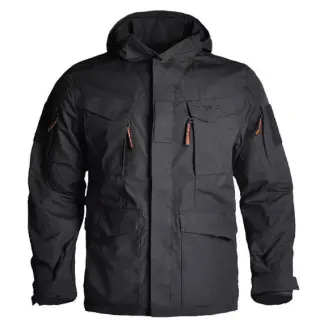
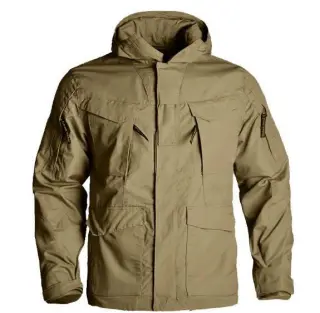
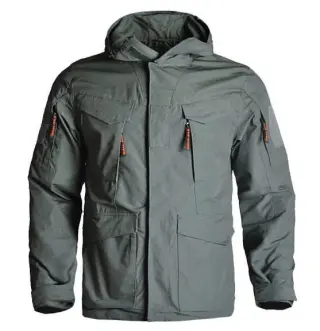
The M-65 jacket is valued for its number of pockets: patch pockets on the chest and at the bottom plus vertical ones on the sleeves, so documents, a flashlight and gloves are always at hand. A bomber, such as the MA-1 from MIL-TEC, is short, gathered at the hem with elastic, equally appropriate in the city and in the field, but it protects from rain less well. An anorak is pulled on over the head: fewer seams and zippers, but it is slower to take off.
Size and Layers
Choose a fall and spring jacket with what will be under it in mind: a T-shirt and thermal underwear call for your regular size, fleece or a sweater — one size up or a loose-fit model. Make sure that in a zipped-up jacket you can raise your arms above your head without the hem exposing your lower back, and that the sleeve covers your wrist when your arm is stretched forward. Pay attention to ventilation: the M-Tac Flash has it under the armpits, and it noticeably reduces overheating during exertion.
Some models are designed as part of a system. The quilted Pentagon Nucleus Liner is worn on its own and, if needed, attaches as an insulating layer under a parka. For an uninsulated jacket it is convenient to add one of the vests — it warms the torso and doesn't restrict the arms. How to build a layering system for the field is described in the article basic kit for a field trip.
Frequently Asked Questions
Down to what temperature can a fall and spring jacket be worn?
It depends on the insulation. Uninsulated jackets are designed for cool weather with a layer underneath, while models with 150 g/m² G-Loft are rated down to -15 °C. Remember that it is warmer when moving than when standing still.
How do I wash a membrane jacket?
On a delicate cycle in warm water with liquid detergent, without fabric softener or bleach — they clog the pores of the membrane. After several washes, renew the water-repellent finish with a spray, otherwise the outer fabric will soak through and the jacket will breathe worse.
Which color should I choose: Multicam, olive or black?
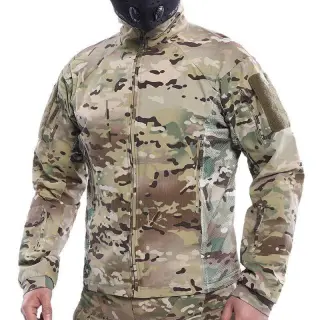
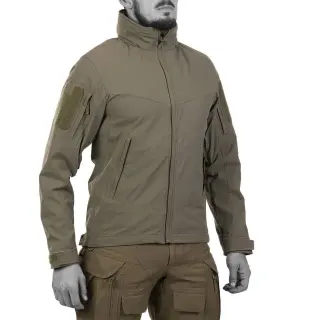
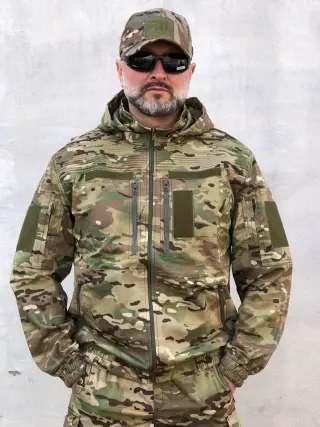
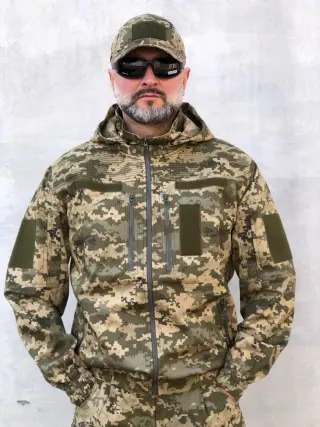
Multicam and pixel are for the field, olive and coyote are versatile, while black and gray are more appropriate in the city. How to choose a color for forest, steppe and winter is explained in the article how to choose gear color.
Are there models for women?
Yes. Many jackets have a unisex cut, and Helikon-Tex has separate women's models, the Wolfhound Hoodie and Gunfighter. Unisex is usually wider in the shoulders, so try it on with the layer you will wear.
Removable or fixed hood?
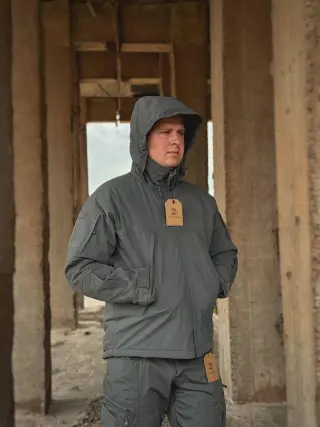
A fixed hood won't get lost and fits better, and when tucked into the collar it doesn't get in the way in dry weather. A removable one is more convenient if you wear a helmet or often go without a hood.
If a fall and spring jacket is not what you need, browse all outerwear: there are both lighter and warmer options.