Tactical Softshell Suit

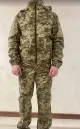
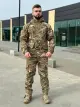
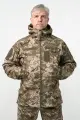
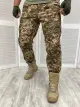


Tactical Softshell Suit: How to Choose for Your Season and Mission
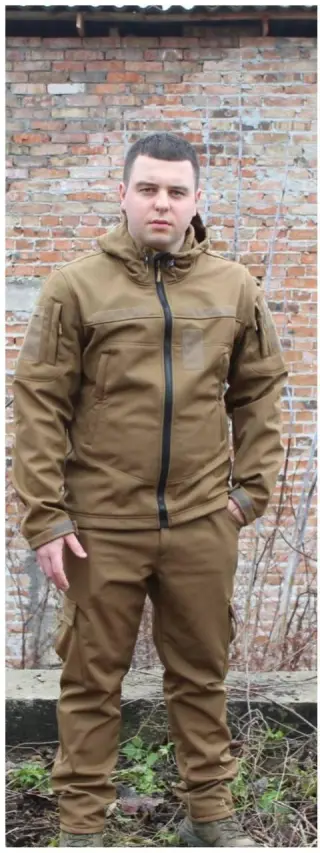
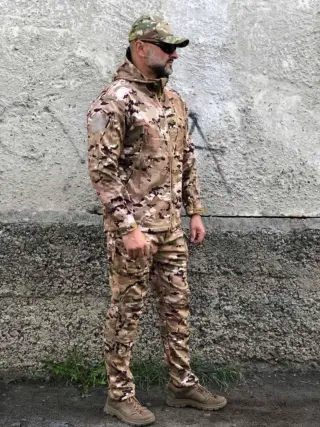
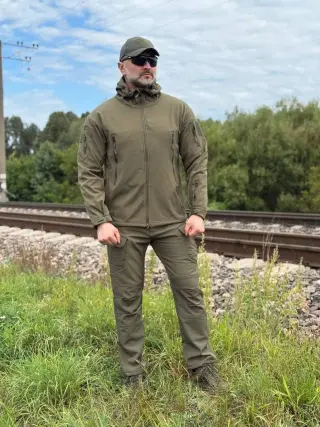
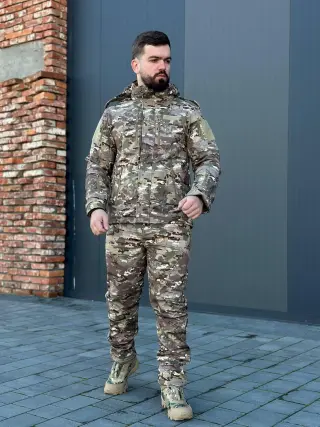
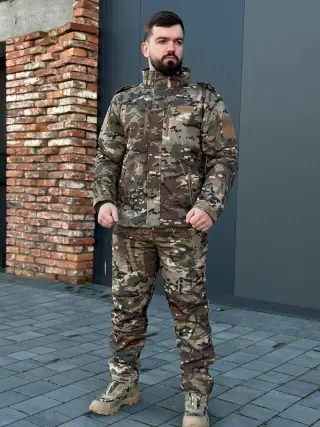
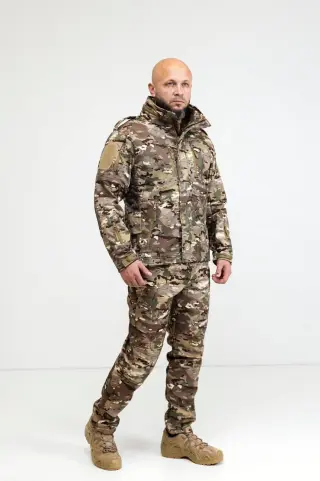
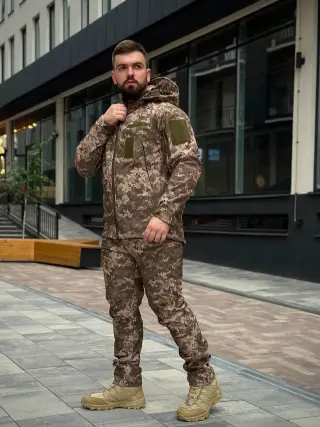
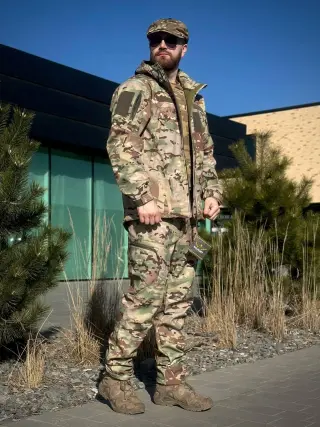
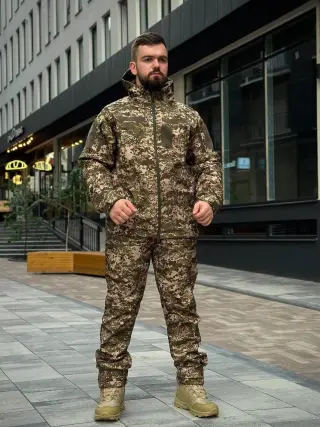
A tactical softshell suit is a jacket and pants made of stretch fabric that protects against wind, light rain and wet snow without restricting movement. It is worn by military personnel, hunters, hikers and anyone who spends a lot of time outdoors in cool weather. Start by deciding what weather and level of activity you will wear the suit in, and only then look at color, set contents and cut details.
Fleece, Microfleece or Unlined: What to Choose by Season
A classic softshell has three layers: an outer stretch fabric with a water-repellent finish, a membrane that blocks the wind, and an inner lining. It is the lining that determines when the suit is appropriate. A fleece-lined softshell is the most versatile option for cold autumn, spring and mild winter, especially together with thermal underwear.
A microfleece suit is thinner and lighter, so it works better for mid-season weather and active movement, when thick fleece is already too warm. Lightweight unlined models, such as Vanguard, are worn on cool days when you mainly need wind protection and your own clothing underneath provides the warmth.
It is important to understand that a softshell retains heat well while you are moving, but it is not a down jacket. For long periods in the cold without movement, look at winter tactical suits with full insulation or wear several layers under the softshell.
Separate Suit or a 3-in-1 Set and More
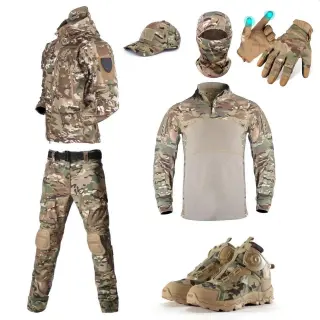
Most often, a softshell is sold as a "jacket + pants" pair. This is the best option if you already have a combat shirt, thermal underwear and footwear. Sets of 2-in-1, 3-in-1 and 4-in-1, like those from Vanguard, add thermal underwear, a UBACS shirt or boots to the suit, while HWB sets go up to 7 items including a hat and gloves.
A set is convenient when you are gearing up from scratch: the items are already matched in color and purpose. But check the size of each item separately, especially the footwear, because poorly chosen boots cancel out all the savings. If you are putting together your military uniform gradually, it makes more sense to buy only the suit and add the rest to suit your needs.
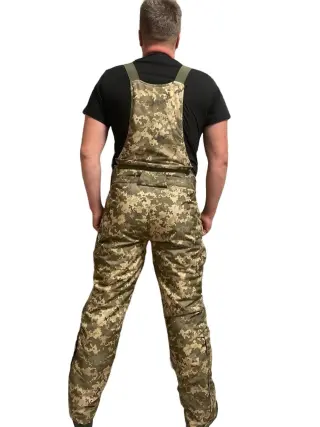
Bib overalls deserve a separate mention: high pants with suspenders cover the lower back and keep the cold out when the jacket rides up during bending or long periods of sitting. How to arrange your clothing into layers is described in detail in the article about the basic kit for a field trip.
Which Construction Details to Look For
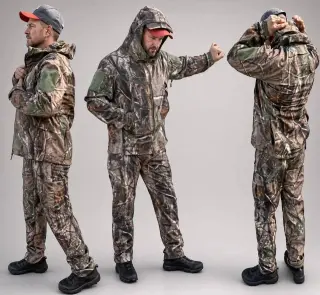
The hood can be hidden in the collar or detachable: a hidden one won't get lost, while a detachable one doesn't interfere with a helmet. Underarm ventilation zippers let you release excess heat while moving without taking off the jacket. Velcro panels on the sleeves are for patches, and adjustable cuffs keep snow and wind out.
In the pants, pay attention to pockets for knee pads or built-in knee pads, as in models with G2 pants. Rubberized zippers and reinforced versions of the fabric better withstand dirt, abrasion and frequent use.
A softshell repels water but is not designed for prolonged downpours: seams and zippers let moisture through over time. If you have to spend a long time in the rain or mud, Gorka suits or a rain jacket over the softshell are more suitable.
How to Choose Color and Size
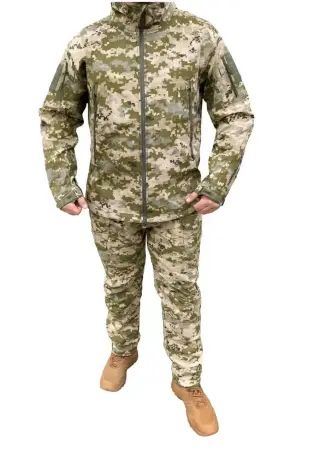
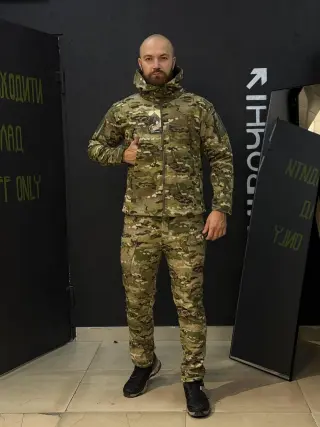
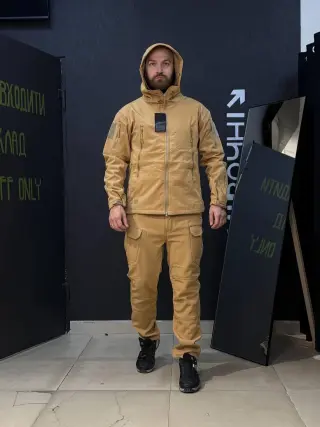
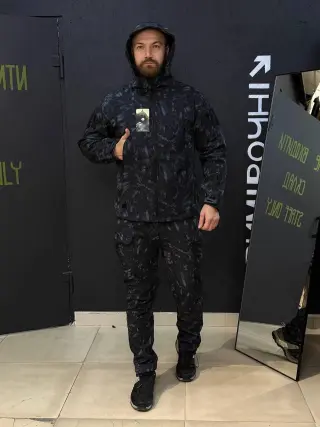
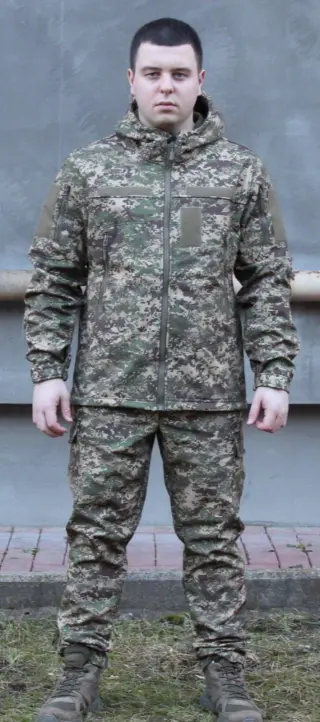
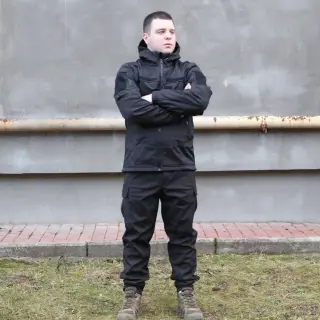
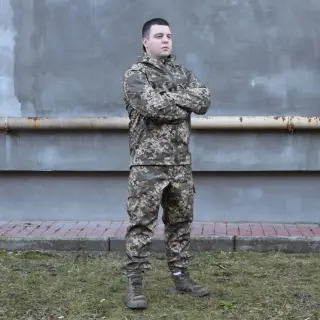
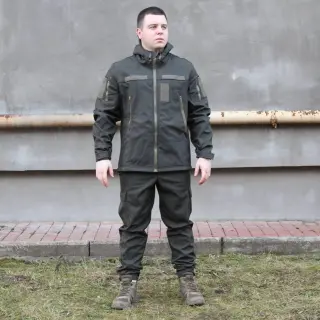
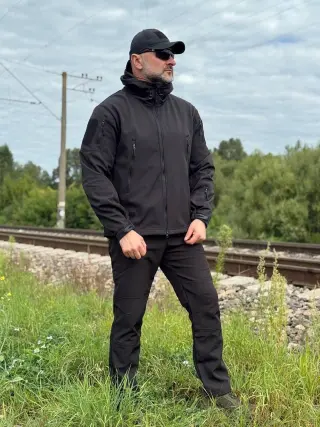
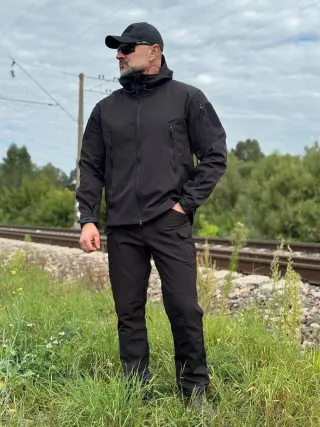
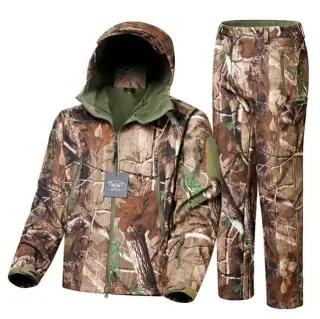
Multicam is universal for mixed terrain, MM-14 pixel blends in well among tree lines and fields, olive and coyote suit forest and steppe, and Predator is for specific units. Black and gray suits are more often chosen for security work and the city, while hunting patterns such as Gwild "Autumn Oak" are for hunting. You'll find more tips in the article about choosing color and camouflage, and for full concealment there are separate camouflage suits.
Sizes are marked with letters or numbers, and there are also big-and-tall models. Check chest, waist and hip circumference, height and sleeve length against the specific manufacturer's size chart, because sizing differs. If you plan to wear thermal underwear and a fleece under the suit, allow a small margin, but not too much: a baggy softshell retains heat worse and snags on branches.
How to Care for a Softshell
Wash the suit in cool water on a delicate cycle with a detergent for membrane fabrics, without fabric softener or bleach: they clog the membrane's pores. Before washing, fasten all zippers and Velcro to avoid damaging the fabric.
Dry the suit laid out flat, away from radiators and open flame, and do not iron it. When water stops beading up in droplets, restore the water-repellent finish with a special spray.
Look for other ready-made sets in the tactical sets category or among all tactical suits, and for the hot season, in the summer tactical suits section.
Frequently Asked Questions
Can you wear a softshell suit in winter?
Yes, but with the right layers underneath. A fleece-lined softshell together with thermal underwear keeps you warm in light frost while moving. For stationary duty in the cold, it should be supplemented with an insulated jacket.
Does a softshell let air through?
Yes, and that is its advantage over rubberized fabrics. The membrane lets some of the vapor out, so there is less condensation under the jacket. During intense movement, underarm ventilation zippers also help.
Is a softshell suit suitable for women?
Some models, for example Gwild with fleece and Esdy 5.0, are listed as unisex. Women should go by hip circumference and pants length, not just by jacket size. Smaller sizes such as S usually fit better.
How much does a tactical softshell suit cost?
Prices start from 2 080 UAH and go up to 6 530 UAH. Simple "jacket + pants" pairs cost less, while models with a membrane and reinforcements and sets with footwear and thermal underwear cost more.
Is a softshell suitable for everyday wear?
Yes, especially solid black, gray or olive models. They are practical for walks, fishing and outdoor work in autumn. Camouflage suits look more appropriate in the city when combined with regular clothing.