Tactical olive softshell suit
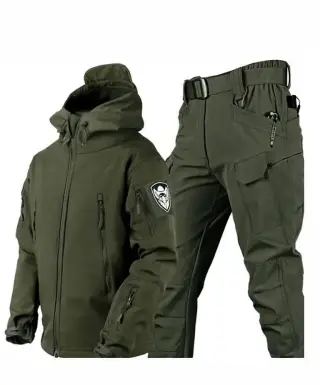
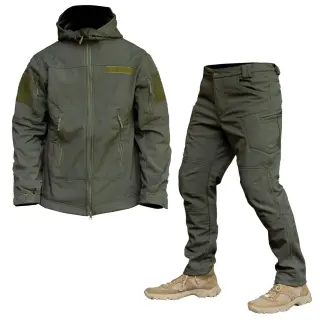
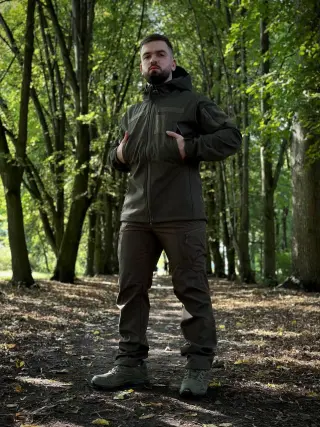
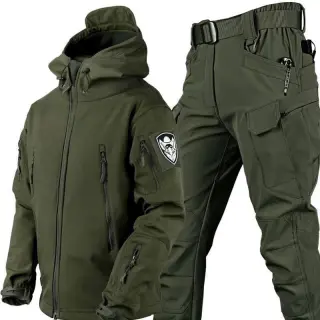
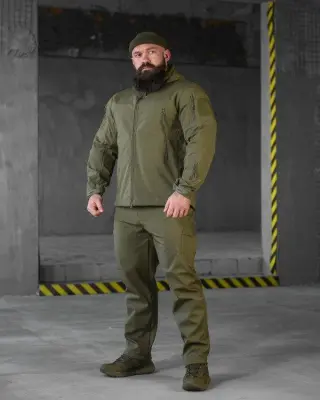
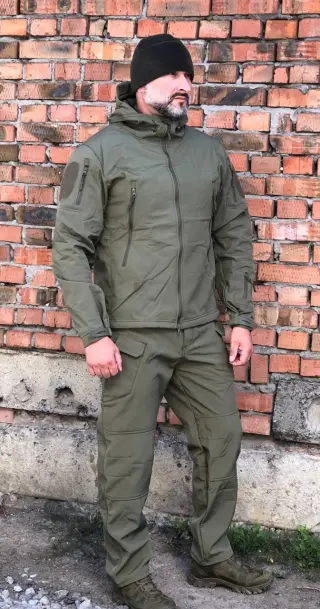

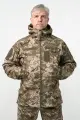
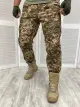


Olive softshell suit: who this color is for
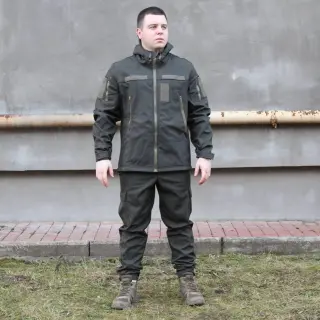
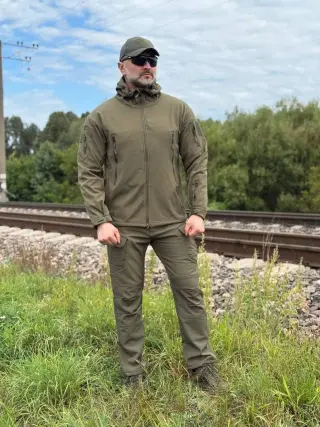
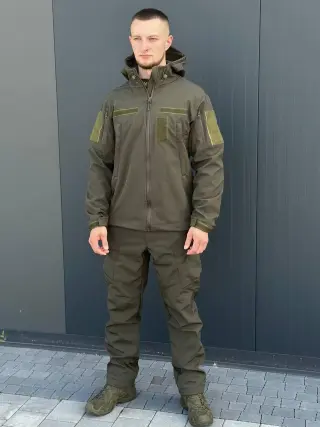
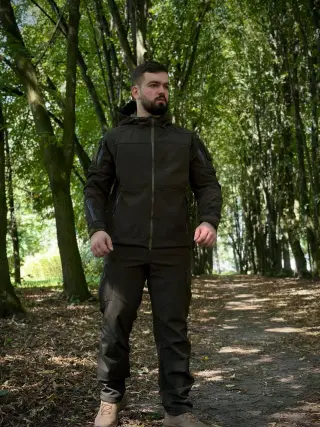
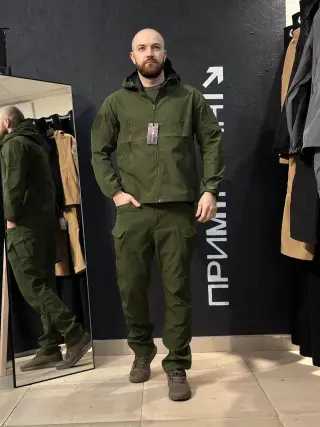
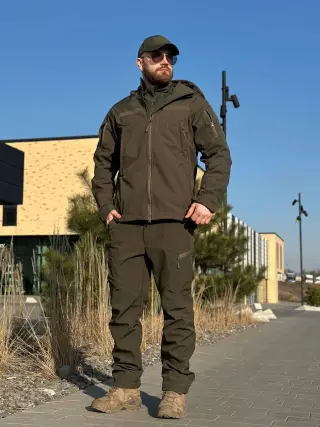
An olive softshell suit is chosen by those who need solid-color, practical clothing for the field, the forest and everyday tasks outdoors. The even greenish-brown color doesn't look overly military, so this set is equally appropriate on duty, on a hunt, on a hike or when working around your property. At the same time, olive pairs easily with plate carriers, backpacks, pouches and headwear. Below we explain what to consider with the olive color specifically so the suit doesn't disappoint after the first season.
Olive or camouflage: where a solid-color suit wins and where it loses
A camouflage pattern breaks up the outline of a person, while solid olive does not. In a dense green forest or at dusk an olive softshell suit is barely noticeable, but in open terrain with light grass, sand or snow a person in an even dark color stands out more than one in camouflage. If concealment is the main goal, olive should be considered as a base under a camouflage cover or you should choose a camouflage pattern right away.
On the other hand, a solid color has other advantages. An olive suit doesn't attract extra attention in the city, on public transport or at work, so it is convenient to wear off duty as well. It is easier to match with items from different manufacturers: two different camouflage patterns are hard to combine, but olive shades go together even when they don't match perfectly. Dirt and dust are less visible on olive than on black or gray. If you are unsure about the color, compare the options among all softshell suits.
Why the shade of olive differs between models
"Olive" is the name of a whole range of colors, not a single one. Some manufacturers dye the fabric a saturated green, others a muted brownish-green closer to khaki. In photos the difference is often barely visible, but in real life a jacket from one brand next to pants from another can look like two different items. That is why it is better to buy the suit as a complete set rather than assembling it from separate pieces.
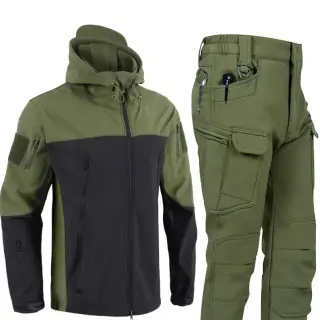
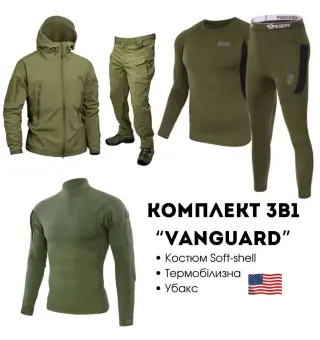
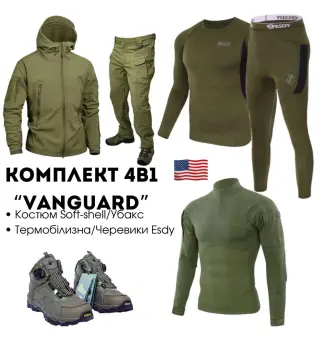
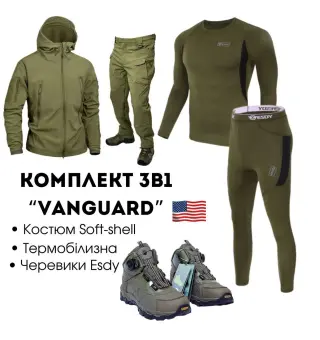
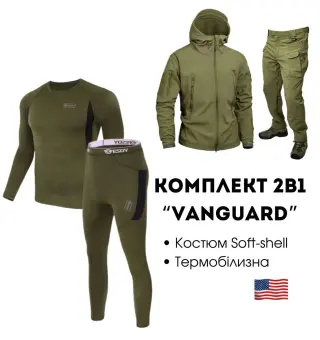
The same applies to items you buy in addition. If you want a uniform look, pay attention to sets where the suit already comes with thermal underwear, a combat shirt or boots in the same color range, such as the Vanguard 3 in 1 and 4 in 1 sets. There are also two-tone options — olive with black: they look good in the city and during active recreation, but for the field black inserts are unnecessary because they are visible from afar.
Remember about fading as well. Solid-color fabric gradually lightens from the sun and frequent washing, and this is more noticeable on olive than on camouflage. To keep the color even for longer, wash the suit inside out and dry it in the shade.
What you can get for different budgets
A tactical olive softshell suit costs from 2 100 to 6 080 UAH, and the difference is explained primarily by the set contents and cut details. The most affordable options are simple "jacket + pants" pairs with fleece lining. They are quite enough for walks, fishing, work outdoors or as a spare set.
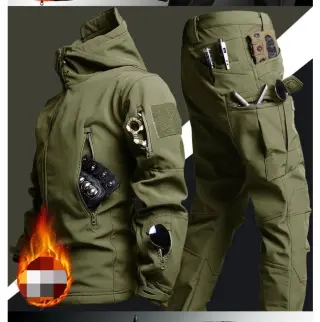
More expensive models offer details that you feel in everyday wear: underarm ventilation zippers, a hood hidden in the collar, hook-and-loop patches for morale patches, as in the Esdy 5.0. If the suit will work in the field rather than only in the city, look for reinforced versions and rubberized zippers — they withstand friction and dirt longer. The highest price tier is sets with thermal underwear, a combat shirt and footwear. There is no point in overpaying for a set if you already have boots and underwear: a suit on its own will cost less.
Frequently asked questions
Is an olive softshell suitable for hunting?
Yes, for wooded hunting grounds olive is a convenient color because it doesn't contrast with conifer needles, leaves and bark. For hunting in open fields the suit is better supplemented with a camouflage cover. Also consider how quiet the fabric is: soft softshell rustles less than stiff rubberized materials.
How do I choose a size if the jacket and pants are sold in the same size?
Go by the item that is more critical for your build, most often the jacket, based on chest circumference, taking into account the clothing worn underneath. Then check the manufacturer's size chart for waist and hip circumference and pants length. If the difference between your top and bottom is large, choose a model with an adjustable waist or elastic inserts.