Tactical Softshell Pants



Tactical Softshell Pants: How to Choose for Your Needs
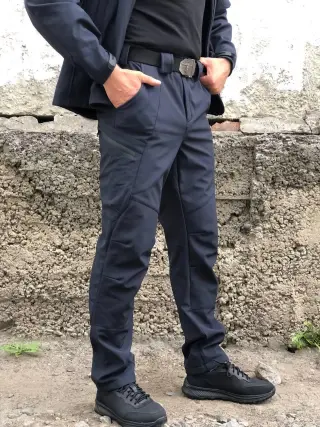
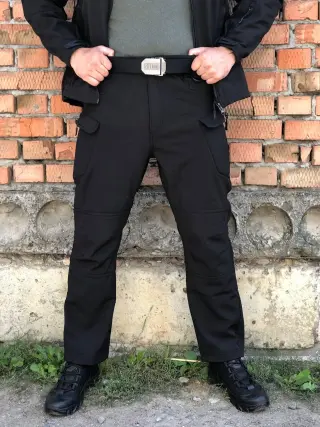
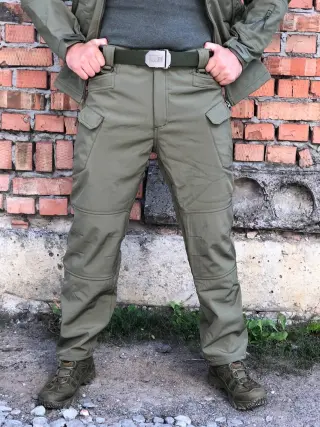
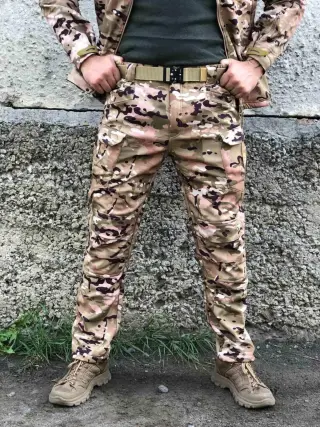
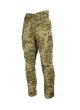
Tactical softshell pants are made for the cooler months: a dense, stretchy outer fabric blocks wind and repels light rain, while a fleece or microfleece lining keeps you warm. These pants are worn on duty, in the field, on hunting trips and on hikes in autumn and spring. Your choice comes down to three things: how cold it is where you will be, how often you have to kneel, and how much weight you carry in your pockets.
Fleece, Microfleece or No Insulation
Regular fleece gives noticeably more warmth, so fleece-lined softshell pants suit late autumn, damp spring and low-activity work such as standing watch or manning a post. The downside is that the lining is thicker, and your legs may sweat during a fast march. Microfleece is thinner and fits closer to the body. Such pants are lighter, move better, and are easier to wear over thermal underwear. A model without insulation is designed for cool but not cold days, when what you need is simply protection from the wind.
It is important to understand the limits of the material. Softshell is water-repellent, but not waterproof: it will handle a short rain or wet grass, but in a prolonged downpour, or if you kneel in a puddle, the fabric will soak through. For such conditions you need a membrane layer over the pants.
Knee Protection: Latex or Knee Pads
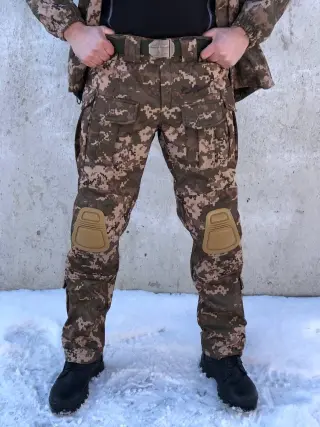
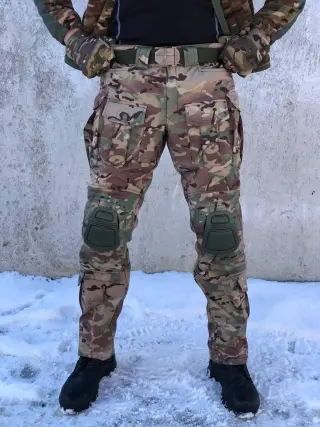
Knees wear out first, so decide on reinforcement right away. Some models have 2-4 mm thick latex sewn into the knee area. It does not absorb moisture, cushions impacts and never shifts out of place. On the other hand, it cannot be removed, and on a warm day such an insert is a little hot. Another option is pants with pockets for removable knee pads, for example Jaguar. Plastic knee pads go in when you need them and come out for washing. A strap below the knee holds them in place. Keep in mind that knee pads are not included and are purchased separately.
Pockets, Waistband and Leg Hems
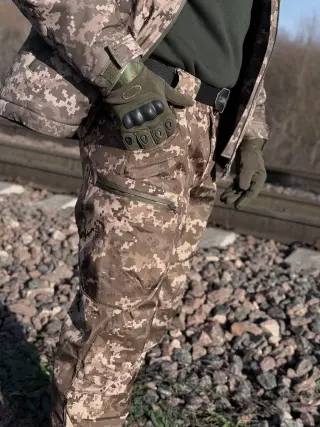
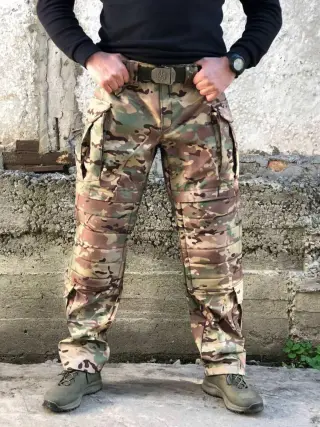
If you carry a phone, tourniquet or magazine in your pockets, look at side pockets with a closure. A zipper closes more securely, while hook-and-loop is easier to open with one hand in a glove. Rubberized zippers let less moisture and dirt into the pockets. Models with pockets near the knees are handy when you are sitting in a vehicle or wearing a plate carrier, since the upper pockets are then awkward to reach.
A raised waistband, as in the Viking line, covers the lower back when bending and stops drafts under your jacket. Hook-and-loop tabs or straps at the bottom of the legs adjust the width over your boot, so snow and leaves do not get packed into the leg. Joggers with a cuff look sportier and suit city wear. For long field outings, also take a look at combat pants.
How to Choose Size and Color
Sizes are marked with both letters and numbers from 42 to 66, so go by your waist and hip measurements rather than your usual jeans size. Fleece takes up a little volume. If you plan to wear thermal underwear, allow extra room in the hips. For a larger build there are big-size models. R-military women's pants are cut for a woman's waist in sizes 42-52, so they do not gap at the back the way a men's cut does.
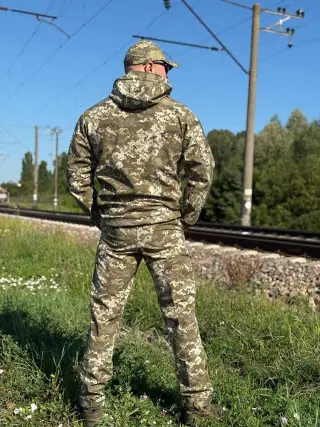
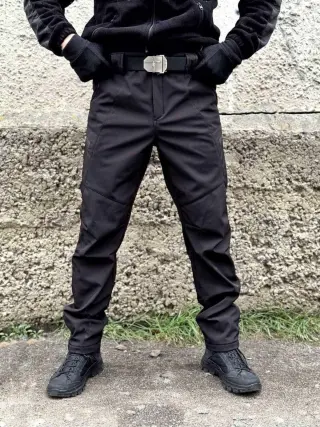
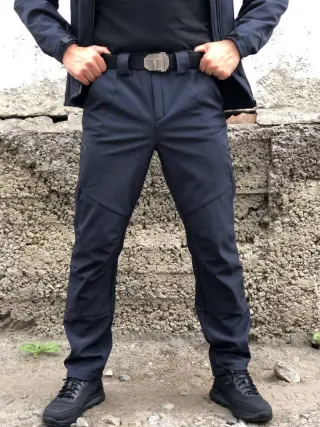
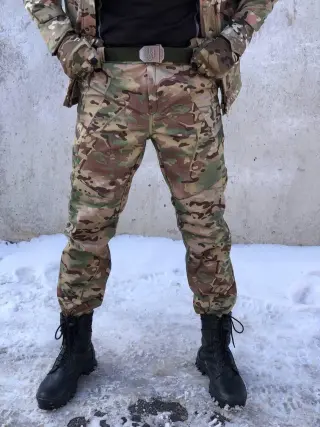
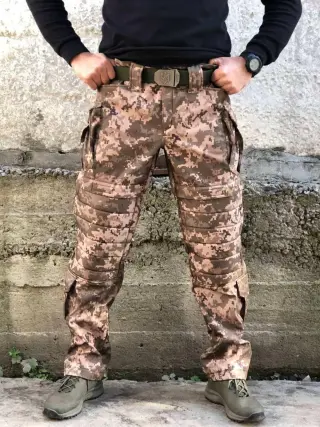
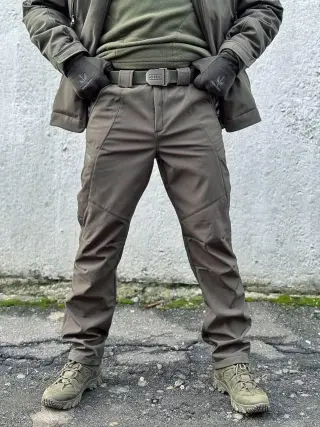
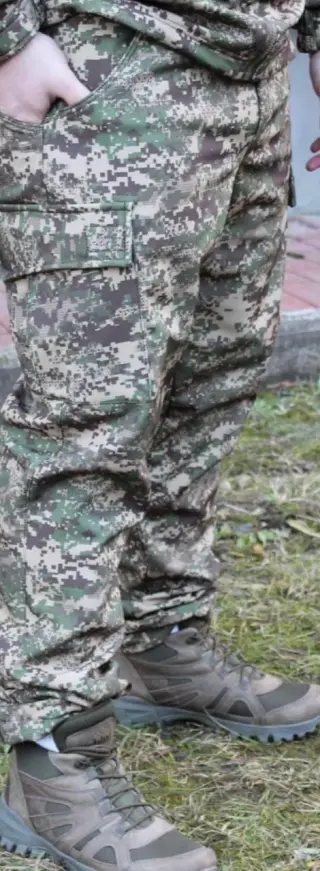
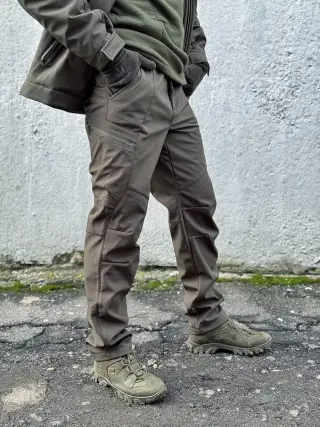
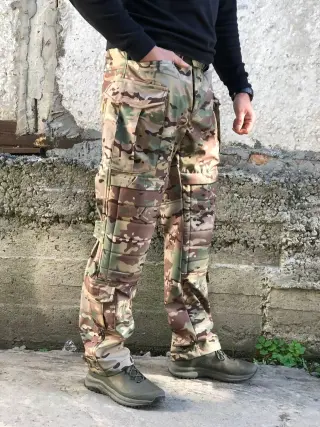
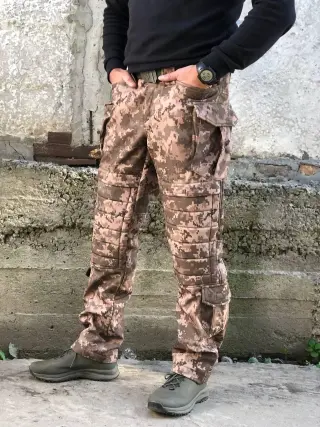
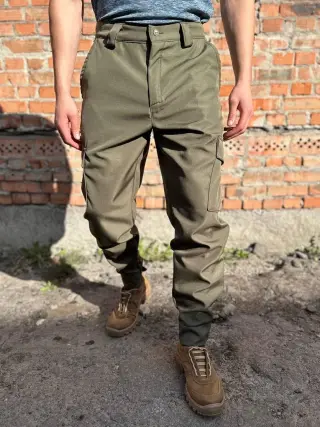
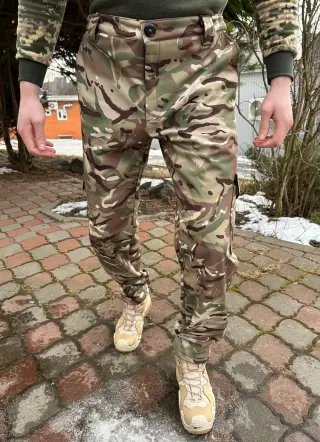
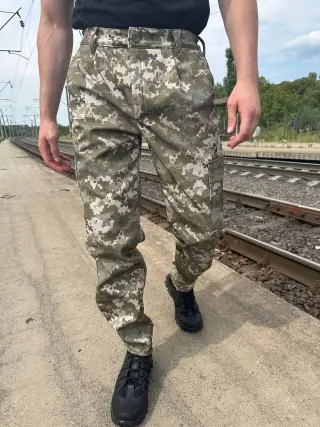
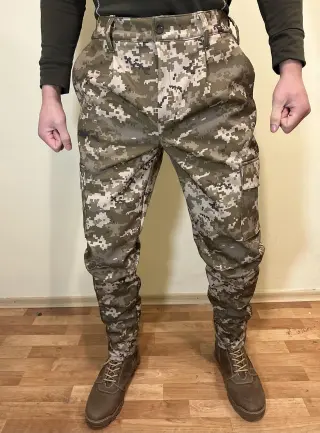
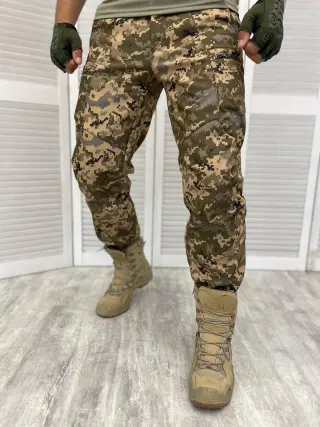
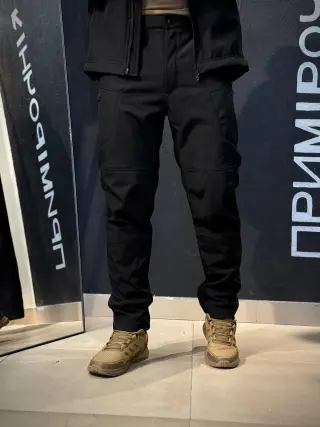
Choose the color according to service requirements: MM-14 pixel and Multicam for the Armed Forces of Ukraine, olive and coyote as universal options, blue for the State Emergency Service, black for security work and civilian wear.
Frequently Asked Questions
Can softshell pants be worn in winter?
Yes, but only in a mild winter or while on the move. The fleece lining is designed for cool weather, and in frost you will need thermal underwear. For long periods in the cold, insulated pants are a better fit.
How do I wash softshell without ruining it?
Wash on a delicate cycle in cool water with liquid detergent, without fabric softener or bleach. Fabric softener clogs the pores of the fabric and reduces water repellency. Dry the pants laid flat, away from a radiator.
How is softshell different from ripstop?
Softshell is denser, stretches and protects against wind, while ripstop is lighter and dries quickly, so it suits warm weather. In summer, choose lightweight pants made of ripstop.
Are softshell pants suitable for everyday wear?
Yes, especially solid black, blue or olive models with a straight cut, or joggers. They resist wrinkling and hold their shape, although in a warm room the fleece lining may be too much.
If softshell is not right for you, browse other tactical pants or go back to the pants and shorts section. For summer you will need shorts.