Olive Tactical Softshell Pants
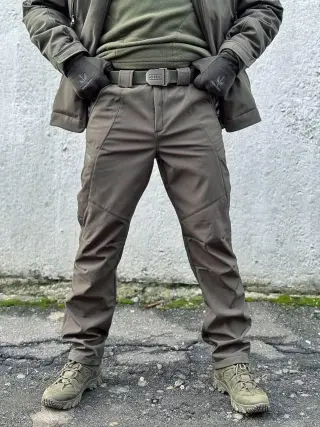
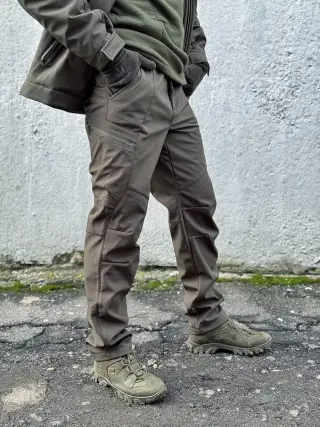
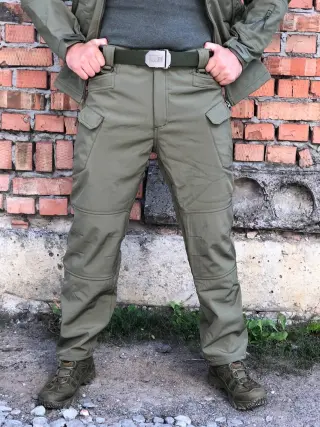
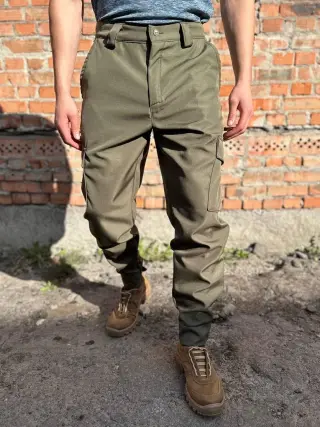
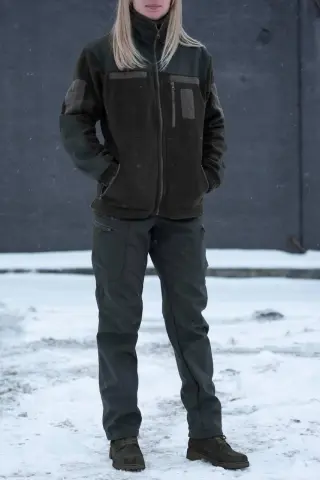
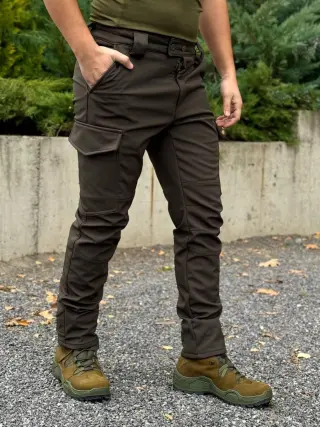
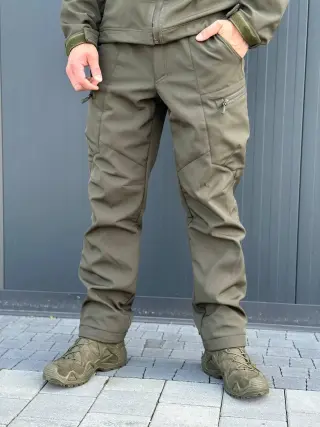
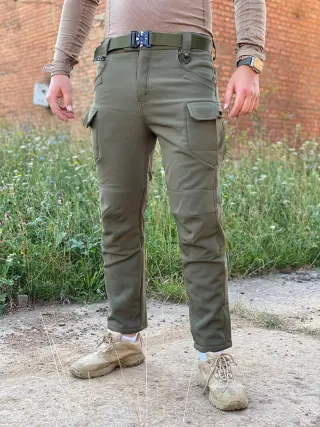
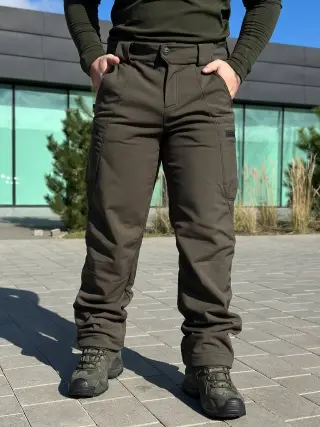
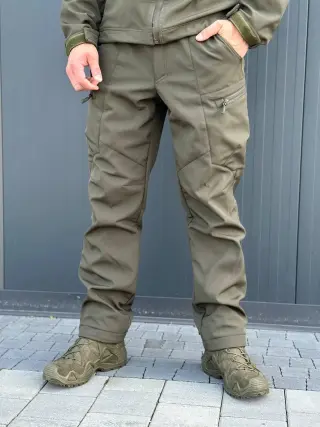
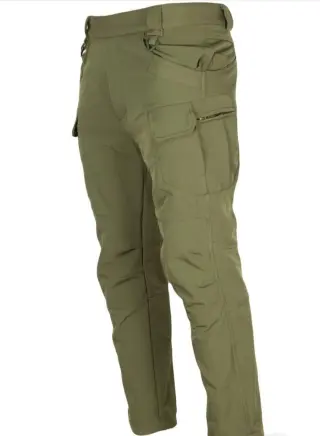
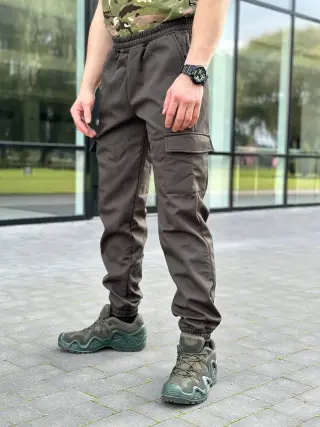
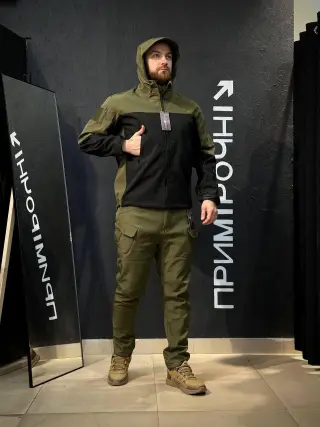
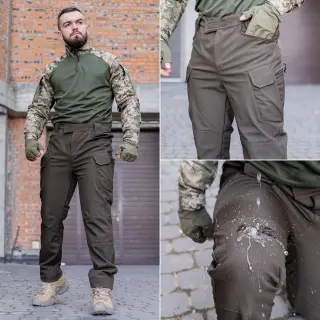
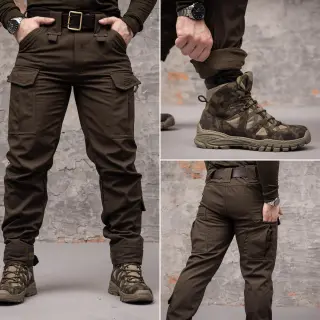



Olive softshell pants: a versatile color for the cool season
Olive is one of the easiest colors in a tactical wardrobe. It doesn't stand out in the forest or on a city street, and it pairs easily with most jackets, fleeces and footwear. That's why olive tactical softshell pants are chosen for service, for hunting or fishing, and simply as warm everyday pants in autumn and spring. Prices for these models range from 1 100 to 2 140 UAH, and the difference between them comes down to the lining, the cut and the pocket layout.
Where olive camouflages and where it gives you away
Olive works well where there is greenery, shade and dark earth around: in the forest, in thickets, on green grass from late spring to mid-autumn. In such surroundings, solid-color pants don't stand out as a patch, although they don't break up your outline the way camouflage does. On the other hand, on dry yellow grass, in the steppe in late autumn, on snow or light sand, olive looks dark and conspicuous.
So if camouflage really matters to you, think about the terrain and the season, not just the color. For hunting in the forest, olive is a classic, while for open fields in autumn something lighter will work better. In service, the final word belongs to your unit's requirements. And in the city, olive softshell pants read as ordinary khaki pants, especially in a straight cut or as joggers, and don't look as distinctly military as a pixel pattern.
How to combine olive pants with the rest of your clothes
The shade of olive differs noticeably between manufacturers: some are closer to swamp green, others are gray-green or have a brown undertone. Because of this, a jacket and pants from different brands, each olive on its own, can look like two different colors together. If a matching set matters to you, buy the top and bottom from the same manufacturer or try them on together in daylight.
When an exact match of shades isn't essential, olive is easy to combine with what you already have. It looks good with a coyote jacket or fleece, with Multicam, with a black top for civilian wear. Coyote, black or olive footwear all work, and the belt and pouches are best chosen in tone with the pants or in a neutral black.
How practical olive is to wear
Olive hides dust, dried mud and grass stains better than black pants, which show every light speck, and better than light coyote, on which stains look darker. For field conditions, fishing or travel, this is a real advantage: the pants keep a tidy look longer between washes.
The weak spot of olive is fading. From the sun and frequent washing, the fabric gradually lightens, and this shows first at the knees, seat and creases. To make the color last longer, turn the pants inside out before washing and dry them in the shade: direct sun bleaches olive faster than a washing machine. Browse other colors among all softshell pants.
Frequently asked questions
Can olive softshell pants be worn in service?
It depends on your unit's requirements. Olive is considered a universal color and is often allowed, but in many units the uniform must be camouflage. Before buying, it's best to check which color you are permitted to wear.
Why do olive pants look different in person than in the photo?
The shade of olive depends heavily on lighting and the screen. Under incandescent lamps it looks browner, and on an overcast day it looks grayer. Judge the color in daylight and next to the other items you plan to wear the pants with.
Are olive softshell pants suitable for the city?
Yes, especially solid-color models in a straight cut or joggers. Olive looks like an ordinary khaki color and goes well with civilian jackets, sneakers and boots.