Tactical Softshell Jackets
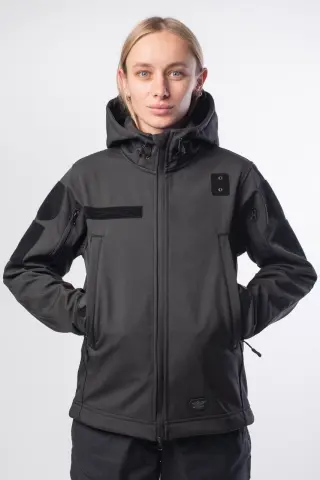
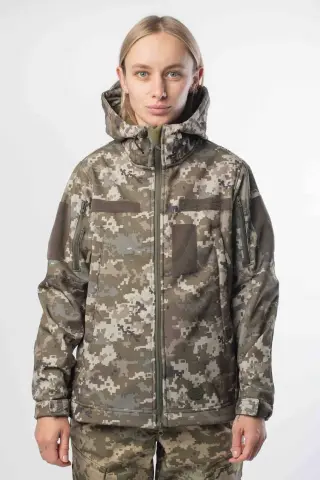
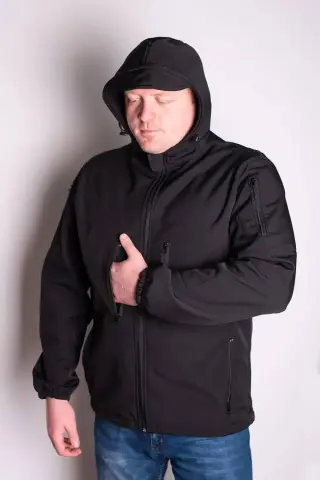
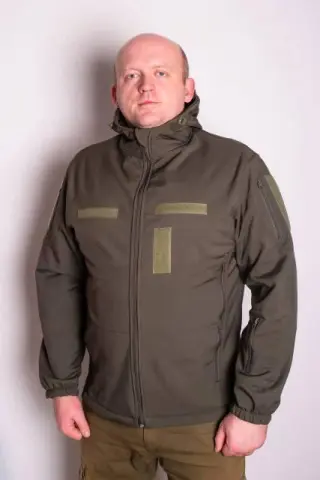
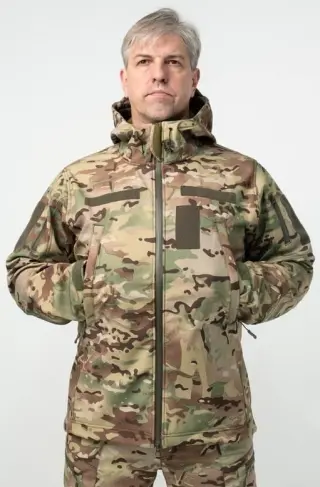
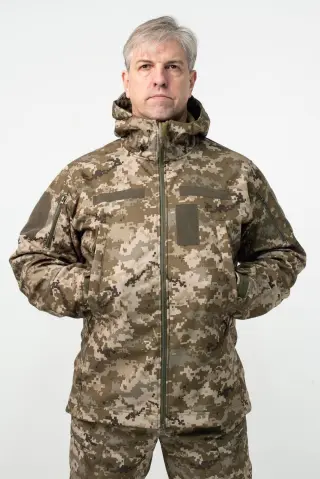
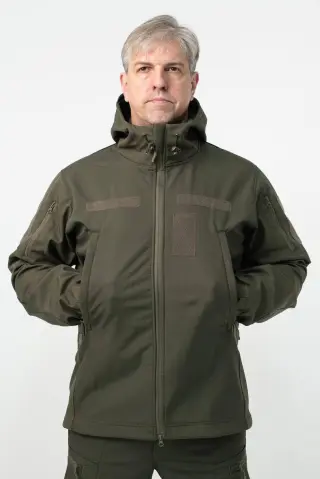
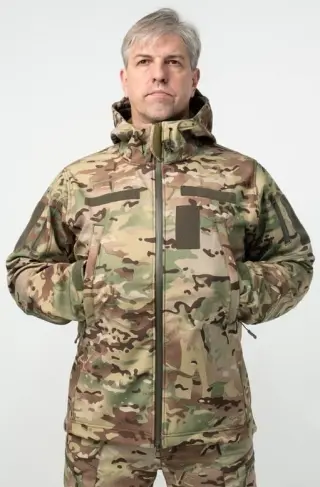
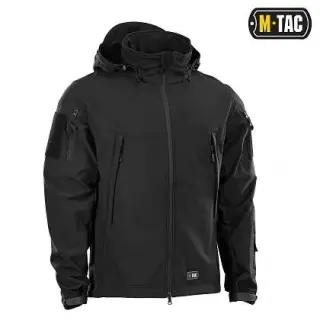
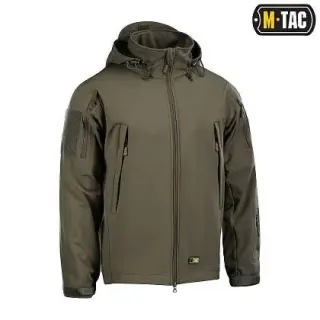
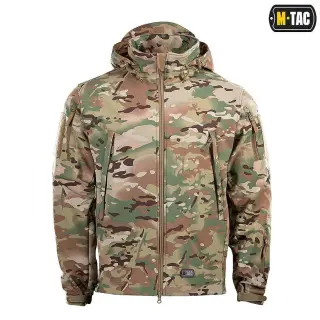
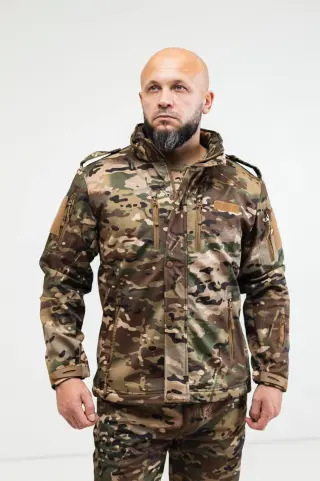


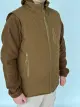
Tactical Softshell Jackets: How to Choose for Your Needs
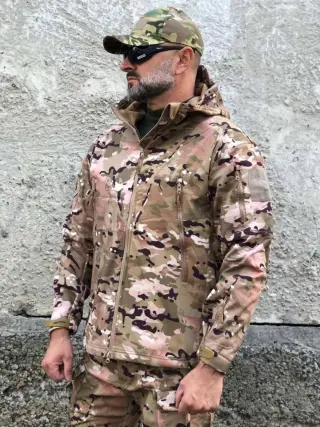
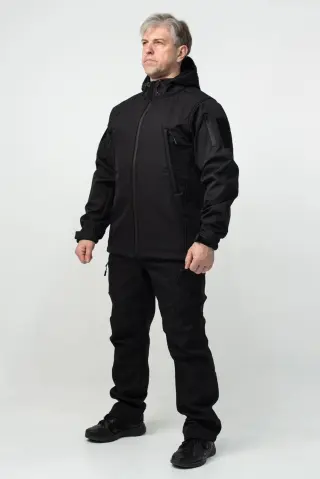
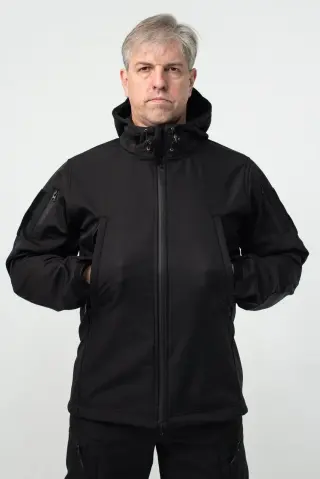
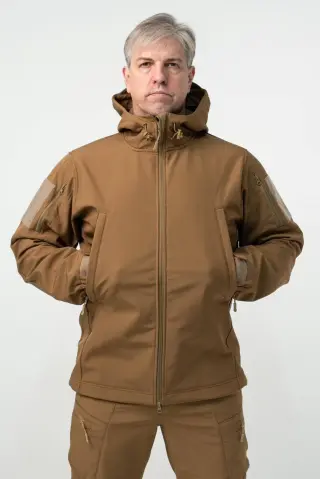
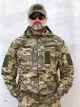
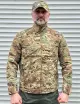
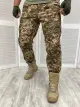
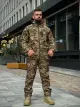
Tactical softshell jackets are worn in the off-season, on field trips and in the city: they block the wind, withstand drizzle and wet snow, and still don't restrict movement. The choice comes down to three things — how warm a lining you need, which design works best with your gear, and how to avoid a sizing mistake. Each is covered below.
What Softshell Can Do and Where Its Limits Are
Softshell is a dense stretch fabric with a smooth outer layer and, usually, a soft fleece on the inside. On the outside, water beads up and rolls off, and the wind barely gets through, so on a cold, windy day this kind of jacket feels warmer than it looks. The stretch in the fabric makes it flexible: for example, the Helikon-Tex Trooper MK2 StormStretch is made of fabric that is 98% nylon and 2% elastane, while the fabric in the Pentagon Elite Light stretches in four directions and has a level 4 DWR finish.
The main advantage over a membrane jacket is breathability. When walking or working, vapor escapes outward and you sweat less. The downside is that in a downpour lasting for hours, softshell eventually soaks through at the seams and zippers. If you have to stand in the rain for a long time, put one of the rain jackets on top or look at models with a membrane: they hold back water better but wick moisture away less well during active movement.
No Lining, Thin Fleece or Fleece-Lined
The lining determines which season you'll wear the jacket in. Options without fleece and with microfleece are for warm spring, summer nights and active work, when not overheating matters more. Jackets with thin fleece cover most of spring and autumn. Models with standard fleece are designed for the colder off-season, and in light frost they are worn over thermal underwear.
Keep in mind that softshell does not replace an insulated jacket. If you stand still in the cold for a long time, fleece won't be enough — for that you need winter jackets with insulation. And if, on the other hand, you are looking for something for dry, warm weather, windbreakers and lightweight jackets are a lighter option. A convenient setup for the transitional season is a jacket with thin fleece plus an insulating layer underneath: thermal underwear or one of the vests, which is easy to take off when it gets warmer.
Jacket or Parka and What to Look at in the Design
A parka is longer and covers the lower back and hips, so it holds heat better when you sit or stand in the wind. A short jacket is more comfortable with a battle belt, behind the wheel and during active tasks — nothing rides up or gets in the way when reaching for pouches.
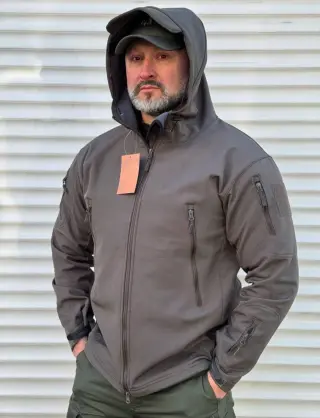
Hoods come in three types: detachable, stowed in the collar, and fixed. A detachable one is easy to unsnap in the city, a stowed one doesn't catch on gear, and a fixed one with a visor and drawcords sits best in rain and dust. Check that it can be cinched so it turns together with your head.
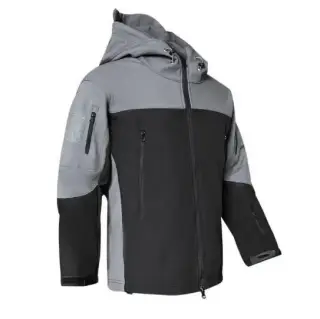
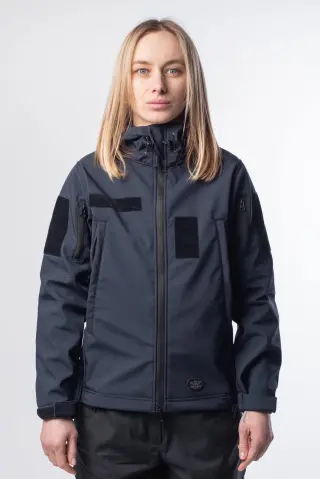
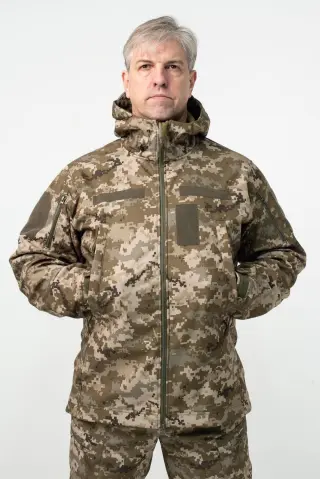
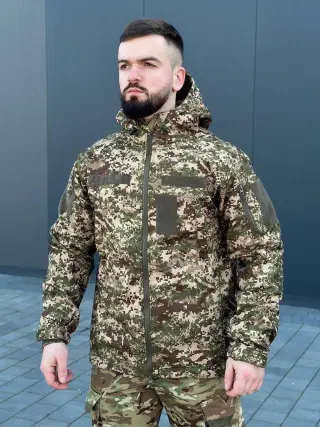
Zippers are a frequent weak point. YKK hardware lasts longer, and rubberized zippers keep water from getting in through the pockets. Underarm vents save you from overheating while moving. For service use, pay attention to hook-and-loop patches for morale patches and ID panels, MOLLE webbing on the shoulders, sleeve pockets, and cuff and hem adjustment — these are what cut the wind.
How to Choose the Size
Size charts come in both letter (XS to 5XL) and numeric (42 to 66) versions, so check the chart for the specific model rather than the size of your previous jacket. Some models run about one size small: for Esdy, for example, if you usually wear XL, you should take 2XL.
Measure with what you'll wear underneath: fleece, a sweater or thin body armor take up volume in the chest and shoulders. Raise your arms forward and up — the sleeve shouldn't expose your wrist, and the back shouldn't ride up. For a stocky build there are big-and-tall sizes, and for women there are separate models with a women's fit that don't hang loose at the shoulders.
Frequently Asked Questions
Can softshell be washed in a washing machine?
Yes, on a delicate cycle at a low temperature and without fabric softener. Fabric softener and bleach clog the pores of the fabric and ruin the water-repellent finish. Dry it away from a radiator, and renew the finish from time to time with a special product.
Which color should I choose for service?
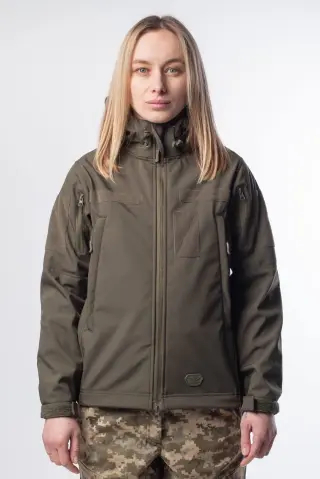
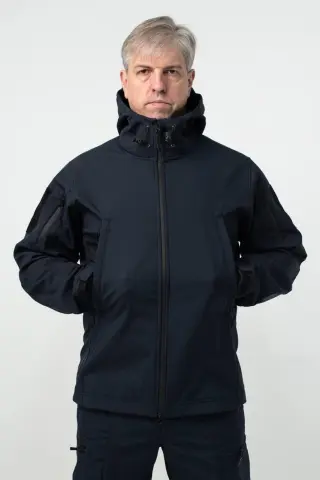
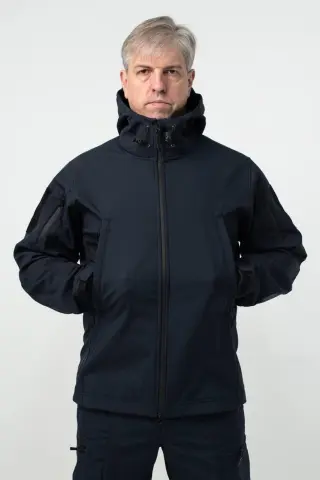
Go by your unit's uniform and the terrain: Multicam, pixel, olive and coyote are the most commonly used. Black and gray are more suitable in the city, while blue jackets are made for the State Emergency Service.
Is a softshell jacket suitable for the city?
Yes, especially a plain one without extra hook-and-loop patches. Stretch fabric is comfortable on public transport and behind the wheel, and wind protection is valuable on open streets.
Why can softshell feel hot?
Most often because of a thick fleece lining that doesn't match the season. For active movement in above-zero weather, choose a model with thin fleece or none, and open the underarm vents.
Should I put patches on hook-and-loop if there is none on the front?
On some models, chest hook-and-loop panels can be sewn on additionally. We don't recommend sewing them on yourself — puncturing the fabric reduces its water protection.
If softshell isn't quite what you're looking for, browse all outerwear or demi-season jackets with insulation for cool autumn.