Coyote Tactical Softshell Jackets
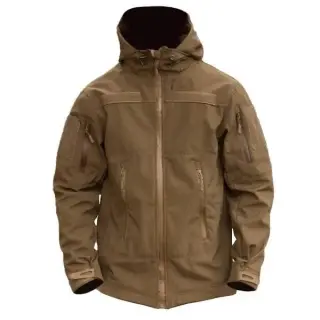
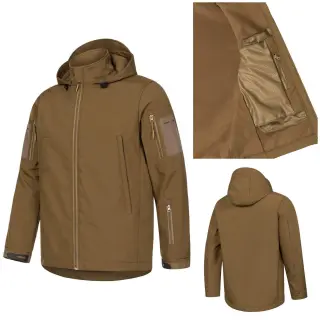
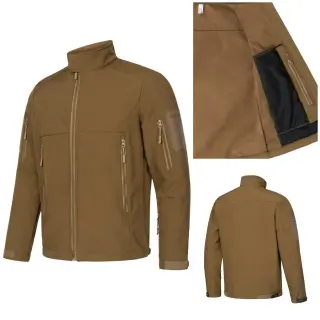
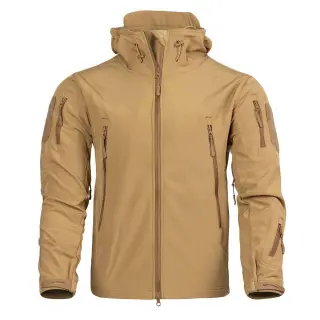
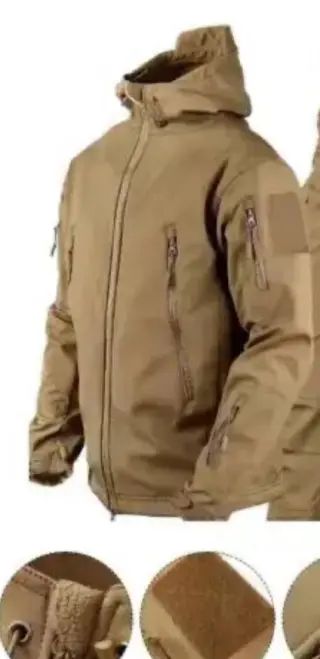
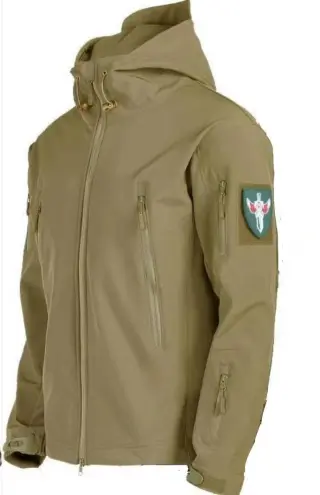
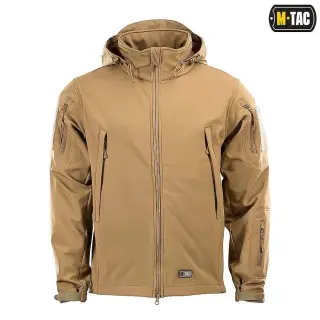
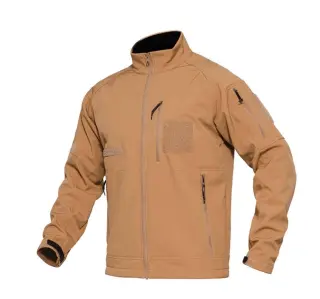

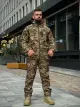

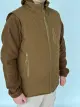
Coyote softshell jacket: who it's for and why
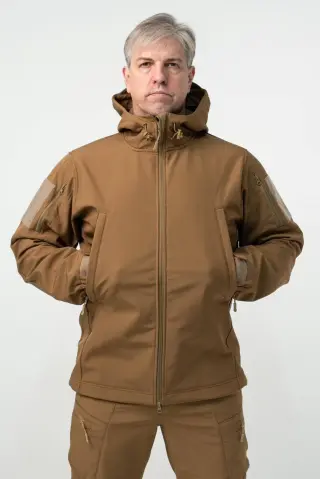
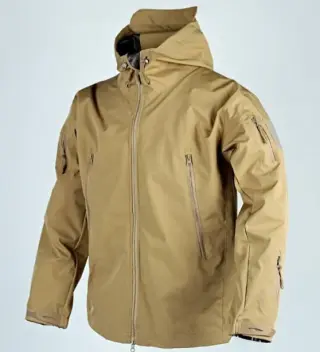
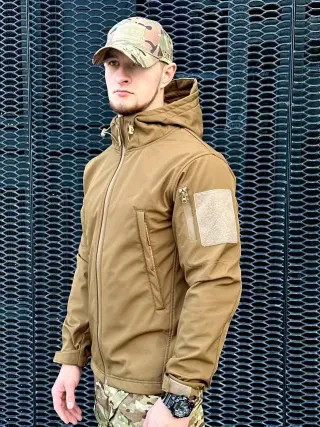
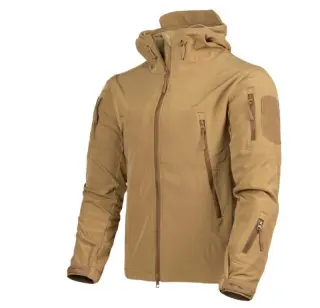
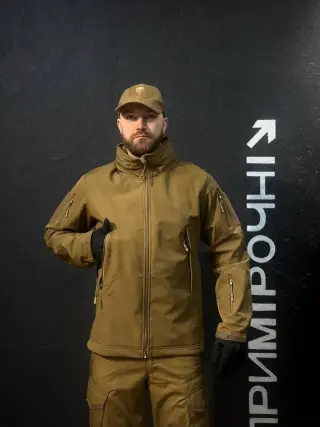
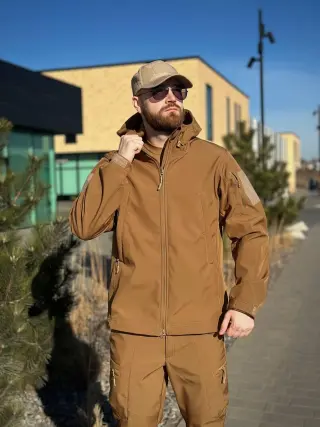
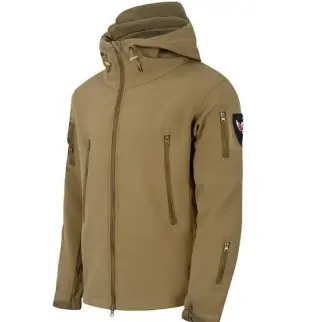
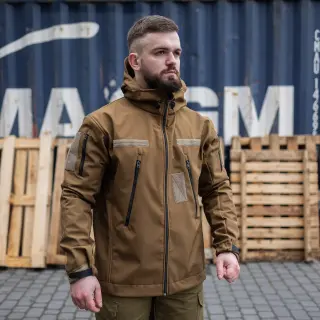
Coyote is a sandy-brown shade used today for most plate carriers, pouches, backpacks and covers. That is why a coyote softshell jacket is most often chosen by those who want the outer layer to match their existing gear, as well as by those who serve or travel where dry grass, clay and sand dominate. Prices for these jackets range from 1 230 to 4 820 UAH, and general advice on lining, construction and sizing is collected on the softshell jackets page.
Where coyote blends in and where it gives you away
This color works best in autumn, in snowless winter and in early spring, when the fields are brown and the grass is dry. It is just as suitable in the steppe, on sandy soils, and among ruins and concrete where there is a lot of dust. In summer, in dense greenery, a solid coyote jacket stands out as a light patch, so for the warm season in the forest it is better to wear it unzipped under a camouflage outer layer or choose a different color.
Keep in mind that a solid color does not break up your silhouette the way camouflage does. Its job is not to stand out in tone, while concealment is supplemented by your load-bearing vest, backpack and camouflage pants.
What to pair it with and why shades differ
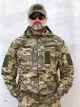
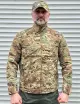
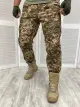
Coyote goes well with Multicam: this pattern contains the same sandy and brown tones, so a "coyote jacket + Multicam pants" set looks cohesive. It also pairs with olive and ranger green, but with a green-toned pixel pattern the contrast is more noticeable.
Every manufacturer's coyote is slightly different: from light sandy to reddish-brown. If you are choosing a jacket to match a specific plate carrier or helmet, compare the shade in daylight, not on a screen — in photos the color often looks warmer or grayer.
How practical this color is to wear
Dust, dried clay and sand are almost invisible on coyote, so the jacket looks tidy longer in field conditions. On the other hand, dark stains — grease, soot, fresh mud — are more visible on light fabric than on olive or black. After a trip, it is better to wash such stains out right away, before they set in.
Sun and frequent washing gradually fade any dyed synthetic, but fading is less noticeable on a sandy tone than on dark colors. To keep the shade from changing unevenly, turn the jacket inside out before washing and dry it in the shade.
Which models are available among coyote jackets
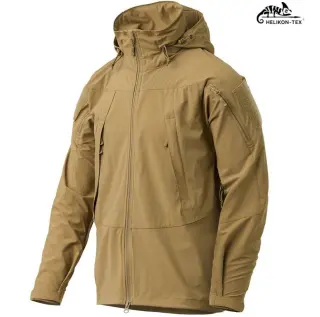
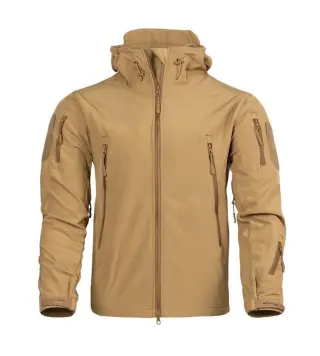
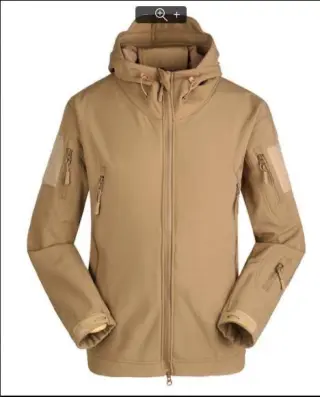
There are options here for different tasks. The Helikon-Tex Trooper MK2 StormStretch is a lightweight jacket made of stretch nylon fabric for active movement and changeable weather. The fleece-lined Esdy is warmer: the hood has three ways to stow it and tightens without taking your hands out of the pockets, and there is underarm ventilation. Keep in mind that Esdy jackets run about one size small.
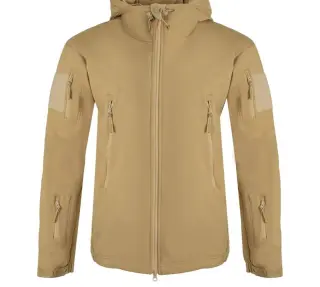
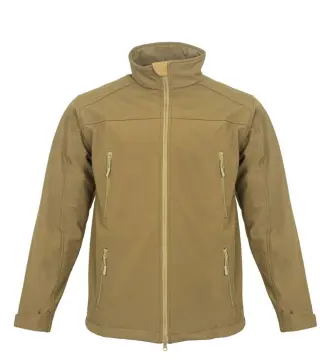
For service use, jackets with hook-and-loop panels for patches and ID panels on the sleeves are convenient, and models with a concealed hood, such as the Patriot 2.0, do not snag on gear. There is also a longer fleece-lined assault parka, a jacket without a hood, and big-size options for a stocky build.
Frequently asked questions
Will a coyote jacket go with Multicam?
Yes, this is one of the best combinations. Multicam contains sandy and brown tones, so a solid coyote does not look out of place. Such a set is suitable both for service and for field trips.
Is coyote the same across different brands?
No, the shades differ noticeably — from light sandy to brown. If it is important to match the color precisely to your existing gear, compare items side by side in daylight.
Does a coyote softshell fade a lot?
Fading is less noticeable on a sandy tone than on dark colors. To keep the color even for longer, wash the jacket inside out and dry it away from direct sunlight.