Tactical Windbreakers and Lightweight Jackets
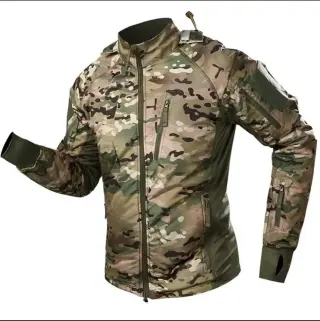
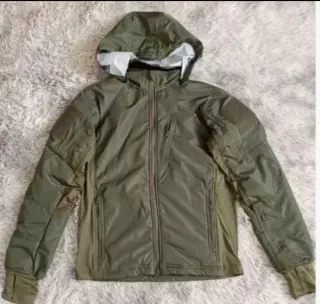
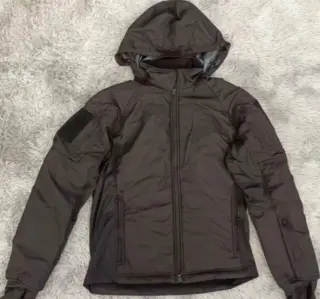
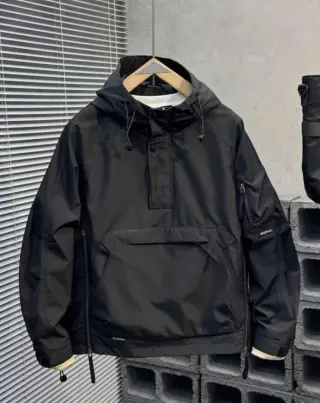
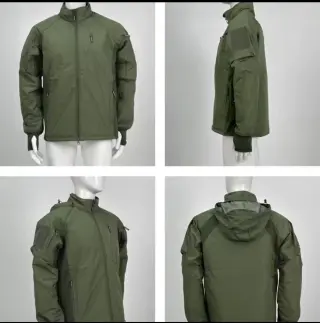
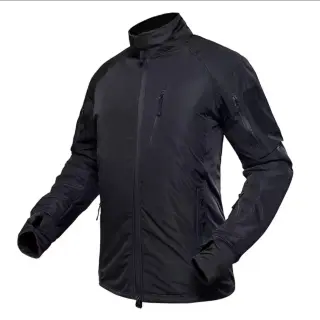
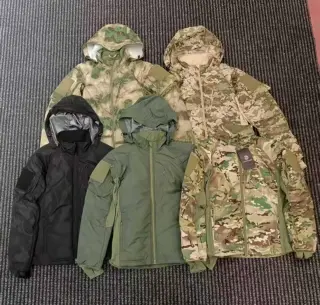
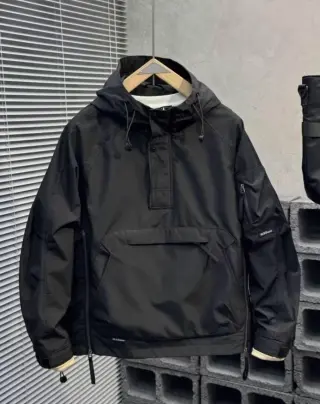
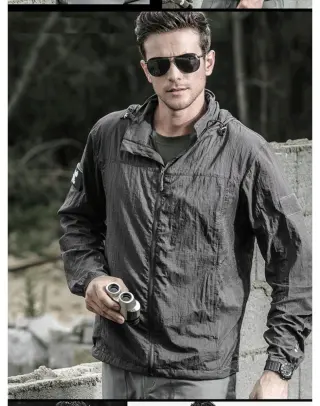
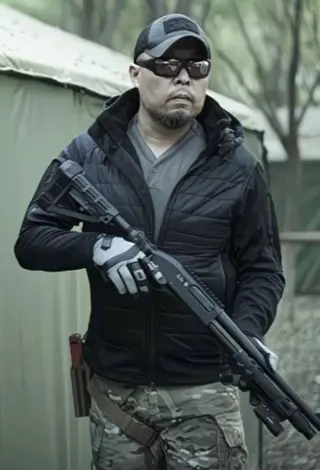
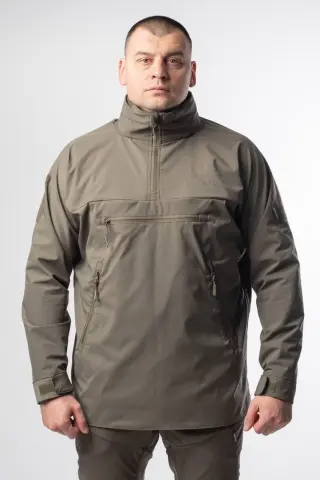
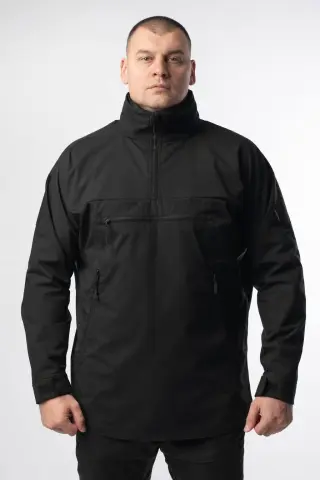
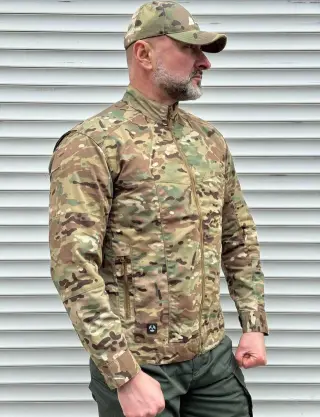
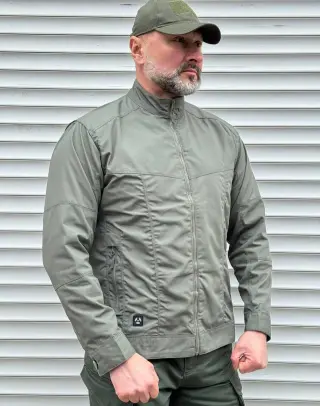
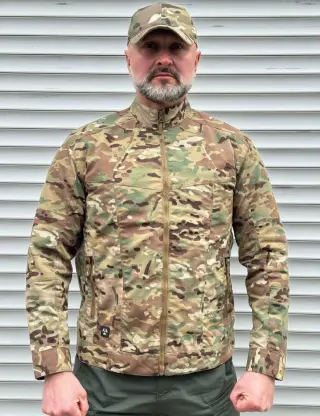
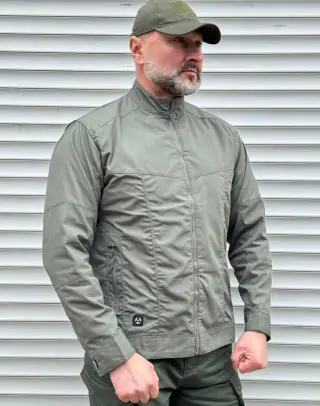
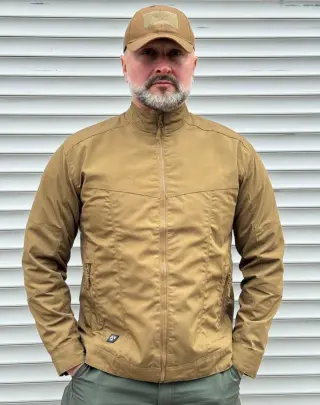
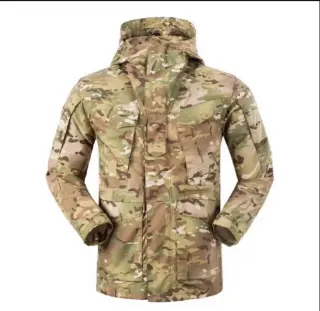
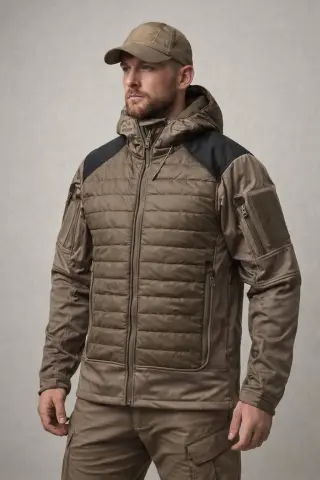
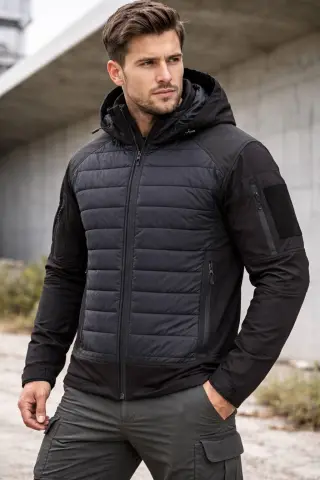

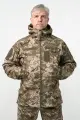

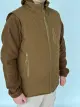
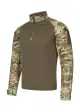

Tactical Windbreakers and Lightweight Jackets: How to Choose
Tactical windbreakers and lightweight jackets are for the times when a winter or mid-season jacket is already too much, but a T-shirt or sweater lets the wind through. Think spring outings, summer nights in the field, wind in open terrain, light rain. Start with three questions. What do you need protection from: wind, rain or cool air? Will you wear it all the time, or will it mostly sit in your backpack just in case? And what will you wear underneath? The answers determine the type of garment, the fabric and the size.
Windbreaker, Anorak or Lightweight Jacket
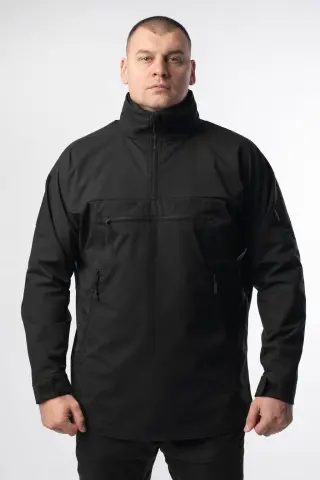
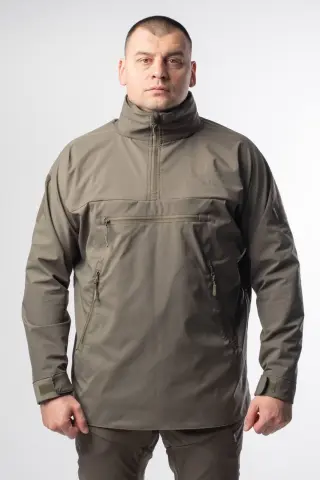
These names are often mixed up, although the differences between them are practical. A windbreaker is the thinnest layer: nylon or polyester with no lining, minimal pockets, low weight. An anorak is pulled on over the head, its zipper only goes down to the chest, and there is usually a large pocket on the front. It lets less wind through at the center and keeps items secure in its pockets, but it is harder to take off on the move or over a plate carrier. A lightweight jacket with a full-length zipper is the most versatile: it opens quickly, has several pockets, Velcro panels and a denser fabric.
| Type | Best for | Drawback |
|---|---|---|
| Ultralight windbreaker | Spare layer in a backpack, hot weather with wind | Thin, vulnerable to branches and abrasion |
| Anorak | Forest, hunting, fishing | Has to be taken off over the head |
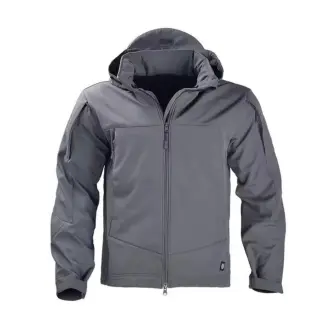
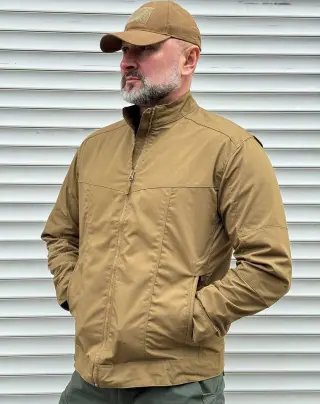
| Lightweight zip-up jacket | Everyday wear, service, city | Bulkier when packed |
| Assault-style jacket | Cool summer, active movement | Weak protection from heavy rain |
Ultralight models like the Call Dragon Lava weigh about 160 g and pack down almost to the size of a pocket. People take them to always have protection from wind and sun on hand, and nylon windbreakers of this kind also help against mosquitoes. However, thin fabric is a compromise: in brush it tears faster than ripstop or twill.
Fabric and Rain Protection
An ordinary nylon or polyester windbreaker stops the wind. A DWR water-repellent finish protects it from light rain: drops roll off the fabric until the coating wears away. This is how, for example, the Helikon-Tex Windrunner WindPack and jackets made of Dewspo fabric, a smooth polyester with a water-repellent finish, work. In prolonged rain, such a garment will sooner or later soak through at the seams and on the shoulders, where backpack straps press.
If you need to stay dry, choose membrane models and look at two things: the membrane's waterproof rating and taped seams. In the Pentagon Atlantic V2.0, the StormTex membrane is rated at 5000 mm/m², and the seams are sealed with tape. The Call Dragon 5.0 is stated to have a 10,000 mm membrane. Without taped seams, even a good membrane leaks along the stitching. The downside of a membrane is that it breathes worse than an open fabric, so you will start sweating sooner when moving fast. A mesh lining and vents partly make up for this. For real downpours, rain jackets worn over your jacket are more reliable.
Ripstop and twill are about durability, not water resistance. The ripstop reinforcing grid stops a tear from spreading, and dense twill better withstands abrasion from gear. These fabrics are chosen for field conditions, where the windbreaker is not babied.
When You Need Insulation
Most lightweight jackets have no lining, so they keep you warm only by blocking the wind. Some models have a thin insulation layer. In the Yinren 6.0 and Call Dragon 5.0 hybrid jackets, quilted eco-down covers the torso, while the shoulders and sleeves stay thin so as not to restrict movement. The Archon quilted bomber is insulated with synthetic down. Such garments suit cool spring and autumn, but on a warm day they are too hot.
If you plan to wear a jacket in steady frost, a lightweight model will not replace mid-season jackets, let alone winter jackets. It is more convenient to wear a windbreaker as the outer layer over a fleece or a vest. Then you regulate warmth by removing the middle layer rather than changing jackets.
Which Design Details to Check
- A hood with a drawcord and a visor, as on the Pave Hawk or ripstop anoraks, holds its shape in the wind and does not block your view. A hood that tucks into the collar stays out of the way when you don't need it.
- Water-repellent zippers on the pockets and the main closure let in less water than standard ones.
- Underarm vents or a mesh lining reduce overheating while moving.
- Elastic or hook-and-loop cuffs and an adjuster at the hem keep the wind from blowing up under the jacket.
- For service use, you will need Velcro panels for patches, and on anoraks also MOLLE straps on the shoulders.
How to Choose Size and Fit
A lightweight jacket is almost always worn as an outer layer, so try it on with what will be underneath: in summer with a T-shirt, in cool weather with a fleece. If you plan to wear a fleece, choose a straight-cut model or one size larger. An anatomical cut sits closer to the body and feels tight over a thick layer. Raise your arms up and forward: the sleeve should not expose your wrists, and the hem should not expose your lower back.
Sizes are labeled differently: letters from XS to 6XL or numbers from 44 to 60. So check your chest measurement against the size chart of the specific model. For a stocky build there are models marked "batal" (big and tall), and for women there are separate windbreakers with narrower shoulders. On an anorak, pay attention to the width of the neck opening: the jacket is taken off through it, so it must pass through freely.
Frequently Asked Questions
Can a membrane jacket be washed in a washing machine?
Yes, on a delicate cycle at low temperature, with a liquid detergent made for membranes. Fabric softener and ordinary powder clog the membrane's pores, and it wicks moisture worse. After several washes, renew the water-repellent finish with a spray so the fabric repels drops again.
What color of windbreaker should I choose?
For the field, pick the color to match the terrain. Olive and pixel suit green forest, coyote suits dry grass and steppe, and Multicam works as a universal camouflage. Black, gray and navy blue are appropriate in the city and on duty in populated areas. If you will have one jacket for all occasions, olive or coyote goes with most pants.
Down to what temperature can a lightweight jacket be worn?
It depends on what is underneath. For example, the Vanguard jacket made of Dewspo without insulation is rated for a range from 0 °C to +30 °C, but the lower limit is reached only with a warm middle layer. A windbreaker on its own adds no warmth; it only removes the wind.
How is a softshell different from an ordinary windbreaker?
A softshell is thicker and more elastic, with a fleece or mesh inner side. That is why it gives a bit of warmth and withstands abrasion better. On the other hand, it is heavier and does not pack into a pocket. If what you need is specifically a warm stretch jacket, take a look at softshell jackets.
If a lightweight jacket is not enough for your conditions, choose other outerwear, from insulated jackets to parkas.