Military and Tactical Windbreakers
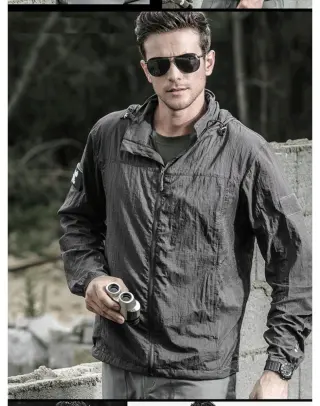
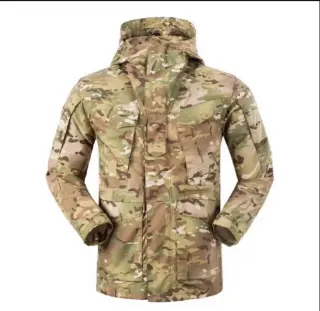
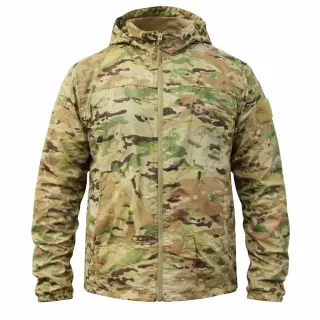
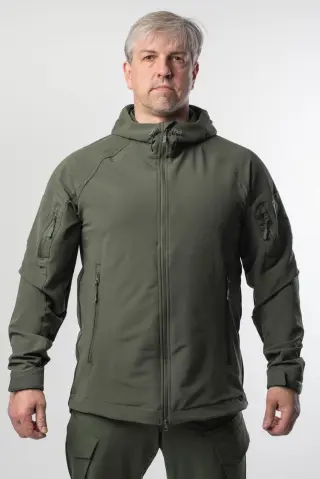
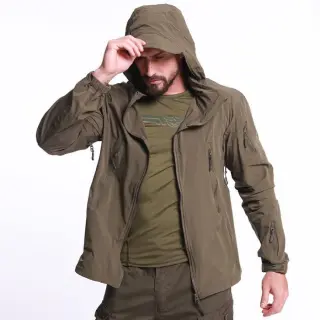
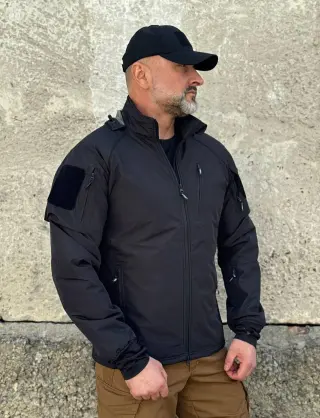
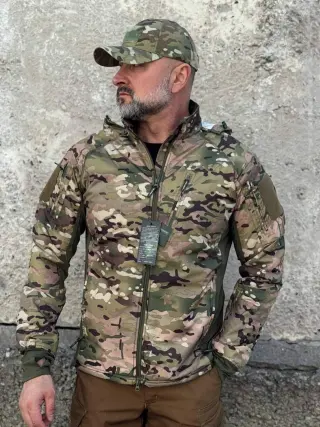
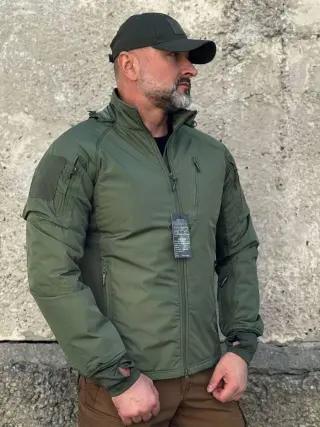
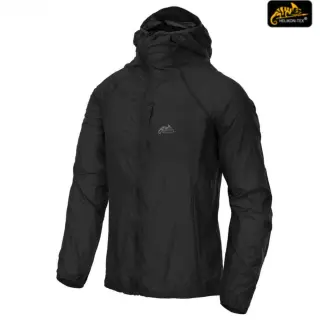
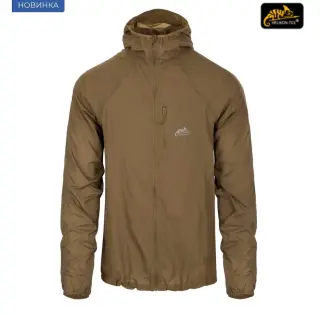
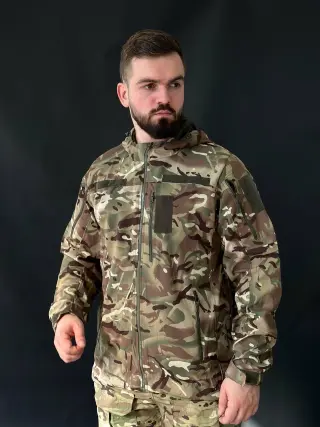
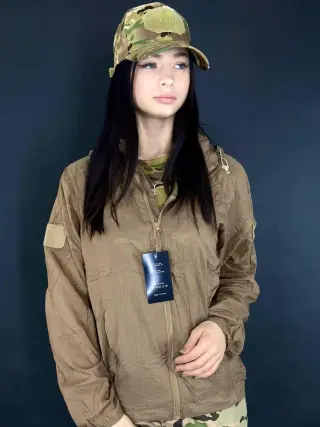
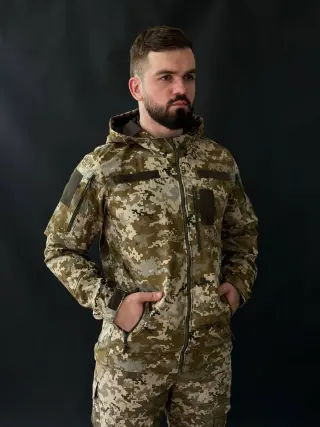
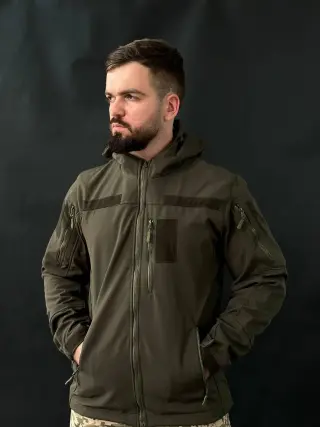
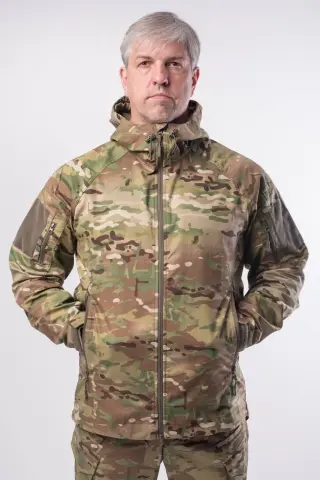
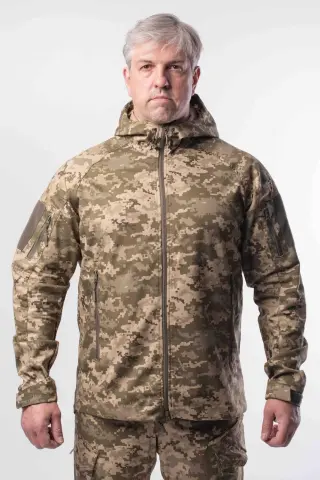
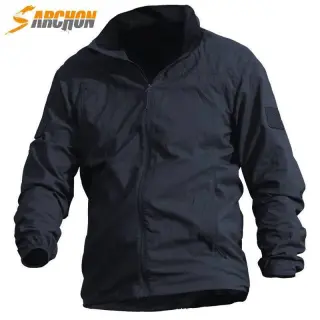
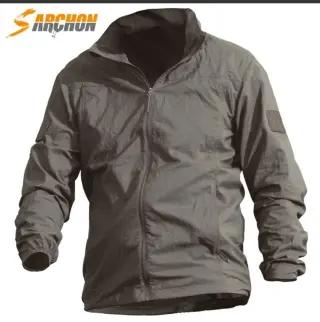
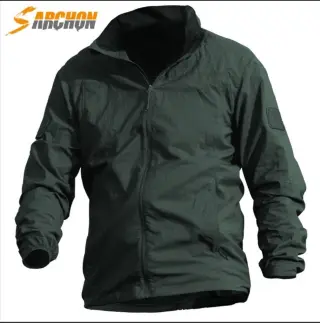
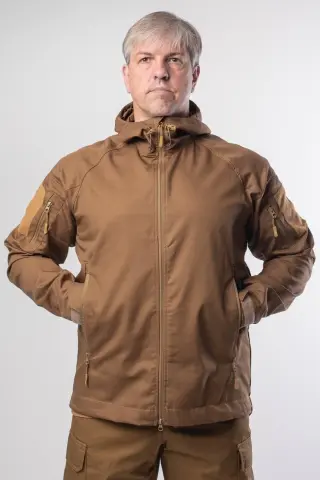
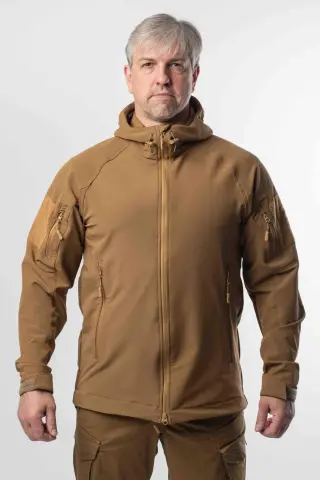
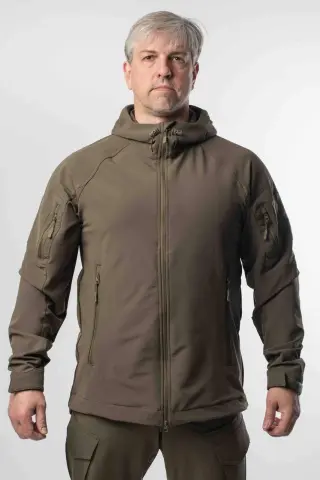
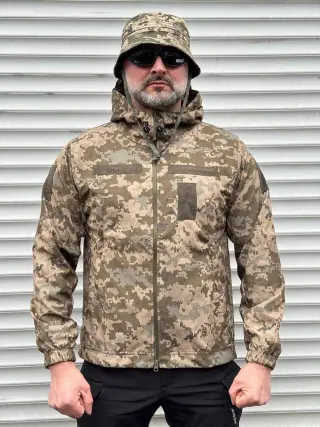
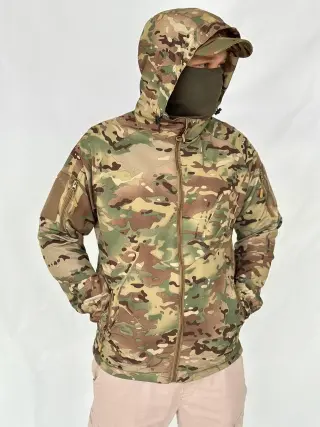
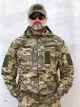
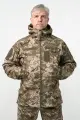
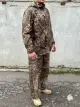
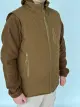
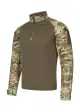
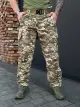
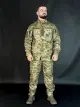
Military windbreaker: lightweight wind protection for everyday wear
A tactical windbreaker is what you need when a jacket is too much, but the wind cuts through a T-shirt or sweater. It is a layer for spring, summer and early autumn: for service and the training ground, night watches, hiking or a trip out into nature. It is thrown on over a combat shirt or fleece, and when it gets warm, it is rolled up and tucked into a backpack. Prices start from 1 030 UAH and go up to 3 050 UAH. The difference mostly depends on the fabric and how well the details are thought out. If you need a denser piece for cool weather, take a look at all windbreakers and light jackets.
Which fabric to choose: nylon, softshell or twill
The lightest models are made of ultralight tightly woven nylon. Helikon-Tex Windrunner WindPack and Call Dragon MIG10 are made this way. Such a windbreaker weighs almost nothing and packs down to the size of a pocket. That is why people take it "just in case" on outings where the weather may change. Helikon-Tex Tramontane is also nylon, but denser (120 g/m²) and packs into a small pouch. It holds its shape better and is more resistant to abrasion.
Softshell with a mesh lining is noticeably warmer and denser. It is suitable for a cold morning or evening, but it will not pack down compactly. Twill windbreakers feel rougher to the touch, but they better withstand work in thickets and contact with gear. Models with Dewspo are a thin fabric with a water-repellent effect, something in between the first two options.
Hood, cuffs, ventilation: what to look at
A windbreaker with a hood is more practical, and most models have one. Pay attention to whether the hood is adjustable and whether it tucks into the collar. A hidden hood does not get in the way under a helmet and does not collect water when you do not need it. Elastic cuffs on the sleeves and drawcords or elastic at the hem keep the wind out from under your clothes. These details determine whether a windbreaker really protects you.
If you move a lot, look for ventilation openings under the armpits, as in the Windrunner: then the nylon "steams" less. Zippered pockets will keep you from losing small items. Velcro panels on the sleeves are needed for patches if you wear the windbreaker on duty.
Color and size
For service, it makes sense to choose Multicam or MM-14 pixel, that is, what goes with the rest of the uniform. This is the kind of Ukrainian Armed Forces windbreaker people often look for. Olive and coyote are versatile: they suit both field clothing and civilian wear. Black, gray or navy blue is better for the city and everyday wear.
Sizes come in letters (from XS to 4XL) and numbers (from 44 to 60), so check the size chart of the specific model. A windbreaker is usually worn as an outer layer. If you plan to put it on over a fleece, allow some extra room in the shoulders and in the sleeve length. For women, there is a separate ultralight model in sizes XS–L. Its cut is more comfortable than trying to pick a small men's tactical windbreaker.
Frequently asked questions
Does a windbreaker protect against rain?
Against light rain, yes; against a downpour, no. Most nylon models have a DWR water-repellent finish that makes droplets roll off. But water-repellent fabric is not a membrane, so in prolonged rain it will get wet. For wet weather you need a separate rain jacket.
Can a military windbreaker be worn outside of service?
Yes, especially solid-color models. An olive, coyote, black or gray windbreaker looks fine in the city and on a hike. Camouflage versions are more appropriate in field conditions.
How do I care for a nylon windbreaker?
Wash on a delicate cycle in cool water, without fabric softener or bleach. Air dry. The finish washes out over time, so if the fabric has started to soak through, restore it with a special product for membranes and nylon.