Military Raincoat
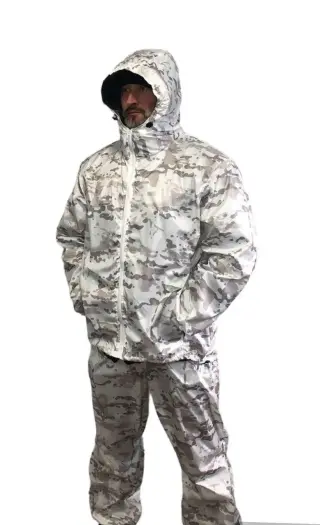
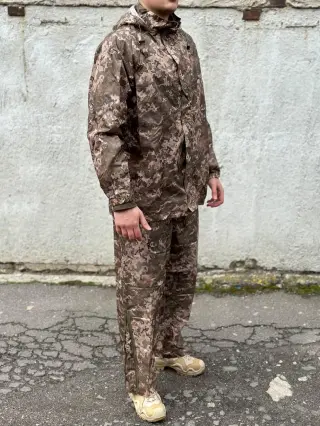
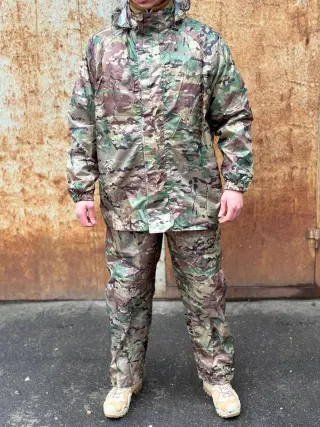
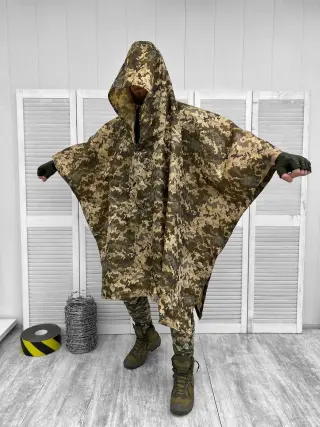

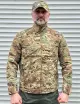
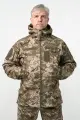

Military raincoat: how to choose for your task
A military raincoat is what saves you when your uniform and even a softshell can no longer handle prolonged heavy rain. Choosing starts with a question: what will you be doing in the rain? Standing in a position, marching, or throwing on protection for a few minutes? That determines the type of garment, and then you pick the material and the size to fit over your gear.
Poncho, suit or jacket: which to choose
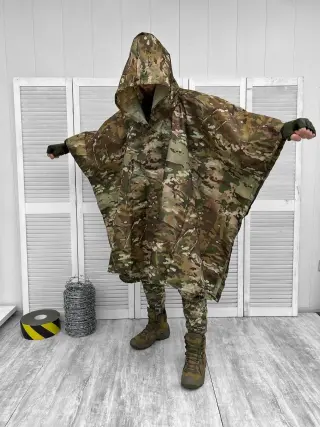
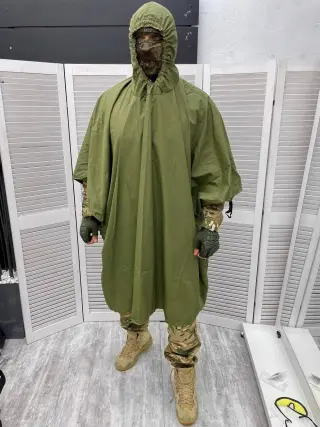
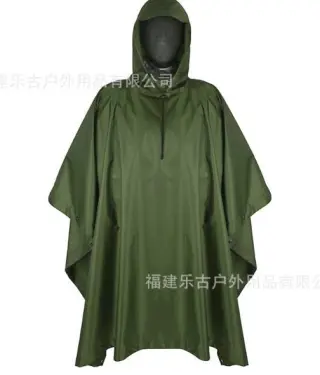
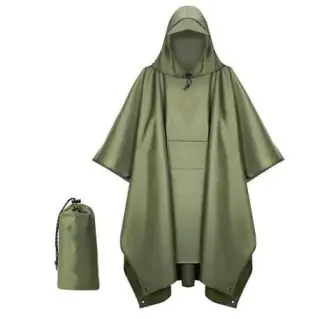
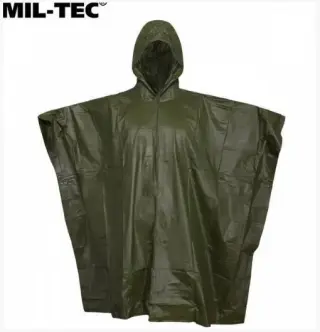
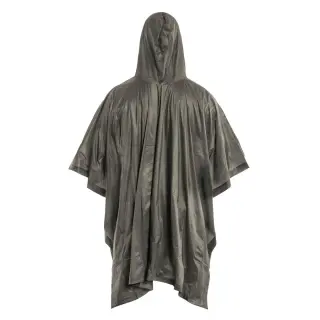
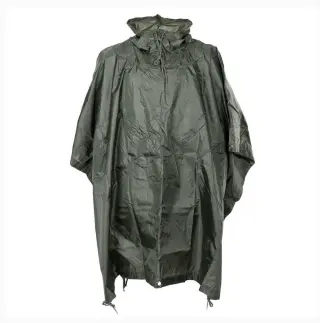
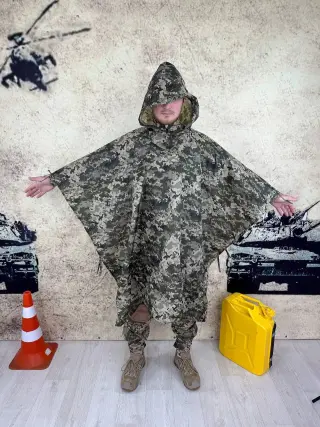
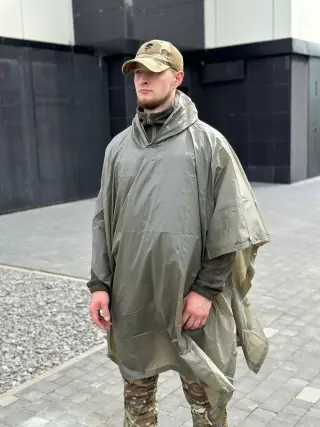
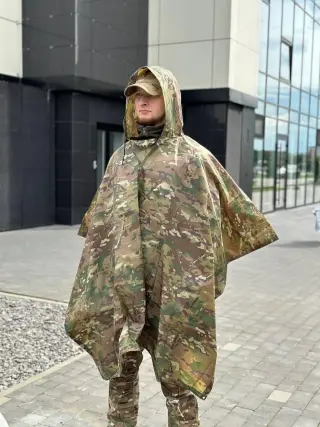
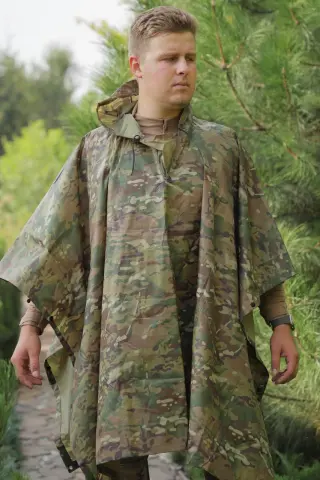
A poncho goes on in seconds and covers both the person and the backpack and plate carrier. It can also be stretched out as a shelter or used to carry a wounded person. There are downsides too: a poncho balloons in the wind, snags on branches in brush, and leaves your legs below the knees wet. It makes sense to choose among military rain ponchos if you need lightweight backup protection that always stays in your pouch.
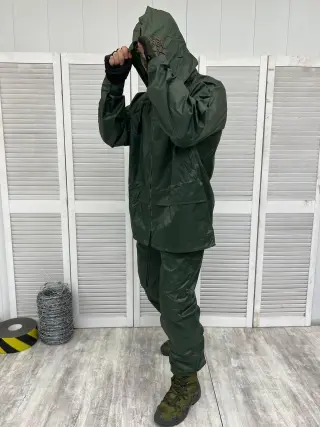
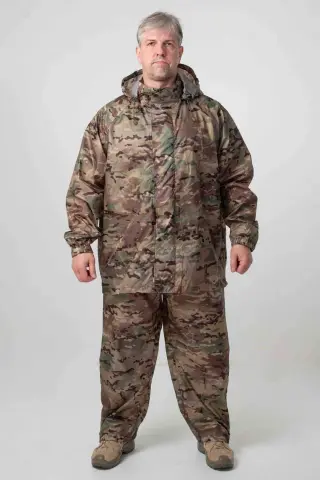
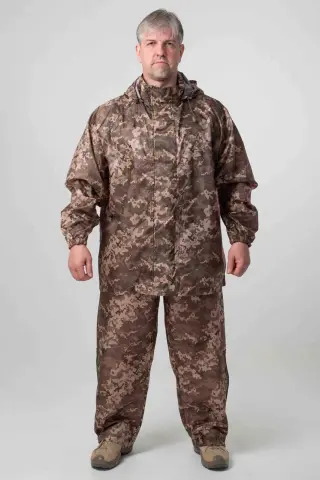
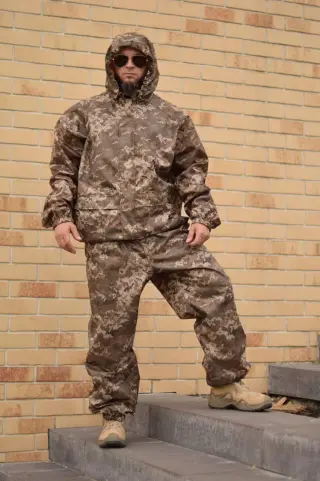
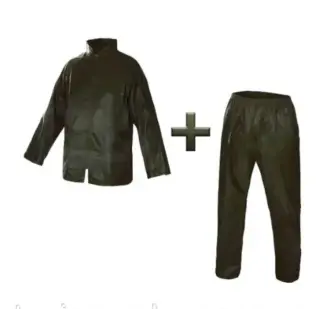
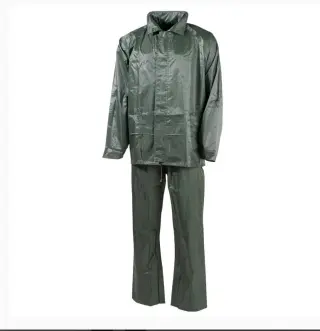
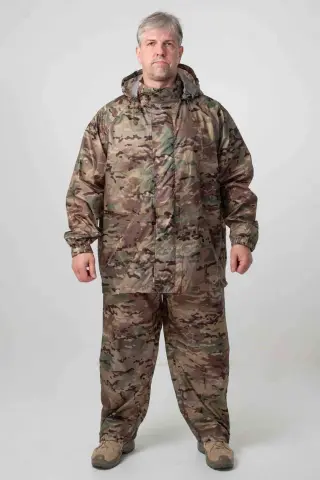
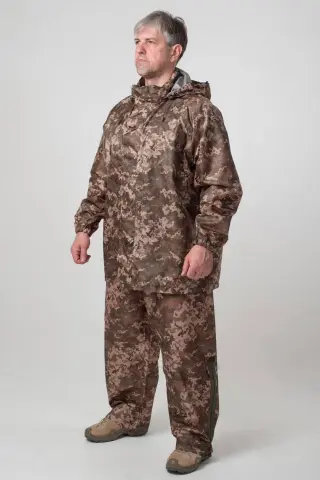
A suit made of a jacket and trousers gives full coverage, so it suits long hours in a trench, at a checkpoint, or behind the wheel of a quad bike. If you have to sit and lie on wet ground, take a look at tactical rain suits. A raincoat jacket packs down compactly and does not restrict movement, but it does not protect your legs. That is why it is taken for marches and for the city.
Which material to pick
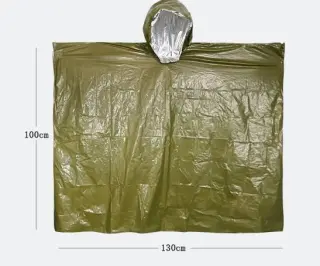
A film poncho is the cheapest, but it is more of a disposable option: it tears on the first branch. PVC and rubberized fabric let no water through at all, but they do not breathe either. Condensation quickly builds up under such a raincoat, so it is suited to static work, not marching. In the cold, PVC also stiffens.
Oxford with a water-repellent coating is stronger and withstands rubbing against the parapet and straps better. Ripstop is lighter, and its reinforced weave keeps a small hole from spreading across the whole panel. Shell fabric with a membrane lining moves vapor outward, so you can move in the suit without getting soaked from sweat on the inside. On the other hand, a membrane costs more and requires gentle washing without fabric softener.
What to look at in the construction
Water most often gets inside not through the fabric but through needle holes. So for long downpours, choose a model with taped seams. The zipper should be hidden behind a double storm flap, otherwise it is the first thing to leak. Drawcords on the hood, waist and trouser hems keep out water and wind. Zippers on the trouser cuffs let you put the suit on without taking off your boots. A separate pouch with a belt attachment is also useful: you will not have to shove a wet raincoat into your backpack with the dry items.
Size over your uniform, and color
A raincoat is worn over your uniform, insulation and body armor, so take a size with room to spare. Try it on in your gear, raise your arms and squat down. The sleeves should not expose your wrists, and the hood should fit over a helmet. A poncho usually comes in a universal size. In some membrane suits, one size XL is designed for 48–56, and there are big-size models for a stocky build.
Olive is universal and suits almost any uniform. Multicam and pixel camouflage better in forest and field, coyote on dry terrain. Black is appropriate only in the city.
Frequently asked questions
Which Ukrainian Armed Forces raincoat is best to take to a position?
It is best to take a suit with leak-proof seams and a hood that fits over a helmet. A poncho gets in the way of working with your hands in a position, and a jacket does not protect your legs when you sit in a wet trench.
Can a membrane raincoat be washed in a washing machine?
Yes, on a gentle cycle, in cool water and with liquid detergent. Powder and fabric softener clog the membrane pores, and it stops breathing.
Why is it wet under the raincoat even though it does not leak?
That is condensation from sweat, not a leak. Under PVC and rubberized fabric it is unavoidable, so for active movement choose a membrane or open the vents.
How much does a military raincoat cost?
Prices start from 450 UAH for a simple poncho, and membrane suits cost up to 1 850 UAH. The difference depends on the material and the set of features.
If you need protection for every day, not just against downpours, take a look at softshell jackets, windbreakers and light jackets or mid-season jackets. The remaining models are collected in the outerwear category.