Rubber Boots, Overshoes and Felt Boots
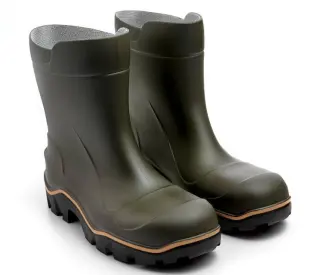
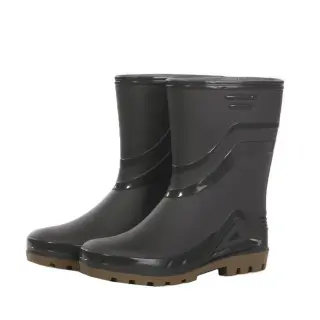
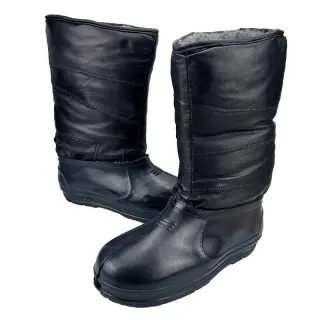
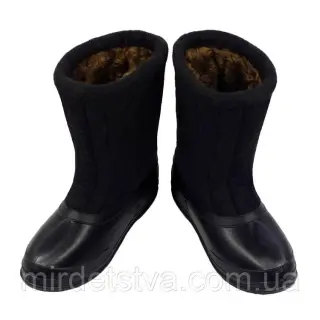
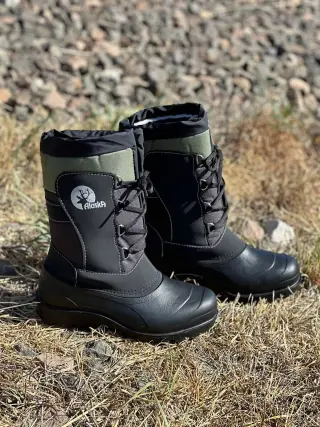
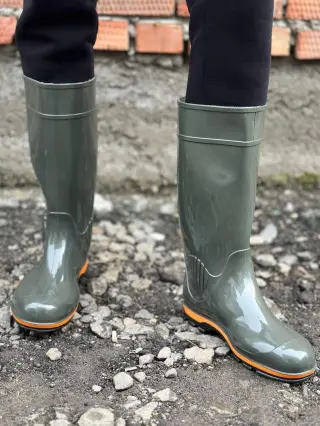
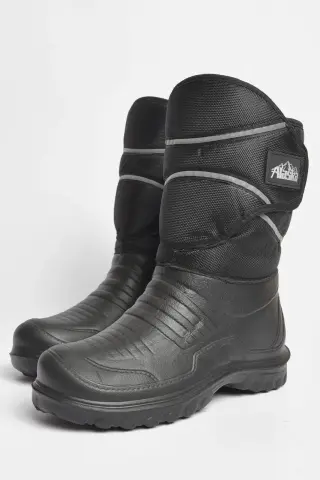
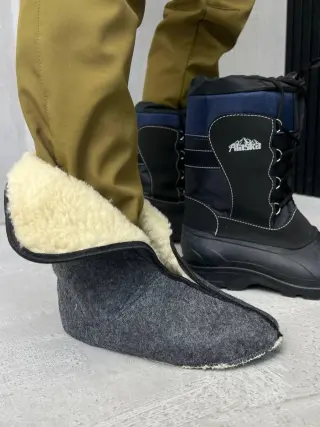



Rubber Boots for Damp, Mud and Frost
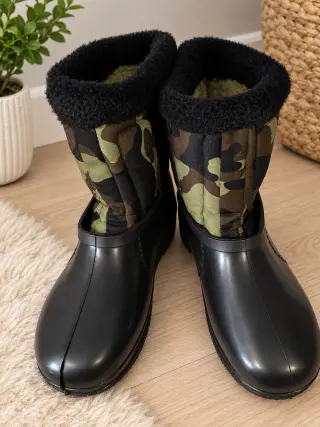
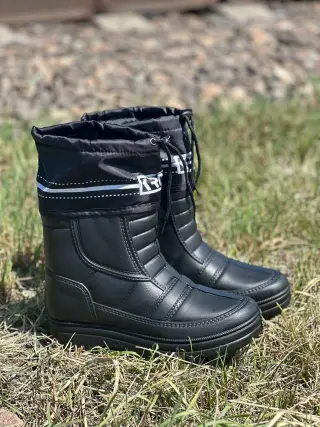
Rubber boots are what you need where regular tactical footwear loses to water: soaked ground, wet snow, a flooded trench or a lakeshore. Start choosing by conditions, not by looks. For slush, light boots with a liner are enough; for standing a long time in the cold you need serious insulation; and if you want to stay in your own combat boots, look at overshoes.
EVA or Rubber: What's the Difference
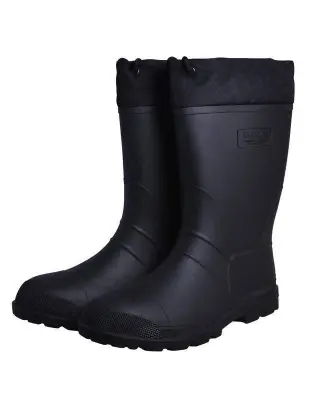
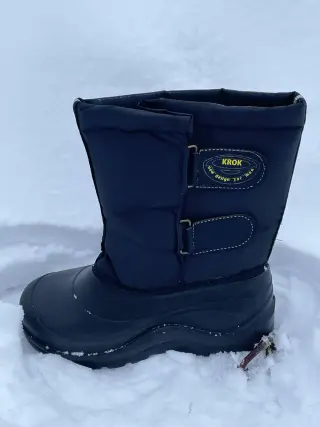
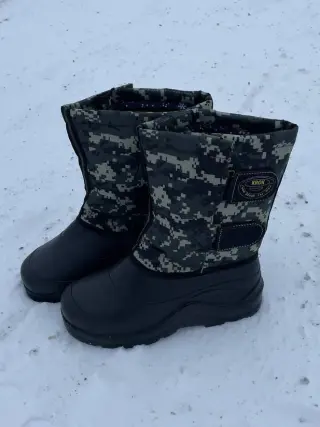
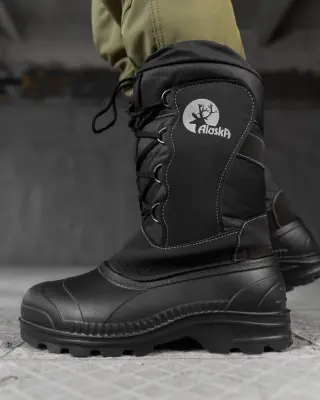
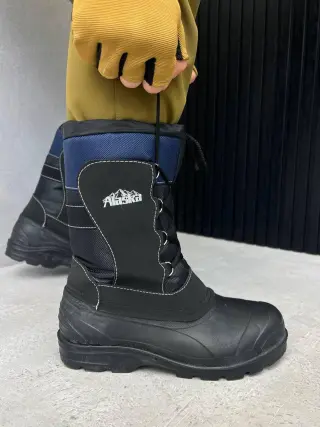
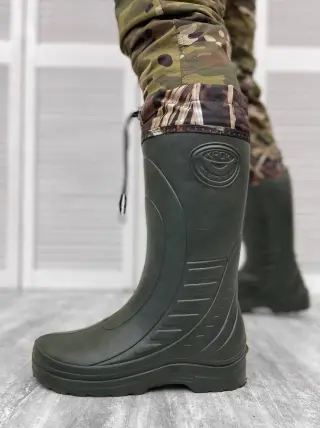
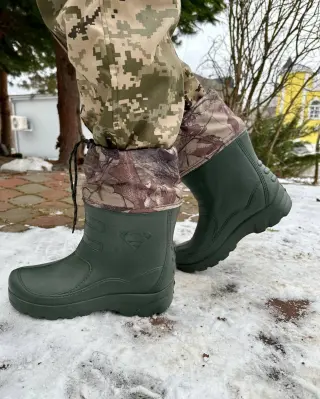
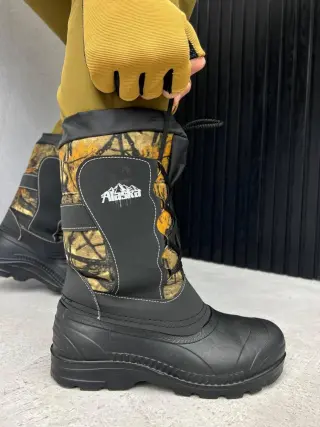
Most modern models that are called rubber are actually made of EVA foam. Such EVA boots are noticeably lighter, keep water out and hold heat better, because the foamed material itself insulates from the cold ground. That is why you can walk in them longer without fatigue, and that is exactly how the Alaska and Krok models are built.
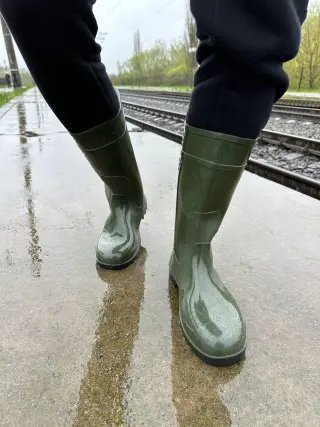
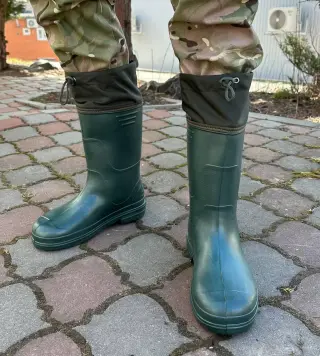
Classic rubber, as in the shortened LITMAN boots, is heavier and colder, but more resistant to cuts, sharp rocks and branches. EVA is easier to damage, and it is also afraid of open flame. Do not dry EVA boots next to a campfire or stove: the material deforms and the pair loses its shape.
Liner, Closure and Size
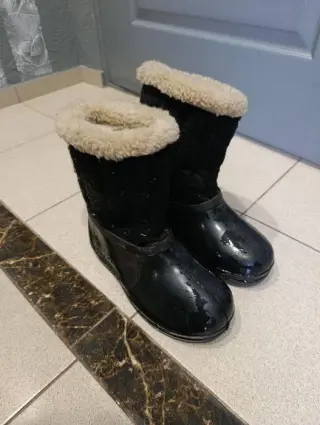
Men's insulated rubber boots usually have a removable liner, either fleece or fur. Its main advantage is that it dries separately: a wet liner will dry overnight, while one-piece boots will not. If your boots feel cold on their own, Alaska fur liners in sizes 41-45 can be bought separately.
The closure determines how snugly the shaft fits around the leg. A hook-and-loop strap lets you put the boots on quickly and tighten the top. Lacing adjusts the volume more precisely and keeps snow from getting inside, although wet laces are inconvenient in winter. Models without a closure are the simplest, but they fit loosely on the shin. Don't skimp on size: between your foot and the liner there must be room for a warm sock, otherwise your foot will freeze even in warm boots.
Overshoes, Felt Boots and Boots for Severe Frost
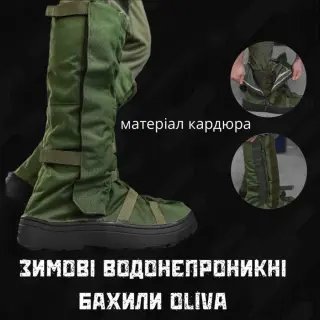
Waterproof overshoes are worn over your shoes when you don't want to swap them for boots. Lightweight Neos protect from dirt and puddles, while winter overshoes also add insulation. You stay in your usual combat boots and don't have to carry a second pair.
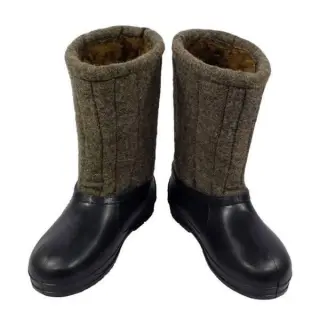
For frost without slush, felt boots with galoshes are a better fit: felt or greatcoat cloth keeps you very warm, and the galosh protects from wet snow. Sanlin leather felt boots are more wear-resistant than felt ones. For the harshest conditions there are Kamik and Fox Outdoor Thermo Boots, which the manufacturers rate down to -40 °C.
What to Choose for Your Task
- Slush, yard work, marching over rough terrain: light EVA boots with a liner and a hook-and-loop strap or lacing.
- Positions and long standing in the cold: military rubber boots with a fur liner and a spare liner to swap in.
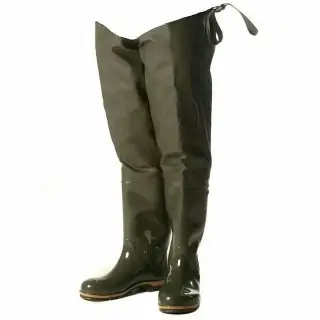
- Fishing and fords: Nordman 15 waders with a vinitol extension that covers the leg above the knee.
- Dry severe frost: felt boots with galoshes or winter boots rated to -40 °C.
Frequently Asked Questions
Can you wear EVA boots in winter?
Yes, winter EVA boots with an insulated liner are suitable for moderate frost. For long motionless time in severe cold, it is better to take a model rated for frost, or felt boots.
What should I do if my feet sweat in the boots?
Boots don't let water through in either direction, so moisture from your foot stays inside. Wear wool or synthetic socks that wick moisture away, and dry the liner every day.
How do I take care of rubber boots?
Wash off dirt with warm water and dry at room temperature with the liner removed. Solvents and aggressive chemicals destroy both rubber and EVA.
Which is better: overshoes or separate boots?
Overshoes are convenient when you only need to cross puddles from time to time in your own footwear. If you spend all day in water or mud, separate boots are more reliable and warmer.
For dry weather, look at tactical ankle boots or light tactical sneakers, and to let your feet rest after boots in camp, try sandals.