Tactical Shorts for Summer, Training and Field Trips
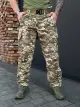


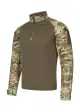


Tactical shorts: how to choose a model for your needs
Tactical shorts are made for the warm season, when long trousers get in the way: for training, the shooting range, field trips, work at the base or simply a summer in the city. They differ from ordinary shorts in their tougher fabric, pockets for small gear, reinforced seams and a waistband designed for a belt. Start by thinking about where you will wear them: a gym session calls for one set of qualities, a trip with fully loaded pockets for another.
Cut: cargo, joggers, capri or sport
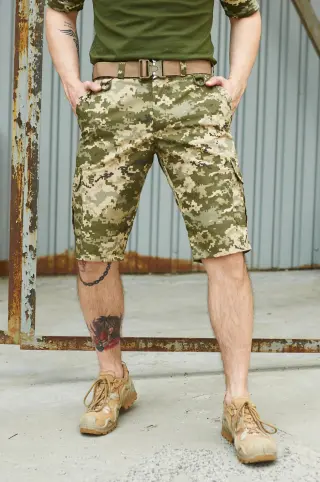
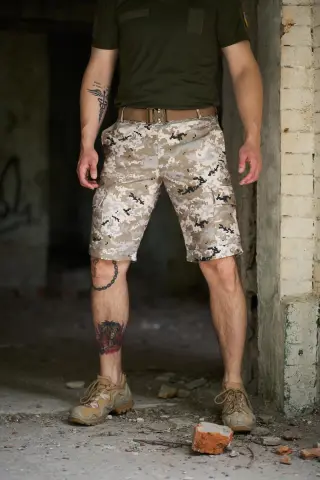
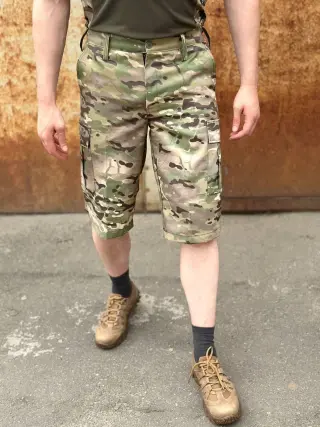
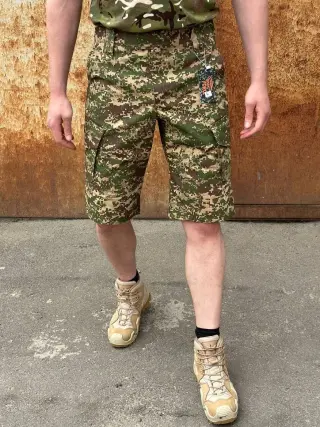
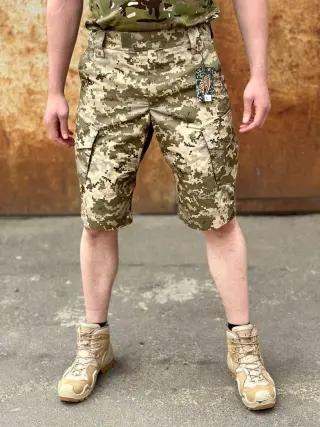
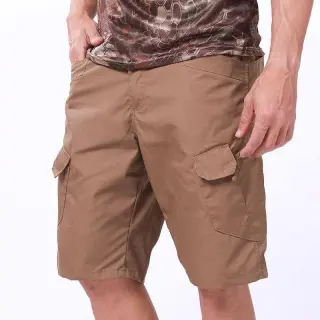
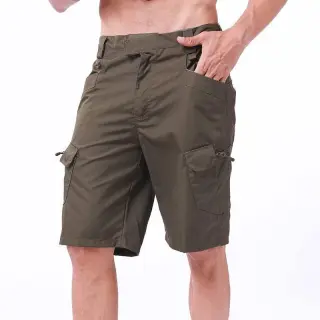
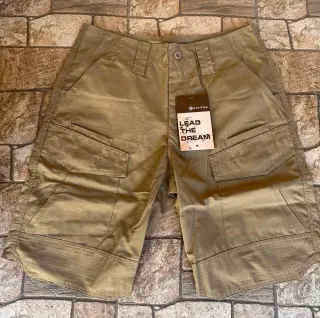
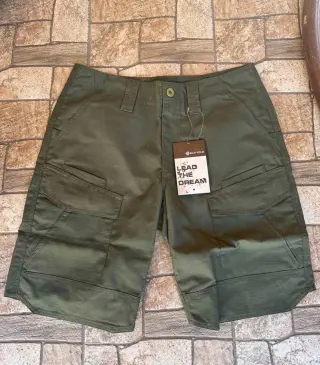
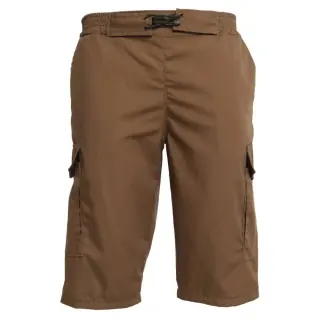
Classic cargo shorts have a straight cut to the knee or slightly above, with patch pockets on the sides of the thighs. This is the most versatile option: it works equally well at the training ground and in the city, and your things stay at hand without pouches. Jogger shorts have a cuff at the hem, so the legs don't ride up or catch while running or squatting — they are chosen for active training.
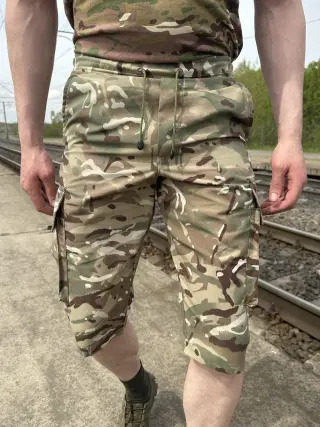
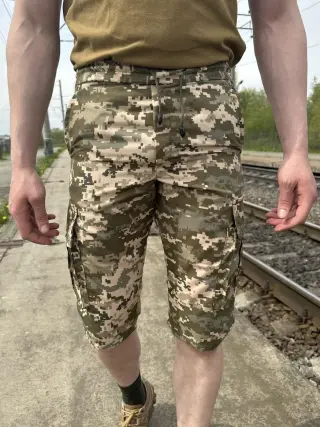
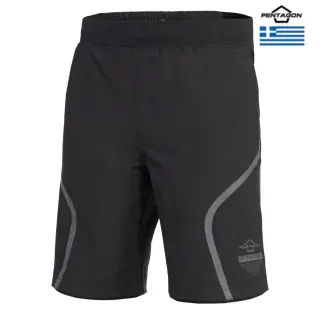
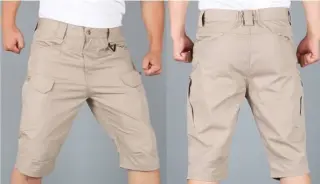
Capri shorts are longer than regular shorts and cover the knees, which is useful when you have to kneel on gravel or grass. Sport models, including knit ones or the Helikon-Tex Utility Light, are lighter and simpler: a drawstring waistband, complete freedom of movement. They are less suitable for long wear under load, but in the gym or on a run they are a better fit than heavy military shorts.
Fabric: ripstop, cotton or stretch nylon
Ripstop is a fabric with a reinforcing thread that forms a small grid and stops a tear from spreading. Most often it is a cotton–polyester blend: for example, the model with hook-and-loop pockets is stated as 70% cotton and 30% polyester, and the thin ripstop shorts as 80% cotton and 20% polyester. The more cotton, the nicer on the skin and the more breathable; polyester adds wear resistance and helps hold the shape. It is convenient to compare models among tactical ripstop shorts.
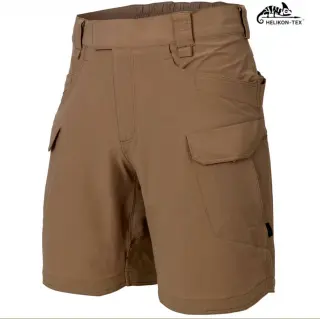
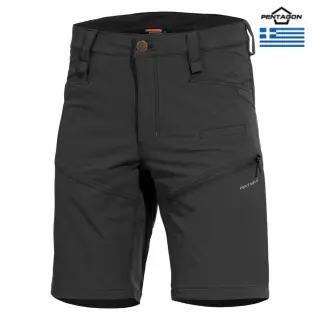
Cotton shorts are the softest and most comfortable in the heat, but they dry more slowly and wear out faster at the creases. Stretch nylon is the choice for those who move a lot: this fabric stretches, is light and dries quickly. The Helikon-Tex OTS 8.5" uses VersaStretch Lite (93% nylon, 7% elastane) with a Teflon coating against stains, and the Emersongear BlueLabel uses nylon with horizontal elasticity. There are also combined solutions: the Pentagon Renegade Savanna combines a dense cotton-and-nylon canvas with stretch panels where mobility is needed.
Pockets, waistband and reinforcement
Count what exactly you will carry: phone, tourniquet, multitool, magazine, keys. Ordinary tactical shorts have two hand pockets and two side pockets, while multi-pocket models, such as the Han Wild in ripstop, have eight or more. Closures come as hook-and-loop, buttons and zippers: hook-and-loop opens with one hand, a zipper holds small items more securely. On the BlueLabel the side pockets are roomy, zippered and have straps inside.
Inspect the stress zones: the crotch seam, pocket corners, knees. Doubled patches in high-wear areas, as in Esdy shorts, extend the life of the garment if you often squat or carry full pockets. Most models are made for a belt, so check the width of the belt loops: on the BlueLabel they are designed for a belt 1.5–2 inches wide. Sport versions, by contrast, have an elastic waistband with a drawstring.
How to choose size and length
Sizes are marked in different ways: letters from S to 4XL, waist circumference in inches with a letter equivalent (for example, 34 corresponds to L), or domestic numeric sizes. So go not by your usual letter but by the chart on the specific model's page, and measure your waist and hips. If you wear shorts with a belt and full pockets, a little extra room in the hips is better than a tight fit.
Judge the length by how you sit and squat. Short models are more convenient for running, while longer ones to the knee or capri cuts protect the legs better from scratches. In the name OTS 8.5" the inseam is given as 8.5 inches — a moderate length above the knee.
Color and care
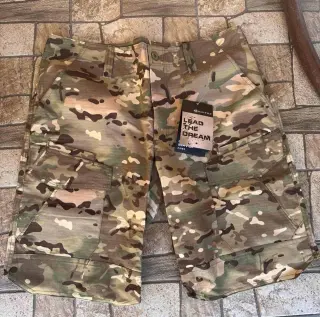
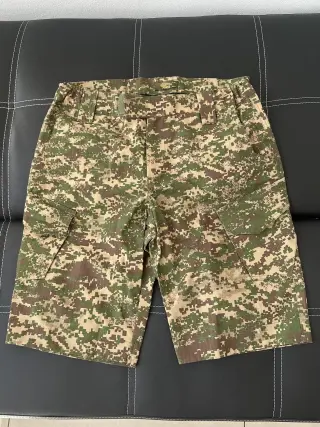
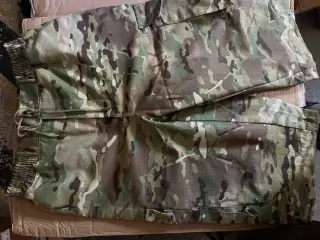
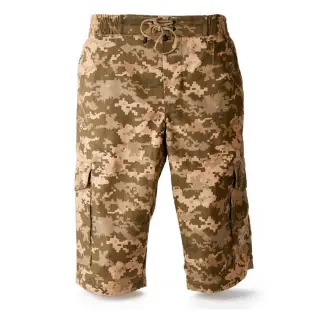
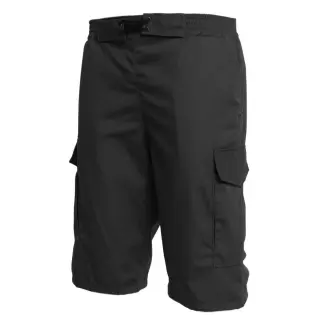
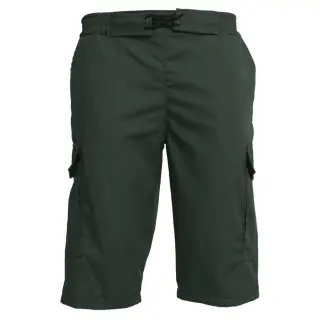
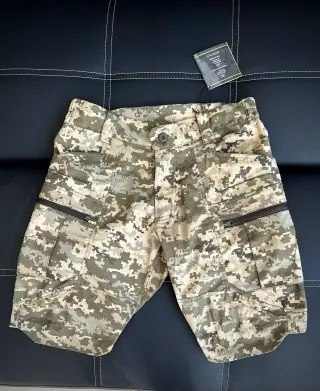
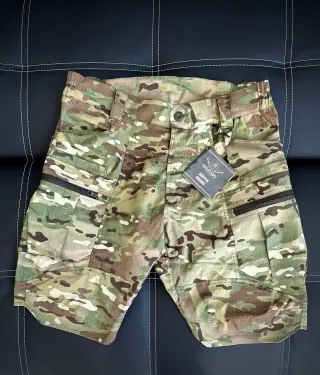
Camouflage is chosen for field conditions: MultiCam shorts suit most modern gear, while pixel tactical shorts go with the Ukrainian uniform. Solid colors are more versatile in the city: olive shorts and coyote shorts don't show dirt much, and black tactical shorts are easy to combine with any top.
Before washing, fasten the hook-and-loop and zippers, turn the shorts inside out and do not use bleach. Do not dry nylon and coated fabrics on a radiator or iron them with a hot iron — that way the coating keeps its properties longer.
If you need full leg protection, take a look at tactical pants, combat pants or lightweight summer pants, or go back to the pants and shorts section.
Frequently asked questions
How do tactical shorts differ from ordinary ones?
They have tougher fabric, more pockets and reinforced seams. They are made for a belt and active load, so they last longer in the field and in training. Ordinary shorts made of light fabric wear through faster and have no room for gear.
Which military shorts are better for hot weather — cotton or ripstop?
For hot weather, cotton or ripstop with a high share of cotton is the most comfortable. Pure cotton is softer, while ripstop is tougher and holds its shape better. For intense movement, pay attention to stretch nylon, which dries quickly.
What are cargo shorts?
These are shorts with large patch pockets on the thighs. This cut comes from military clothing and is handy when you need to carry things without a backpack.
How do I understand size 34 (L) or 30/32 S?
The first number is the waist circumference in inches, next to it is the letter equivalent. The size grids of different manufacturers differ, so check your measurements against the chart of the specific model. If you hesitate between two sizes, for shorts worn with a belt take the larger one.
Can tactical shorts be worn in the city?
Yes, especially solid-color models in subdued shades. They are practical for everyday wear, as they keep your phone and keys in closed pockets. For the city, people more often choose lighter stretch nylon or cotton.