Tactical Baseball Caps: Military Models and Mazepynka Caps
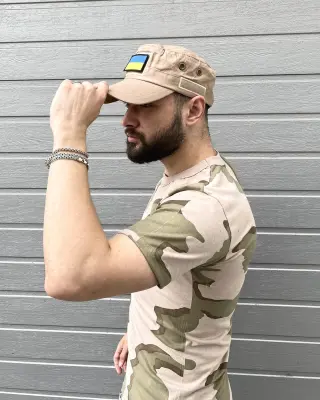
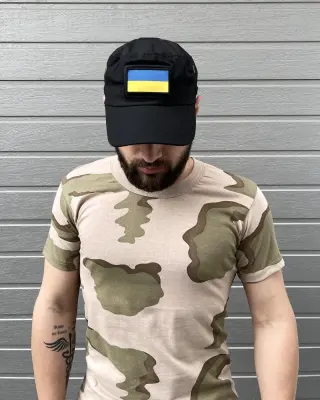
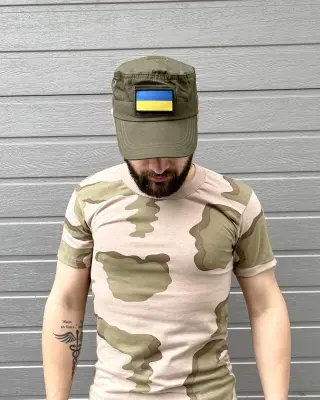
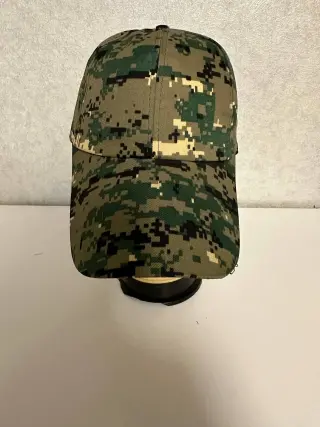



Tactical Baseball Cap: How to Choose a Cap for Service and Everyday Wear
A tactical baseball cap shields your eyes from the sun, holds patches in place and does not fall apart after a season of field wear. To make sure the cap does not pinch, blow off in the wind or fade within a month, decide on a few things in advance: style, fabric, construction details, color and size. Below is what affects each of these points and how to avoid a wrong choice.
Baseball Cap, Mazepynka or Newsboy Cap
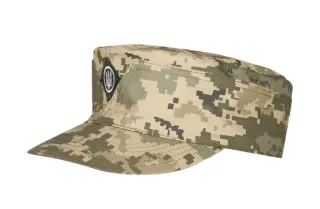
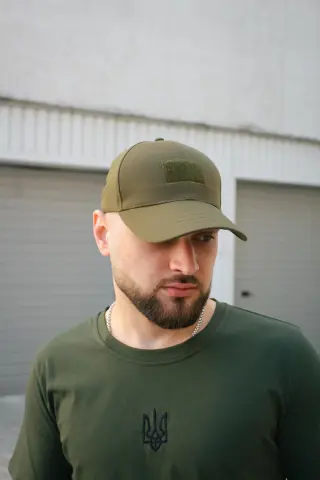
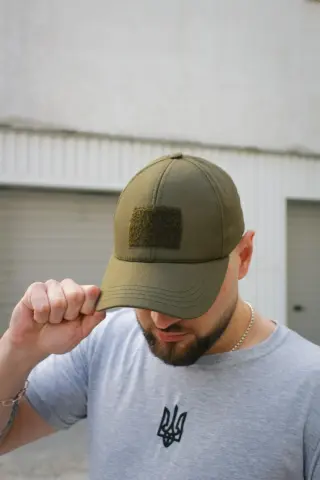
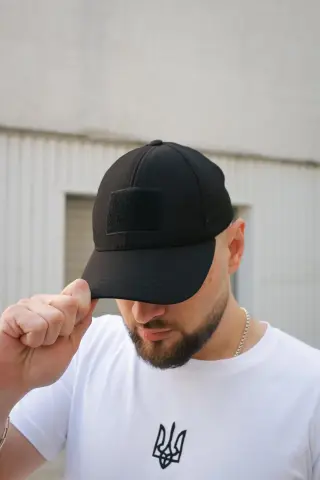
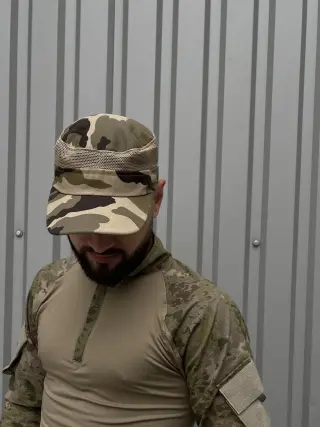
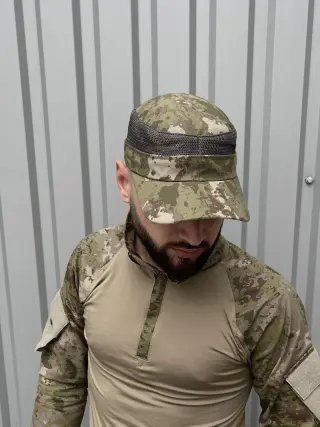
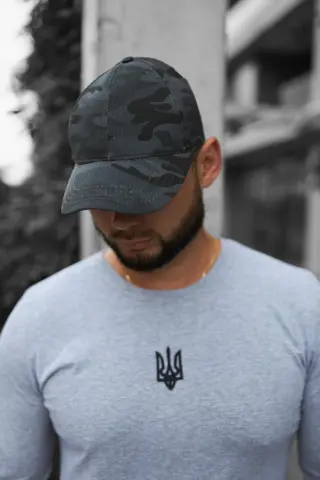
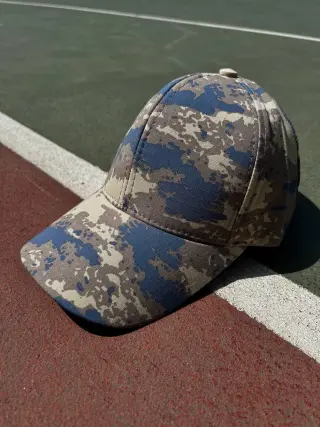
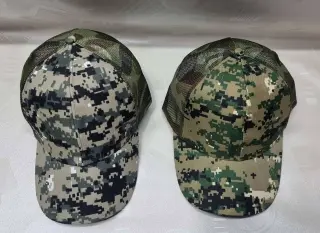
A classic military baseball cap has six panels, a soft or semi-rigid visor and an adjuster at the back. It is the most versatile option: it is worn on missions, at the training ground, in the rear and in the city, and patches can be attached to the front panel. That is why baseball caps make up most of the range.
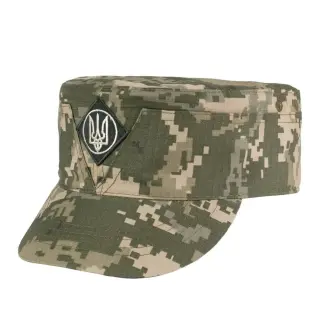
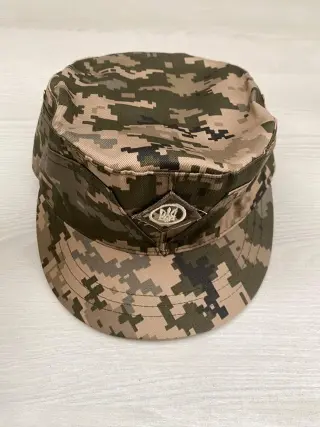
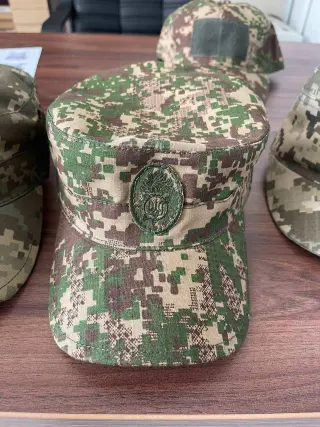
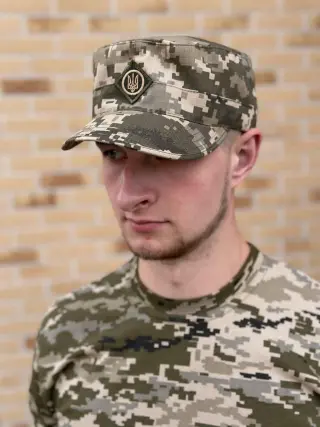
The mazepynka is a regulation headwear item with a rigid visor and a cockade on the front. It is chosen for formation events and everyday uniform wear, when meeting the requirements matters. There are cotton and ripstop versions, models with an embroidered coat of arms instead of a cockade, as well as a version for the National Guard in Khyzhak camo. We have collected them separately: mazepynka caps with a cockade.
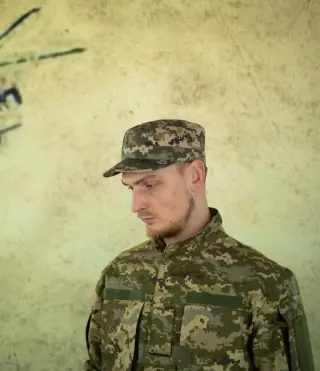
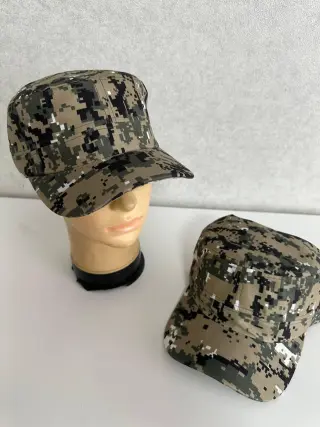
The newsboy cap (khuliganka) is a voluminous eight-panel model on a cotton lining. It is not about tactics but about style with a military character: it is worn in the city and combined with civilian clothing. The newsboy cap, the mazepynka and baseball caps in Ukrainian camouflage are easy to compare on the page of Khyzhak camo caps.
Fabric and Season
Ripstop is a fabric with a reinforcing grid of thicker threads, most often a cotton-polyester blend. If the fabric tears, the tear does not spread further, so ripstop copes well with friction from straps, branches and a helmet. It dries quickly and creases less, which makes it a practical choice for service. Cotton is softer and more pleasant against the skin, but it takes longer to dry and fades faster — it suits relaxed everyday wear.
There are insulated models for the cold season. For example, Helikon-Tex Winter Shark Skin combines a dense outer layer with microfleece inside, and MIL-TEC Softshell is made of softshell that protects from wind. Summer and winter caps from this brand are collected on the page of Helikon-Tex caps. If you need to cover your ears, an insulated cap will not replace tactical beanies.
Hook-and-Loop Panels, Mesh and Other Details
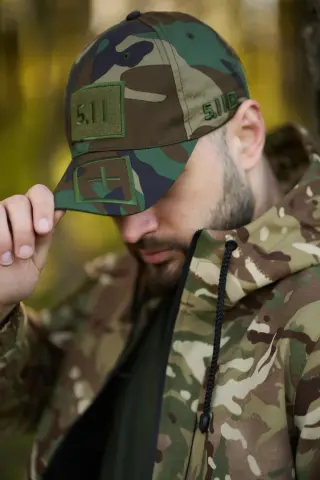
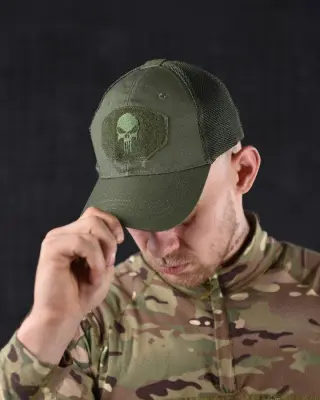
A cap with a hook-and-loop panel on the front lets you attach a unit patch, a flag or a blood type tag and swap them quickly. Models with three hook-and-loop panels have extra panels at the back and on the crown. Check that the hook-and-loop is sewn along the entire perimeter — otherwise the corners peel off and snag.
A mesh baseball cap, such as MIL-TEC Net or Helikon-Tex Baseball Mesh, is better ventilated in the heat. A similar role is played by perforation in some 5.11 logo caps and the vent holes in Helikon-Tex Baseball Vent. Note: in 4.5.0 caps the mesh is hidden under the visor and is needed for a snug fit, not for ventilation.
Crown depth affects how the cap stays on. A deep crown, as in 4.5.0, sits more securely in the wind and during movement, while a medium one looks more familiar. Models with cutouts for headphones let you wear active headsets without pushing the cap out of place. Options with different fits and fabrics can be found among 5.11 hook-and-loop caps and Pentagon baseball caps, for example Pentagon Tactical 2.0 and Raptor.
Which Color to Choose
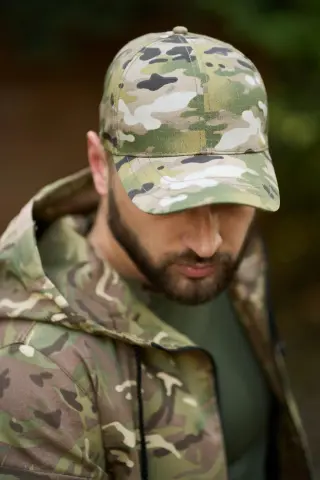
Choose the color to suit your uniform and conditions, not just your taste. Olive is the most versatile shade, matching both camouflage and civilian clothing: see olive caps. MultiCam tactical caps work for mixed terrain and go with most field kits.
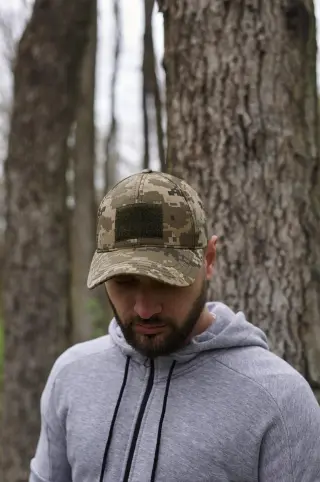
A cap in the regulation camouflage of the Armed Forces of Ukraine means MM-14 pixel caps, which include both baseball caps and mazepynka caps. For steppe and sandy areas, coyote color caps are a good fit. Black and navy models are worn by the police, rescuers and security services, while gray ones are handy in a civilian wardrobe.
How to Choose the Size
Baseball caps mostly have a hook-and-loop or strap adjuster and fit most heads. Some models are made in letter sizes — in that case the adjuster only fine-tunes the fit. If your head is large, check the adjustment range so that the cap does not sit on top of your head.
Mazepynka caps are usually not adjustable, so you need to know your size exactly. Measure your head with a measuring tape around the circumference across the forehead and the back of the head, and round fractional values up. If you wear the cap with a helmet liner or with a shorter or longer haircut, measure under the same conditions.
FAQ
Which cap is regulation in the Armed Forces of Ukraine?
The regulation headwear is the mazepynka in MM-14 pixel camouflage with a cockade. Baseball caps are widely worn in the field, but the wearing procedure is set by the unit command. So before buying, it is worth checking the requirements in your unit.
Can a tactical cap be washed in a washing machine?
It is better to wash it by hand in cool water with a gentle detergent. Machine washing can deform the visor, and exposed hook-and-loop snags the fabric. Dry the cap naturally, placing it on a jar or a rolled-up towel, and do not put it on a radiator.
Which tactical cap is best for summer?
For the heat, choose models with mesh, perforation or vent holes made of lightweight ripstop. Light shades, such as coyote or sand, heat up less in the sun. Dense cotton and insulated options will be unnecessary in summer.
Is a tactical baseball cap suitable with civilian clothing?
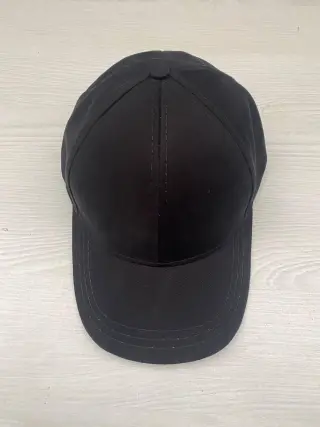
Yes, plain olive, gray or black models go well with an everyday wardrobe. Camouflage and patches suit a uniform better. A newsboy cap is also a good choice for the city.
Can a tactical cap be worn with headphones?
Yes, but a regular baseball cap lifts above the earcups and presses. Models with cutouts for headphones solve this problem: the earcups sit snugly and the cap stays in place.
Look for other types of headwear in the tactical headwear category. For a hot field, tactical boonie hats are handy, and for cold and wind — balaclavas. We deliver across Ukraine.