Tactical MultiCam Caps and Baseball Caps
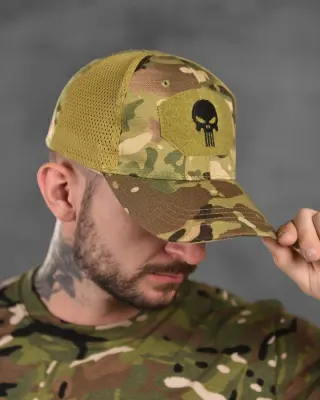
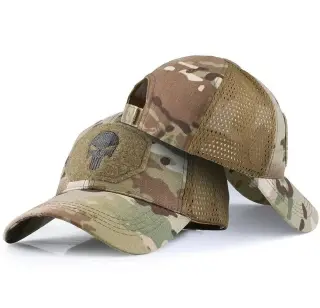
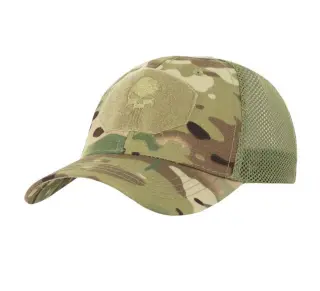
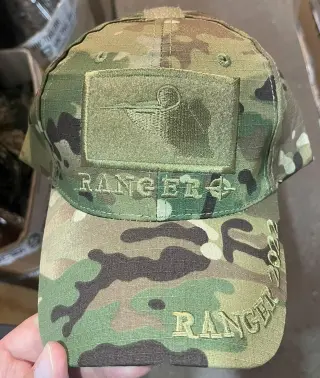



MultiCam Cap: How to Choose a Tactical Baseball Cap for Your Uniform
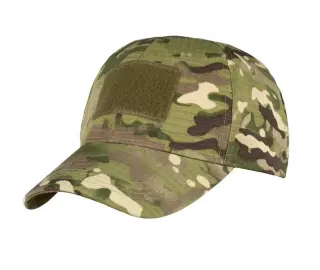
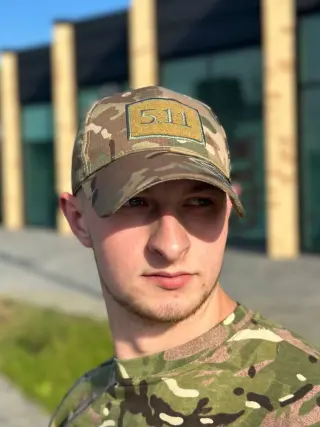
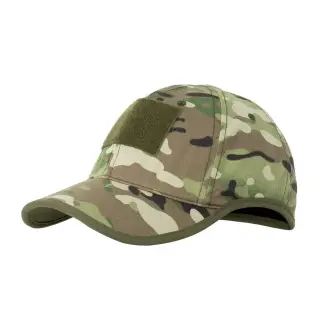
A tactical MultiCam cap is mainly for those who wear this camouflage: military personnel, volunteers, airsoft players, hunters and hikers. Headwear in the same pattern as your jacket and trousers does not stand out from your overall look or become the most noticeable detail. So the choice starts not with the style, but with how well the cap matches the rest of your gear and what tasks it has to handle.
Why the cap should match your uniform in shade
MultiCam is camouflage for mixed terrain, and its effect depends on the pattern looking consistent. However, manufacturers print it differently: some fabrics are warmer and yellower, others have a noticeable green or gray tint. If the cap clearly differs from your jacket, your head stands out as a spot, and that is exactly what an observer notices first.
So when choosing a MultiCam baseball cap, compare it with the uniform you wear most often, not with a photo of another set. Keep in mind that cotton fades faster than a polyester blend after frequent washing and sun, so a new cap may look brighter next to a worn uniform. If your uniform is in pixel or Khyzhak camo, a MultiCam cap will look out of place; it is better to look for headwear in the same camouflage.
Hook-and-loop, emblem, print or mesh: what you need
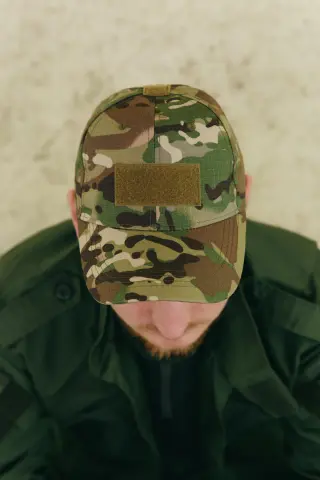
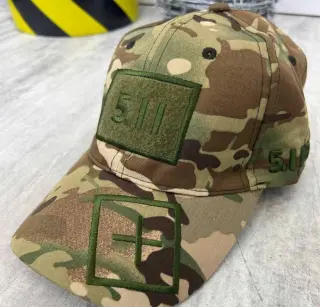
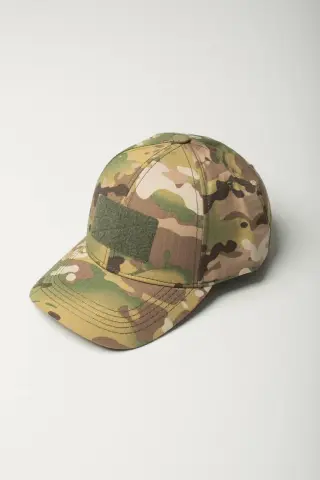
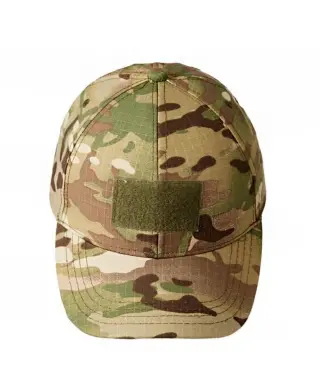
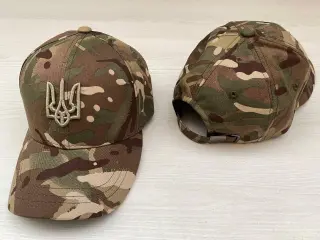
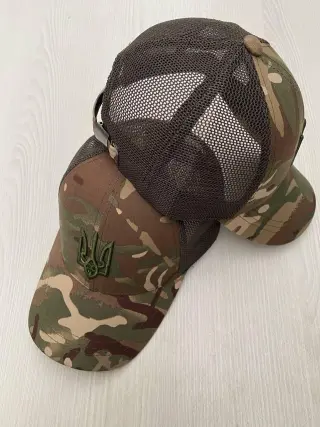
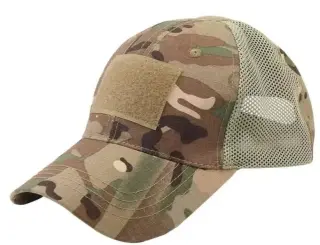
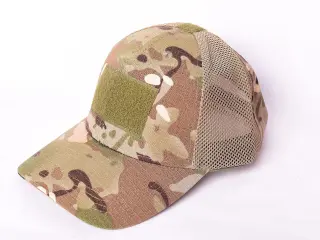
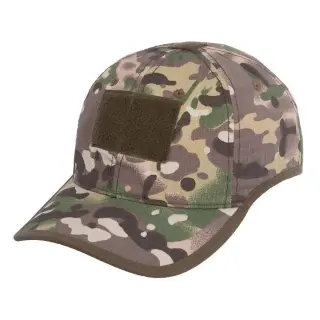
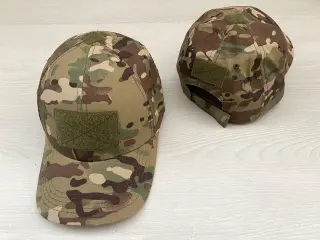
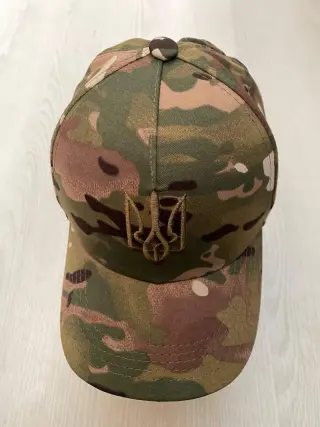
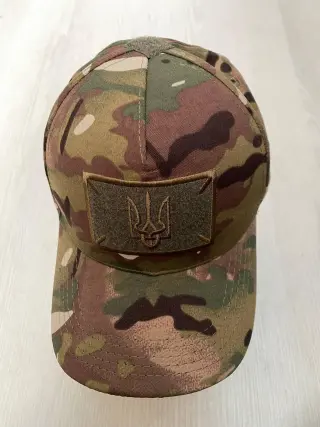
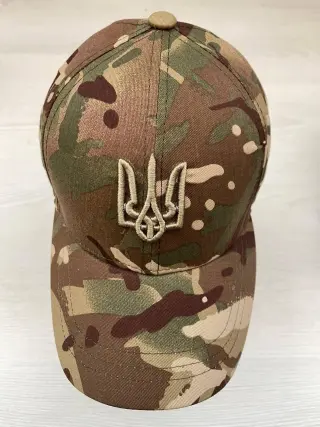
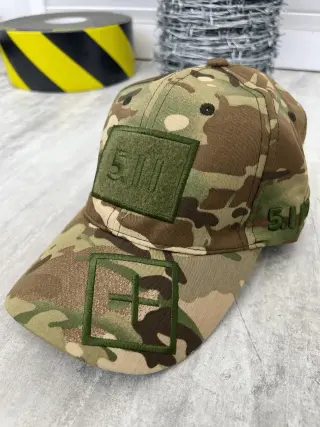
The most common option is a hook-and-loop panel on the front for a patch, a blood type patch or an identification mark. If you often swap patches or need to wear several marks at once, look at models with two or three hook-and-loop panels: for example, a rip-stop cap with three panels has them on the front, back and top, so the mark is visible from different sides. An embroidered coat of arms or trident, by contrast, cannot be removed; it suits those who do not plan to change anything.
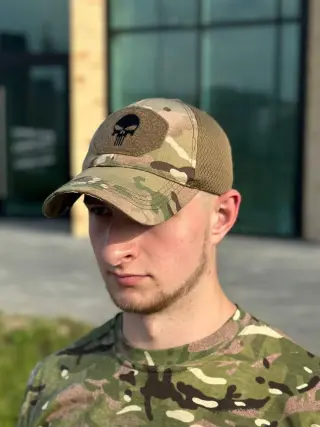
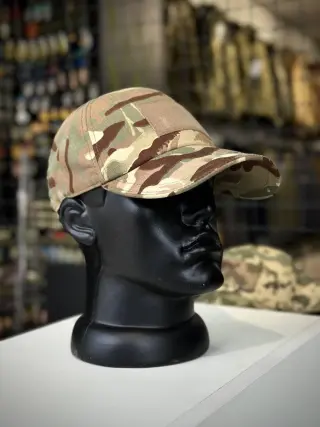
A print or a Karatel patch is decoration, not a separate brand, so judge such models by fabric and fit like any other. A mesh insert lets moisture out much better in the heat and during exertion, but protects less from wind. Twill caps with cutouts for headphones deserve a separate mention: they fit more snugly with active ear protection and do not press on the ears, which is useful for shooters and anyone working long hours in a headset.
Fabric, fit and size
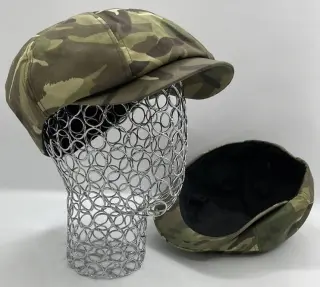
Thanks to its reinforcing weave, rip-stop stops a small tear from spreading, so it withstands bushes, backpack straps and frequent washing. Pure cotton is gentler on the skin and breathes better, but dries slower and loses color faster. Twill is denser and holds the shape of the visor. Models like the 4.5.0 with a deep fit stay on more securely in wind and when moving, while a cotton-lined newsboy cap has a completely different silhouette, closer to casual style than to regulation wear.
Most baseball caps adjust with a hook-and-loop strap at the back, but some models come in fixed sizes, from S to XL or by head circumference in centimeters. Before buying, measure your head with a tape just above the eyebrows and compare it with the model's size chart. If you wear the cap under headphones or a hood, choose a size without extra room, because excess fabric bunches up and chafes.
If MultiCam does not suit you, see tactical baseball caps in other colors.
FAQ
Is a MultiCam cap appropriate in the city?
Yes, but it immediately reads as a military item. For everyday wear, choose models without large patches and with a moderate number of hook-and-loop panels. Camouflage does not conceal in the city, so here it is more a matter of style or matching a uniform.
How does a newsboy cap differ from a baseball cap?
A newsboy cap has a full, rounded crown sewn from eight panels and a short visor, while a baseball cap has six panels and a longer visor. A baseball cap shades the eyes better and has room for patches, while a newsboy cap is more compact and closer to everyday style.
How much does a tactical MultiCam baseball cap cost?
Prices range from 260 to 1 070 UAH. The cost depends on fabric, number of hook-and-loop panels, embroidery and cut details such as headphone cutouts or a deep fit.