Military uniform: UBACS shirt, field jacket and trousers in one set
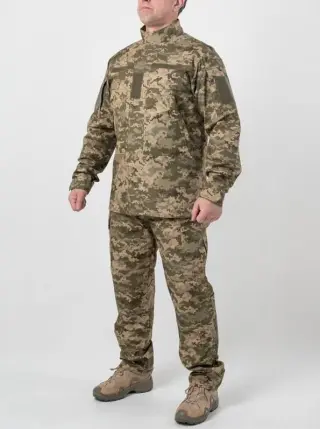
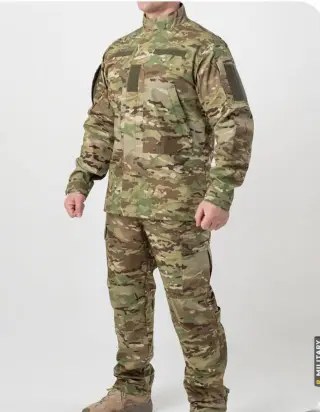
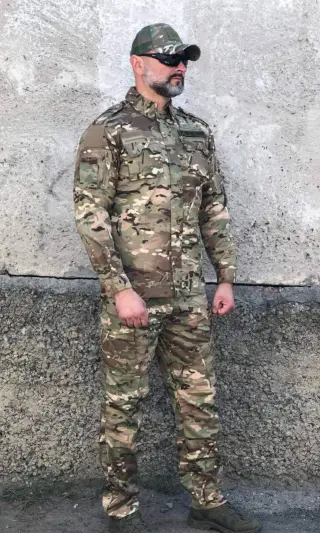
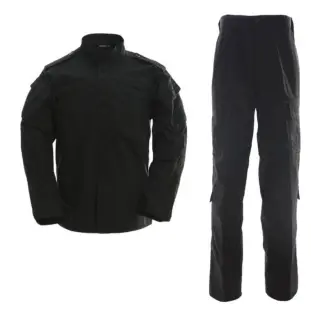
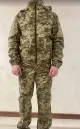
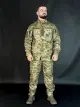

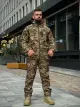
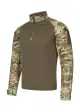


Military uniform: what to check before you buy
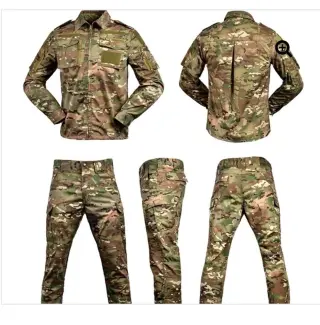
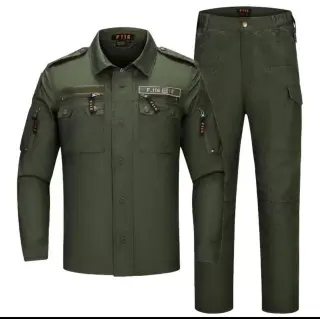
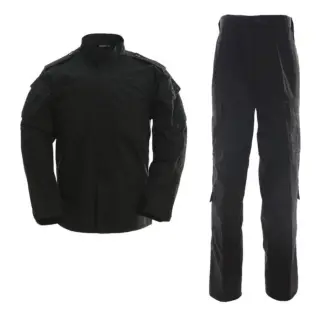
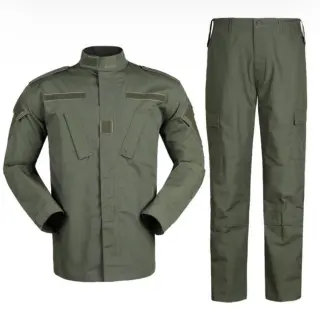
A military uniform is a top and trousers in the same camouflage and with the same cut logic, so you don't have to match the pieces separately. Choosing starts with three questions: will you wear body armor or a plate carrier over it, in what season and on what terrain, and do you need knee protection. The answers determine the type of top, the fabric, the camouflage pattern and the trousers variant. Below is how to avoid mistakes with each point.
UBACS or field jacket: which top to choose
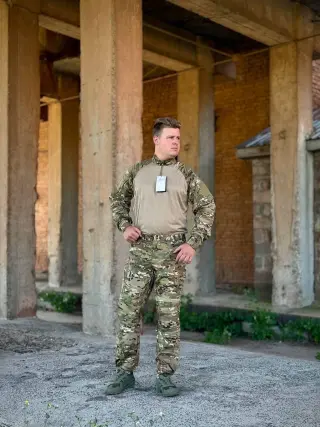
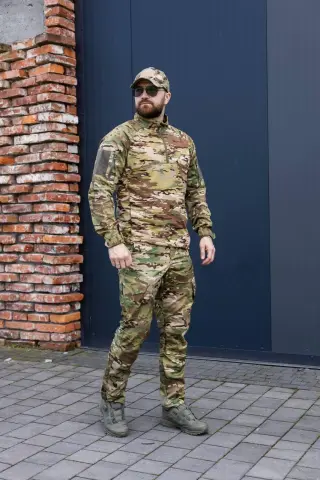
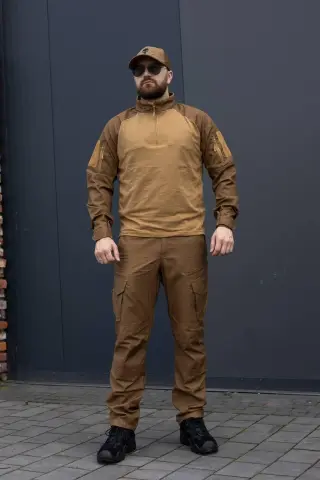
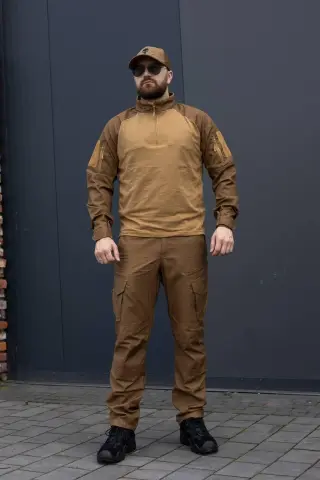
The UBACS is a combat shirt with a body made of thin knit fabric and sleeves and shoulders made of durable fabric. Under a plate carrier the torso is covered, so ventilation matters: the knit wicks away moisture and doesn't chafe under the straps. The sleeves have pockets and Velcro panels for patches, and the stand-up collar protects your neck from equipment rubbing. A tactical UBACS + trousers suit is the most practical choice for anyone who wears body armor all the time.
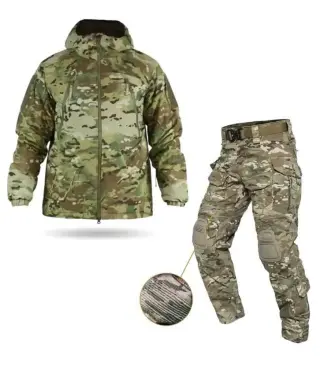
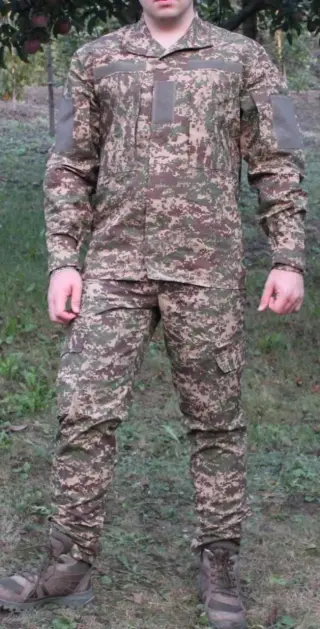
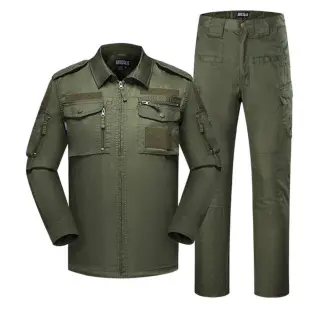
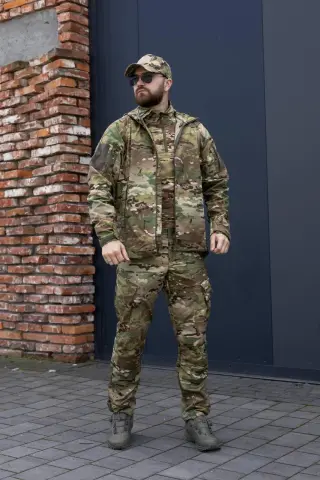
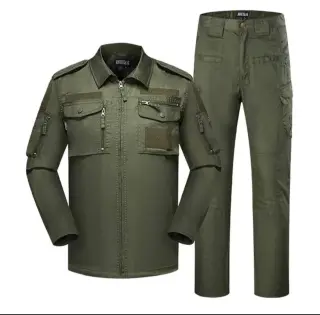
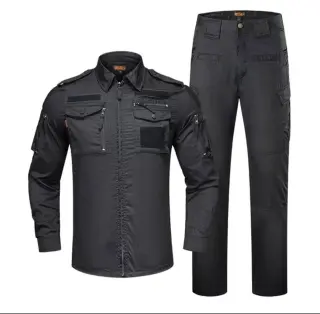
The field jacket is a shirt-jacket made of fabric all over the body, with a zip fastening under a wind flap and pockets on the chest and sleeves. It holds off wind better and protects against scratches when you are without body armor: during training, on duty, at the range. A field uniform of jacket + trousers in pixel MM-14 or olive is also made as a regulation uniform — it is chosen where a uniform by the rules is required.
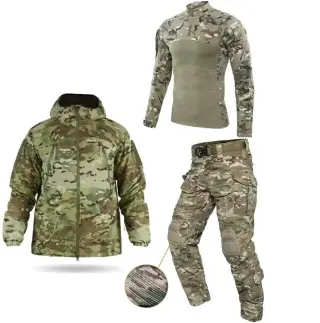
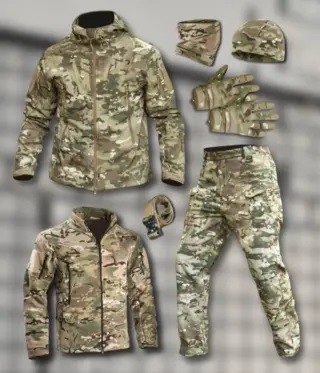
The most versatile option is a jacket + UBACS + trousers set: the UBACS under body armor in the heat, the jacket on top when it is cool or at the base. Regulation sets in Multicam and pixel are put together this way, among others.
Seasonality: when you need a jacket
A basic ripstop uniform is for summer and between seasons; for cold weather it is complemented with a jacket, and some sets already include one. The classic is an M-65 jacket or parka with a hood that fits over a helmet and adjustable cuffs: this is the outer layer for autumn. Insulated jackets such as the fleece-lined HAN WILD G8 or the IDOGEAR model with Omni-Heat are designed for cold weather. A softshell jacket with a fleece top gives a layering system: you take the fleece off while moving and put it on at a halt.
If you need a uniform specifically for the cold season, take a look at winter tactical suits; for mild weather, softshell suits; and for the heat, summer tactical suits and uniforms made of lighter fabrics.
Camouflage and fabric
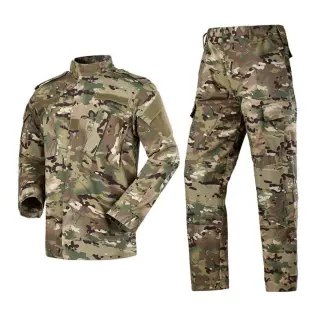
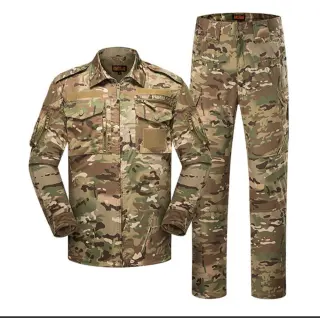
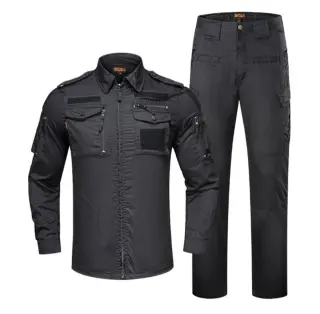
A Multicam uniform combines green, brown, beige and khaki, so it works both in the forest and in open terrain, and it also pairs easily with other gear. Pixel MM-14 is the standard Ukrainian camouflage. Hunter camo conceals well in summer greenery, olive and coyote are solid colors and universal, while black, blue and gray are intended for security, the State Emergency Service and the city, not for the field.
The main fabric is ripstop: a square weave with a reinforced thread that stops a tear from spreading. Poly-cotton, a blend of cotton and polyester, is nicer against the body and builds up less static, while synthetic ripstop is lighter and dries faster. You will also find twill — dense and soft, with a diagonal rib — and greta for everyday wear. In trousers, look for stretch panels at the back and a reinforced crotch area: that is where a uniform tears first when you squat.
Knee pads: built-in, insertable or none
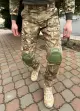
Trousers with knee pads have protective inserts in pockets on the knees, and in many models they can be removed before washing. The protection is always in place and doesn't slide down like strap-on knee pads.
Knee pad pockets are a typical solution for the regulation uniform: the inserts are bought separately and chosen by stiffness. Trousers without protection or with reinforced knees suit service without crawling and those who wear external knee pads. If you often work from a knee or lying down, choose the built-in protection option, and elbow pads in the UBACS sleeves will be a useful addition.
How to choose the size
Sizes are labeled in different ways: letters from XS to 4XL, the local scale from 44 to 66, or, for trousers, a fraction such as 32/34 — waist circumference and inseam length in inches. So go not by your usual size but by the size chart of the specific model: measure your chest, waist and hip circumference, as well as your height.
A uniform is not worn against bare skin: in winter you put thermal underwear and fleece under it, in summer a plate carrier goes over it. If you are between sizes, take the larger one: a tight jacket restricts your arms, and short trousers ride up when you sit. Check the fit in full kit — sit, squat, raise your arms. For a non-standard build, look for big-size models and small sizes.
For other clothing sets, see the sets category, for a wider choice, tactical suits, and for mountains and reconnaissance, Gorka suits and camouflage suits.
Frequently asked questions
How does a tactical suit differ from a regulation uniform?
The regulation uniform is made to the technical specifications of the Ministry of Defense: a defined cut and colors, pockets for insertable knee pads. Tactical suits are freer in design — other camouflage patterns, built-in knee pads, stretch panels. For service where the uniform is checked, take the regulation one.
How do you wash a military uniform?
By hand or in a machine on a delicate cycle in cool water, turned inside out with the Velcro fastened. Do not use bleach or fabric softeners: they destroy the water-repellent finish and change the shade of the camouflage. Dry it laid flat, without a radiator or tumble dryer, and take the knee pads out before washing.
How much does a military uniform cost?
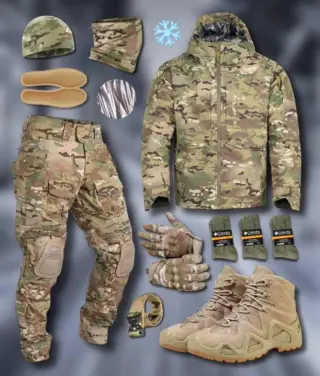
Prices range from 1 650 to 9 130 UAH. Two-piece sets without knee pads are cheaper, while sets with an insulated jacket, boots and accessories cost more. We deliver across Ukraine.
Does a military uniform shrink after washing?
Poly-cotton may shrink slightly after the first few washes, while synthetic fabrics barely change size. So don't take a uniform with cotton in the blend in a snug fit. Washing in warm water and drying on a radiator increase shrinkage.