Olive Tactical Jacket for Transitional Weather
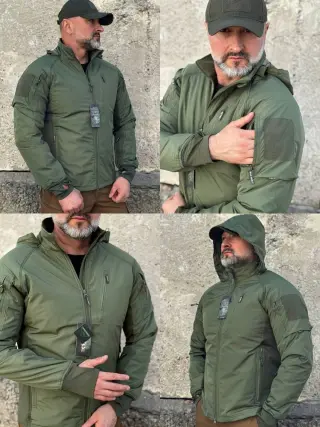
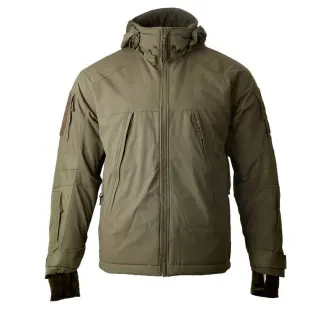
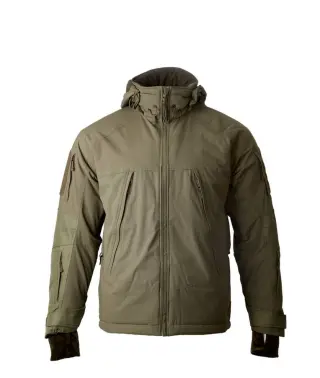
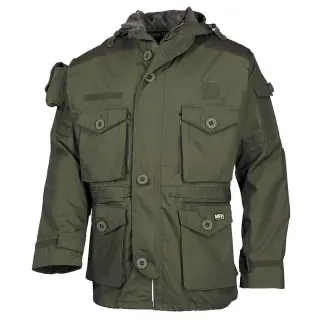
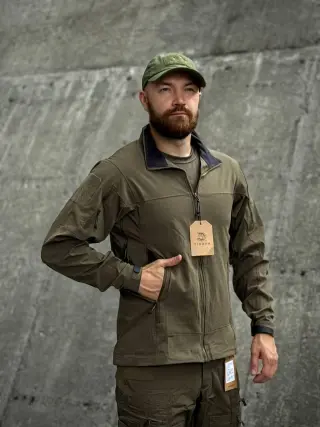
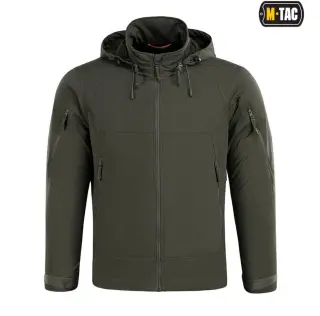
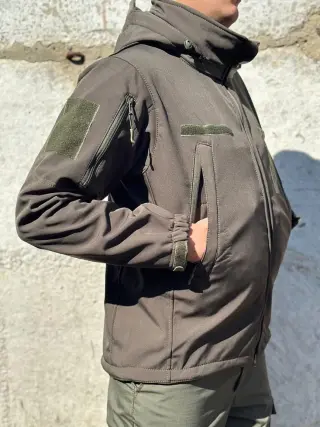
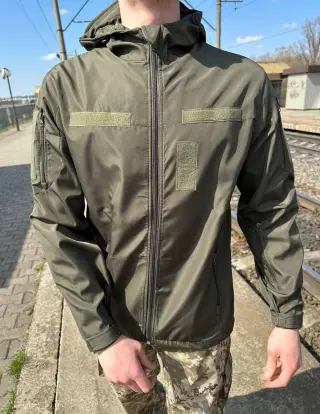
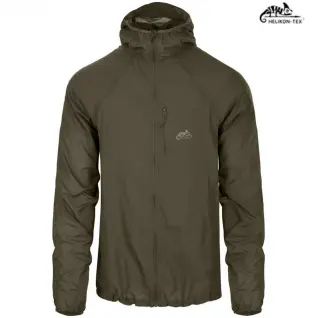
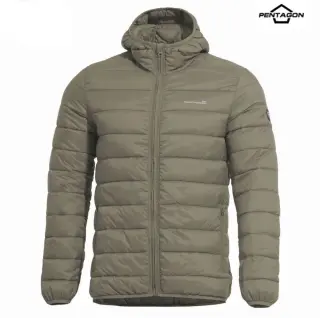
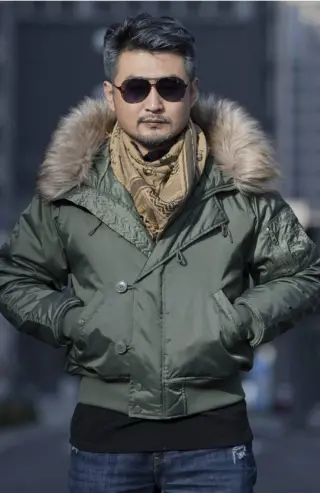
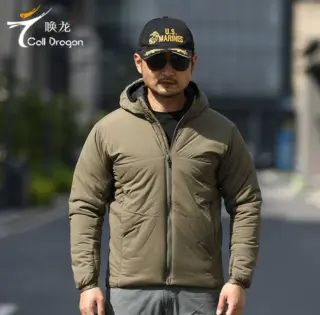
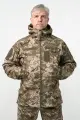

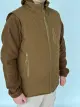


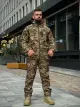
Olive tactical jacket: who it suits
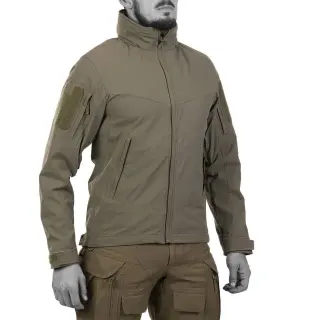
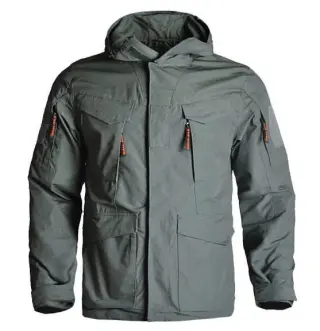
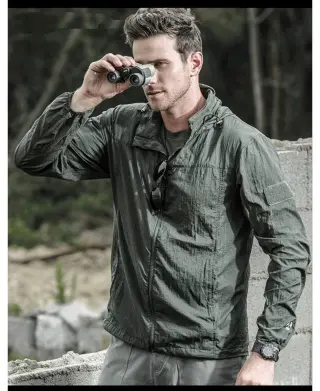
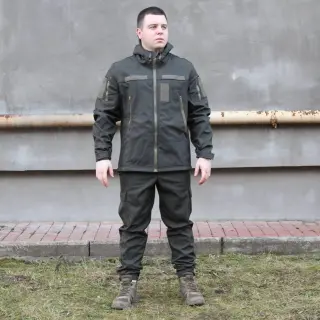
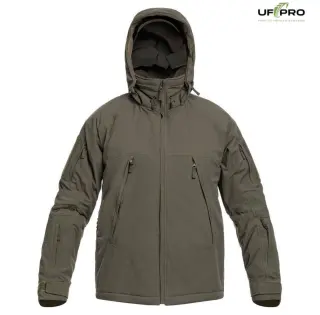
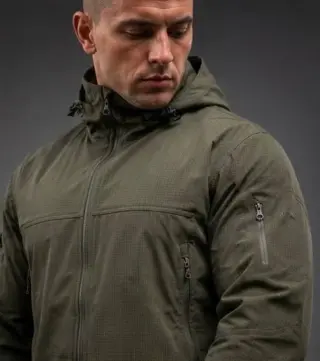
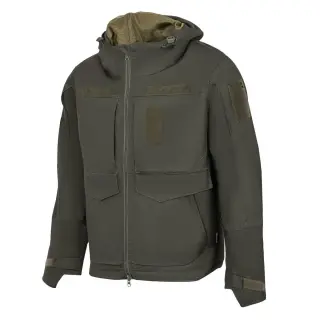
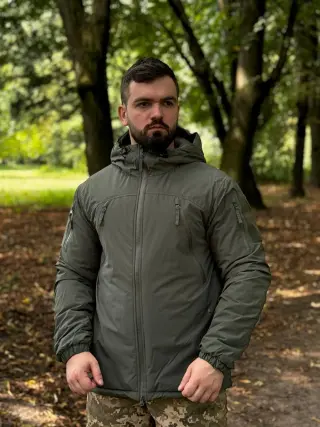
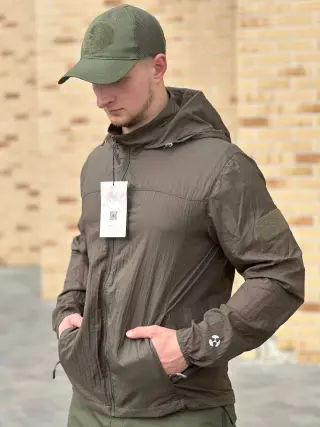
Olive is the choice for those who need one jacket for the whole transitional season: for duty, the training ground, travel and everyday wear. Olive doesn't stand out in the city, looks natural in a green forest and pairs easily with most tactical pants. However, this color has its nuances worth knowing before you buy: the shade differs noticeably from one manufacturer to another, and the fabric can fade over time.
Why olive looks different from brand to brand
There is no single standard for olive, and every manufacturer has its own name for the shade. At UF PRO it is Ranger Green, a deep gray-green tone, at Helikon-Tex it is Taiga Green, slightly cooler and darker, and at M-Tac it is Army Olive, closer to classic army khaki. Dark olive stands apart, as in the Pentagon Aurora Hood or Helikon-Tex Covert: it leans toward a brown, swampy side and almost blends with dark gray in the shade.
So if you are putting together a set, the simplest approach is to take the jacket and pants from the same brand, or at least in the same named shade. If you already have the pants, compare the colors in daylight rather than under a lamp: artificial lighting hides the difference that then catches the eye outdoors. A slight mismatch between jacket and pants looks natural, but a green jacket with brownish pants already looks like a random assortment.
Where olive works and what to wear it with
In the field, an olive military jacket works best in the green season: forest, tree lines, grass. In late autumn, on dry steppe or among bare trees, it becomes more noticeable, so for field tasks in that period people more often choose camouflage. On the other hand, as a basic solid-color layer olive is versatile: no pattern needs to be matched to it, and patches and pouches look neat against its background.
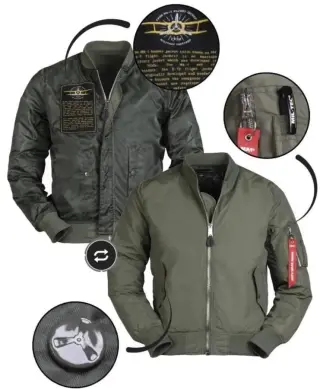
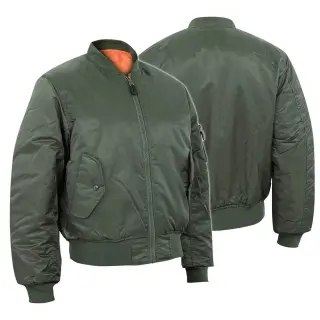
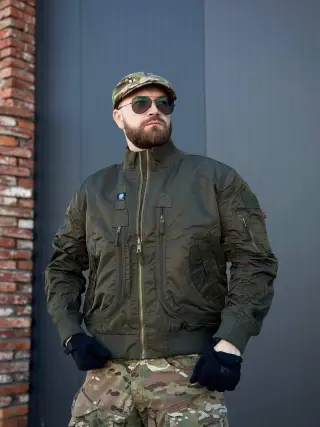
In the city, an olive jacket, especially a bomber like the Mil-Tec MA-1 Flyers or the classic M-65, is perceived as ordinary military-style outerwear. It is easy to combine with jeans, cargo pants, coyote or black pants, as well as with boots or sneakers in muted shades. If you need a solid-color piece for every day rather than camouflage, olive is one of the least demanding colors.
How to keep the color longer
Olive, like any saturated green, fades over time in the sun and from frequent washing, most noticeably on the shoulders, hood and cuffs. Synthetics — nylon, softshell, polyester ripstop — hold color better, while cotton and blended fabrics lighten faster, but evenly, and take on a worn field look.
To keep the shade even, wash the jacket inside out, in cool water, with a detergent for colored items and without bleach. Dry it in the shade, not on a radiator or in direct sunlight. If you buy a set, wash the jacket and pants together — then they will fade the same way and won't drift apart in tone.
If you haven't decided on a color yet, browse all transitional jackets — there are black, camouflage and other options there.
Frequently asked questions
Are olive and khaki the same thing?
Not exactly, but close. Khaki is a broader concept, covering both sandy-green and brownish-green tones, while olive is a more specific shade of green. So when searching for a tactical khaki jacket, you will mostly come across olive from various manufacturers.
Can an olive jacket be worn with Multicam pants?
Yes, it is one of the most common combinations. Olive matches the green patches of Multicam, so the set looks cohesive. Medium and dark shades of olive work better; a lighter one can look too yellow next to the camouflage.
Will an olive jacket work with patches and load-bearing gear?
Yes, patches read well on a solid background, and many models, such as the Hunter or softshell jackets, have hook-and-loop panels on the sleeves. Olive or coyote vests and pouches look natural with such a jacket, while black gear contrasts more noticeably.