Summer Tactical Gloves: Lightweight Models for Warm Weather
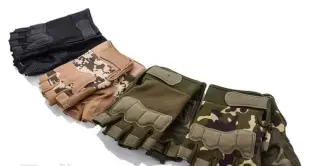
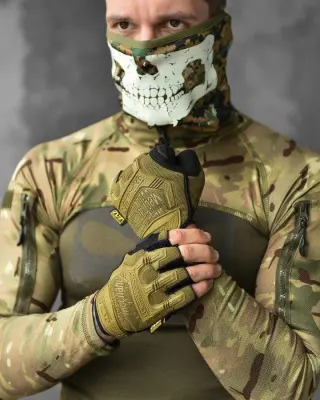
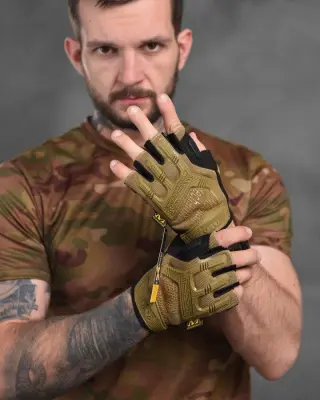
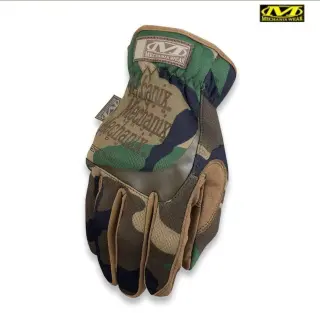
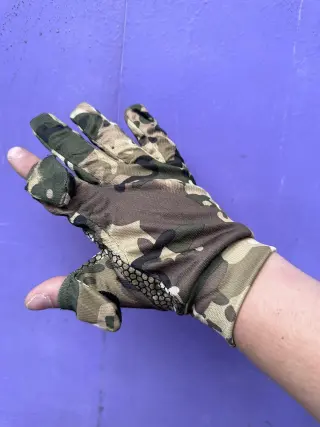
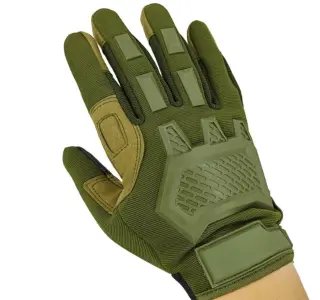
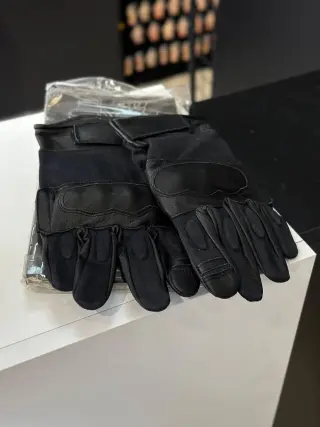
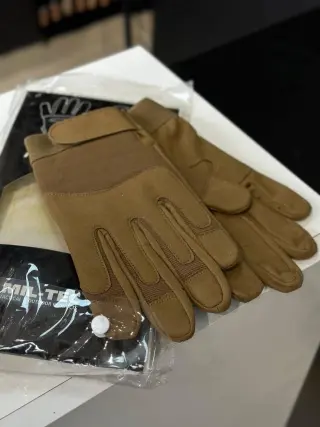
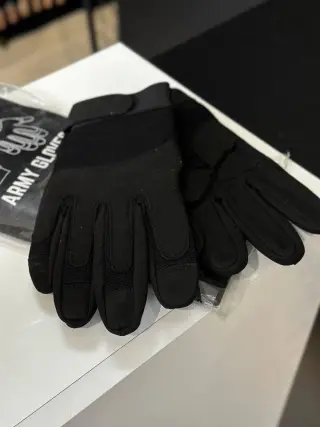
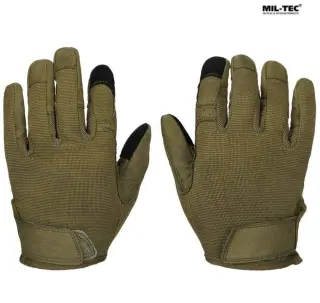
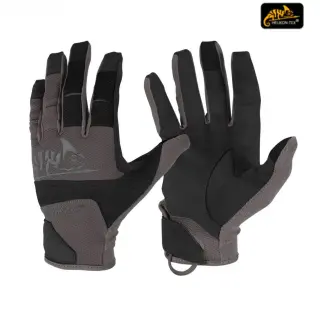
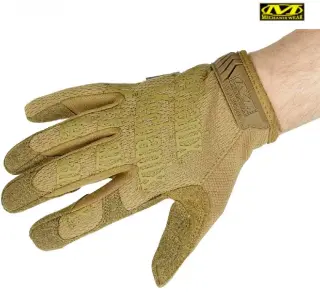
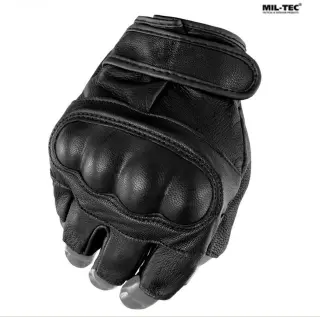
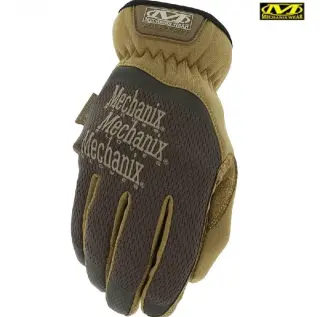







Summer Tactical Gloves: Lightness and Precise Movement
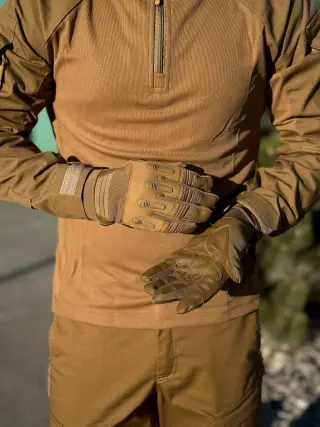
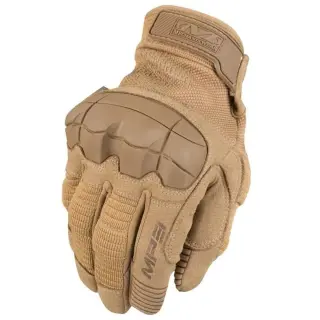
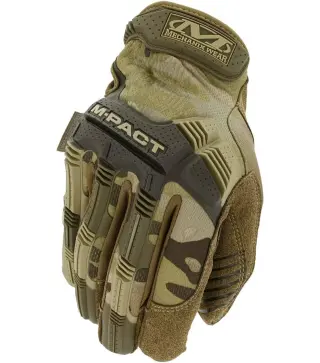
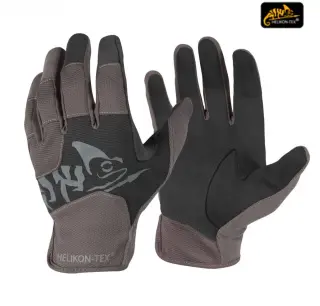
Summer tactical gloves are made without insulation. These are thin models for warm weather that protect your palms from chafing, calluses, and scratches, yet still let you feel the trigger, a carabiner, or a small tool. They are chosen for service and the training ground, for shooting practice, and for work with equipment, ropes, and cargo. What mainly sets such gloves apart from winter ones is fingertip sensitivity: a thin palm lets you work without taking the gloves off. Prices range from 310 to 2 780 UAH.
Full-Finger or Fingerless: What to Choose for Summer
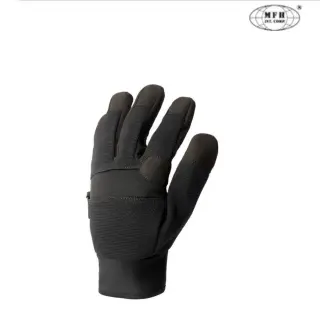
Full-finger gloves cover the whole hand, so they also protect your fingertips from hot metal, rough rope, stones, and debris. This is the option for those who work a lot with their hands: loading, repairing equipment, moving over rough terrain. The downside is that your fingers feel small objects less well, and in hot weather a hand in a closed glove sweats more.
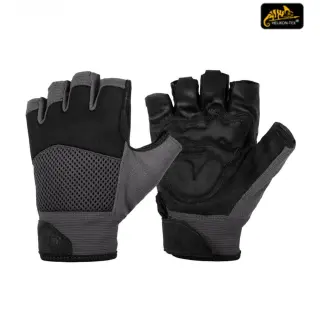
Fingerless gloves, such as the Helikon-Tex Half Finger Mk2, leave the fingertips exposed. This makes it easier to load a magazine, work with small hardware, a phone, or a radio, and the hand ventilates better. However, the exposed fingertips have no protection, so this type is less suitable for heavy physical work.
A compromise option is gloves with flip-back fingers: the fingertips open only when you need precision, and the rest of the time your fingers stay covered.
Knuckle Protection: Soft or Hard
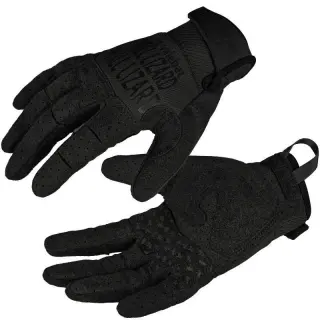
Knuckle guards come in two kinds. Soft ones, made of rubber or foam inserts, cushion impacts against armor, doors, or weapons and hardly restrict hand flexion. Hard and molded guards made of plastic or thermoplastic rubber distribute a strong impact better, so they are chosen for assault operations and for work in vehicles and rubble.
At the same time, a hard guard makes the glove stiffer and bulkier, and the hand under it gets hotter. For example, the description of the MoG Target High Abrasion ErgoShield lists molded thermoplastic rubber inserts on the knuckles and fingers: such protection is more reliable, but for range shooting or everyday wear it is often excessive. If you mostly work with weapons and gear and rarely risk hitting your hand, soft protection will be more comfortable.
Materials, Ventilation, and Fit
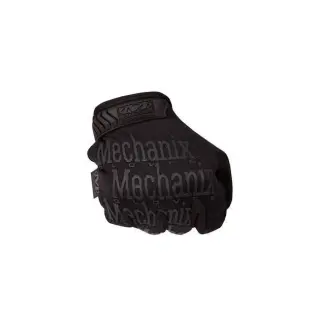
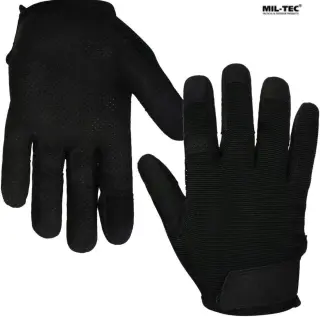
The palm of summer gloves is usually made of synthetic leather or suede: they grip the rifle's forend and tools well and wear through more slowly. The back is made of stretch fabric that moves with the hand. Some models have additional ventilation: the description of the Mechanix Original mentions a back made of TrekDry material, the MIL-TEC Army has a vented construction, and the Pentagon Duty Mechanic has breathable inserts and reinforced pads on the palms and fingers for working with tools.
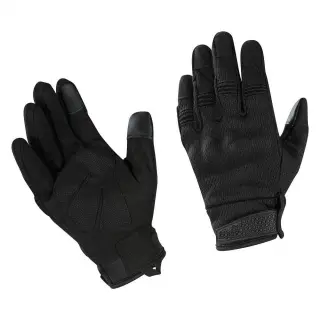
Choose a summer glove that fits snugly on the hand: excess fabric at the fingertips bunches into folds, gets in the way of pressing the trigger, and rubs the skin. Don't buy a size "to grow into", since the stretch back will loosen slightly over time anyway. A hook-and-loop cuff secures the glove at the wrist so it doesn't slip off. If you use a smartphone or tablet, look for touchscreen fingertips — then you won't have to take the glove off for a single message.
Frequently Asked Questions
Are summer tactical gloves suitable for autumn?
Only for dry, warm days. They have no insulation, so in cold and rain your hands will quickly freeze. For cold weather, look at insulated models among the other tactical gloves.
Does a touchscreen work with any gloves?
No, only with models that have touchscreen fingertips. Ordinary fabric or synthetic leather does not transmit touch to the screen, so it does not respond or works intermittently. If you have to use your phone constantly, fingerless gloves are a convenient alternative.
How do I care for summer gloves?
Wash them more often than winter ones: sweat and dust gradually destroy the material. Follow the instructions on the label and dry the gloves naturally, away from radiators and direct sunlight, because overheating makes synthetic leather and suede stiff and prone to cracking. For intensive service, it is worth having a spare pair.