Winter tactical gloves: fur-lined, fleece and Thinsulate







Winter tactical gloves: how to choose a warm pair for service
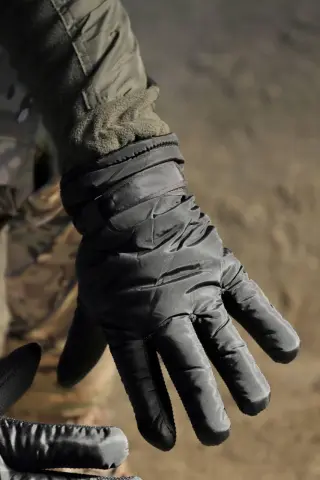
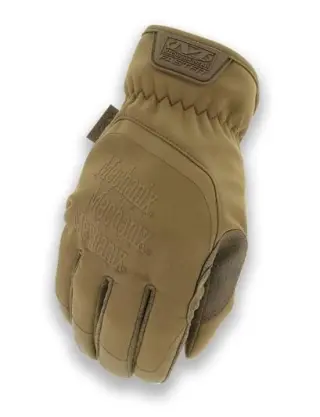
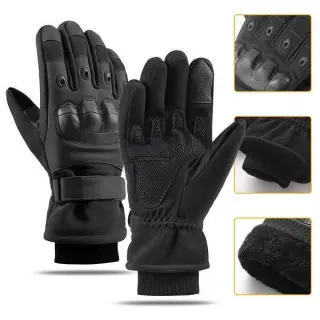
Winter tactical gloves are needed by anyone who spends long hours outdoors in the cold: on guard duty, on the road, at a training ground or while working around vehicles. What sets them apart from ordinary warm gloves are palm pads for a secure grip and, often, knuckle protection and touchscreen fingertips. The main thing when choosing is to find a balance between warmth and how freely your fingers move, because a pair that is too thick gets in the way when handling gear.
What winter tactical gloves are insulated with
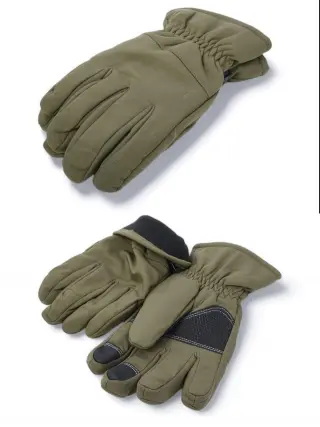
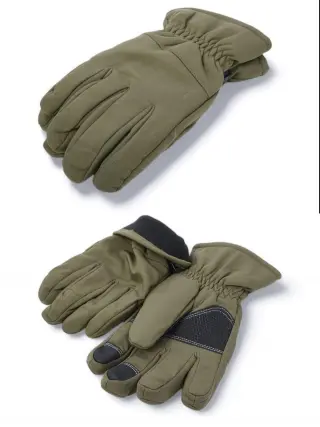
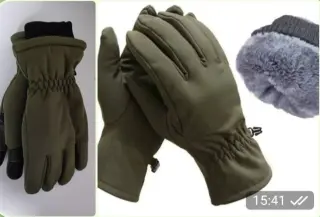
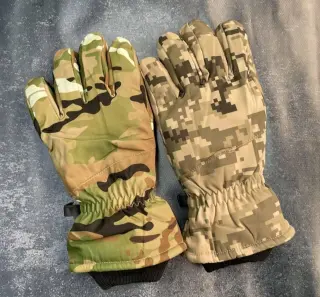
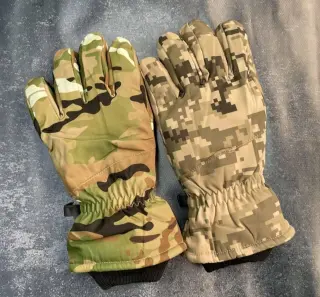
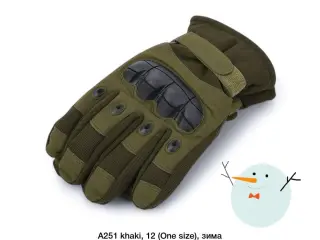
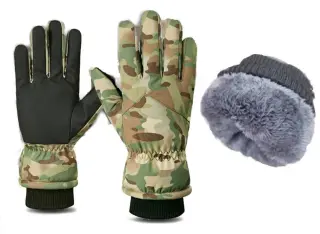
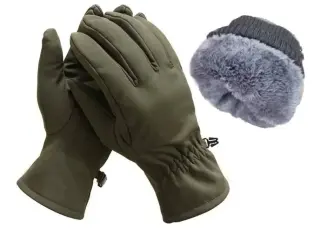
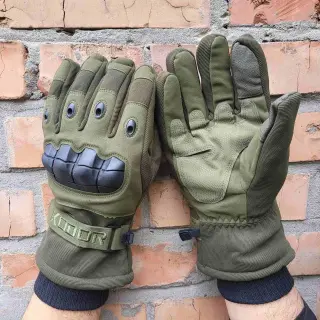
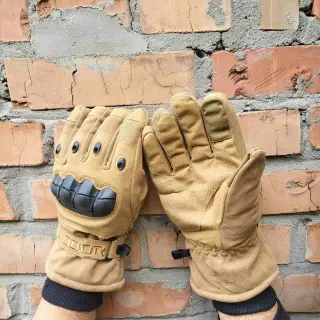
The most common option is a fur lining under a softshell or coated nylon outer. Fur holds heat well when your hands stay still for a long time, for example on duty, and the description of the A5 model specifies double fur. The downside of this lining is bulk: the fingers bend less easily, and wet fur takes a long time to dry, so a spare pair of such gloves is never a bad idea.
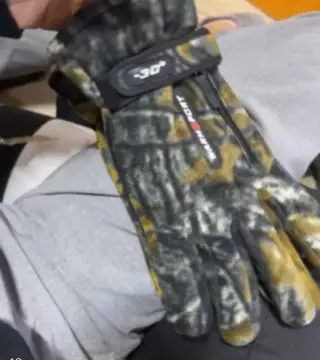
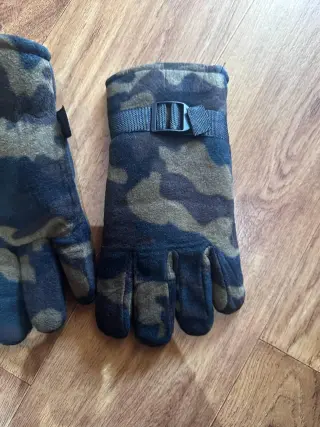
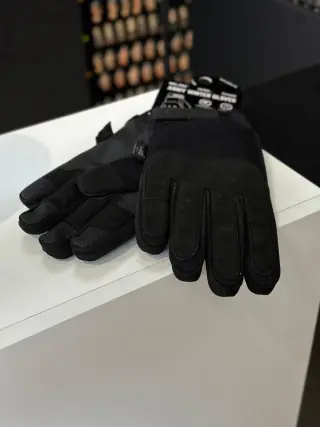
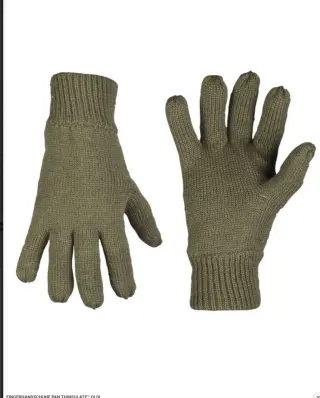
Fleece is thinner and lighter than fur, and fleece-lined gloves are more convenient for active work, but they keep you less warm when your hands are still. Thinsulate insulation is used, in particular, in MIL-TEC Army Winter and MFH Fleece: a thin layer retains heat without extra thickness, so the fingers stay more mobile. The description of MIL-TEC Army Winter also mentions, besides the insulation, the HiPora membrane, which protects against wind and moisture.
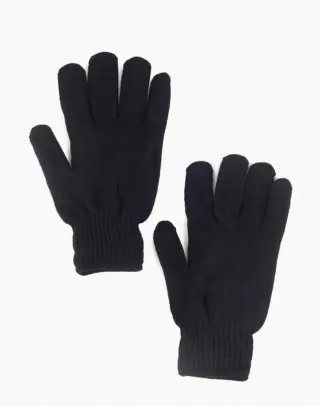
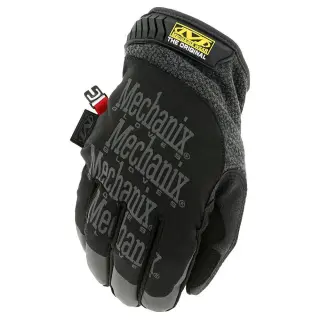
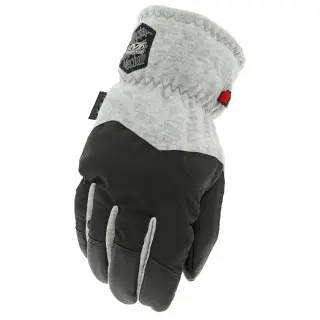
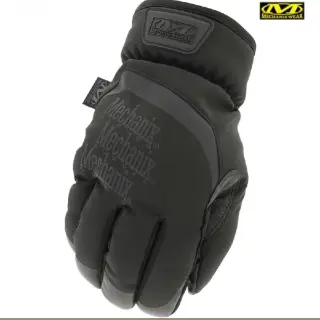
Pay attention to the outer fabric too. Coated nylon and softshell are denser and let less wind through, leather is more resistant to abrasion, and knitted fabric feels pleasant to the touch but lets the wind through, so knitted pairs are better suited to calm conditions or as an inner layer.
Mittens or gloves with fingers
Fur-lined mittens are warmer than full-finger gloves with the same insulation: the fingers warm each other. That is why they are chosen for long static tasks — standing guard, waiting, travelling in cold transport. But pulling a trigger, fastening a buckle or untying a knot in a mitten is difficult, and you have to take it off exactly when your hands are getting coldest.
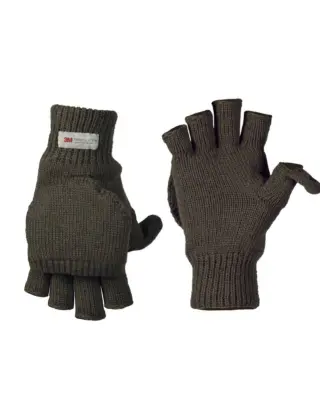
A compromise option is convertible gloves with a flip-back mitten cover: while you wait, your fingers stay under the flap, and for fine work you flip it back. A typical mistake is to buy only mittens if you constantly work with a weapon or equipment. If your hands are busy all the time, choose full-finger models and keep mittens as an additional pair.
How to keep your fingers sensitive
The first thing that determines finger feel is fit. Winter gloves that are too big, men's or women's, get in the way equally: empty space at the fingertips reduces the precision of your movements. A pair that is too tight is also bad, because it squeezes the hand and your hands get cold faster. Look for a size where your fingertips only just touch the seam, and the cuff with a hook-and-loop strap or elastic fits snugly around the wrist.
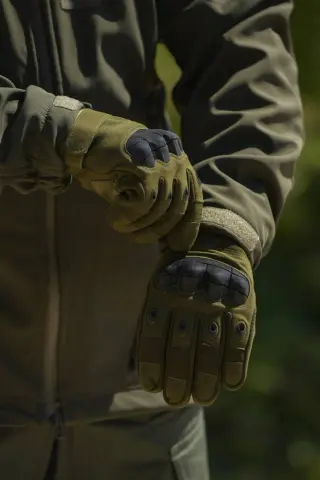
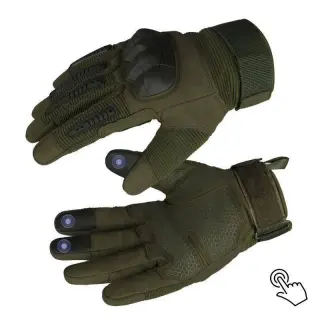
Touchscreen inserts let you use a smartphone without taking off your gloves, but they are not on every finger: in fur-lined softshell gloves, for example, the pads are on three fingers. Hard knuckle protectors, as in the R-military model, protect the hand but make the back of the glove stiffer. If fine motor control matters to you, choose thinner insulation and flexible knuckle protection, and for long shifts on duty — a thicker pair.
If you do not need a winter pair, take a look at all tactical gloves, including mid-season ones.
Frequently asked questions
Can I use a smartphone in winter gloves?
Yes, if the model has touchscreen fingers. Coated nylon and softshell fur-lined gloves have them, among others. Check which fingers the inserts are on, so that they are convenient for you to use.
Will warm gloves get wet in snow?
Coated nylon and softshell models have a water-repellent outer layer that protects against snow. With prolonged contact with water they can get soaked, so for such work it is better to take a pair with a membrane, such as MIL-TEC Army Winter.
How do I choose the right size?
Go by the palm circumference and finger length according to the size chart of the specific model. Some gloves have a universal size and are adjustable, like the A5 model. If you hesitate between two sizes, for a pair with thick fur take the larger one.