ZSU Winter Bushlat: Fur, Fleece and Synthetic Insulation
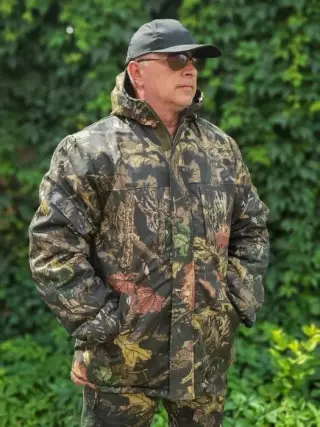
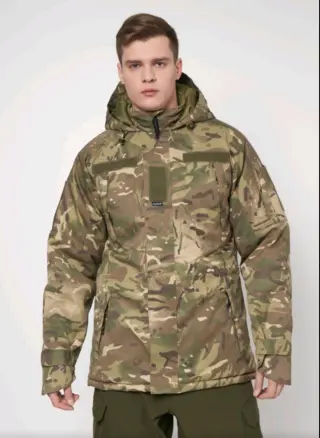
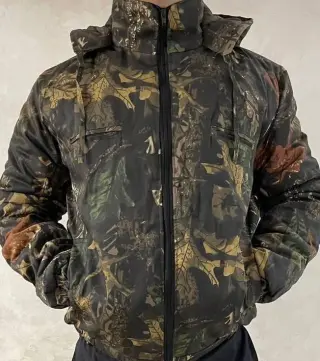
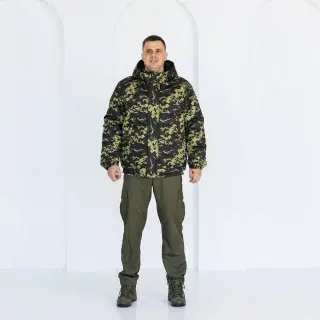
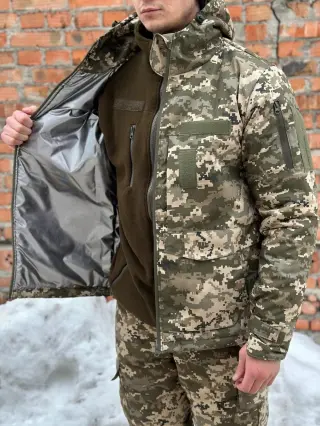
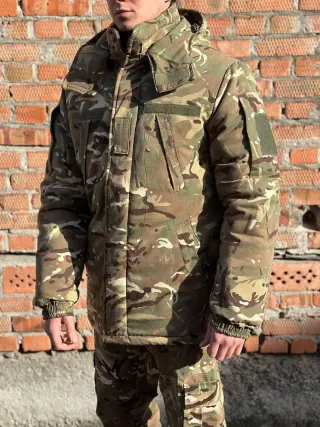
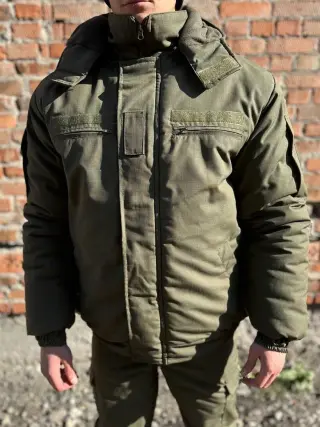
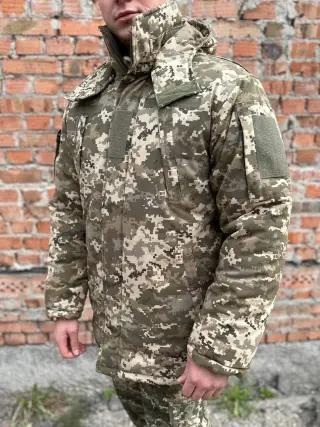
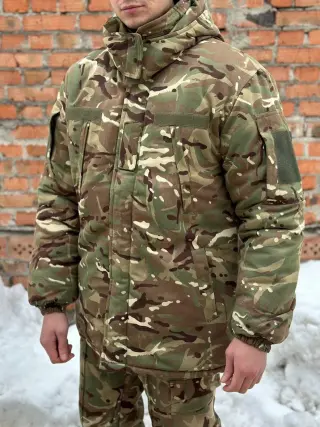
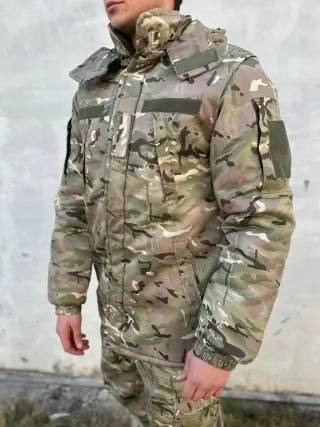
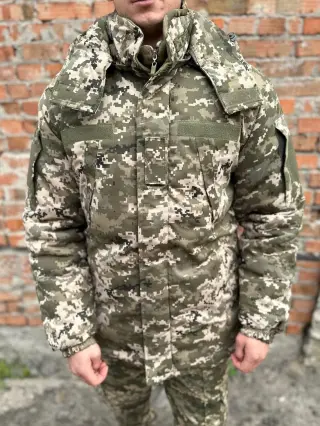
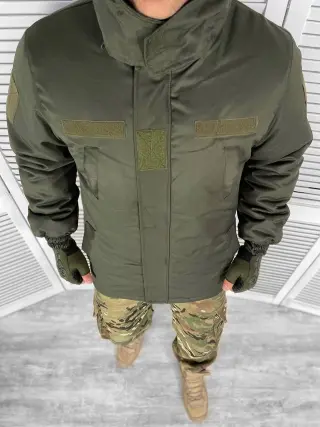
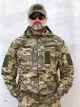
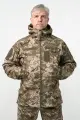
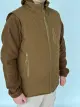

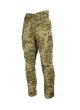


ZSU Bushlat: How to Choose a Winter Military Bushlat
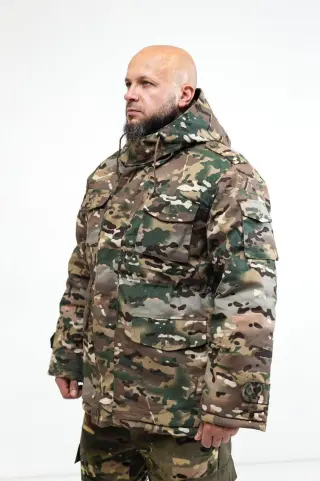
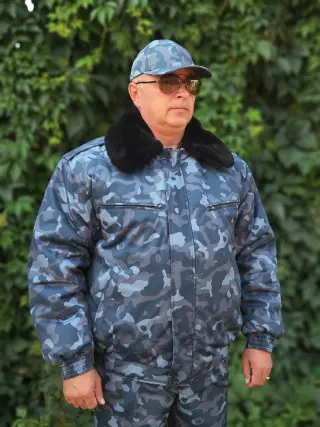
You pick a bushlat when you will not be running around but standing for hours on guard, working outdoors or on duty in the field. It is denser and heavier than an ordinary jacket, with a straight cut, a high collar and insulation designed for staying still. A winter ZSU bushlat costs from 1 440 to 3 730 UAH. The price difference depends on the insulation, the outer fabric and the thought put into the details: collar, hood, pockets.
How a Bushlat Differs from a Jacket and a Parka
Compared to a tactical jacket, a bushlat differs first of all in weight and reserve of warmth. Its outer layer is denser, the insulation is thicker, and the cut is loose so that a sweater or fleece fits underneath. It differs from a parka in length: a classic bushlat ends at the hip, so it is easier to get into a vehicle and bend over in it. Short models with an elastic hem do not ride up and hold heat better at the waist. Longer ones cover the lower back if you have to stand for a long time.
The flip side of this reserve of warmth is that in an active movement you get hot in a bushlat. If your task is a march or work with constant movement, take a look at lighter winter jackets.
Fur, Fleece, Synthetic Fill or Omni-Heat
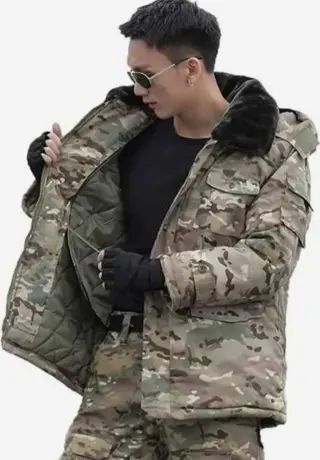
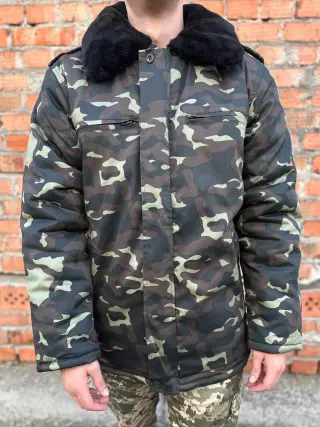
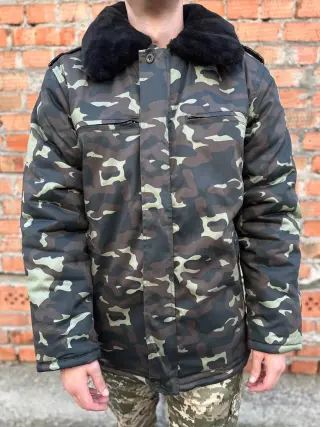
A fur-lined bushlat is the warmest and heaviest option. Faux fur keeps you warm in dry frosty weather, but takes a long time to dry if it gets wet. A fleece-lined bushlat is lighter and softer; fleece dries quickly, but on its own it lets the wind through, so it only works under a dense outer layer. Synthetic fill (synthetic padding) and hollowfiber are inexpensive and keep you warm even when damp, but they are bulky and settle over the years. G-Loft is found less often: it is lighter for the same warmth.
Omni-Heat in bushlats is a reflective lining with metallized dots, not an insulation. It works best paired with synthetic fill, as in the Hoverla models with a double zipper: the lining returns body heat, and the synthetic fill retains it. If only Omni-Heat is mentioned in the name, check whether there is insulation under the lining. Pay attention to the outer fabric too. Ripstop stops a tear from spreading further from a snag, oxford is denser and holds the wind better, and a membrane saves you in wet snow. Cotton fabric feels nicer to the touch, but gets wet faster.
Hood, Collar and Detachable Fur
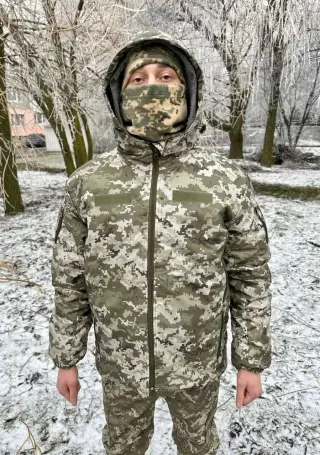
A hood protects the neck from wind from above even when you are wearing a hat. It is more convenient when it detaches and tightens with drawcords: that way it is easy to adjust for a helmet or remove indoors. A bushlat without a hood suits those who are always in a helmet or wear another layer with a hood on top.
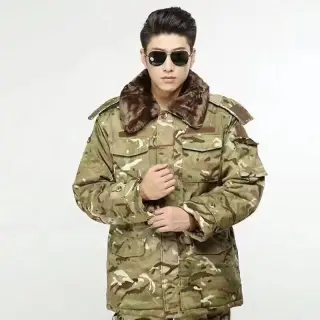
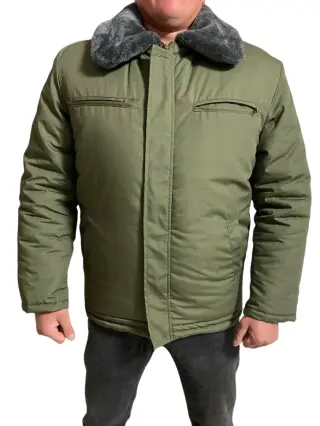
A stand-up collar with a hook-and-loop closure together with a wind flap over the zipper closes the main gap the wind gets through. A fur collar is warm and covers the chin, but in a helmet it hinders turning your head and collects frost from your breath. A bushlat with detachable fur gives you a choice: in hard frost you wear it with the liner, in wet thaw without it. It is also easier to wash and dry.
Size for Thermal Underwear and Body Armor
The size chart of ZSU bushlats comes in three types: letter sizes from S to 6XL, numeric sizes from 44 to 66, and military sizes with a fraction, for example 56/4, where the second number is the height range. A double size such as 48-50 fits two adjacent sizes thanks to the loose fit. Large sizes are marked with the word "batal".
The straight cut is already designed for thermal underwear and a sweater. If you plan to wear a plate carrier under the bushlat, take one size up. Check that it fastens freely across the chest and does not pull at the shoulders when you raise your arms. If the body armor will be worn over it, an overly bulky bushlat will bunch up in folds under it.
Frequently Asked Questions
Which bushlat color should I choose?
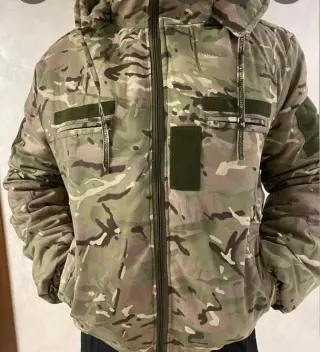
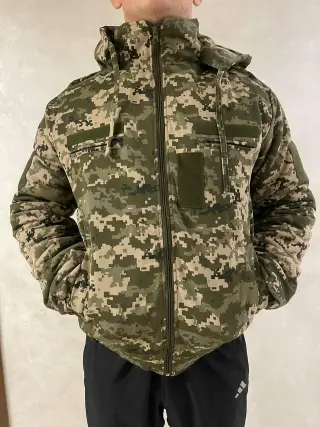
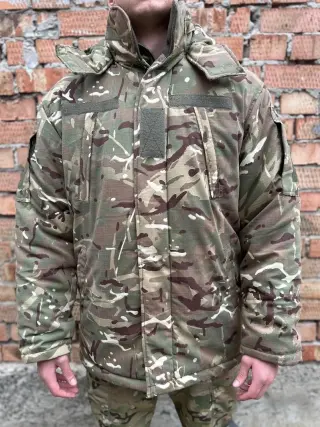
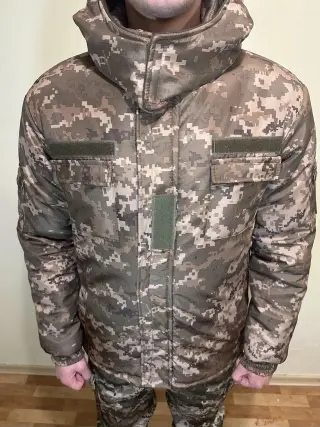
First of all, follow the requirements of your unit. A ZSU pixel bushlat matches the regulation MM-14 camouflage. A multicam bushlat is easy to combine with other field gear. Solid olive is appropriate both in the field and in the city, and black models are more often chosen for security work.
What does "regulation" or "new pattern" mean?
This is how bushlats made to the pattern of the uniform approved for the ZSU are labeled. Examples are the KVVZ bushlat jacket of the new pattern in pixel MM-14 or the regulation pixel bushlat jacket with Omni-Heat. They are chosen when conformity with the uniform is required. Other models may differ in cut, pockets and fabric.
How do I care for a fur-lined bushlat?
Dry it naturally, spread out on a hanger and away from a radiator. Strong heat makes faux fur clump and lose volume. After it dries, comb the pile with a brush, and wash the detachable liner separately from the bushlat.