Winter Tactical Jackets with Omni-Heat Lining
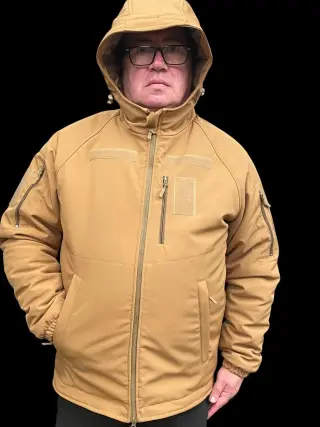
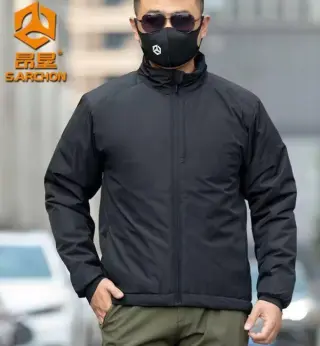
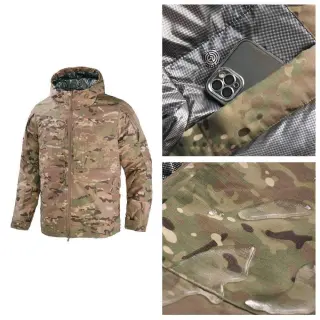
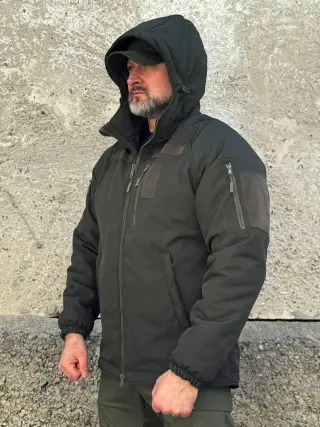

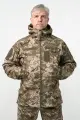
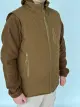

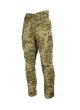


Omni-Heat Winter Jacket: How to Choose Once You Understand the Technology
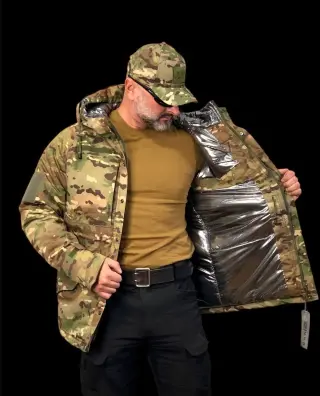
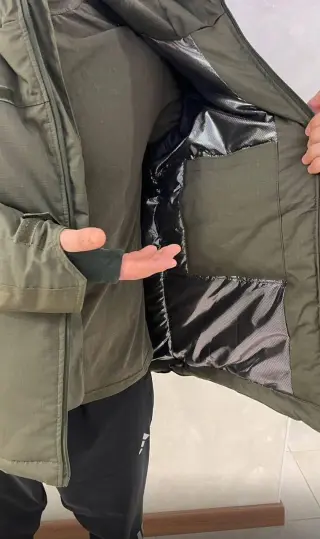
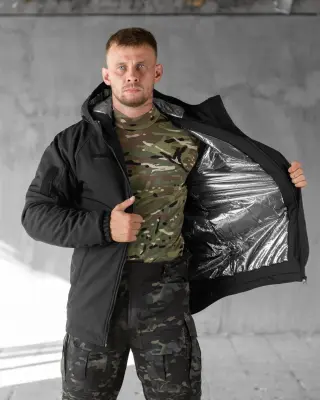
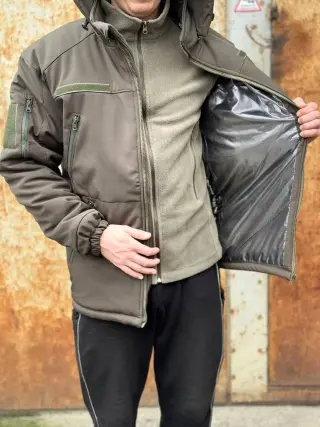
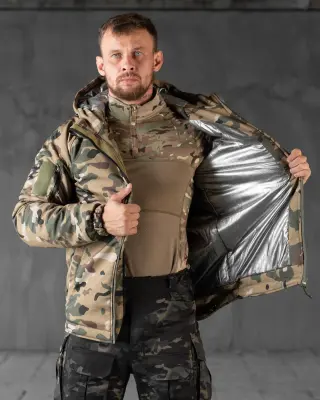
An Omni-Heat jacket is easy to recognize: unzip it and you will see a lining with silver dots. These jackets are chosen by people who spend long periods in the cold: on guard posts, on duty, hunting or fishing. But the lining alone does not make a jacket warm. To avoid a mistake, it helps to understand how it works and what sits next to it. Prices for such models range from 1 770 to 3 570 UAH, and the difference depends mainly on the insulation and the outer fabric.
What the Omni-Heat Lining Does and What Not to Expect From It
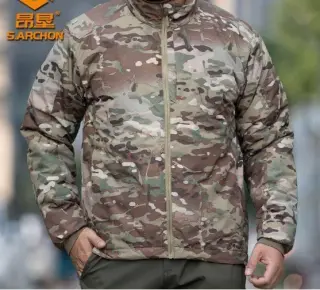
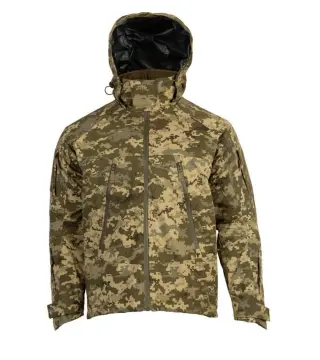
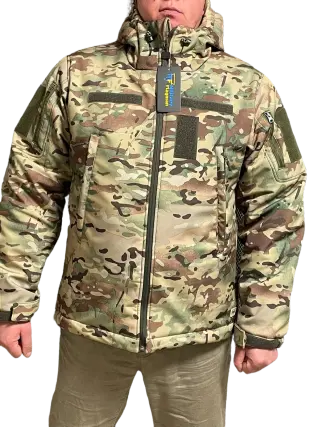
Omni-Heat is a technology developed by Columbia. The metallized dots on the lining fabric reflect body heat back inward, while the gaps between them let moisture through. In other words, it is a reflective layer, not insulation. In a light jacket, such a lining gives a noticeable but small boost of warmth, which is why there are also demi-season models, such as a Multicam jacket with a dyspo outer shell. Today the name "Omni-Heat" is used by many tactical clothing manufacturers, so it refers to a type of lining, not to where the fabric comes from.
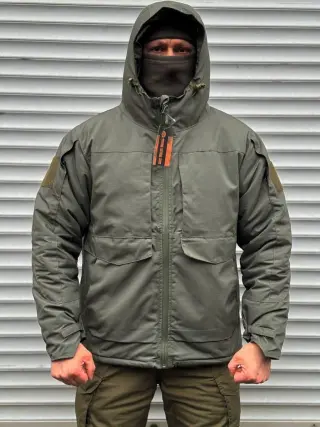
A reflective lining works best when heat does not have time to escape through gaps. So pay attention to adjustable cuffs, a hood with drawcords and a stand-up collar. If the jacket is open at the neck and wrists, the dots have nothing to reflect: the warm air simply escapes.
What Lies Between the Lining and the Outer Shell
The warmth of an Omni-Heat winter jacket is determined by its filling. In the Archon 5.0 and winter pea coats like the "Hoverla", the lining is combined with synthetic padding (synthetic batting). This is a simple option that keeps you warm well when standing still, but it tends to clump over the years. The Archon 8.0 is insulated with 3M Thinsulate: it is thinner than synthetic padding, so the jacket turns out less bulky. Slimtex gives a similar result: the model does not look bulky, which is convenient under gear. Thermoloft is used in Level 7 jackets, which are thrown on over everything during stops.
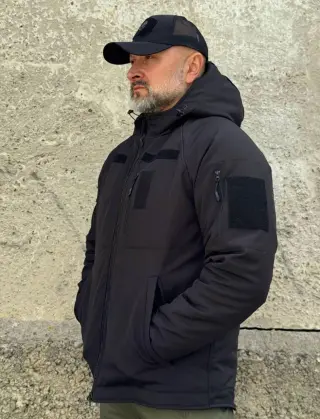
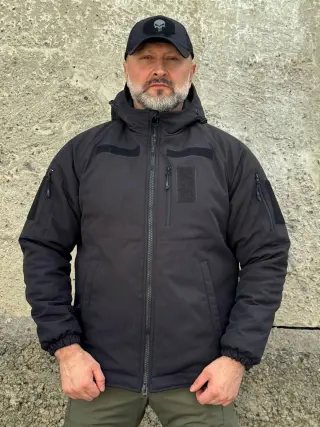
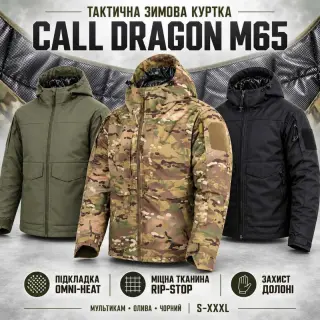
The second question is the outer fabric. Soft Shell with a water-repellent finish is quiet, stretchy and holds wind well, but over time it soaks through in wet snow. Rip-stop is denser and withstands friction against gear better, and some models have an extra Oxford layer or a membrane beneath it, as in the Archon 8.0. How insulation changes within a single line is clearly seen in the example of Archon jackets. Call Dragon winter jackets 10.0 combine Rip-Stop on the outside, Thinsulate inside and a non-detachable hood.
Jacket, Pea Coat or Parka: When Omni-Heat Helps and When It Gets in the Way
A reflective lining returns heat but is poor at releasing the excess. That is why it is most useful where you move little: on a guard post, in an ambush, on duty by vehicles, ice fishing. During a fast march or work with a shovel, it is easy to sweat in such a jacket, and a damp body under the lining gets cold faster. If movement is ahead, keep the jacket unzipped or choose a lighter model and stay warm with layers underneath.
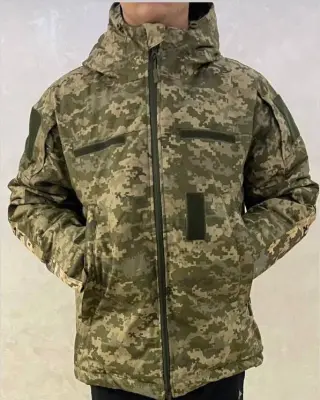
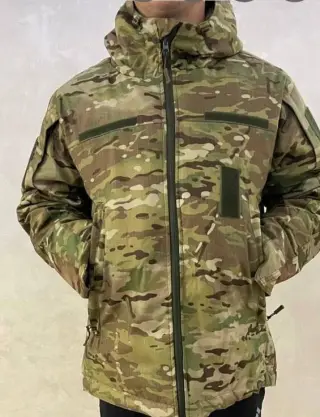
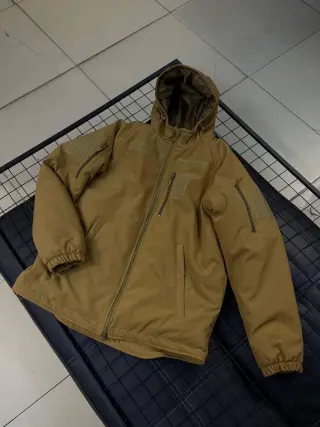
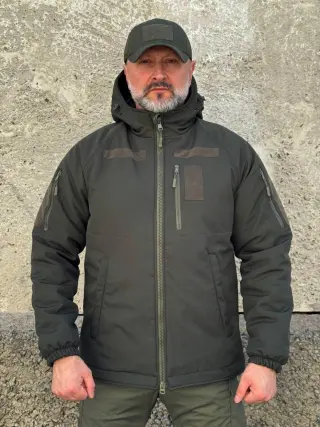
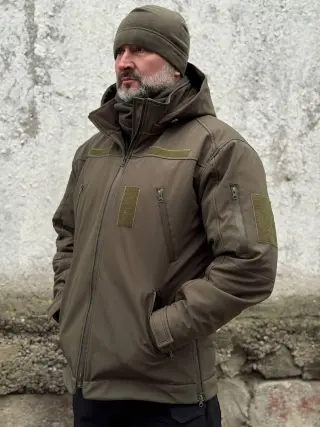
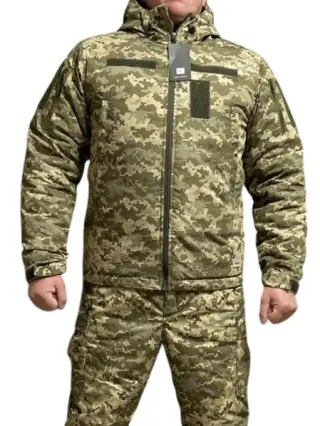
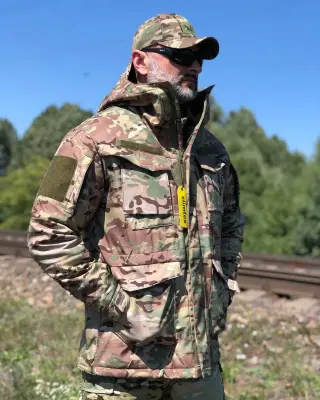
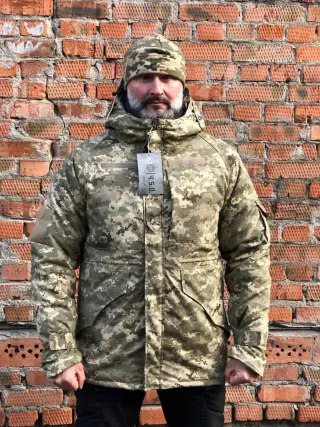
A short thigh-length jacket is a universal option for trips and everyday wear. An Omni-Heat pea coat is longer and warmer, often has synthetic padding under the lining and a double zipper, so it is chosen specifically for standing still. For a regulation look there is a pixel winter pea coat. A parka covers the thighs from wind below, and extended 4.5.0 models give extra length for long periods of standing. Choose the color to suit your tasks: a Multicam winter jacket suits forest and mixed terrain, while olive-colored jackets work both in the field and in the city. Look for other insulation options among all winter jackets.
Frequently Asked Questions
Does Omni-Heat keep you warm without insulation?
Only a little. The lining reflects heat but does not create a layer of air that retains it. So a jacket with just the lining under a thin shell is fine for the off-season, but for frost look for a model with synthetic padding, Thinsulate or another filling.
How do I care for the silver lining?
Protect the dots from friction and high temperatures. Do not iron the lining, do not dry the jacket on a radiator or near a fire, and fasten the Velcro before washing so it does not scrape the coating. Store the jacket dry, on a hanger, not squeezed into a bag.
Can I wear a plate carrier over such a jacket?
Yes, but it is better to choose a model with thin insulation. Jackets with Slimtex or Thinsulate sit more evenly under gear than bulky pea coats with synthetic padding. A pea coat is more appropriate on a guard post, where the plate carrier can be taken off.