Pistol Holsters: Thigh, Belt and Shoulder Models
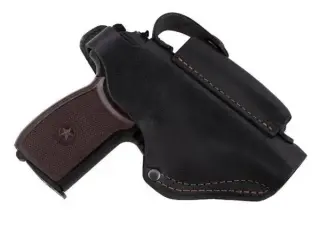
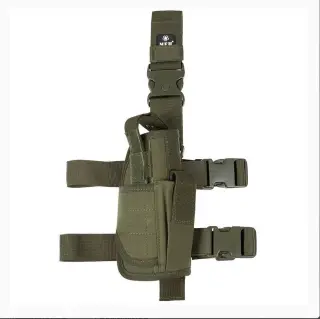
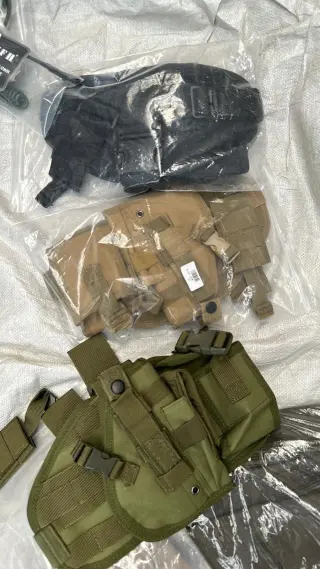
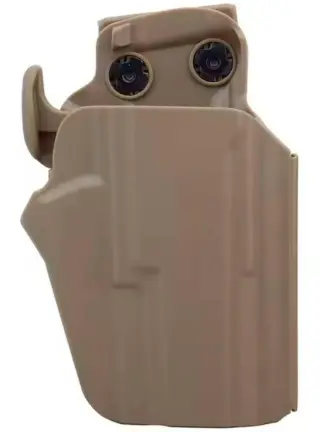




Pistol holster: how to choose a carry method
A holster keeps the pistol in a fixed position, protects it from impacts and dirt, and lets you draw the weapon with one hand. Before choosing, decide three things: where you will carry the weapon, what material the holster should be made of, and whether you need space for a spare magazine. A tactical holster for service or training and a holster for everyday carry have different requirements, so start with your own conditions.
Thigh, belt or shoulder holster
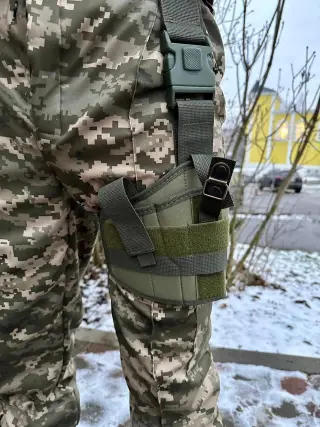
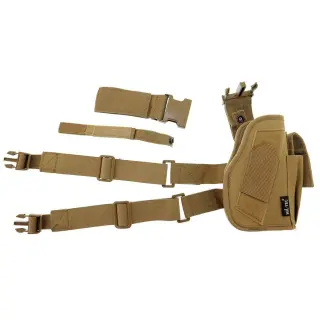
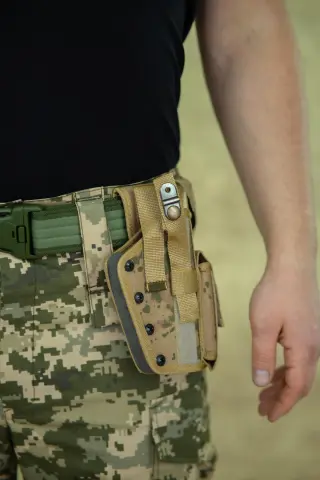
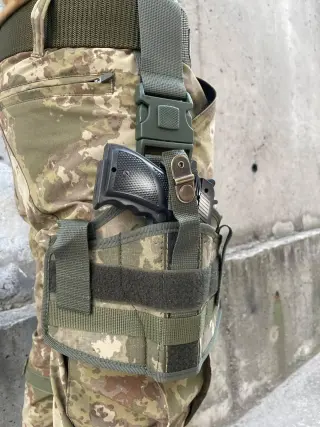
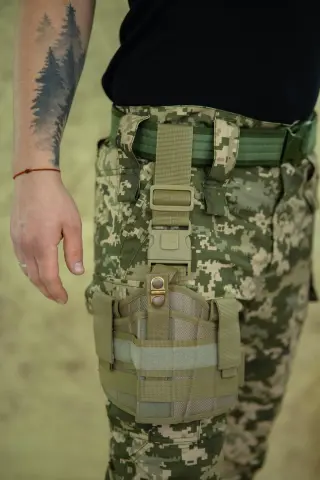
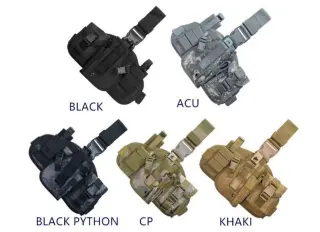
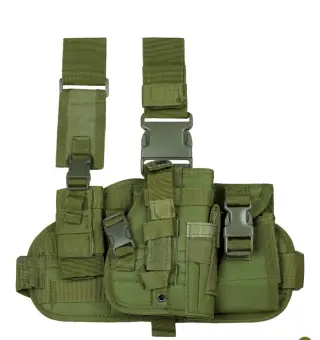
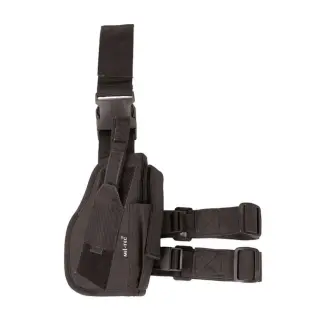
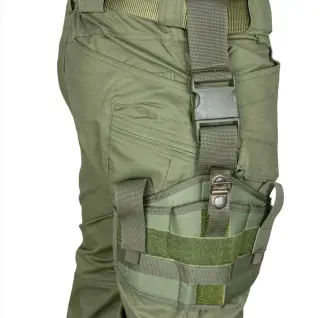
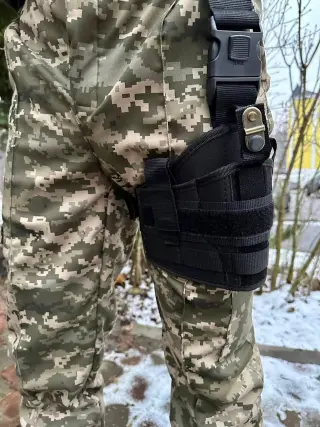
Thigh holsters attach to the thigh and free up the belt for pouches or a first aid kit. They are convenient with body armor and a chest rig, when a belt holster is hard to reach. Pay attention to the leg attachment: a wide hook-and-loop strap spreads the load, while a quick-release buckle lets you remove the holster quickly. Models on a MOLLE platform let you reposition the holster, and there are versions with one or two pouches.
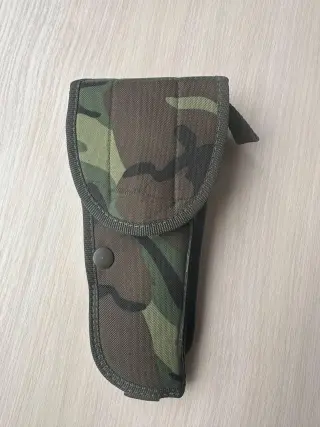
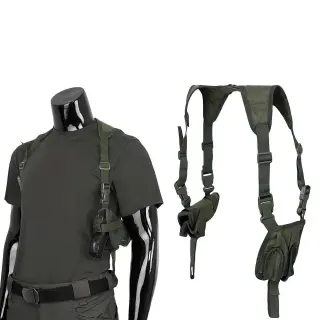
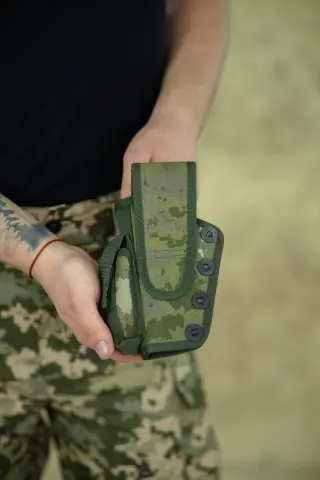
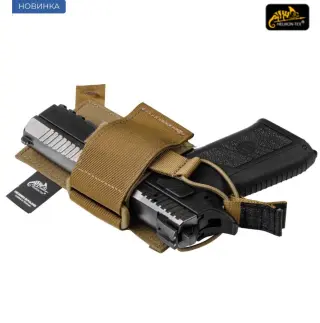
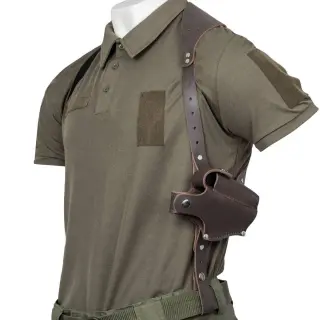
A belt holster suits everyday carry on a regular or tactical belt. Among belt holsters there are fabric ones with a magazine pouch, models with a flap and a metal clip, and plastic quick-release ones that are easy to move from a regular belt to a tactical belt. A shoulder holster is traditionally designed for carrying under outer clothing; an example is the horizontal MIL-TEC with a double magazine pouch.
Material and weapon retention
Cordura fabric holsters are lightweight and adjust to the pistol, which is why they are called universal. After field outings such a holster can be washed. However, a universal model holds the weapon less snugly than one made for a specific pistol, so check that the strap or flap secures it reliably.
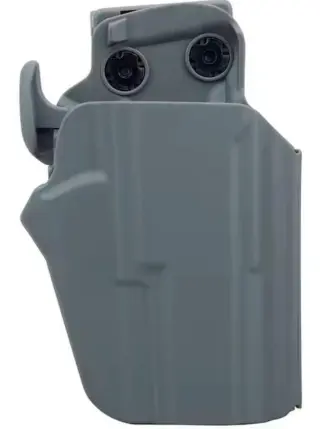
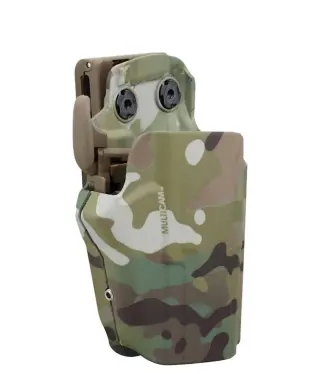
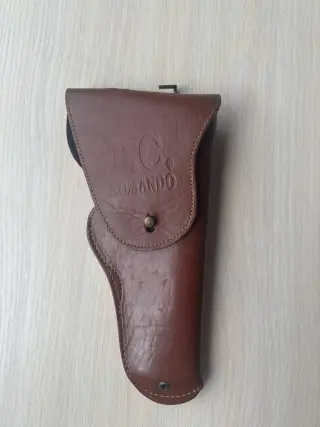
A leather holster is durable and over time takes the shape of the weapon: for the PM there is a leather belt model with a magazine pocket, and among fabric ones there is a thigh holster for the PM and Fort made of 1000D Cordura. Plastic holsters are not afraid of moisture and dirt and keep their shape. Always try the holster on with an unloaded weapon: the pistol must not fall out when you bend over, and the trigger must be covered.
Look for other accessories in the weapon gear category: there you will find weapon slings and weapon cases.
Frequently asked questions
Will a universal holster fit my pistol?
According to the descriptions, the universal models fit most common pistols. Fabric holsters adjust to the weapon, but a large pistol or one with a weapon light may not fit — if in doubt, check compatibility with a consultant.
Which holster should a left-handed shooter choose?
Do not pick models with "right-handed" in the name: they are designed for the right hand. According to its description, the MIL-TEC shoulder holster can be set up for both right- and left-handed users; for other models, ask a consultant about the carry side.
How do I care for a holster?
A fabric holster can be washed; let it dry completely afterwards. Wipe a leather one with a damp cloth and treat it with a leather care product; do not leave it wet. A plastic holster just needs to be rinsed of sand and dirt so the retention mechanism does not jam.