Tactical Sneakers for Spring and Autumn
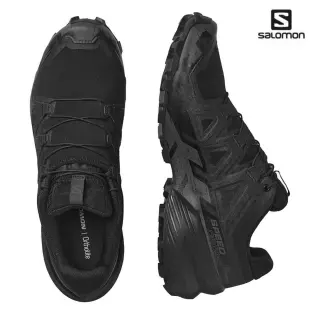
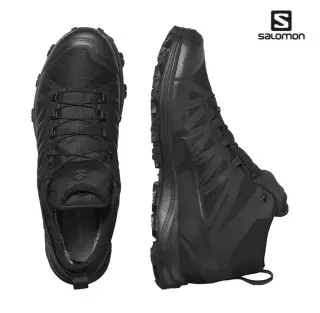
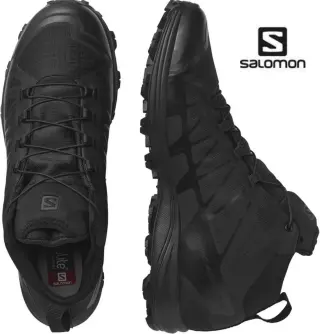
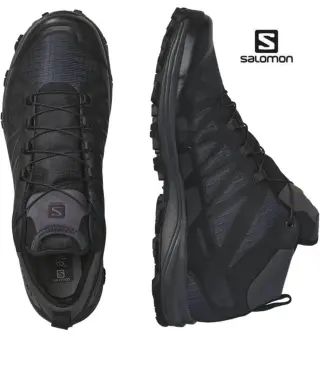



Tactical sneakers for spring and autumn: for rain, mud and cold mornings
Spring and autumn are the hardest seasons for low-cut footwear. Dew and a chill in the morning, soggy ground by midday, rain in the evening. Spring and autumn tactical sneakers have to handle all of this in a single day: not soak through on the first meadow, not slip on wet leaves, and dry out by the next outing. They are taken to the training ground, to rear-area duty, on hikes, or simply for autumn in the city, when boots are too heavy and summer mesh no longer helps. Prices for such pairs range from 1 080 to 9 542 UAH.
Membrane or water-repellent upper
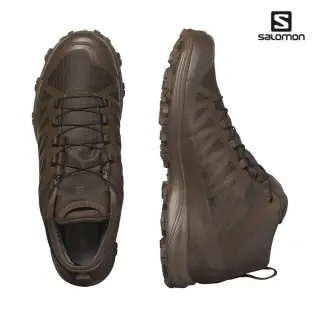
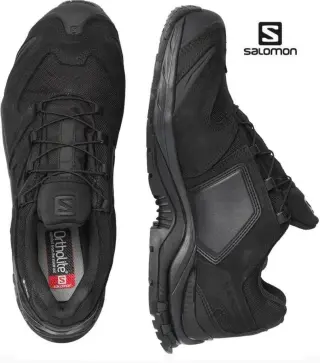
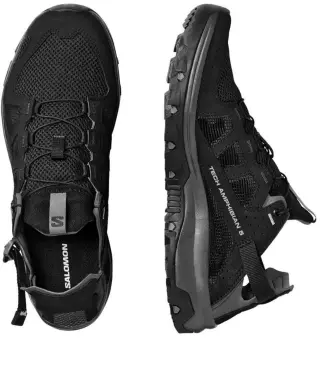
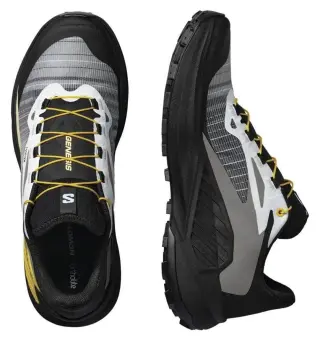
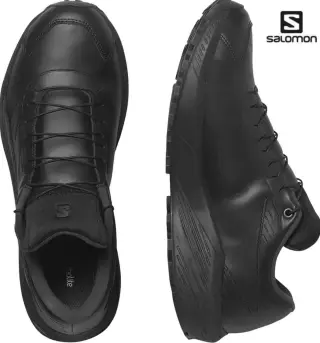
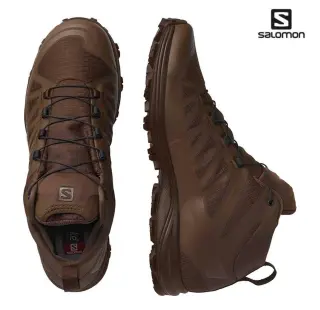
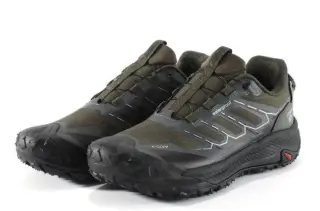
A Gore-Tex membrane gives the most reliable protection from wet grass and rain: water does not get in from outside, while vapor from your foot gets out. It is found in the Salomon Speed Assault 2 GTX and XA Forces GTX, as well as the Lowa Zephyr GTX and Innox PRO GTX Lo. Such pairs are designed for long outings in wet weather. The easiest way to compare the lines with each other is among the Salomon tactical sneakers.
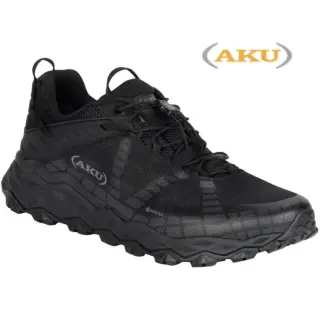
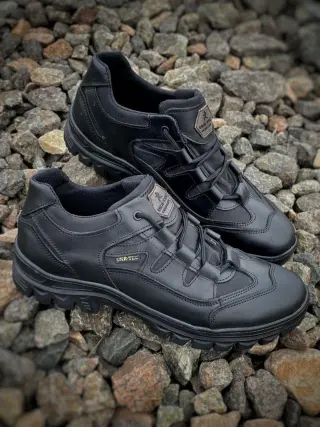
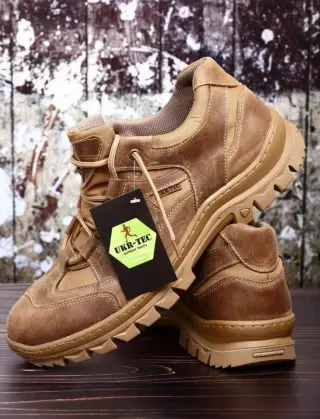
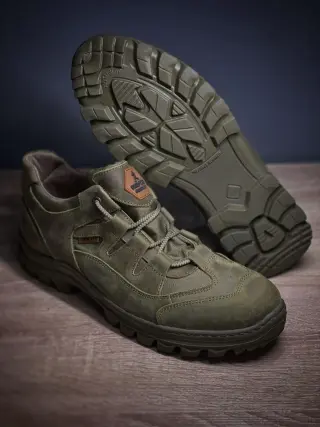
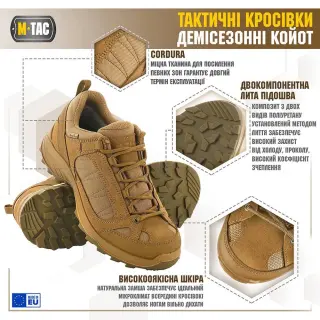
Without a membrane, the upper material itself protects against water. Natural suede with CORDURA 700D inserts, as in the "Panthera" from UKR·TEC, or a combination of leather and nylon in Esdy, handles splashes and dew well. However, during long walks through wet grass such an upper will sooner or later soak through. On the other hand, it dries faster and heats up your foot less on a warm October day. If you rarely walk through puddles and mostly stick to dirt roads and the city, suede or Cordura is quite enough. Just renew the waterproofing treatment at the start of the season.
A sole for wet leaves, clay and cobblestones
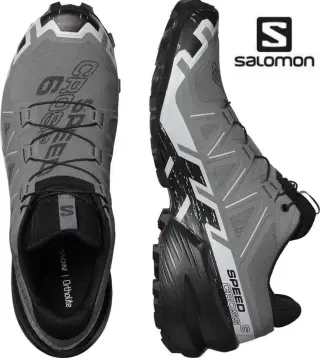
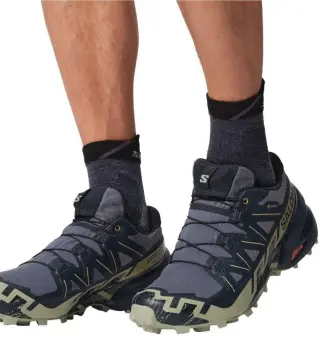
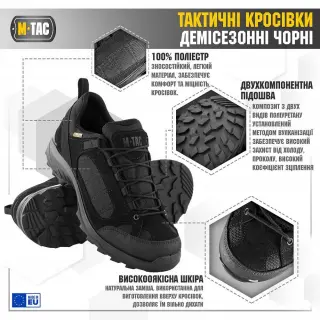
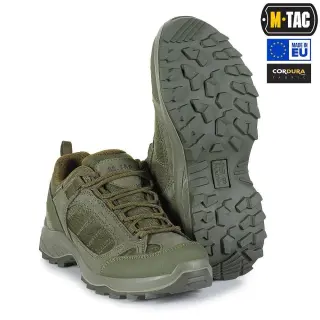
In the off-season it is not puddles that are more dangerous, but slippery surfaces: wet leaves, clay, cobblestones after rain. What matters here is not only tread depth but also the spacing between the lugs. When it is wide, mud is shed from the tread, and grip does not disappear after a dozen steps. Deep, widely spaced lugs are found on the Salomon Speedcross 6 Forces and the "Panthera" with the Ekstreme sole. For the city and dirt roads, a moderate tread with sipes is enough, as in M-Tac sneakers, which include the spring and autumn Ranger model.
Pay attention to height as well. The Mil-Tec Squad 2.5 Inch is slightly taller than ordinary sneakers, so it better shields the ankle from wet grass and small debris that would otherwise get inside.
Size, lacing and drying after a wet day
In autumn people wear a thicker trekking or wool sock under their sneakers, so try on a pair in exactly that. If your foot is already snug in a thin sock, in a warm one it will start to go numb. Besides, a foot in tight footwear gets cold faster. Laces let you loosen the instep for a thicker sock and tighten the ankle firmly so that dirt does not get inside. Sneakers with quick-lace systems are convenient when you cannot manage knots with cold, wet fingers. But try them on in an autumn sock too.
After a wet day, take out the insole, loosen the laces and stuff paper inside, and when it soaks through, replace it. This way the pair will dry evenly overnight and keep its shape. Clean suede only with a dry brush so the nap does not mat.
Frequently asked questions
Which color is more practical in the off-season?
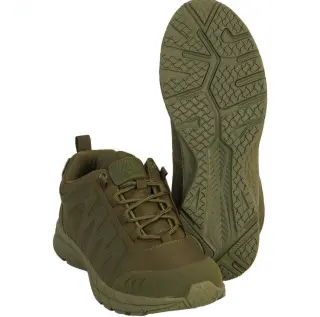
It all depends on where you walk. Black tactical sneakers go well with city clothing and do not show dark mud as much. On coyote sneakers light dust and dry clay are less noticeable. Olive sneakers are easy to combine with most field uniforms.
Can spring and autumn sneakers be worn in winter?
Yes, but only in light frost and on dry snow in the city, with a warm sock. Such pairs usually have no insulation. So for prolonged cold and deep snow it is better to choose insulated boots or combat boots. Membrane models keep warmth in slightly better because they block wind and wet snow.