Tactical Sneakers with Auto-Lacing
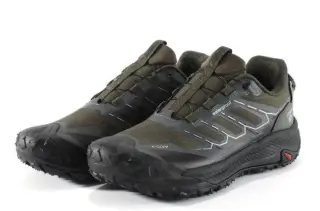
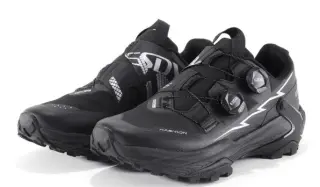
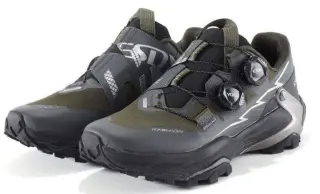
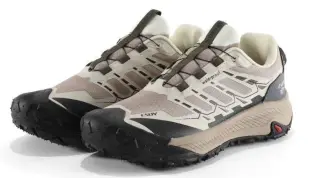


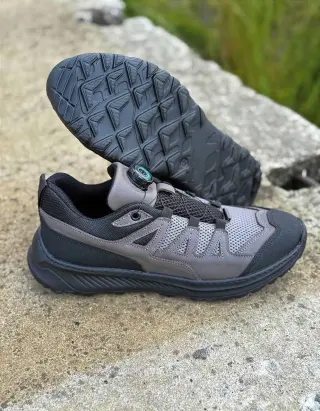
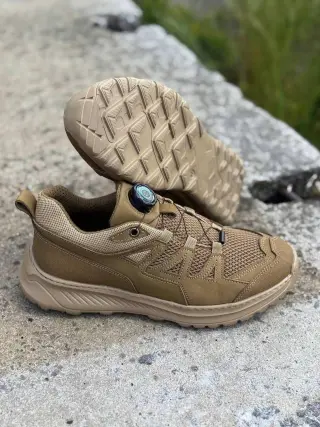
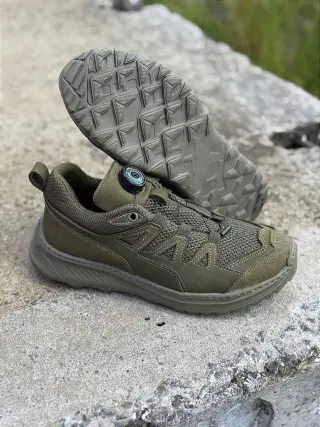
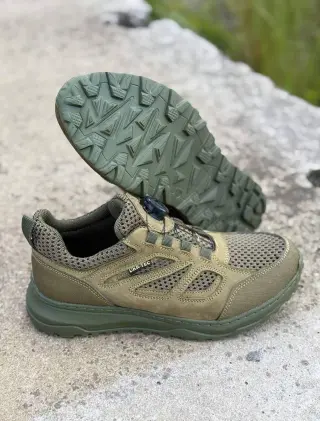
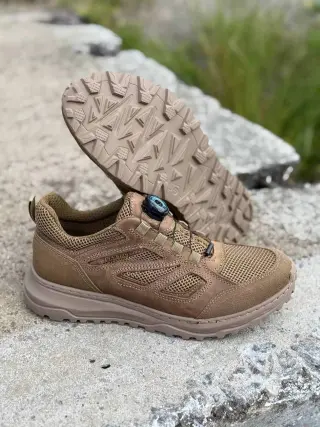
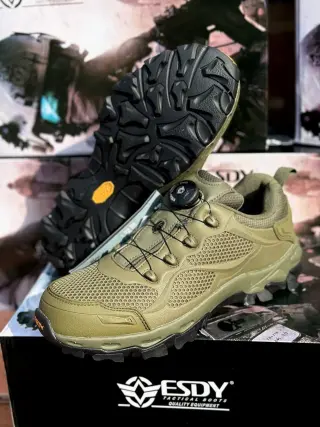
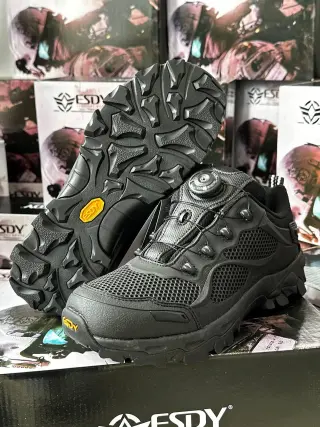
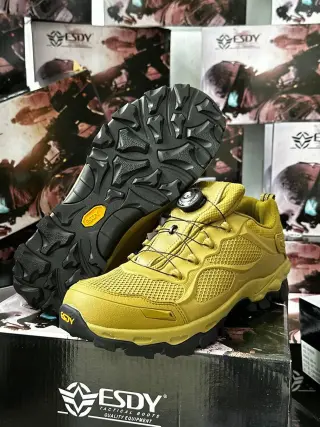
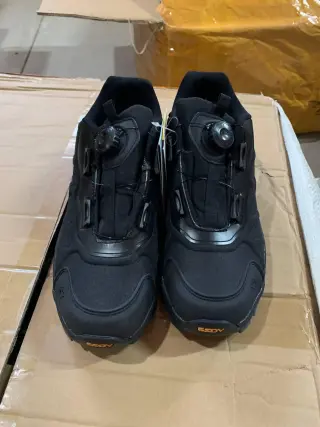





Tactical sneakers with auto-lacing: who they really suit
Auto-lacing is chosen by people who put shoes on and take them off on the go: on duty, on the road, during training with short breaks. Instead of laces there is a thin cable and a dial: turn it and the shoe hugs the foot, release it and you can take it off. Nothing comes untied or snags on branches, and the tightening is even all around. Still, convenience depends heavily on where the mechanism sits, so sort that out first and only then look at color and season.
Central, side, rear or dual: which system to choose
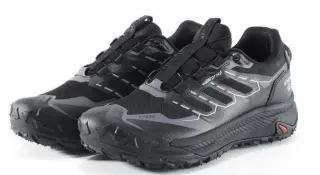
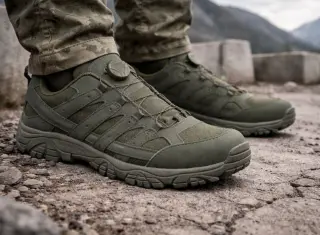
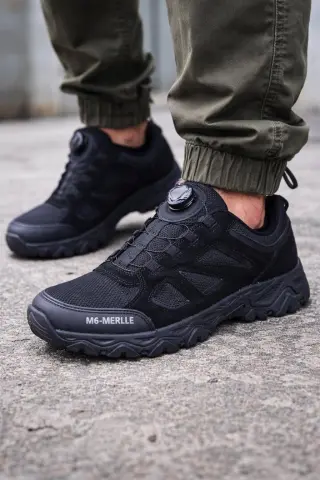
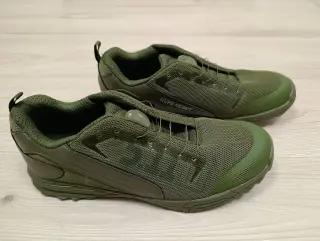
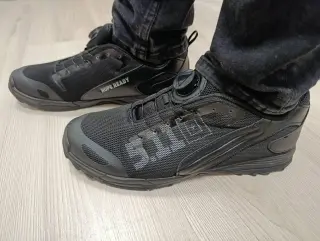
The most common option is central auto-lacing on the tongue, as in the Esdy 5.0 or M6-MERLLE models. The dial is always within reach, easy to turn even with gloves on, and the force is distributed symmetrically. One drawback: the dial sits on the instep, so it may press on people with a high instep, and when you fall on your knee the mechanism takes the first hit.
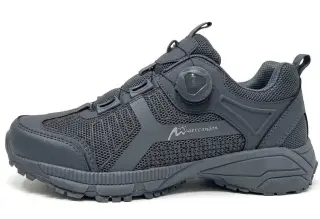
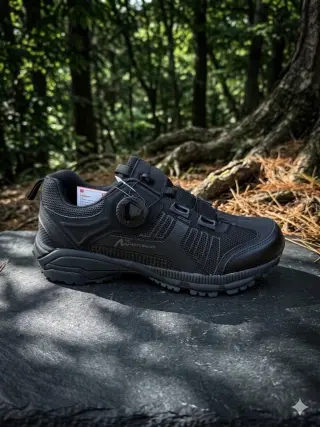
A side system, as in Maercanson tactical sneakers with side auto-lacing, moves the dial off the top of the foot. The tongue becomes softer and the mechanism suffers less from frontal impacts. Rear auto-lacing in ESDY trekking sneakers sits on the heel: the top of the foot is completely free, and the tightening presses the heel more firmly, which helps on descents. Dual auto-lacing has two separate dials, so the toe and instep can be tightened with different force. It is the only option that partly solves the main drawback of rotary systems.
| Placement | Advantages | Best for |
|---|---|---|
| Central | Easy-to-reach dial, even tightening | Most people, everyday and training use |
| Side | Free tongue, better-protected mechanism | People with a high instep |
| Rear | Better heel hold, no pressure on top | Hiking and rough terrain |
| Dual | Separate tightening of two zones | Owners of a wide or non-standard foot |
How to tighten and choose the fit
A common mistake is turning the dial all the way. The cable pulls harder than a regular lace, so over-tightening quickly squeezes the foot. It is enough that the heel does not slip when walking and the toes move freely. When trying on, tighten the sneakers, walk around and squat: if you feel pressure on the instep at the bend, look at a model with a side or rear system.
Take the shoes off only after fully releasing the cable. If you pull the pair off the foot while it is still tightened, the heel counter deforms and the cable guides wear out faster.
How to care for the auto-lacing mechanism
The main enemy of the dial is sand and dried dirt. After a trip to the field, rinse the mechanism and guides with a stream of warm water, turn the dial several times to flush out grains of sand, and let it dry at room temperature. Do not lubricate the mechanism with oil or grease: it collects dust and clogs the ratchet faster. Store the sneakers with the cable released so it keeps its shape.
FAQ
Can auto-lacing come loose by itself?
No, the latch holds the tension while walking. The system releases only when you press or pull the dial yourself. If the cable has started to loosen, most often sand has got under the dial and it should be rinsed.
Should I get summer or demi-season auto-lacing sneakers?
It depends on when you will wear them most. Summer tactical sneakers are lighter and breathe better, while demi-season sneakers such as the Esdy 10.0 have a denser leather and nylon upper and a polyurethane sole with a deep tread.
Which color is more practical?
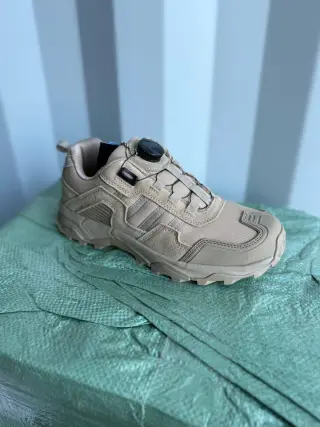
Go by the uniform you will wear them with. For field uniform people choose olive sneakers or coyote, for the city — black sneakers. If a rotary closure is not for you, see all tactical sneakers with classic lacing — prices for auto-lacing models start from 1 910 UAH.