Tactical Backpack 30 L, 25 L or 20 L: Compact Models
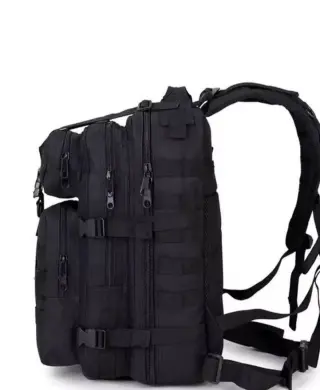
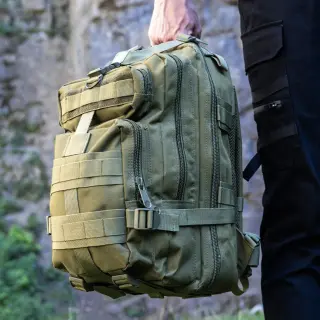
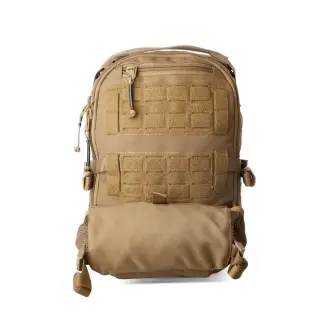
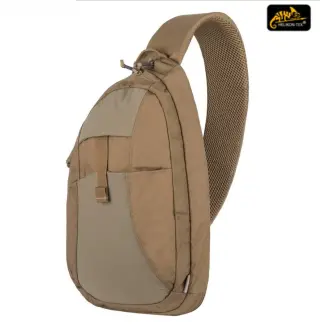
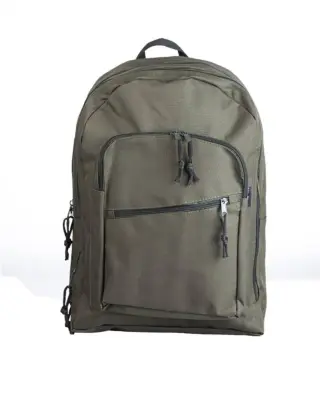
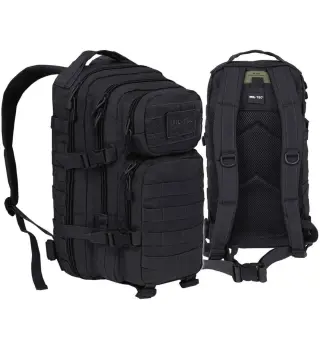
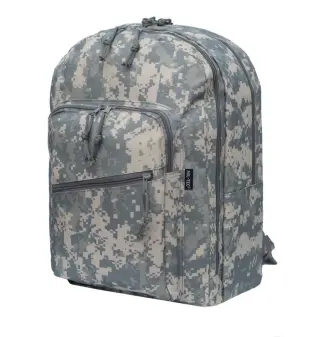
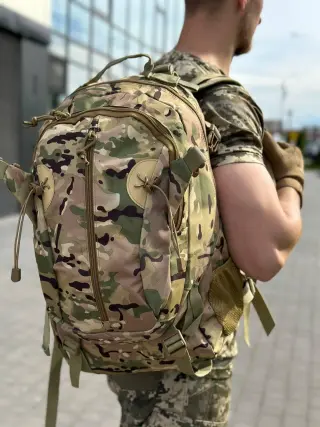
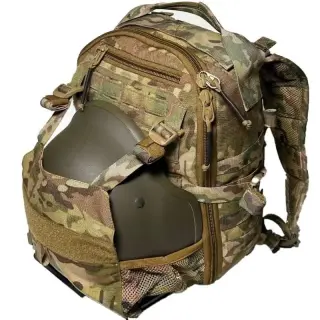
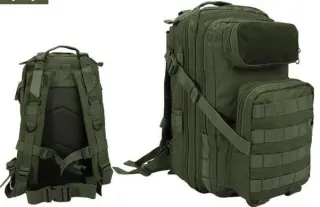
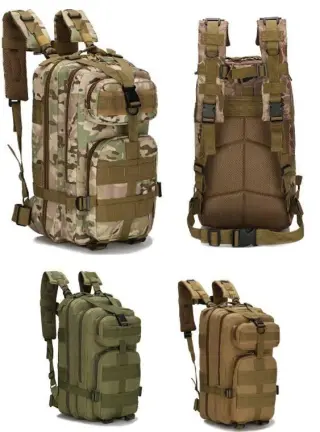
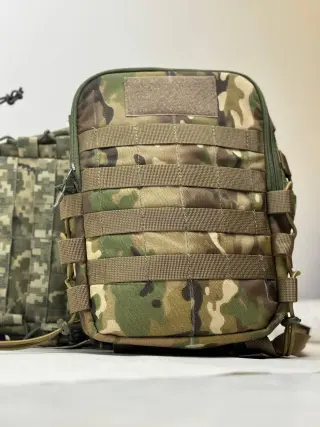
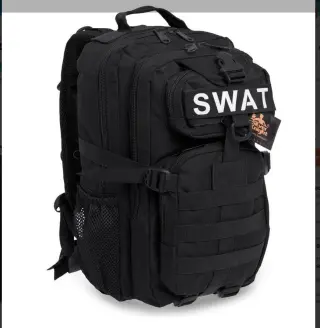
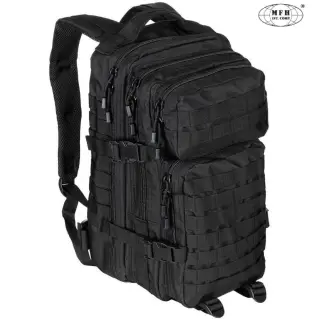
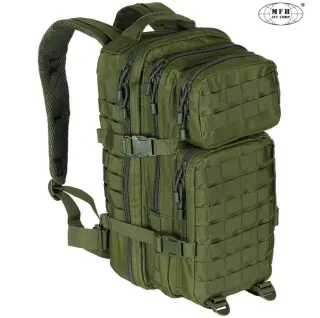
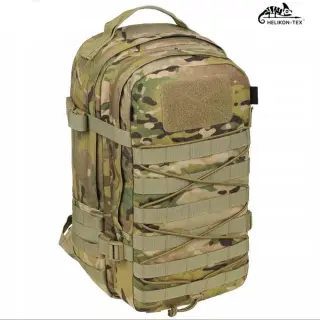





Tactical Backpack 30 L and More Compact Models
A pack of up to 30 liters is what you take when you need the essentials on hand and want to barely feel the load on your back: for duty, a trip to the range, a day route or the city. Such a backpack doesn't stick out past your shoulders, doesn't get in the way in a car and doesn't snag in narrow passages. Slings of a few liters belong here too — for documents, a phone and a first aid kit. In a small volume every liter and every pocket counts, so start with a list of what you actually carry every day.
20, 25 or 30 Liters: What the Difference Means in Practice
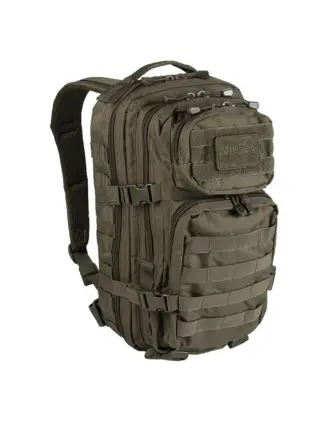
A 20 L backpack holds water, a first aid kit, a rain jacket, a snack and small items. It is the least noticeable on your back, which is why it is chosen for assault tasks and everyday carry. An example is the MIL-TEC US Assault Pack Small 20 L. It has a roomy main compartment, an external pocket with an organizer and a waist belt.
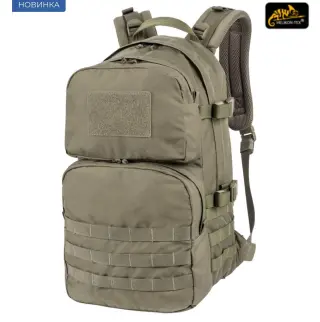
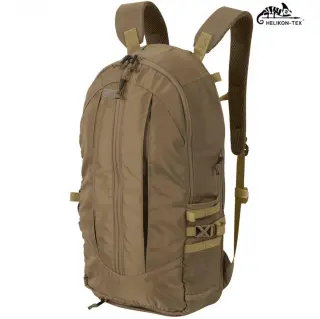
A 25 L tactical backpack gives room for a warm layer or a change of clothes, so this volume most often becomes the compromise between city and field. If you use a hydration system, look for a model with a hydration compartment, such as the Helikon-Tex Ratel Mk2. A 30 L backpack is the upper limit of the compact class: it fits everything for a long day, plus clothing for changing weather. But when half empty it visibly sags, so there is no point taking it "just in case" without need.
A typical mistake is comparing only the number on the label. Manufacturers count volume differently: some include external pockets, others only the main compartment. So look at the body shape too. A flatter pack sits closer to your back, while a deep one makes it easier to fit bulky items but harder to find small things.
Sling or Small Backpack
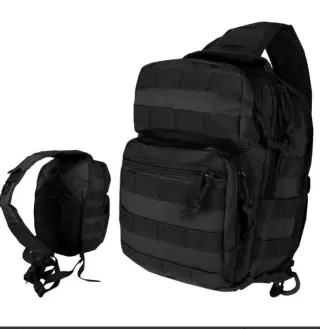
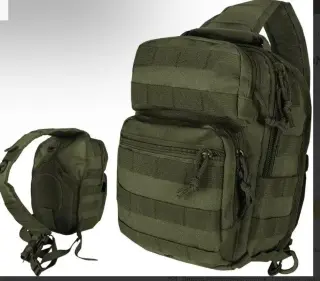
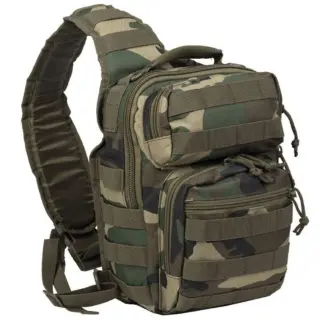
Slings such as the Helikon-Tex EDC Sling 6.5 L or the Kolibri 9 L are for quick access: swing it to the front and take out documents, a tourniquet or a power bank. They are often worn together with a main backpack when your back is already occupied, or as the only bag in the city.
The downside of a sling is that it can't replace a backpack even for a few hours of active movement. The strap presses on one shoulder, and a bottle of water with a sweater no longer fit. If in doubt, take a small two-strap backpack, for example the Helikon-Tex Groundhog 10 L. Anatomical straps, a 3D-mesh back panel, and chest and waist belts keep it stable even when cycling.
For a Plate Carrier, on the Back or in the City
Assault packs with a plate carrier attachment are designed to be worn over body armor, so they are usually flat and have minimal back padding. Without body armor they are less comfortable to carry. If you need one backpack for every situation, choose a model with full padded straps.
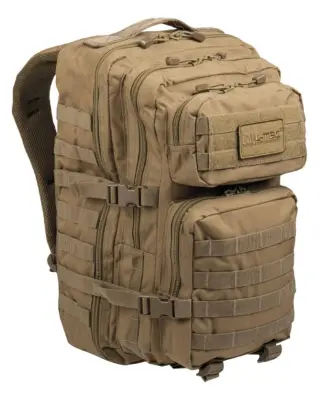
For the city and office, a laptop compartment and a discreet look matter more — this is how the Helikon-Tex EDC Pack 21 L is made. For the range and hiking, MOLLE webbing and dense fabric that holds its shape are more useful. A model built for such conditions is the MFH US Assault I Basic 30 L. If a compact volume is not enough for a multi-day trip, see all tactical backpacks, which include larger models.
Frequently Asked Questions
What does a 30 L tactical backpack hold?
Everything needed for one busy day: water, a first aid kit, food, a rain jacket, a warm layer and small gear. A sleeping bag and tent usually don't fit in this volume. For a night in the field you need a larger backpack.
Is a 20 L backpack suitable for a soldier?
Yes, as an assault pack for a short outing or as an everyday backpack. It fits the minimum set: water, a first aid kit, ammunition. For rotation or a long outing you will need a separate large backpack.
How much does a compact tactical backpack cost?
Prices for backpacks up to 30 L range from 870 to 5 120 UAH. The price depends on the fabric, back panel, hardware and number of compartments.