Tactical Boots for Autumn and Spring
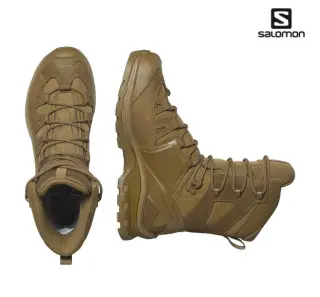
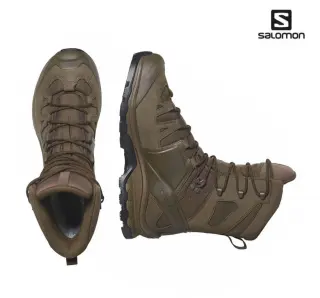
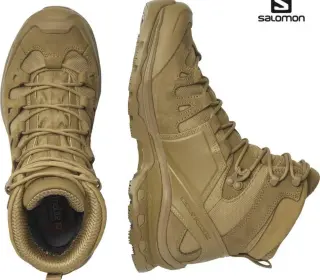
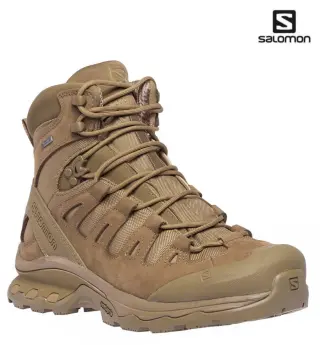
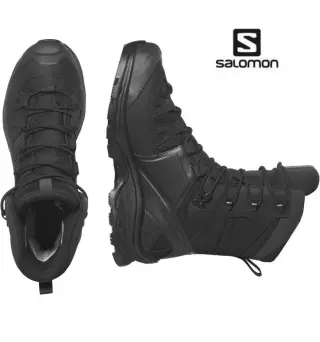
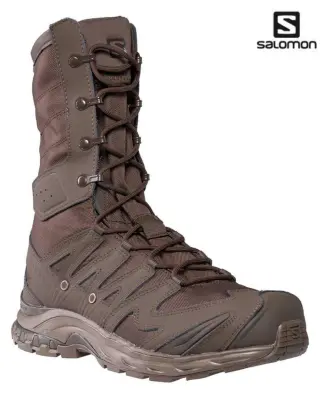
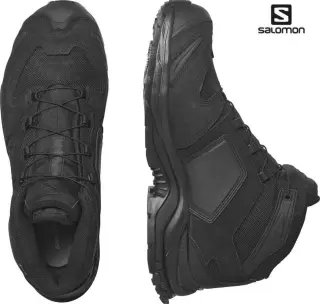
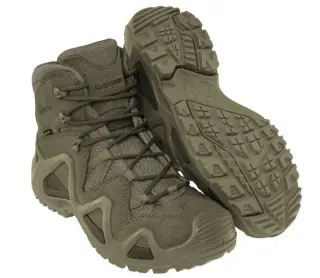
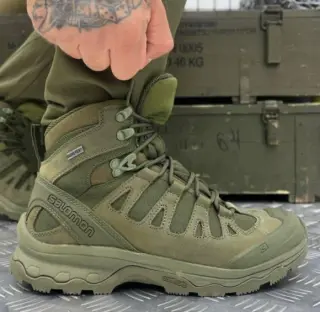
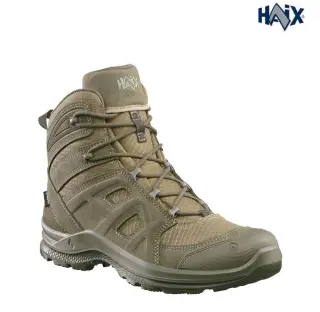
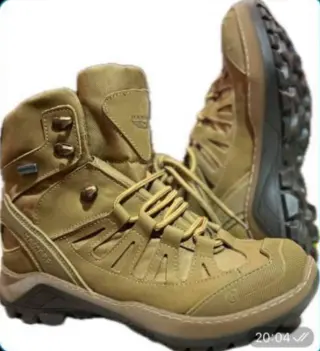
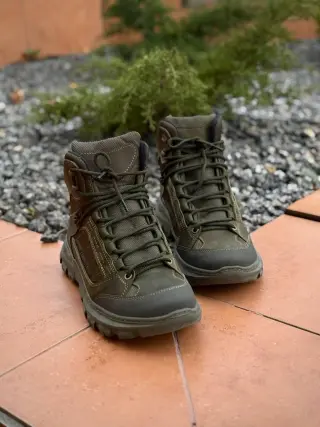


Three-season tactical boots: footwear for slush, rain and temperature swings
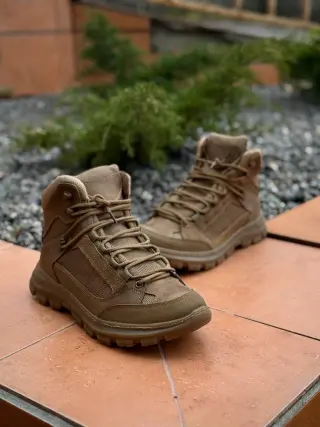
Autumn and spring are the hardest seasons for footwear. In the morning there is a light frost and rime on the grass, by midday a thaw, in the evening rain, and underfoot soggy ground and puddles with thin ice. Three-season tactical boots are designed for exactly these conditions: they have no insulation, so your foot doesn't overheat when it warms up, while the membrane and dense upper keep it dry in slush. These military boots are worn on duty, on field exercises and on hikes, when the weather changes several times a day.
What matters for the wet, muddy off-season
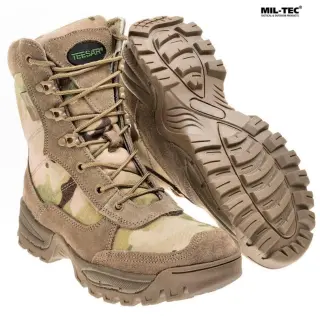
Start with protection from water on all sides, not just the membrane. Look at the tongue: if it is stitched to the sides with a gusset, water and dirt cannot get in through the lacing. In the Mil-Tec Chimera Mid, protection from moisture and small debris is built into the design, and the WP marking in the Magnum Ultima 6.0 WP stands for a waterproof membrane. A mid-height shaft helps in a shallow puddle, but in tall wet grass, pull your trousers down over the boot: if water gets in over the top of the shaft, the membrane can no longer help.
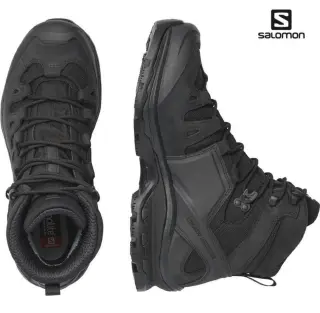
Next is the outsole. In autumn there are wet leaves, clay and slippery rocks underfoot, so the tread should be deep, with wide gaps so that mud is shed as you walk rather than clogging the pattern. On wet rocks the rubber compound matters more: for example, the Salomon Quest Element GTX has a Contagrip outsole designed for grip on wet trails. And don't forget condensation: if your foot gets sweaty on the march and then you stand for a long time in a cold wind, the moisture inside quickly chills the foot. That is why in the off-season it is worth carrying a spare pair of socks and changing them at a rest stop.
Socks and size: one pair of boots from September to November
You will wear the same three-season boots in both warm September and damp November, so your socks will change: thin trekking socks at the start of autumn, thicker wool ones closer to the cold. Choose a size so that the boot doesn't feel tight with the thickest sock you plan to wear, because a squeezed foot stays colder even in dense footwear. With a thinner sock the fit is adjusted with the lacing, and here classic laces give you the most freedom.
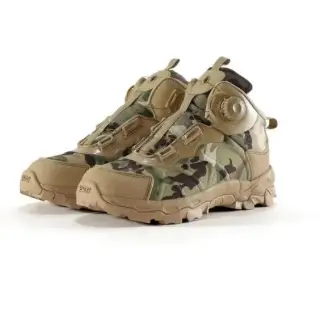
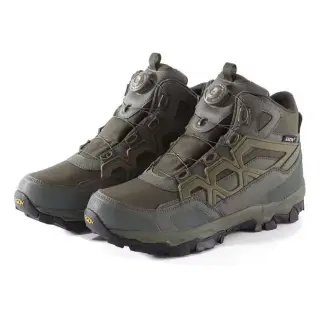
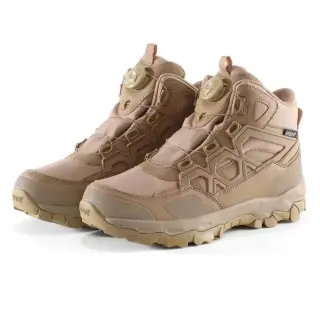
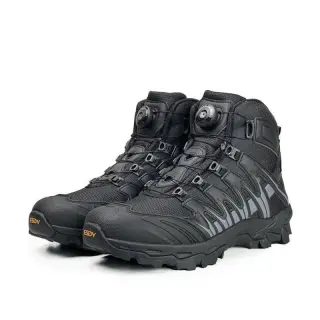
If you change socks often, boots with a quick-lace system are convenient: they tighten by turning the dial and loosen just as quickly. Just keep in mind that in thick clay the dial and cable get clogged with dirt, so after an outing they should be rinsed with water. In some models, such as the Esdy with a central quick-lace system, regular laces are also provided alongside, so the fit can be adjusted separately.
Which color to choose for autumn and spring
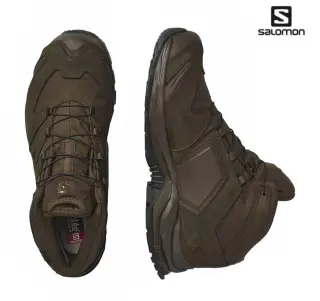
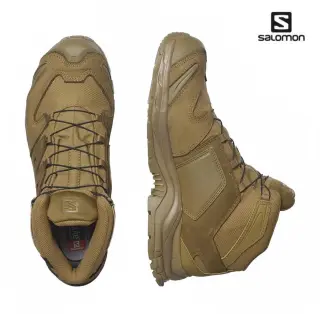
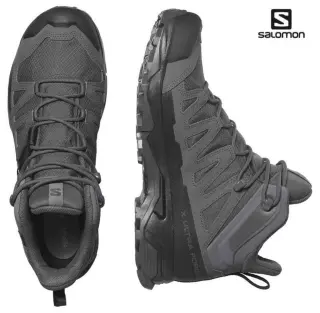
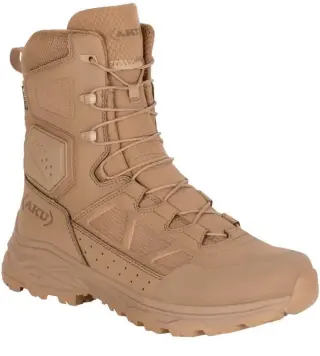
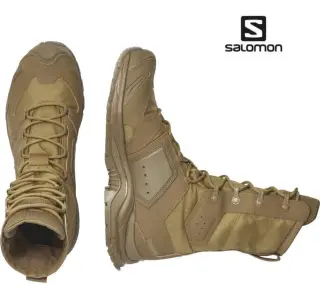
The off-season landscape is dry grass, bare trees, plowed fields and wet ground, and beige-sand shades blend in best there. That is why coyote-colored boots are the most versatile, and dust and dried mud are almost invisible on them. In spring, when greenery appears, olive is more appropriate in the forest. For patrolling in the city, duty at a checkpoint or wearing with a dark uniform, black tactical boots are more practical: they are easy to tidy up with polish, although dried gray clay shows on them right away. For service in the Armed Forces of Ukraine, first check the color against your unit's uniform requirements, and only then choose a model.
Frequently asked questions
How do three-season boots differ from winter boots?
They have no insulation: three-season boots are lighter and don't overheat the foot in above-freezing weather. On the other hand, on a long watch in frost without moving, your foot will get cold in them. If you have service in the cold ahead, take winter tactical boots, and keep the three-season pair for thaws.
How do I clean clay off boots?
Wash the clay off before it dries: cool water and a soft brush, no harsh products. Dried clay tightens suede and leather, and cracks appear at the flex points. After washing, take out the insole, loosen the lacing completely and stuff the boots with paper, changing it until it stops getting wet.
How much do three-season tactical boots cost?
Prices range from 1 930 to 13 220 UAH. Budget models are well suited for training or as a spare pair while your main one dries after slush. More expensive ones, such as the Belleville Vapor Boot or Garmont T8 Falcon Wide, are designed for long marches and daily use. You can compare them with models for other seasons among all tactical boots.