Winter tactical boots
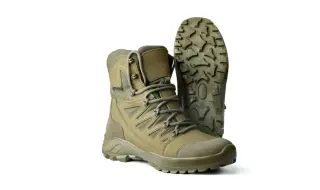
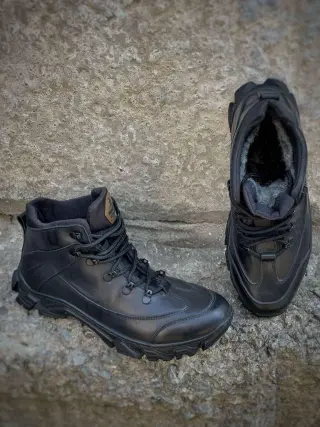
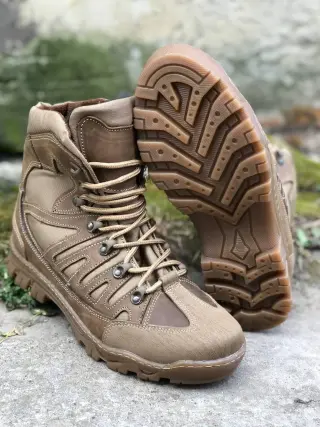
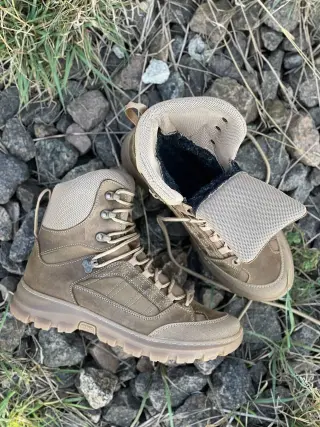
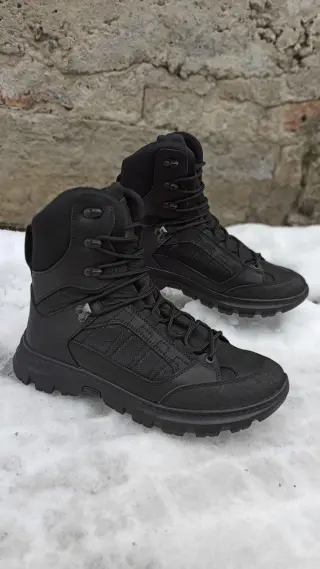
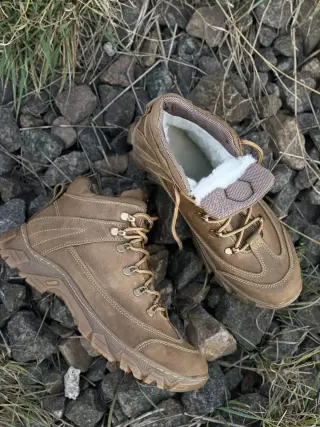
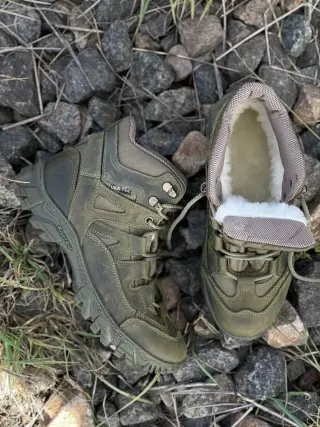
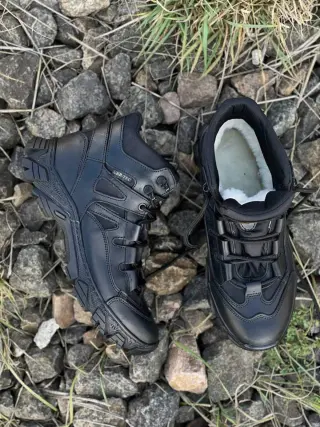


Winter tactical boots: warm, dry and slip-free
Winter tactical boots are for people who spend not half an hour but a whole day in the cold: on guard duty, in a trench, on a field exercise or on a hunt. Unlike ordinary tactical boots, what matters here is not low weight and ventilation but the ability to hold heat, keep out melted snow and stop you from slipping on ice. So choose based on how much you move and how long you stand still.
Which insulation to choose for your level of cold
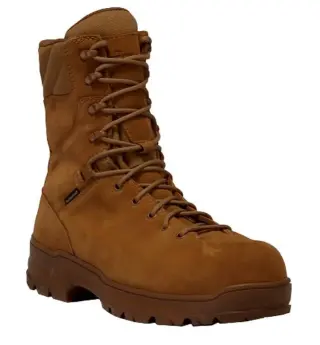
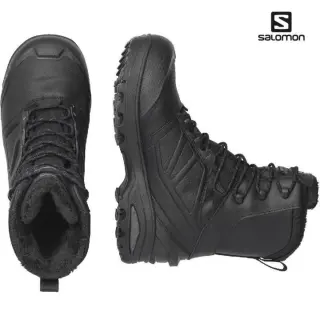
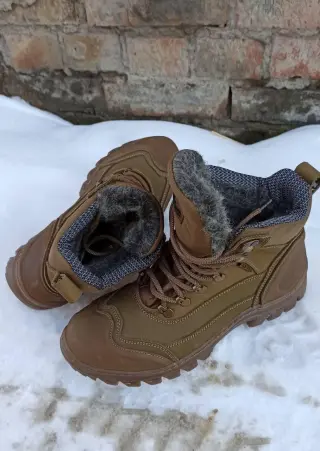
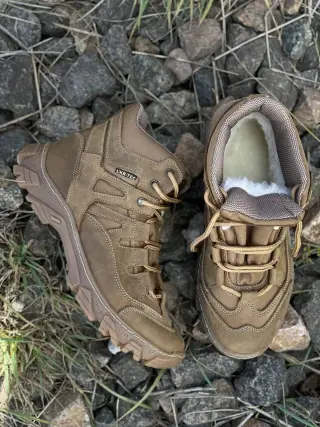
Insulation can be natural or synthetic. Fur and sheepskin linings, as in the "Combat" models from UKR·TEC, keep you warm and feel pleasant against the foot, but they take longer to dry once wet. Synthetic insulation, such as Cosmo Therm in the Belleville SQUALL or Aerotherm Aerogel in the Salomon Toundra Forces CSWP, is thinner and holds heat well even when your foot has sweated a little.
Look at the stated temperature rating, but take your own activity into account. A pair rated down to -15 °C is comfortable while you are walking, but for standing for hours on a freezing night it is better to leave a margin: the Salomon Toundra Forces CSWP is rated for temperatures down to -40 °C. If your winter is mostly wet snow and thaws, a Gore-Tex membrane, as in the high-top 4.5.0 boots, matters more: it keeps water out, and for light frost you can also take demi-season boots with a warm sock.
Sole: grip on ice and protection from cold ground
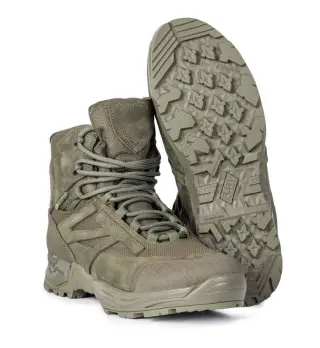
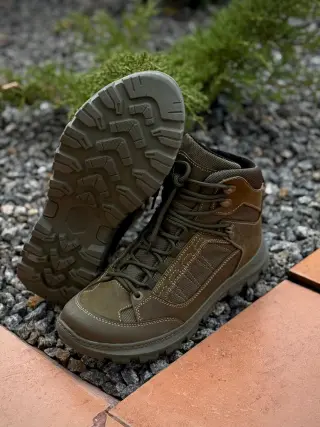
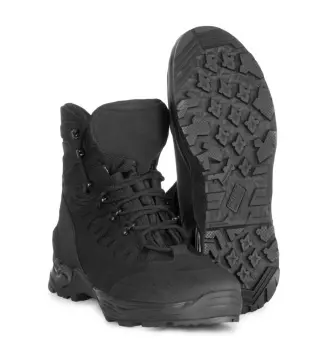
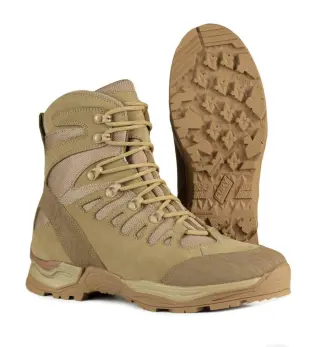
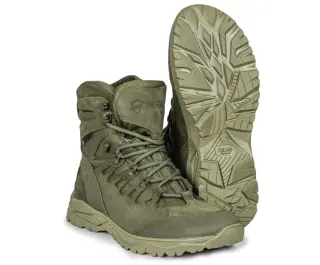
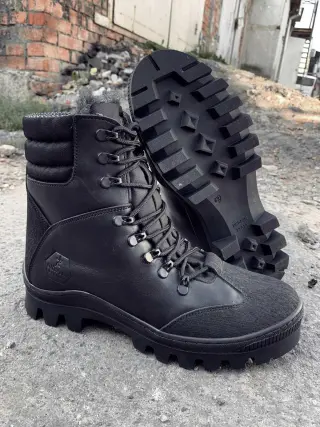
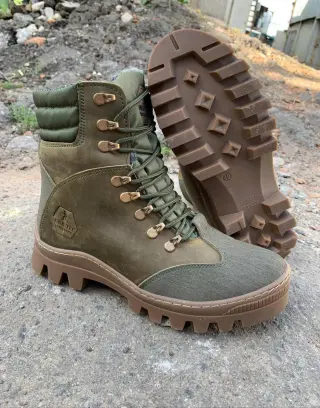
In winter the sole does double duty. First, it must not stiffen in the frost: hard rubber slides on ice like plastic. Special winter compounds, such as Vibram Arctic Grip in the Belleville SQUALL, are designed specifically for wet ice and slippery surfaces. Second, a thick sole with a deep tread separates your foot from frozen ground — with a thin one your foot gets cold from below even if the shaft is warm.
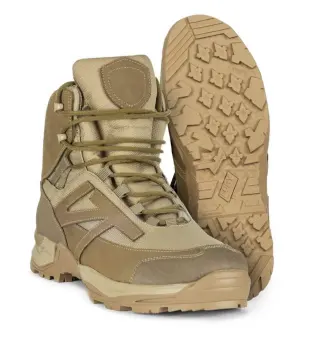
A tread with wide gaps sheds snow and mud more easily, so it does not clog with ice after several hours of walking.
Size, lacing and winter care
Try on the pair with a thick winter sock: a tight boot keeps you colder, because a squeezed foot gets poor blood flow and there is no air layer left to retain heat. The same mistake is made with lacing — tighten firmly over the instep, but do not overtighten the upper. Some pairs are sized in the British system (UK), so check them against the size chart rather than guessing.
After you come in, remove the insole and dry the boots separately. Do not put a fur lining next to a heater — it will turn stiff. Wash off salt and de-icing agents from city sidewalks right away, otherwise white marks will remain on leather and suede.
Which color to choose for winter
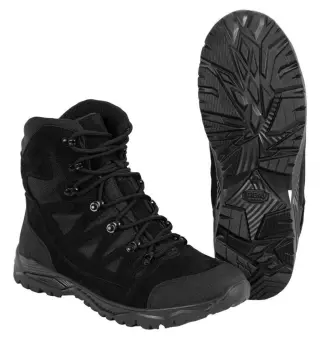
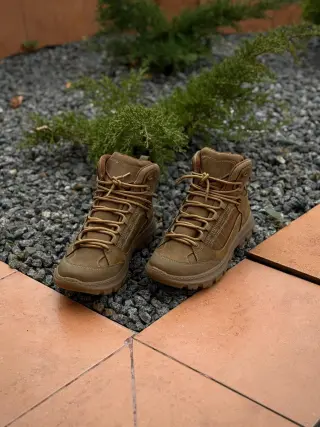
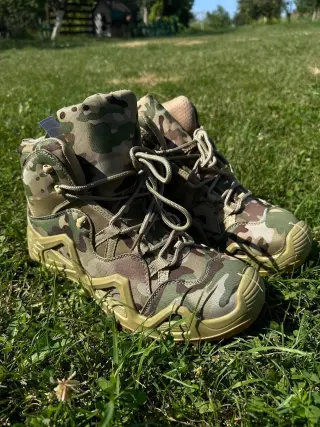
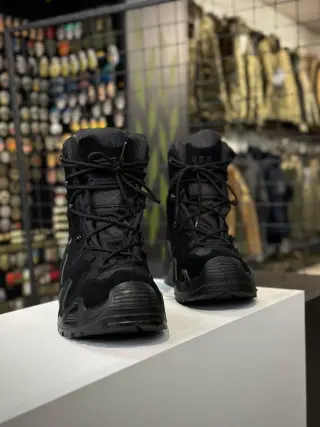
No color fully camouflages against snow, so choose according to your uniform and circumstances. Coyote boots are versatile for the field and go well with most field uniforms. Olive models suit a green uniform. Black winter tactical boots are the choice for city duty and security work: they show less dirt and de-icing residue. Also see black tactical boots for all seasons.
Frequently asked questions
Which winter boots for the Armed Forces of Ukraine are the best fit?
High-top ones, with insulation and a membrane, in the color of your uniform. A high shaft keeps snow out and supports the ankle under the weight of your gear. Choose the temperature rating with a margin if you will have to stand for a long time at a position.
How much do winter military boots cost?
Prices range from 2 380 to 15 030 UAH. Cheaper pairs with a fur lining work well for active movement. More expensive models are lighter and have branded insulation and winter soles for severe frost.
Can you wear winter boots during a thaw?
You can, if the pair has a membrane, but your foot will sweat faster. It is not worth walking in them for long in warm weather: moisture builds up, and later it makes your feet cold in the frost.