Olive Tactical Boots
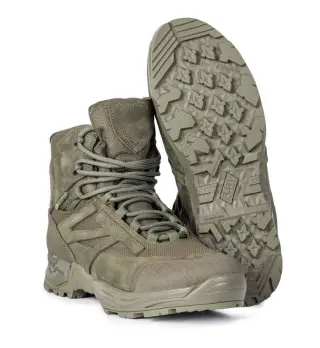
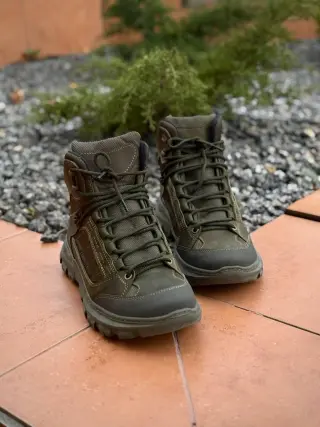
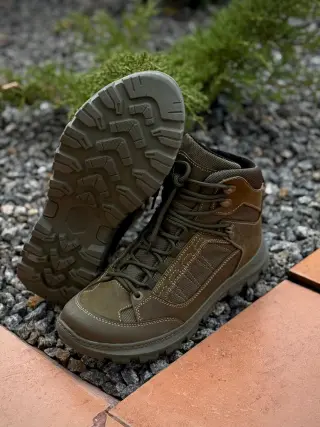
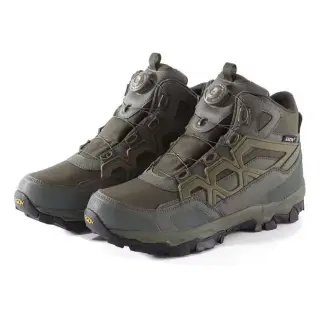
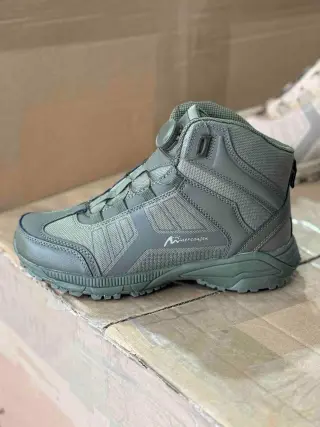
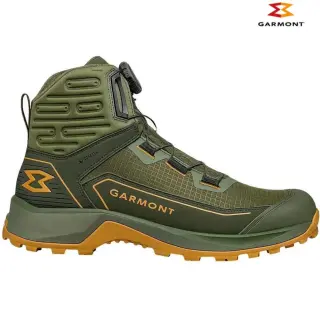
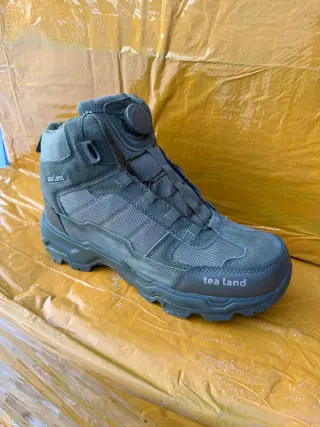
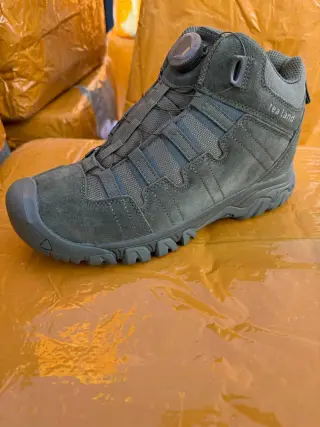
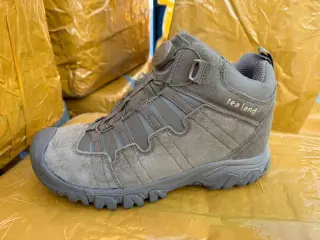
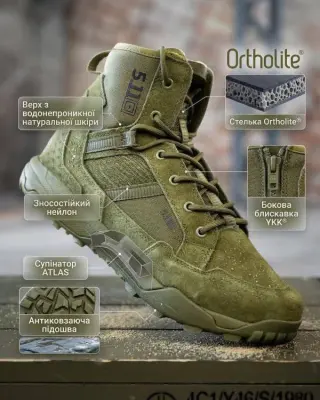
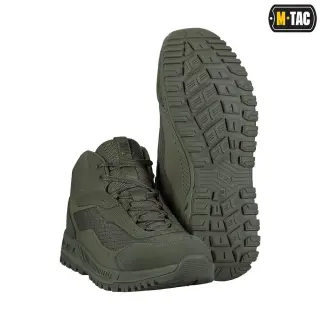
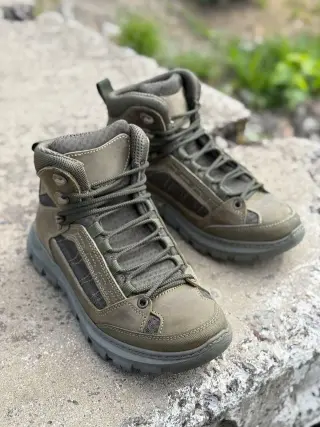
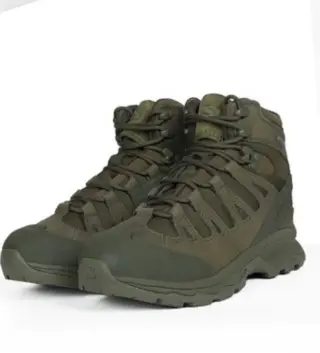
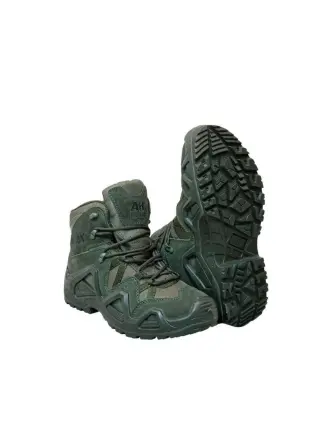
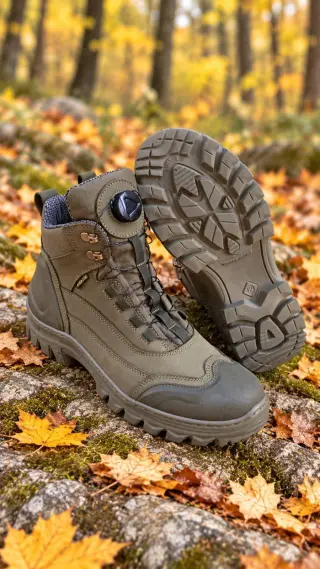
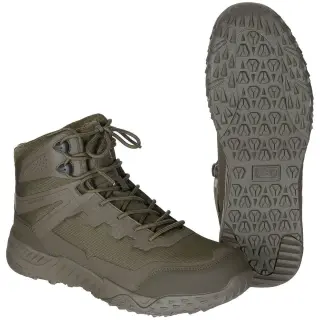
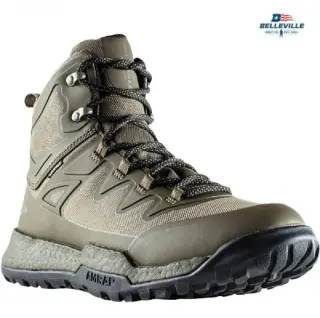
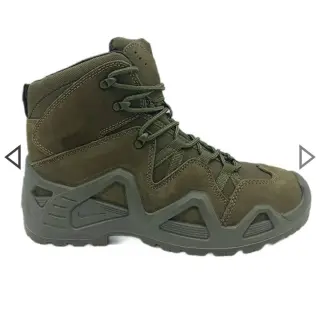
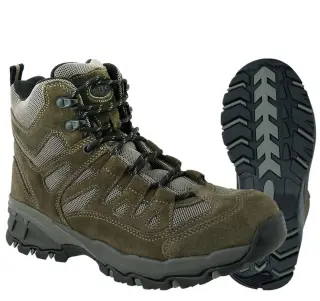


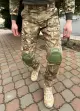
Olive tactical boots: who this color suits
Olive boots are most often chosen by people who need footwear to match their uniform: olive remains one of the basic colors of military uniforms, so these boots don't stand out from the kit in a unit. They are also picked for hikes through forest or fields, where a green shade doesn't catch the eye. The color doesn't change the construction, so first decide on the season and the height, and only then look for a suitable one among olive models.
Where olive works and where another color is better
Olive blends well against grass, leaves and damp soil, which means in the forest-steppe for most of the year. On dry clay, sand or yellowed steppe grass it is darker than the surroundings, and here it makes more sense to look at coyote-colored boots. If you wear your footwear mostly in the city, on indoor duty or with a dark uniform, black tactical boots will be more practical: scuffs show less on them, and choosing shoe polish is easier.
On the other hand, dust and dried mud are less noticeable on olive than on black, so in the field it looks tidier between cleanings.
Olive, khaki, dark olive: why the shades differ
By "olive" manufacturers mean different shades, and in product names the same color is sometimes written as khaki. Khaki tactical boots are usually slightly lighter and more yellowish, while "dark olive," as in the Belleville Vapor Boot, is closer to swamp green. Material matters too: suede and nubuck look darker and deeper, textile and mesh look lighter, and leather gains a sheen over time. So even within a single pair, leather inserts and textile panels may differ slightly.
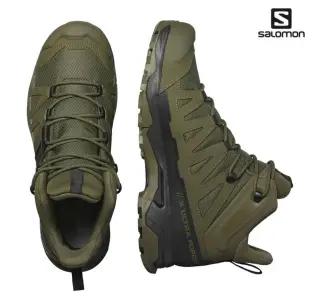
Some models combine olive with black, like the Salomon X Ultra Forces MID in the Green/Black colorway: the black toe and rand show dirt less. If the color must match your uniform exactly, rely on the upper material description, not just the photo: screens often distort green shades.
Olive models by season and fastening
Among olive military boots there are options for any time of year. For hot weather, summer tactical boots with a mesh upper are a good fit, such as the M-Tac IVA Olive low boots. Most of the year is covered by mid-season models with a membrane, and for frost there are winter boots, including those with the Frost800 insulating membrane.
The choice of fastening is also wide: classic lacing, central or side quick-lacing in Esdy models, and a dial system in the Garmont Trace Mid Boa GTX. If you have to put your boots on often and in a hurry, quick-lacing is more convenient; for a long march, regular laces fit more precisely.
How to care for them so the olive doesn't fade
Olive suede and nubuck gradually lighten in the sun, and salt and dirt leave stains on them. Clean your boots with a brush after the mud has dried, and use colorless products for waterproofing: a dark polish or wax will noticeably change the shade, and the pair will stop matching your uniform. Do not dry olive suede near a radiator or fire — besides the risk to the glue and membrane, it develops spots and faded areas.
Frequently asked questions
Are olive boots suitable for service in the Armed Forces of Ukraine?
Yes, olive is one of the usual colors for uniforms. However, it is better to check the requirements of your unit: in some places only coyote or Multicam-compatible shades are allowed.
How do olive boots differ from khaki?
Structurally, they don't; the difference is only in shade. Khaki is usually lighter and warmer, while olive is greener and darker, but between different manufacturers the line between them is blurry.
How much do olive tactical boots cost?
Prices range from 2 030 to 11 020 UAH. The difference depends on the membrane, upper material and brand, not on the color. Look for other colors and models in the tactical boots category.