Thermal Socks and Winter Tactical Socks
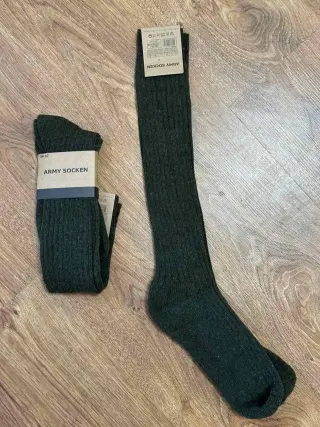
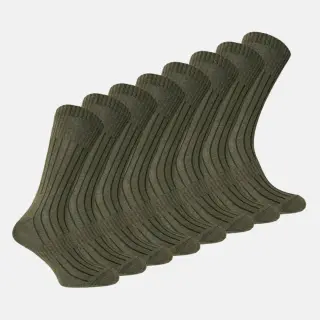
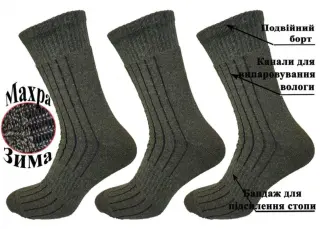
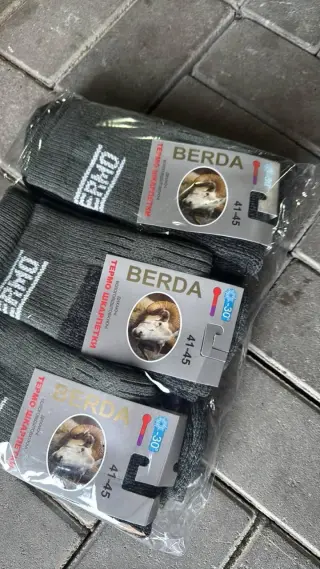
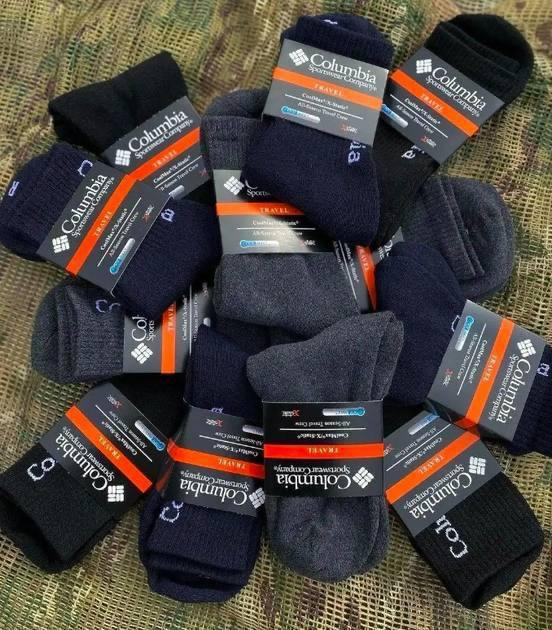
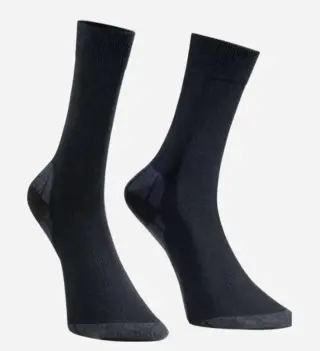
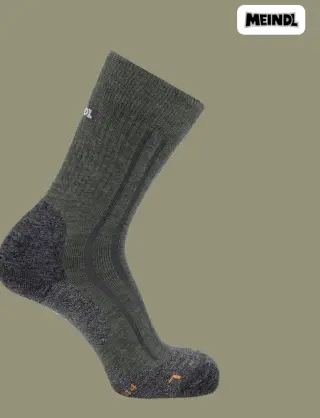
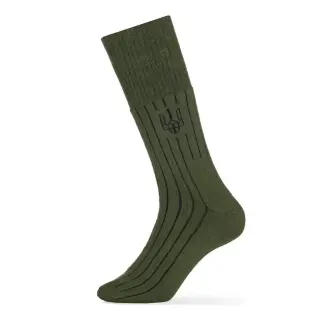
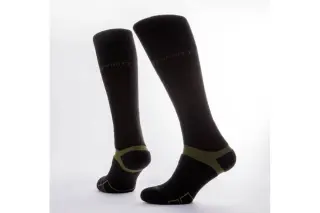
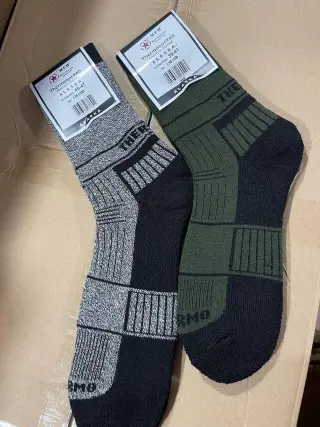



Winter Tactical Socks and Thermal Socks
Thermal socks are for anyone who spends long hours in the cold: on a position, on duty, hunting or on a winter hike. When boots are in prolonged contact with snow and frozen ground, an ordinary pair won't save you: your foot sweats, the moisture cools, and your foot gets cold even in well-insulated footwear. Winter socks are denser, have a taller cuff and reinforced zones, and the material determines how they perform after several hours of movement or motionless standing watch.
Wool, Cotton or Neoprene: What to Choose
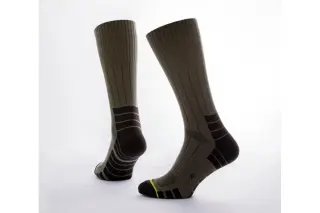
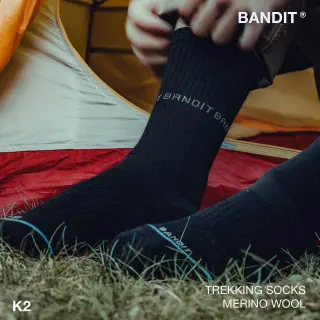
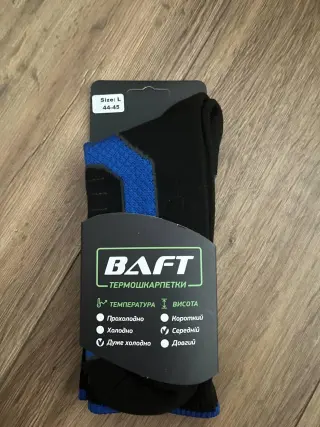
Wool, merino in particular, is the most versatile option. It keeps you warm even when it has absorbed a little sweat and accumulates less odor, so these pairs are convenient for multi-day outings. Wool is usually blended with acrylic, polyamide and elastane: the Zorya trekking socks and the MFH Alaska are rated at 45% merino wool. The synthetics in such a blend add durability and help the sock keep its shape.
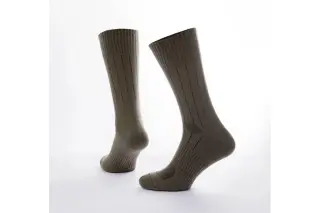
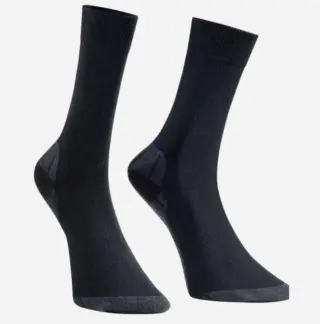
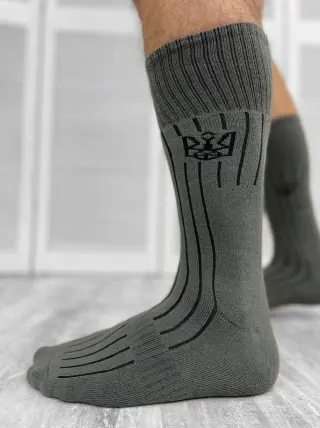
Cotton winter models, terry or brushed, are soft and pleasant against the skin, but they absorb moisture and dry slowly. The Basic winter socks, for example, are listed at 78% cotton. Such socks are well suited to moderate activity, everyday use at the base or as a spare pair, but during intense movement wet cotton quickly stops keeping you warm.
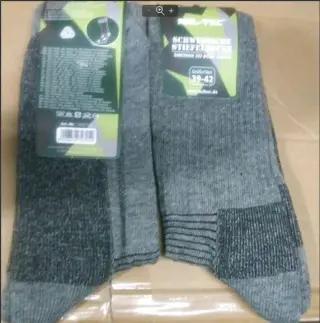
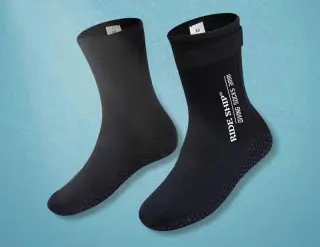
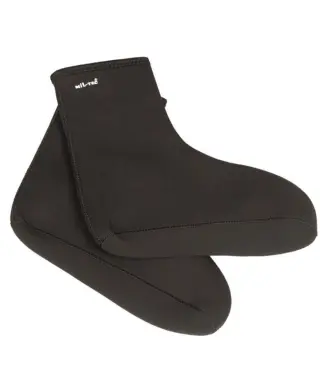
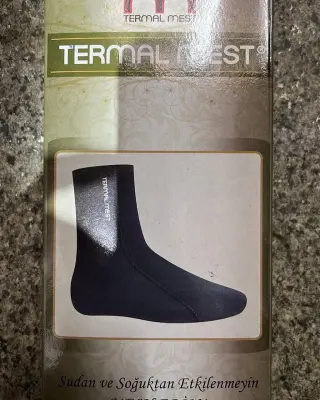
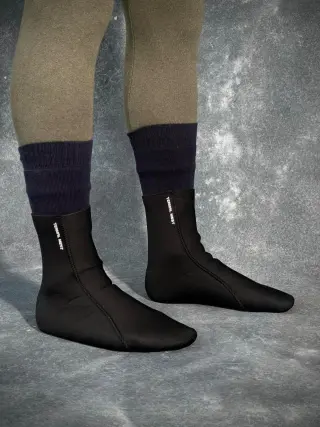
Neoprene thermal socks, such as the MIL-TEC or the 3 mm thick model, work differently: they retain warmth even in wet snow, slush or puddles. Neoprene does not let air through, so the foot sweats in it, which is why it is best worn for a few hours in wet conditions rather than from morning till evening.
How to Choose the Size and Match the Pair to Your Footwear
The most common mistake is to buy a warm, thick pair and put it on in boots chosen for thin socks. The foot gets squeezed, circulation worsens, and the foot gets cold faster than in a thinner pair. Try on winter footwear right away with the socks you plan to wear, so that there is some room left between the toes and the toe box.
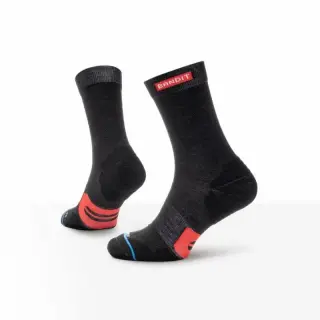
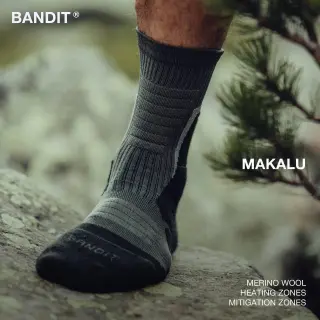
An oversized sock is harmful too: folds cause chafing on the march. Size charts differ: some models have letter sizes, others have ranges such as 40-42 or 43-45, so check the chart on the product page. For long treks, take a look at the Bandit Makalu compression socks: a snug fit holds the foot better.
In severe cold, layering helps: a thin sock wicks moisture away from the skin, while a warm outer pair retains heat. This scheme is often used with neoprene as well, wearing a thin pair underneath it.
How Many Pairs to Take and How to Care for Them
For several days, take at least two or three pairs and change them as soon as you feel moisture: a dry sock keeps you warmer than the warmest wet one. Wash wool in cool water on a delicate cycle and don't dry it on a radiator, because it may shrink. Neoprene only needs to be rinsed and dried turned inside out, away from open flame. If you also need summer or short models, see all tactical socks.
Frequently Asked Questions
How do thermal socks differ from ordinary winter socks?
Thermal socks usually have a wool-synthetic blend or neoprene, which retain heat better when moisture is present. Ordinary warm socks are more often cotton: they are cozy, but keep you less warm after heavy sweating.
Can you wear neoprene socks all day?
Better not to: skin doesn't breathe in neoprene and gets soggy. Wear them while working in water or wet snow, then switch to a dry wool pair.
How much do winter tactical socks cost?
Prices range from 60 to 880 UAH. Pairs with merino wool usually cost more than cotton terry models.