Tactical Fleece-Lined Pants
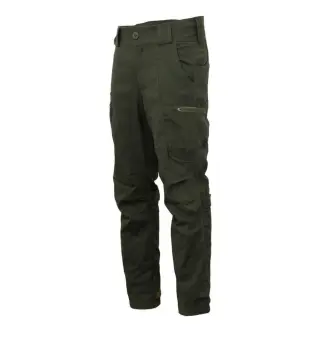
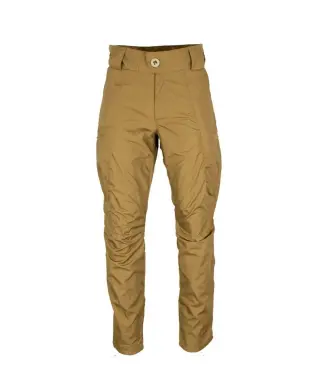
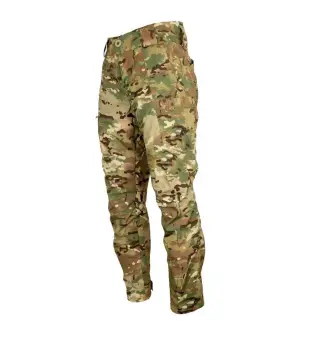
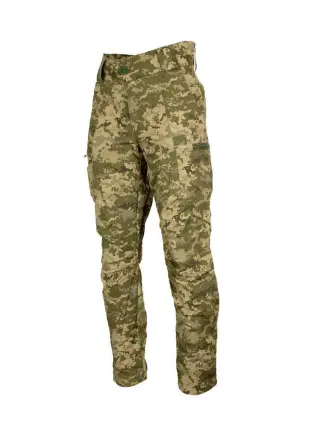
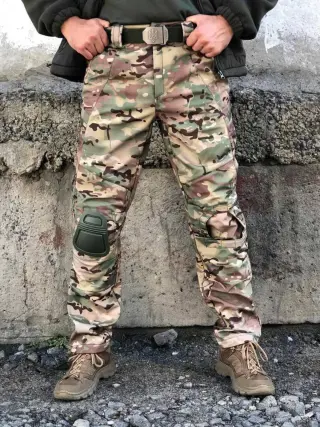
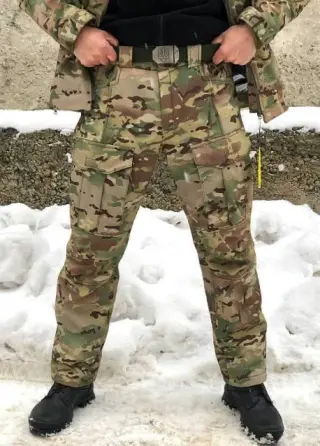
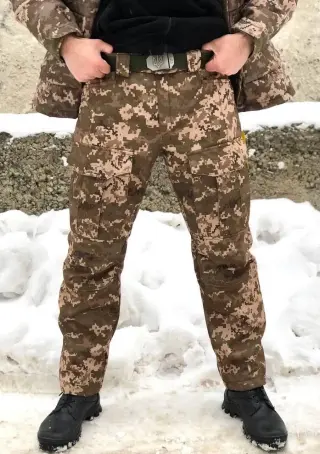
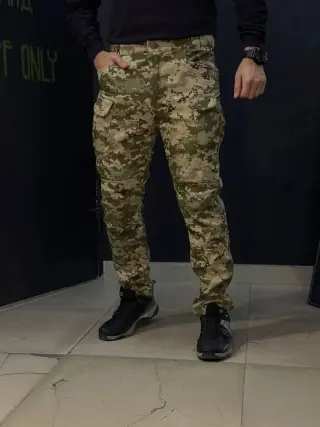

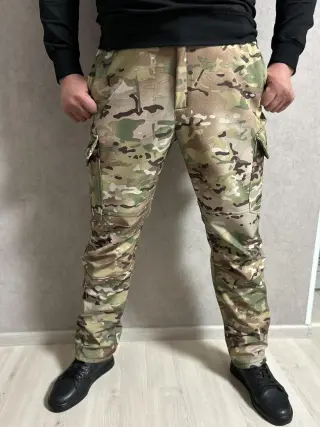
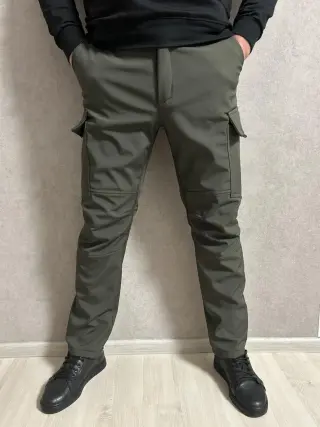
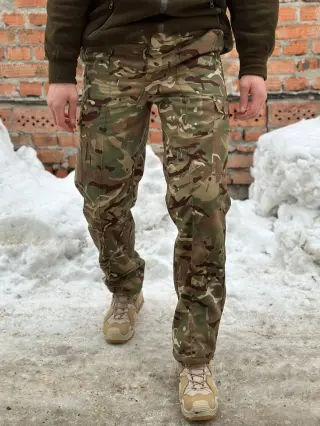
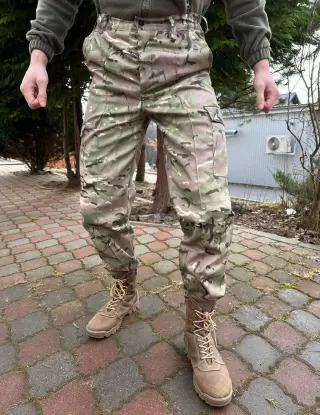
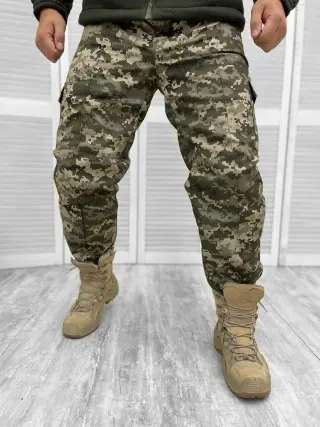
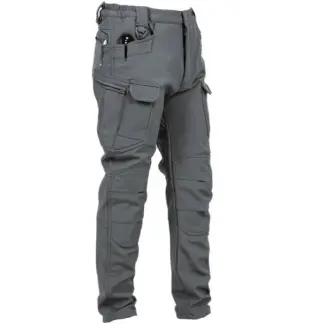
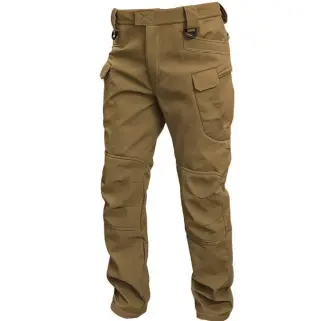
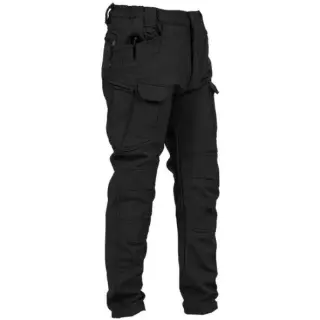
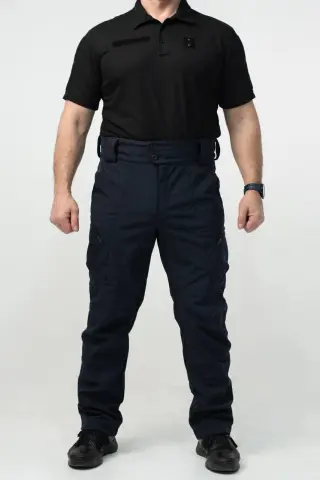
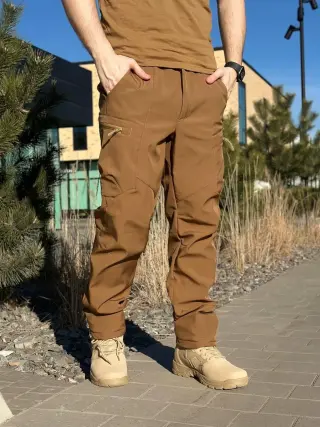
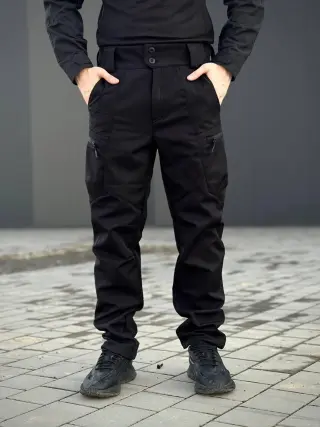



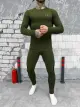


Tactical Fleece-Lined Pants: Who They're For and What They're For
Pants with a fleece lining are chosen by people who spend a cold day on their feet: on duty, on the road, hunting or working outdoors. Fleece holds heat without adding bulk, so in these pants you can squat, climb into a vehicle or a trench and walk for hours without feeling restricted. If you need winter and insulated pants in general, including those with synthetic insulation, compare the options across the whole category.
How Fleece Differs from Synthetic Batting, Thermoloft or G-Loft
The main difference is the mode the insulation is designed for. Fleece is a dense, napped knit: it keeps you warm as long as your body is producing heat, and at the same time it wicks moisture well, so your legs don't sweat when you walk. Synthetic batting, Thermoloft or G-Loft work differently: a bulky layer traps still air and keeps you warm even when you stay motionless for hours.
That makes the choice simple. If you walk a lot and often step into a warm room and back outside, fleece-lined insulated pants will suit you. If you stand at a post or sit in an ambush, synthetic insulation or a separate warm layer is better. Another practical advantage of fleece: it dries quickly after wet snow, and the thin lining doesn't shift or clump after washing.
Which Outer Fabric to Choose
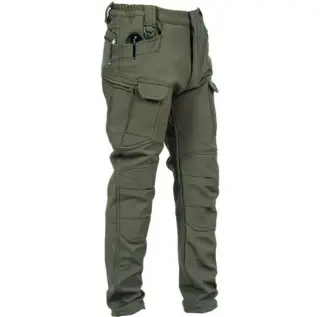
Fleece is responsible only for warmth, while the outer layer protects against wind and moisture. Softshell is stretchy and blocks wind tightly, so models like Agressor or Military are comfortable for active movement and dry frost. Ripstop with a water-repellent coating, as in the Grifon Apex Gen 3, copes better with damp weather and abrasion from branches. Twill and cotton fleece-lined pants are softer and quieter, but they get wet faster in damp weather.
Pay attention to the lining thickness too. Microfleece is thinner and lighter — an option for the off-season and intense movement, while regular fleece is noticeably warmer. For assault tasks, look for knee pad pockets, as in the Viking 2.0, or models that come with knee pads, like the Grifon Tornado Winter.
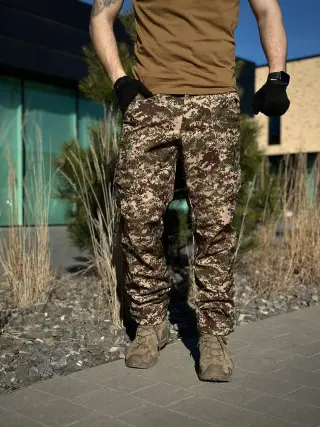
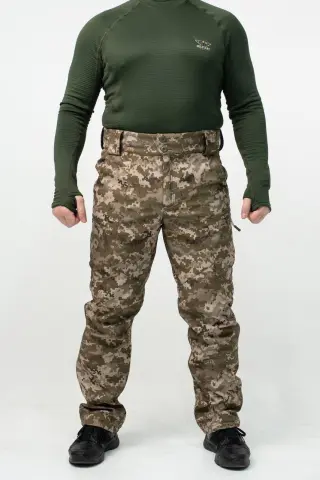
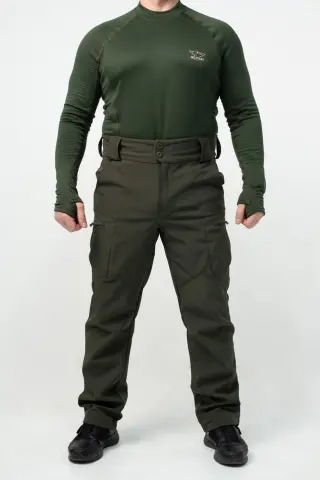
Choose the color to match the rest of your uniform: there are winter multicam pants and winter pixel pants, as well as olive, coyote and black.
How to Layer and Choose a Size
The temperature that manufacturers state for individual models (from -5 to -20 °C) is a guideline for movement with thermal underwear, not a guarantee. In severe frost, fleece-lined pants are worn as a middle layer: thermal underwear underneath, and during stops you put Level 7 pants over them. If the cold gets to your lower back, consider pants with suspenders.
Sizes are labeled differently: some models are made in a numeric grid 44–60, others in letter sizes S–XL, so check the size chart for the specific pants. A straight cut and hook-and-loop cuffs let you tuck the legs into high boots or leave them over your shoes.
Frequently Asked Questions
Are fleece-lined pants enough in frost?
When moving and with thermal underwear — yes, they are enough in moderate frost. For standing in one place for a long time, fleece is weaker than bulky synthetic insulation. So for static tasks, add an insulated layer on top.
How do I wash fleece-lined pants?
Wash them inside out, in cool water, with liquid detergent. Hot water and drying on a radiator damage the pile, and it pills faster. Dry the pants laid flat at room temperature.
Should I take pants one size larger?
As a rule, no: your usual size is enough, taking thermal underwear into account. When trying them on, squat and take a wide step: there should be no pulling at the knees or seat.