Tactical Knit Beanie: Cuffed, Fleece-Lined, with Coat of Arms

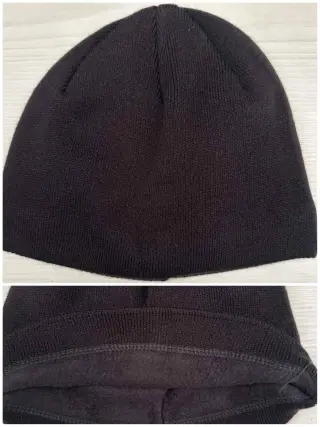
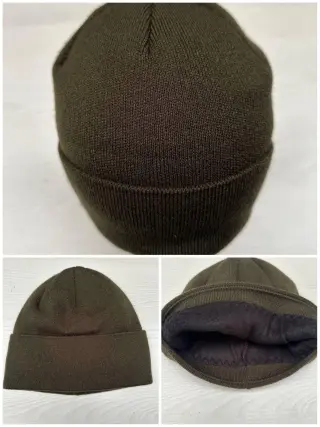
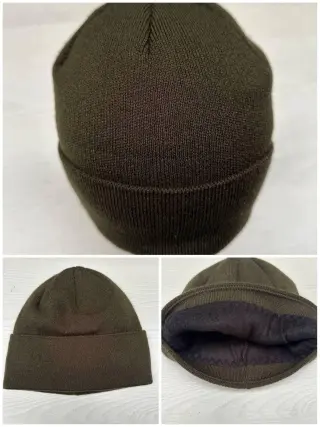
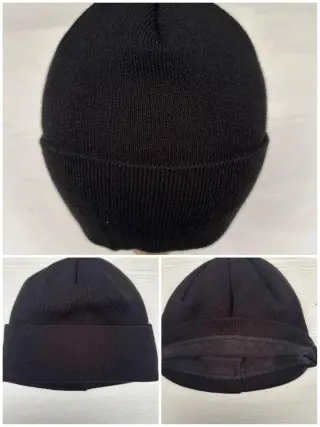
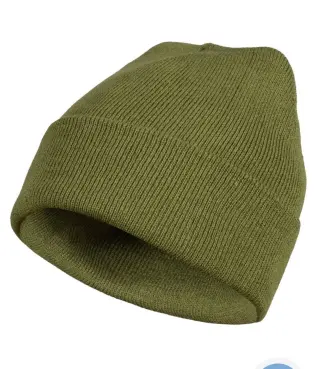





Tactical Knit Beanie: Who It Suits
A knit beanie is versatile headwear for cold weather. It fits snugly, stretches to the shape of your head, slips easily into a pocket and goes with both field uniform and an ordinary jacket. A tactical model differs from a city one by its muted colors, no prints or logos, and a closer fit that doesn't interfere with a hood or headphones. Prices range from 250 to 820 UAH, so you can pick a beanie for every day or a spare for your duty kit.
Cuffed or Not: Which Shape to Choose
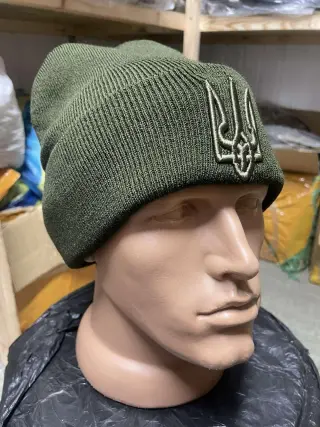
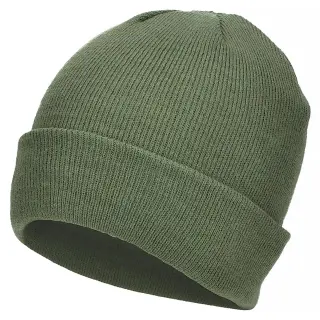
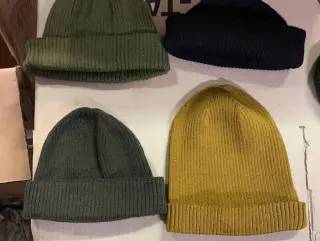
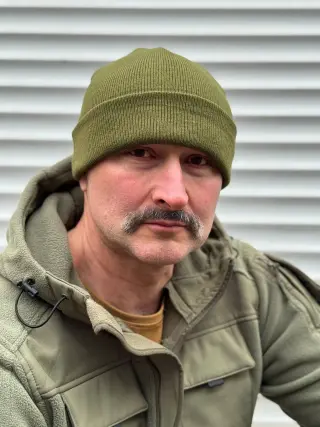
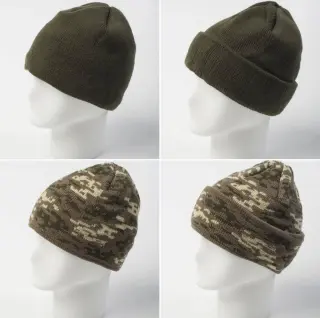
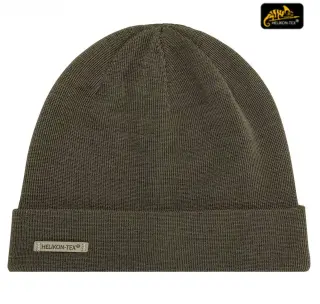
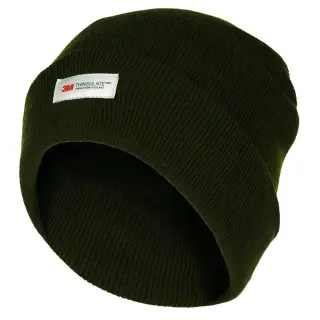
A cuffed knit beanie has a double layer along the bottom edge. You can pull it down to cover your ears or fold it up and wear the beanie higher. This style adapts easily to different head shapes and slips less, because the cuff adds elasticity to the edge.
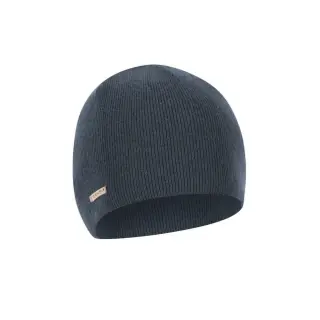
A beanie without a cuff, such as a watch cap with a straight edge, is more minimalist and less bulky. It is convenient under a hood or with a balaclava, when an extra layer on the forehead only gets in the way. The downside is that you can't adjust the fit depth, so it's important that the beanie fits your head right away.
Pay attention to the knit as well. Ribbed knit stretches evenly all the way around and holds its shape for a long time — the Helikon-Tex Urban Beanie is made this way, for example. Chunky knit looks bulkier, but gaps remain between the stitches, and wind can come through.
Unlined or Fleece-Lined
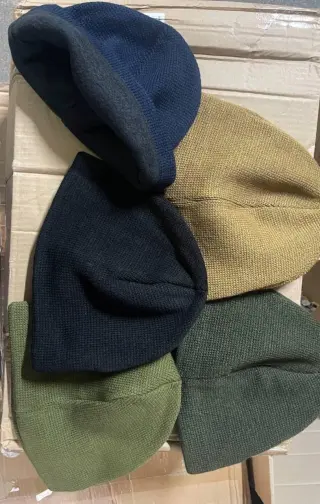
A fleece-lined knit beanie combines two layers: knit outside, soft pile lining inside. Fleece blocks wind through the gaps between stitches and keeps acrylic from itching your forehead. It's good when the lining is sewn in around the entire perimeter: then it doesn't shift or bunch up.
At the same time, a fleece lining makes the beanie thicker, it stretches less and dries more slowly. During active movement your head sweats faster in it. An unlined beanie is lighter, dries faster and is easier to fold or roll up. Microfleece is a middle option: the lining is thin, so the beanie stays compact.
If you often go between outdoors and indoors or move a lot, it's more practical to have one unlined beanie and one fleece-lined, and switch them depending on the task.
Color, Coat of Arms and What Else to Consider
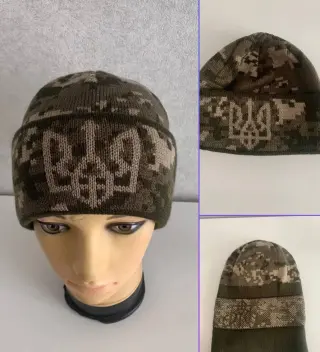
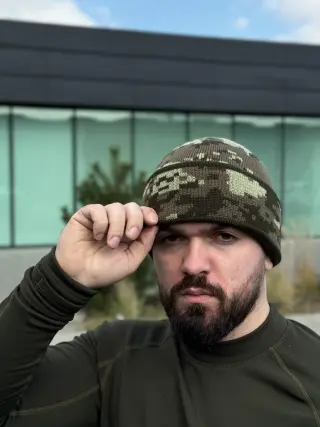
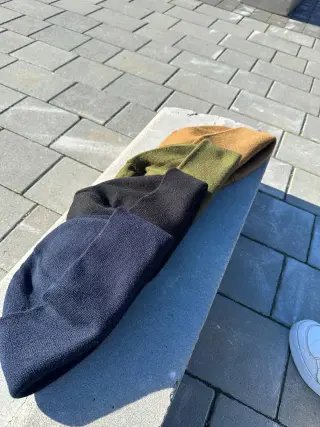
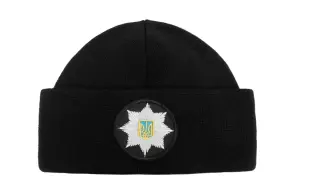
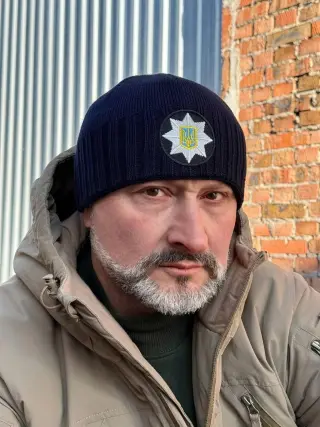
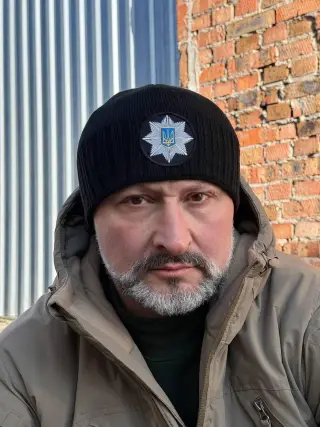
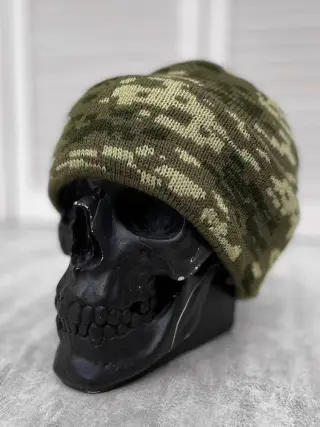
The main colors are olive, black and pixel camo. Navy and white are also available. It's best to match the beanie color to the uniform or jacket you'll wear it with: pixel suits a uniform, while olive and black are universal. Models with a coat of arms have an embroidered trident on the forehead. Beanies with a Police cockade are duty headwear for police officers.
Many knit beanies are made of acrylic: it is light, moth-resistant and holds color well. However, synthetics can build up static, so people with sensitive skin may prefer a beanie with a fleece lining. A common mistake is taking a beanie that is too tight in the hope that the knit will stretch: it stretches unevenly, and the beanie presses on the forehead. Other types, such as fleece beanies and helmet liners, can be found in the tactical hats category.
Frequently Asked Questions
What size of knit beanie should I choose?
A knit beanie usually comes in one universal size, because the knit stretches. Fleece-lined beanies stretch less, so if you have a large head circumference, it's safer to choose an unlined model or one with a cuff. Check the size on the product page before buying.
How do I care for a knit beanie?
The best way is a gentle hand wash without wringing. Dry the beanie laid flat on a level surface, not on a radiator or with clothespins, so it doesn't stretch. Turn a beanie with an embroidered coat of arms or cockade inside out before washing.
How does a tactical knit beanie differ from a regular one?
Primarily in muted colors and the absence of bright prints and logos. A tactical model sits more snugly on the head and doesn't stand out against a uniform. Some versions have a trident or cockade for duty wear.