Winter Tactical Suits with Omni-Heat Lining
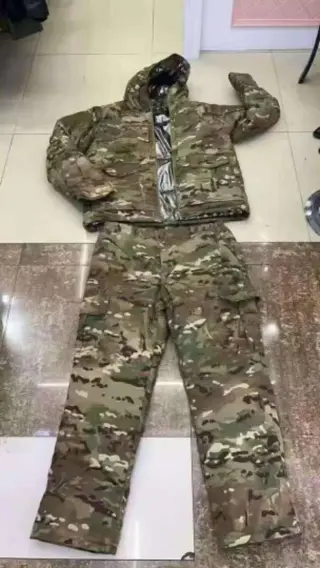
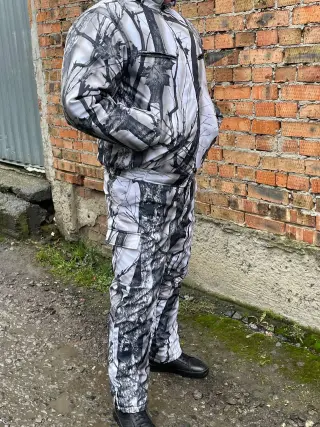
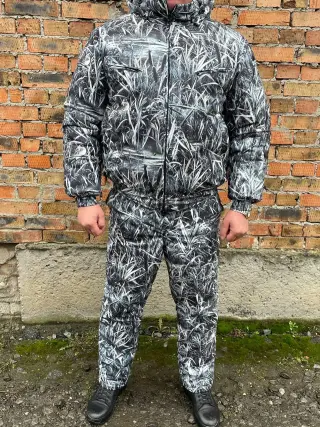
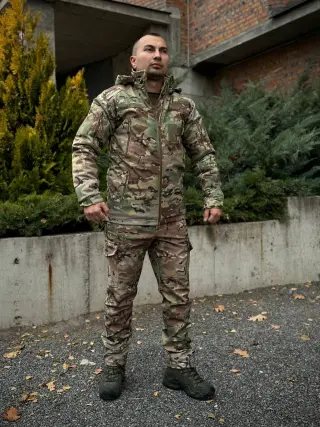
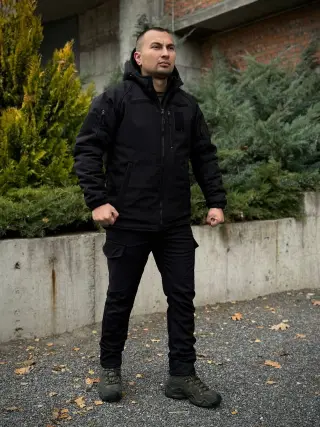
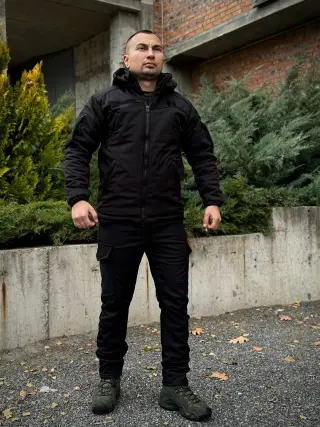
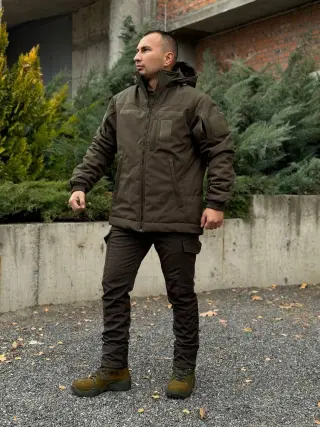
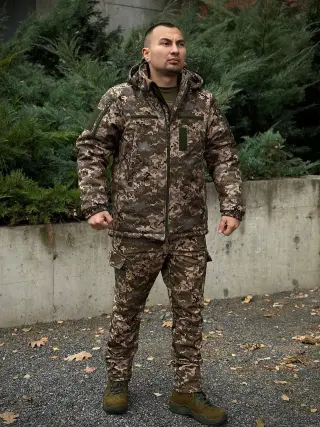
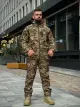
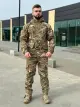


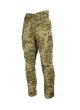
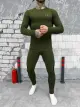


Omni-Heat Winter Suit: What to Know Before You Buy
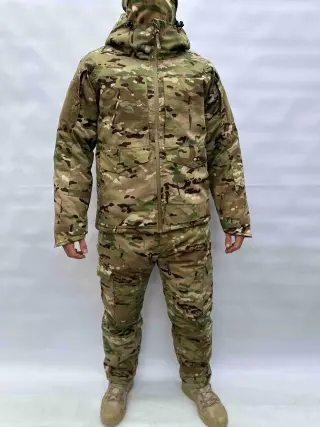
A suit with a heat-reflective lining is chosen by those who need warmth without bulk: for service, training, hunting or fishing, when you have to both move and stand still for a long time in your clothing. The silver pattern inside the jacket is noticeable right away, but on its own it does not warm the suit. To choose well, look at what sits beneath it and at the fabric on the outside.
What Actually Holds the Heat in an Omni-Heat Suit
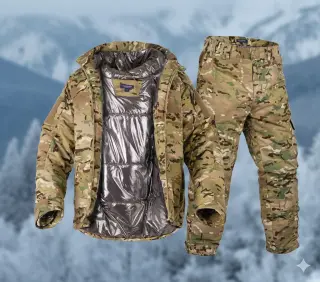
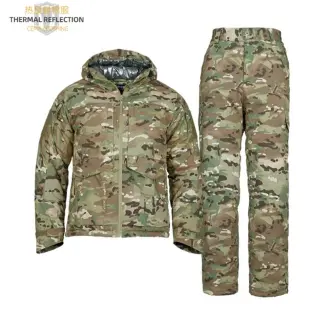
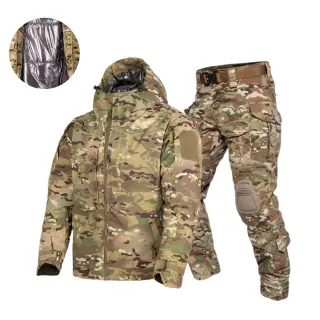
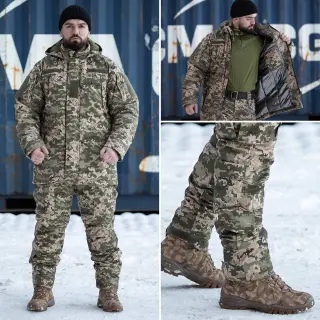
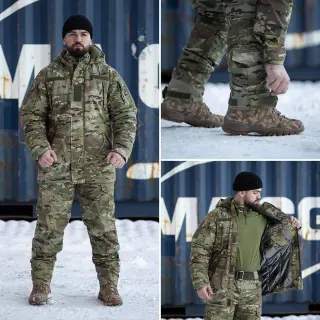
Omni-Heat is a lining, not insulation. It reflects part of your body heat back, while the filling holds it in: Slimtex, synthetic padding, hollowfiber or Thinsulate. That is why two suits with the same silver lining can feel completely different in terms of warmth. For example, in Tactical Series the lining sits over hollowfiber (eco-down), while in Viking 5.0 it is a thin Slimtex layer, so the former is bulkier and better suited to stationary work, while the latter is lighter and does not restrict movement.
In tactical suits, the name Omni-Heat usually refers to the type of heat-reflective lining itself. So do not rely only on the label on the tag. Judge a set by its filling, cut and outer fabric. The thinner the insulation, the more the right base layer under the suit matters.
Softshell or Ripstop Over a Heat-Reflective Lining
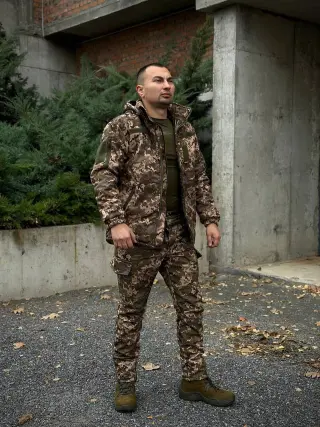
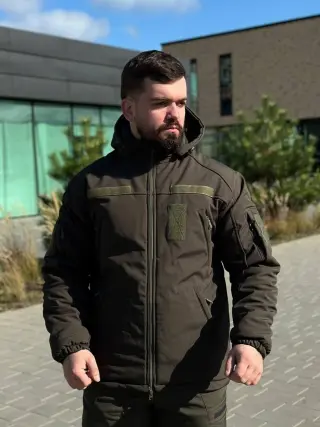
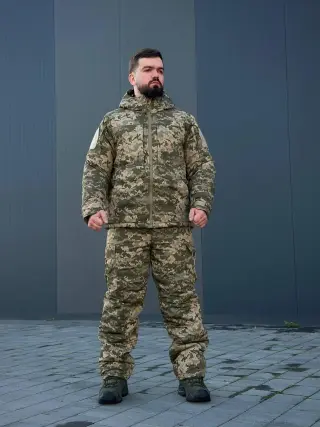
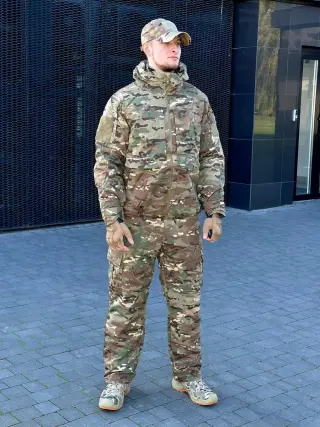
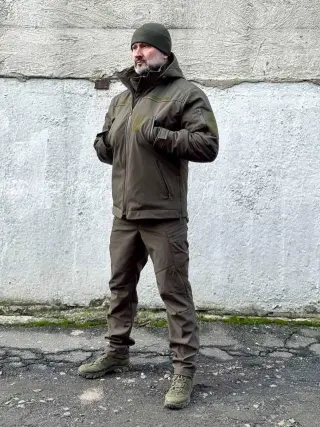
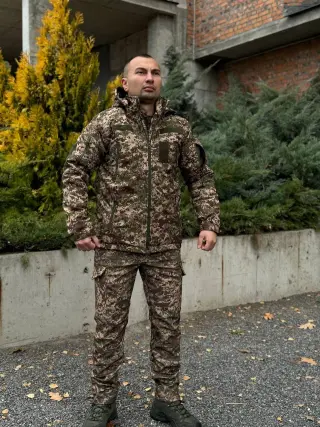
An Omni-Heat softshell winter suit, such as Viking 5.0 or Apex 5.0, stretches with you, is quiet and fairly thin. It is comfortable when you walk a lot, squat or handle a weapon, and excess heat escapes as soon as you unzip the jacket. In truly wet conditions, however, it is better to add a protective layer over the softshell.
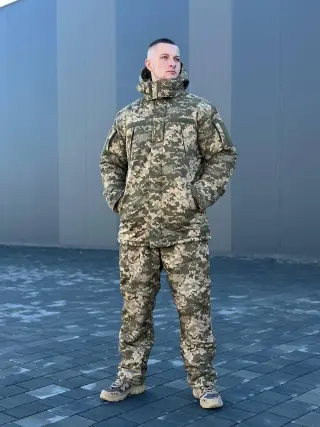
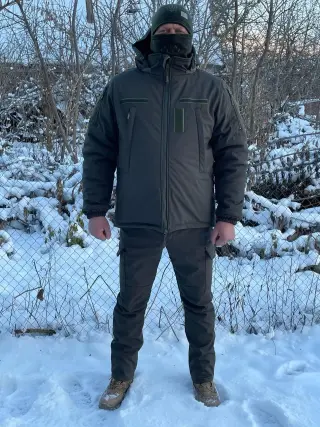
Ripstop, as in the set with the Dragon jacket and G3 pants or in Tactical 3.11, resists wet snow and wind, does not rustle and withstands rough handling. Combined with a bulkier filling, it is the choice for ambushes, watch duty and ice fishing. If you need something in between, look at models with a ripstop jacket and softshell pants.
Jacket or Bushlat and Where the Lining Is
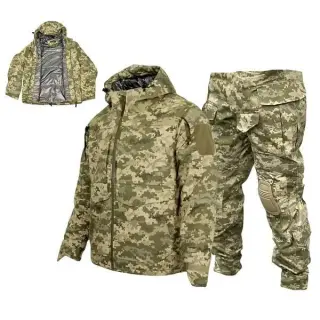
Check which part of the set the Omni-Heat covers. In Viking 5.0 it is in the jacket and even in the pockets, where hands get cold, while the pants are often insulated more simply. A bushlat, as in B&L or Grifon Goverla paired with Apex Gen 3 pants, is longer and covers the lower back, so for static duty also see winter bushlats with pants.
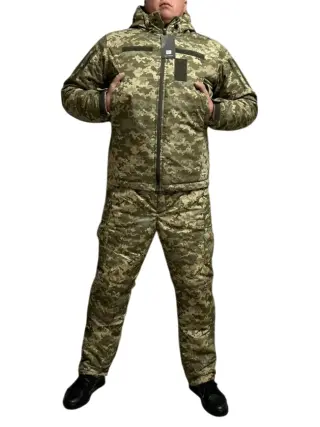
Ratings such as "down to -20", "down to -30" or "down to -35" are the manufacturer's claim, not a guarantee. Real warmth depends on wind, humidity, movement and what you wear underneath. So take a margin and do not count on wearing the suit over just a T-shirt. Choose camouflage for the task: MultiCam winter suits for mixed terrain, pixel pattern suits to meet Armed Forces of Ukraine requirements, or understated olive-colored suits.
Frequently Asked Questions
Does Omni-Heat keep you warm without insulation?
No, it noticeably warms only together with a filling. The lining reflects heat but does not create a thermal insulation layer. Without insulation, it will be a light jacket with a noticeably warmer inner surface.
Won't it be too hot in such a suit while moving?
It will, if you wear too many layers. The fabric lets air through between the silver dots, but during active walking it is better to swap the fleece for thin thermal underwear and partly unzip. Softshell models with thin insulation are more comfortable for movement.
Is an Omni-Heat suit only for the military?
No, it is also readily chosen for hunting, fishing and trips into nature. The main things are a quiet fabric and a cut that does not restrict movement. Look for other insulation options among all winter tactical suits.