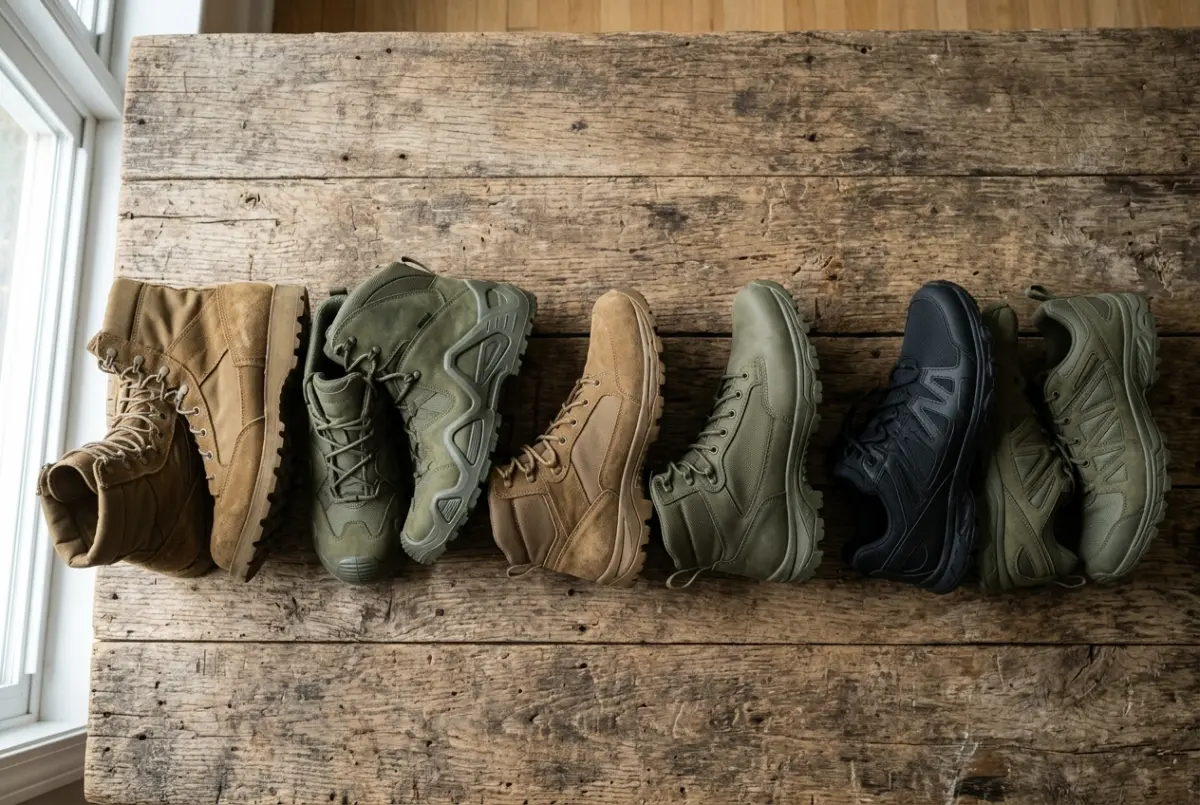
Boots, Mid-Cuts, or Sneakers: How to Choose the Right Type for the Task
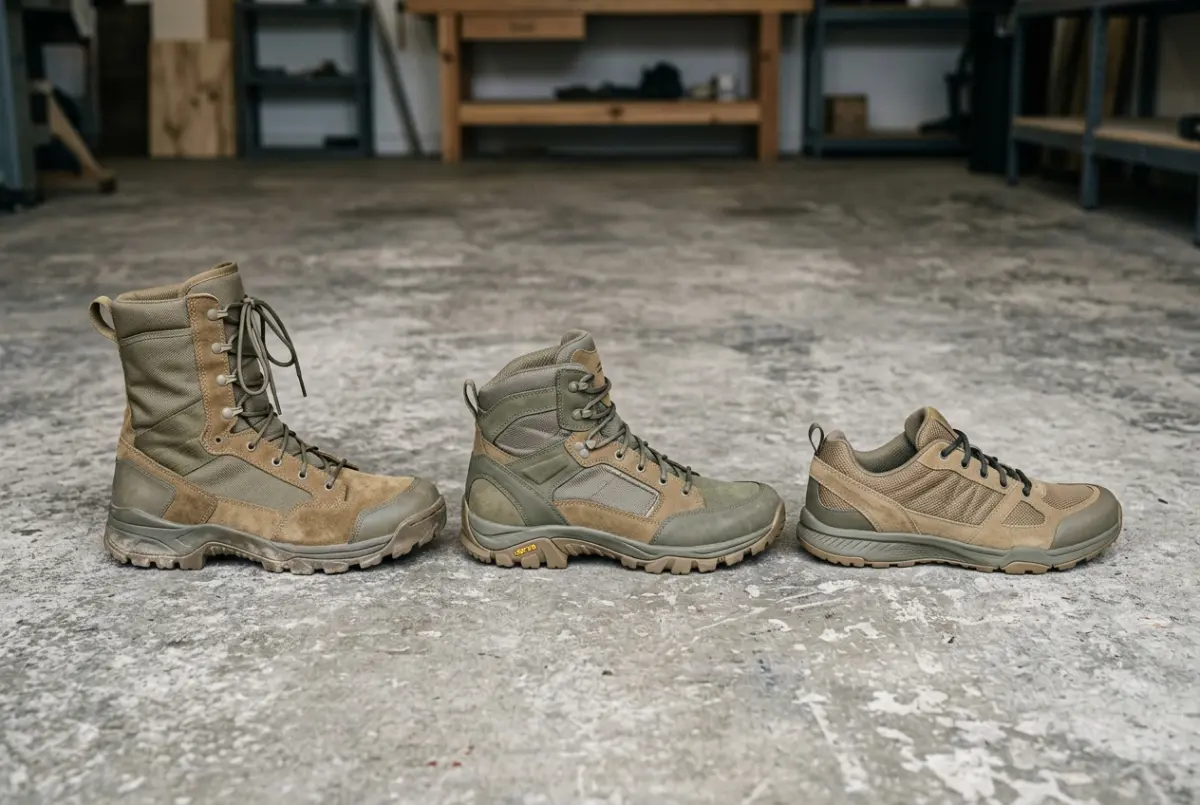
There is no such thing as a universal boot — and that's the key point to start with. A pair that's perfect for a 20-kilometer march with a pack will feel excessive at a base in the heat, while lightweight sneakers won't protect your ankle on rocky or muddy terrain. So define your scenario first: how far you walk, how much weight you carry, what climate you're in, and what ground you're crossing. After that, the choice becomes straightforward.
The Tactical Footwear category currently has 483 models in stock, and all that variety can be neatly grouped into three basic types:
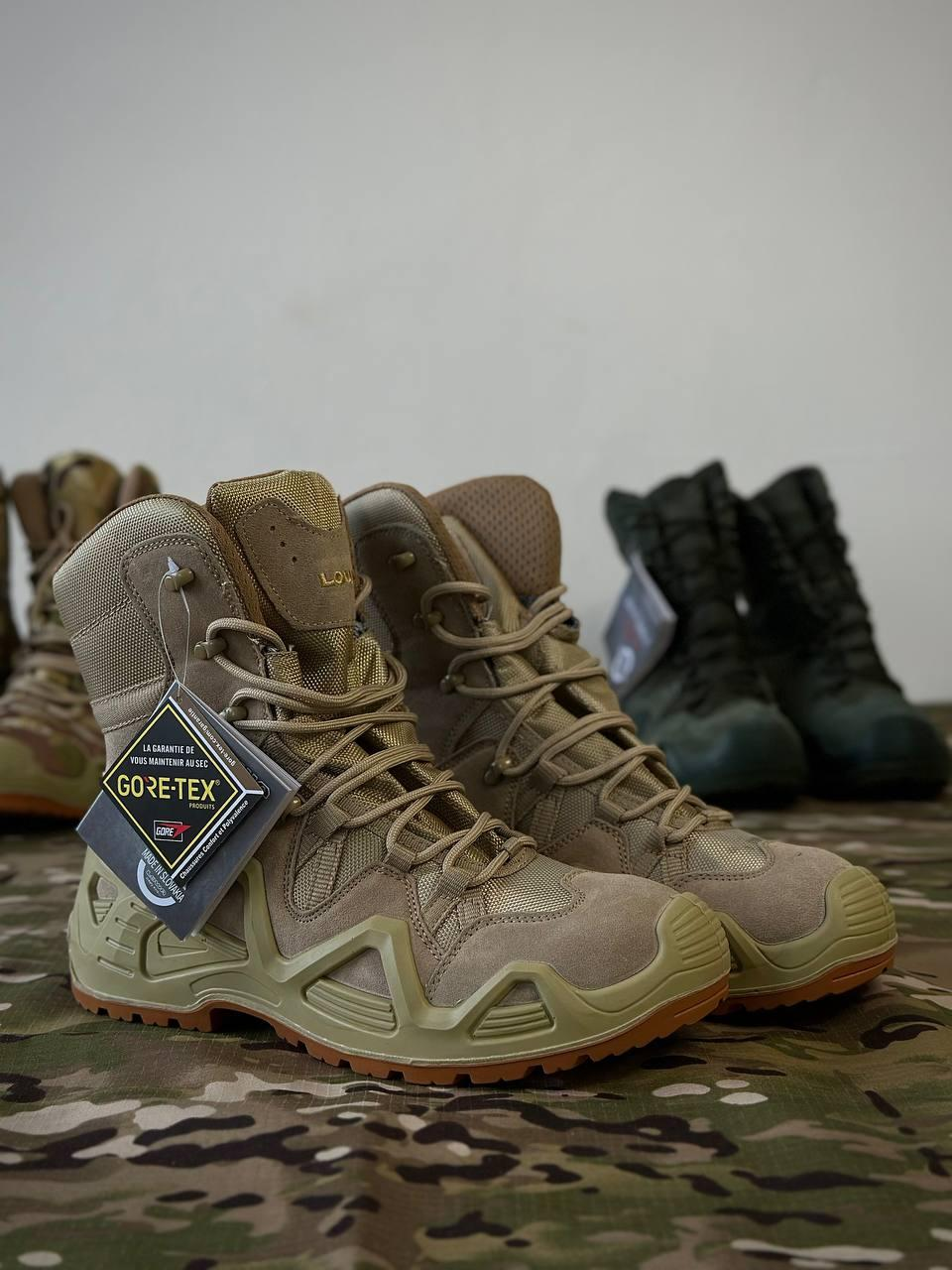
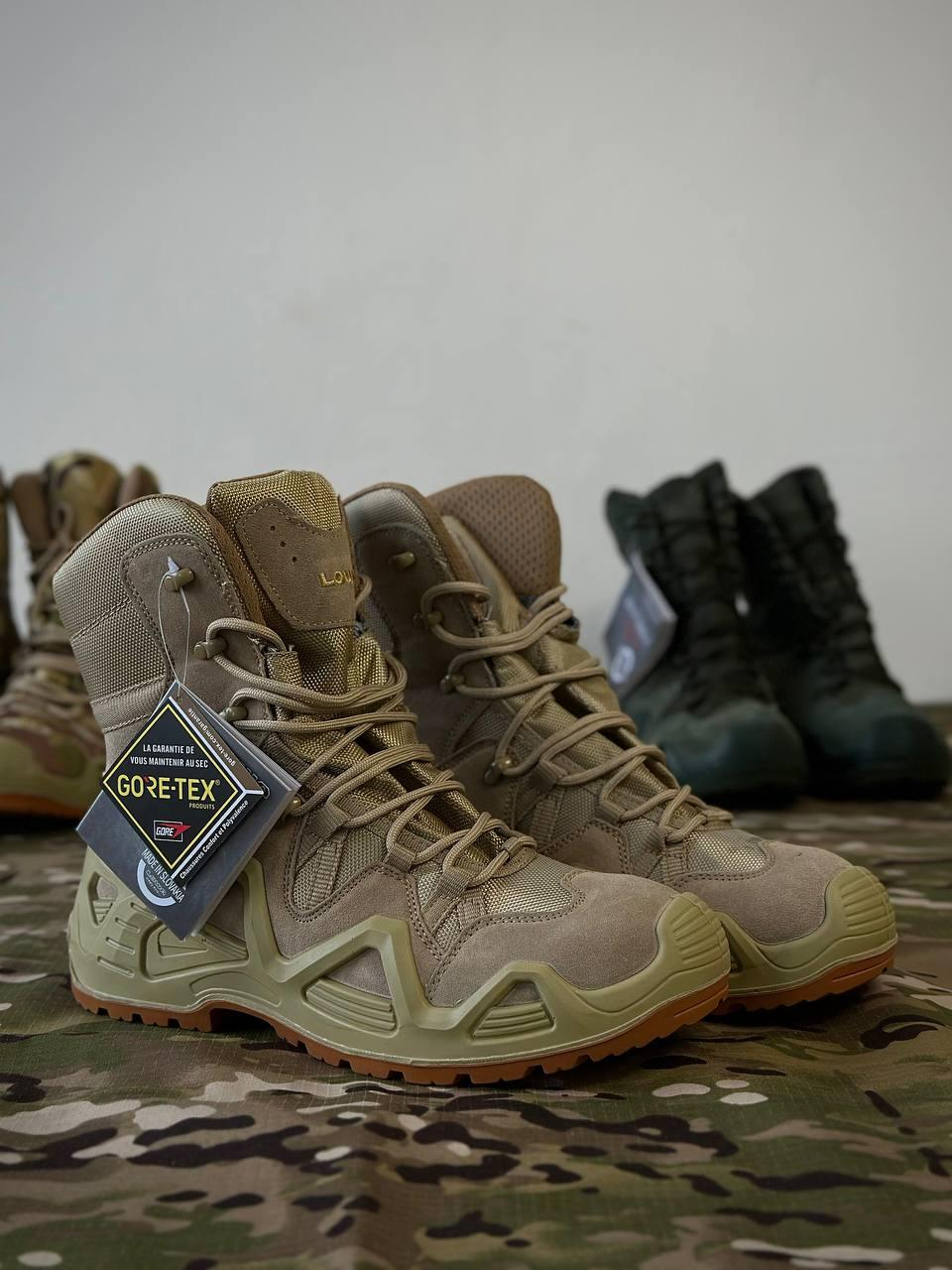
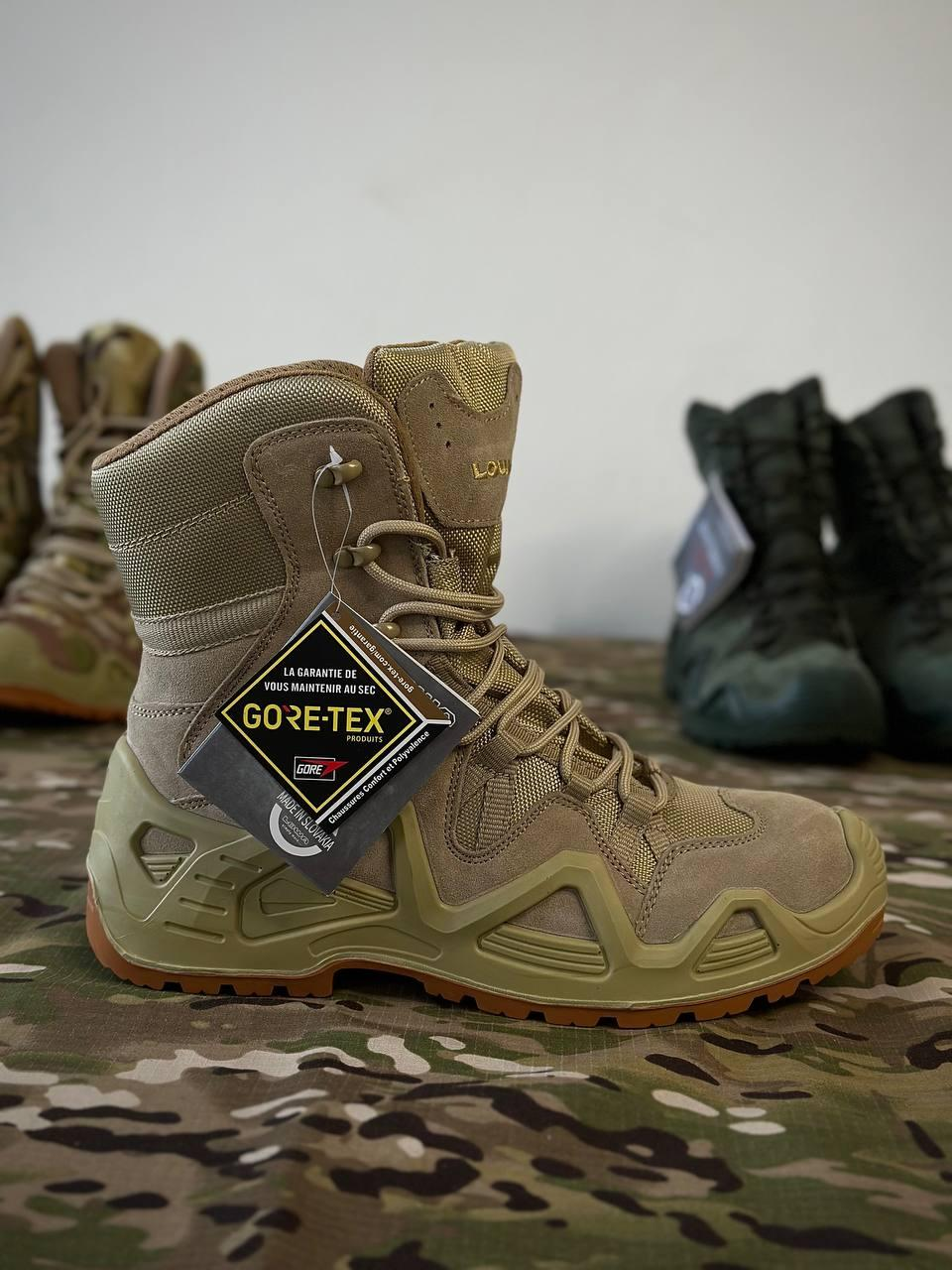
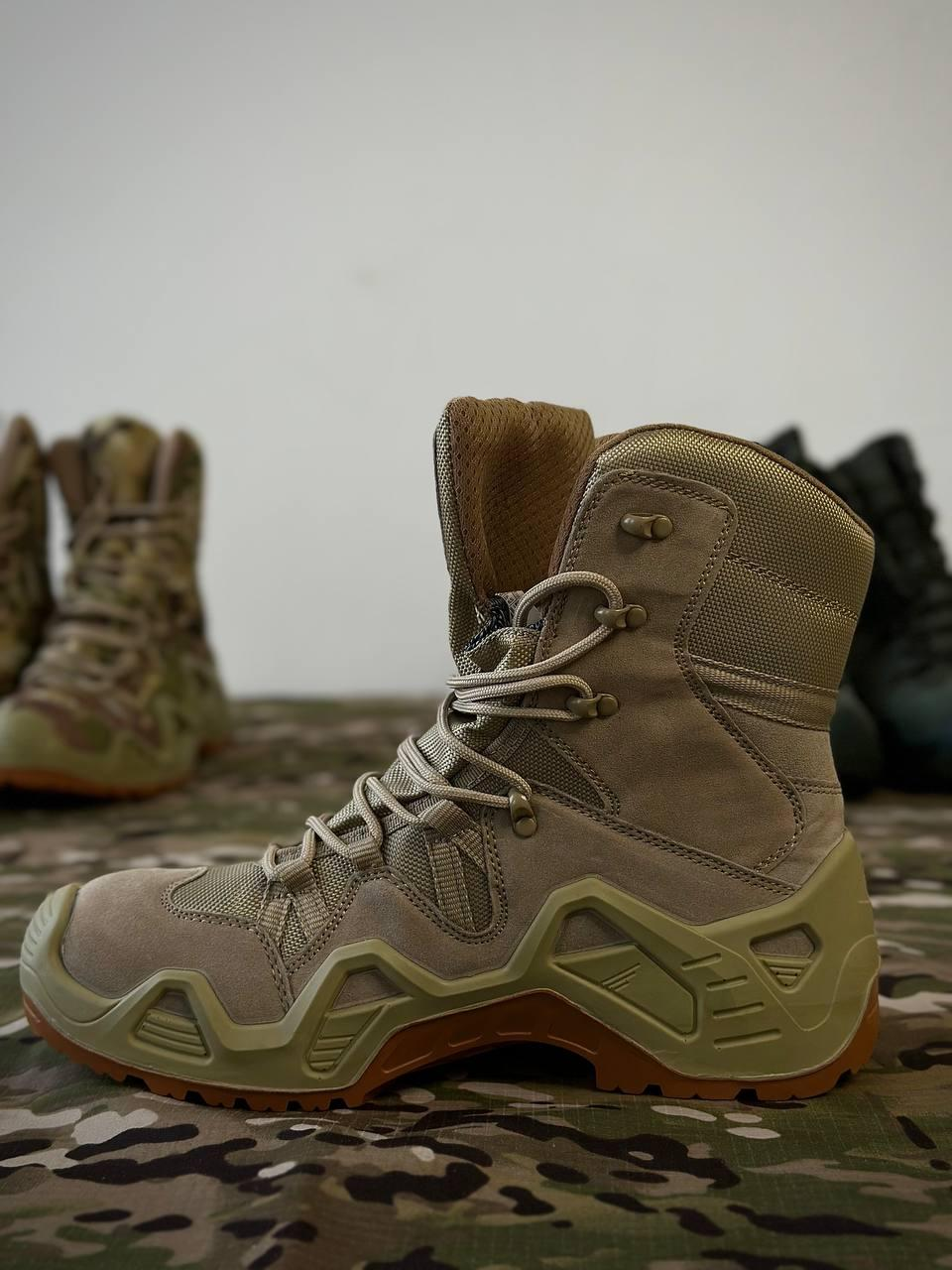
- High tactical boots. Maximum ankle fixation and protection against rolling. Designed for long marches with a pack, heavy terrain, and off-road conditions where stability matters most.
- Mid-height boots. A compromise between support and mobility. Suitable for mixed tasks, patrolling, and everyday wear when you need foot freedom without sacrificing protection.
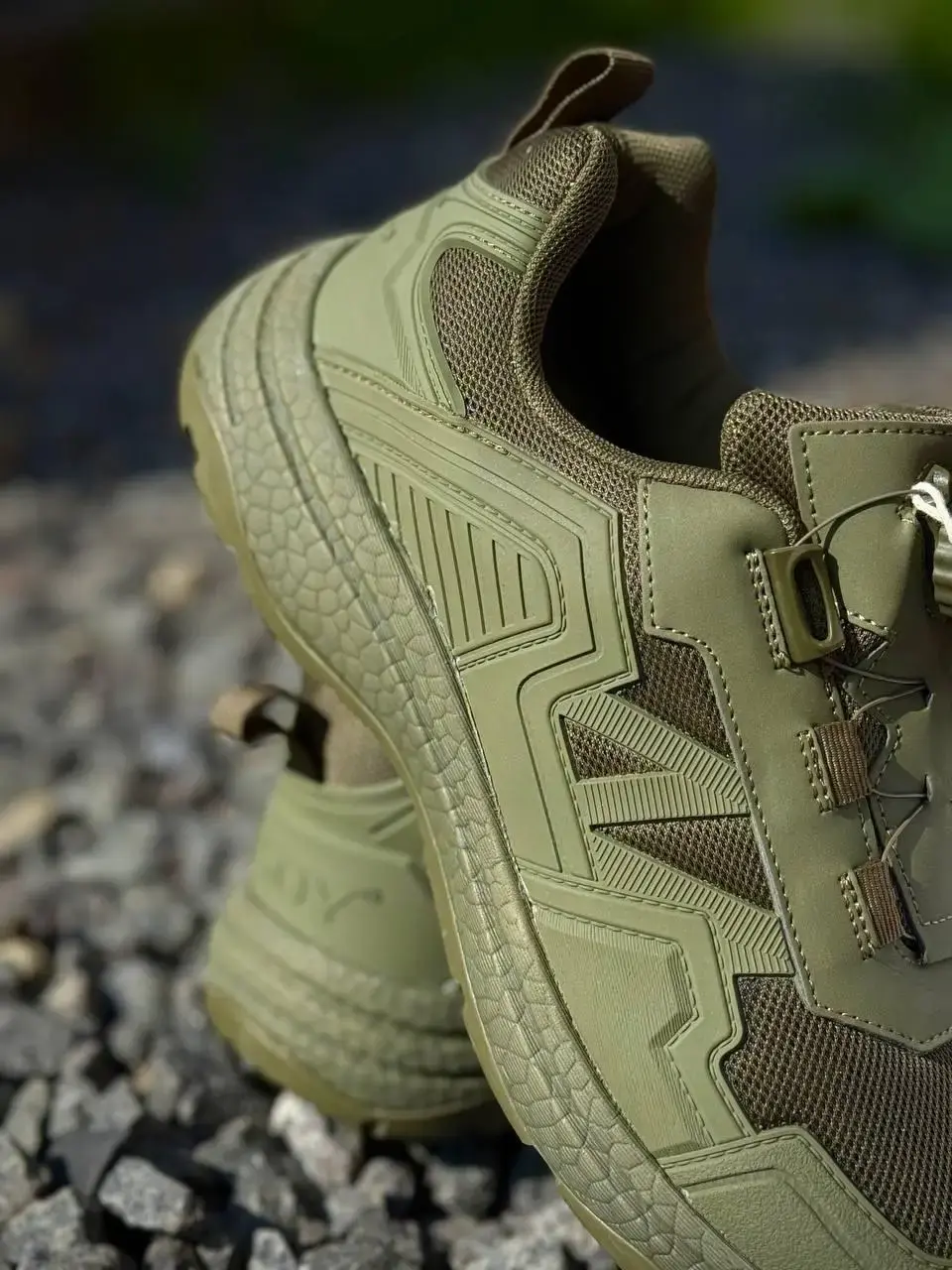
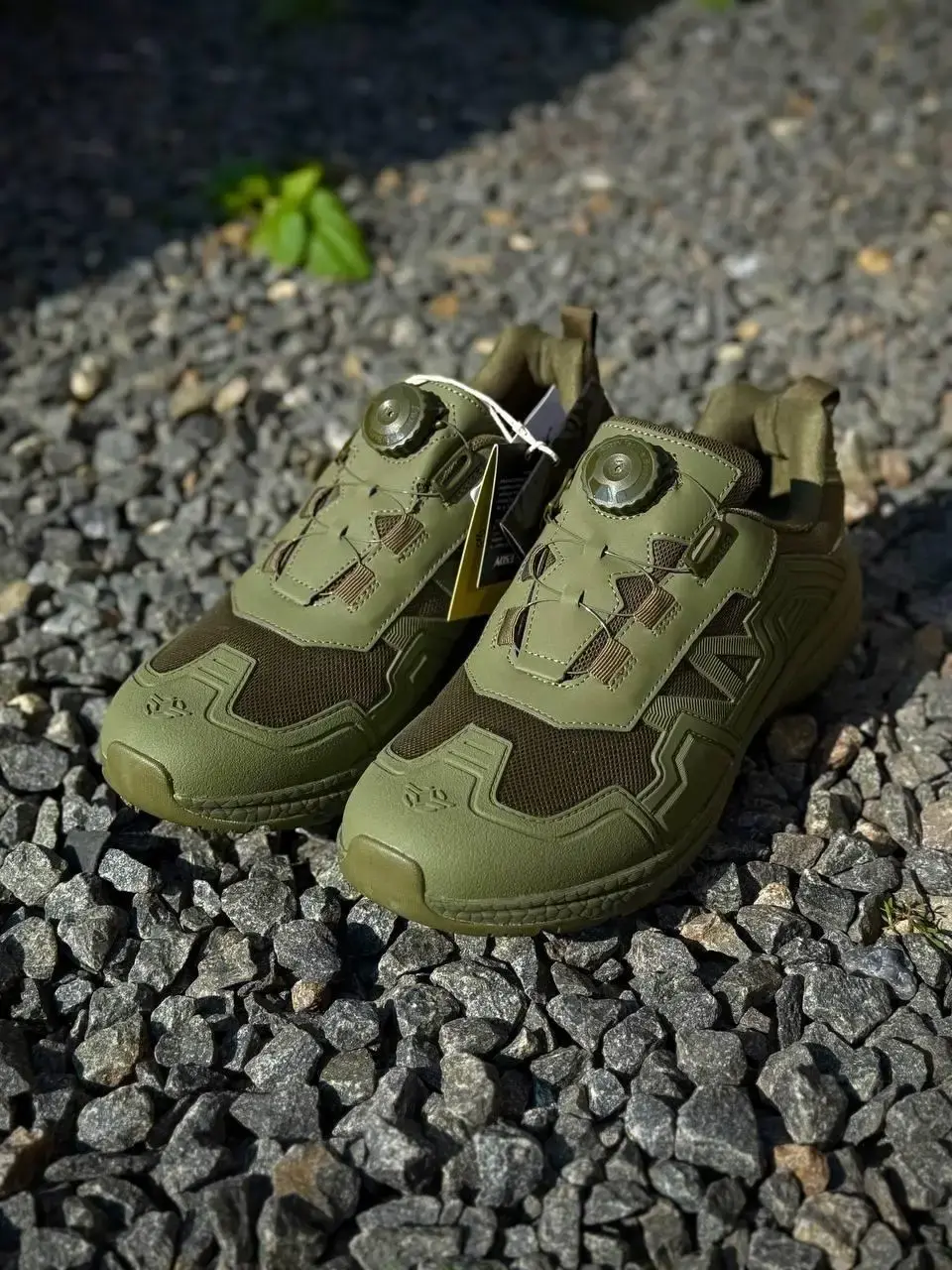
- Tactical sneakers. Lightweight, breathable, with soft cushioning. Their element is base work, warm weather, urban environments, and situations where speed and minimal weight are the priority.
In the sections that follow, we'll break down each parameter separately — height, outsole, membrane, and fit — so you can choose a pair with confidence rather than guesswork.
Shaft Height: Ankle Support vs. Lightness
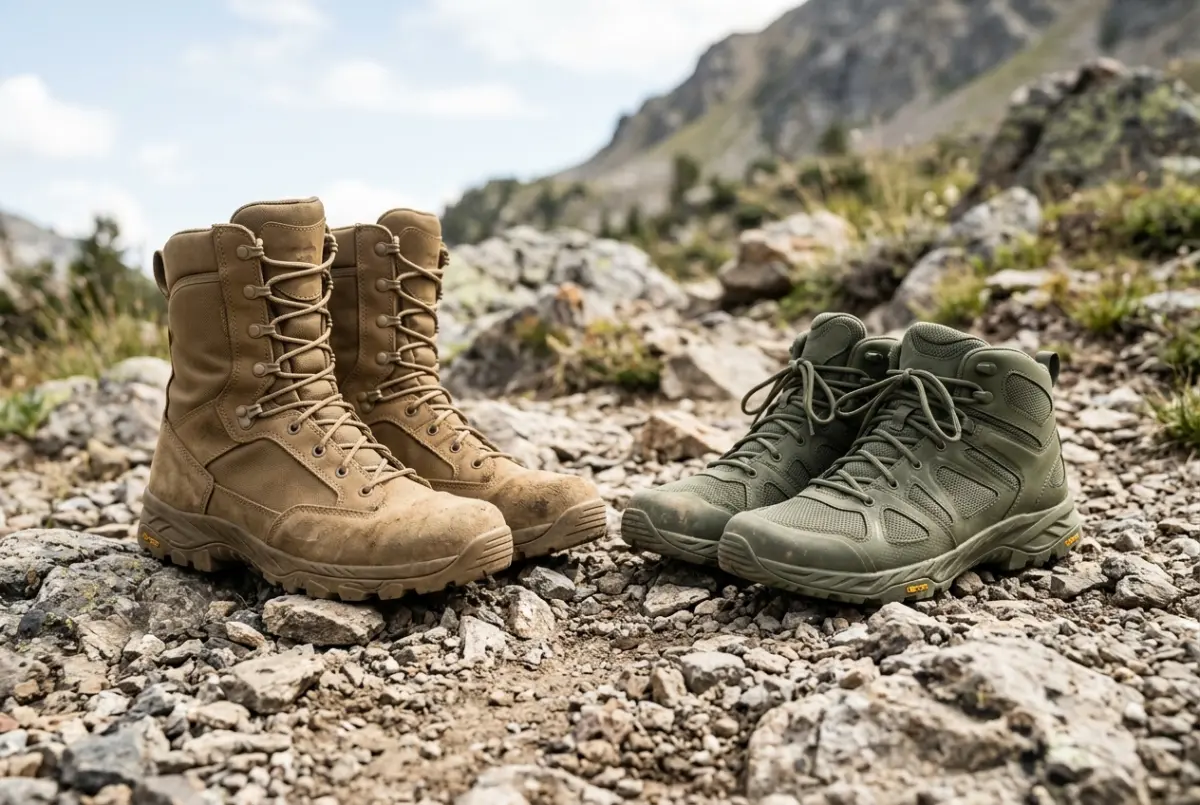
The core trade-off with shaft height is simple: the higher the shaft, the better the ankle is locked in — but the less freedom of movement you have. Your choice should depend on pack weight and terrain.
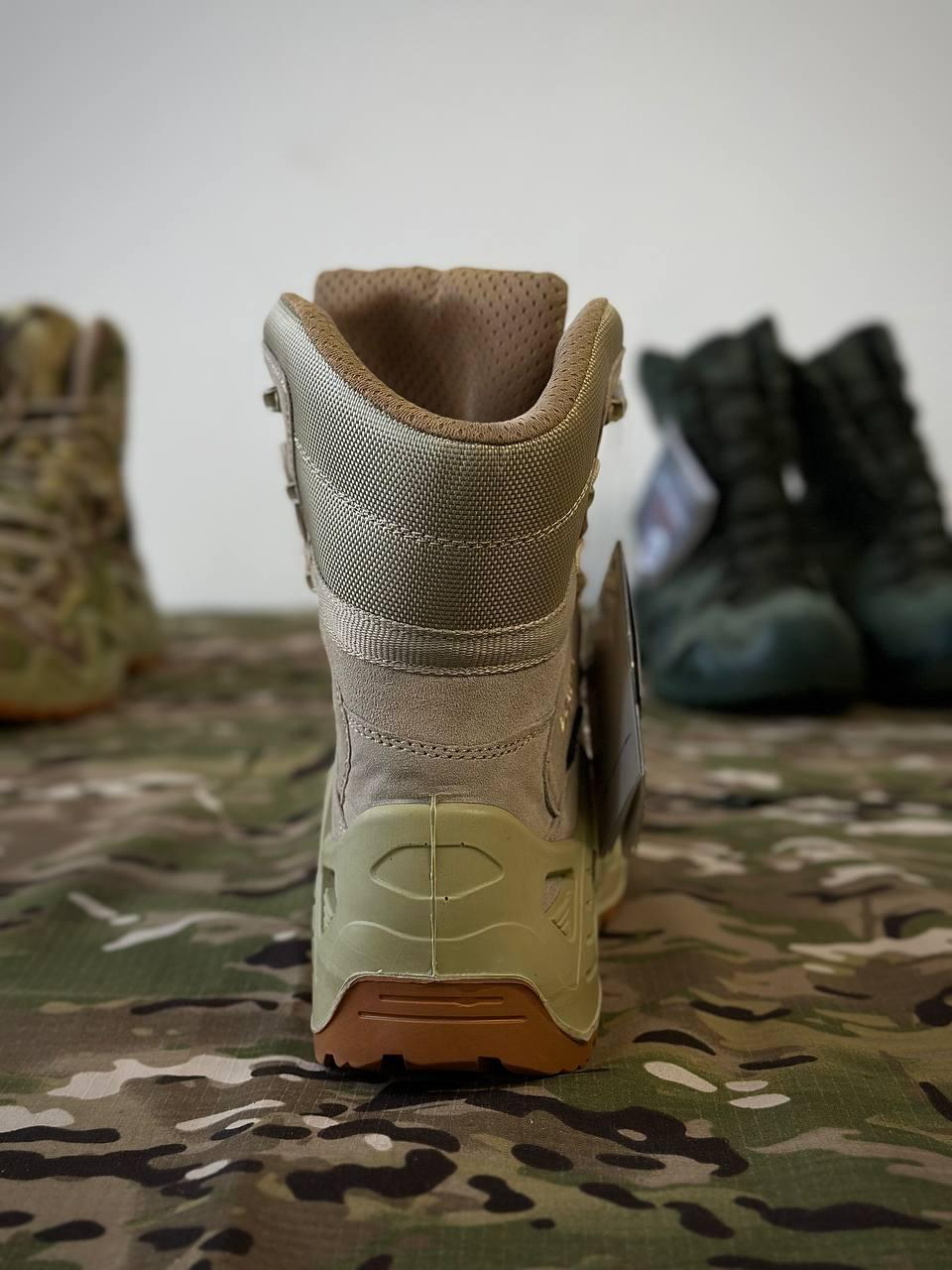
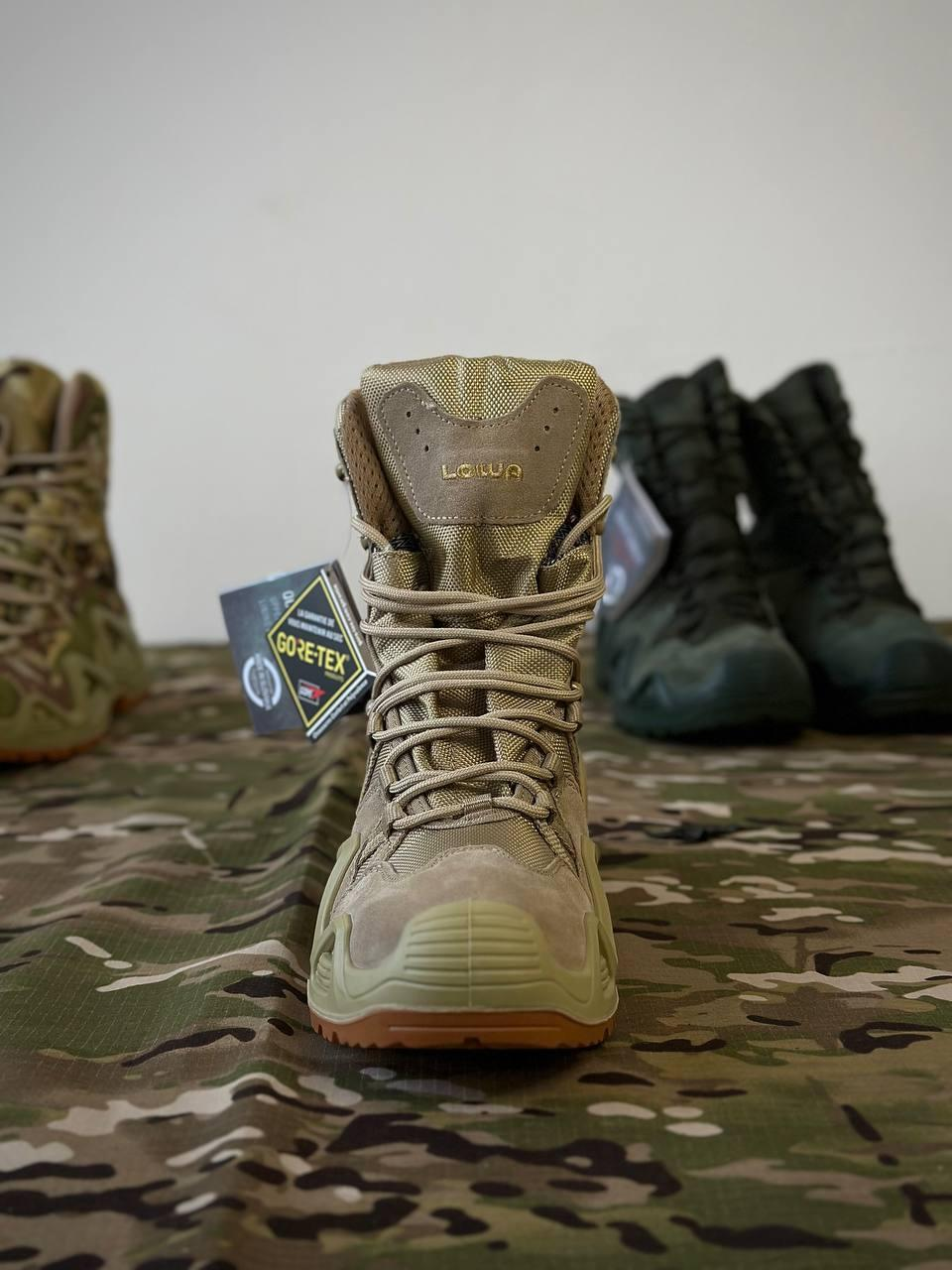
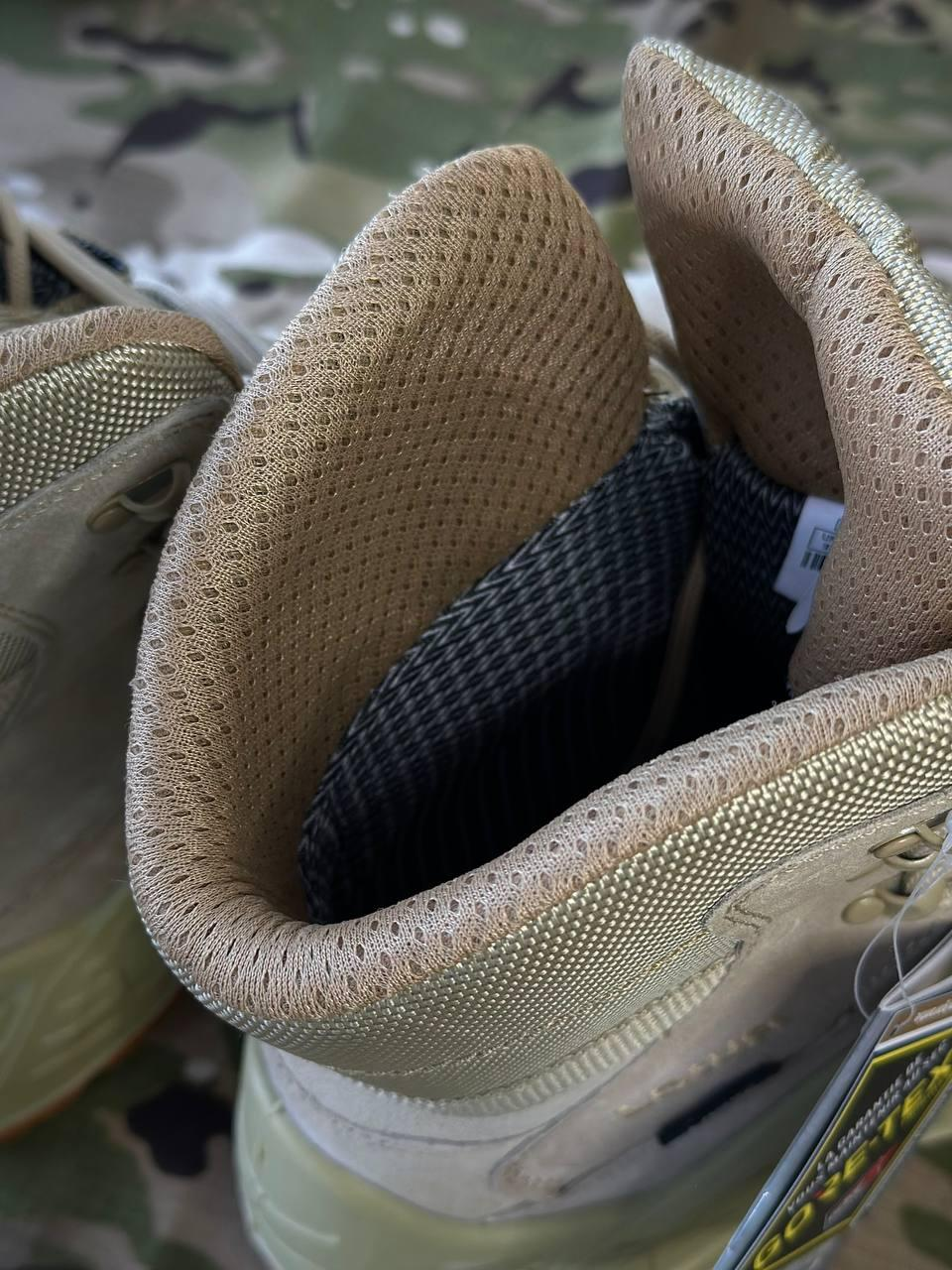
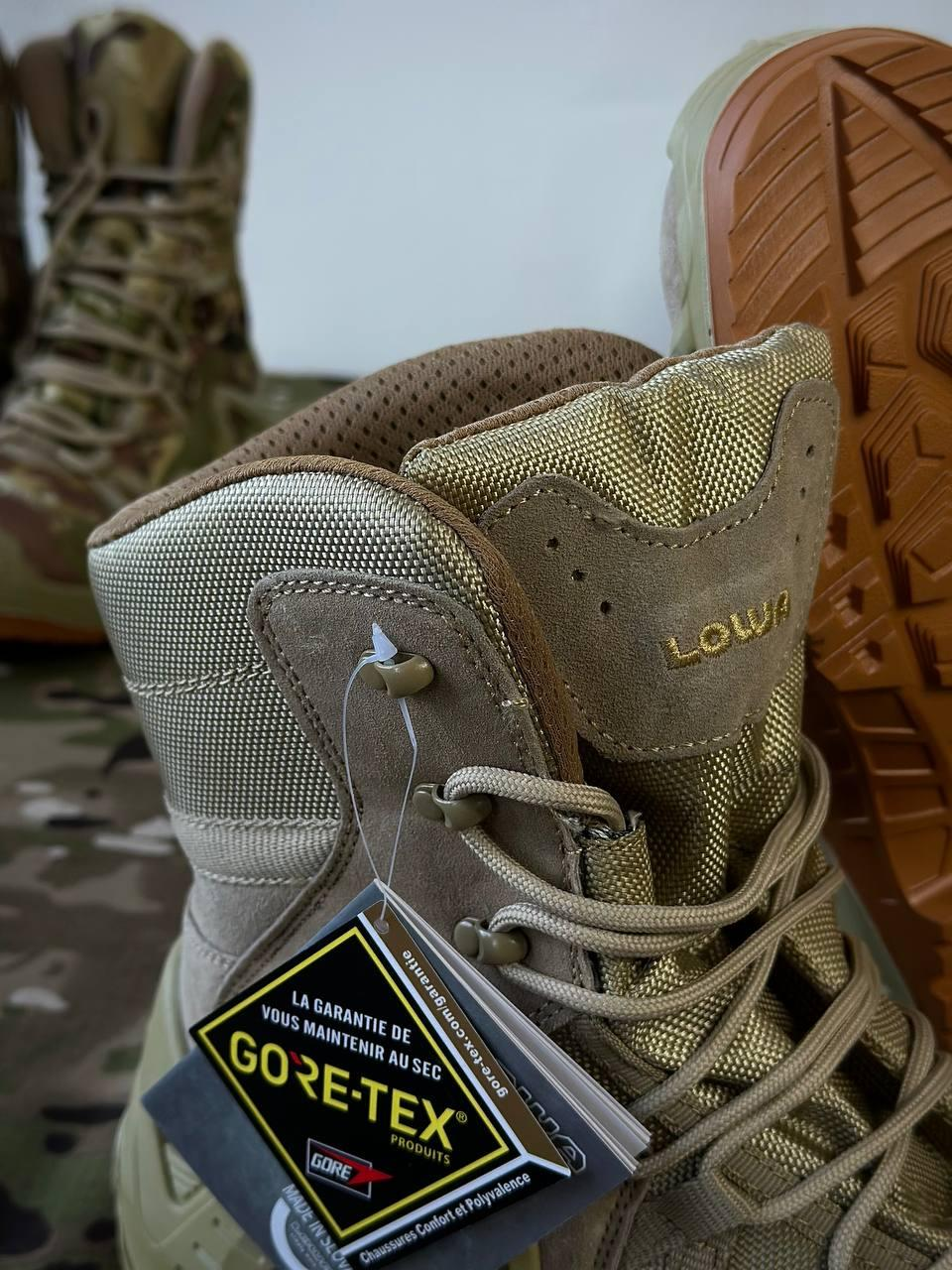
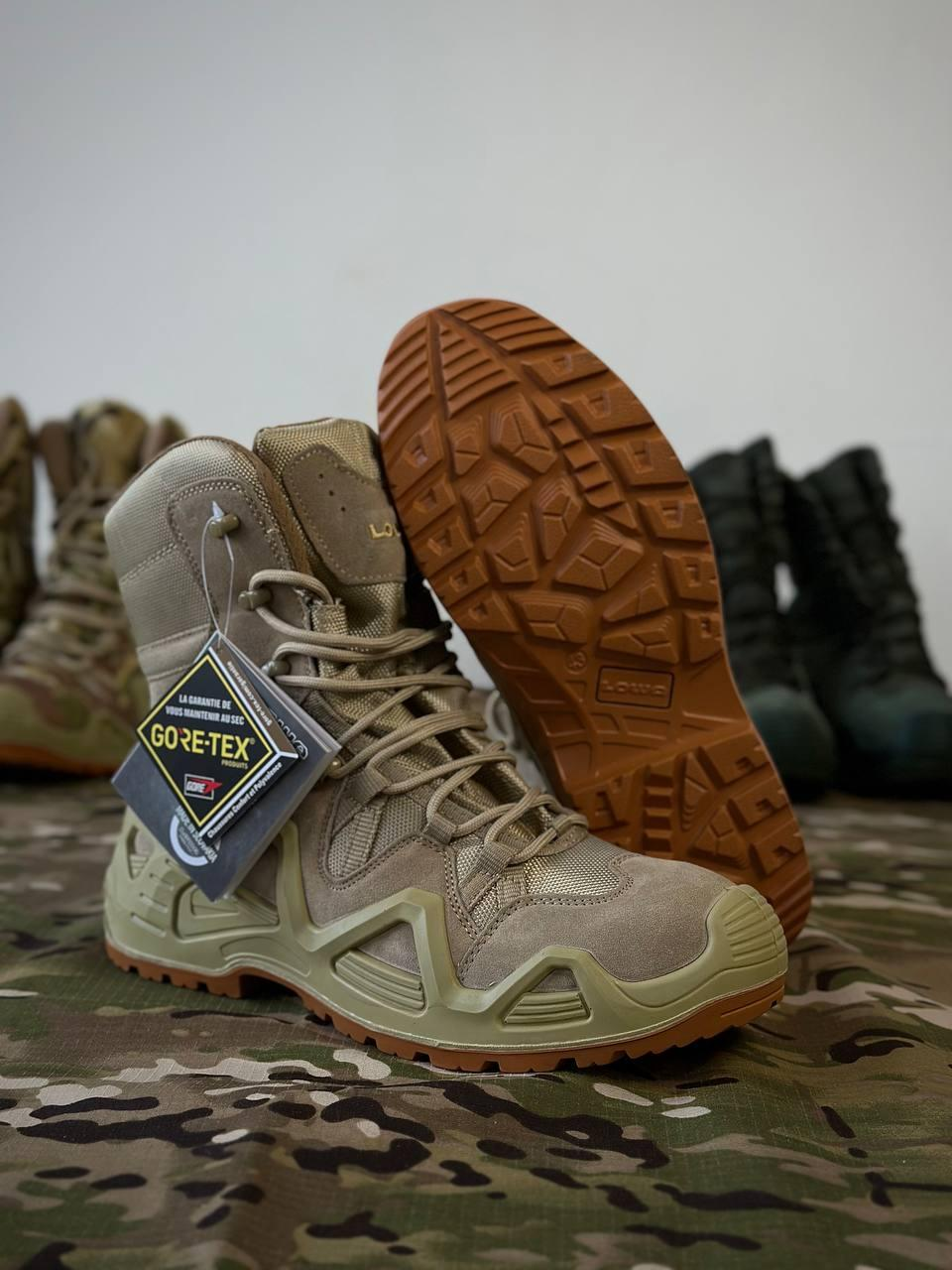
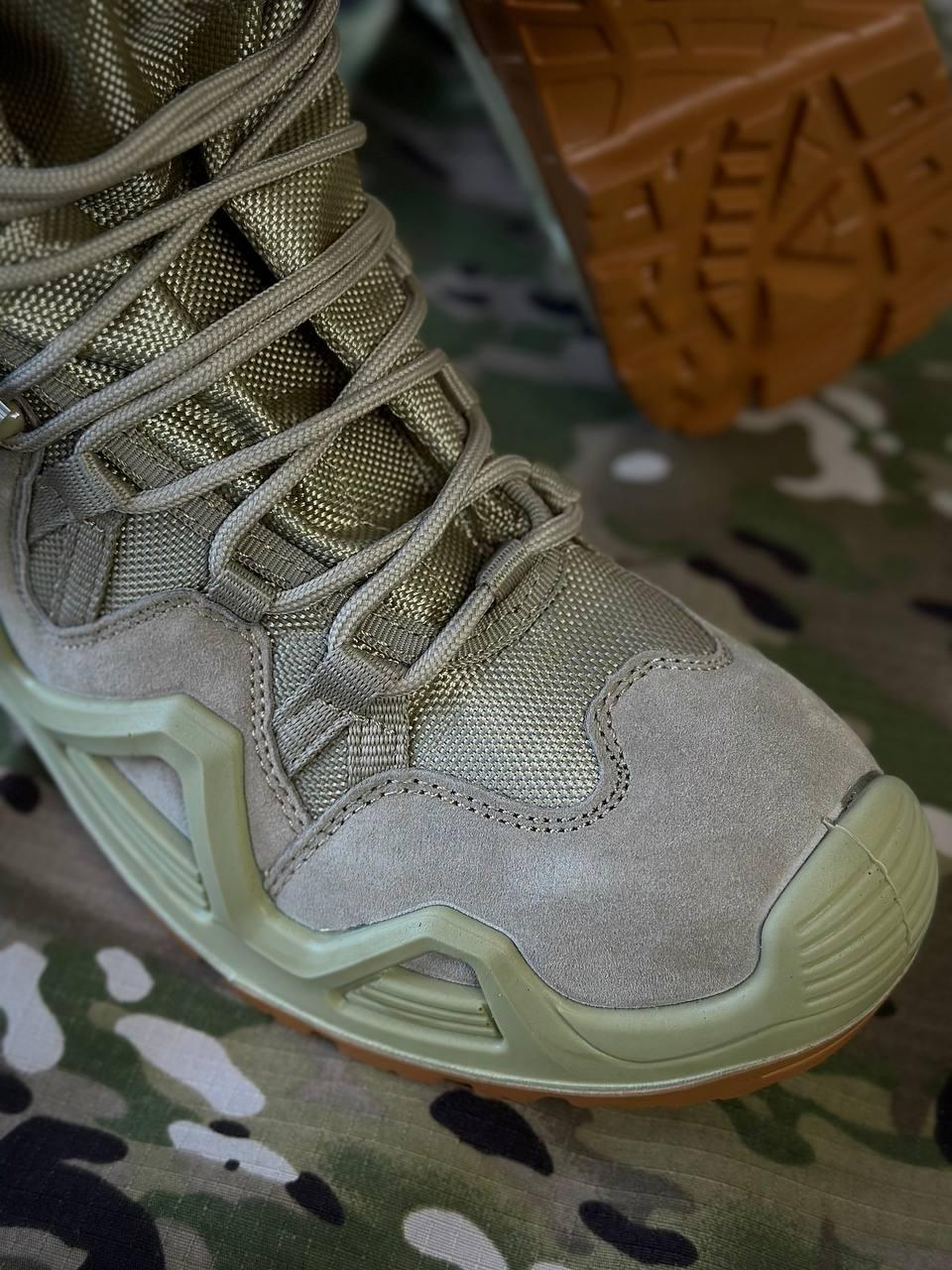
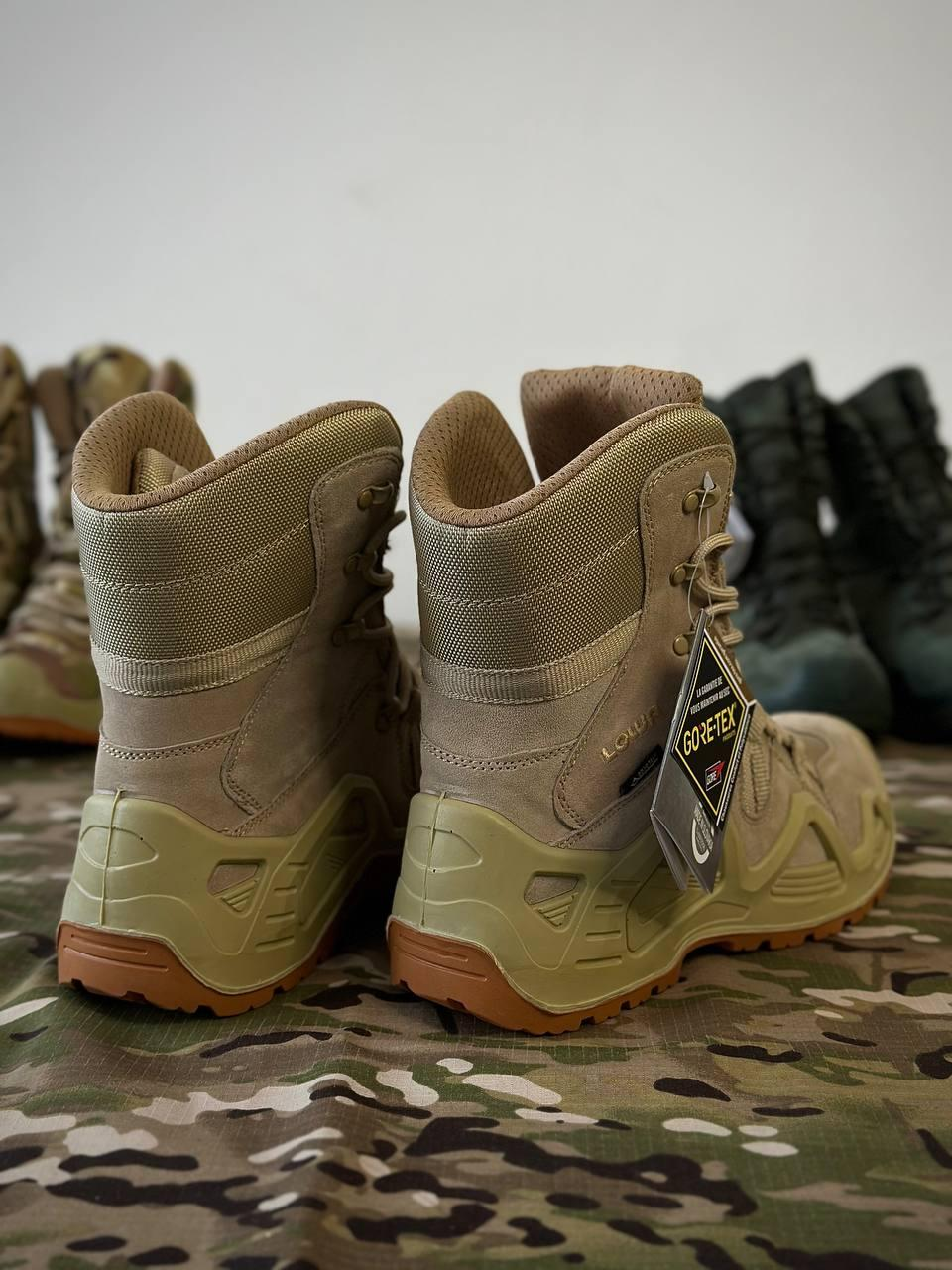
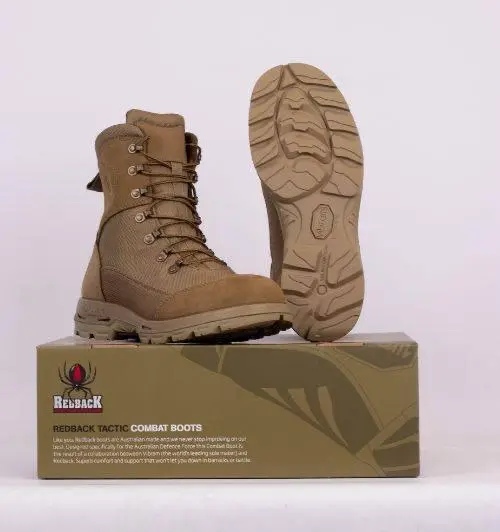
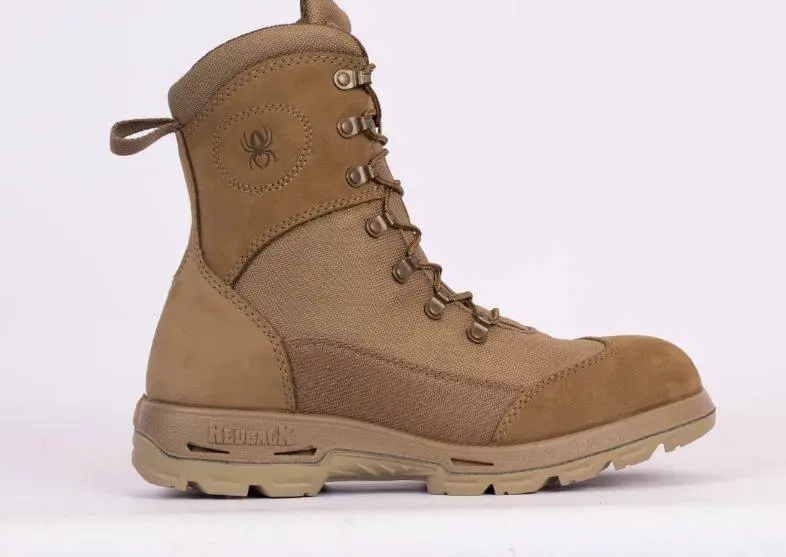
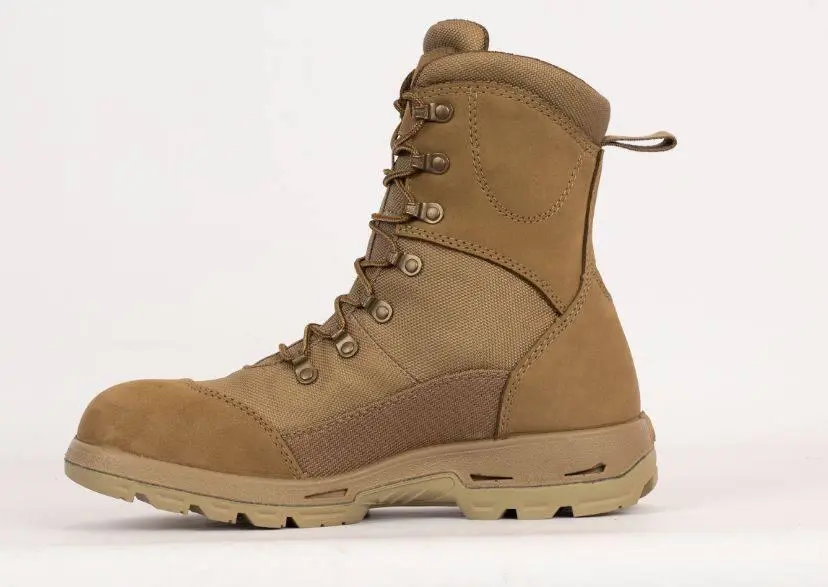
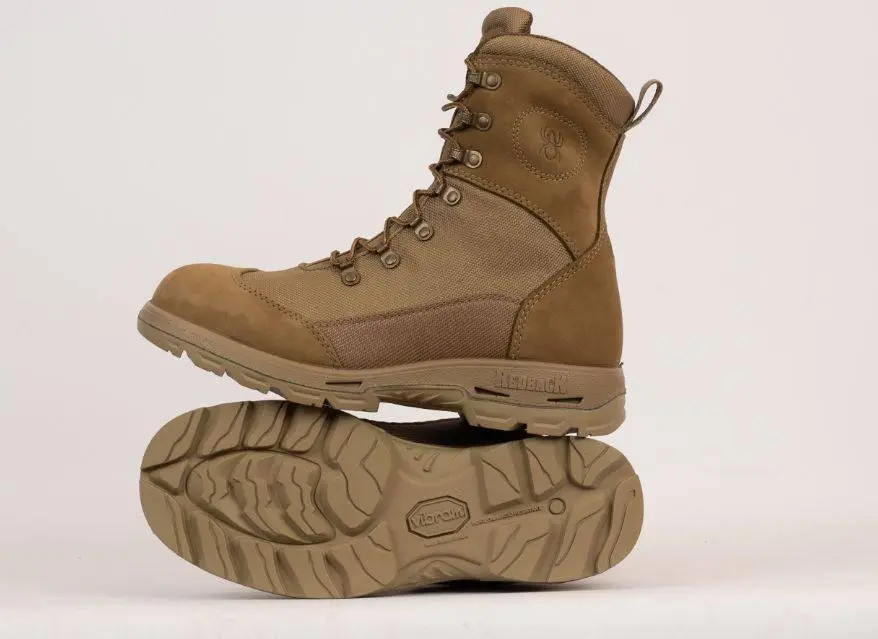
High tactical boots wrap around the ankle and prevent it from rolling when you're carrying heavy gear over rocks, mud, or slopes. This is critical on a long march: under the weight of a pack, one bad step on uneven ground can easily end in an injury. Models such as the Lowa nubuck 2.0 mm replica or the Australian RedbacK boots with high ankle support are built exactly for this scenario — stability takes priority over lightness.
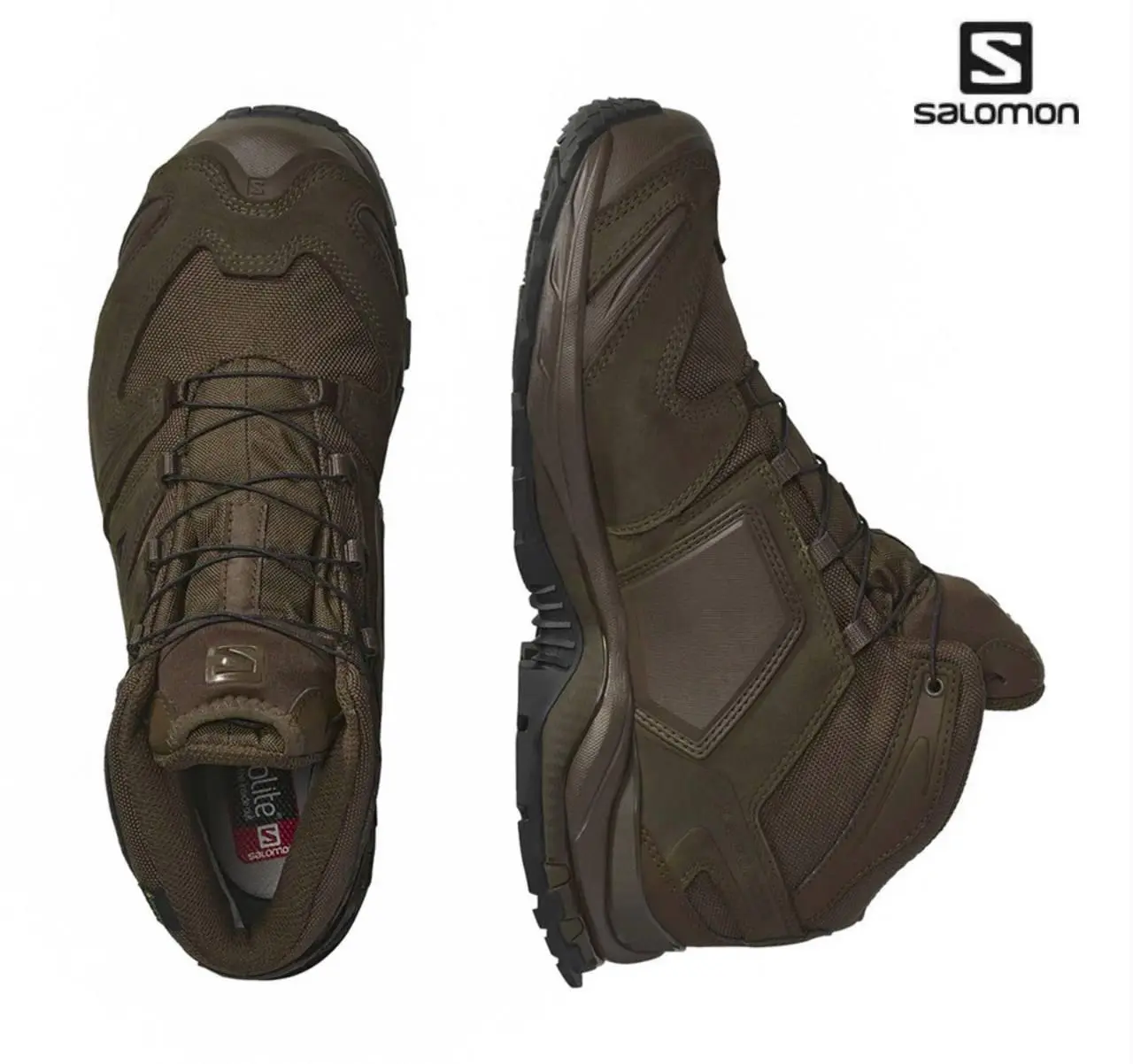
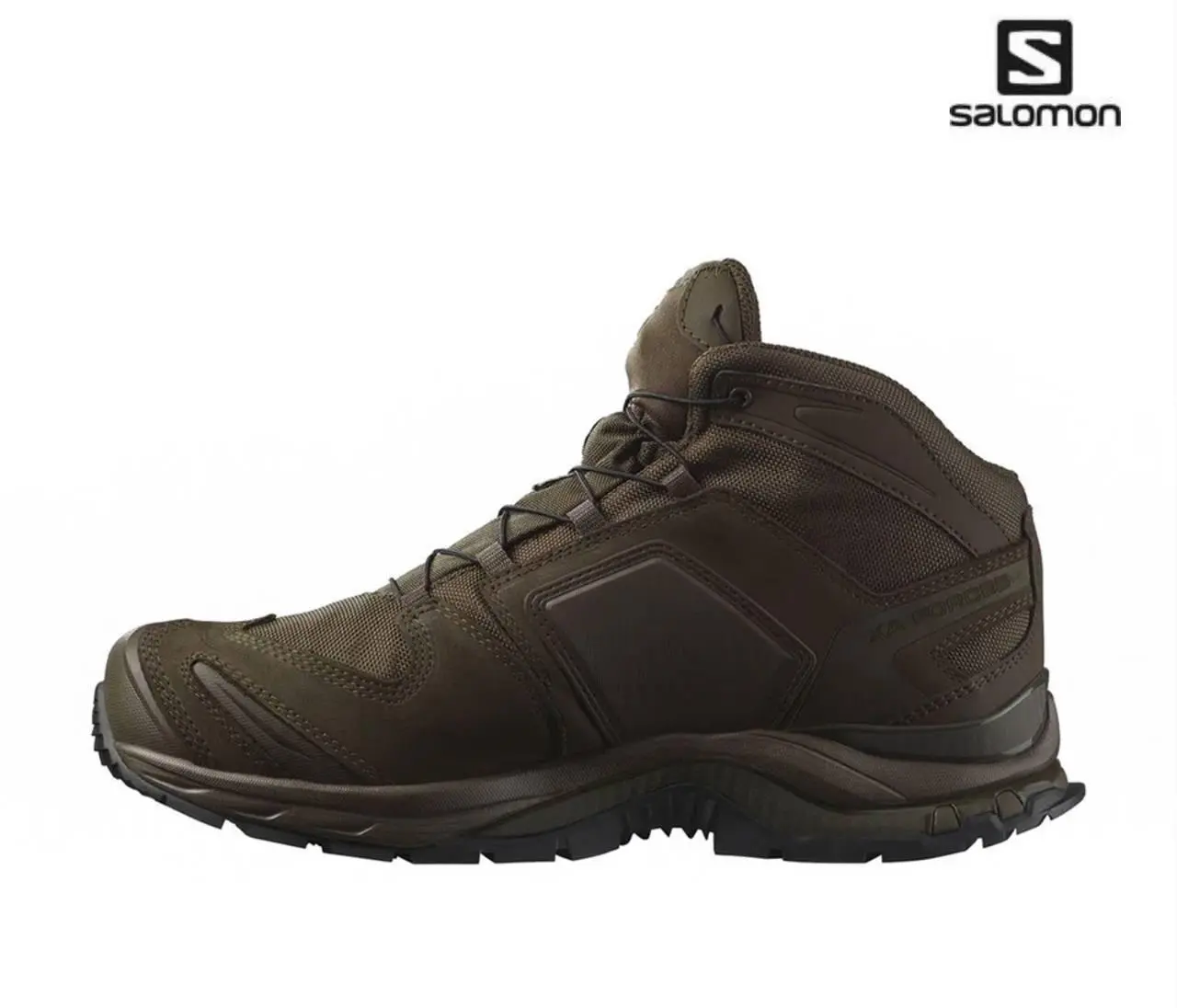
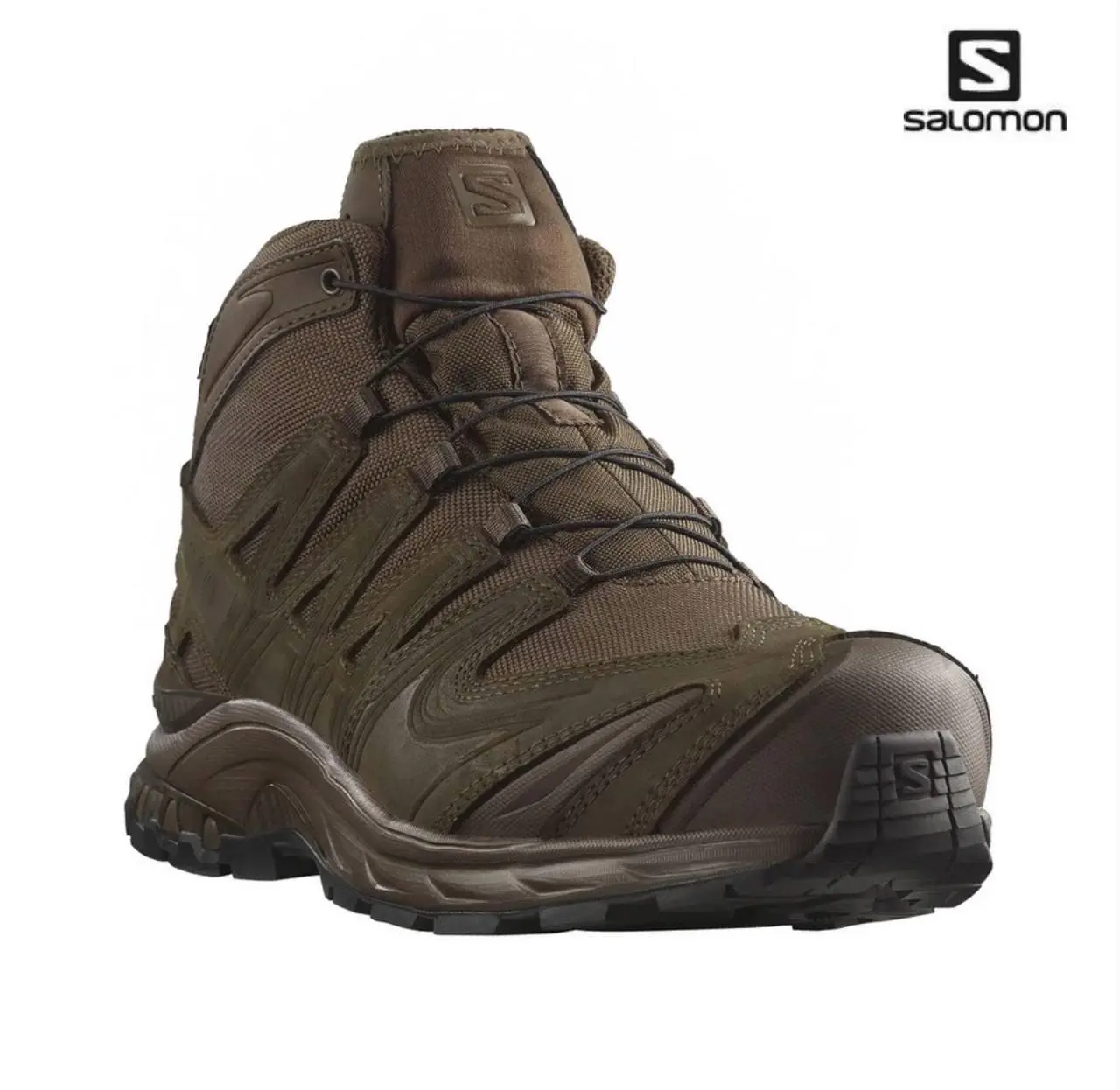
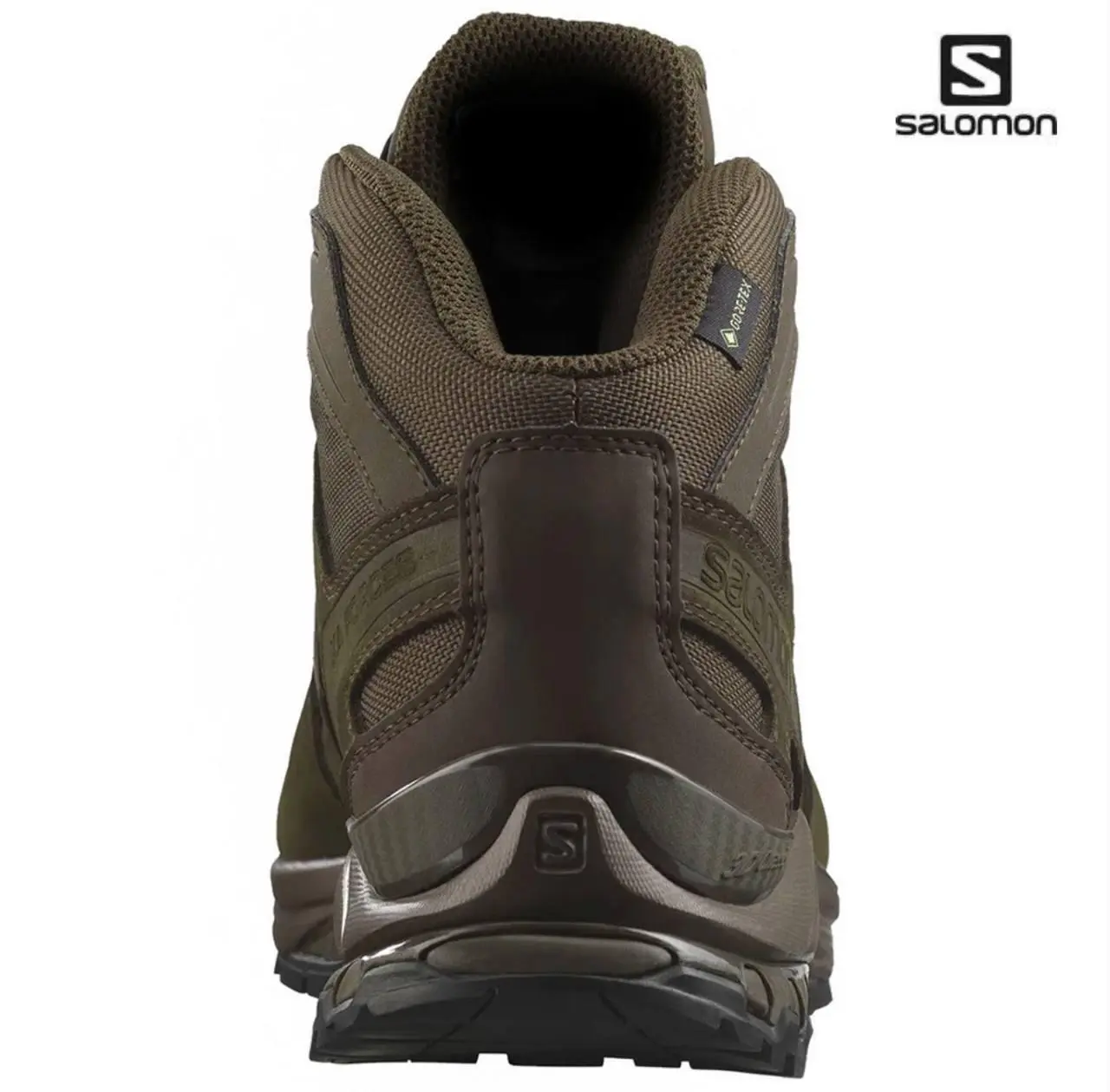
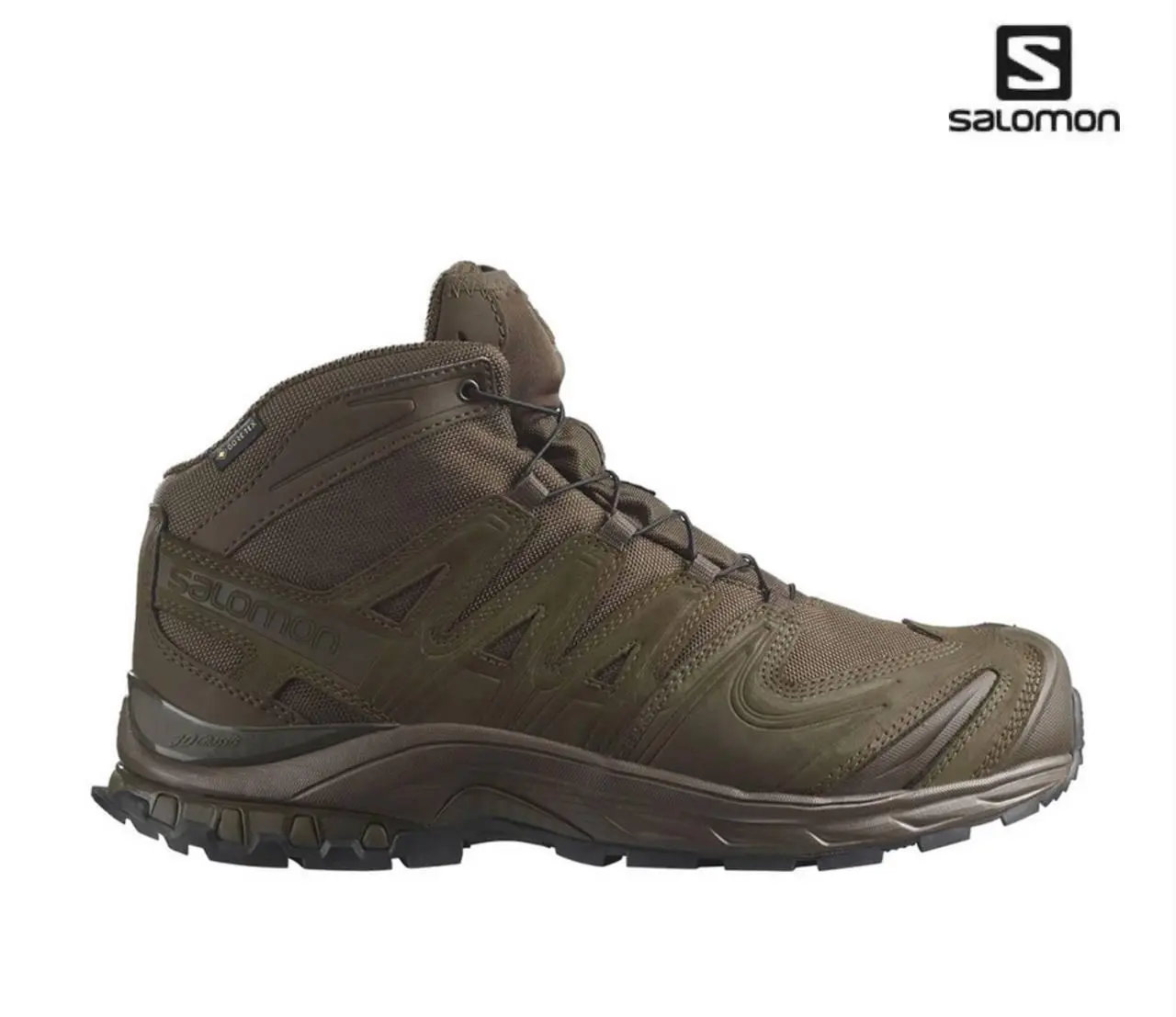
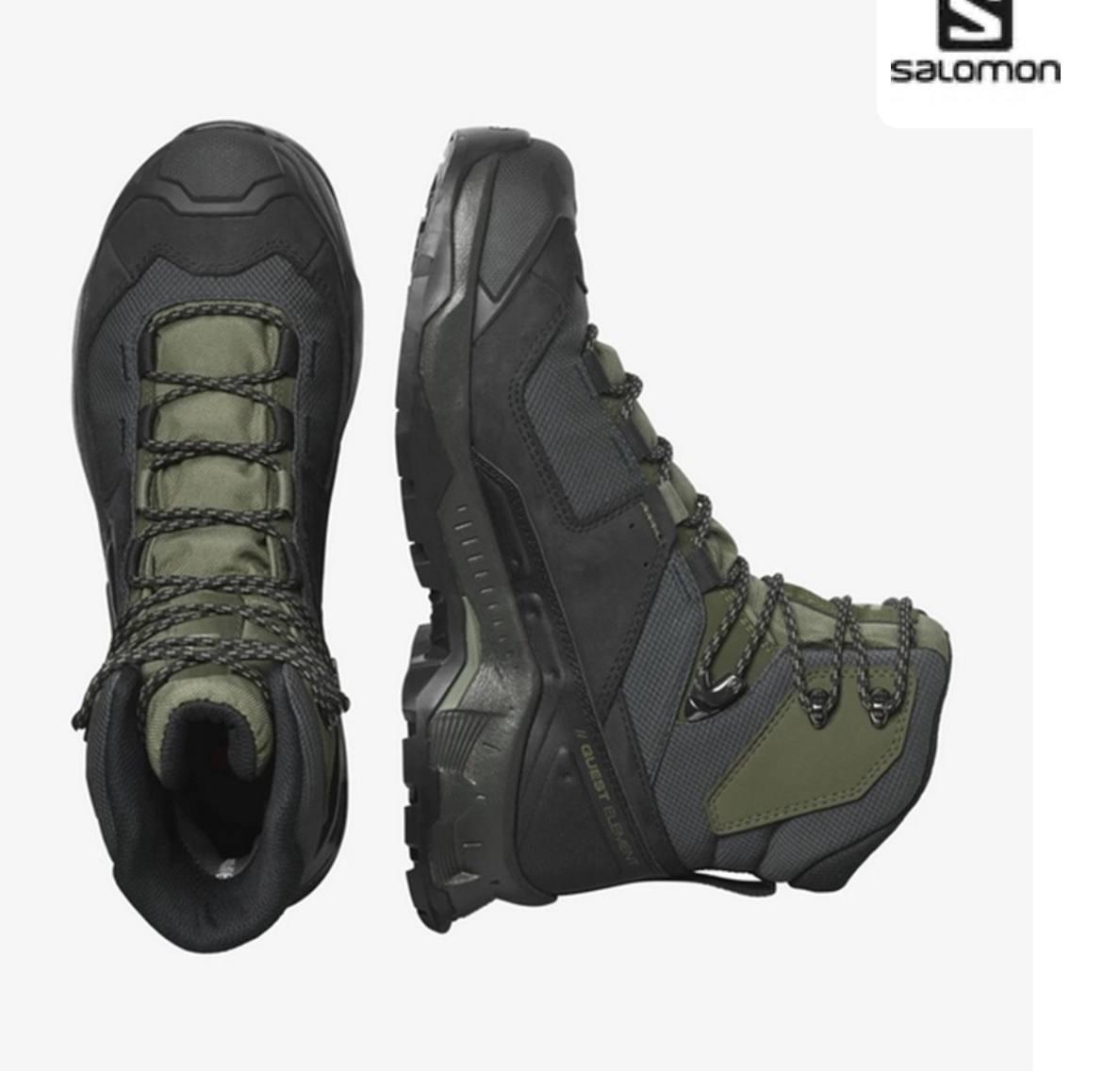
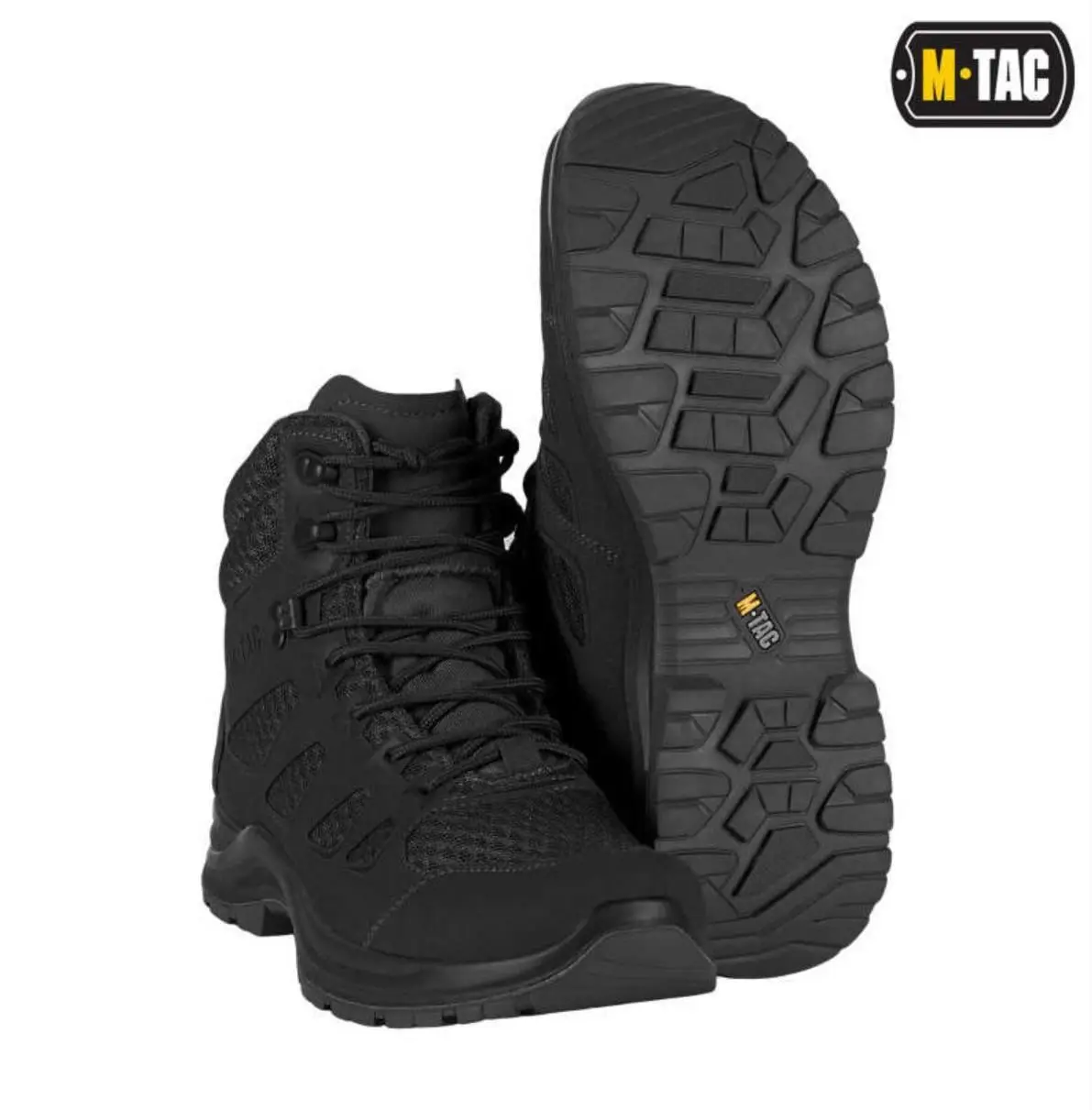
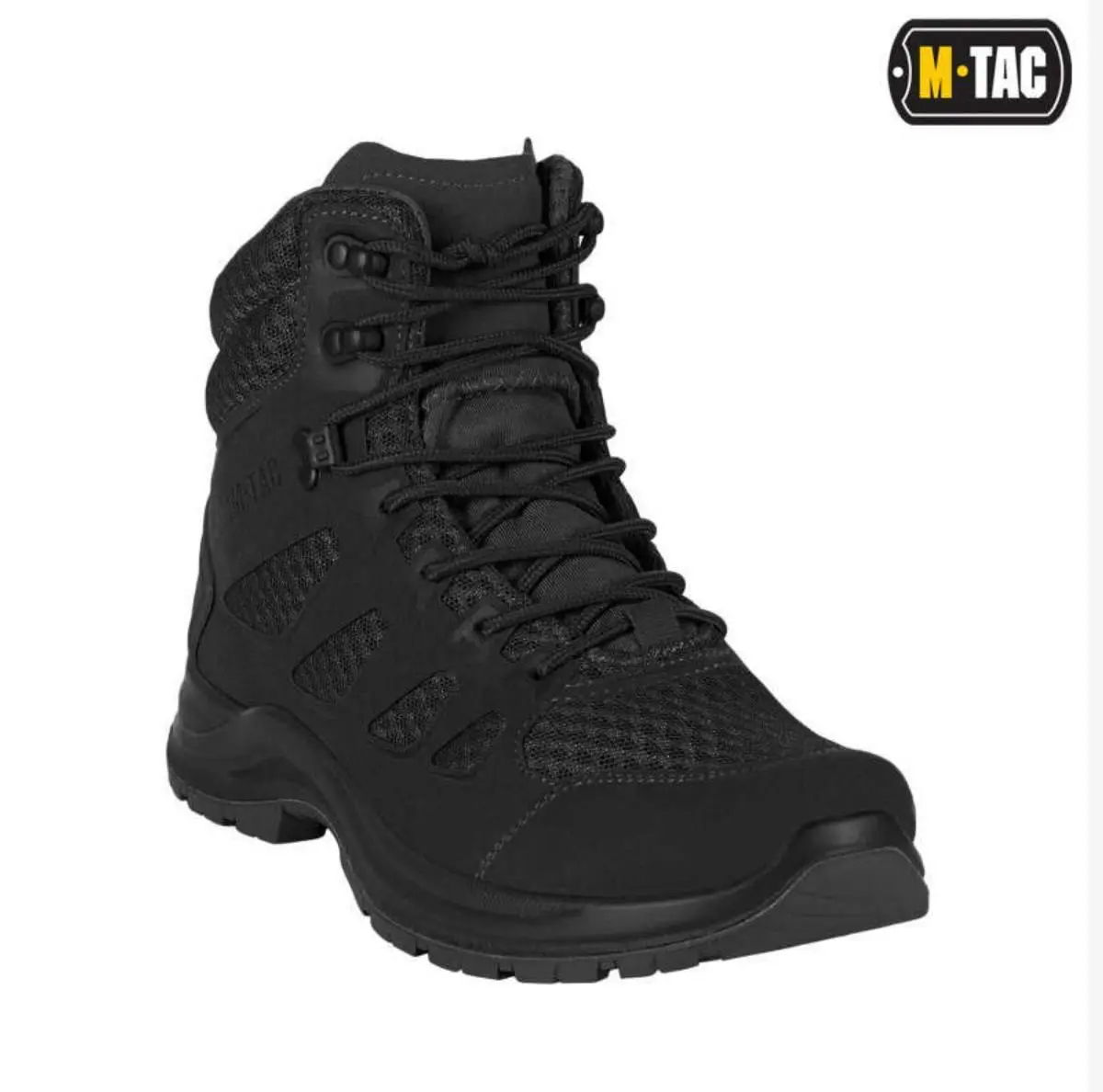
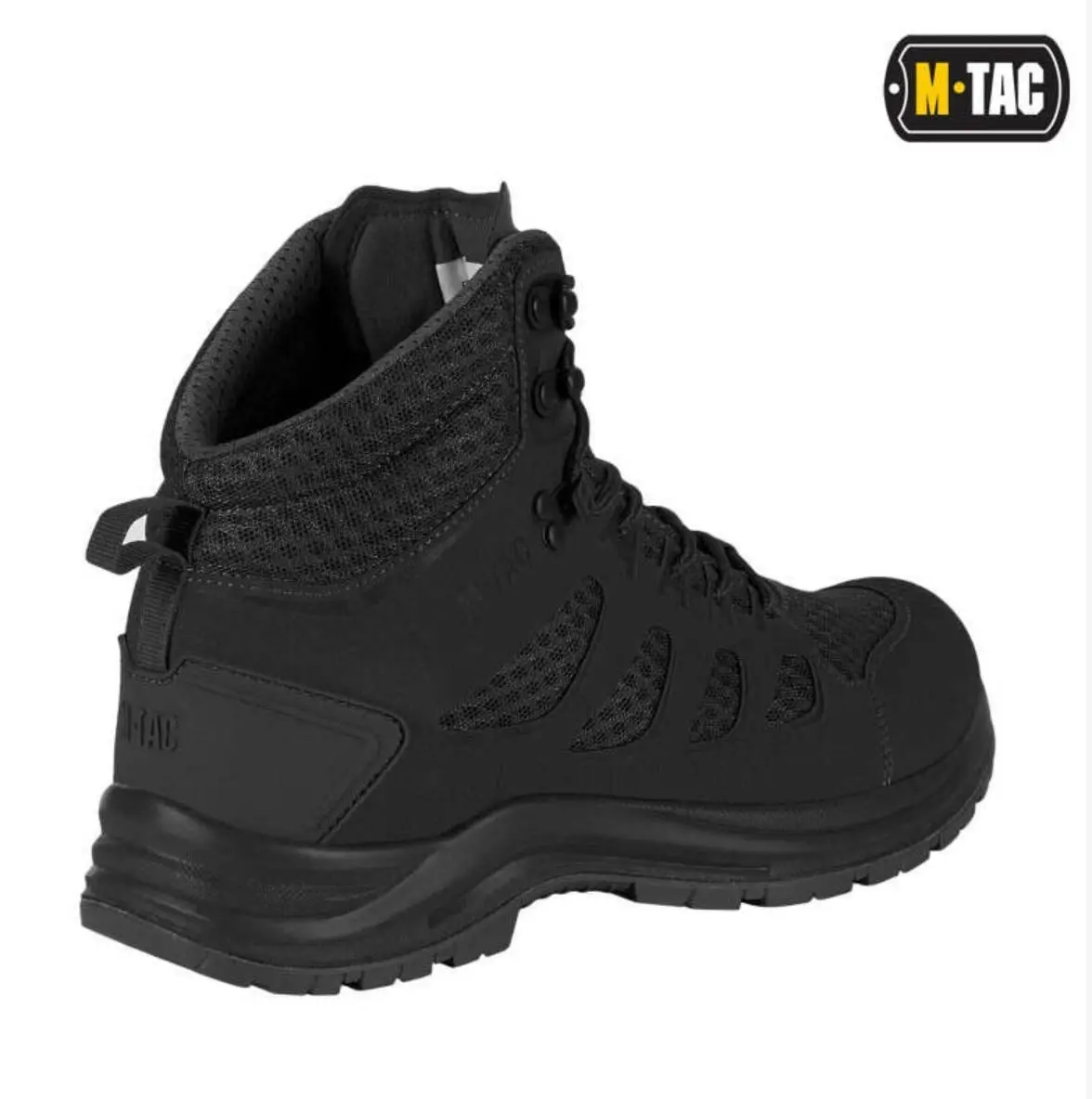
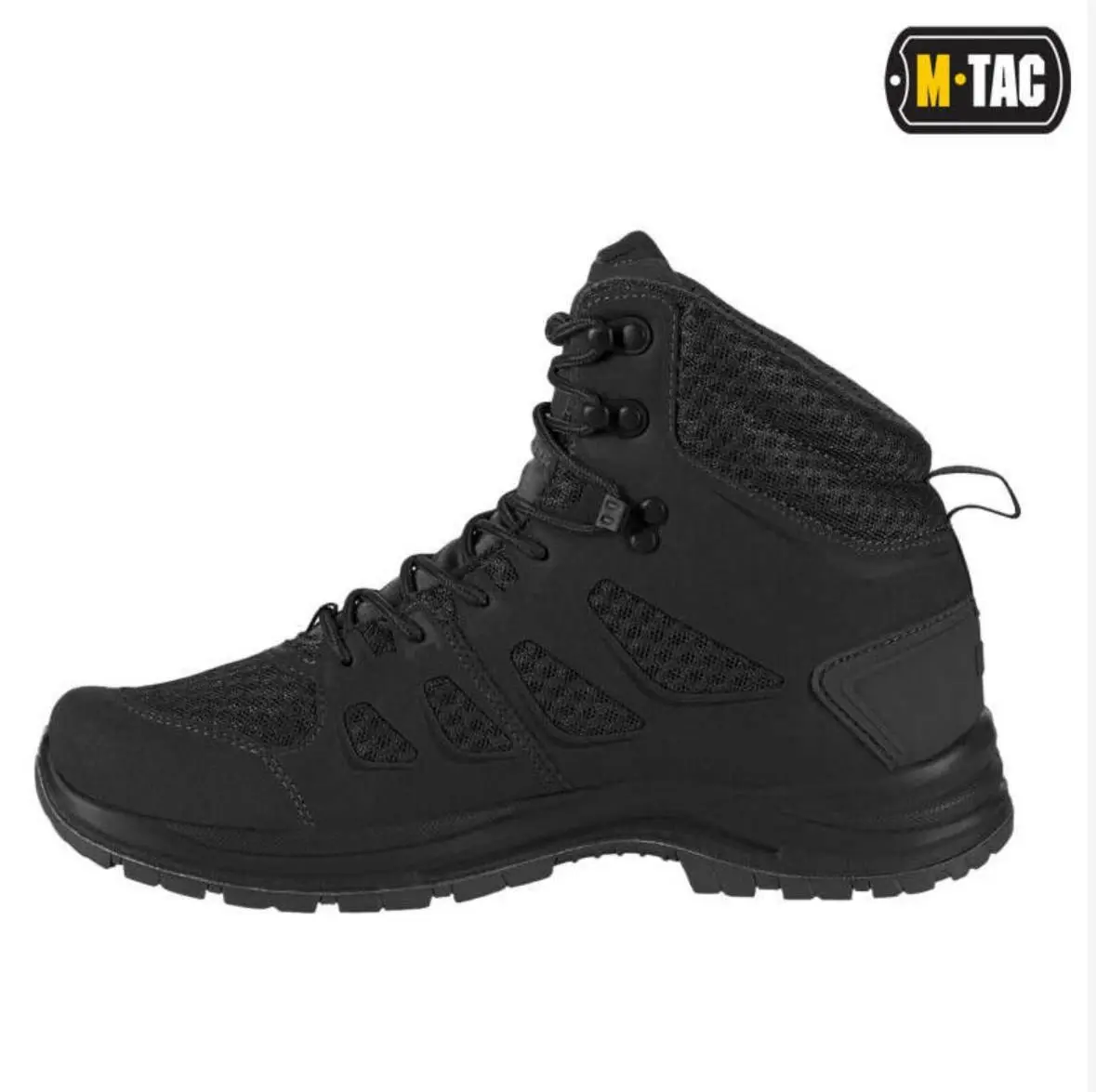
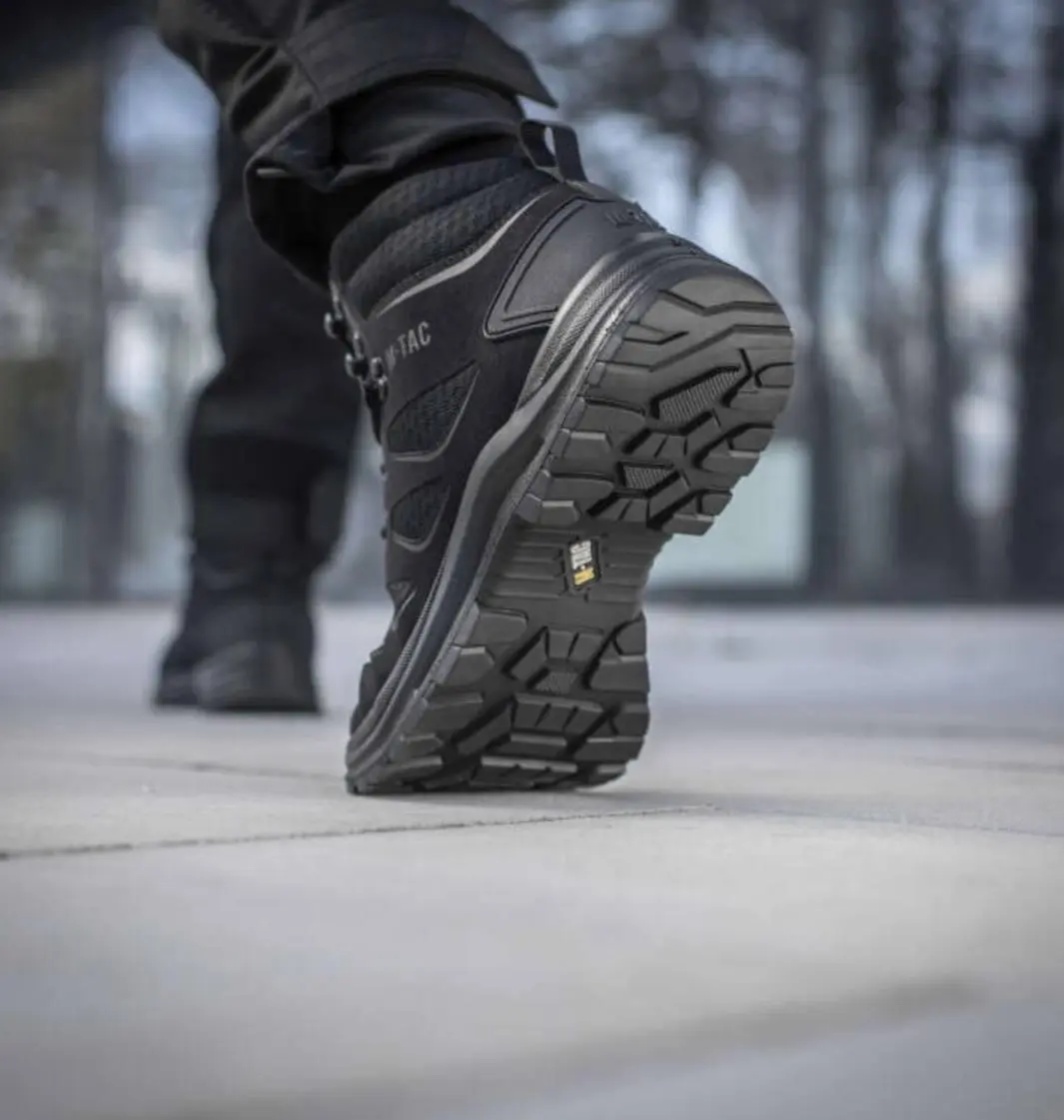
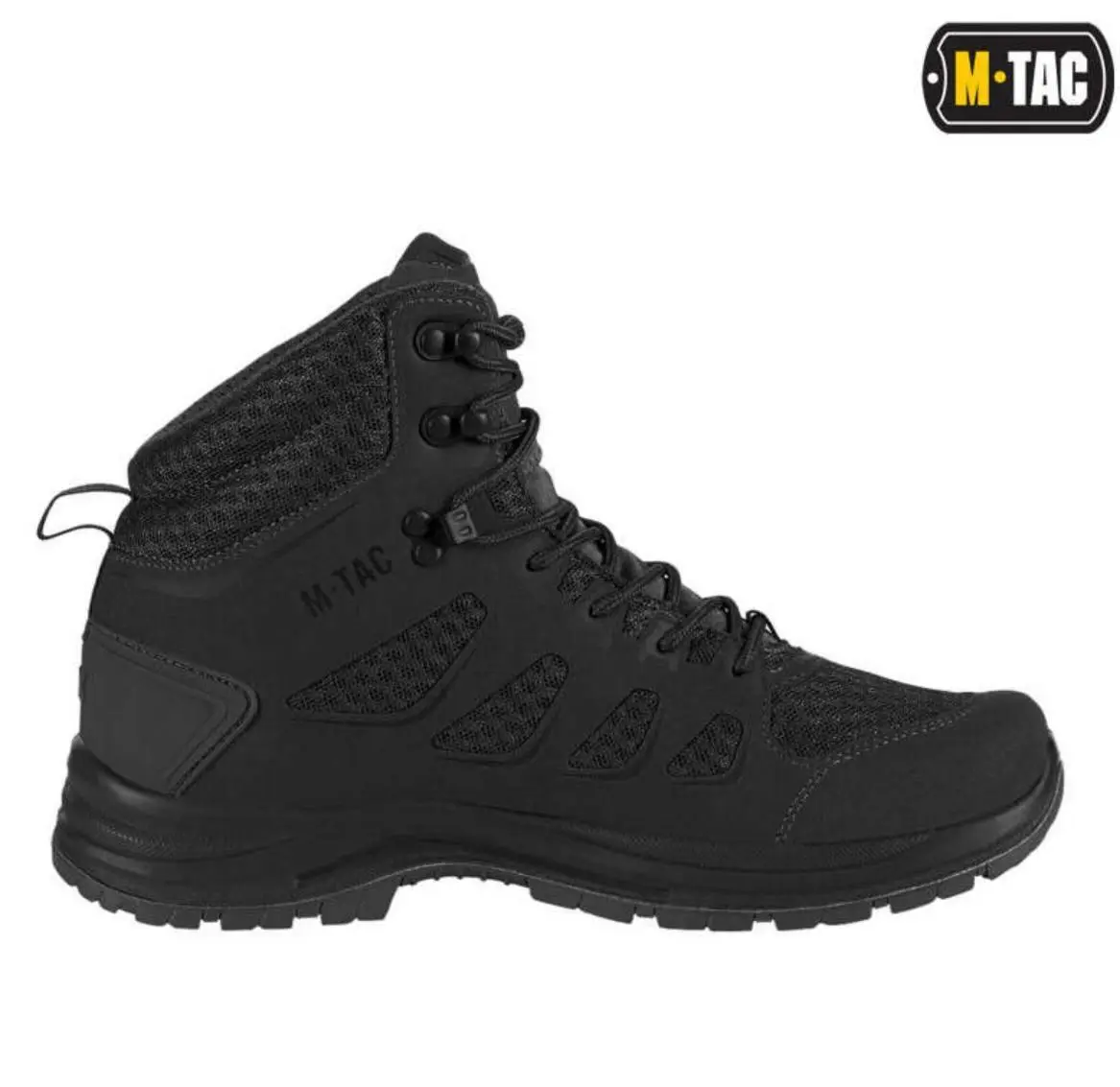
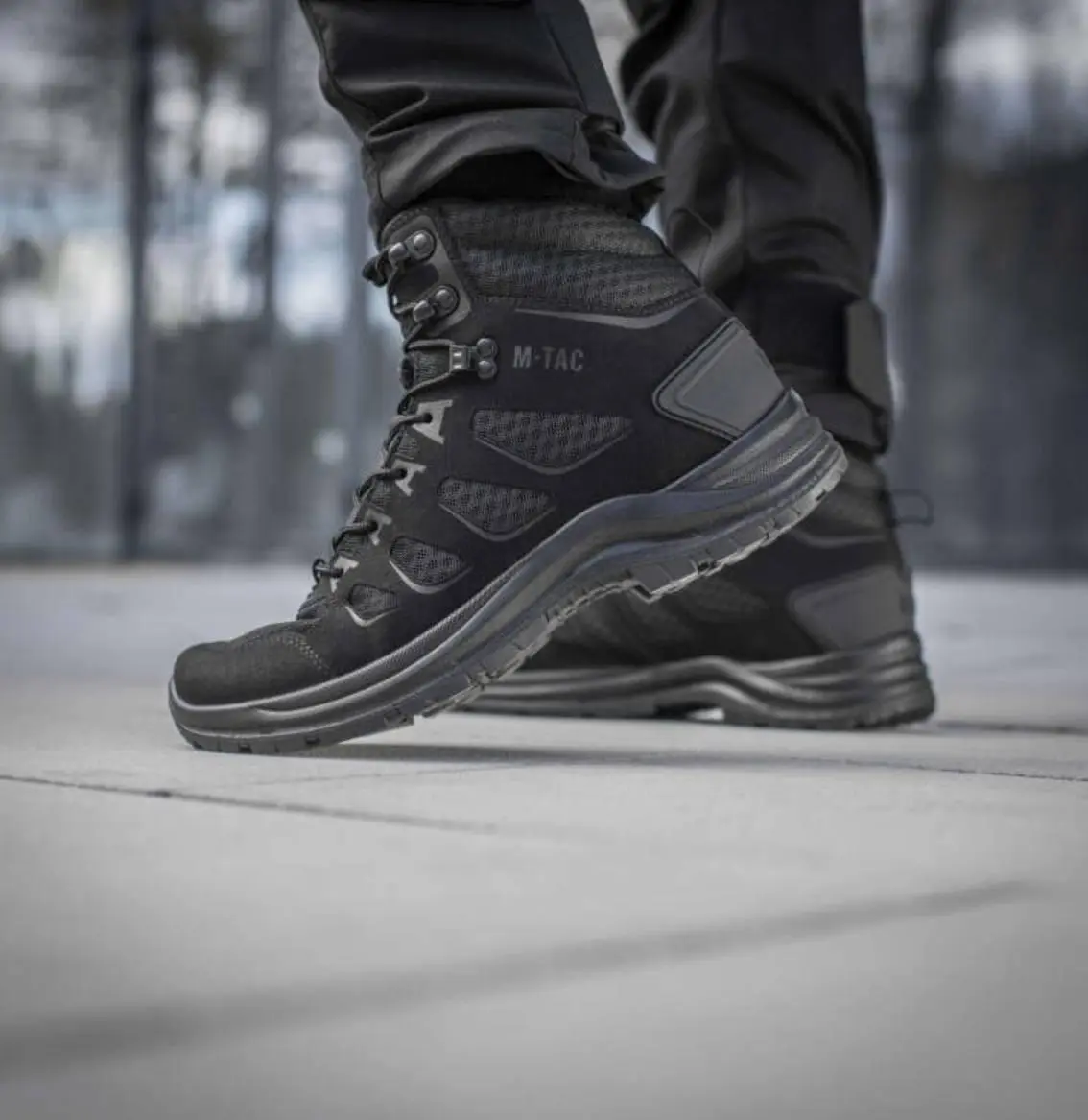
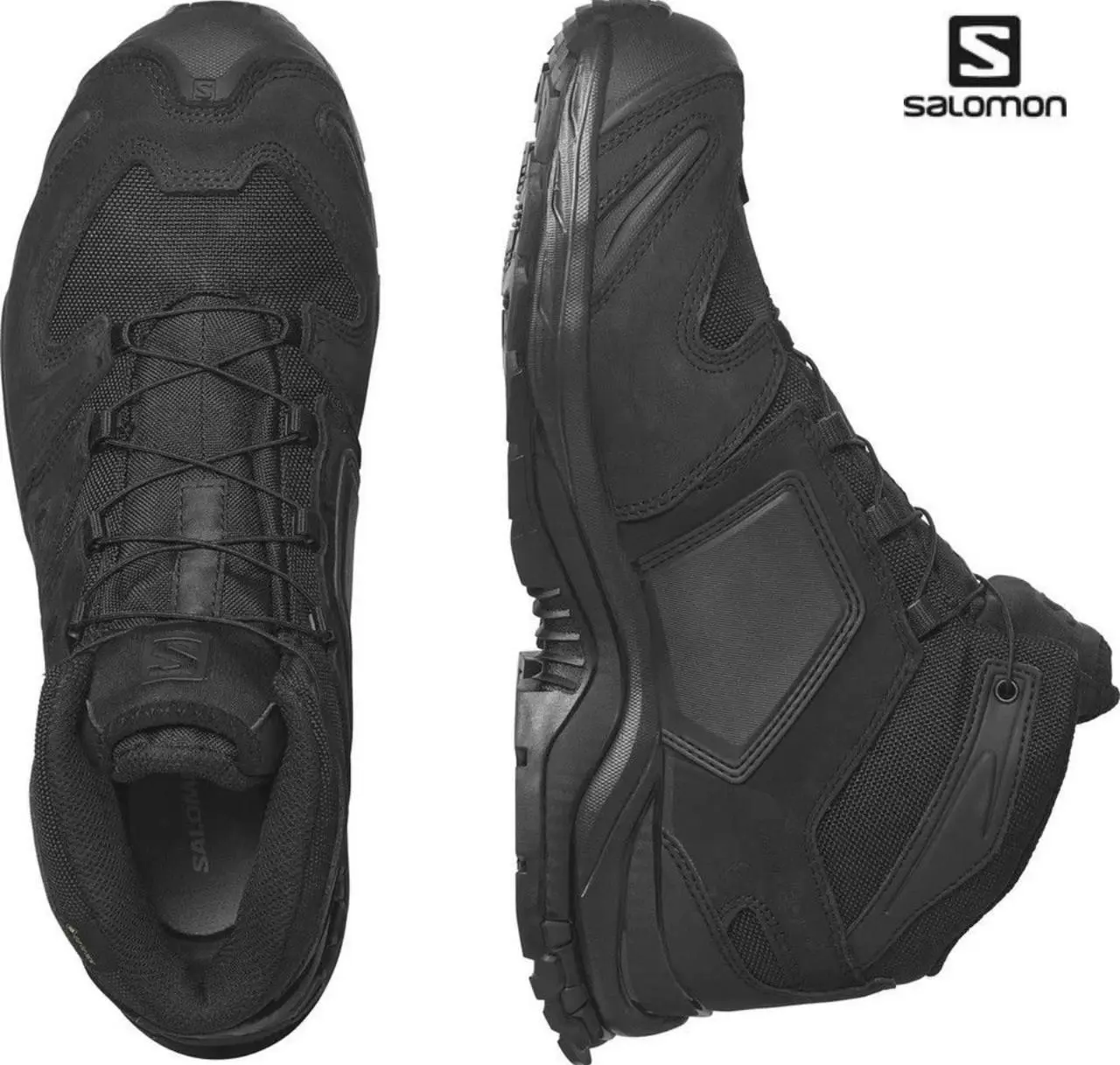
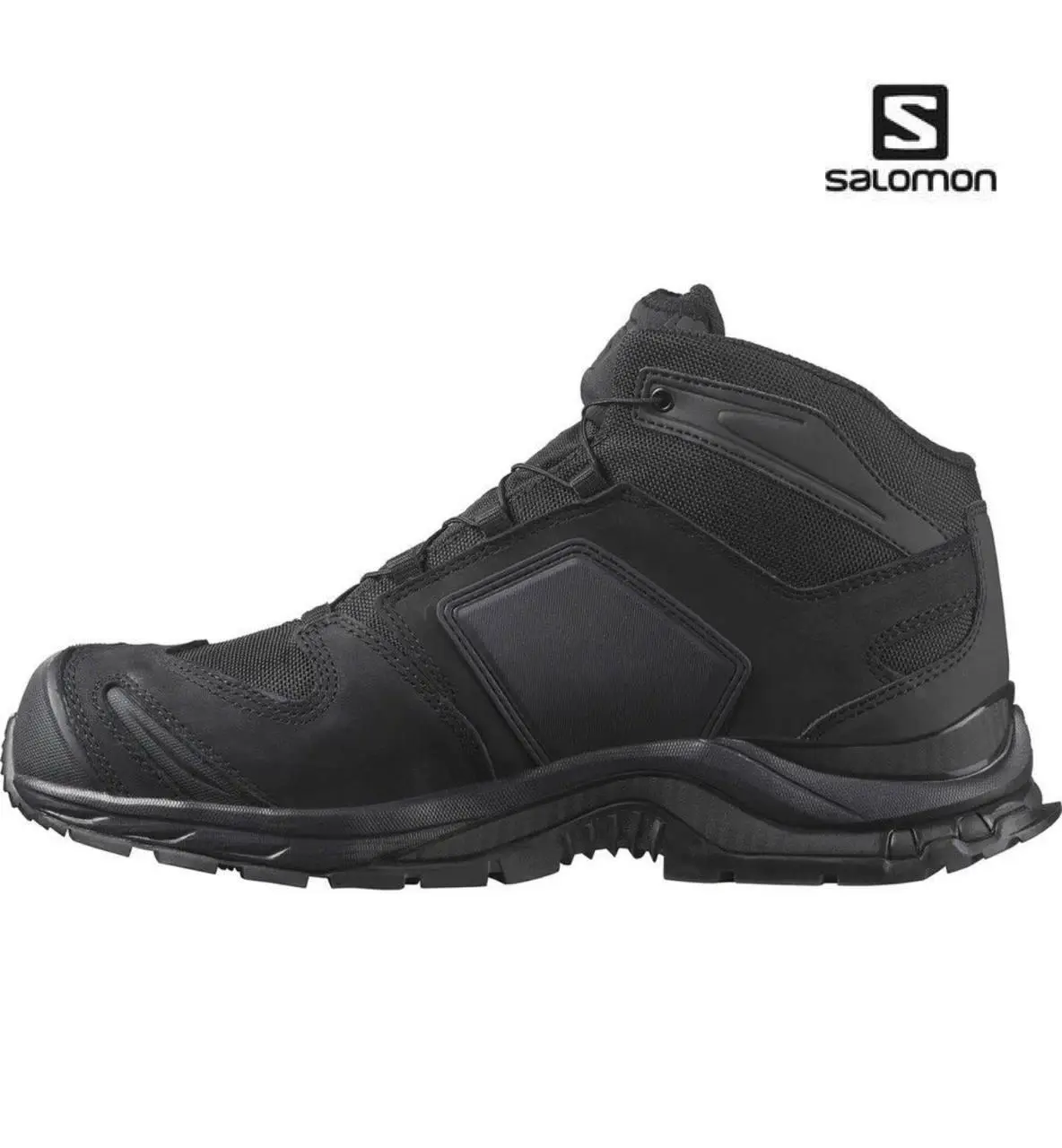
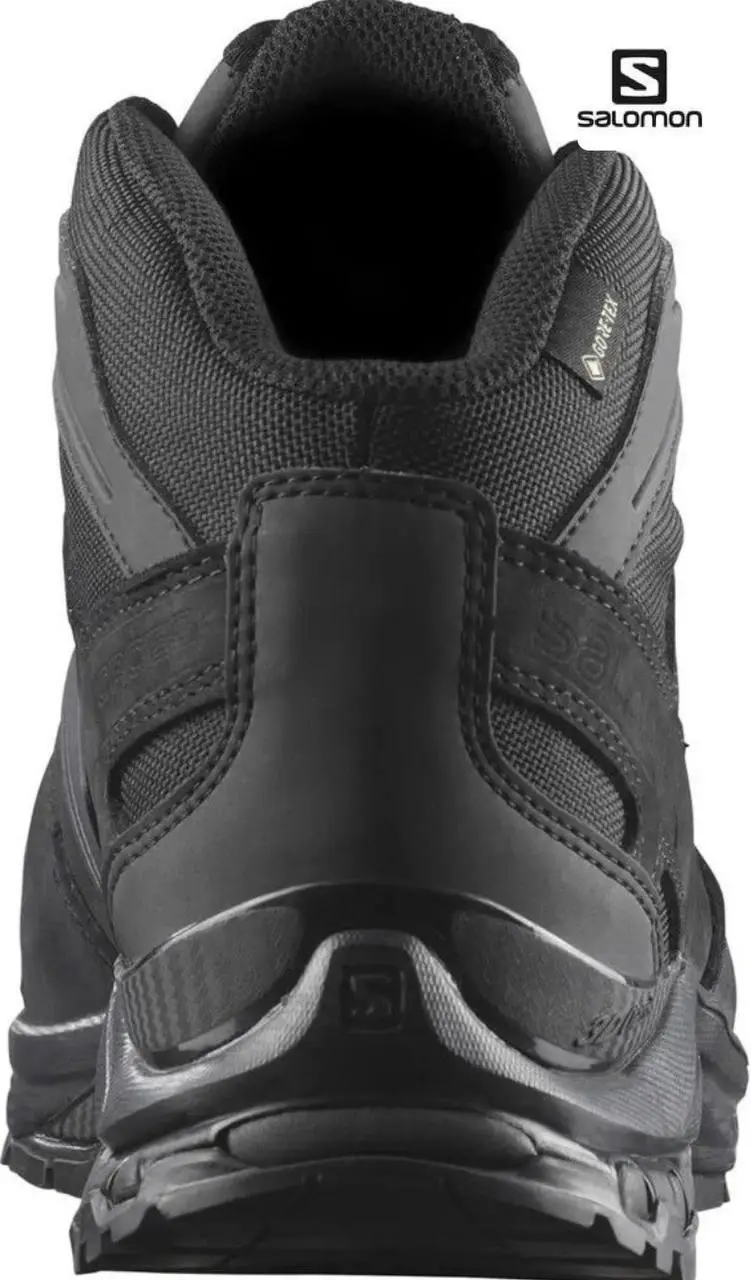
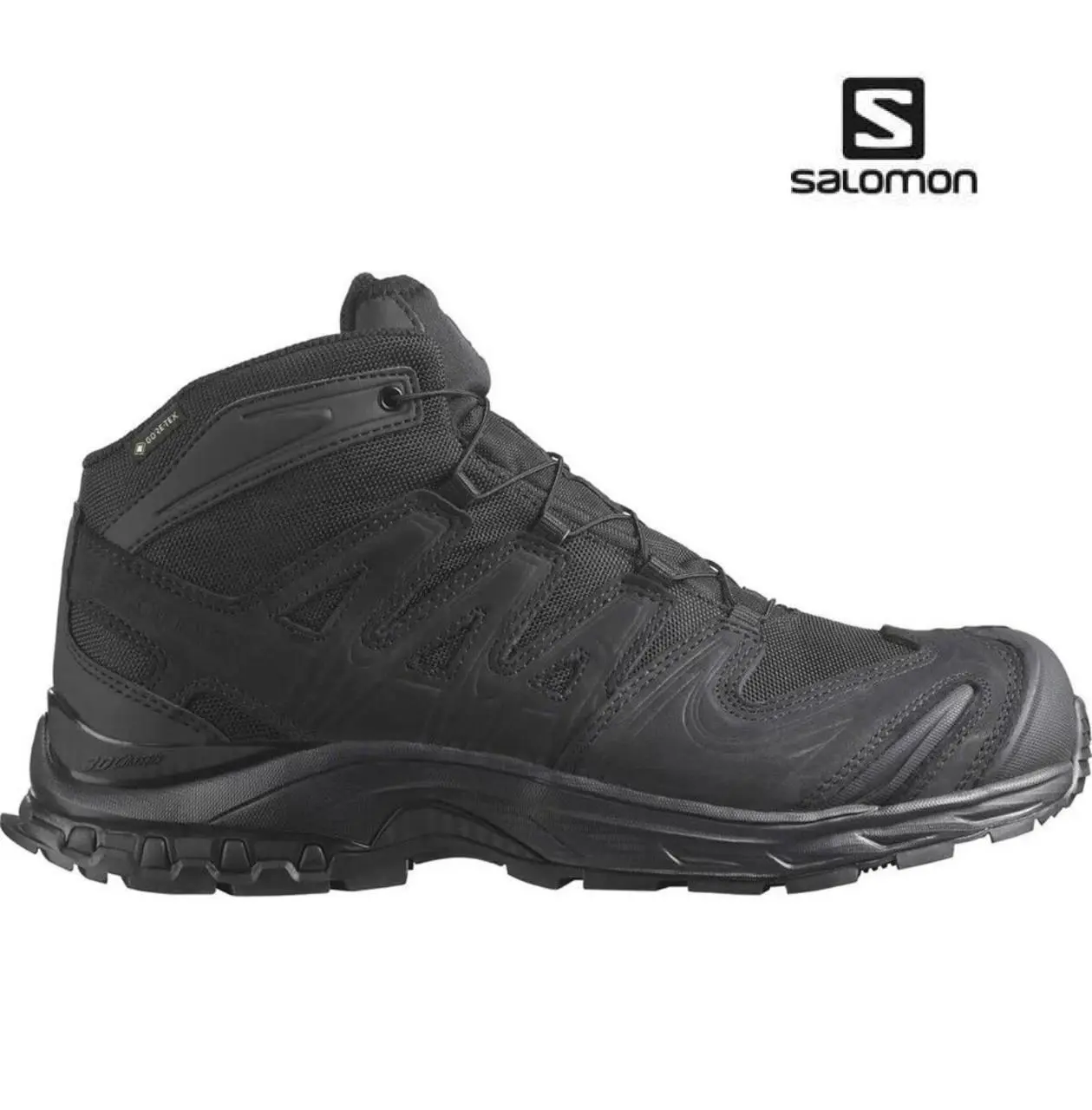
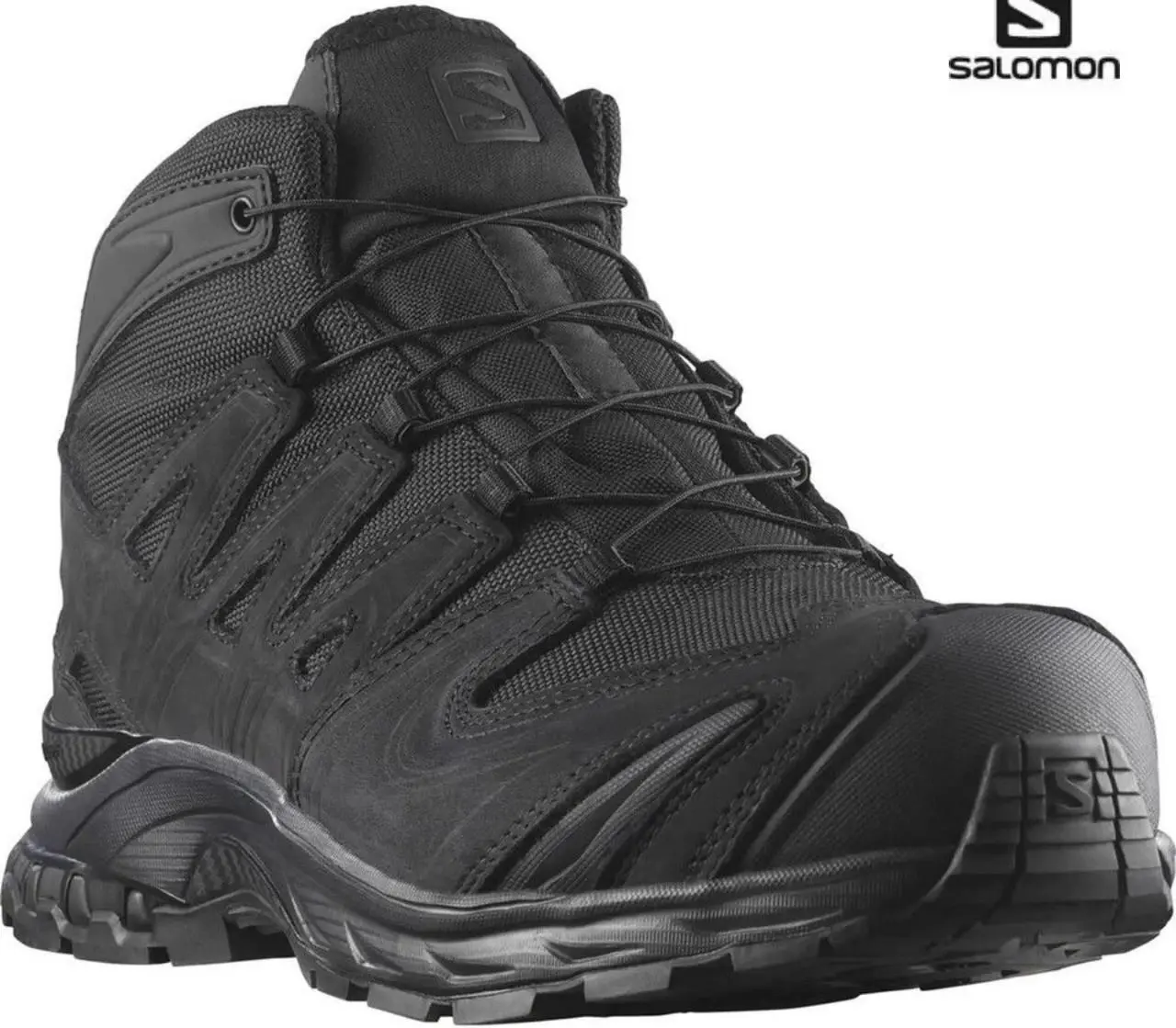
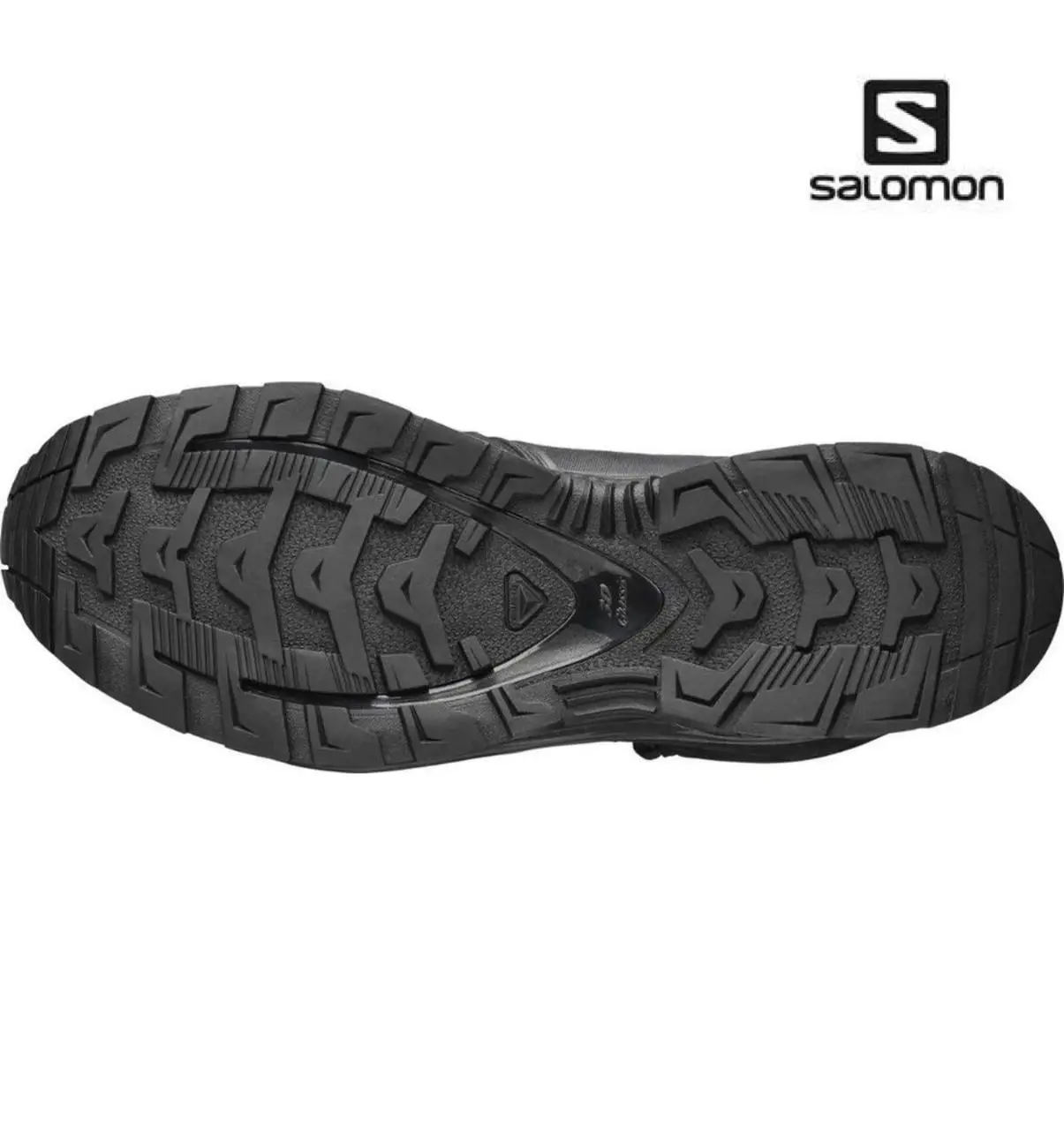
Mid-height boots (mid-cut) are a smart compromise. They still support the ankle but allow more mobility and are less tiring on flat ground. The Salomon XA Forces MID GTX is a good example: a tactical mid-cut model based on the trekking XA Pro 3D platform, for when you need protection without the "weight" of a full boot.
- High boots — marching with a pack, off-road, heavy terrain.
- Mid-height — mixed tasks, patrolling, everyday wear.
- Low sneakers — flat surfaces, base, warm weather, where weight and foot freedom matter more than ankle fixation.
The rule is: the heavier the load and the rougher the ground, the higher the shaft. See more options in the Tactical Footwear section.
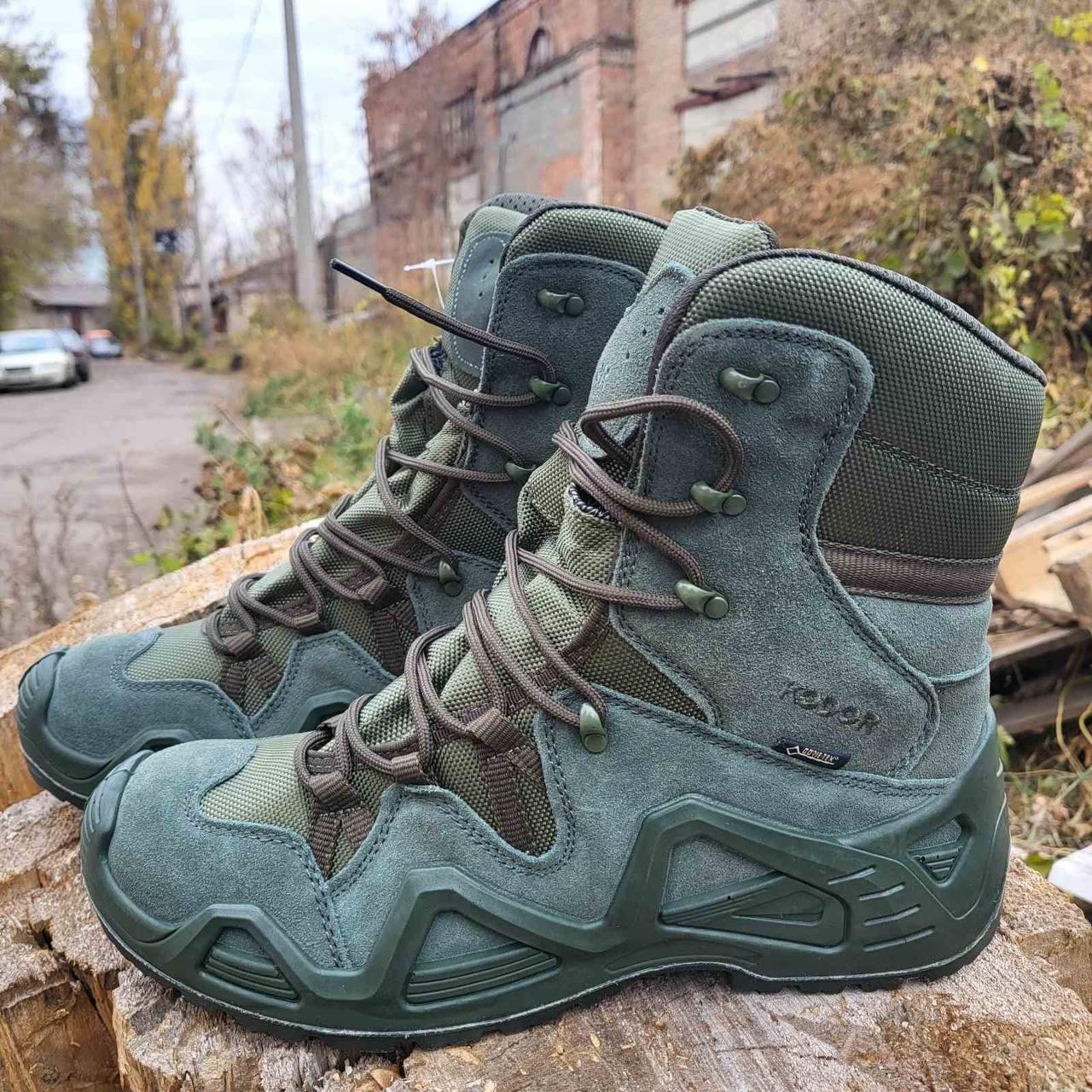
Outsole and Grip: From Asphalt to Mud
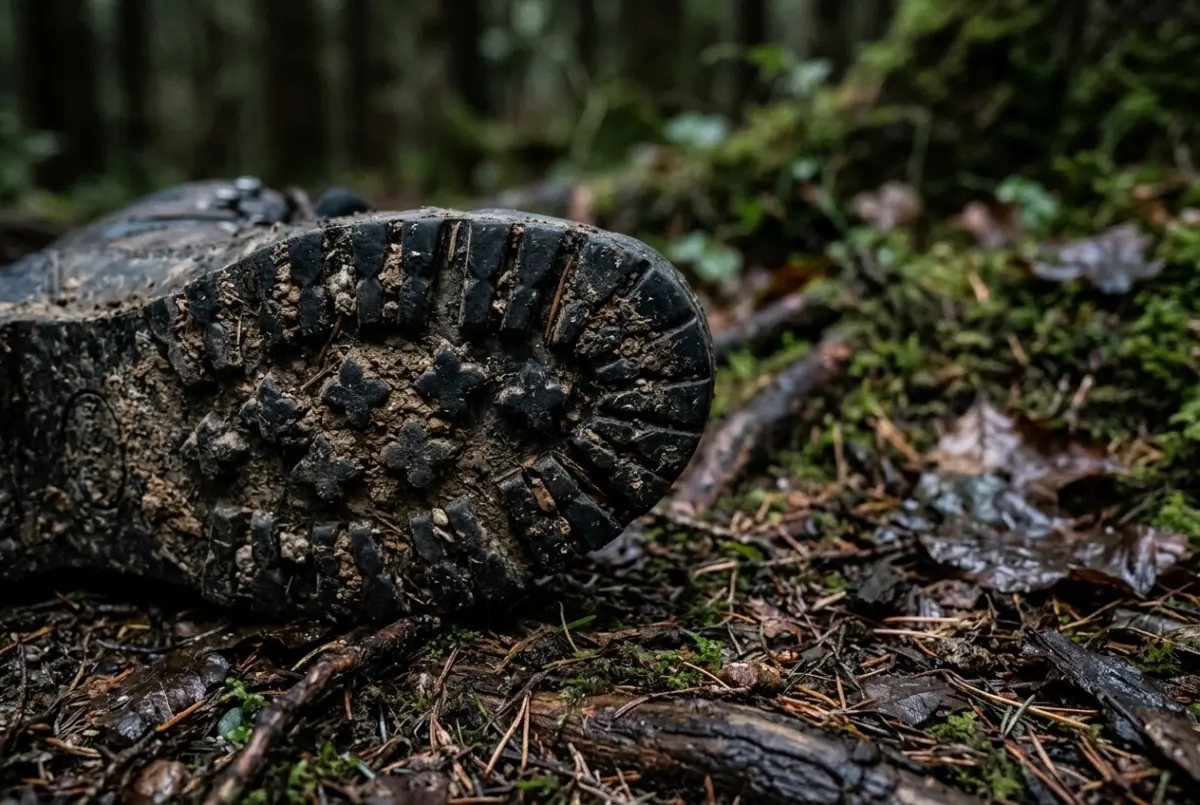
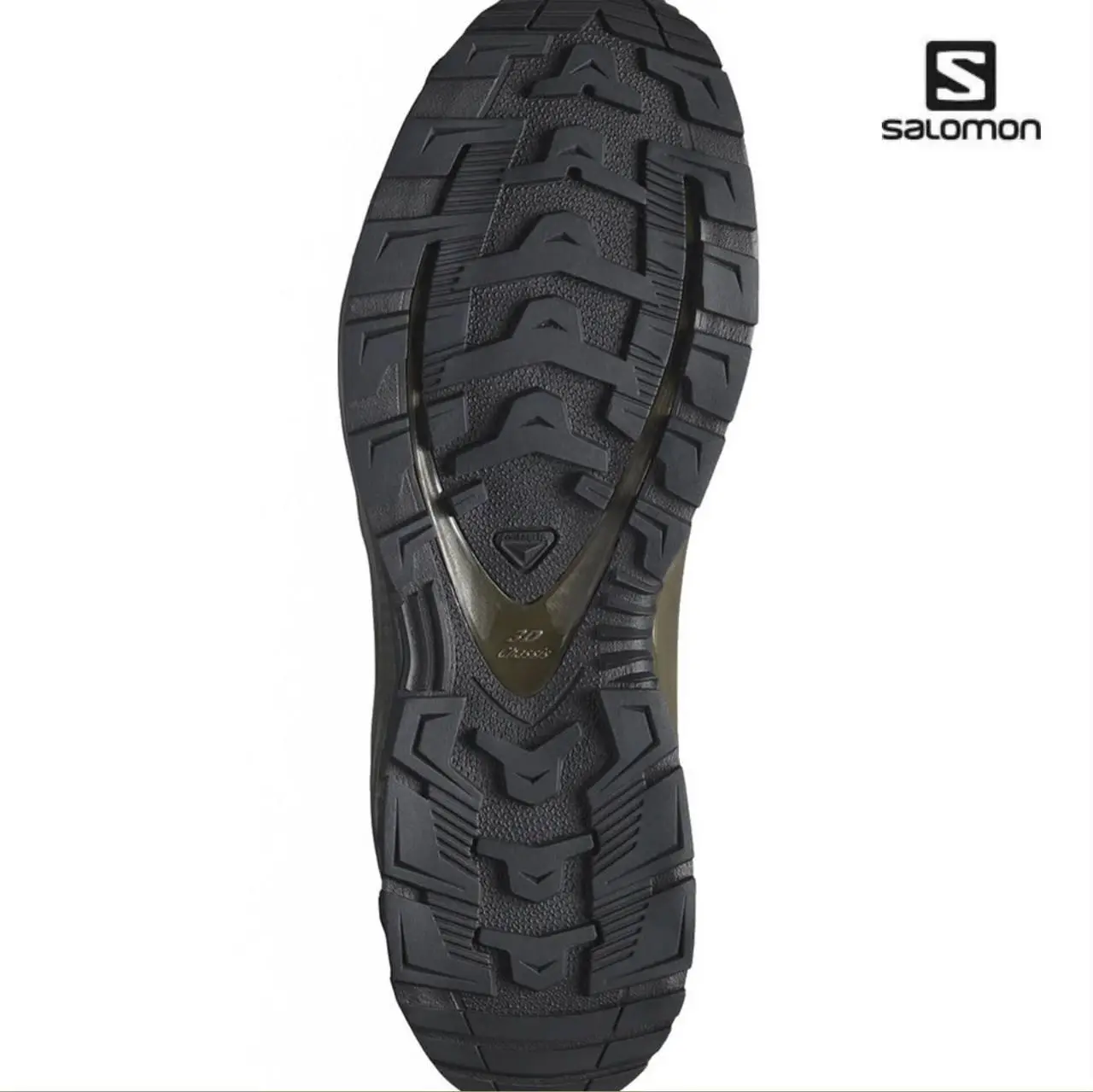
The moment you step off asphalt, the fate of your march is decided by a few centimeters of rubber underfoot. The upper protects your foot, but it's the tread pattern that determines whether you hold your footing on a wet clay slope or slide right down. That's why you should choose the outsole first — based on the actual surface you'll be walking on.
The logic is simple: the tougher the ground, the deeper and more aggressive the tread needs to be.
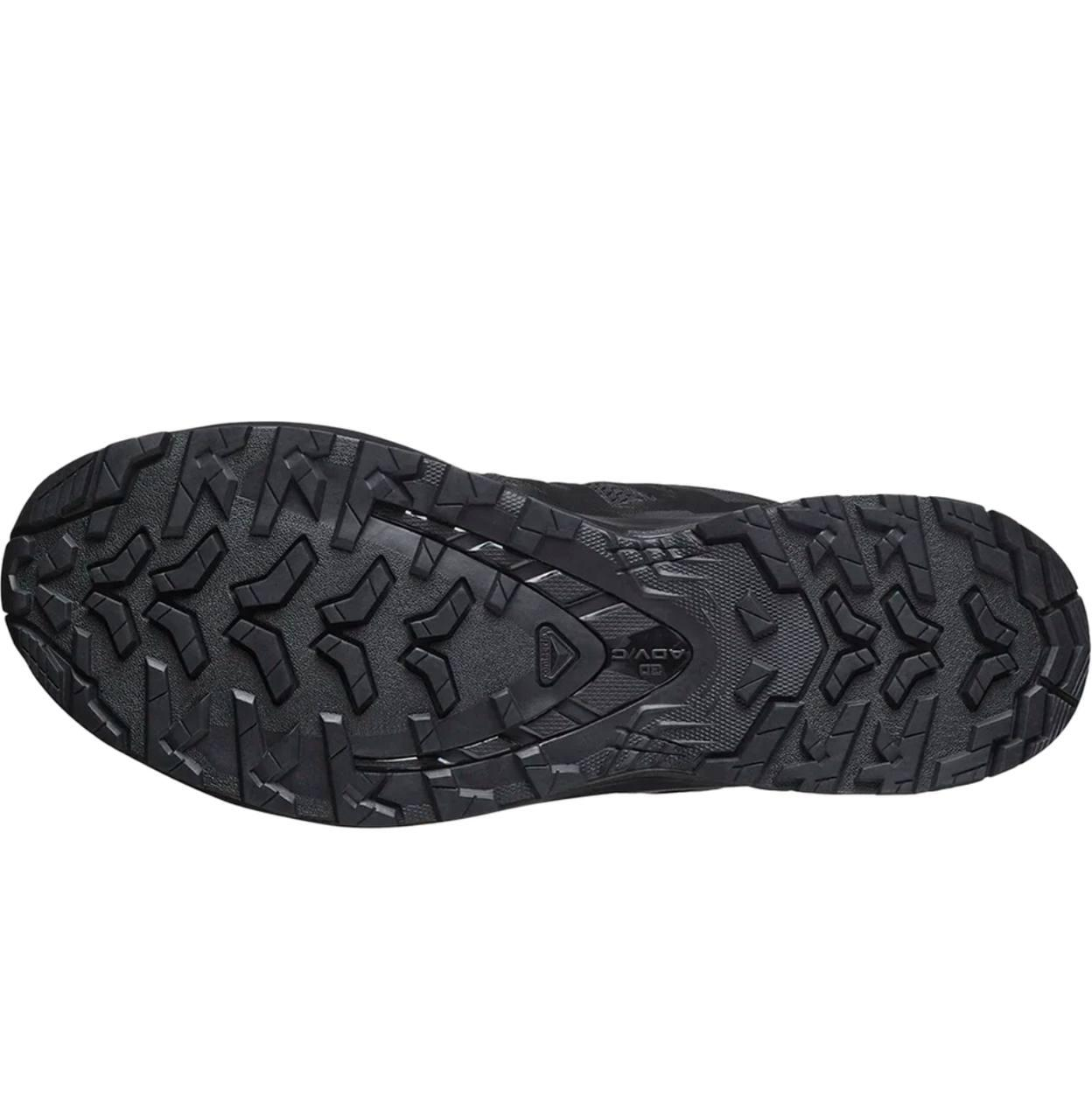
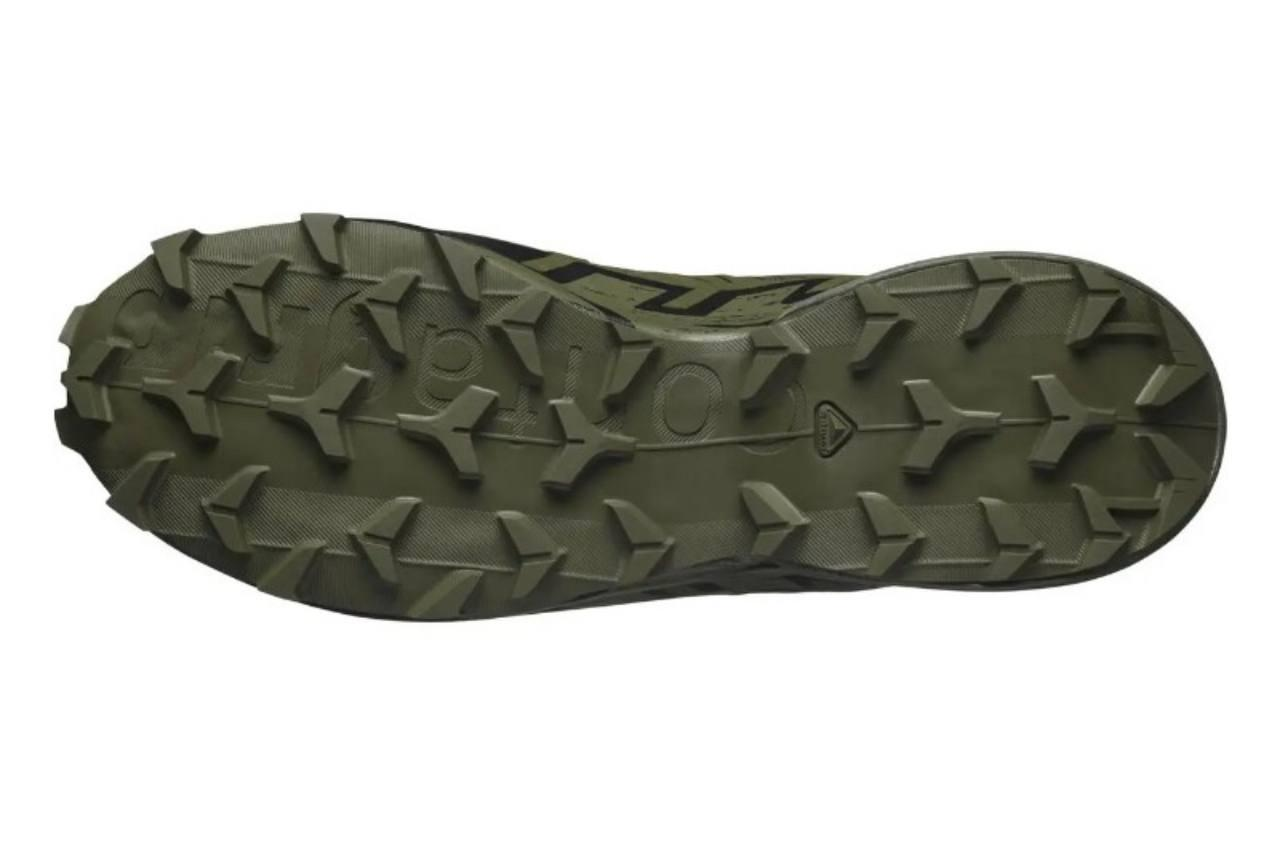
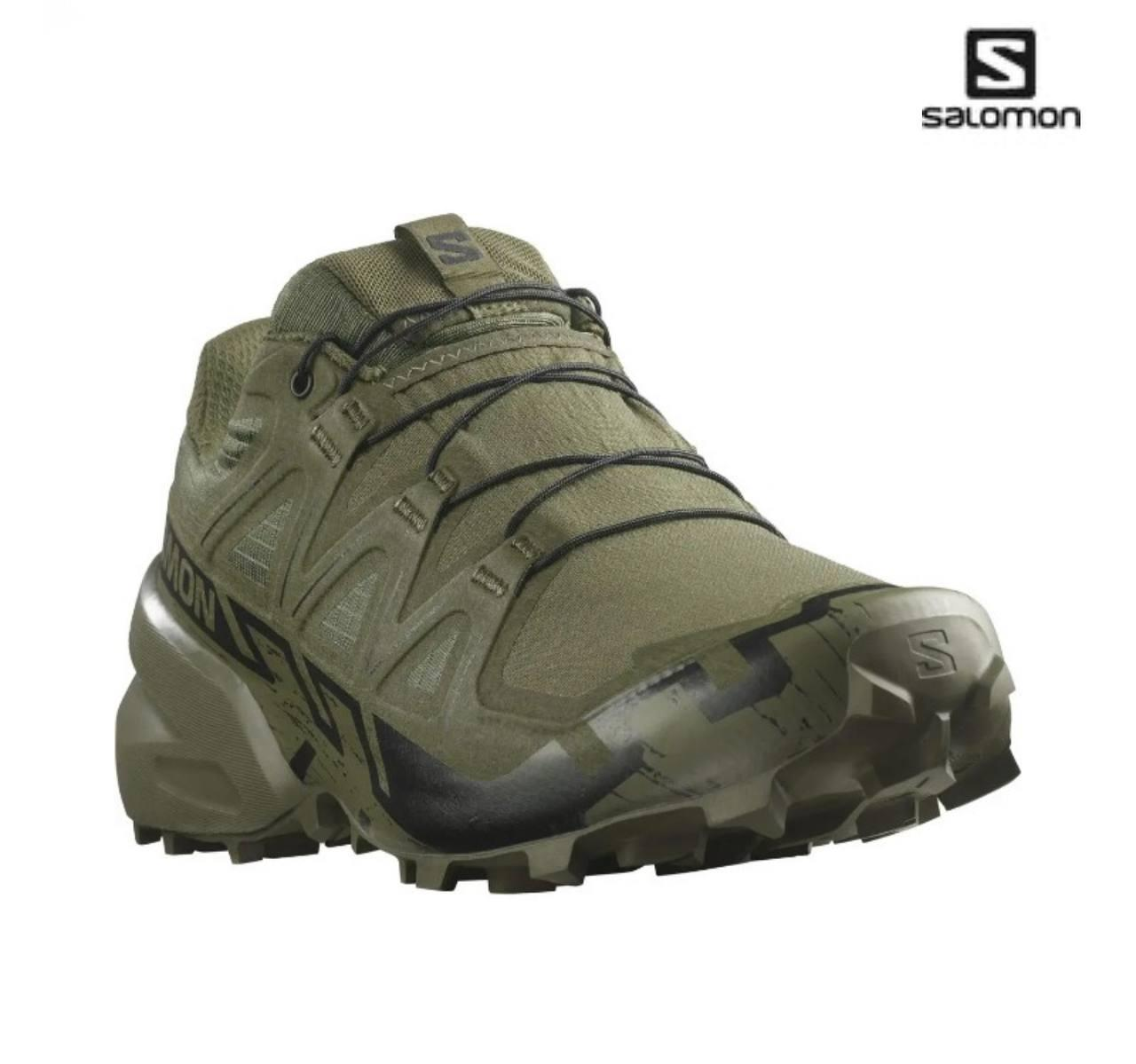
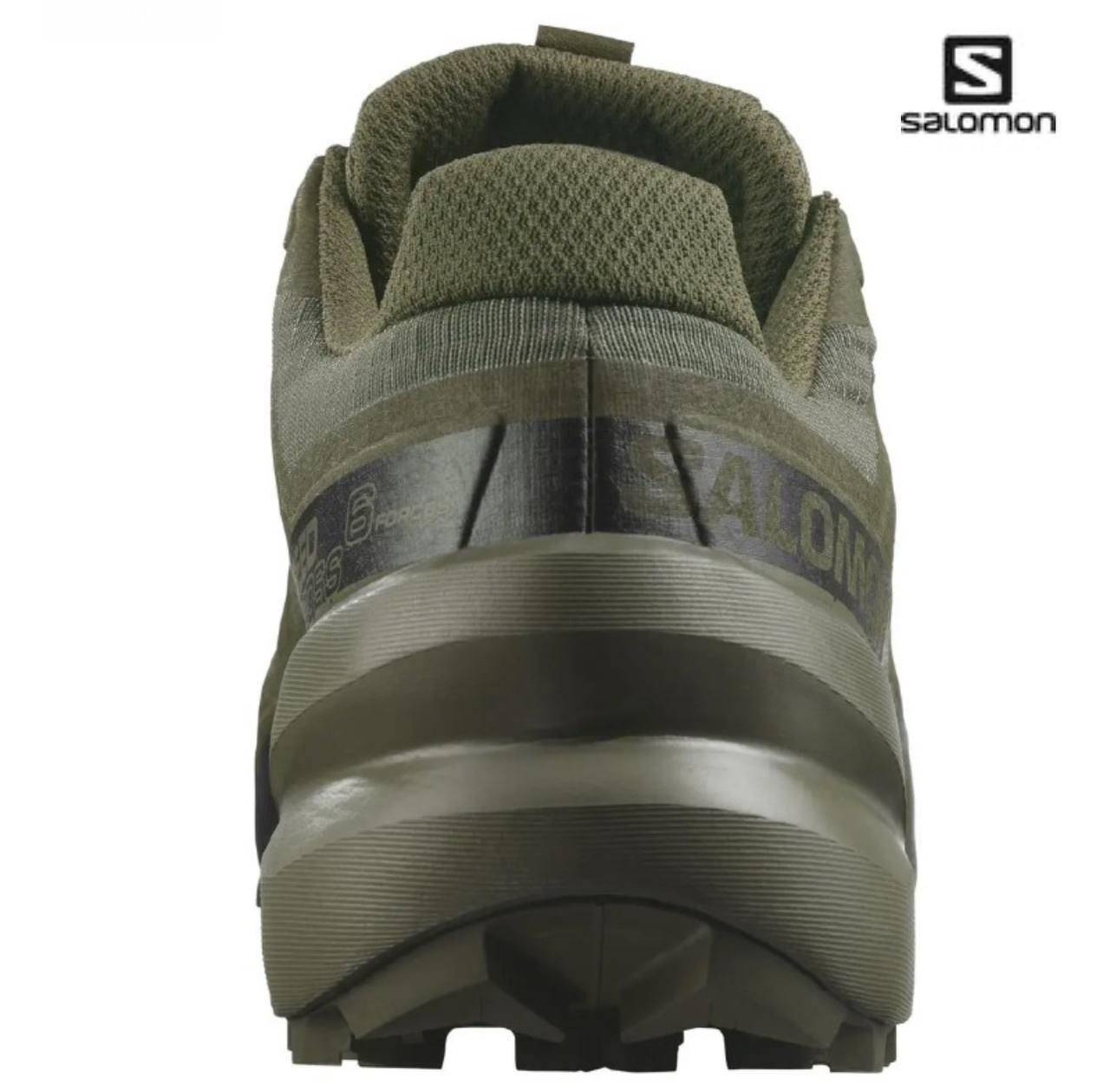
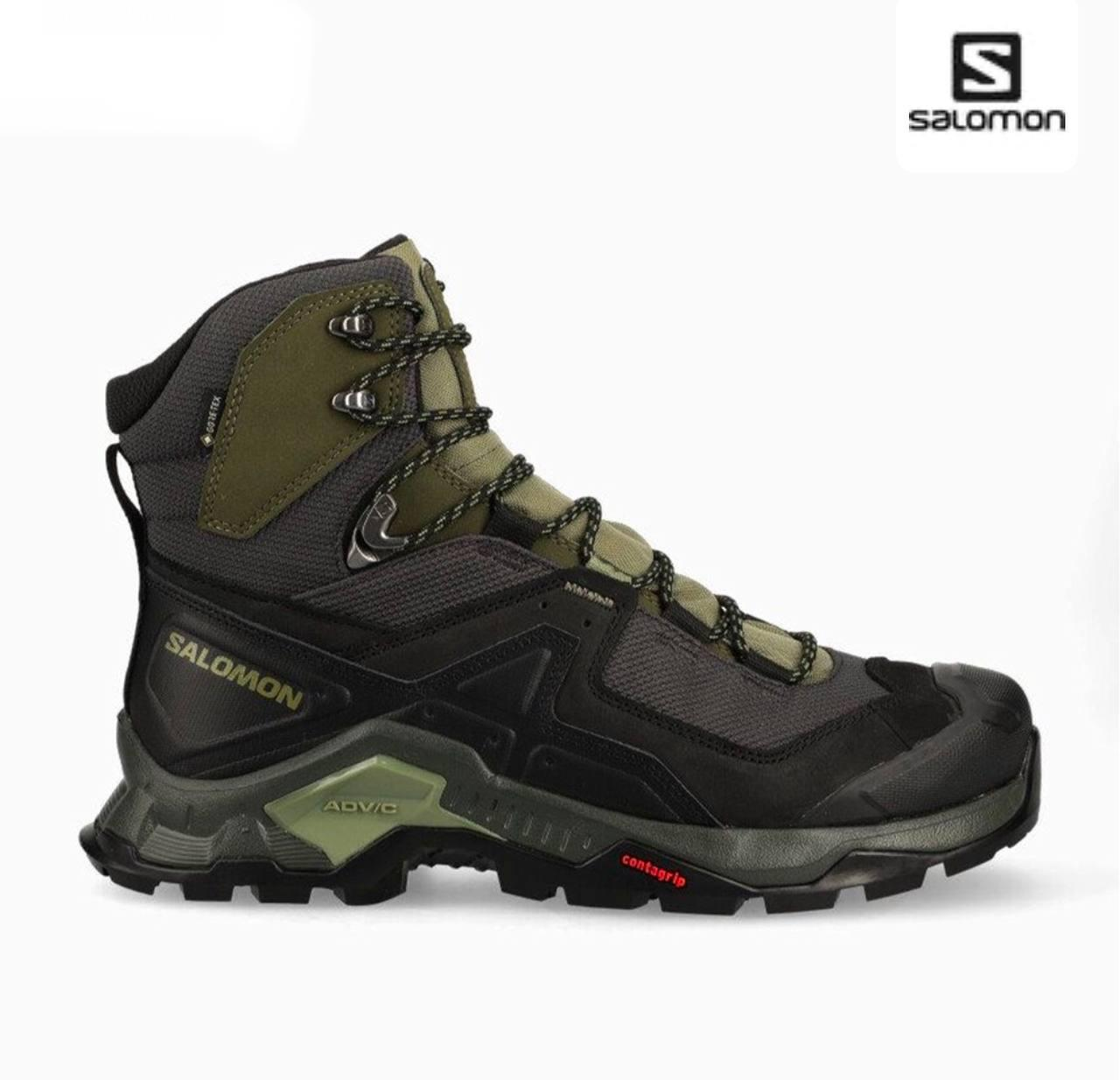
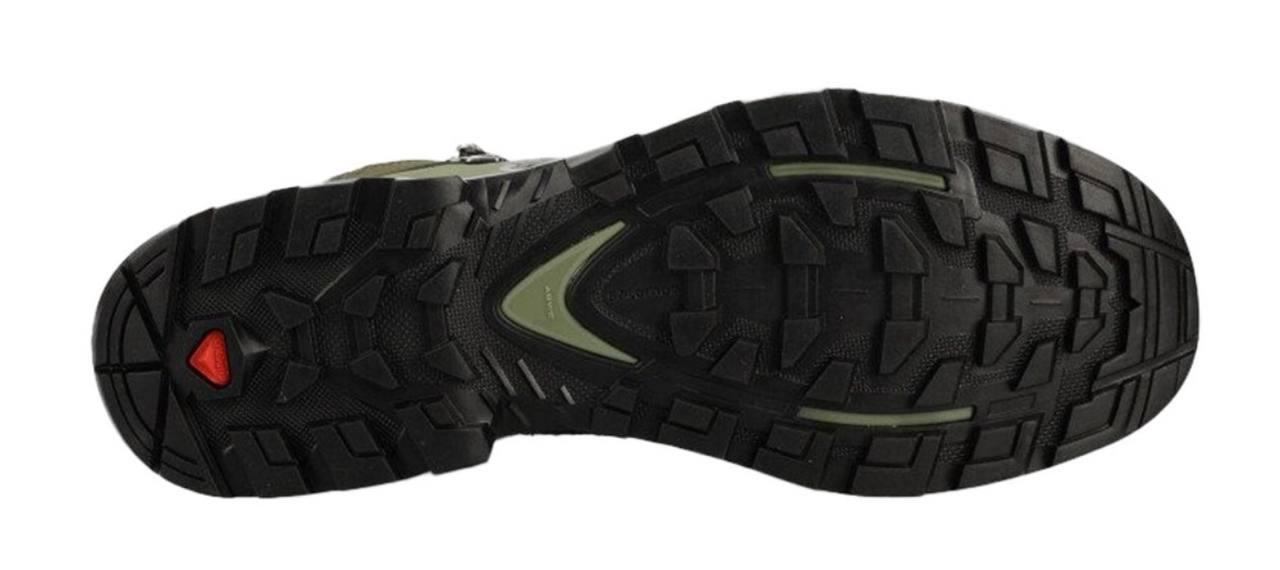
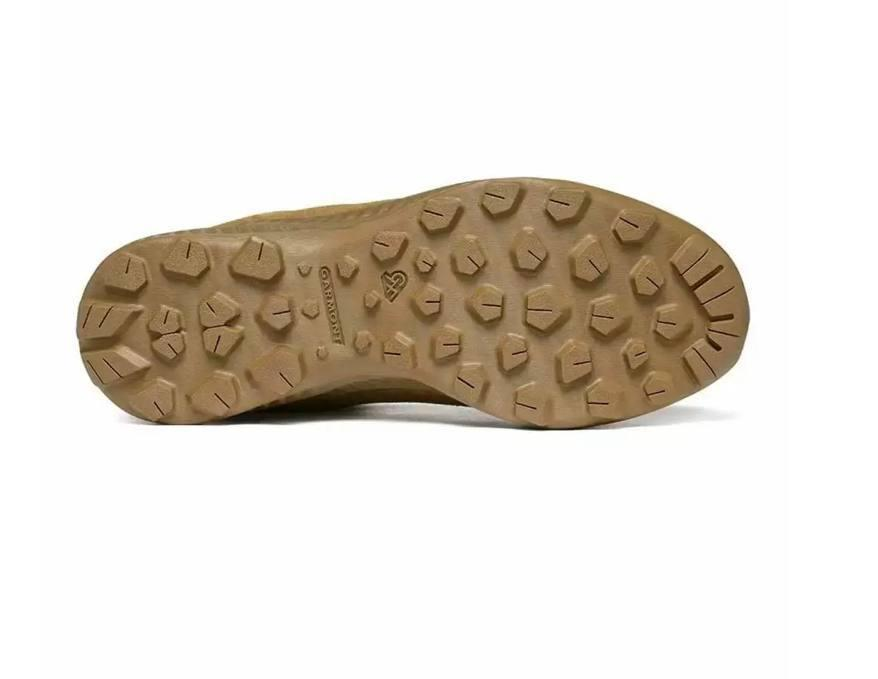
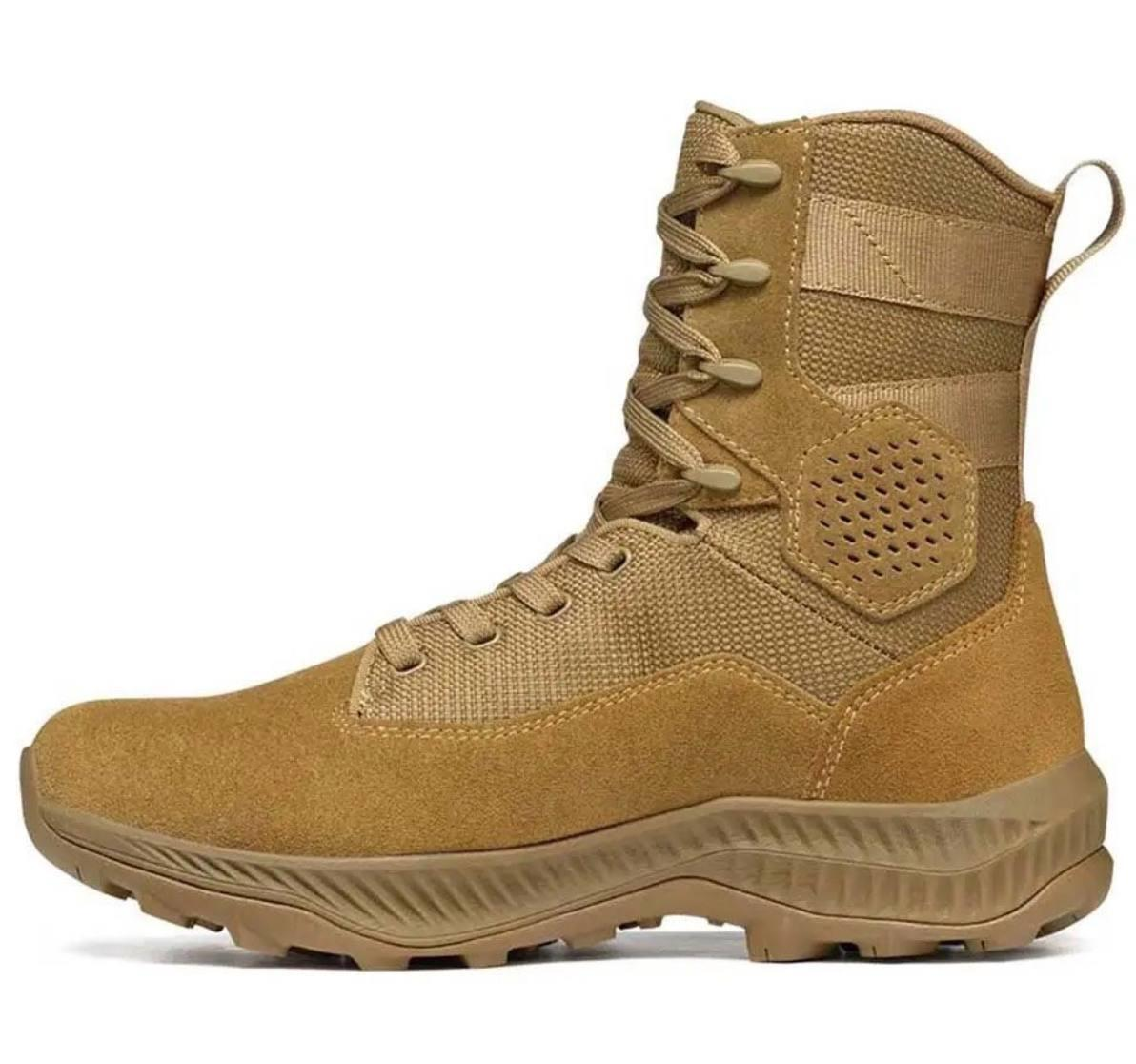
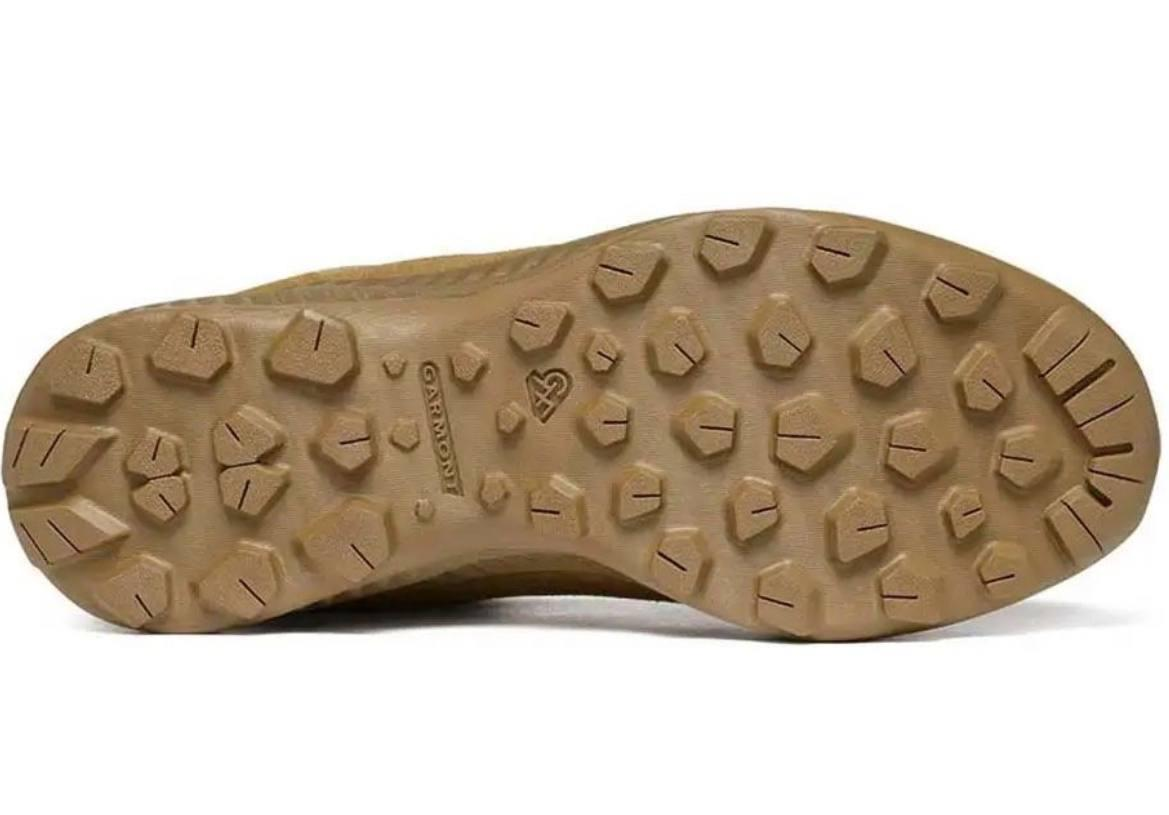
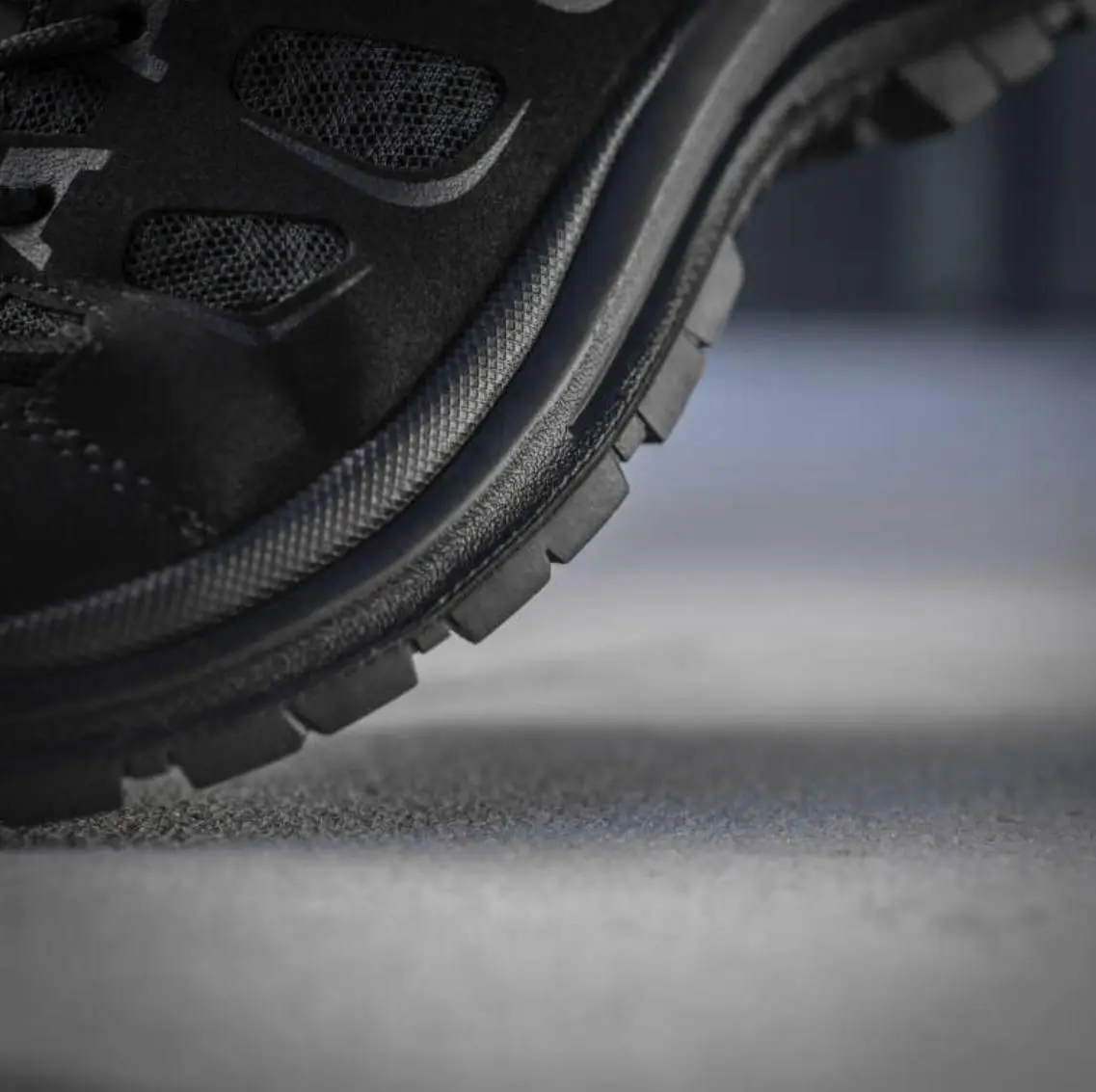
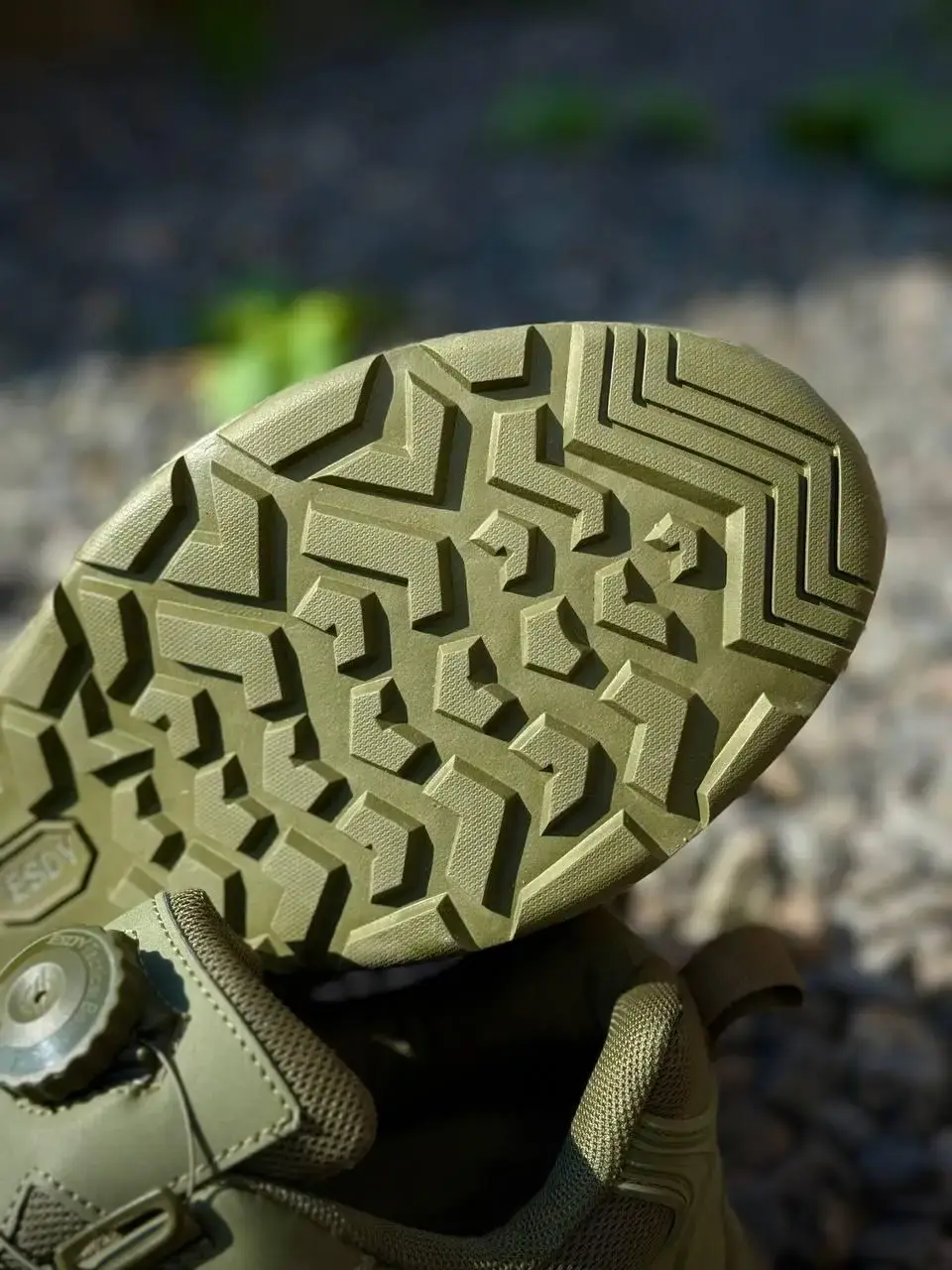
- Mud, grass, clay, slopes. Prominent lugs with wide spacing between them. They dig into soft ground and self-clean from dirt so they don't turn into a slippery "ski." This is the choice for forest, fields, and off-road.
- Asphalt, concrete, hard paths, base. A flatter outsole with a finer pattern. It's quieter, provides more contact area with hard surfaces, and wears down more slowly on pavement and concrete.
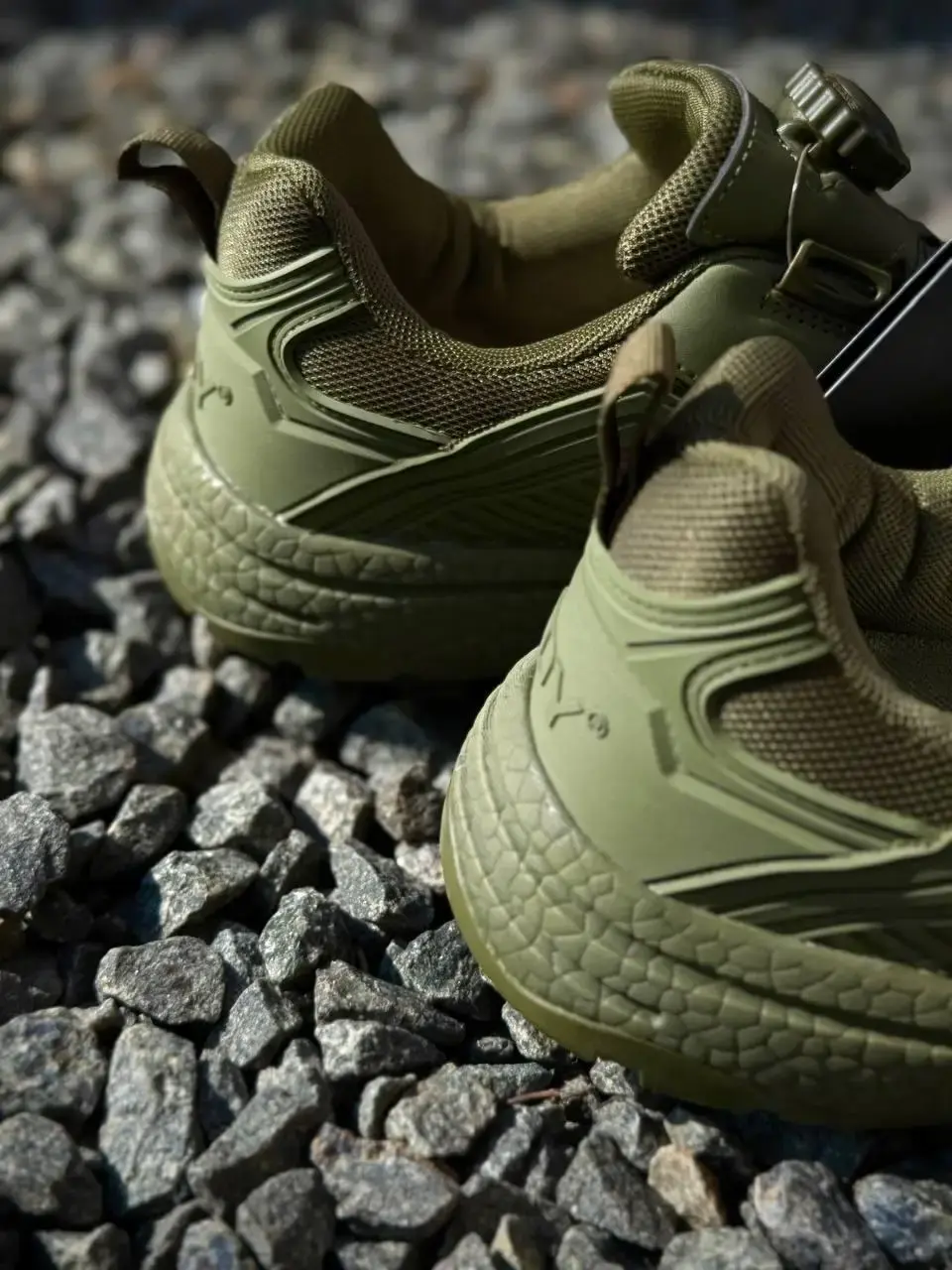
Cushioning is a separate matter. Over 15–20 km, every step sends an impact through your foot, knees, and back. A softer foam under the heel absorbs those shocks and saves energy toward the end, so don't chase an overly stiff outsole for long marches.
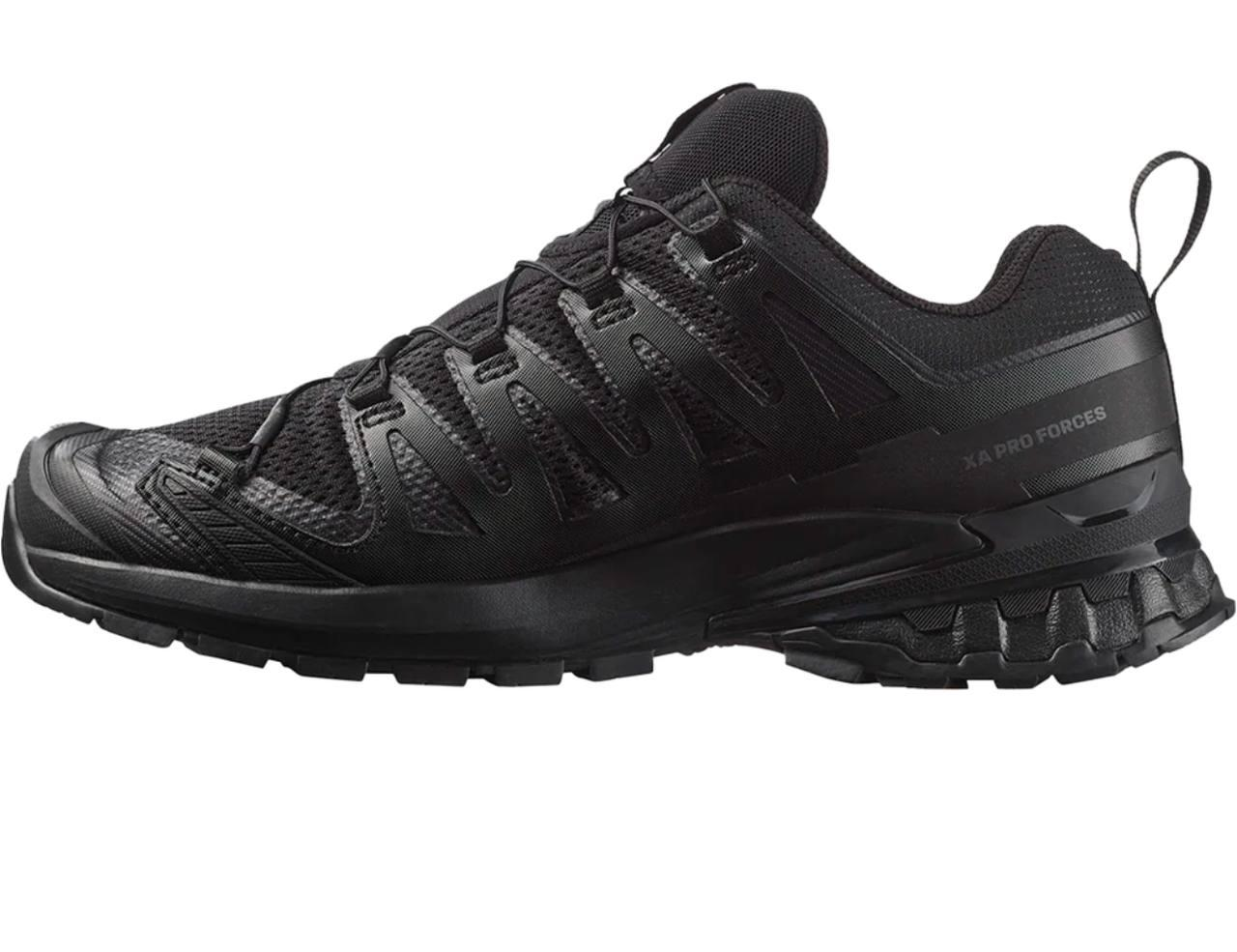
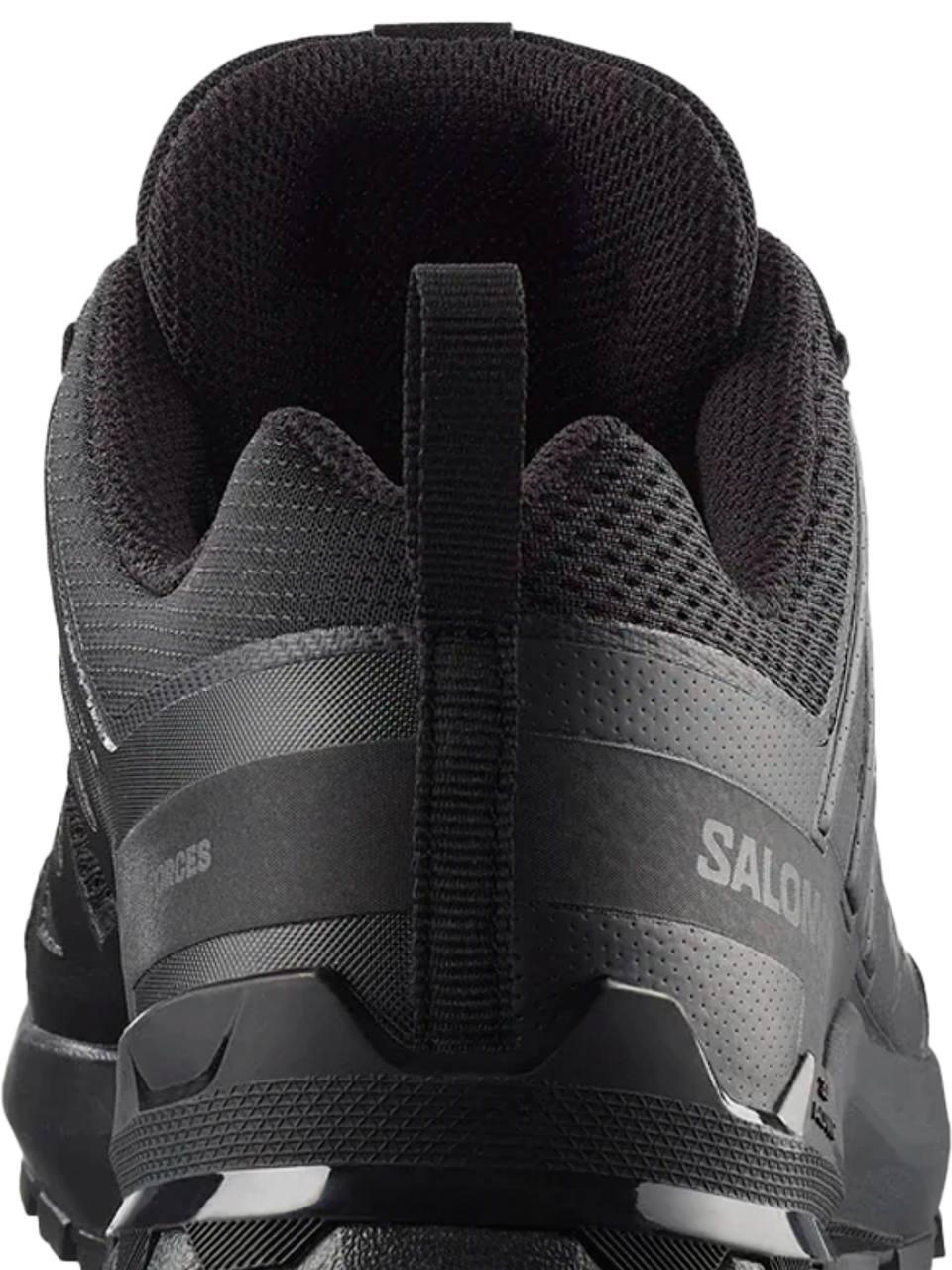
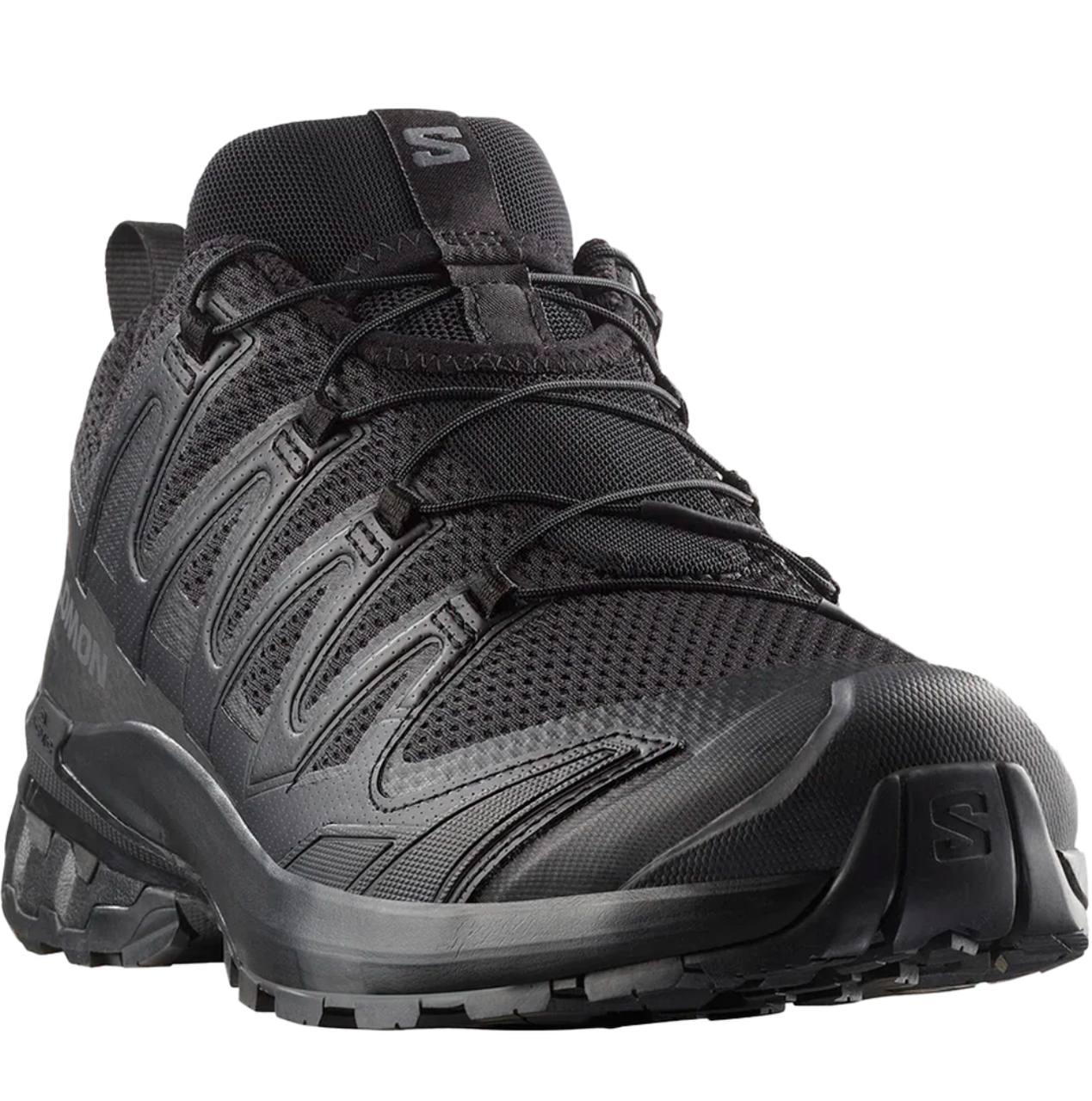
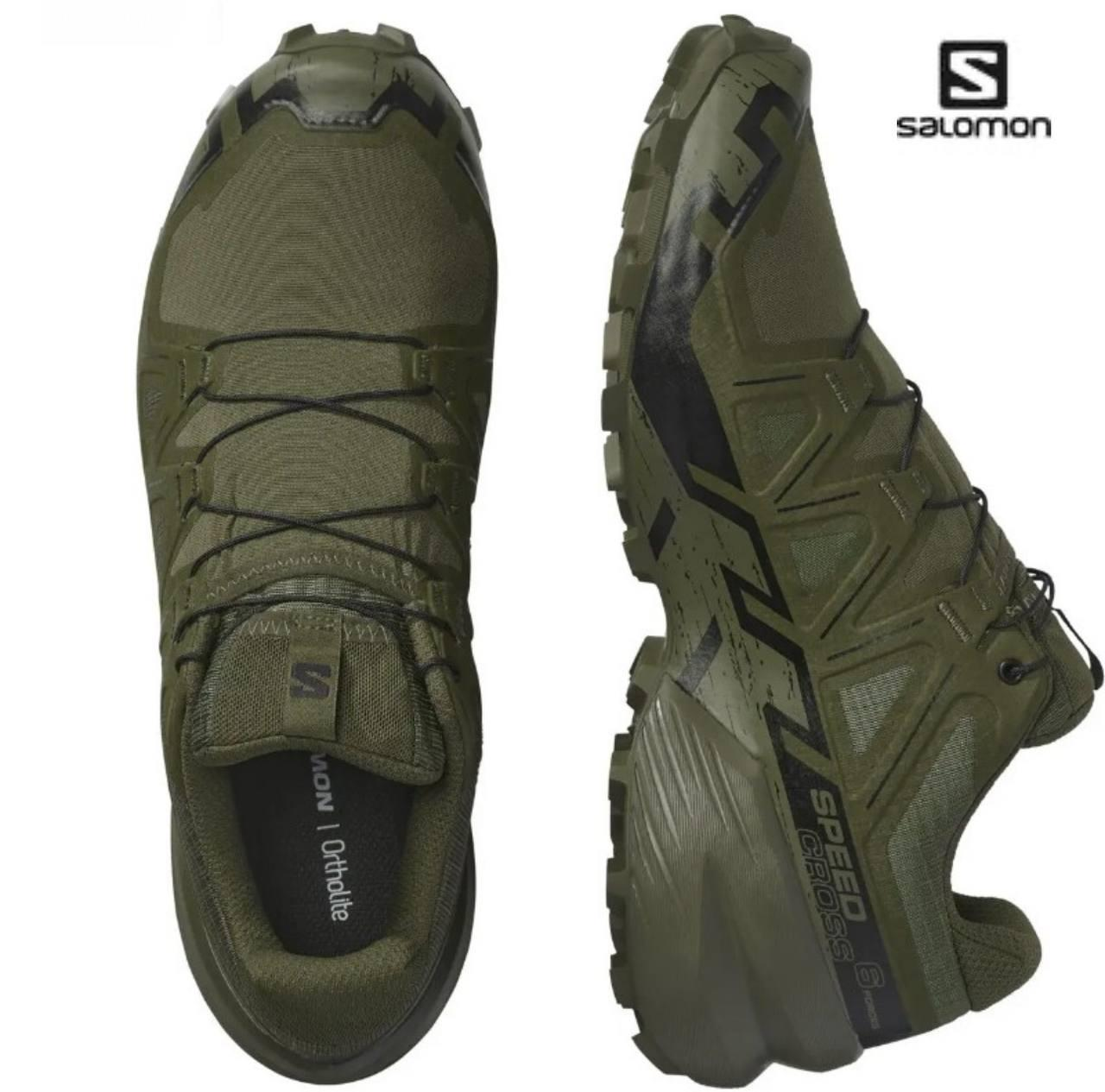
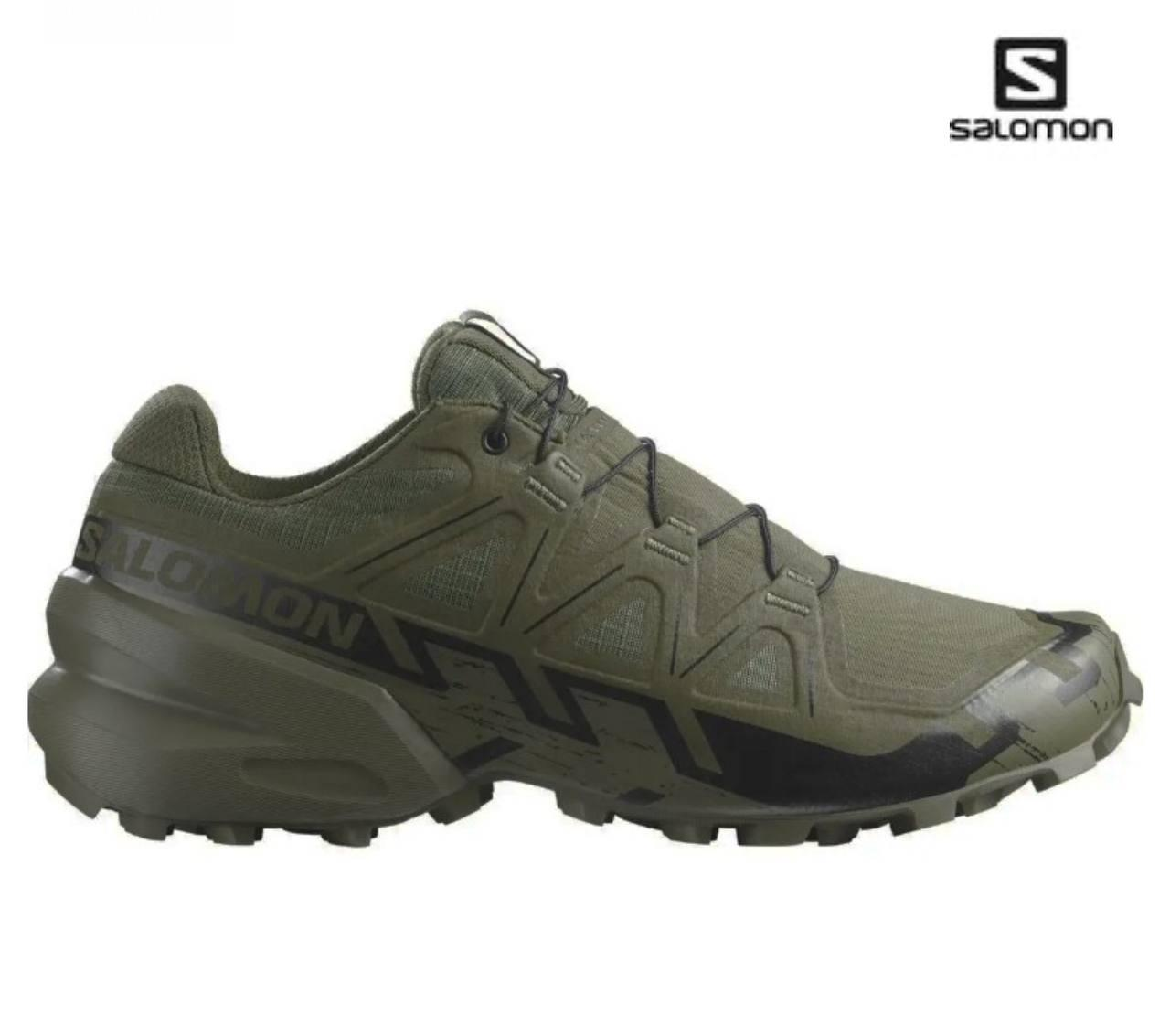
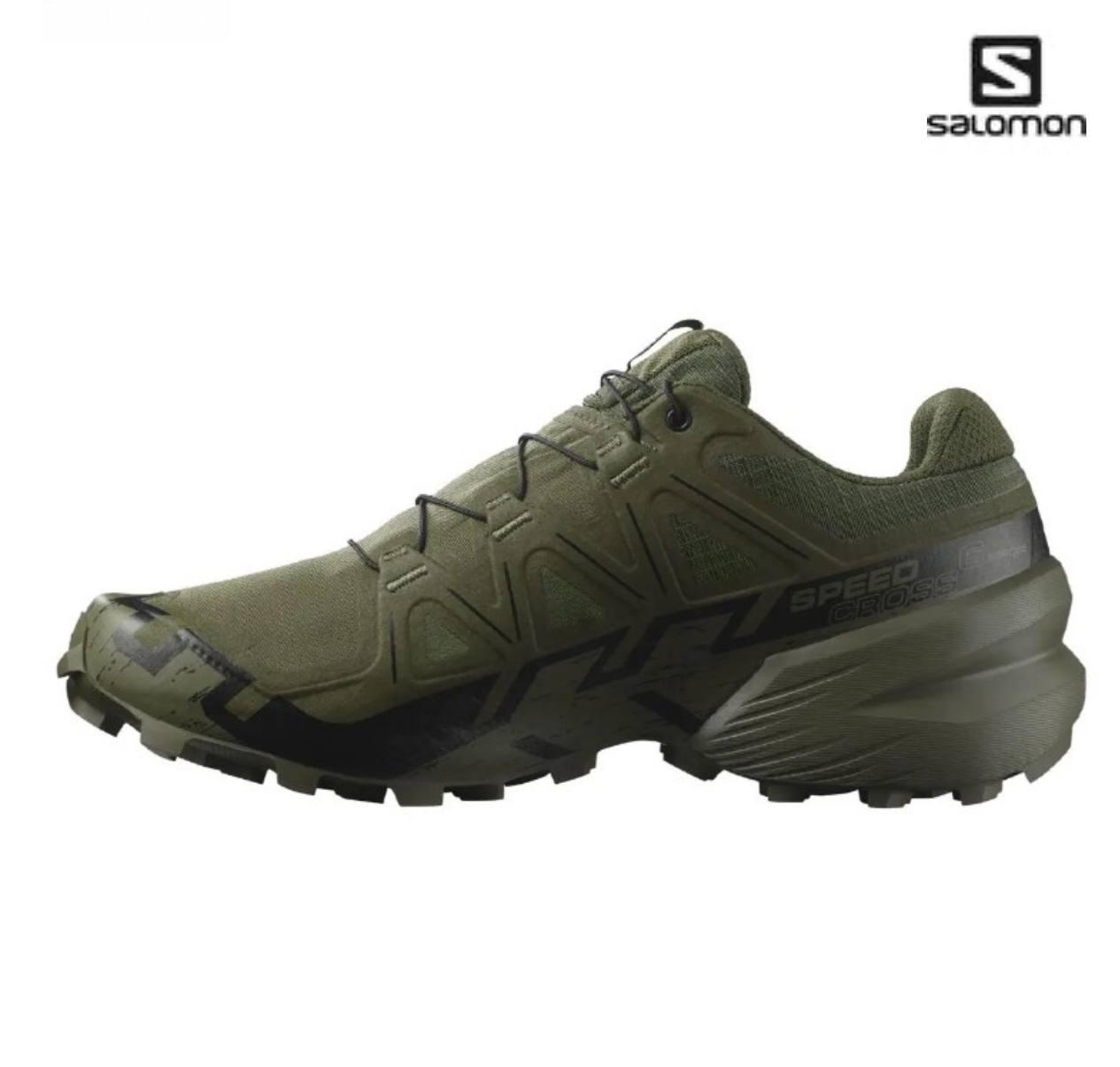
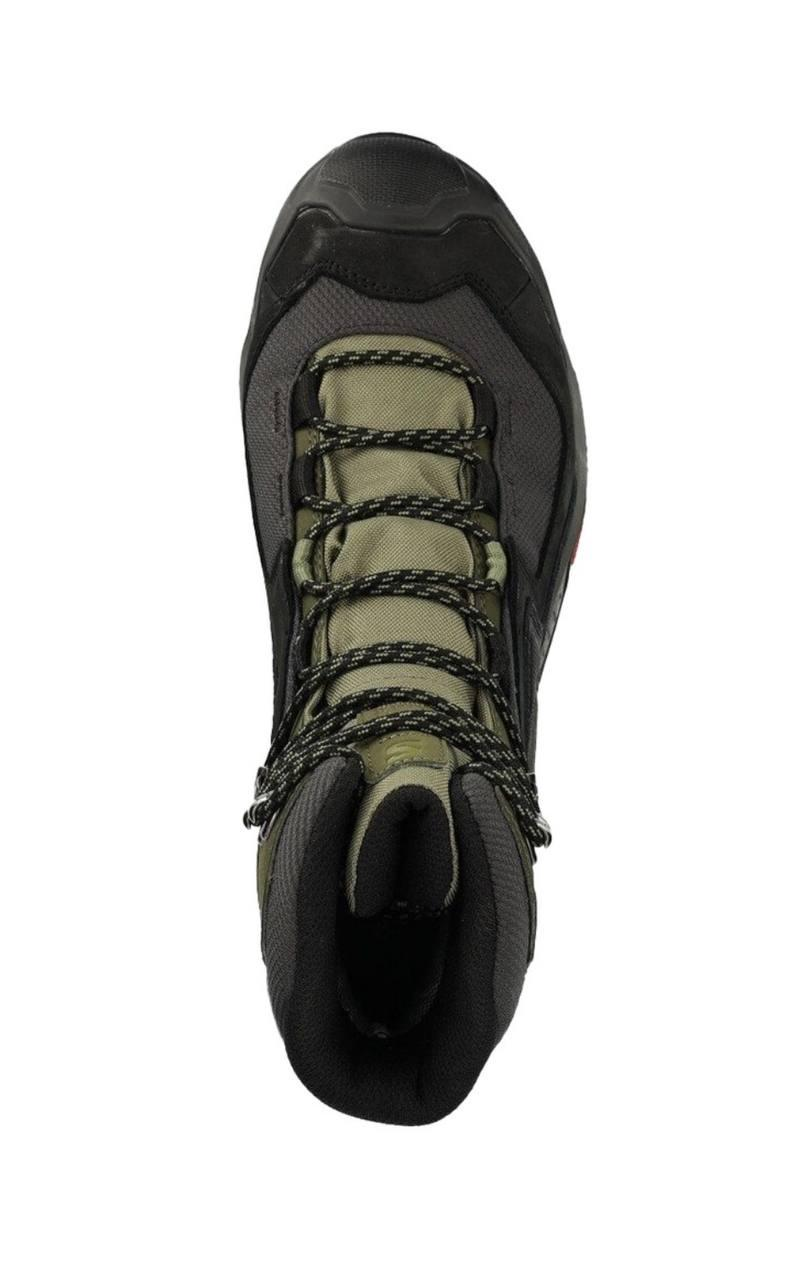
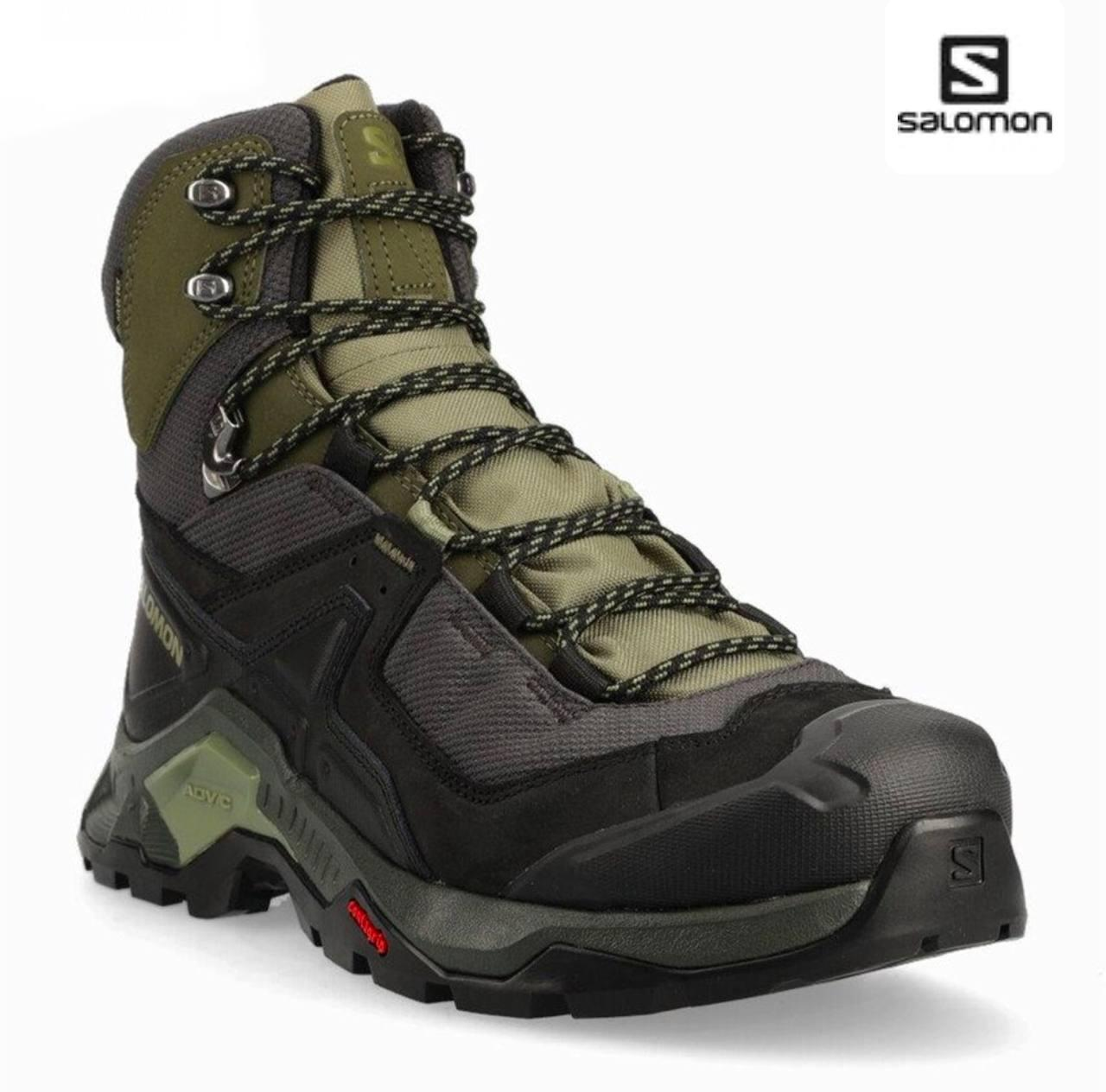
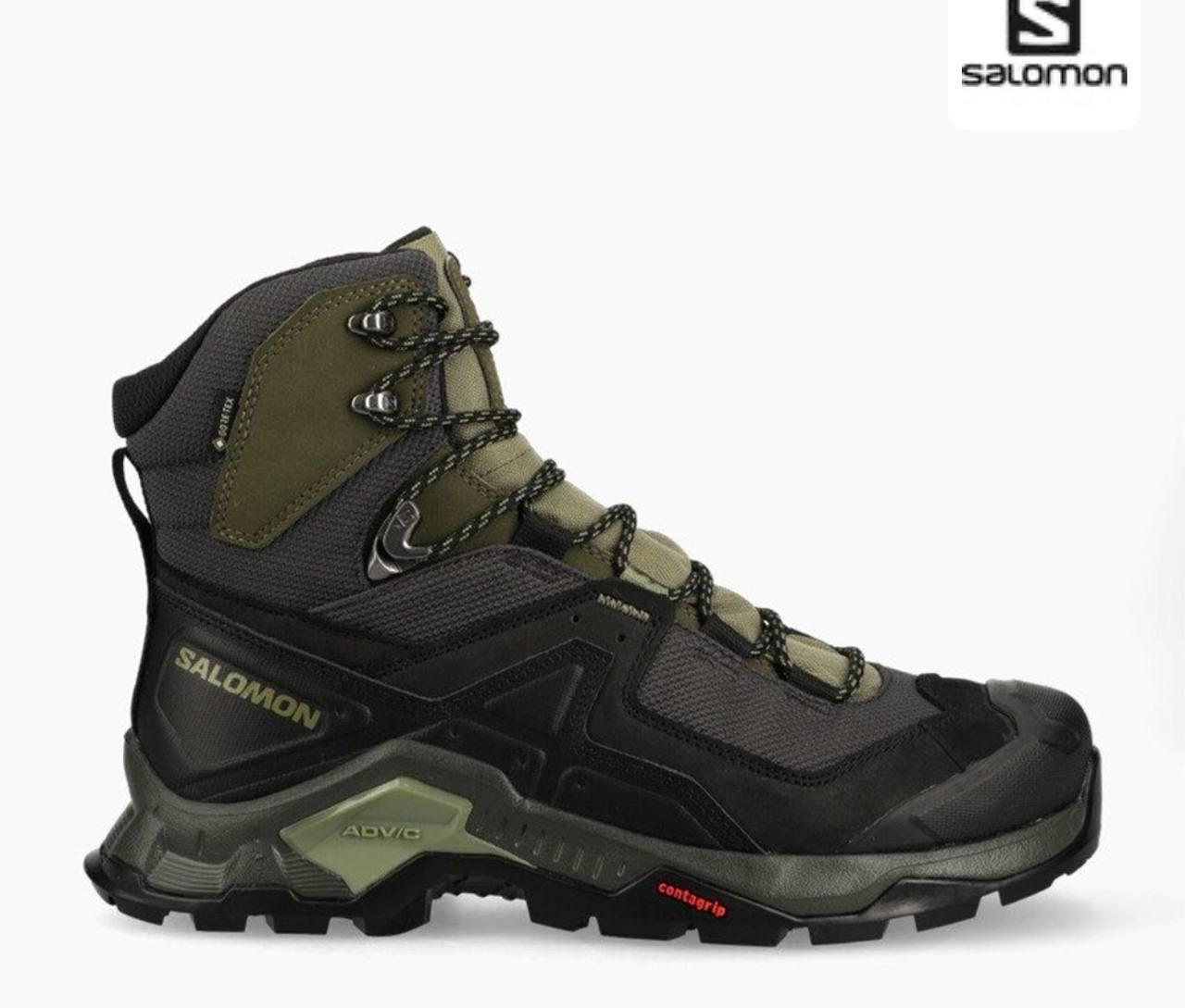
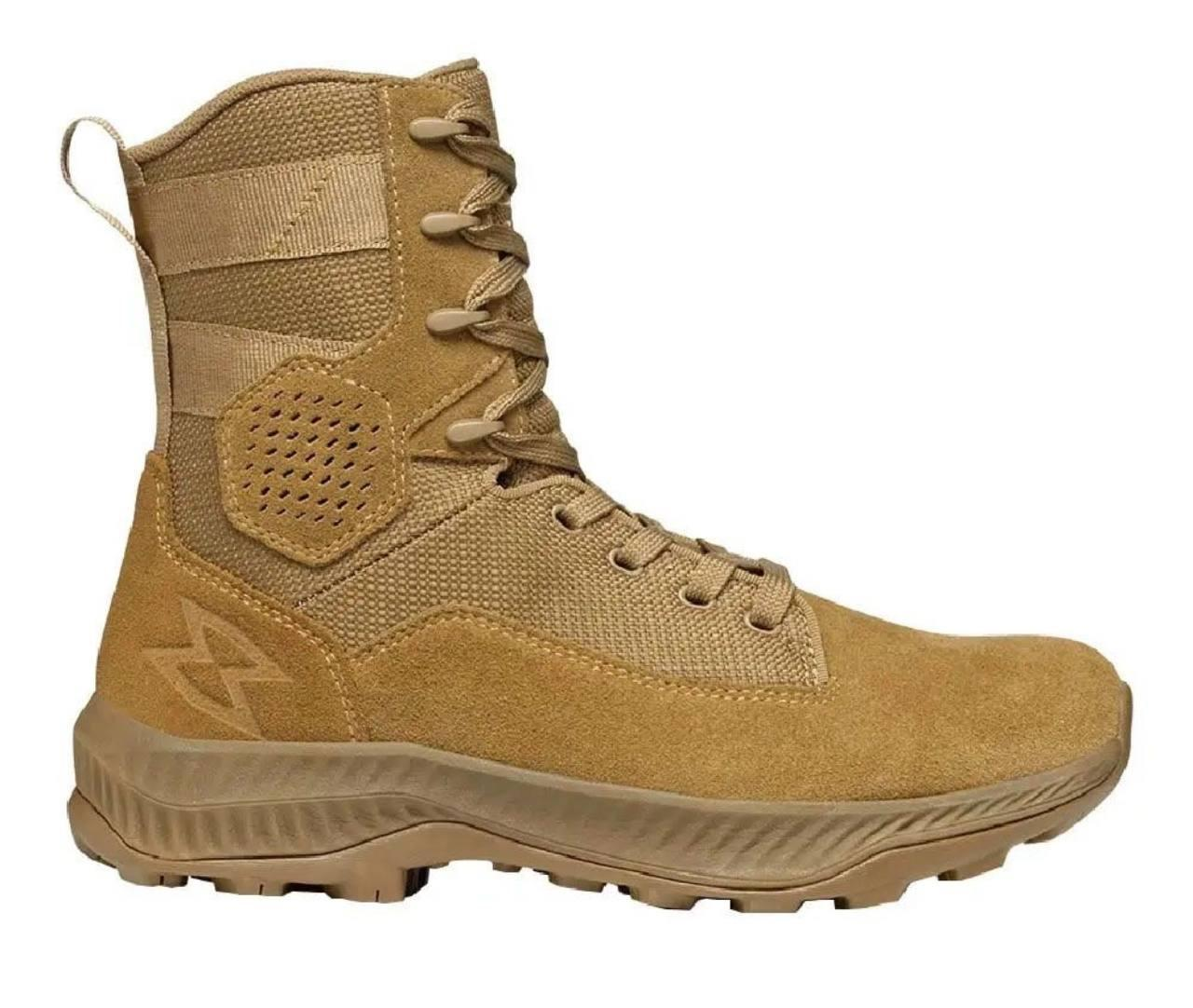
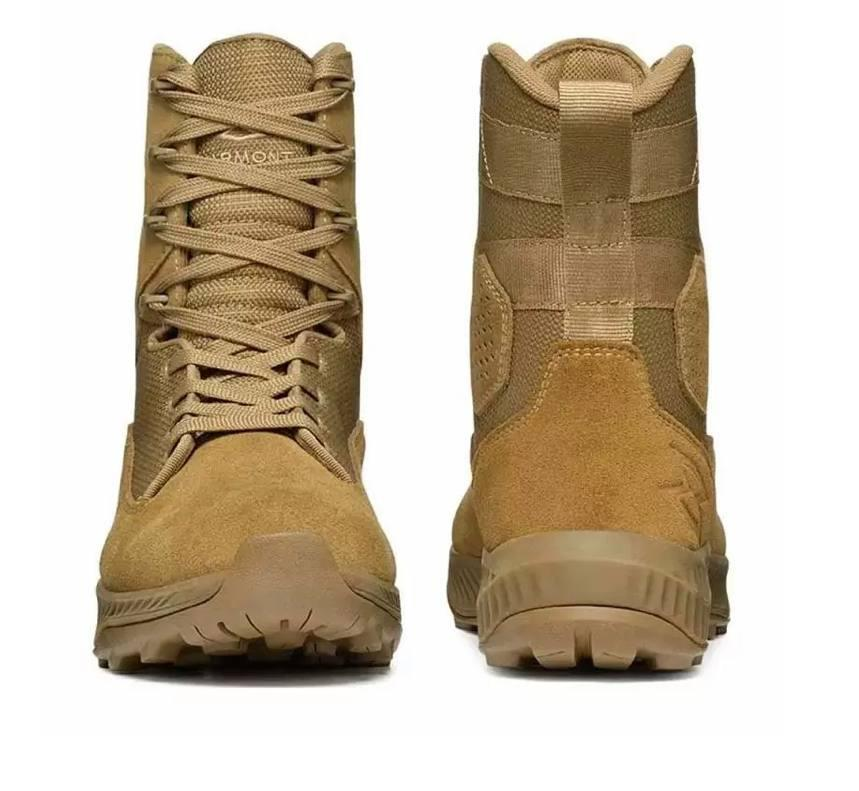
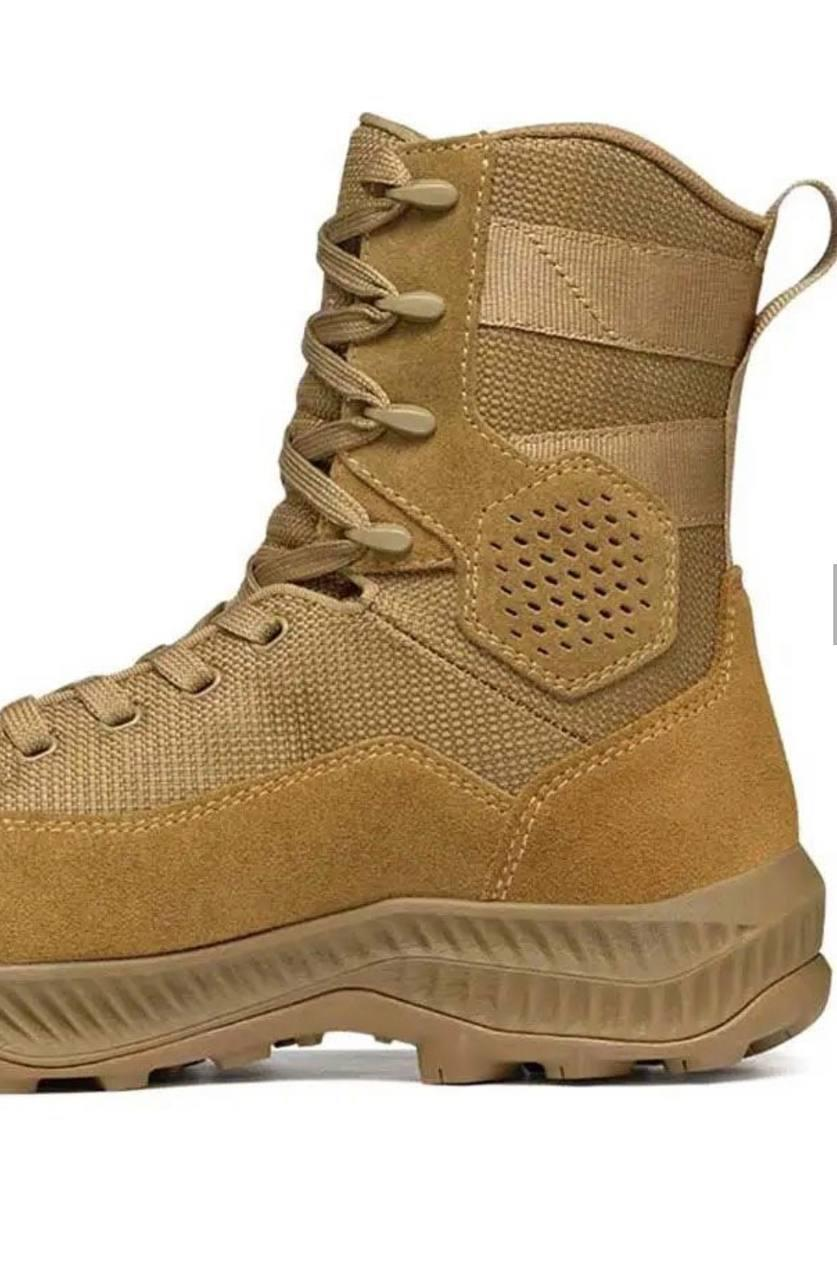
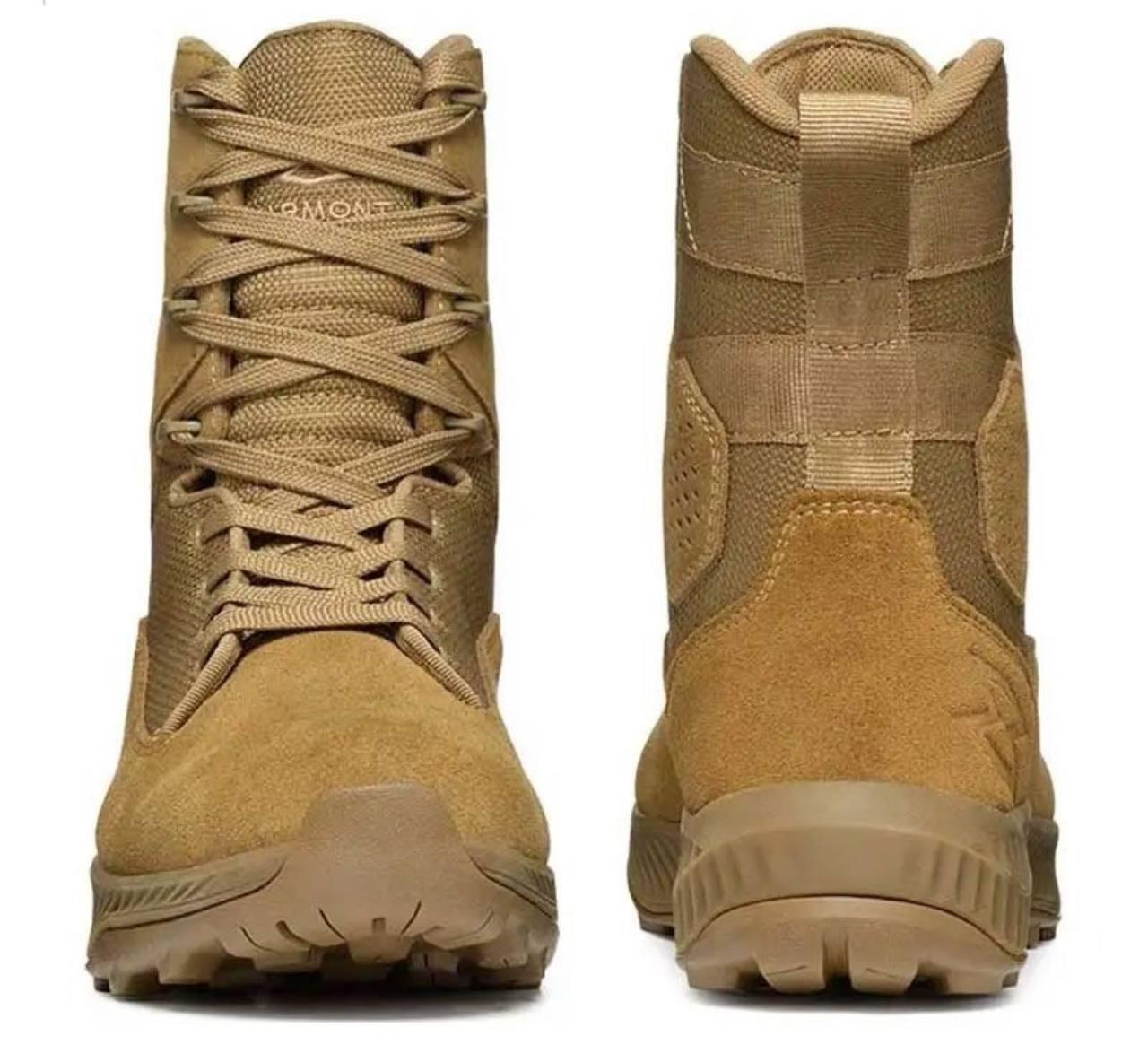
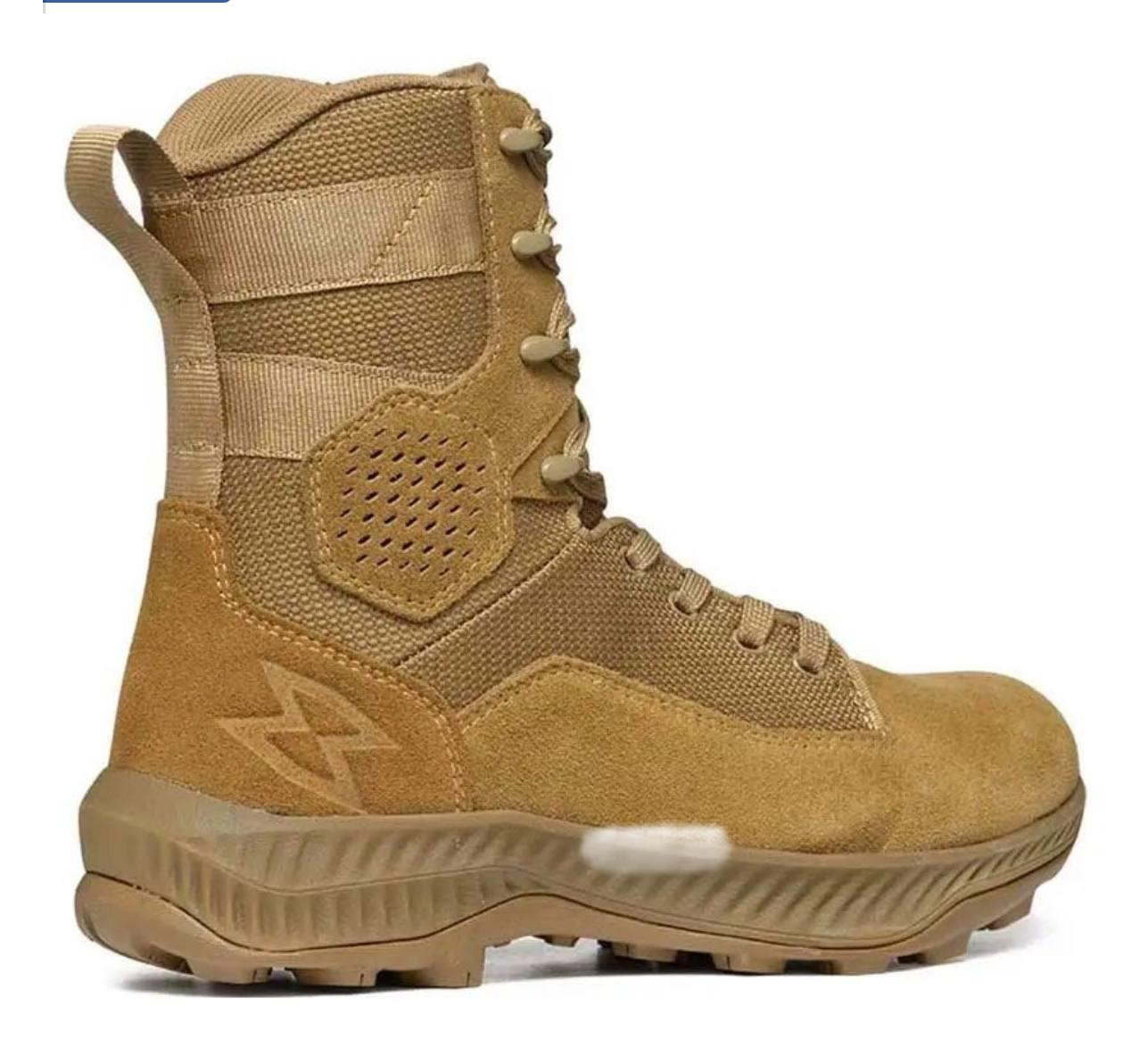
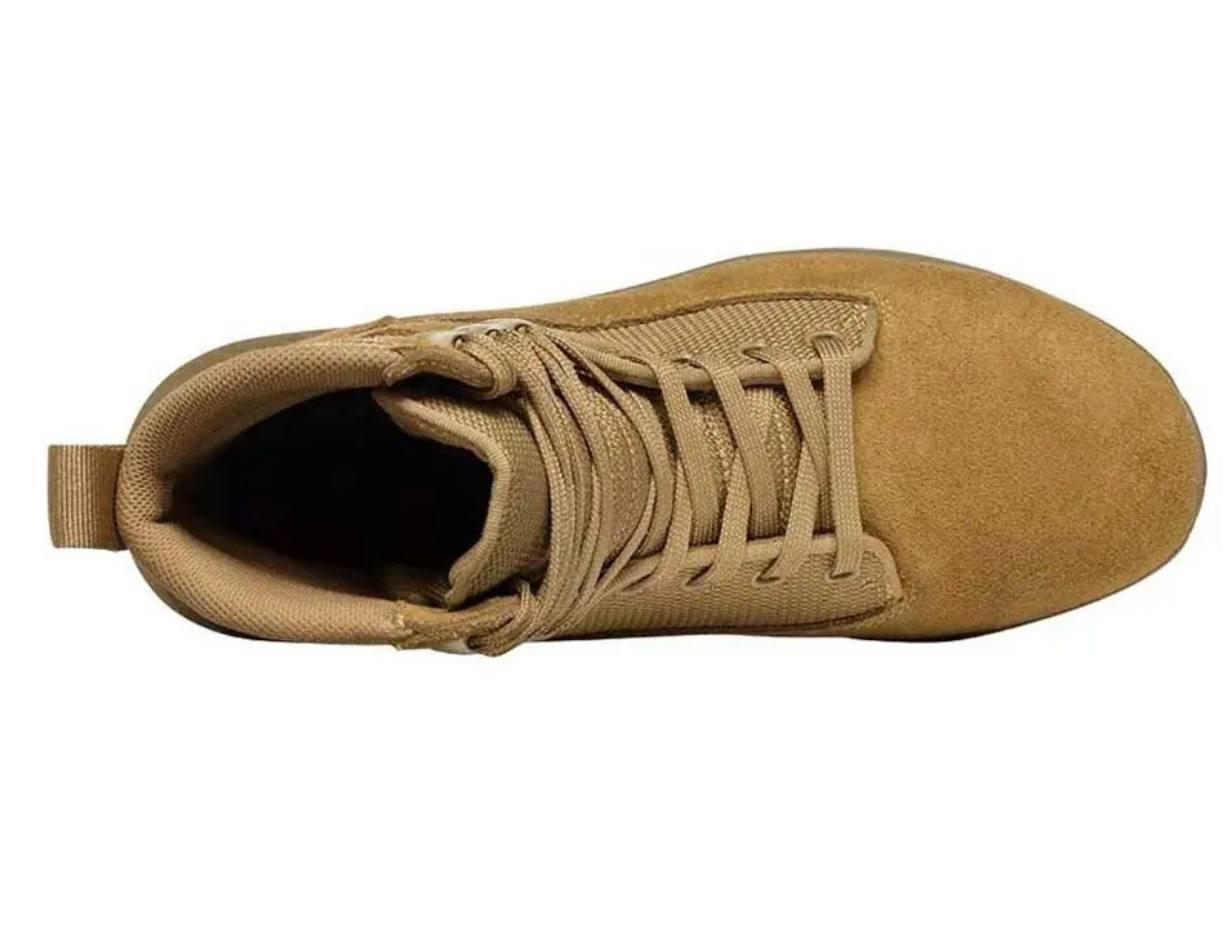
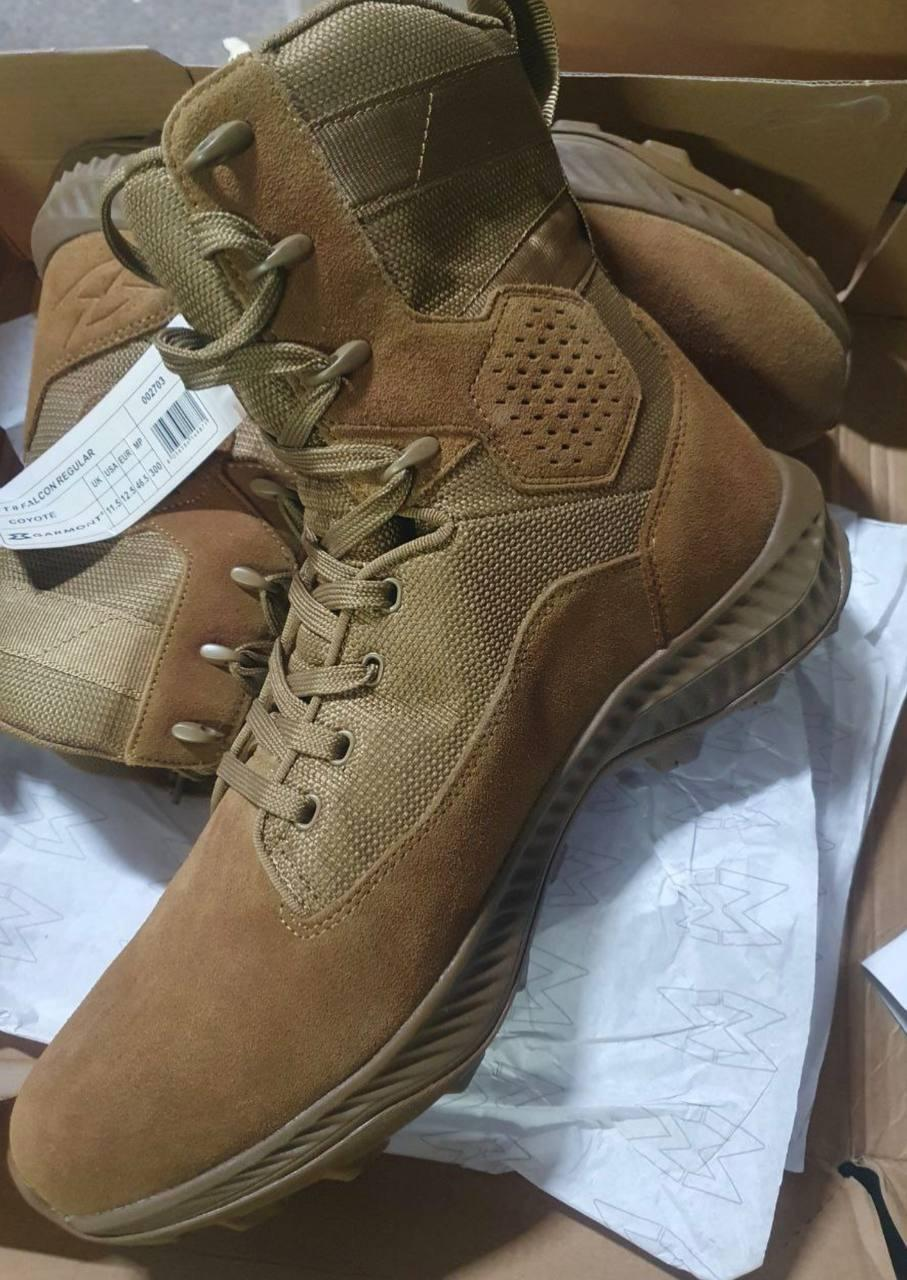
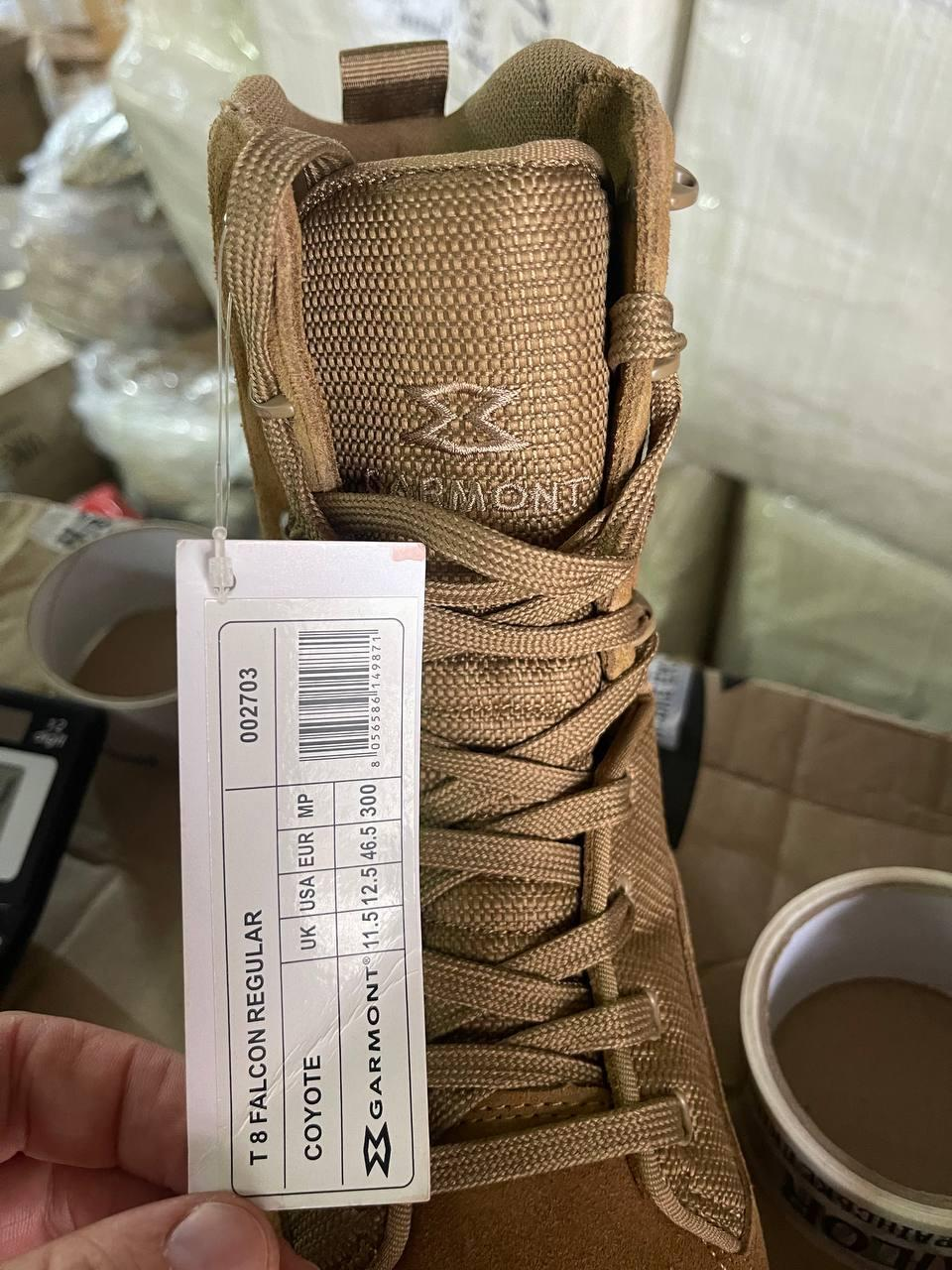
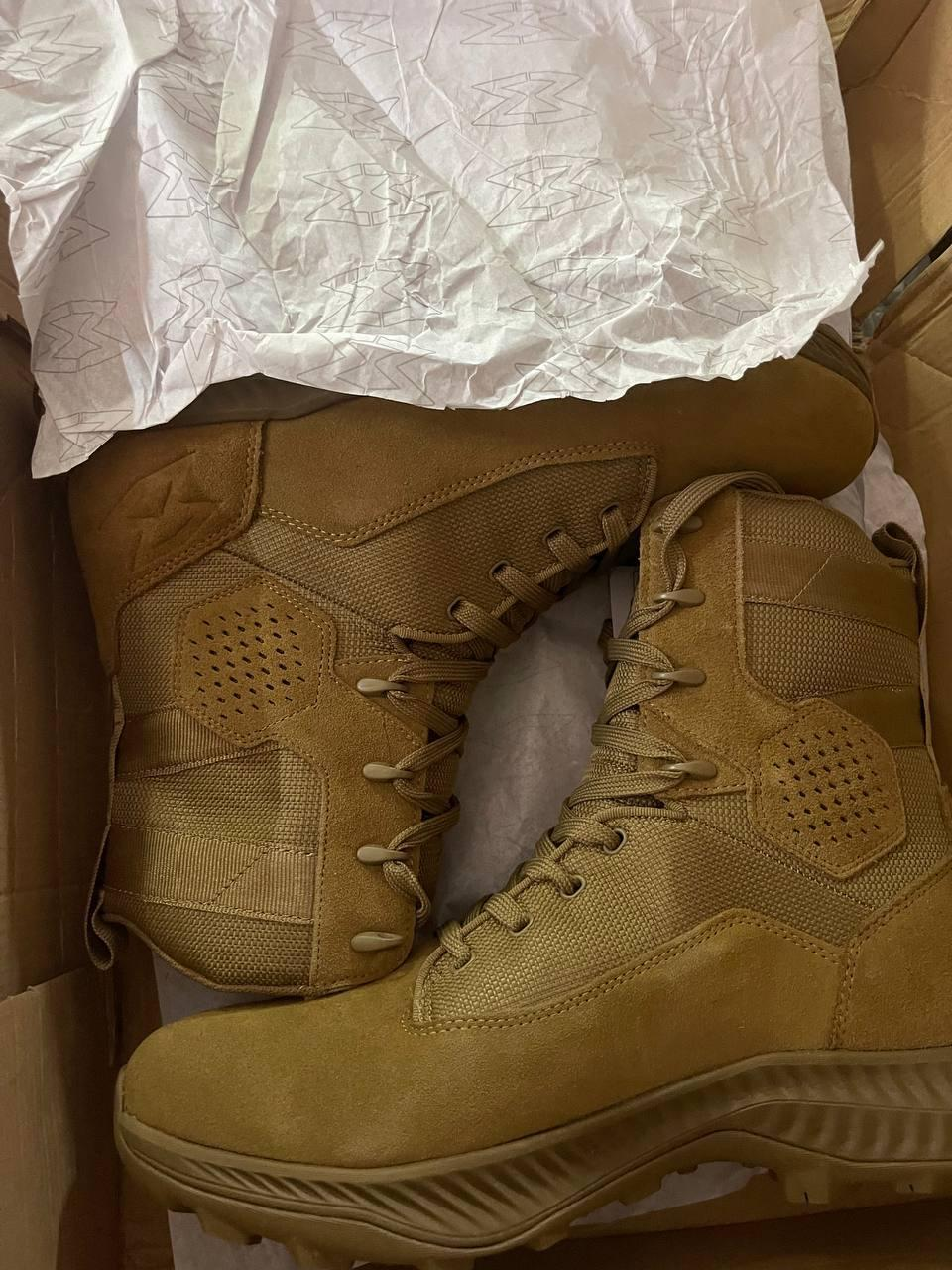
Here are models with a pronounced tread and trekking orientation — from lightweight sneakers to trekking boots. Find more options in the Tactical Footwear section.
Membrane and Ventilation: Dry in the Rain or Cool in the Heat
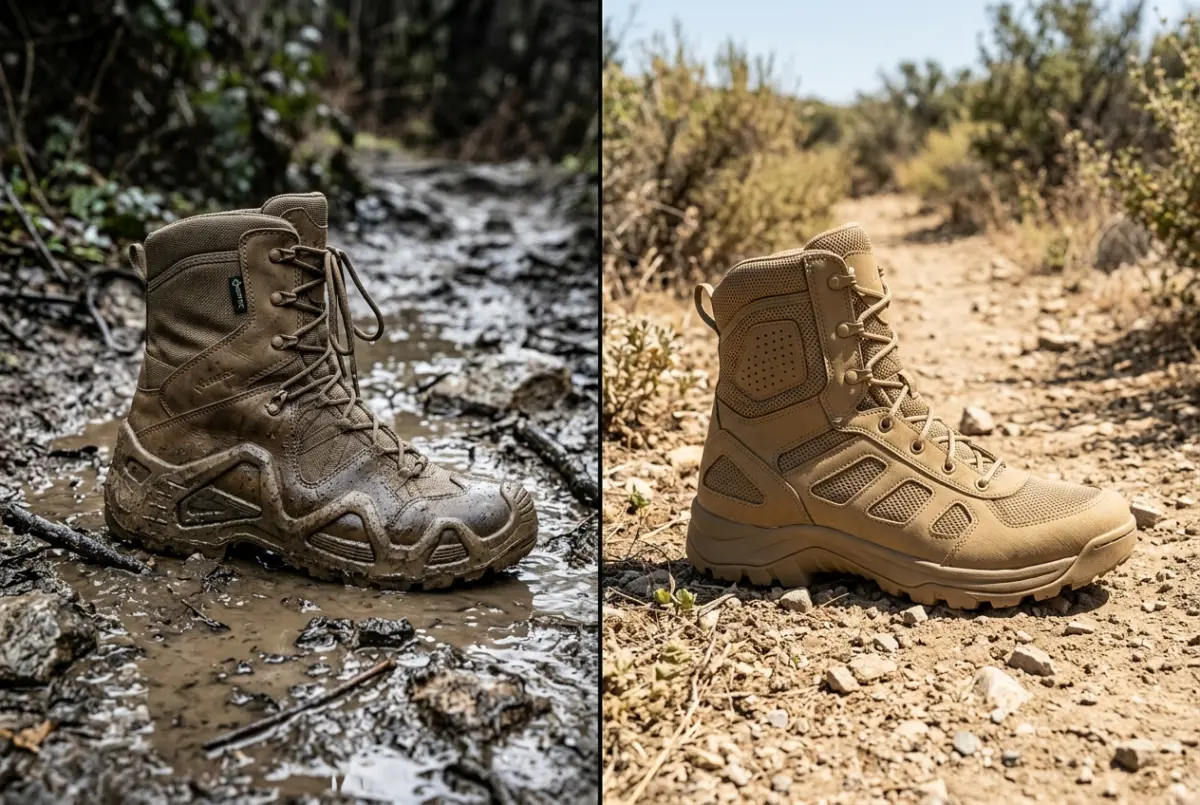
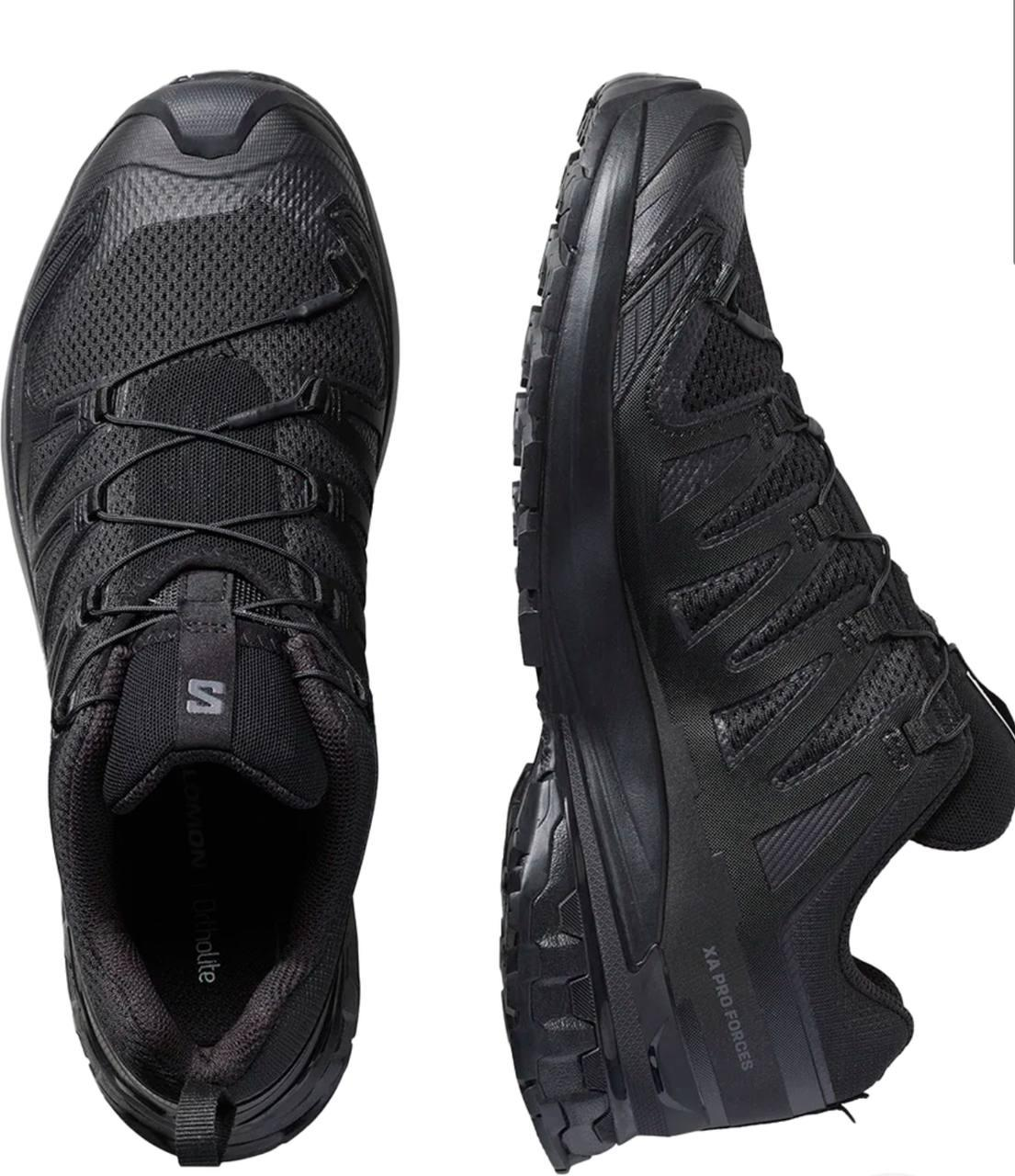
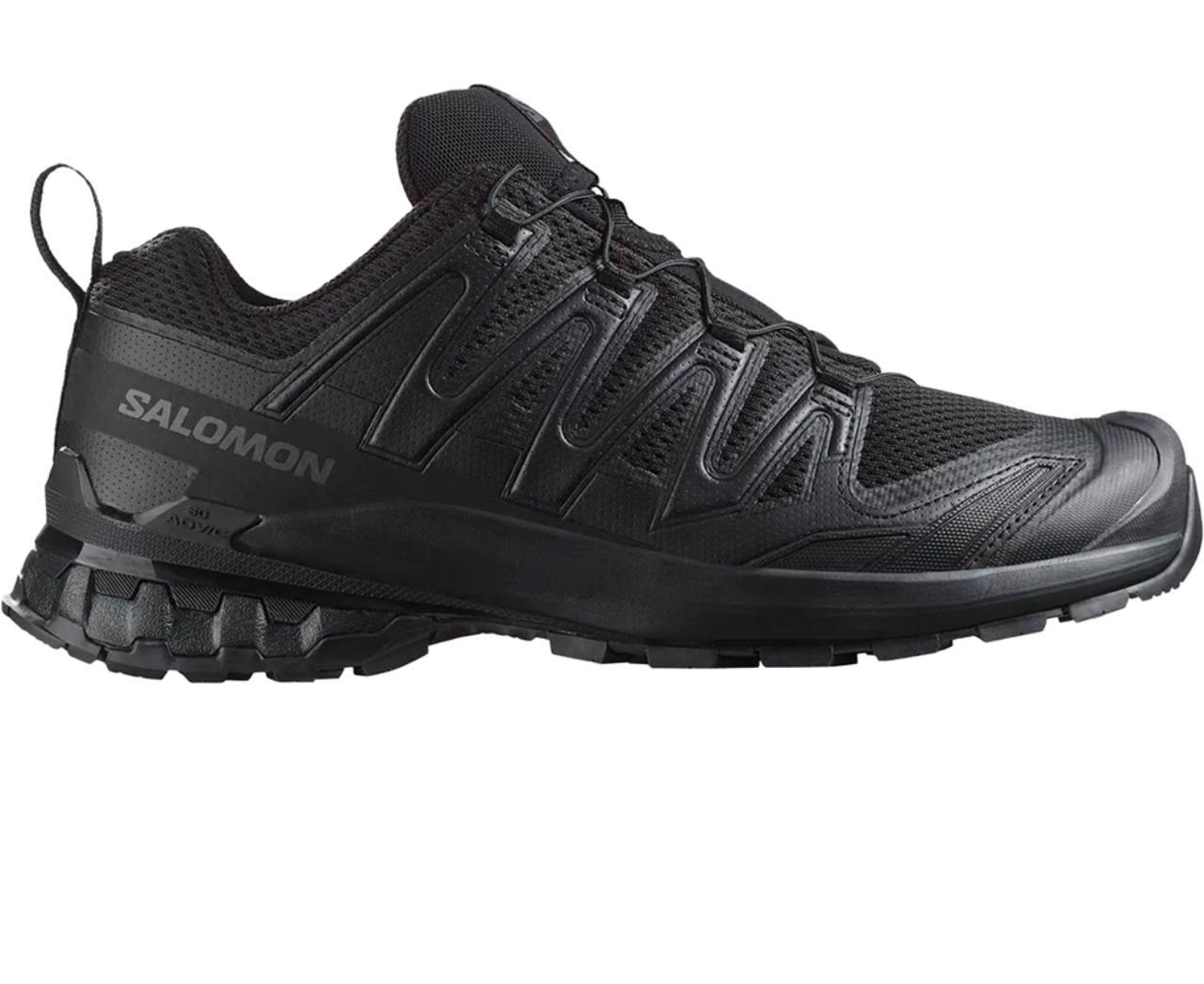
Membrane and ventilation are not about "better or worse" — they solve two completely different problems. A waterproof membrane like Gore-Tex acts as a barrier: moisture can't get in from outside, so your foot stays dry in rain, mud, and wet grass. The trade-off is that such a pair runs warmer, because airflow is restricted. Summer models solve the opposite problem: mesh and ventilation panels let your feet breathe, but they soak through quickly in heavy rain.
Go by season and climate, not by price tag. Here's how the options break down:
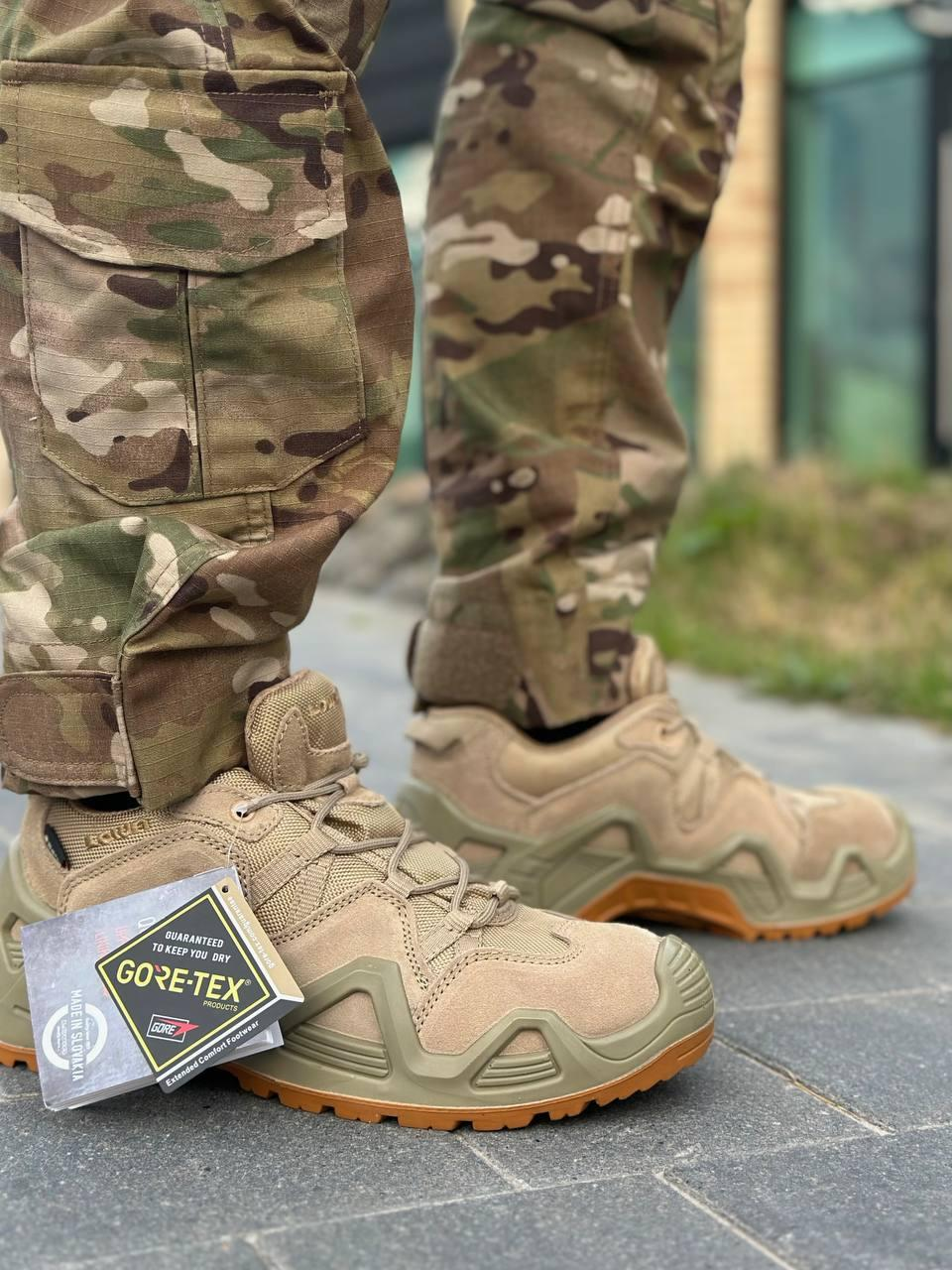
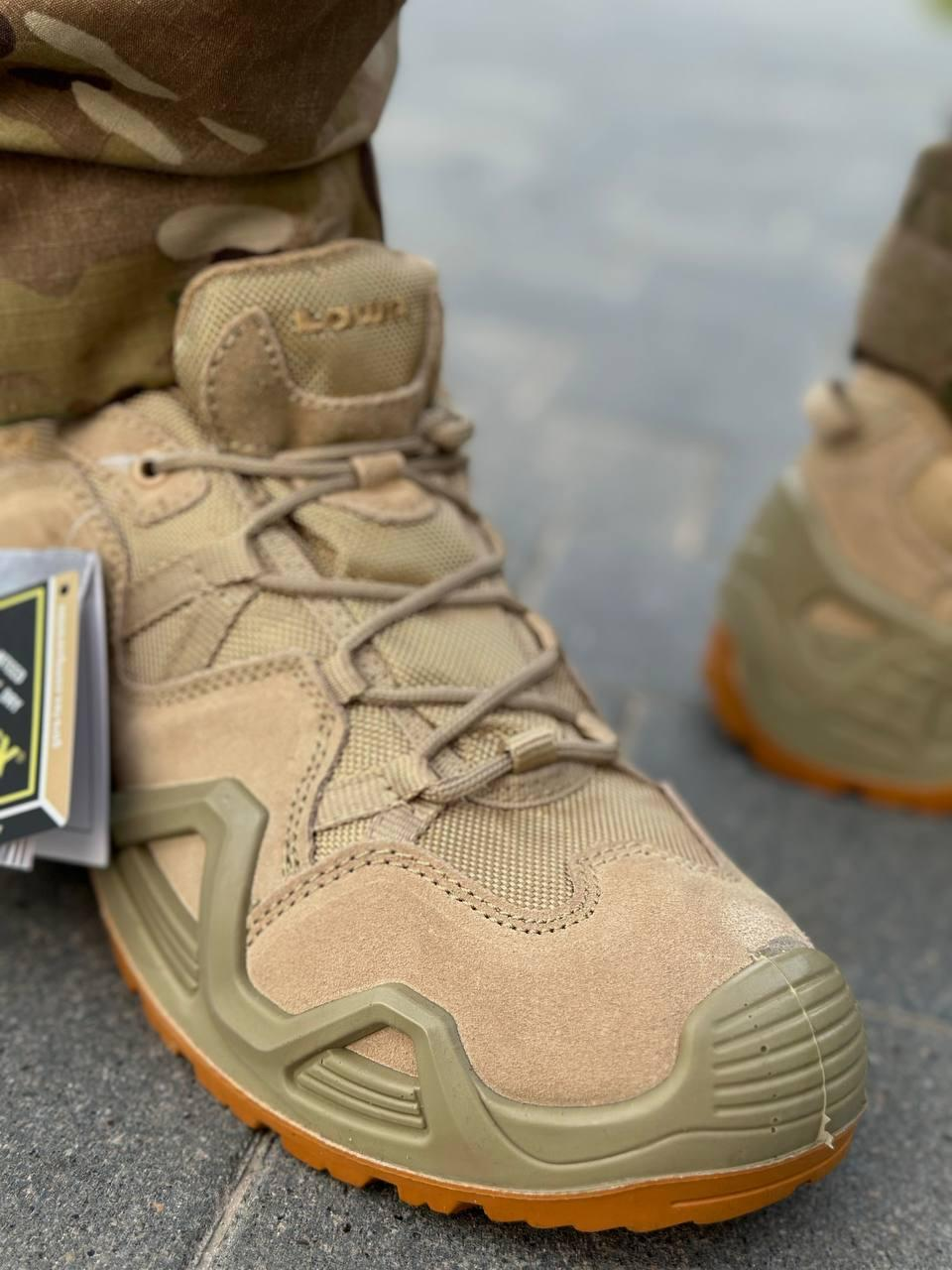
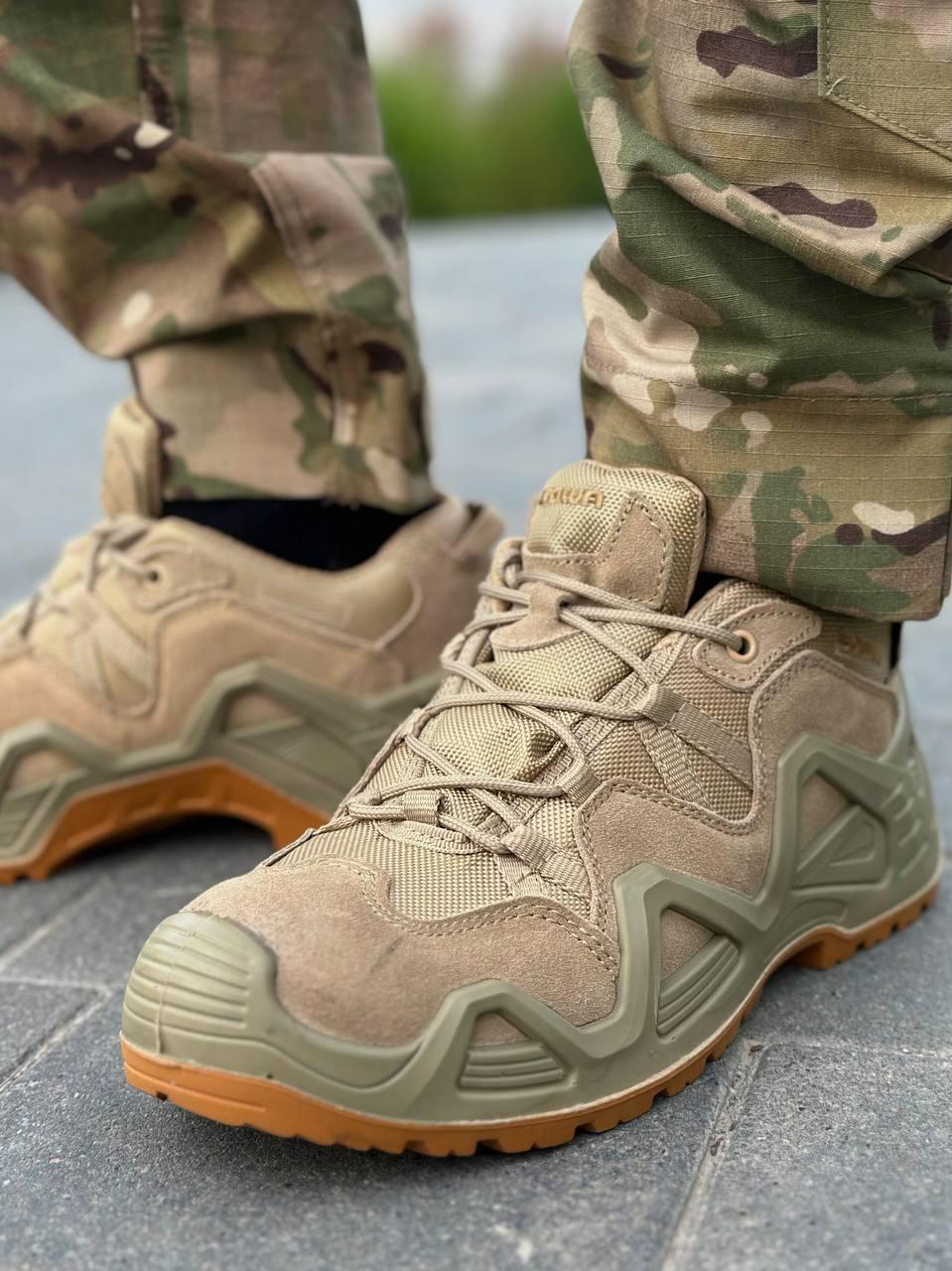
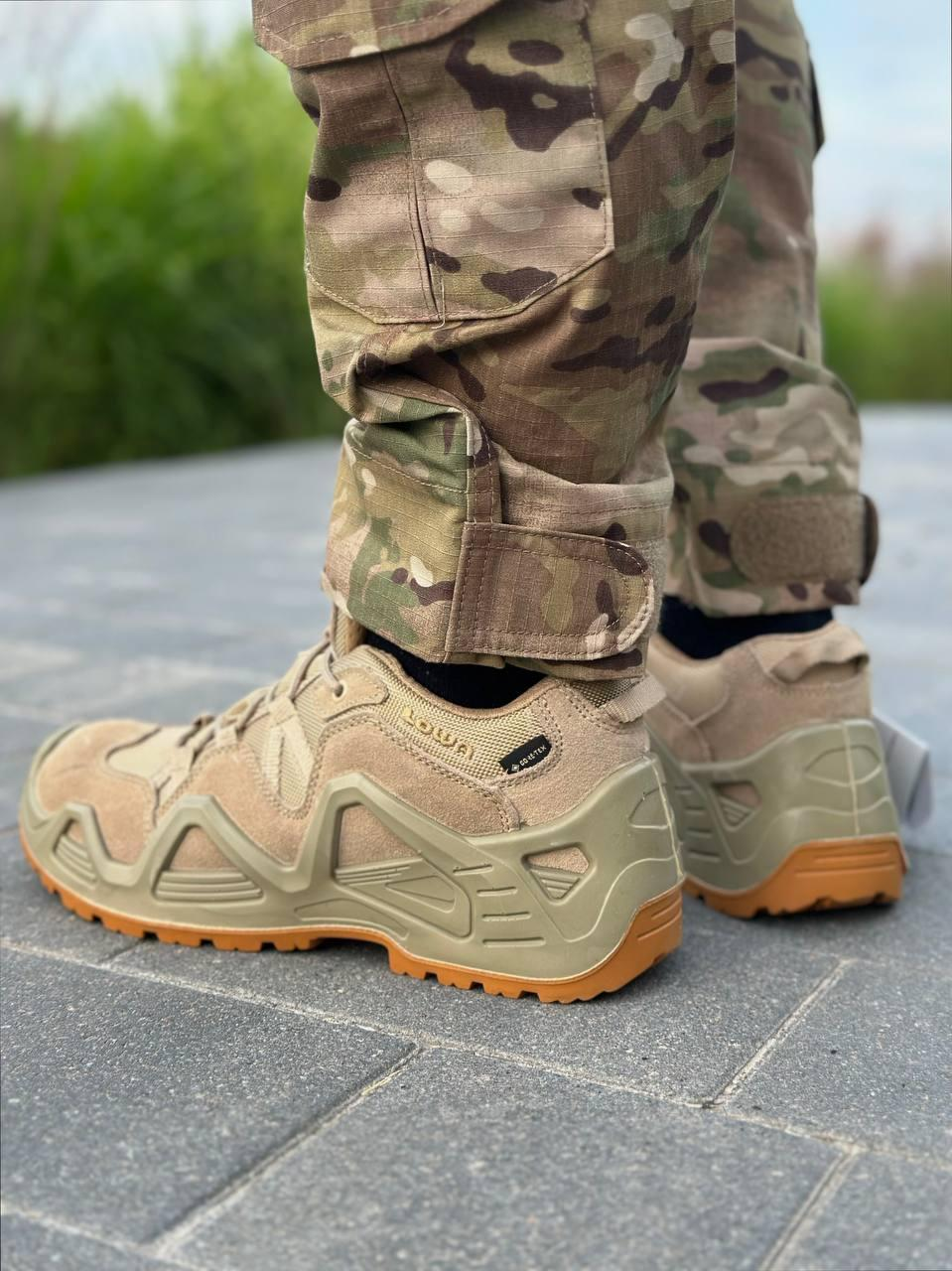
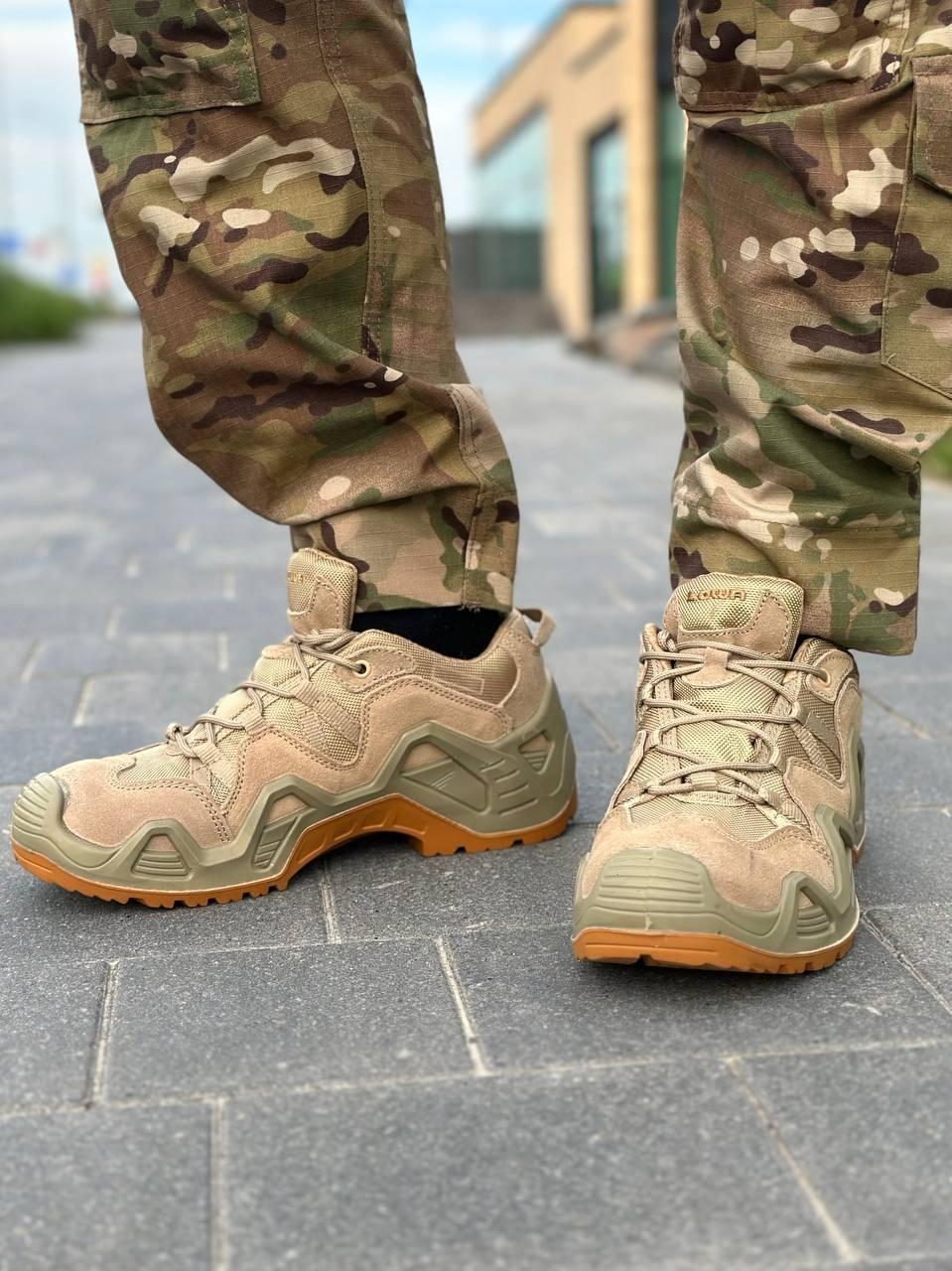
- Membrane (autumn–winter, wet conditions, off-road). Salomon XA Forces MID GTX boots with a waterproof membrane keep your feet dry on waterlogged ground and when crossing shallow water. LOWA Gore-Tex Coyote sneakers apply the same principle in a lighter format for the shoulder seasons.
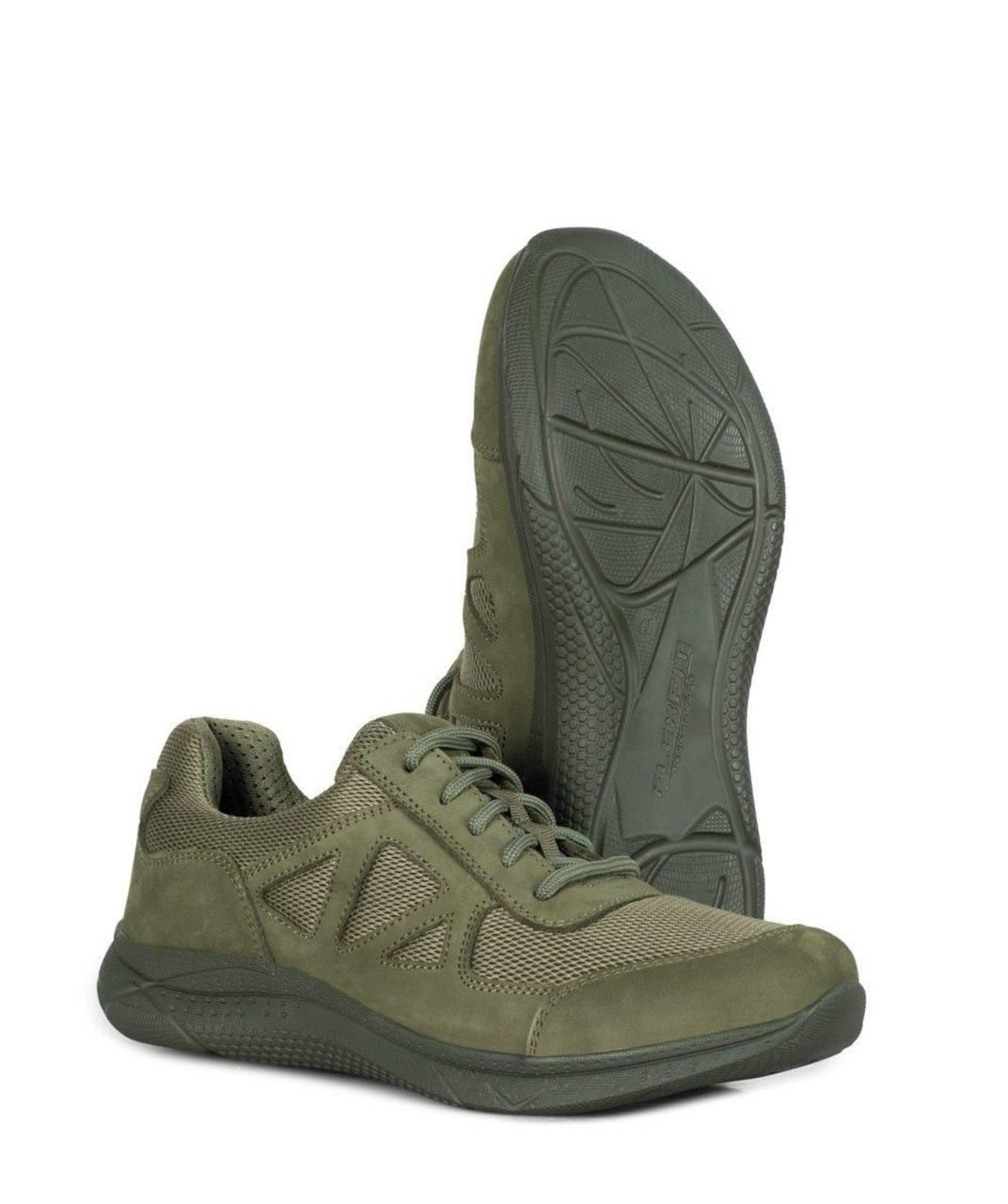
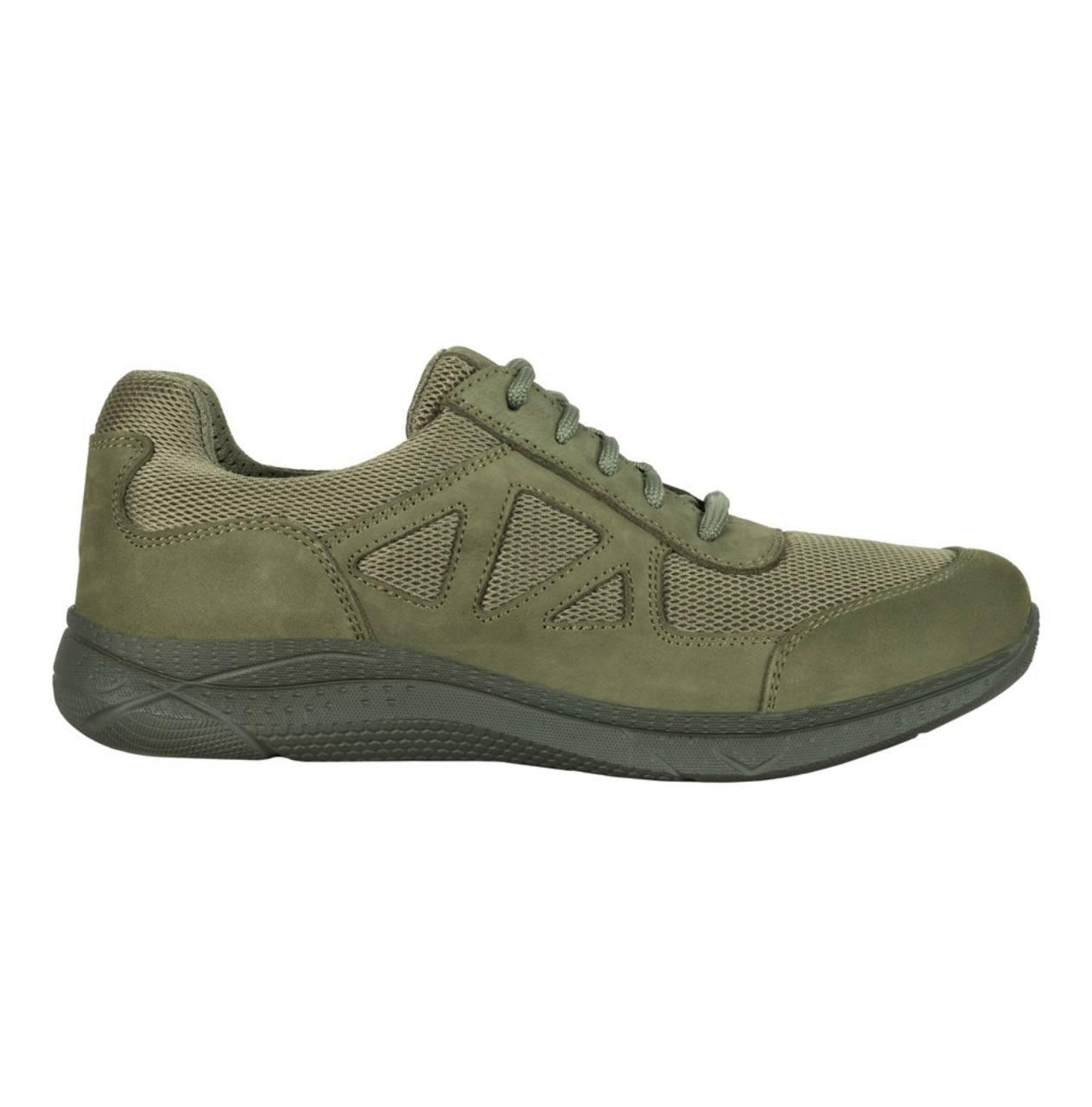
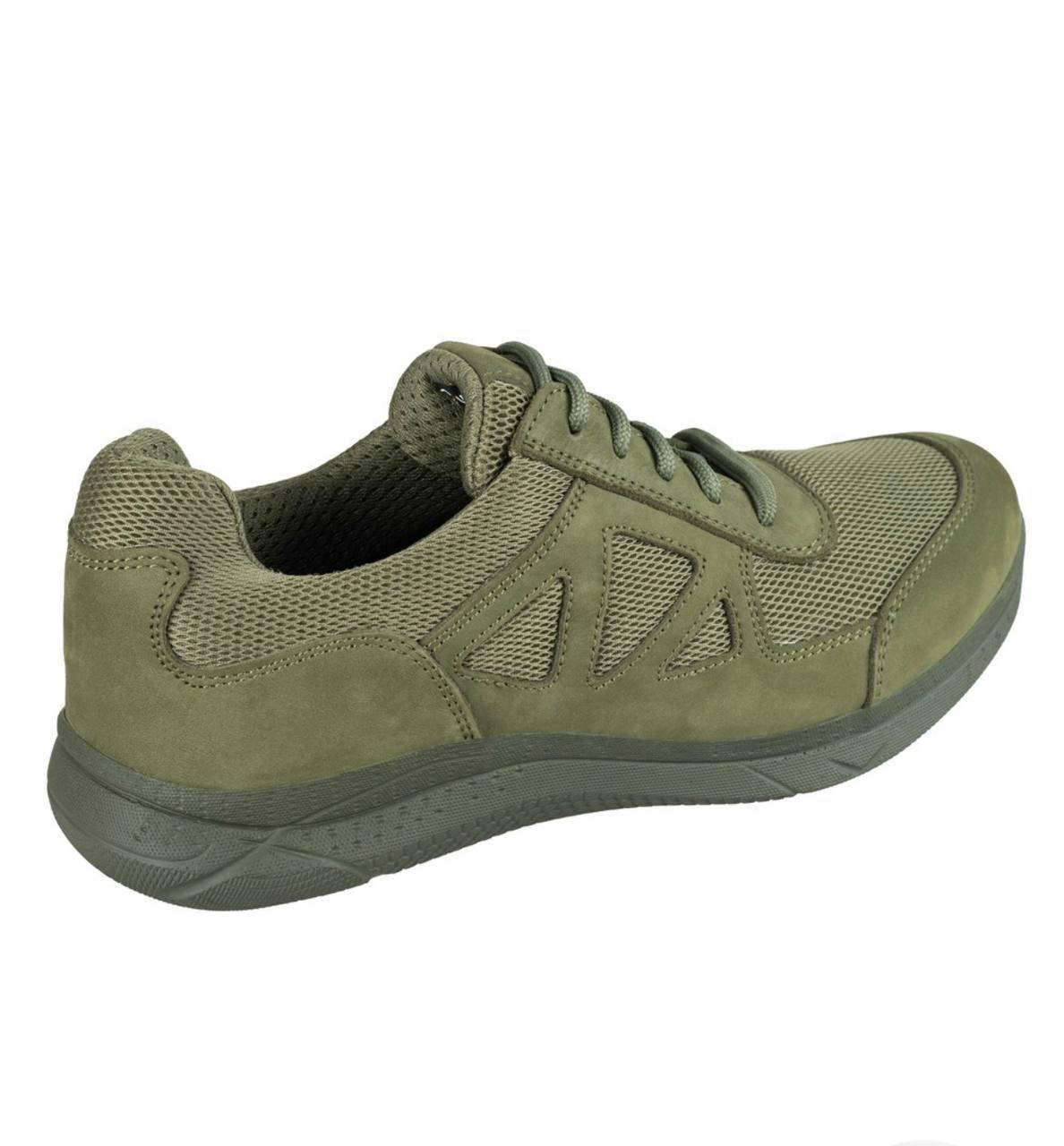
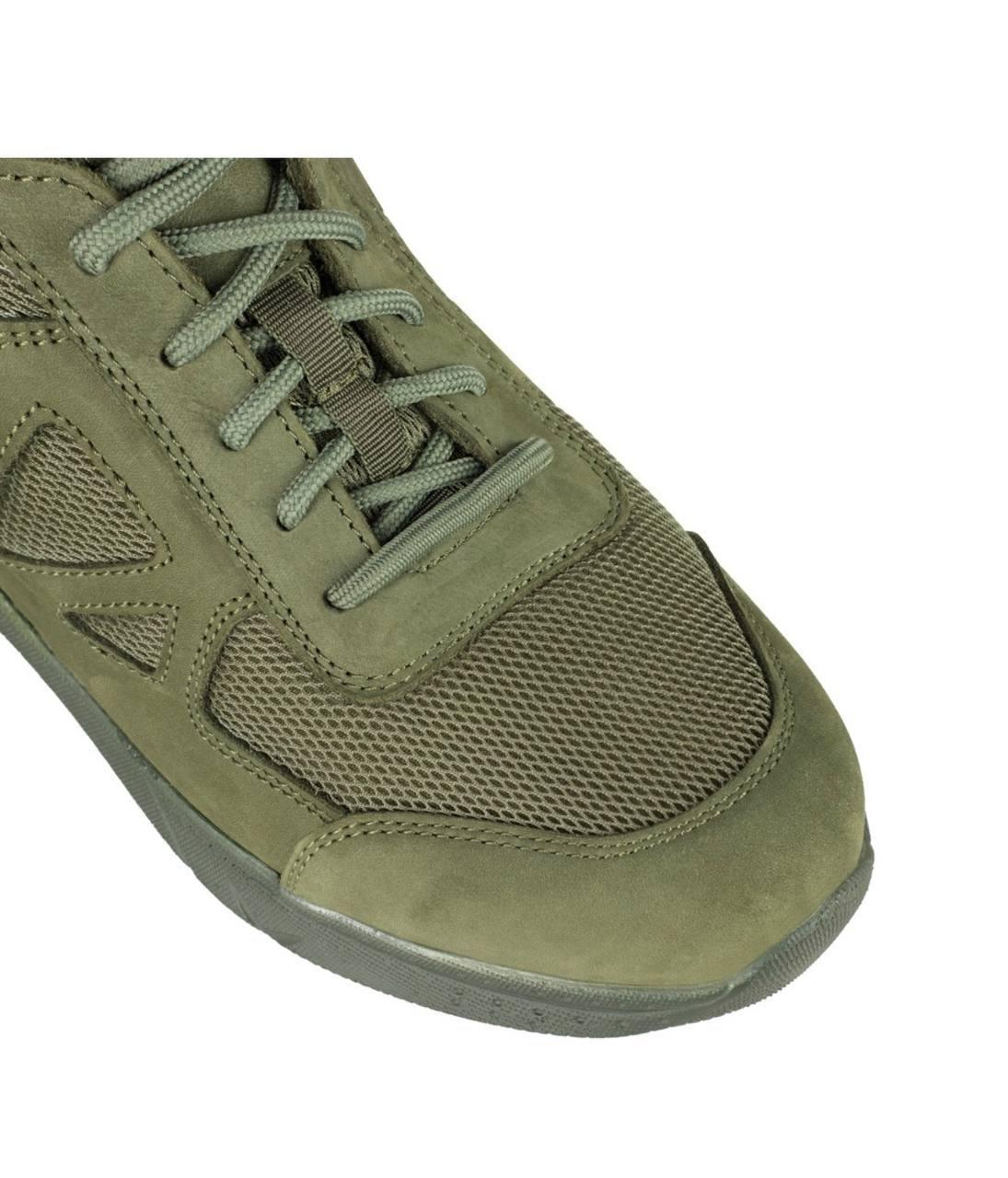
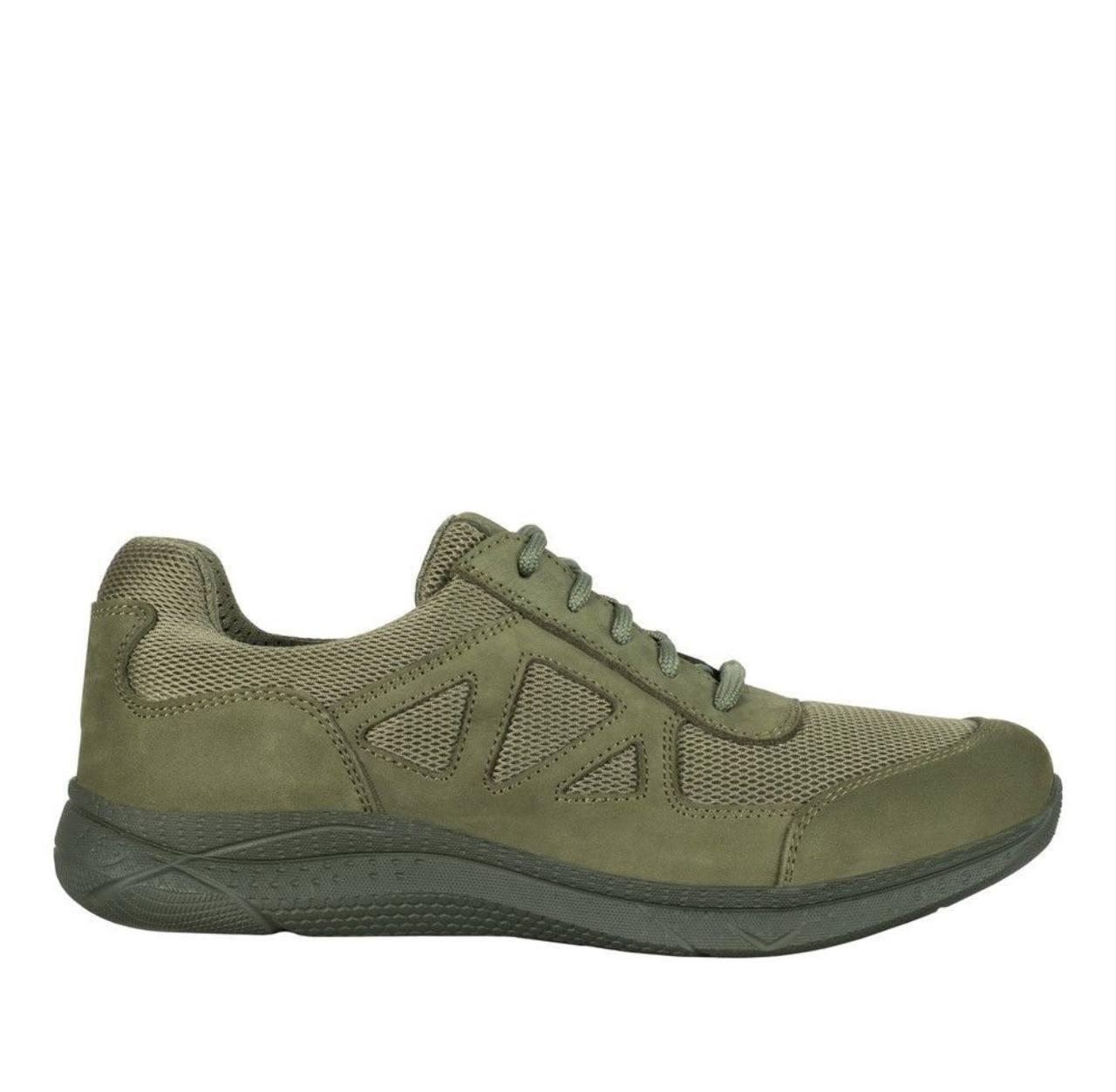
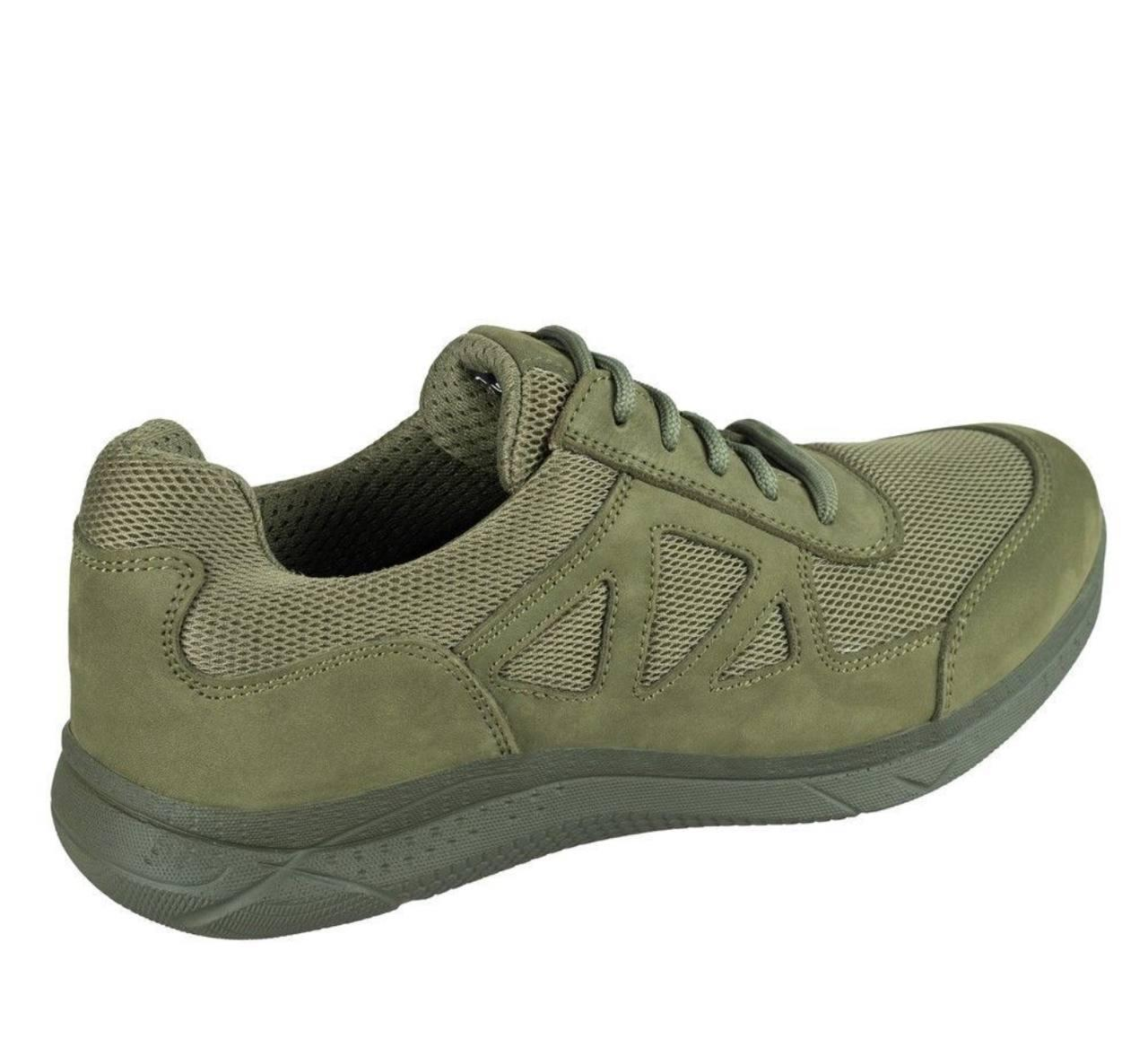
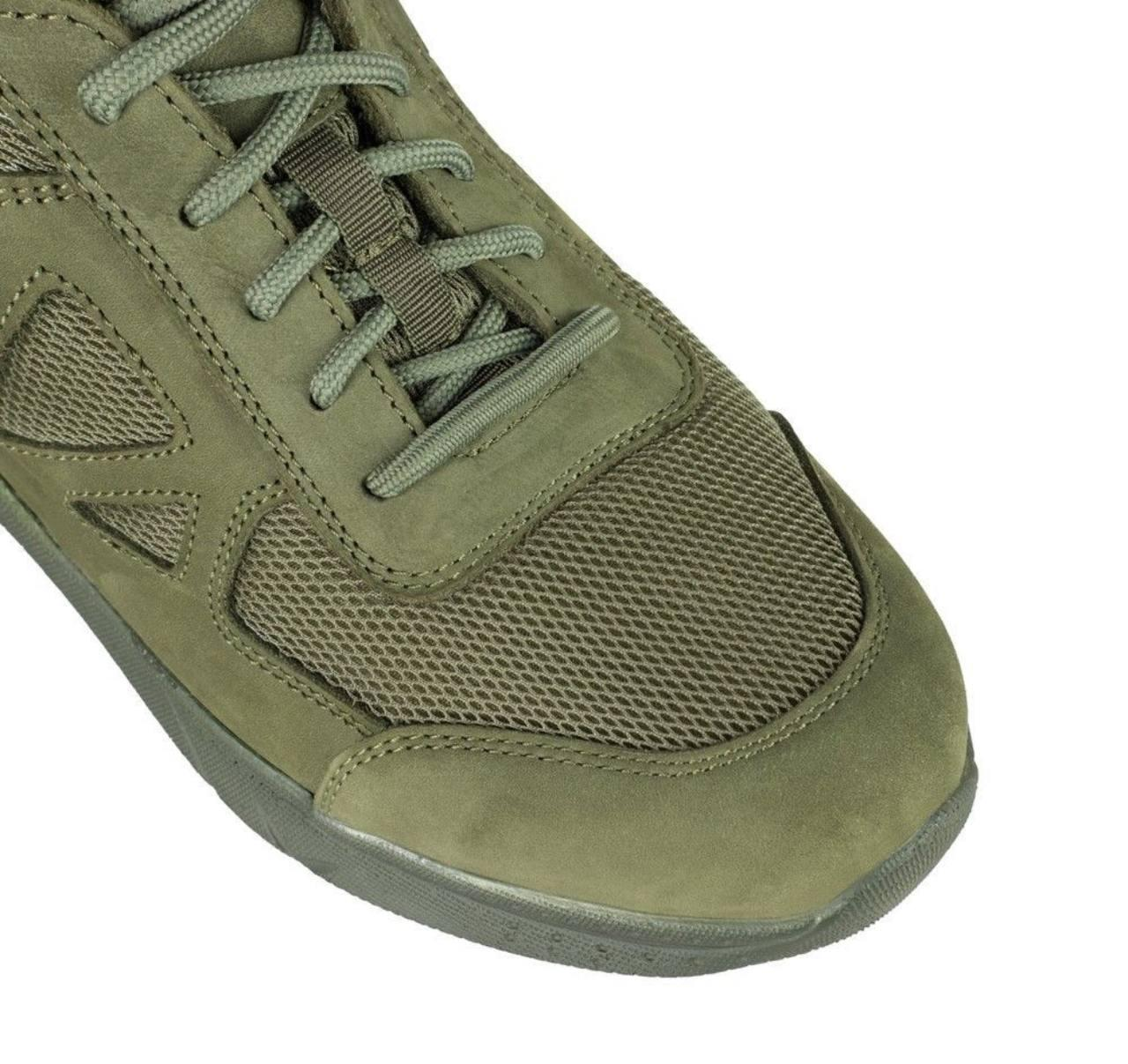
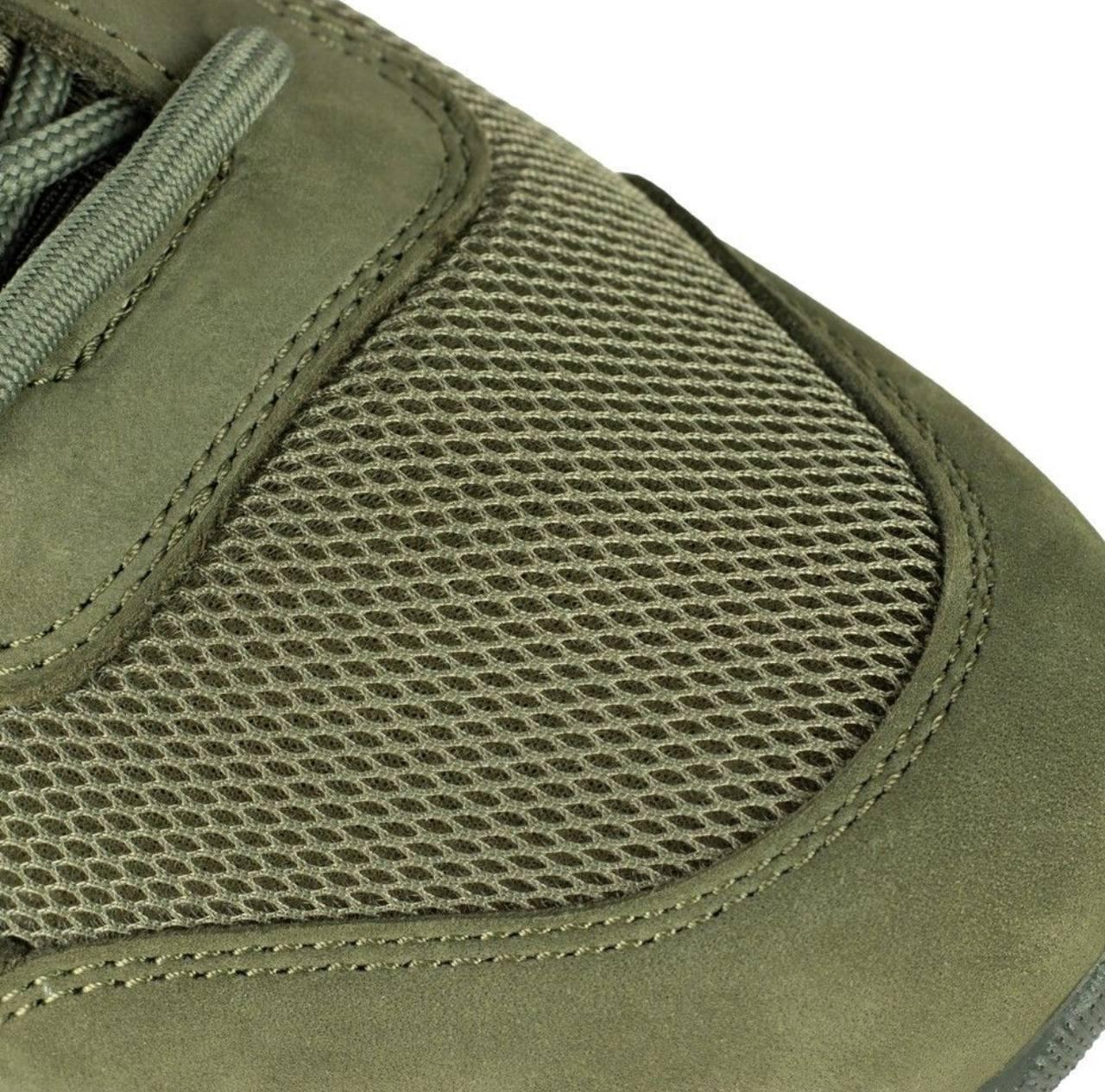
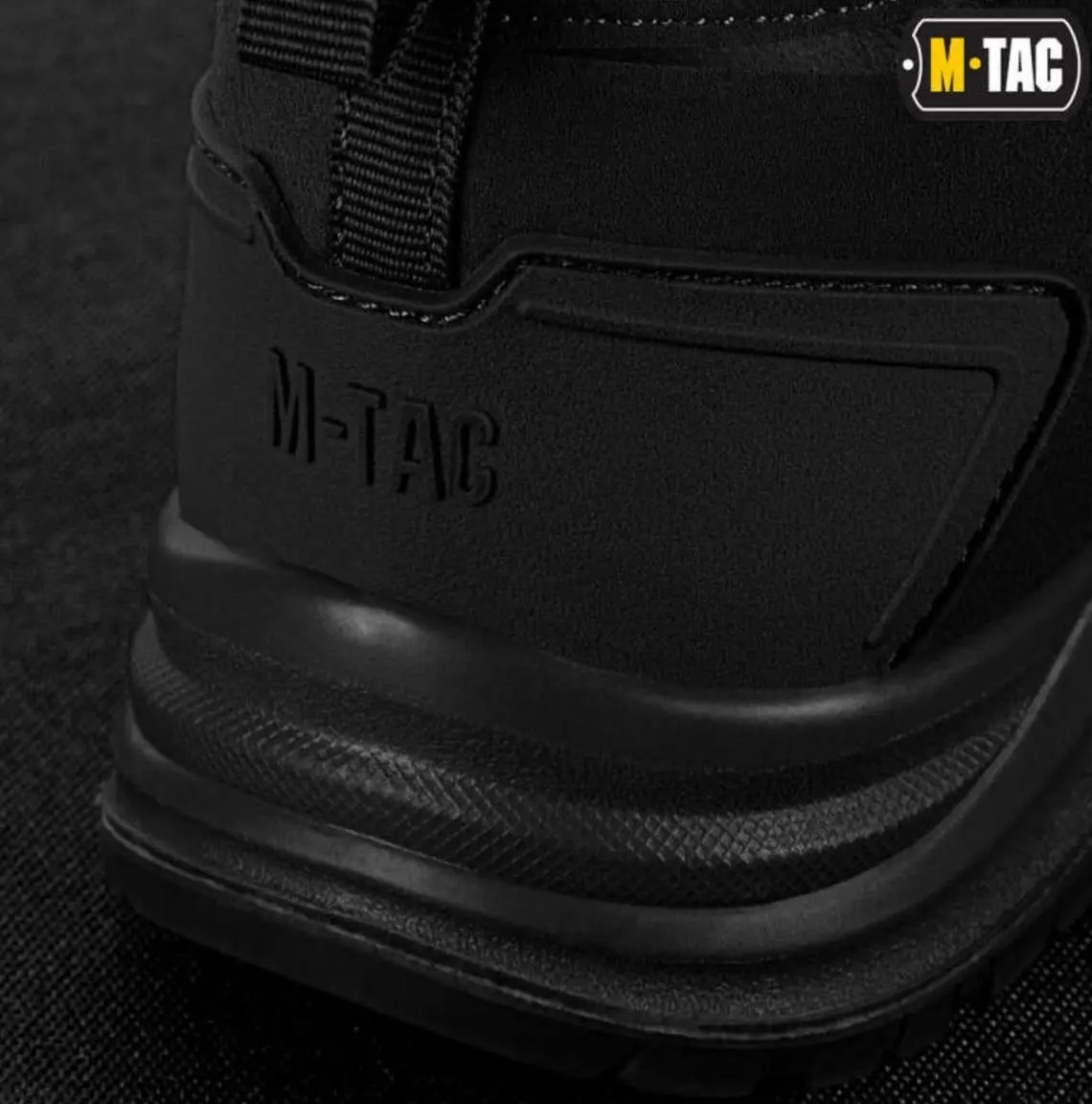
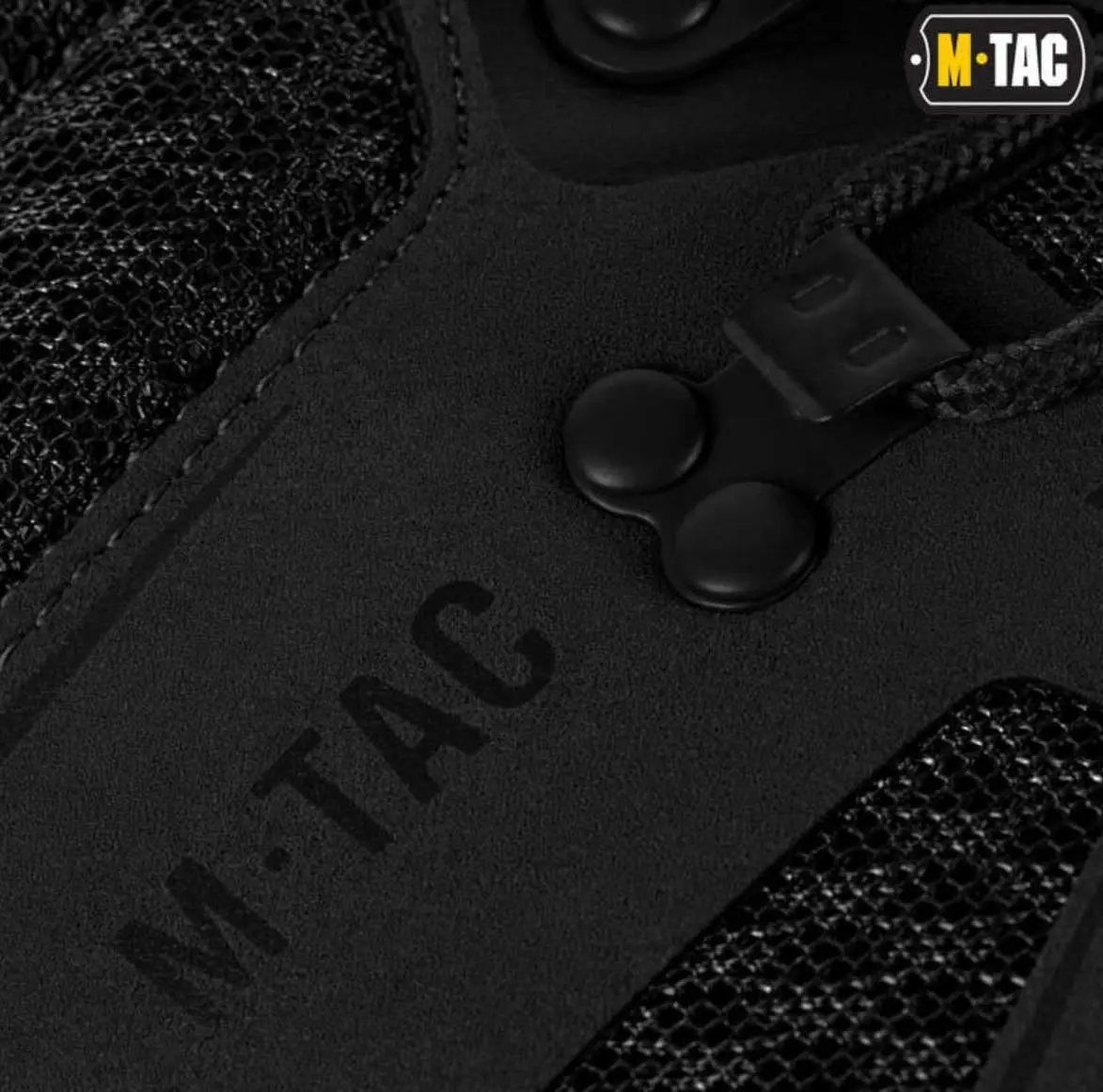
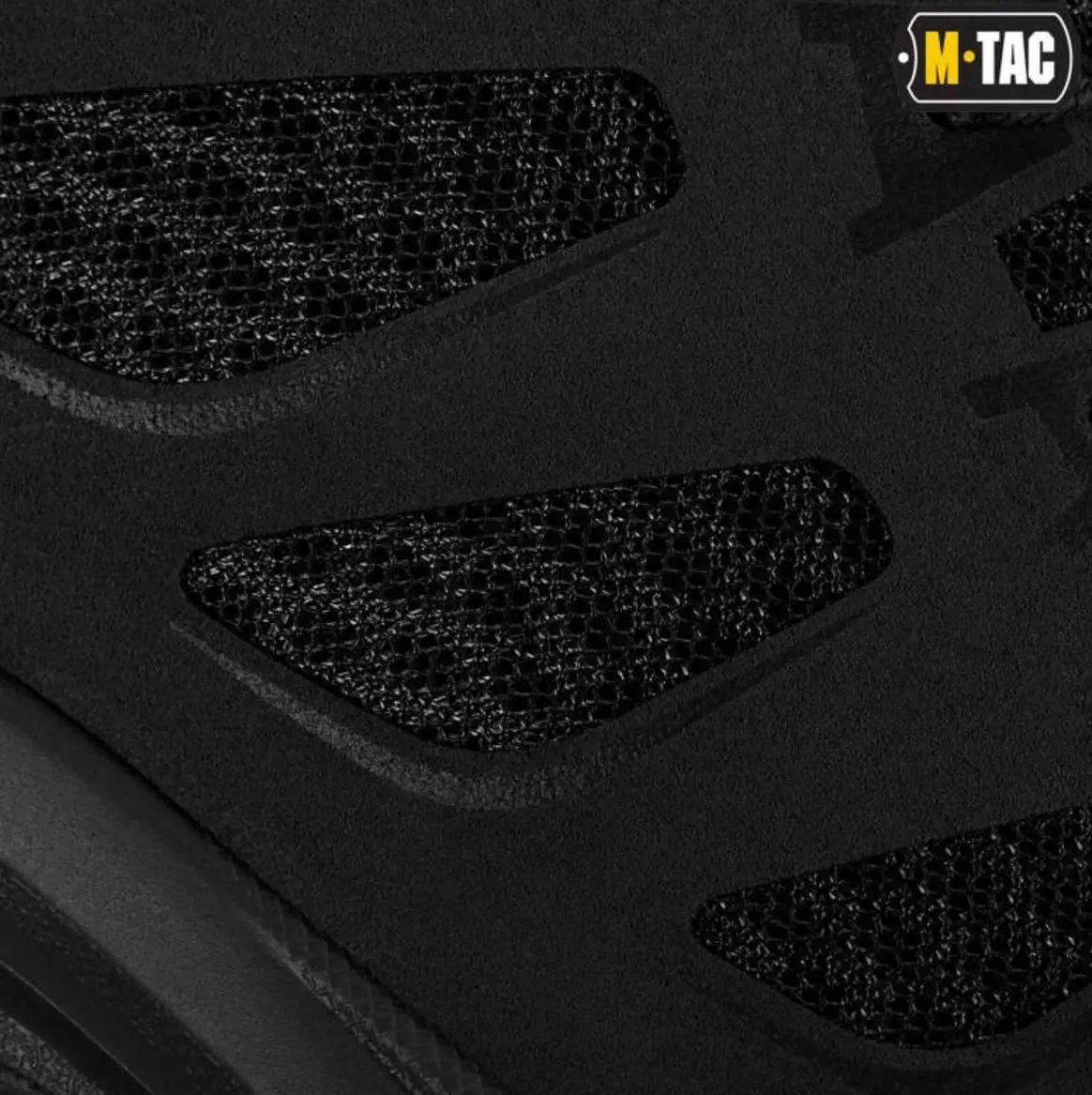
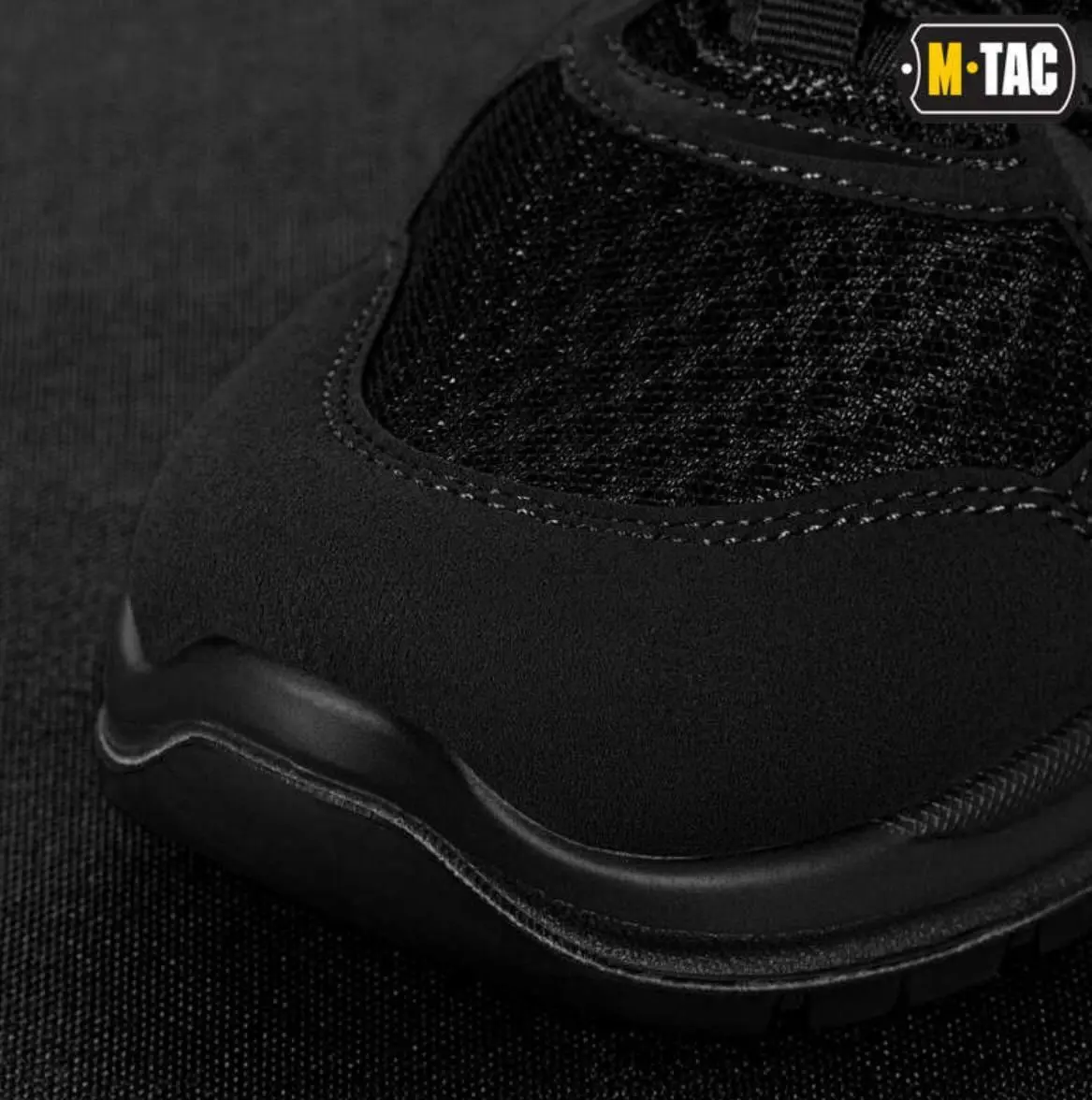
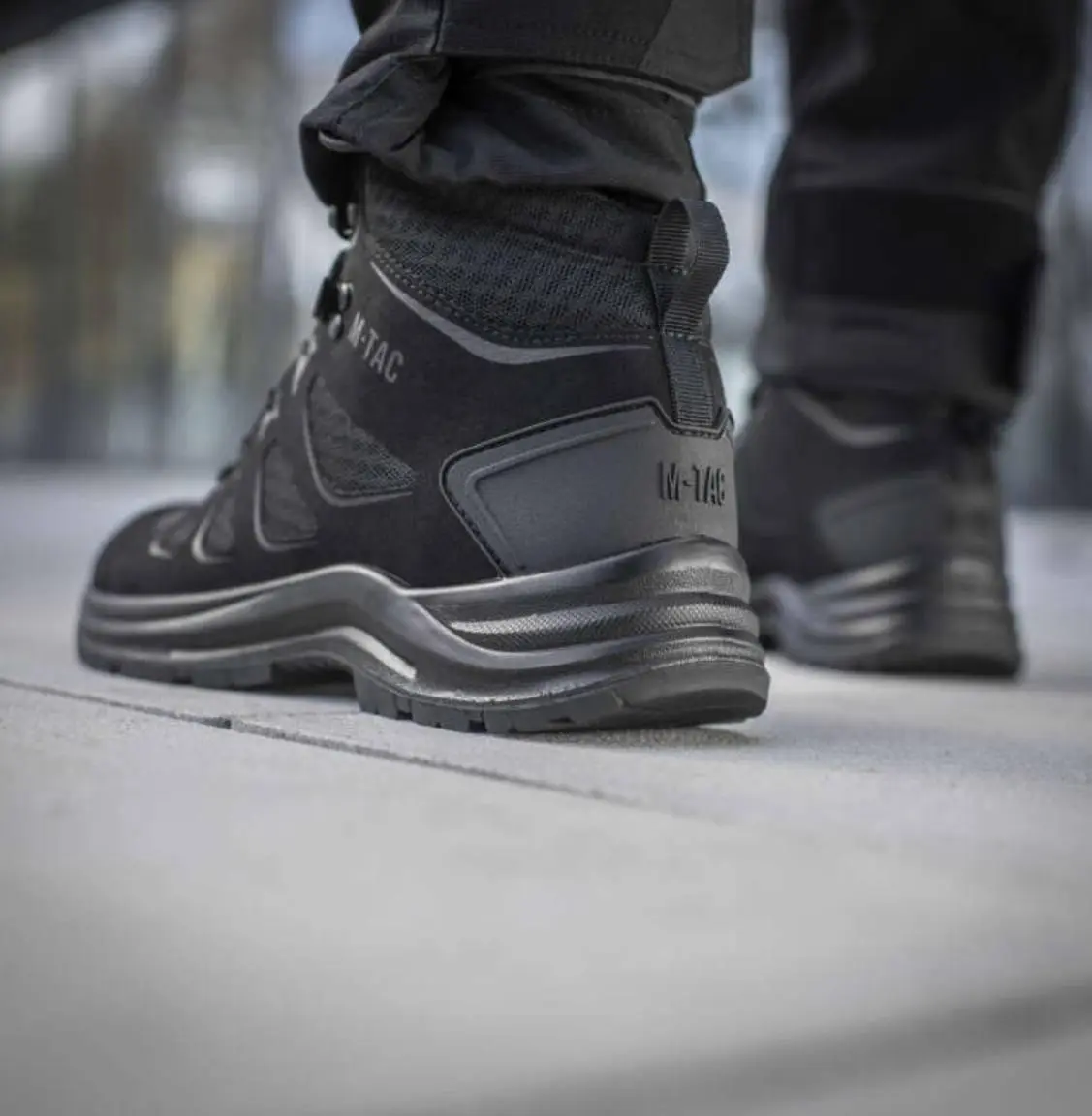
- Summer (heat, base, dry terrain). Ягуар sneakers combine hydrophobic nubuck with 3D mesh — ventilation for the hottest days. M-Tac Iva Black ankle shoes are built for the warm season and fast movement, when the main goal is keeping your foot from overheating.
Simple logic: one membrane pair for cold and wet conditions, one breathable pair for summer. That way you're always in the right mode.
If you have to pick just one, start from what your region has more of — rain or heat. Browse the remaining models in the Tactical Footwear category.
Fit, Weight, and Fasteners: What You Feel at Kilometer 20
In the first few kilometers, every pair feels fine. The difference shows up later — when your foot swells, the first hot spots appear, and every extra gram starts to drag. It's on a long march that you find out whether you chose your footwear correctly.
Three things that matter far more on the trail than they do in a fitting room:
- Last width. Size length is only half the equation. If you have a wide foot, a standard last compresses the forefoot, and by evening you'll have blisters and numb toes. For cases like this there are wide-fit models — for example, the Garmont T8 Falcon Wide, whose last is designed for a broader foot without excess pressure on the sides.
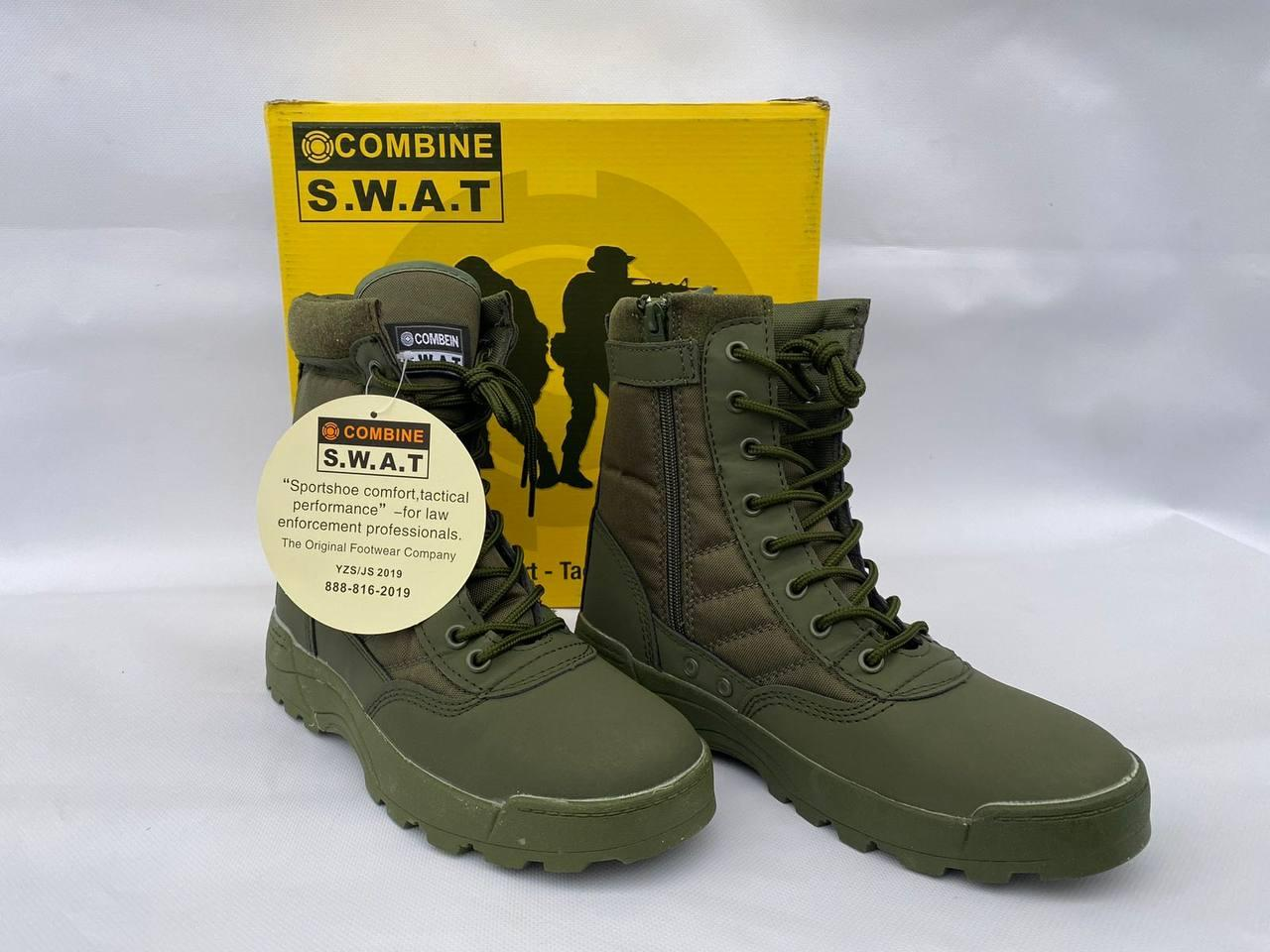
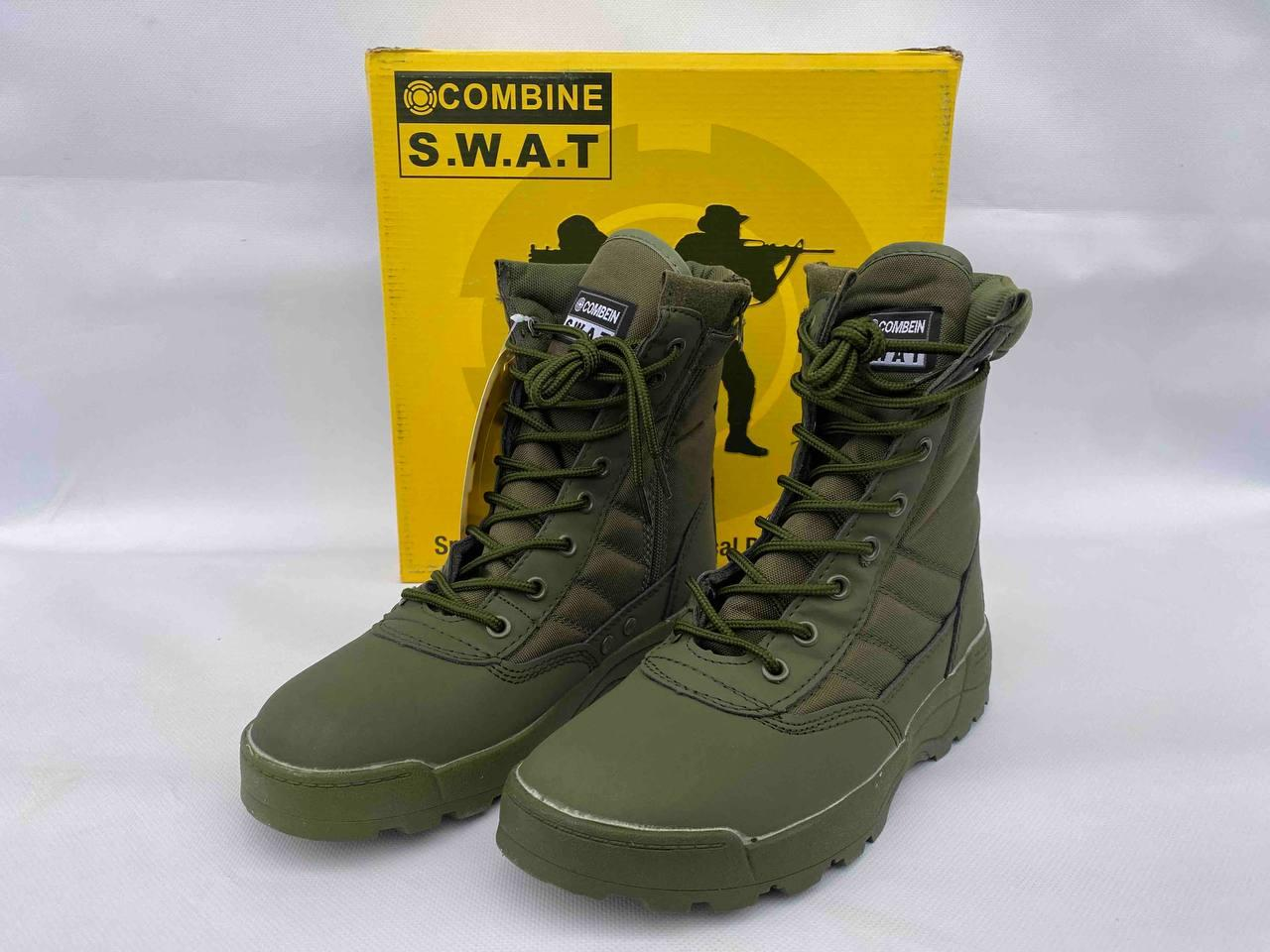
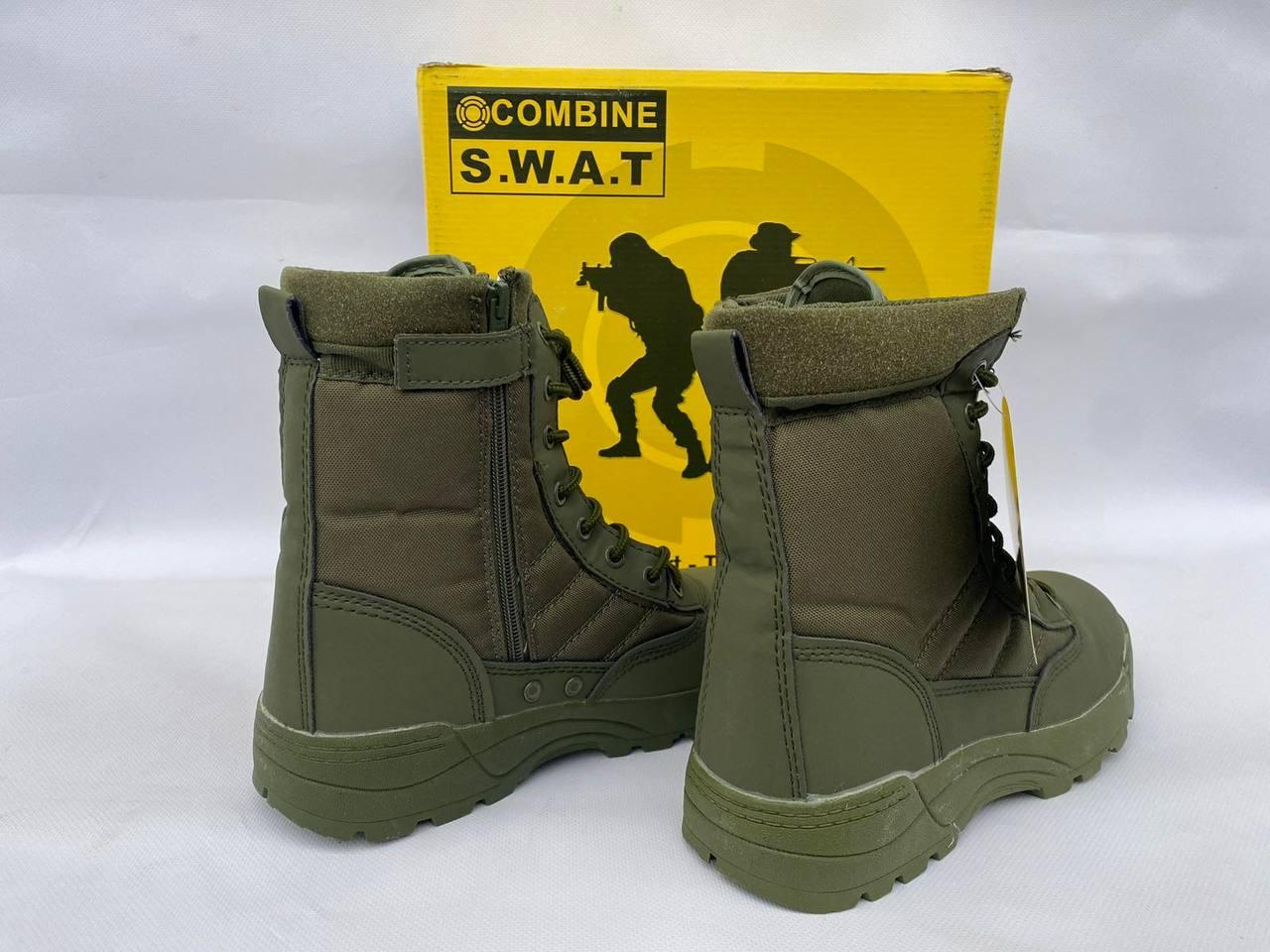
- Pair weight. On a march you lift each foot thousands of times. An extra 150–200 g per boot translates into noticeable fatigue in the quads and feet. For long transitions in warm weather, look at lightweight options such as the S.W.A.T Олива boots.
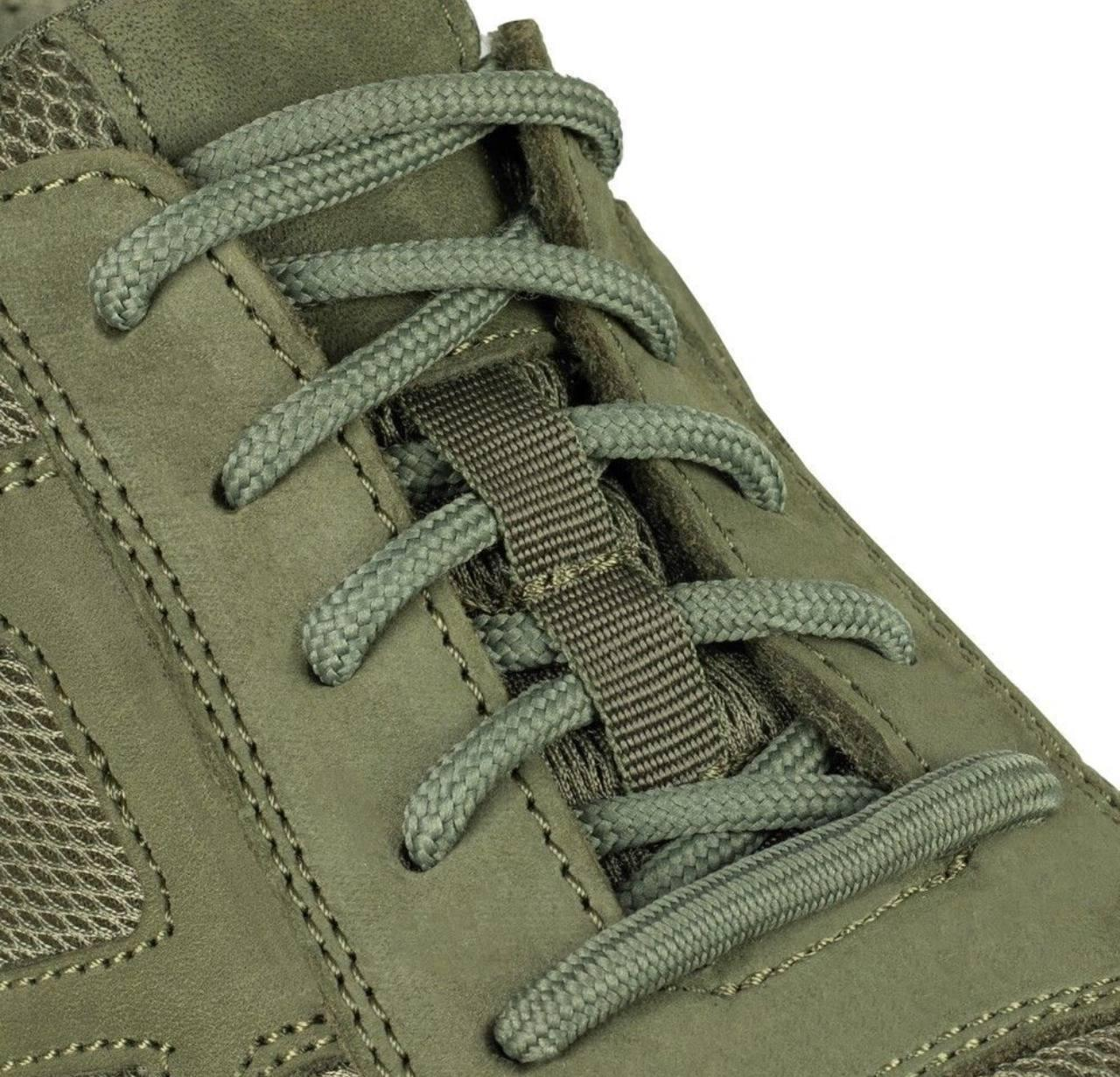
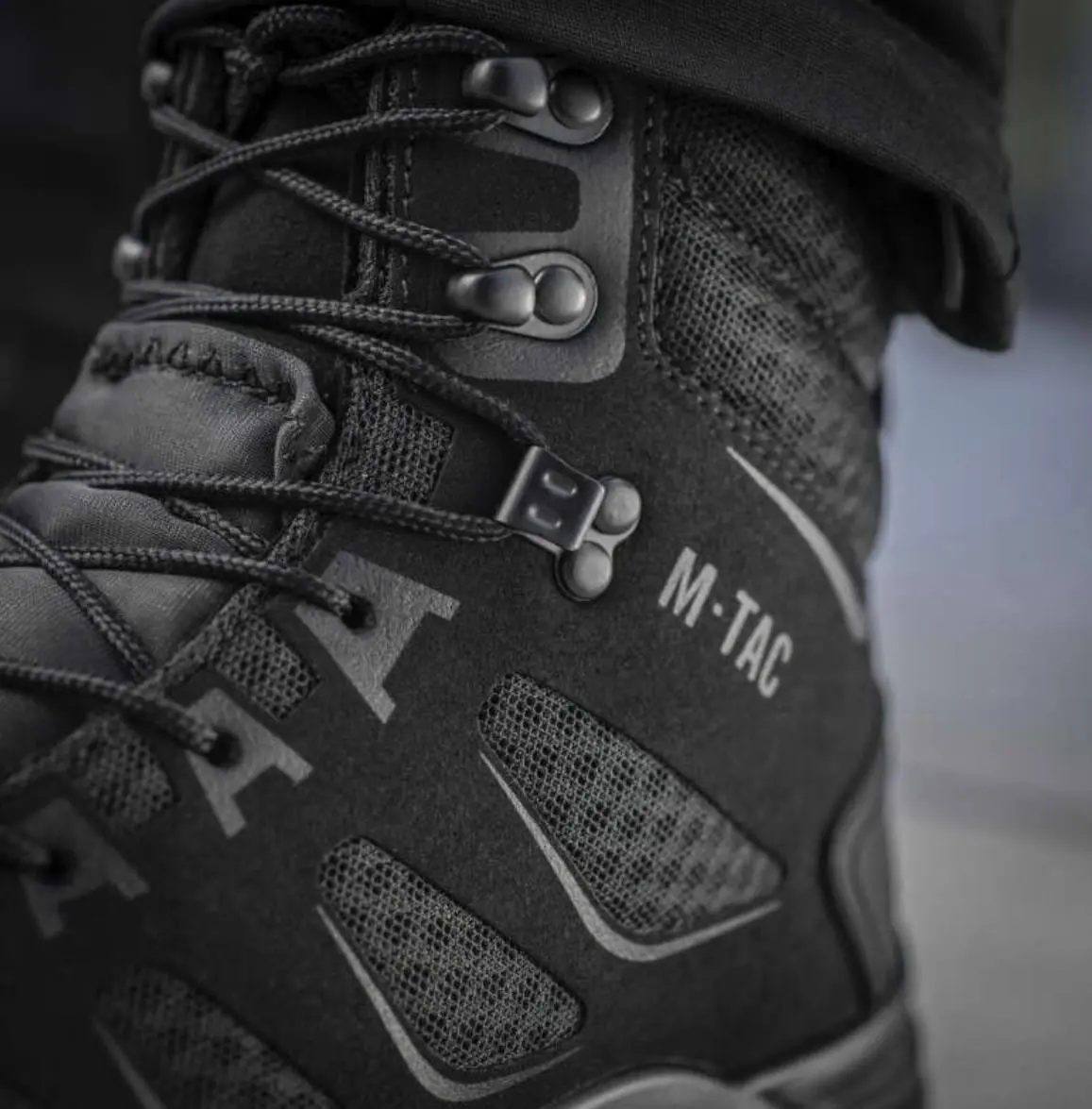
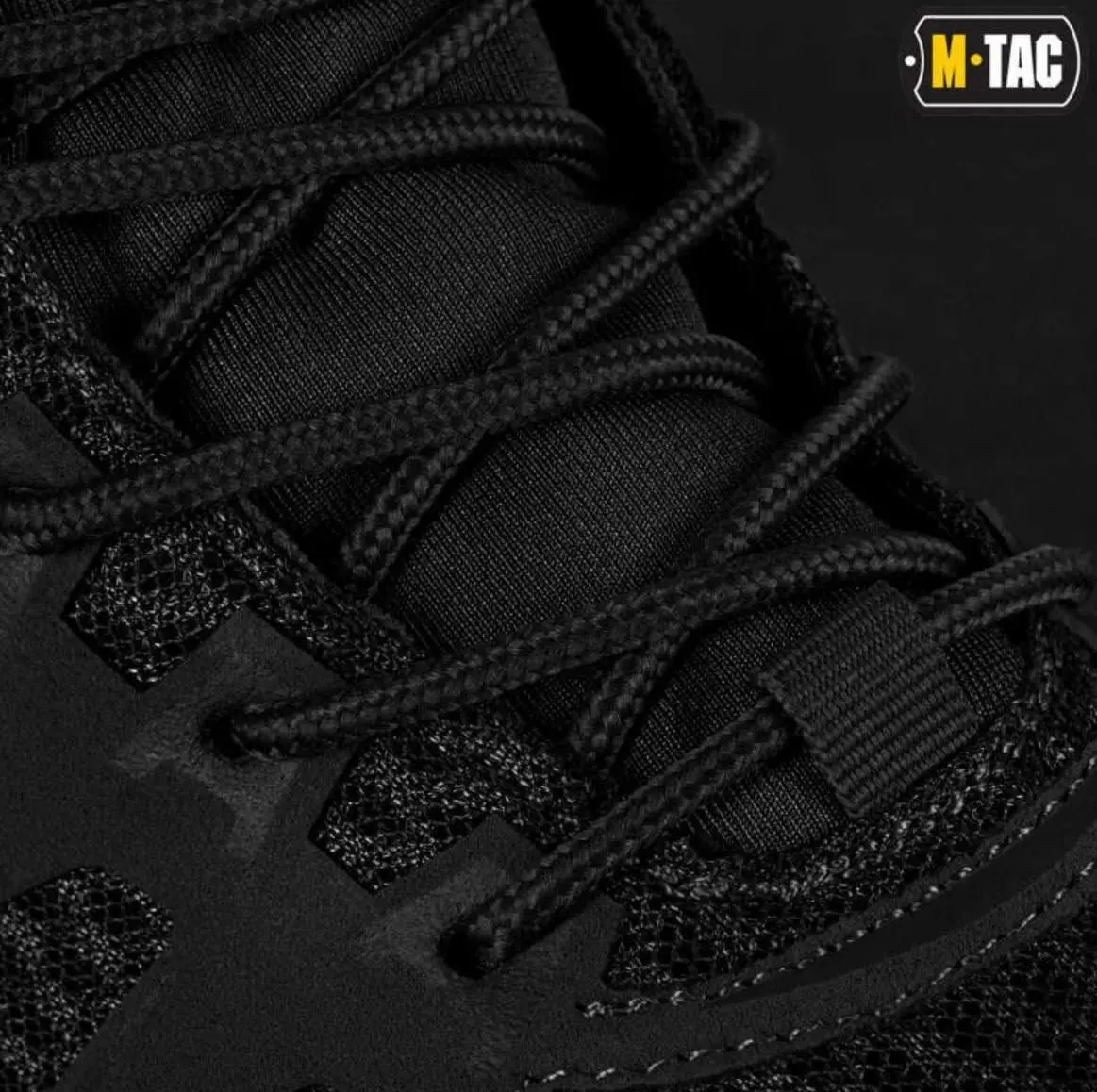
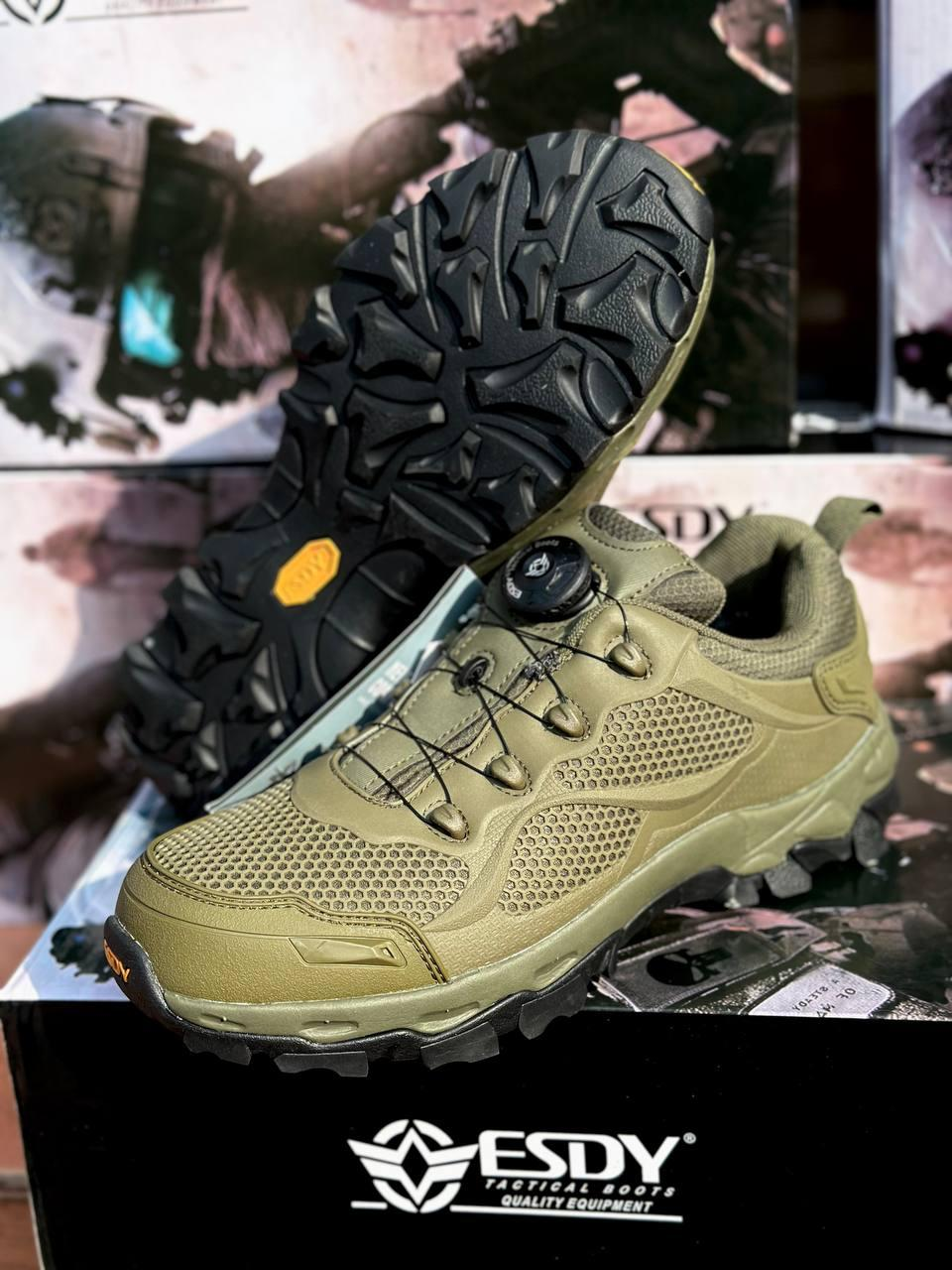
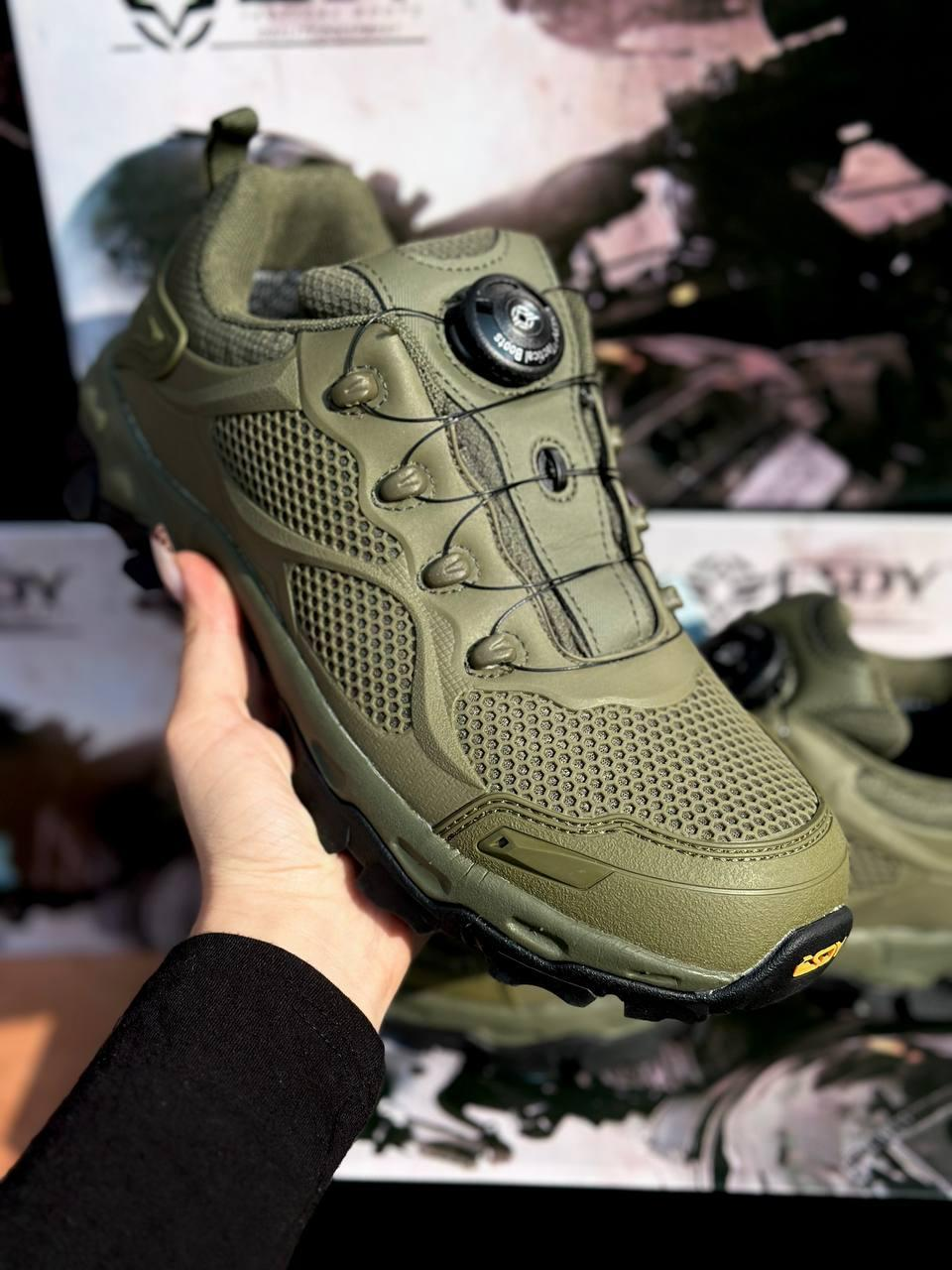
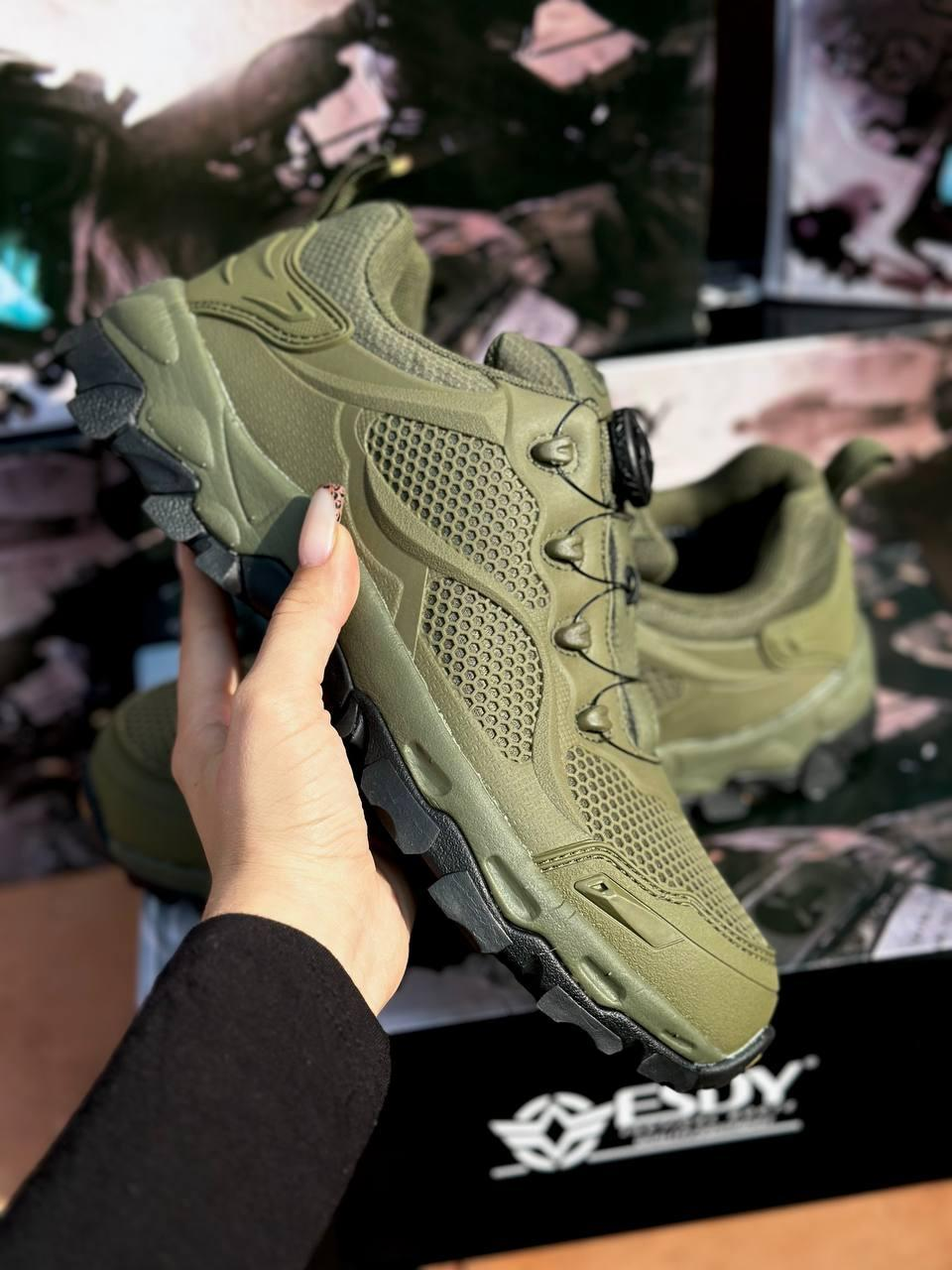
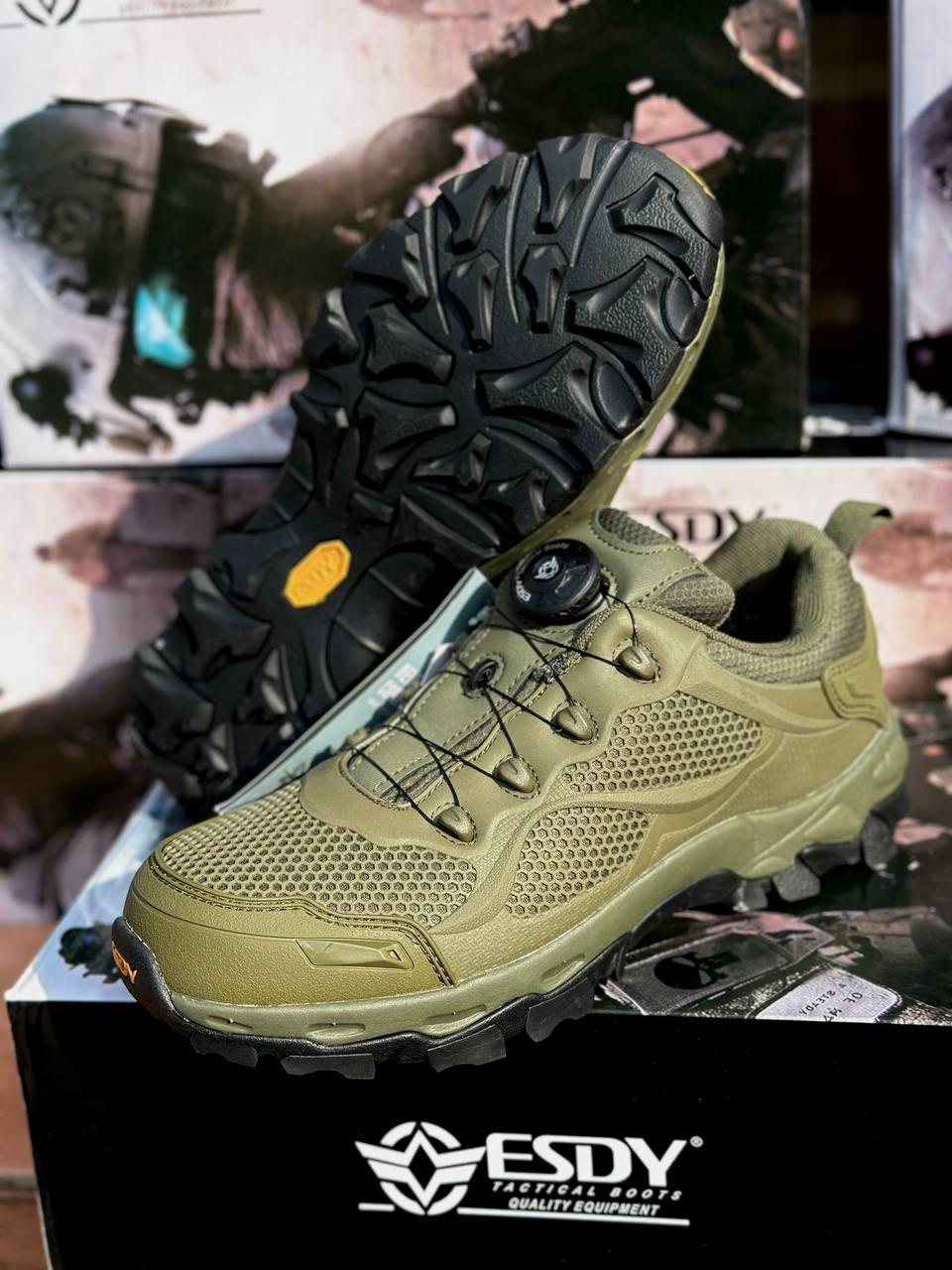
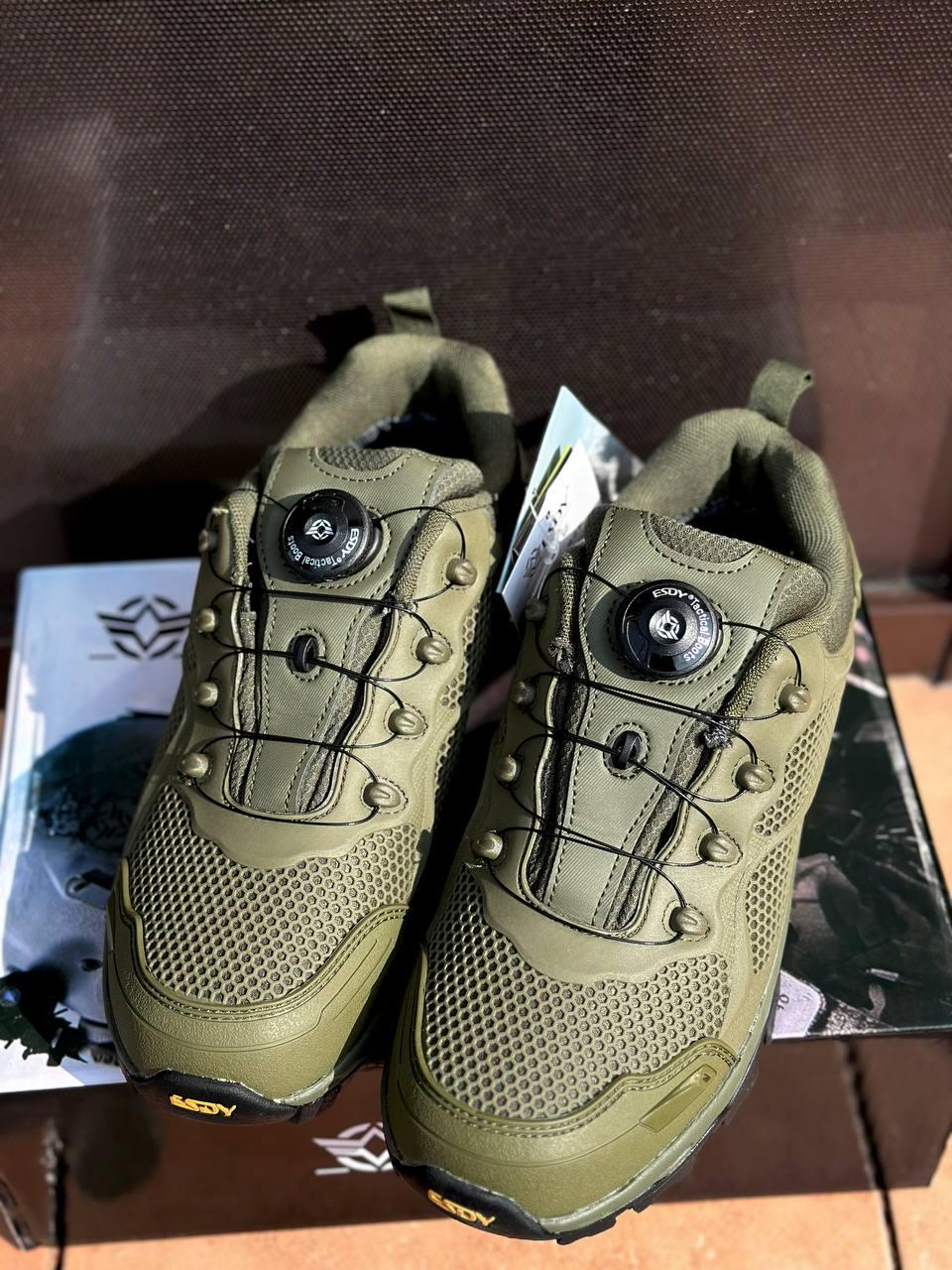
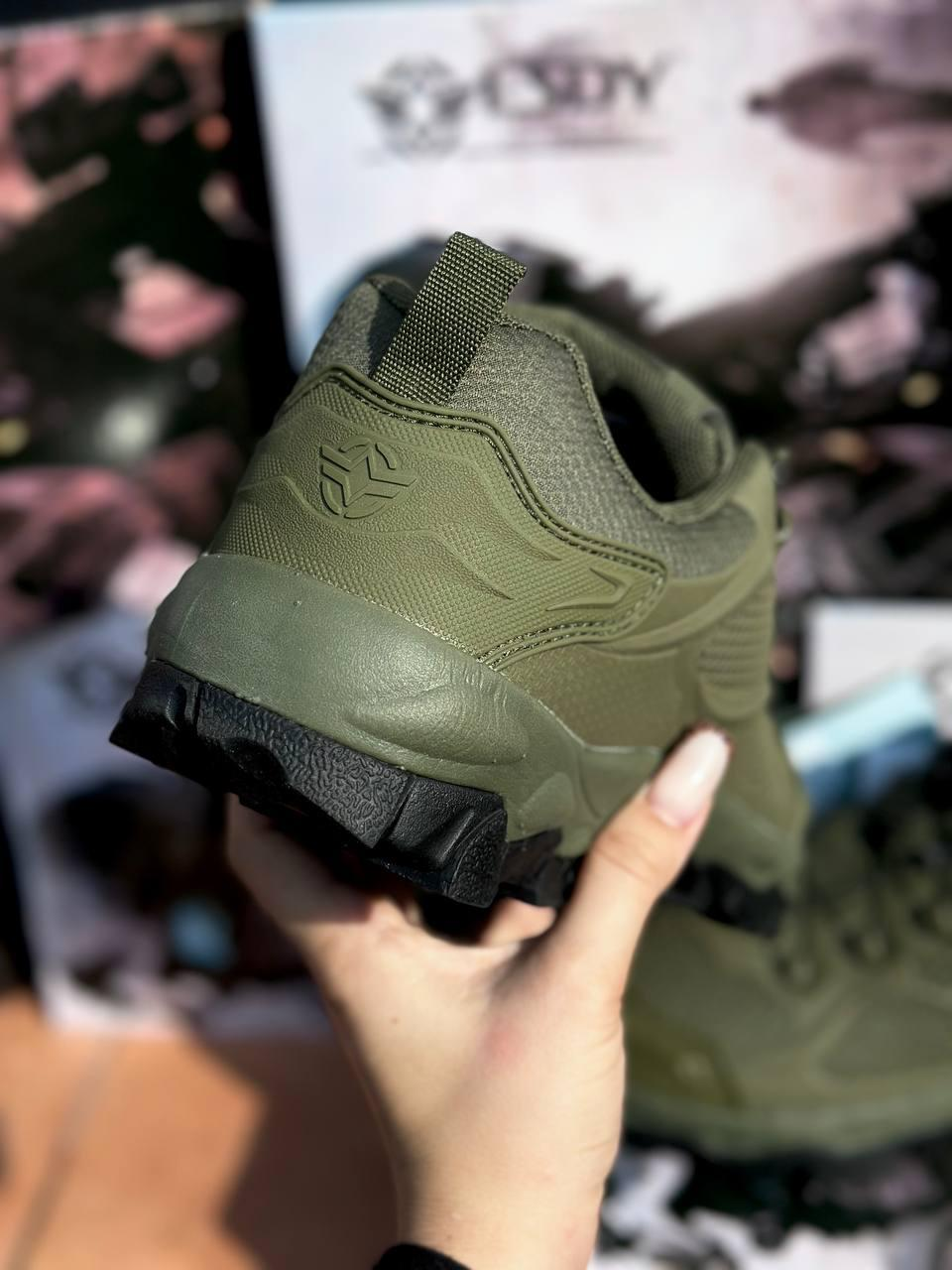
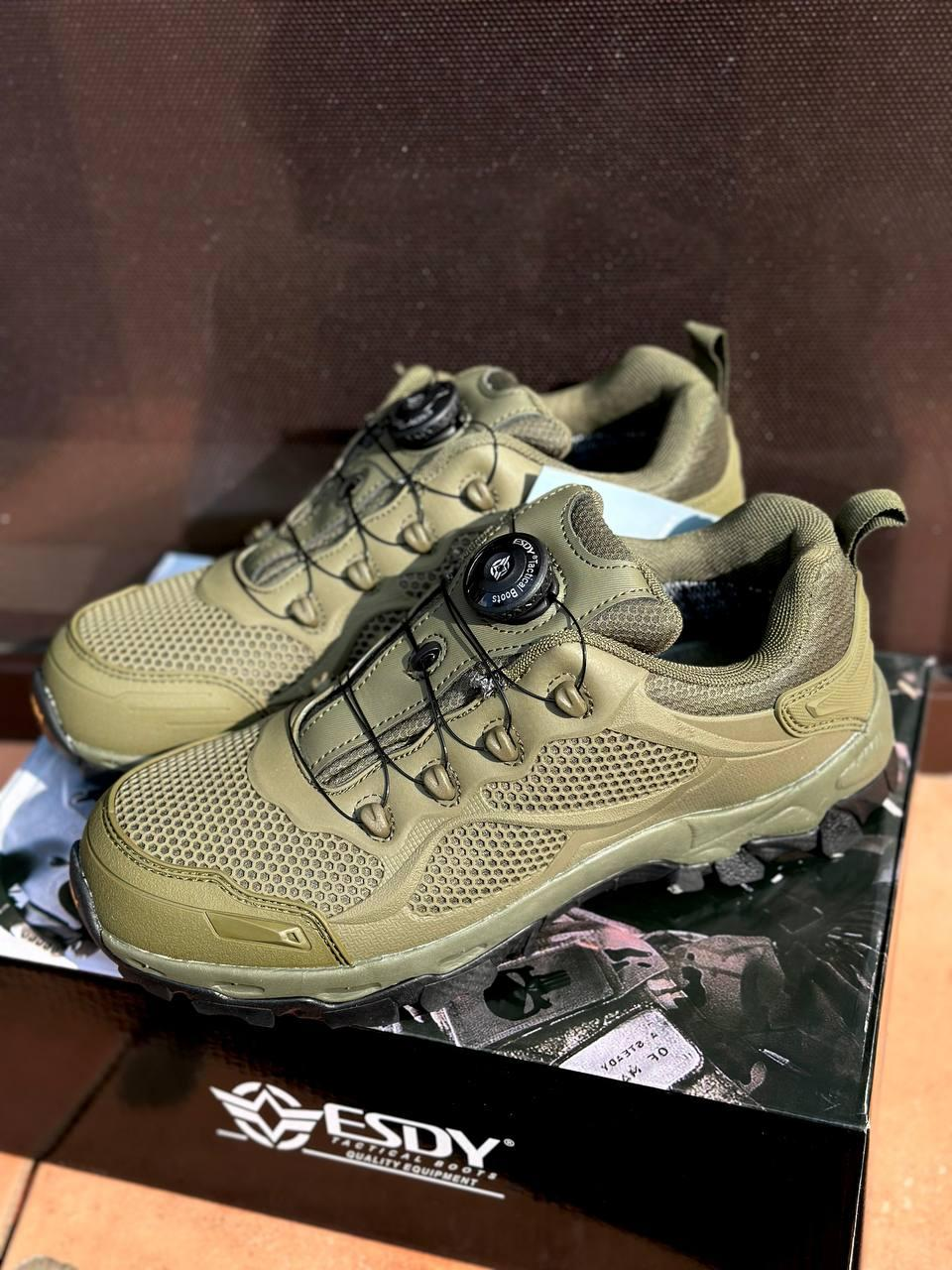
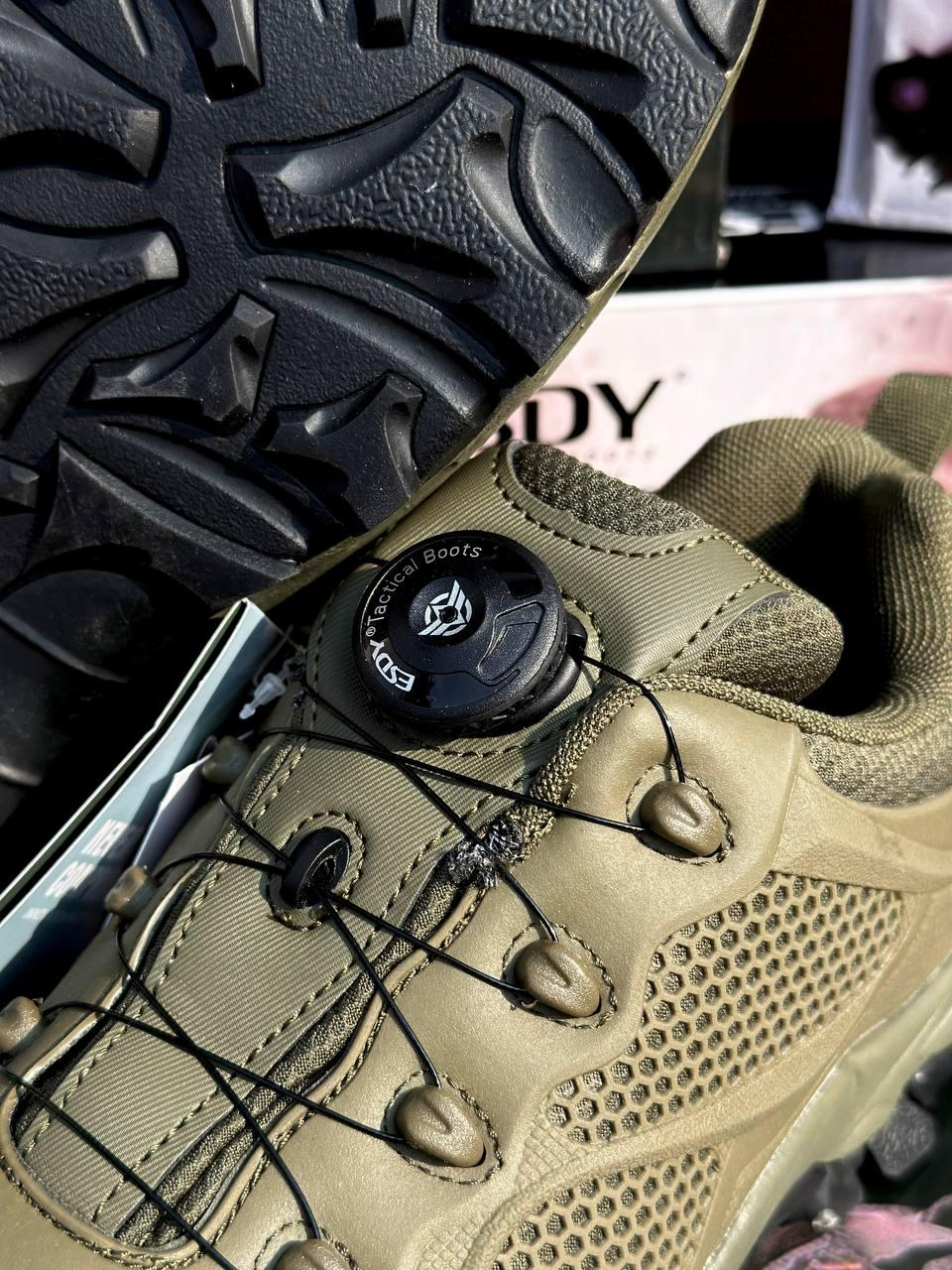
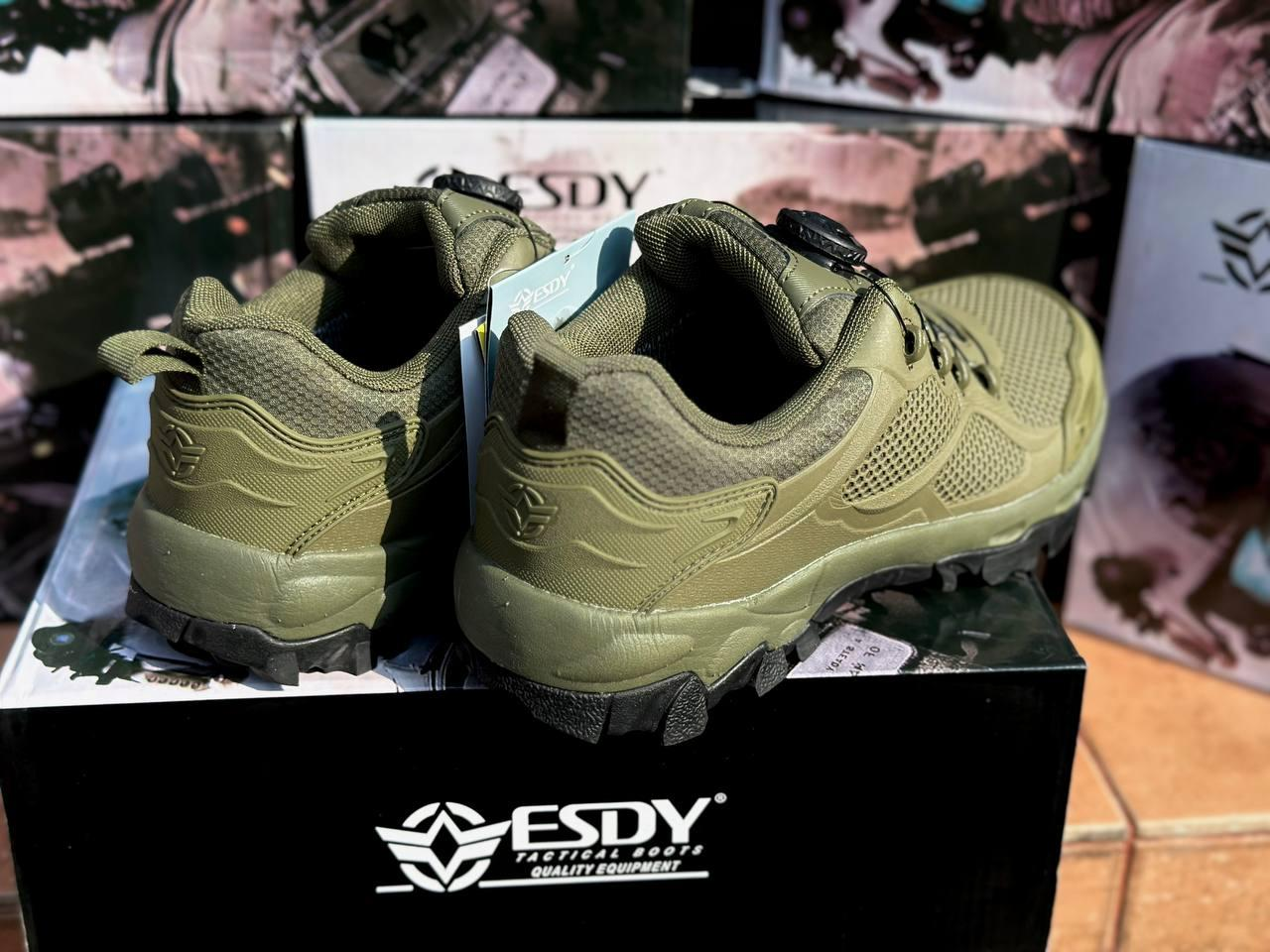
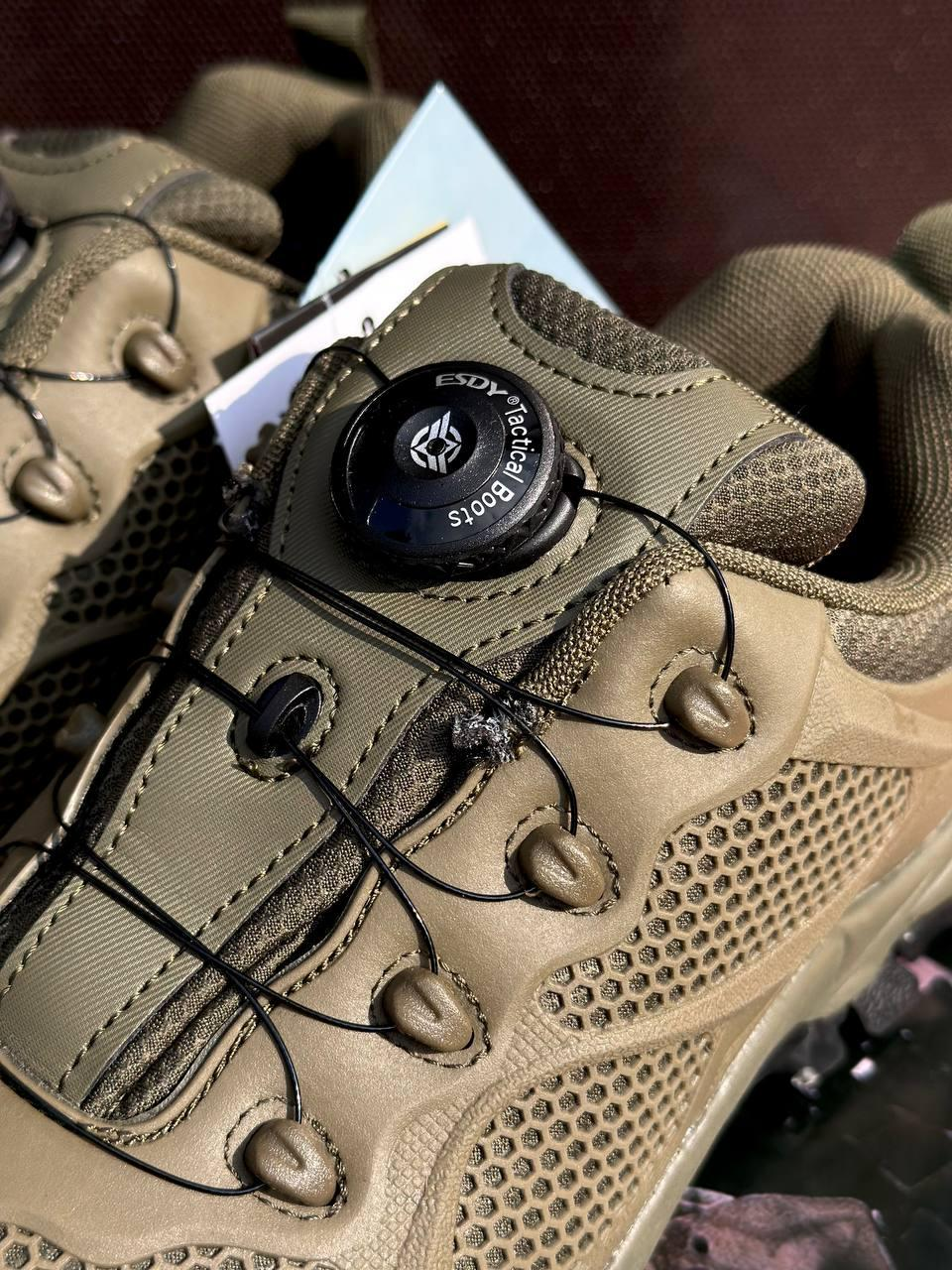
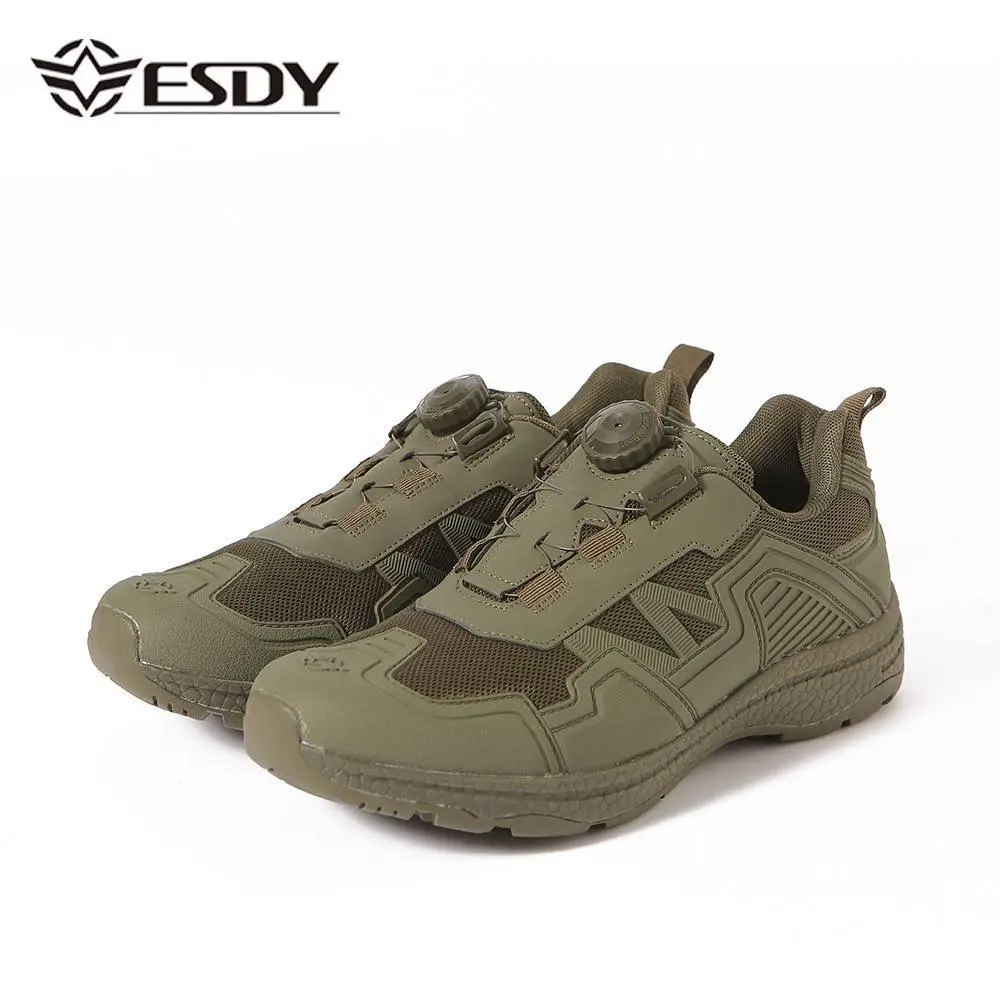
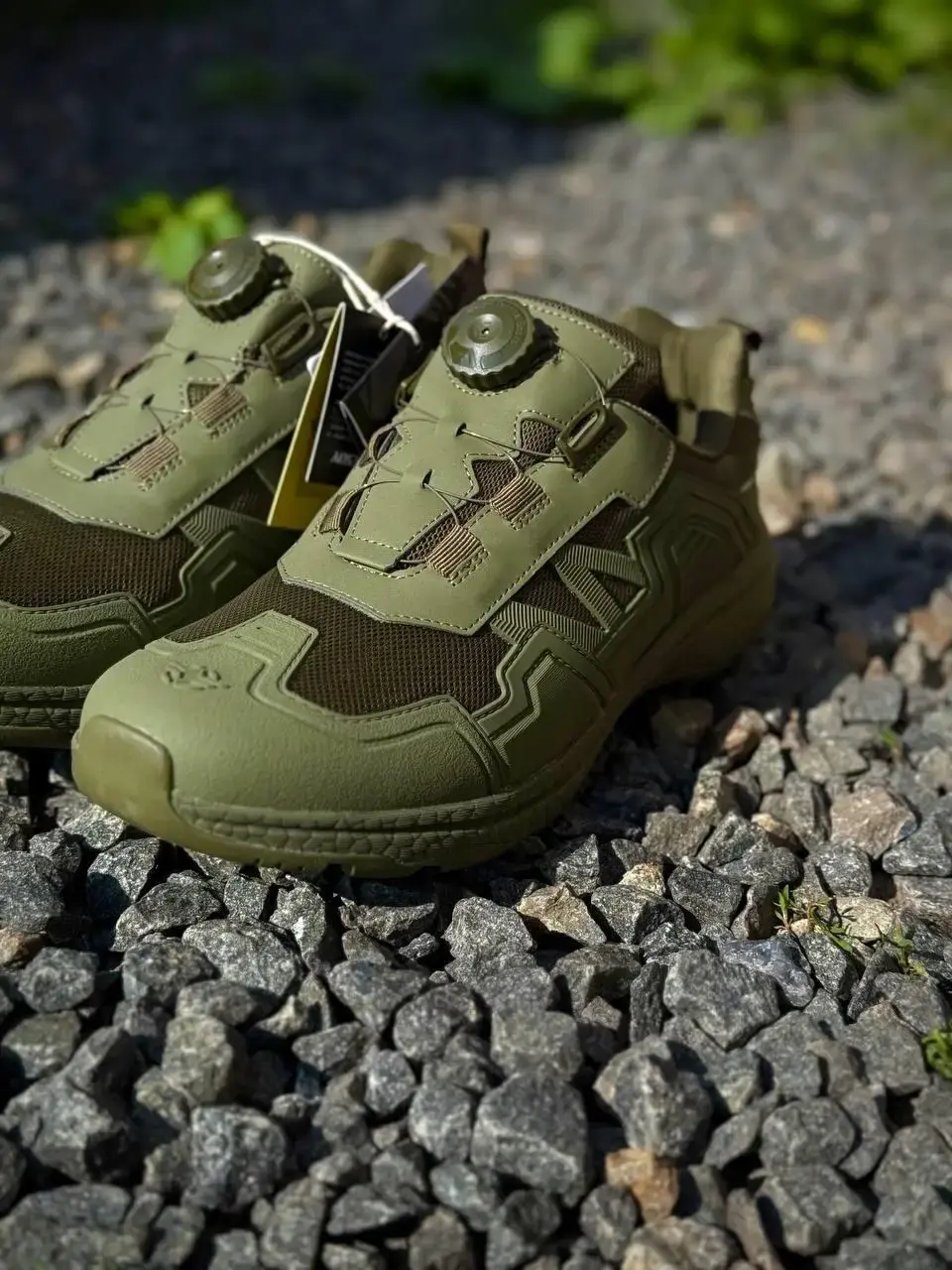
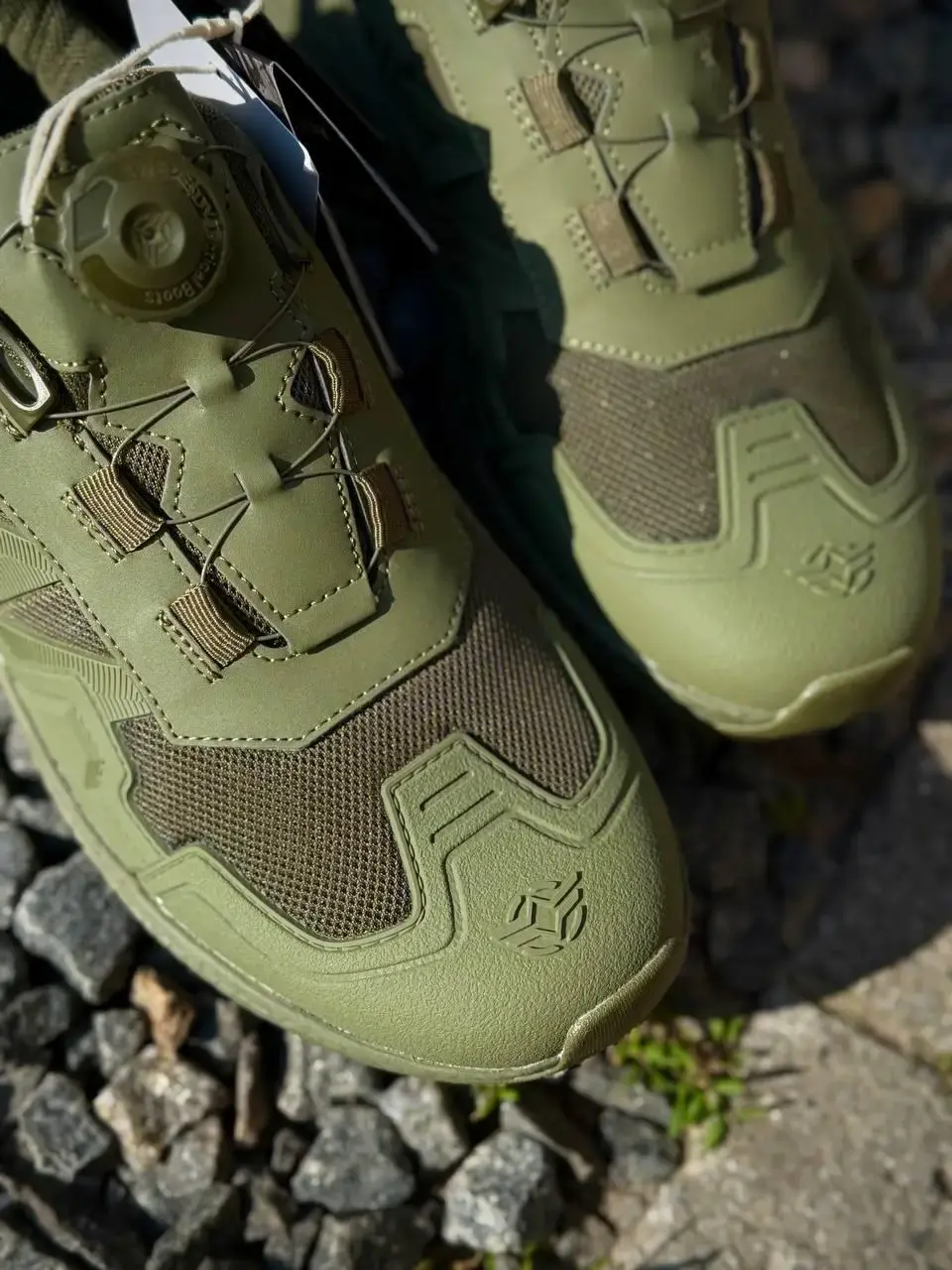
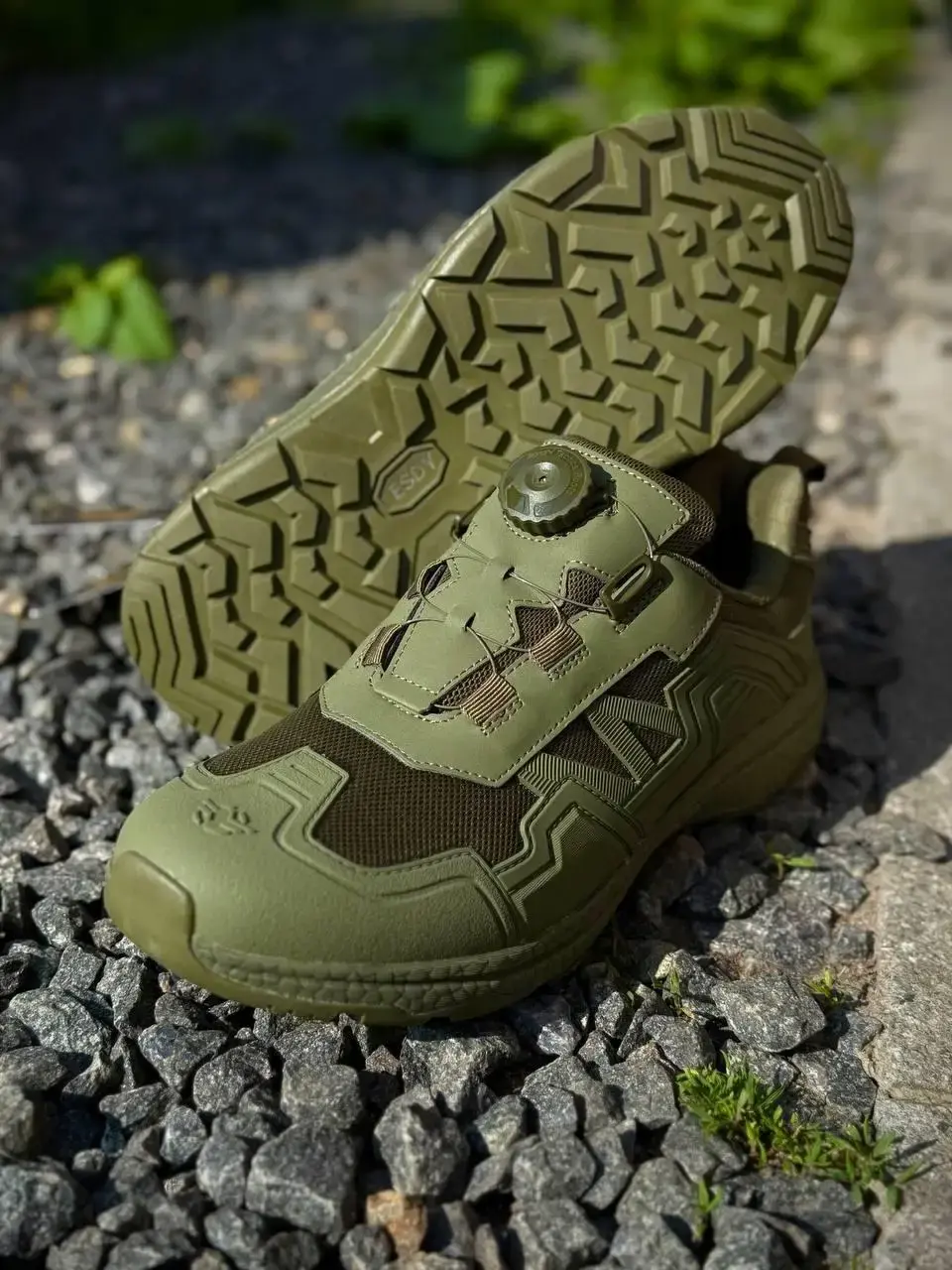
- Fasteners. Traditional lacing is reliable, but an undone lace mid-trail means a stop and a hassle. The auto-lacing systems on ESDY sneakers and the updated Esdy 10.0 let you get your boots on in seconds and maintain even tension with no loose sections.
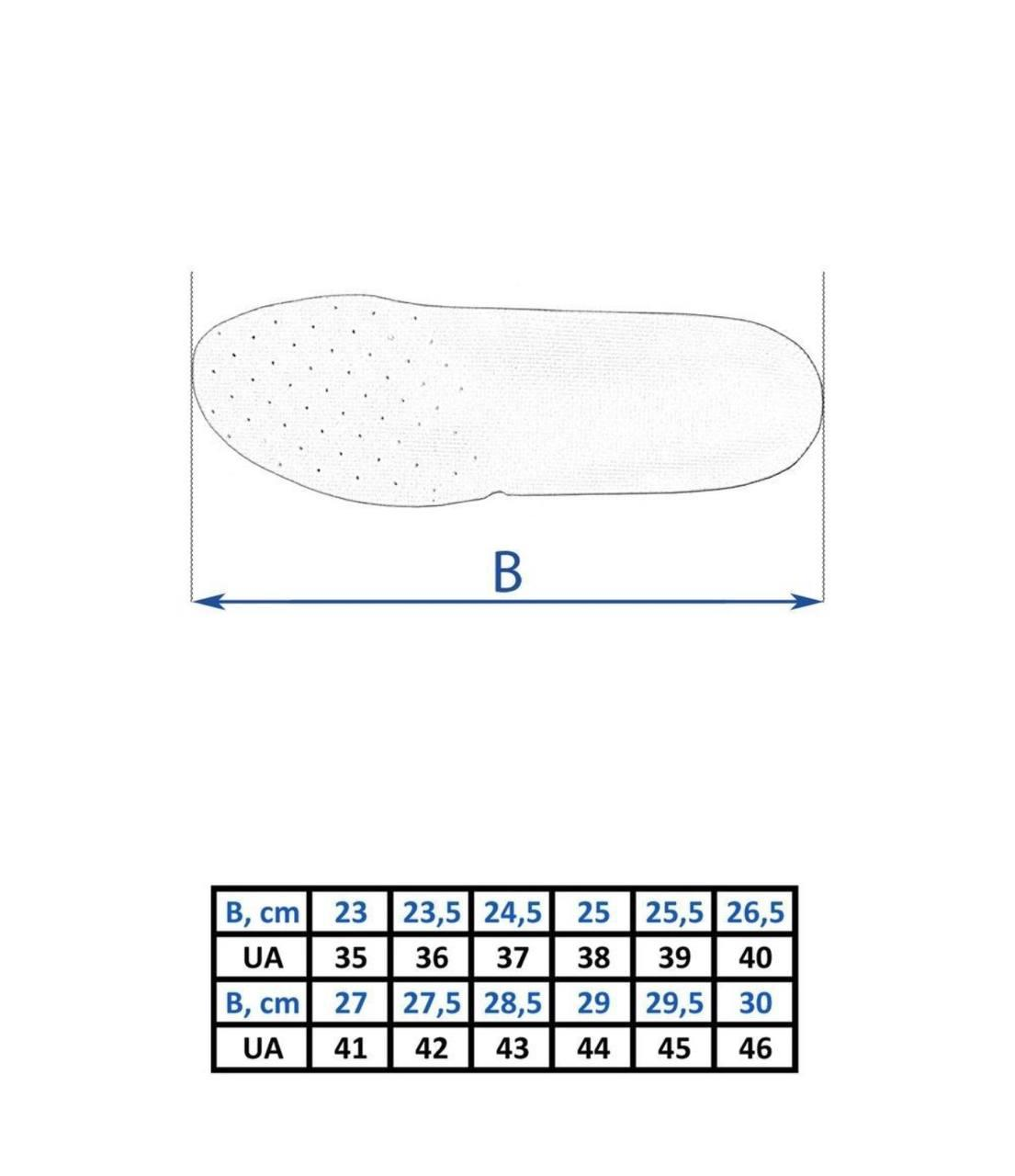
And the main piece of advice: don't buy footwear that fits snugly to your exact size. The foot expands under load, so leave a little room in the toe box. Before buying, walk around in the pair for a few minutes — on flat ground and, if possible, on a slope. Footwear that pinches during a fitting won't "break in" by kilometer 20; it will simply make itself known.
More options for different scenarios are in the Tactical Footwear category.
Putting It All Together: a Quick Checklist
We've covered every parameter individually — now let's bring them together into a simple sequence. Work through the decisions top to bottom: each step builds on the previous one, so don't skip ahead.
- Scenario and season. Start by honestly describing the task: how many kilometers, how much weight on your back, what climate, what terrain. This cuts out half the options before you even try anything on.
- Height. Long marches with a pack and heavy terrain — high boots with ankle fixation. Mixed tasks and patrolling — mid-height. Base and warm weather — low sneakers.
- Outsole for the terrain. Rock, mud, and off-road call for a deep, aggressive tread; asphalt and base need something flatter and quieter.
- Membrane for the climate. Wet cold and water crossings — waterproof membrane. Heat and prolonged exertion — a breathable pair without a membrane so your foot doesn't overheat.
- Fit and weight. The last filter, but the decisive one: try the boots on with the socks you actually wear, check heel lock, and verify toe box clearance. A lighter pair saves energy over the distance.
When all five points line up — that's your pair. The full category is in the Tactical Footwear section, where filters help you narrow the selection by these same criteria.
As for delivery: Nova Poshta shipping is available — both to a branch and to a parcel locker. You can choose cash on delivery, meaning you pay after inspecting the package. That way you move from checklist to fitting room with complete peace of mind.