Coyote Tactical Pants
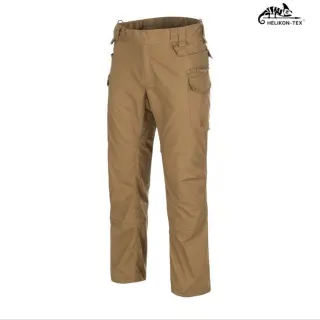
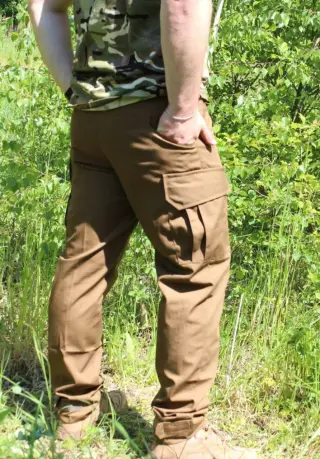
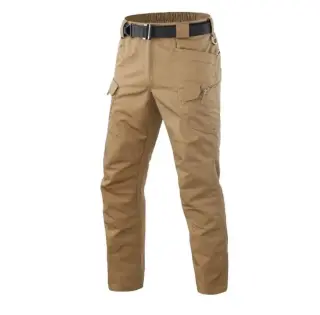
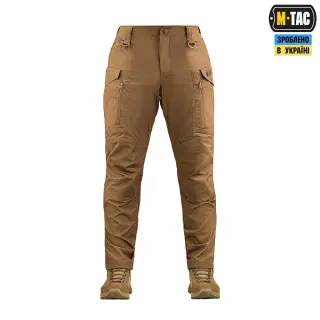
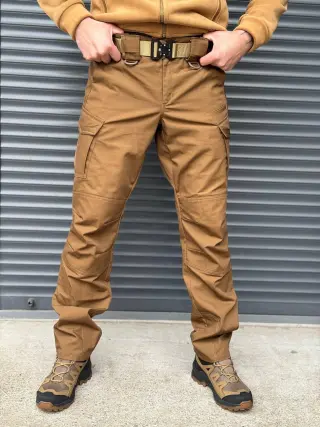
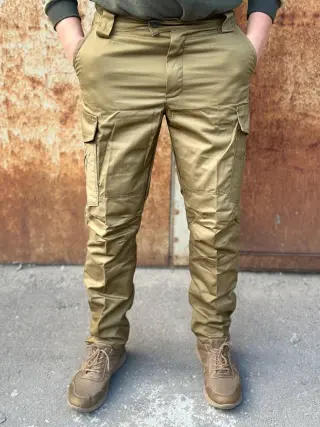
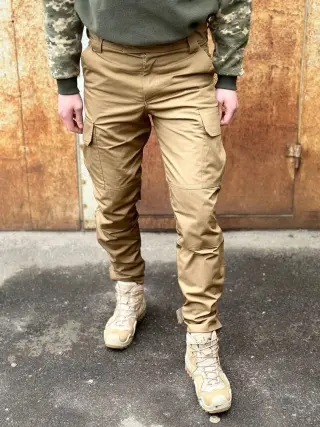
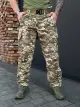
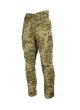
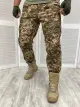
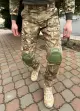


Coyote pants: where this color works and how to choose
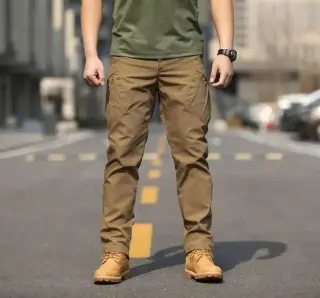
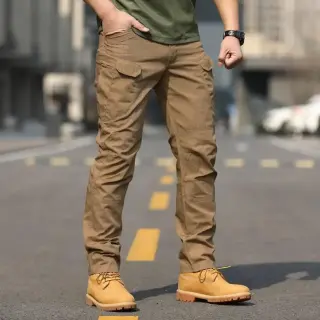
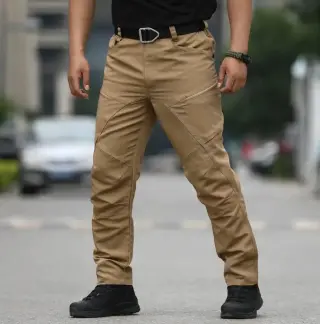
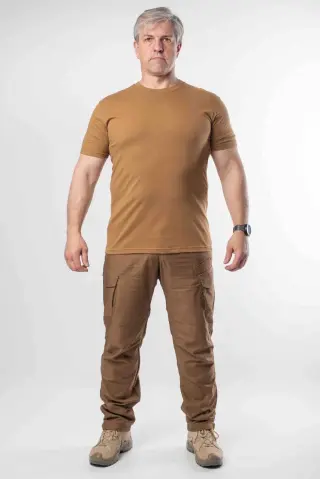
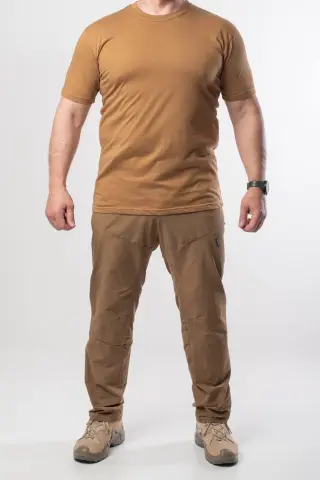
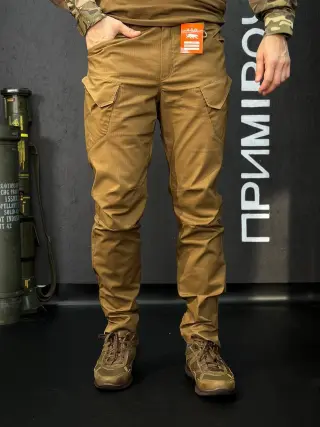
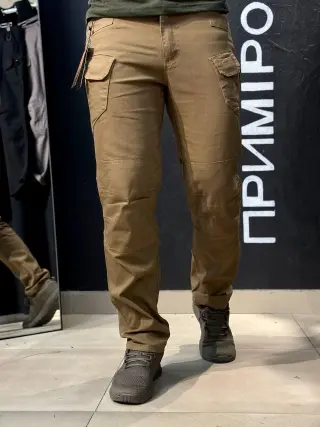
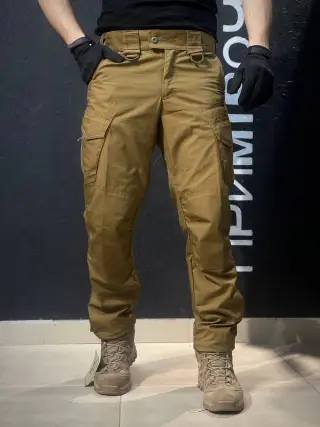
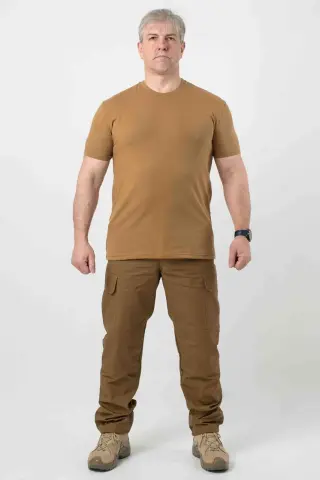
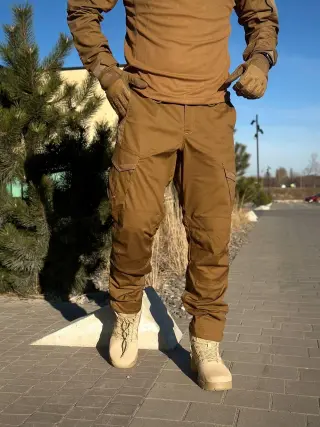
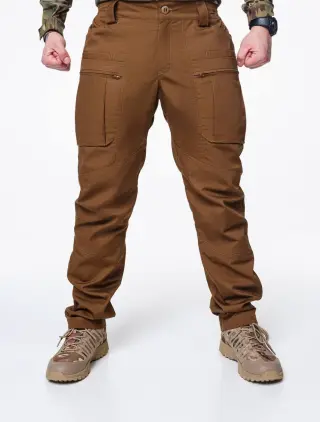
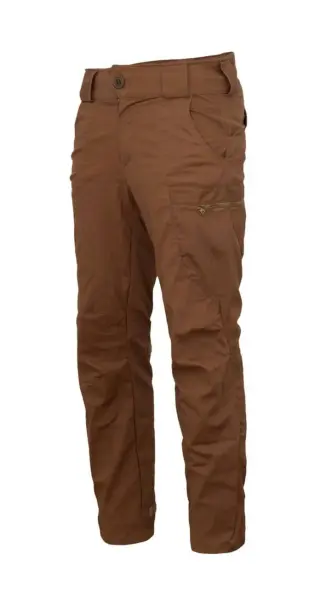
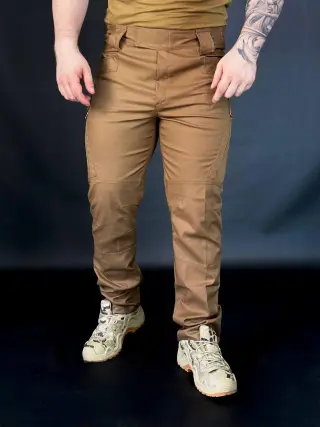
Coyote is a sandy-brown shade that has long been one of the basic colors in military and tactical clothing. These pants are chosen by those who need a calm solid-color garment without a camouflage pattern: for service, the training ground, hunting in open terrain or everyday wear. Coyote pairs easily with camouflage and olive, doesn't look as overtly military as pixel patterns, and at the same time shows dirt less than black.
Where coyote conceals and where it stands out
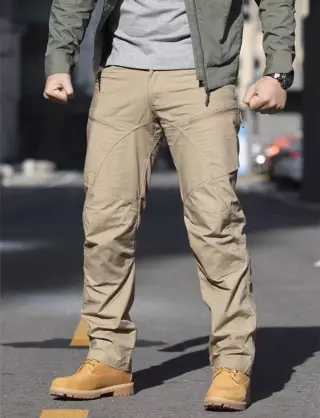
This tone blends best with dry grass, sand, clay, the steppe in late summer and autumn, as well as with ruins and concrete dust. In a green forest at the height of the season, light solid-color pants are more noticeable than olive or Multicam, so coyote shouldn't be your only choice for concealment in greenery. In the city, though, it reads as ordinary beige work pants and doesn't attract attention.
In wear the color is practical: dust and dried clay are almost invisible on it, while black pants turn gray after the first trip to the field. On the other hand, wet spots, grease and green grass stains show up clearly on coyote. Models with a water-repellent finish, such as Hunter Pro, keep a neat look longer because dirt doesn't have time to soak into the fabric.
Why coyote shades differ between models
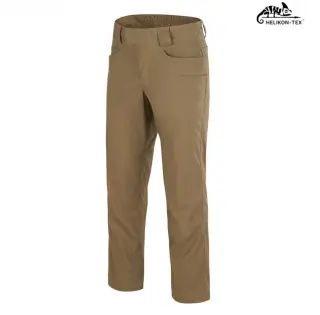
There is no single standard: every manufacturer, and even every fabric batch, has its own tone, from light sandy to rich brown. For example, M-Tac Conquistador Gen I Flex comes in the Coyote Brown shade — darker and closer to brown. Texture matters too: canvas, as in Helikon-Tex Greyman or Pilgrim, looks deeper and more matte than smooth ripstop of the same color.
So if you are putting together a set of pants, a shirt and a plate carrier, compare the actual shade in daylight, not the color name. Fabrics with a high cotton content fade in the sun and lighten after washing, while polyester holds its color longer. To keep the pants from drifting away from the rest of your set, wash them inside out, in cool water, without bleach, and dry them in the shade.
Which coyote model to choose for your needs
The color is the same but the tasks differ, so look first of all at the construction:
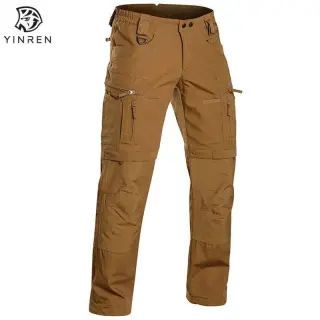
- For service and the training ground, ripstop cargo pants with reinforced knees are a good fit — Yinren 4.0 with YKK hardware and hem drawcords, or cotton Archon pants with reinforced knees.
- If you have to work a lot on your knees, choose pants with knee pad pockets.
- For the city and travel, canvas models like Helikon-Tex Greyman are convenient — they look like ordinary work pants.
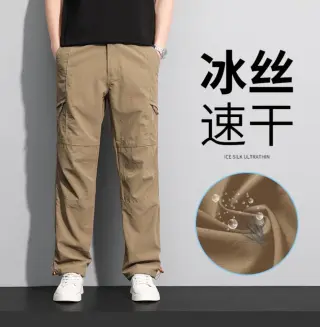
- For active movement and the forest, stretch joggers are better: the tapered leg doesn't snag on branches.
- Women should look for women's ripstop pants with an anatomical cut and adjustable width at the hem.
Prices for coyote pants range from 1 000 to 3 970 UAH. If the color is not essential for you, compare tactical pants in other shades.
Frequently asked questions
Do coyote pants go with Multicam?
Yes, it's one of the most successful combinations. Sandy-brown tones are present in the Multicam pattern itself, so solid-color pants under a camouflage jacket or plate carrier look cohesive. Coyote also pairs just as well with olive.
Can you wear coyote military pants in the city?
You can, and they will look appropriate. Coyote is perceived as ordinary beige workwear, especially in canvas models without extra patch pockets. For the city, choose a calmer cut and a minimum of hook-and-loop patches.
Which is more practical: coyote or olive?
It depends on the terrain. Coyote conceals better in the steppe, on sand and among dry grass, while olive works better in a green forest. In everyday use coyote shows less dust, but wet and greasy stains are more noticeable on it.